


 Published on
Table of Contents
Quick answer: Square watches follow the natural geometry of the wrist more closely than round cases, carry a design history stretching back to 1917, and represent under 2% of the watch market making them genuinely distinctive rather than merely different. They work across formal and casual contexts, suit both men and women, and connect the wearer to a tradition that includes the Cartier Tank, the JLC Reverso, and the TAG Heuer Monaco.
Over 98% of watches sold are round. That is not because round is objectively better. It is because round is the default: the choice that requires no thought, no awareness of design history, and no willingness to stand apart. The square watch exists for everyone who has looked at that statistic and decided to be in the other 2%. Here are seven genuine reasons why.

1. The Design Has Over a Century of Cultural Authority
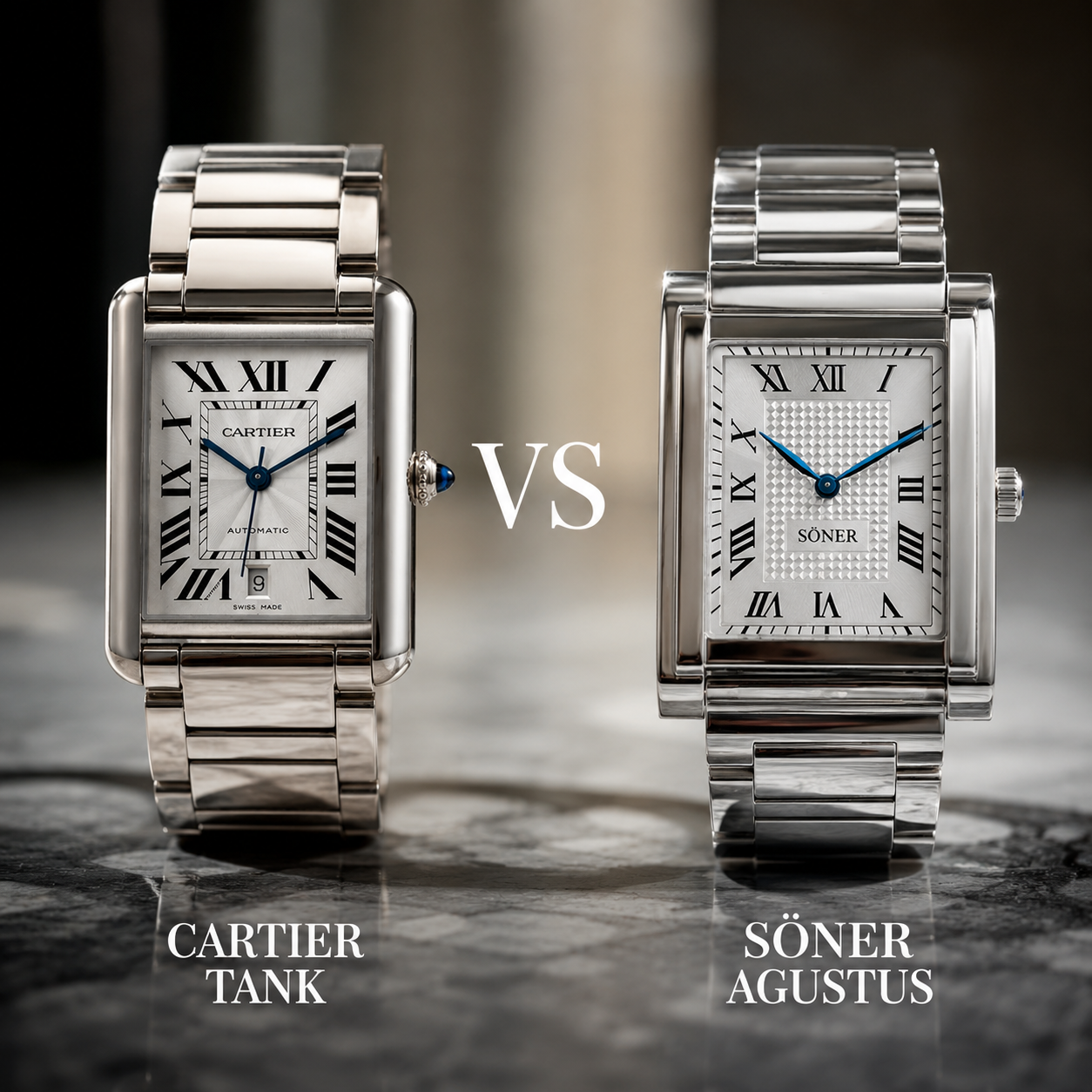
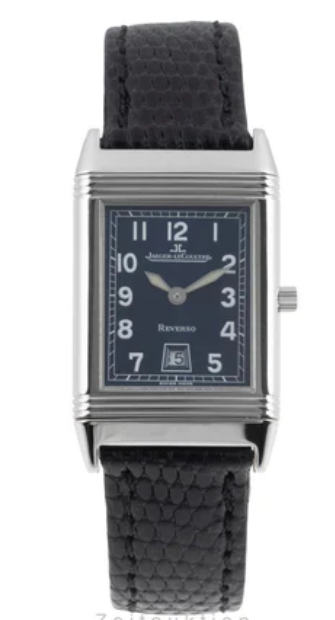
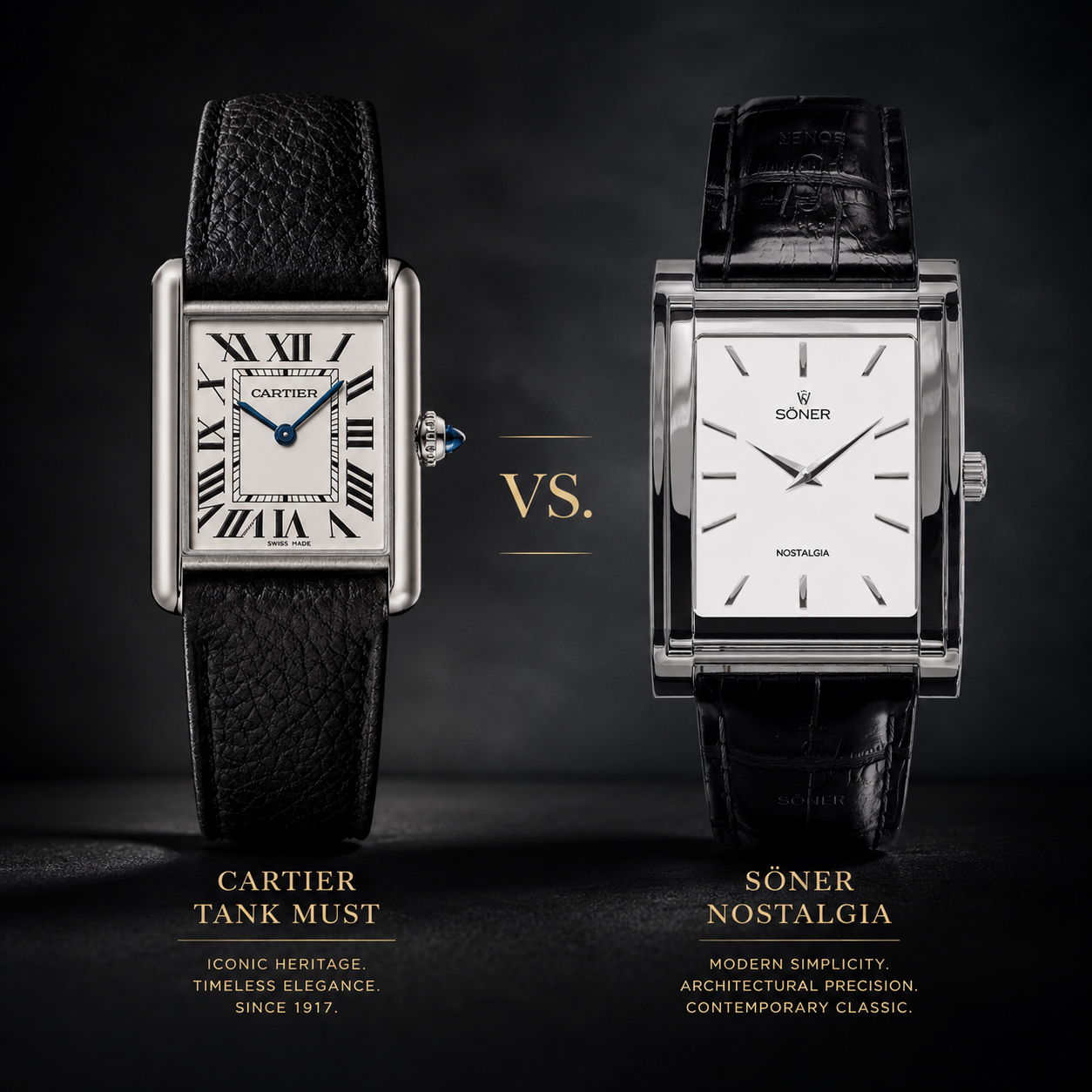
The square watch case is not a trend. It is the original Art Deco statement in watchmaking. Louis Cartier drew the Tank in 1917, inspired by the profile of Renault FT tanks on the Western Front. The result was a watch that looked unlike anything on the market and has remained in continuous production for over a century. The Jaeger-LeCoultre Reverso followed in 1931. The TAG Heuer Monaco arrived in 1969 and became permanently associated with Steve McQueen.
The people who have chosen square watches over the past century include Jackie Kennedy, Princess Diana, Andy Warhol, Yves Saint Laurent, and Steve McQueen. These were not people who chose watches carelessly. The square watch has a cultural record that round watches in the same price tier cannot access. For the full story of how rectangular case design developed from 1917 to today, see our complete history of rectangular watches.

2. The Square Case Fits the Wrist Better Than a Round One
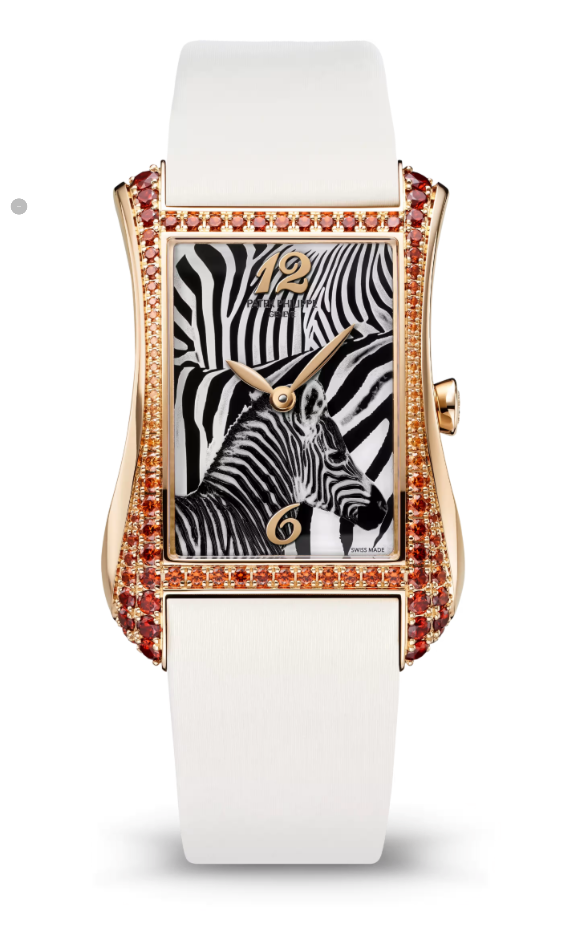
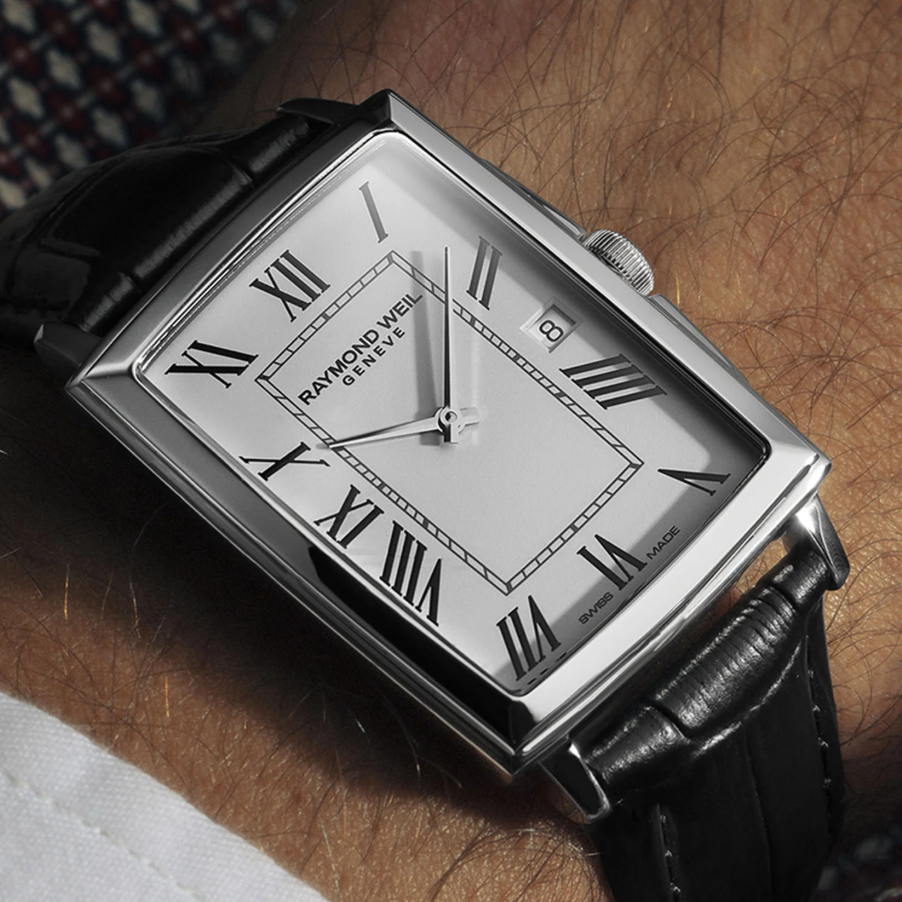
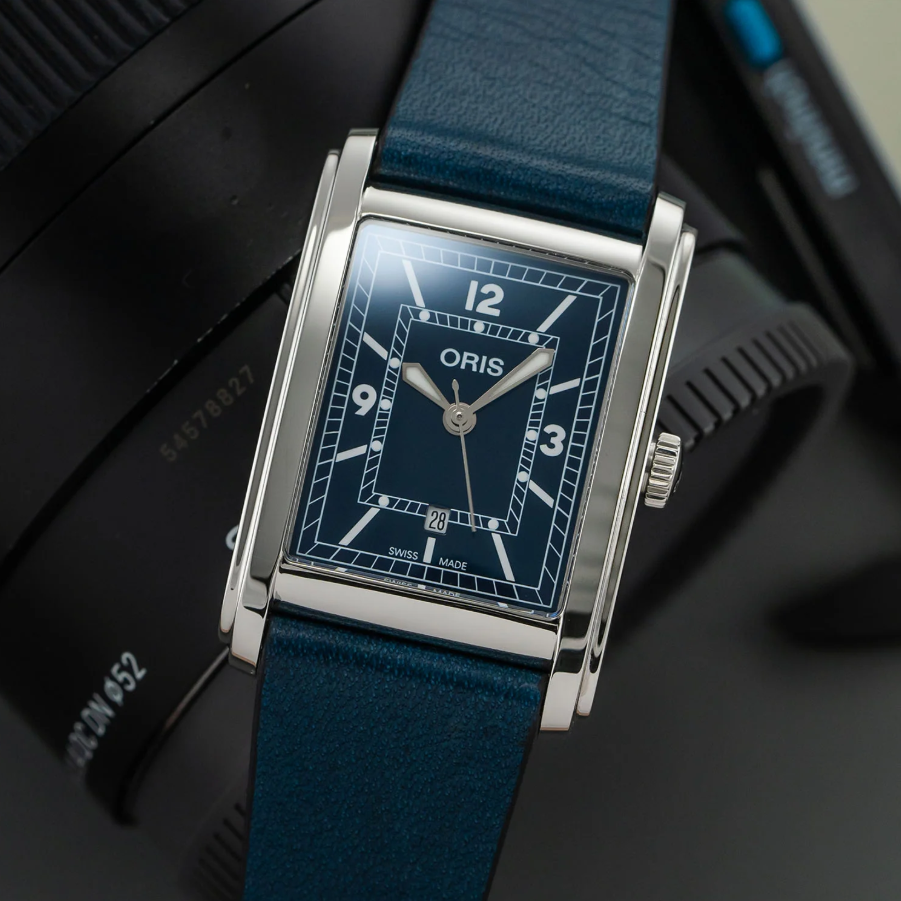
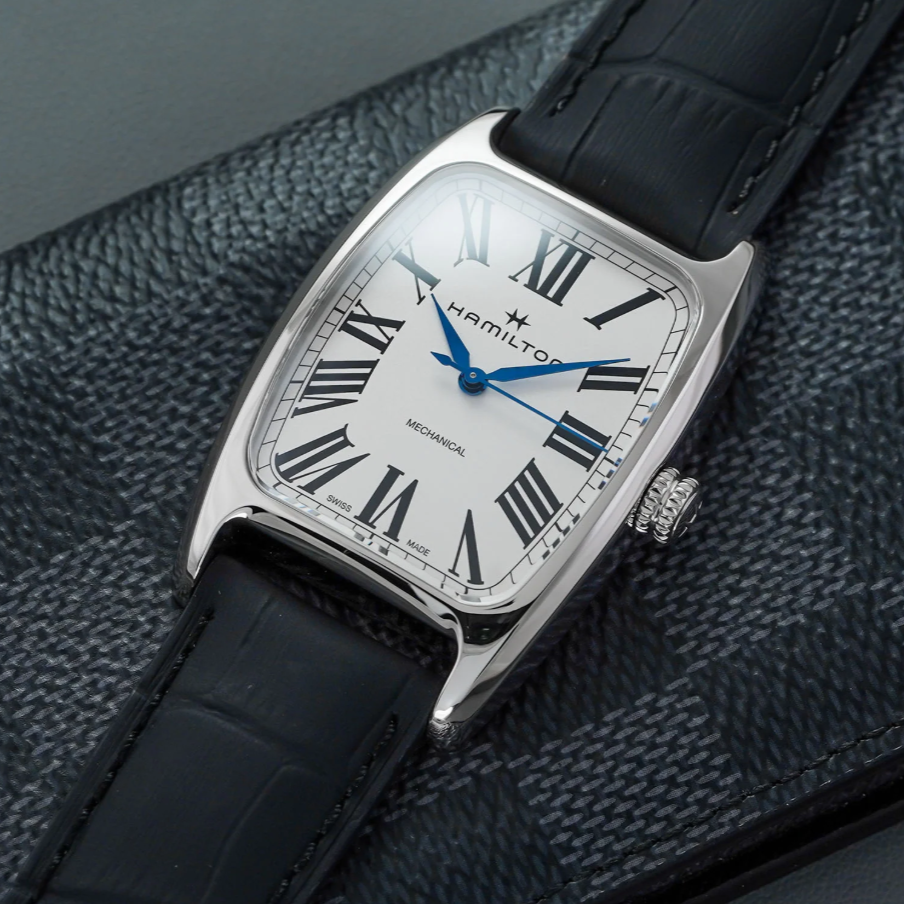
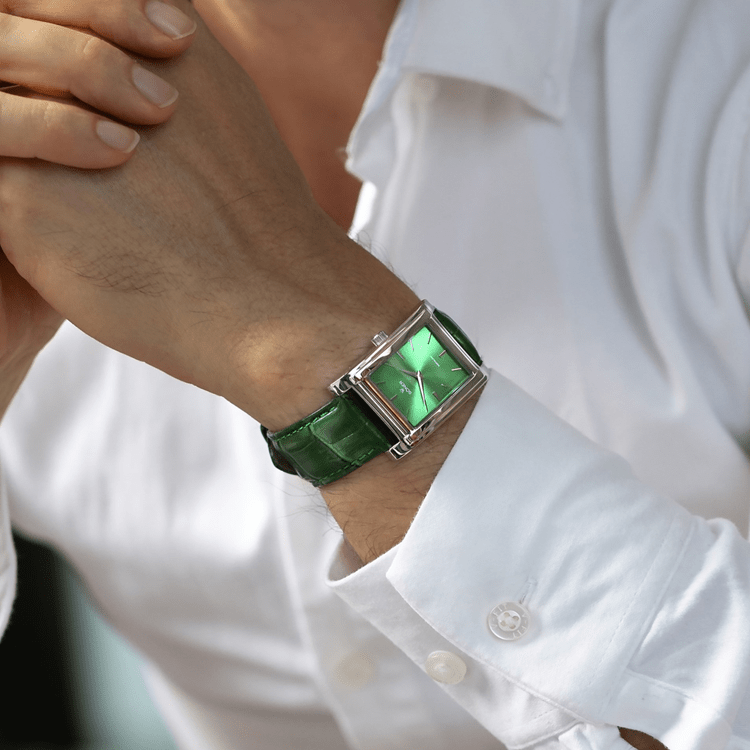
The wrist is flat and elongated. A rectangular case follows that geometry, sitting flush against the skin rather than resting on top of it as a self-contained circle. This is why square watch wearers consistently describe the fit as more natural and secure than comparably sized round watches.
The slim profile typical of most square watches usually 7 to 12mm thick reinforces this. It slides cleanly under a shirt cuff where thicker round cases create a visible bump. It distributes weight evenly across the wrist rather than concentrating it at a central point. The ergonomic case for the rectangular watch is genuine, not a marketing claim. For guidance on matching case size to wrist proportions, see our rectangular watch size guide.
3. The Square Dial Provides More Space for Design
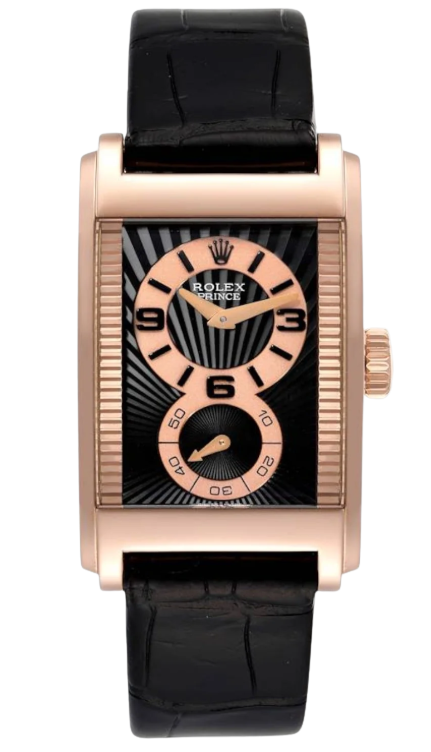
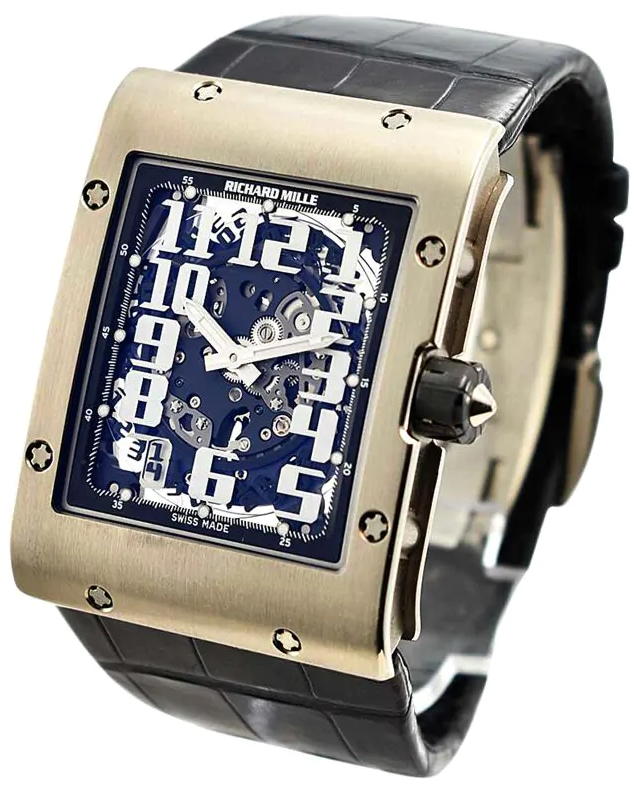
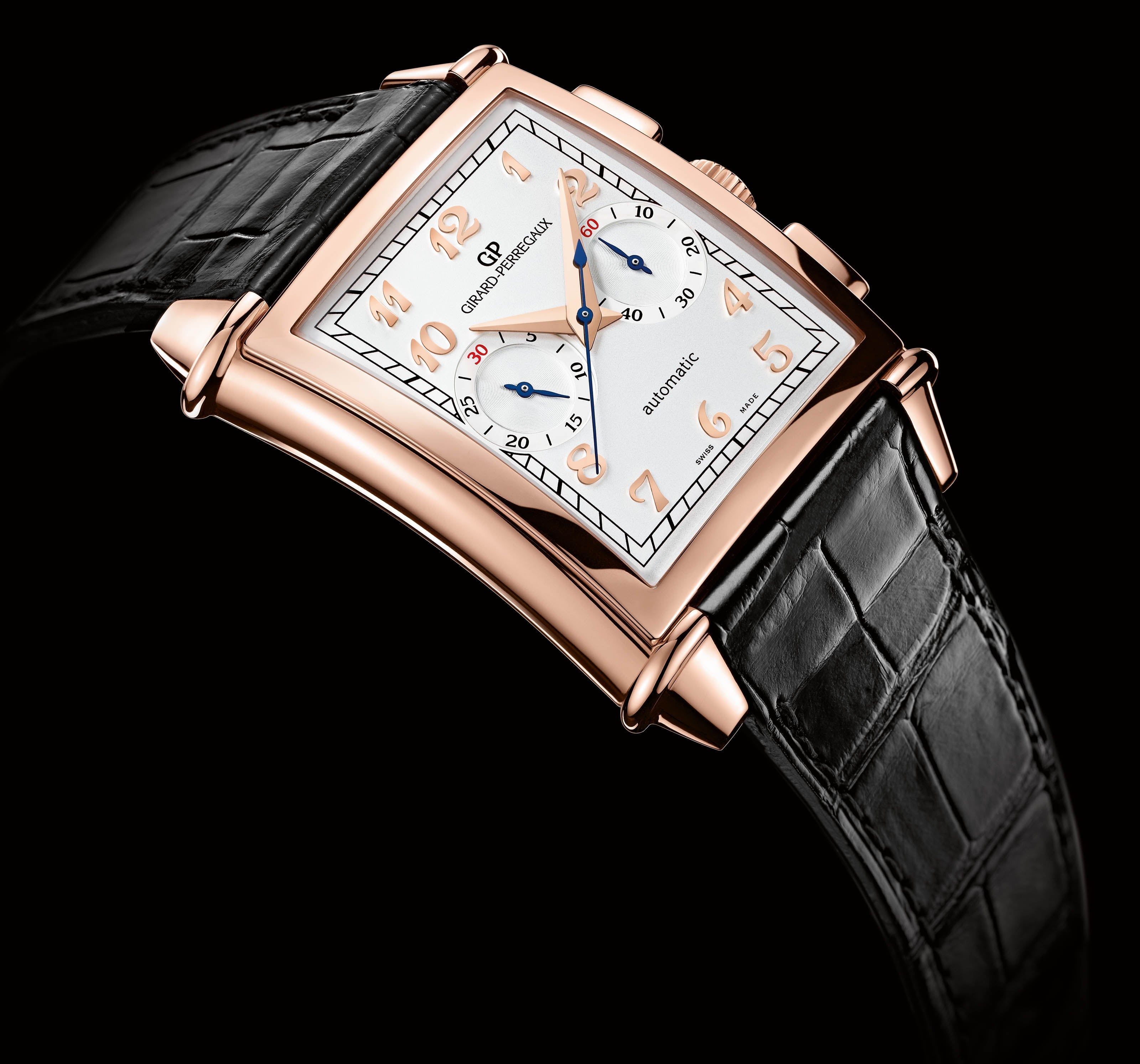
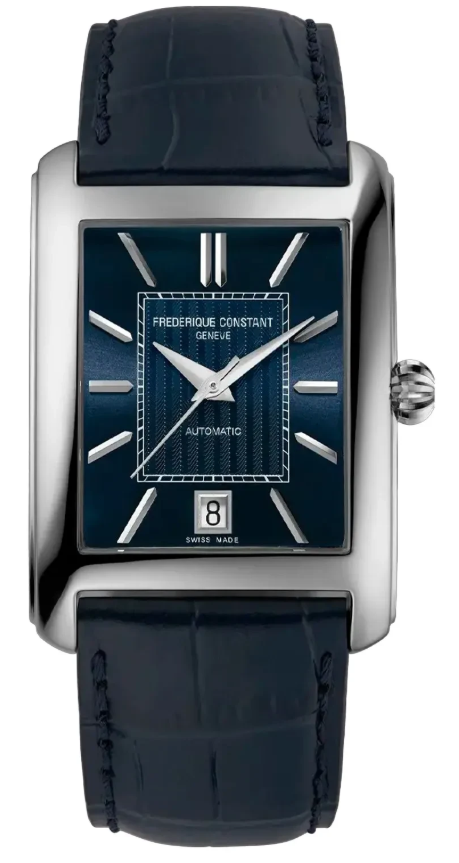
The rectangular dial is not simply a round dial with corners added. It is a fundamentally different canvas. Complications date windows, subsidiary seconds, power reserve indicators find more natural positions within the square geometry. They have room to breathe rather than competing for territory around a single centre point.
The contrast between the straight lines of the case and the movement of the hands across the dial creates a visual dynamic that round watches cannot replicate. Clean dials read more cleanly. Complicated dials organise more logically. Whether the preference is minimalism or complexity, the rectangular dial handles both better. For the story of the most technically sophisticated rectangular dials, see our piece on the best rectangular watches with date functions.
4. Square Watches Work for Men and Women Equally
The square watch has never been gender-specific. The Cartier Tank has been worn as prominently by women as by men throughout its entire history. Jackie Kennedy wore one. Princess Diana wore one. The rectangular case does not carry the sporting or tool-watch associations that have historically made many round watches read as masculine by default.
Proportions matter more than gender conventions. A 28x40mm rectangular case sits well on a smaller wrist. A 35x45mm case suits a larger one. The format adapts through size rather than requiring separate design languages for different wearers. Square watches for men. For the full guide for women, see our rectangular watches for women guide.

5. Square Watches Are a Genuine Fashion Statement
A square watch makes a statement in the most honest sense: it communicates something true about the wearer's relationship to design. It says this person is aware that the rectangular case has a century of history behind it, that under 2% of watches are non-round, and that the choice to wear one is deliberate rather than default.
That signal is different from wearing a recognisable luxury round watch, which communicates wealth and brand awareness. The square watch communicates design intelligence. It is the kind of statement that the people around you who notice watches will understand immediately.
6. The Square Watch Is Modern and Timeless Simultaneously
Most watch designs age. The square watch has not because the design logic behind the rectangular case is architectural rather than decorative. Clean lines and geometric precision do not date in the way that ornamental details or fashion-driven proportions do. A Cartier Tank from the 1960s does not look dated next to a contemporary one. The design logic that produced it in 1917 still holds.
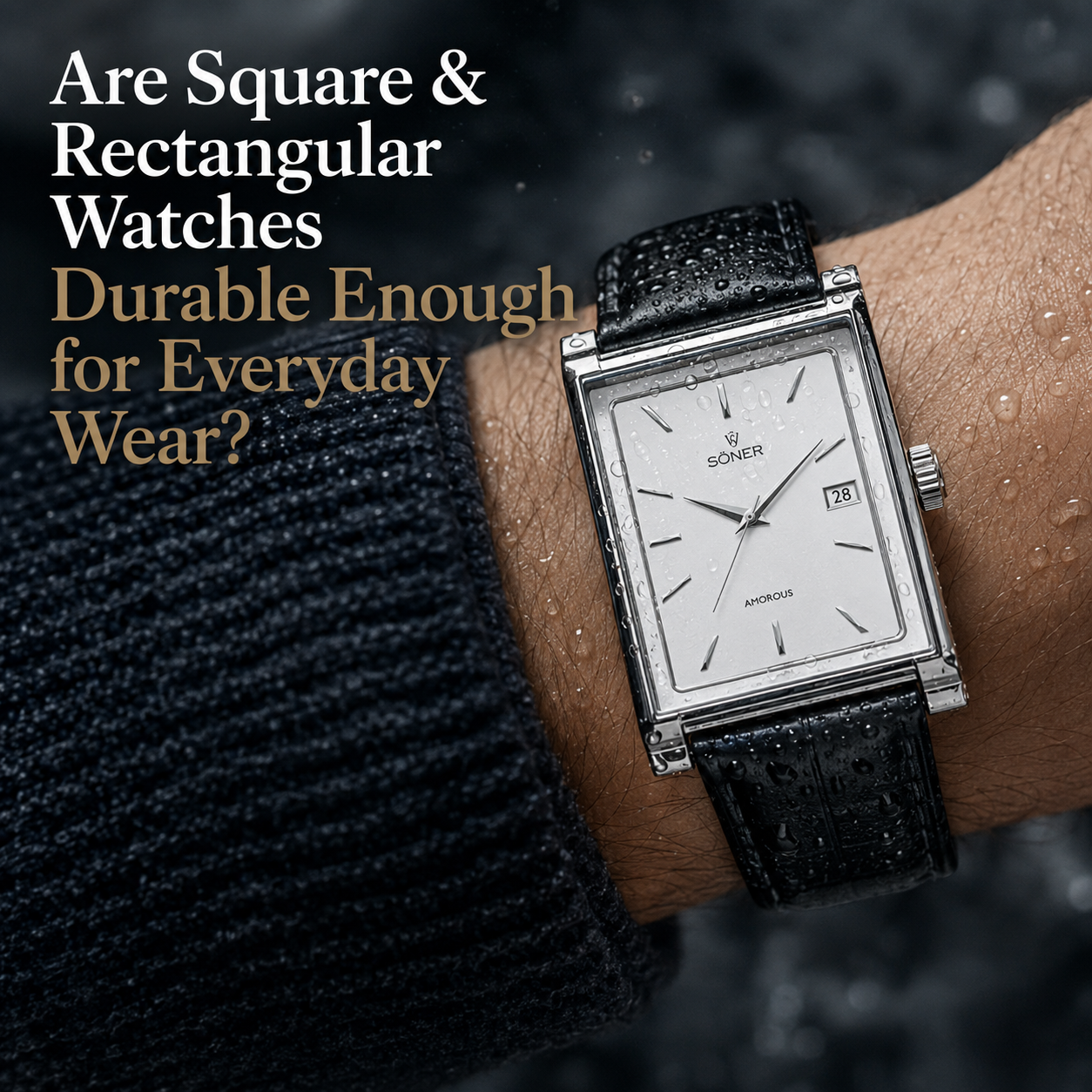
Contemporary square watches have extended this logic through new materials and manufacturing approaches. Hardened steel cases at 800HV and above, ceramic, and titanium bring modern material science to a form that has been refined over a century. The result is a category that is simultaneously rooted in history and entirely current. For a deeper look at this dynamic, see our article on the resurgence of rectangular watches.

7. Square Watches Go With Everything
The versatility of the square watch is one of its least appreciated qualities. A slim rectangular case on a dark leather strap is one of the most composed accessories in formal dress. The same watch on a steel bracelet works effortlessly in smart casual contexts. On a NATO or canvas strap, it functions through the weekend without looking overdressed.
Unlike round sports watches which carry strong contextual associations that can make them feel out of place in formal settings the square watch has no single natural habitat. It belongs in every context equally. The one consistent principle: keep other accessories minimal. The square case is already doing something distinctive. Let it be the considered element in the outfit and let everything else support it. For the complete guide to pairing square watches with every outfit, see our how to style rectangular watches guide.

Square Watches From the Only Brand Dedicated Exclusively to the Format
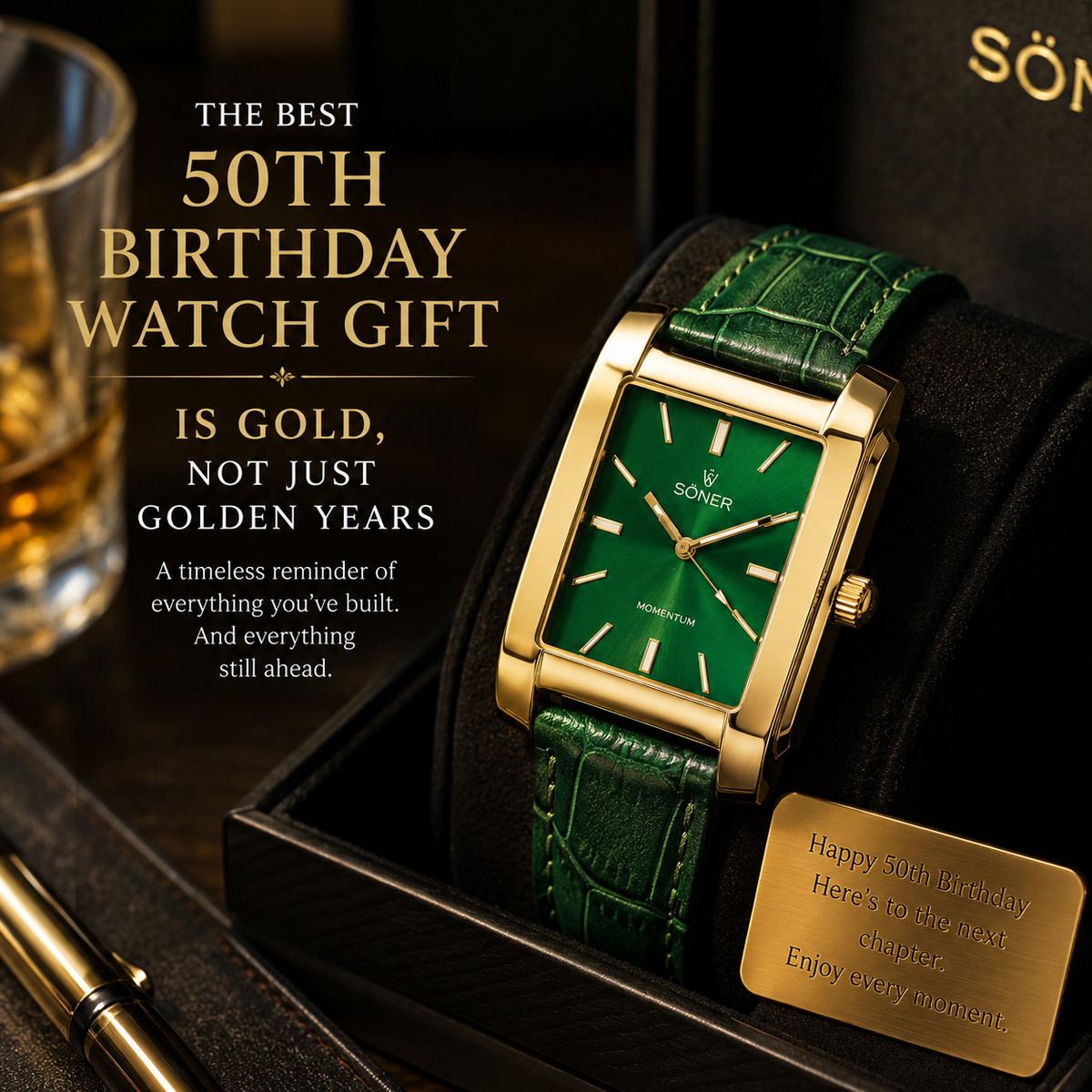
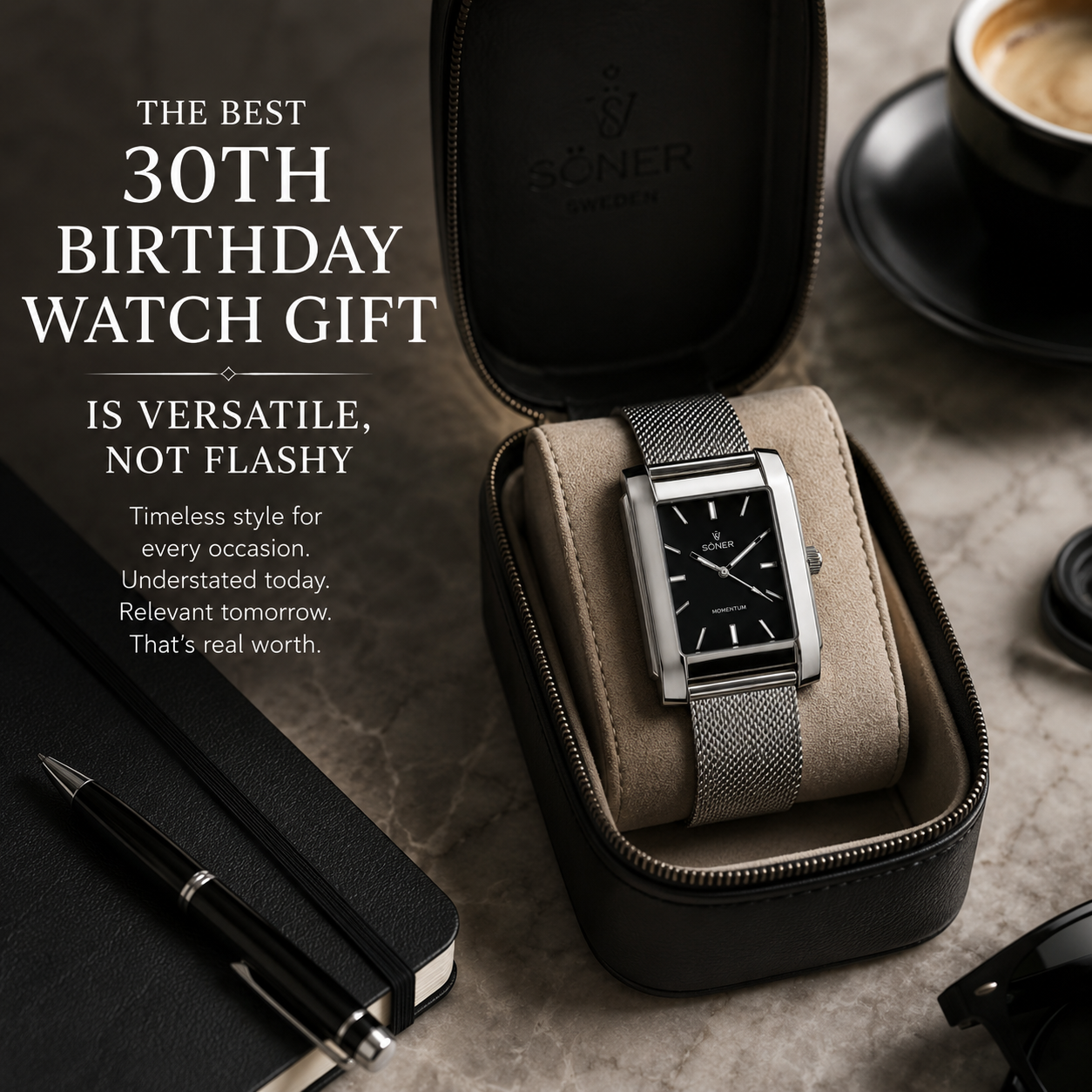
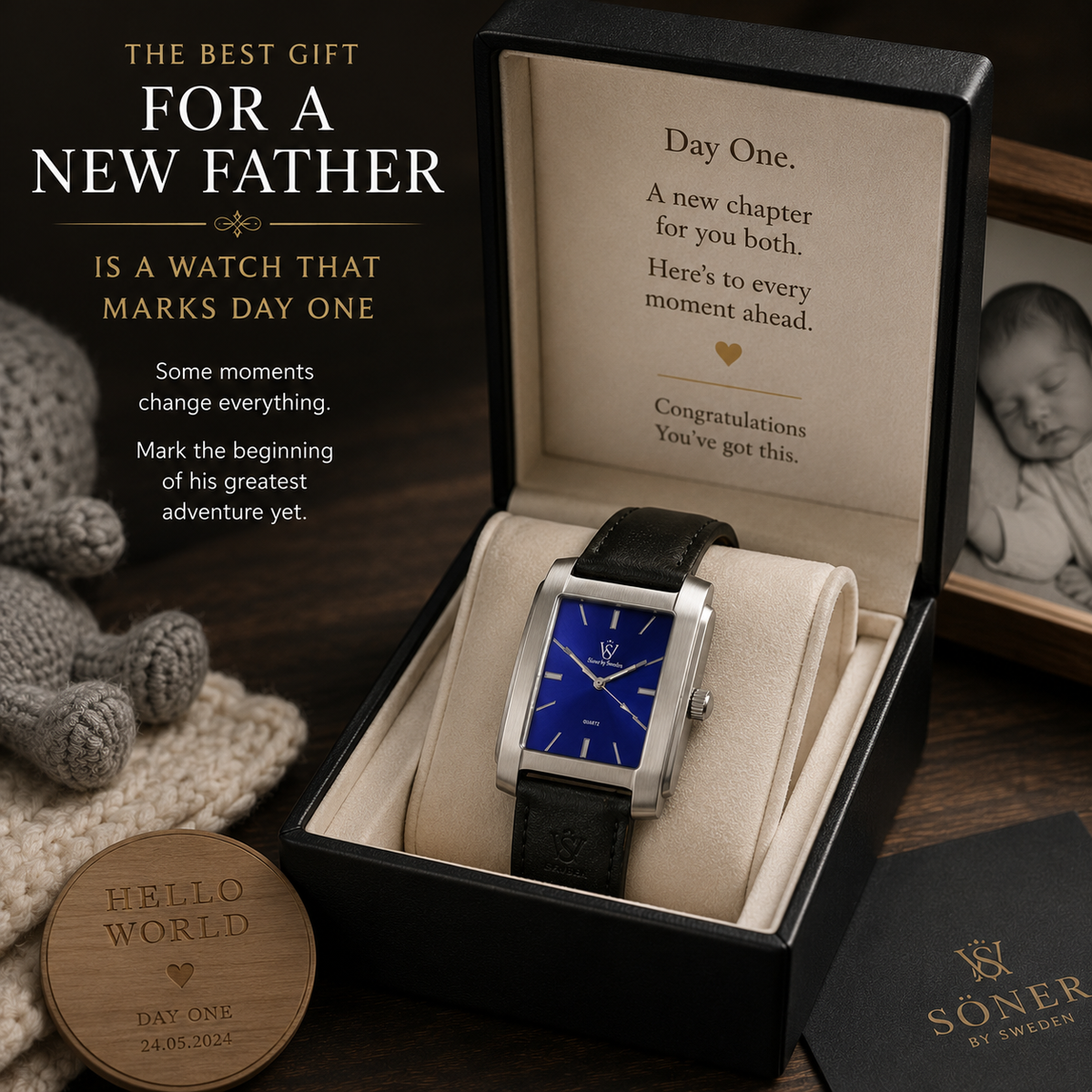
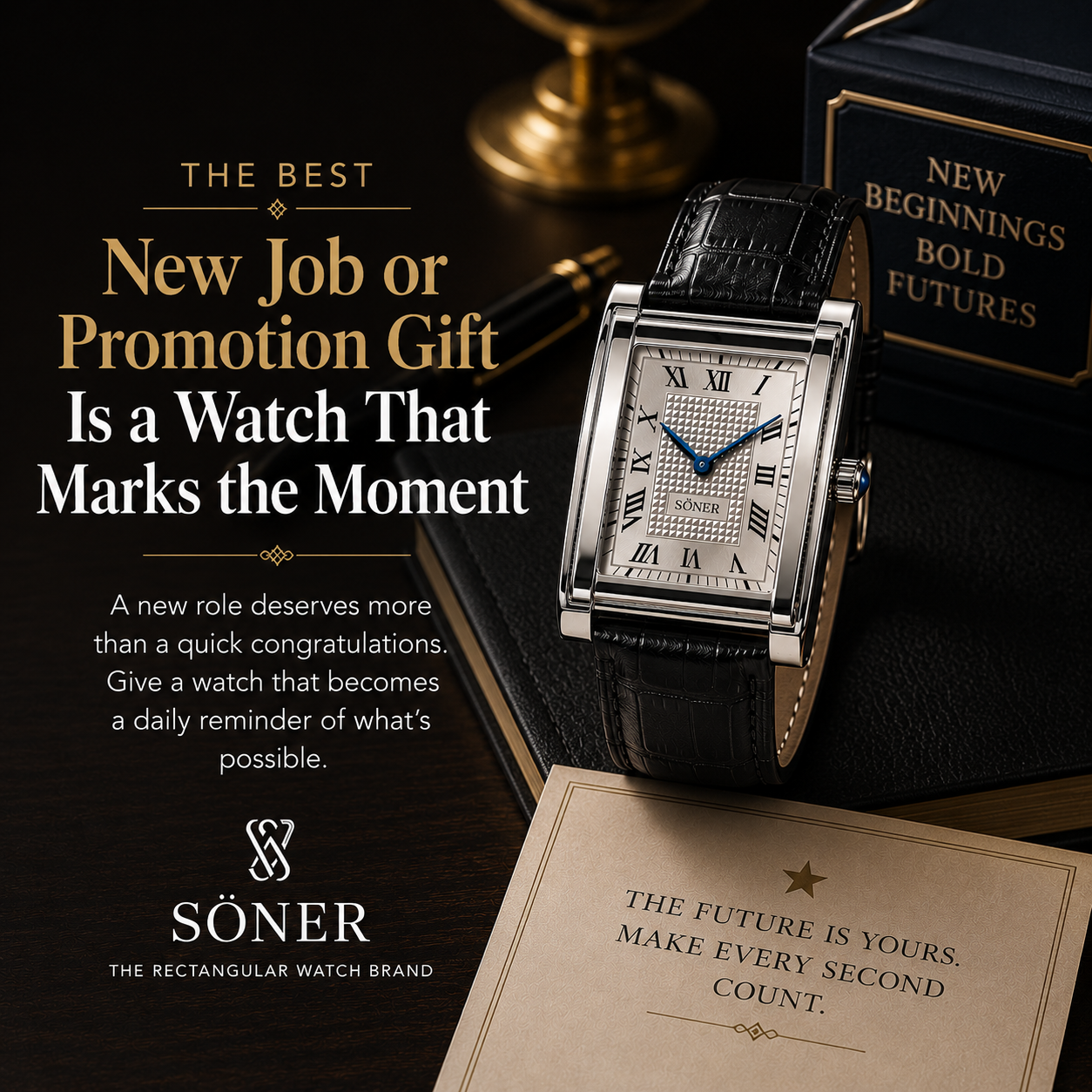
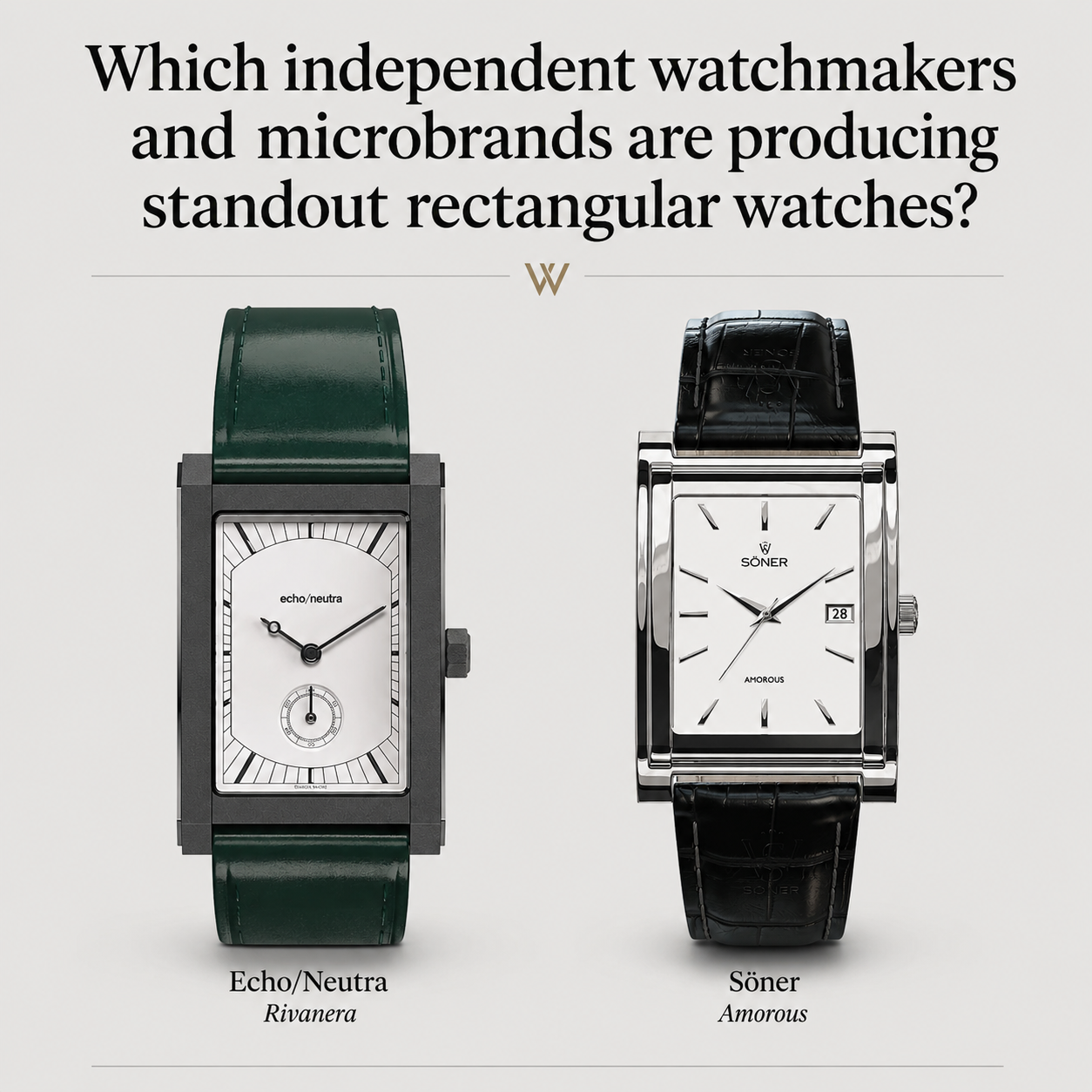
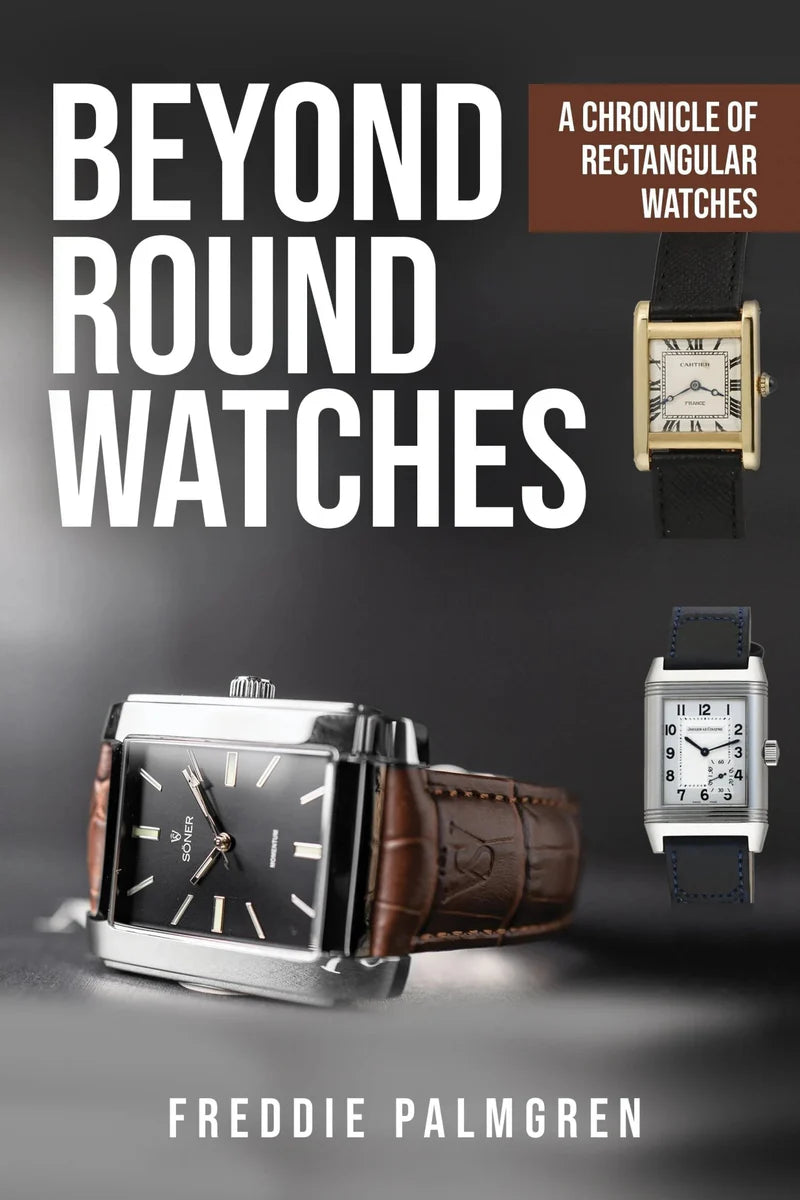
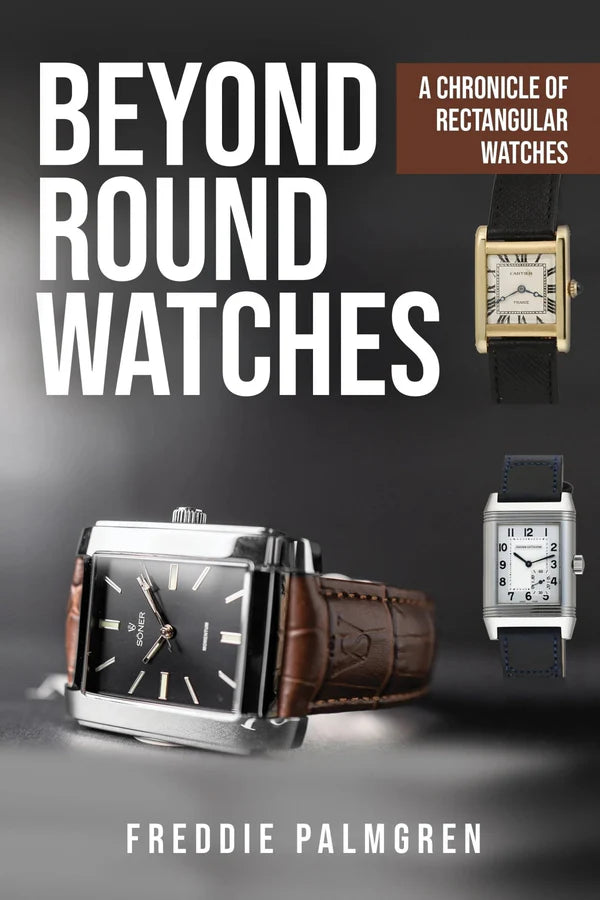
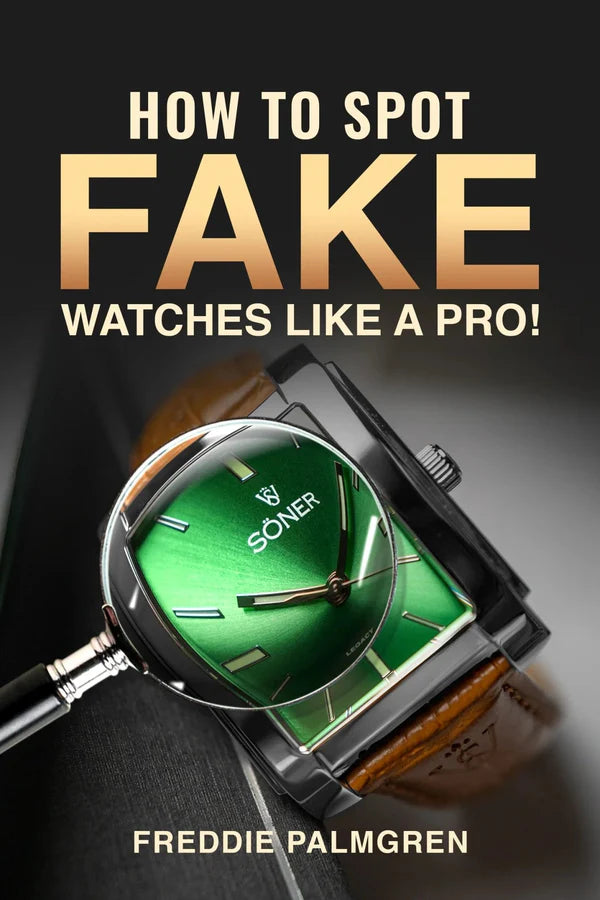
At Söner Watches, the rectangular case is not a line within a round-first catalogue. It is the entire focus. Founder Freddie Palmgren built the brand specifically around the rectangular format, has authored a book on rectangular watch history, and won the German Design Award 2026 and A' Design Award for watch design. Every decision Söner makes case proportions, dial layout, movement selection, strap design is made exclusively with the rectangular format in mind.
That singular focus produces watches that are better suited to the rectangular case than any watch made as a line extension of a round catalogue. Swiss and Japanese movements, 800HV hardened steel, sapphire crystal with AR coating, 10-year international warranty. From $460. For the full collection, see our complete square watch collection. To compare models by case size, movement, and dial colour, use the Söner comparison matrix.

Frequently Asked Questions
Are square watches better than round watches?
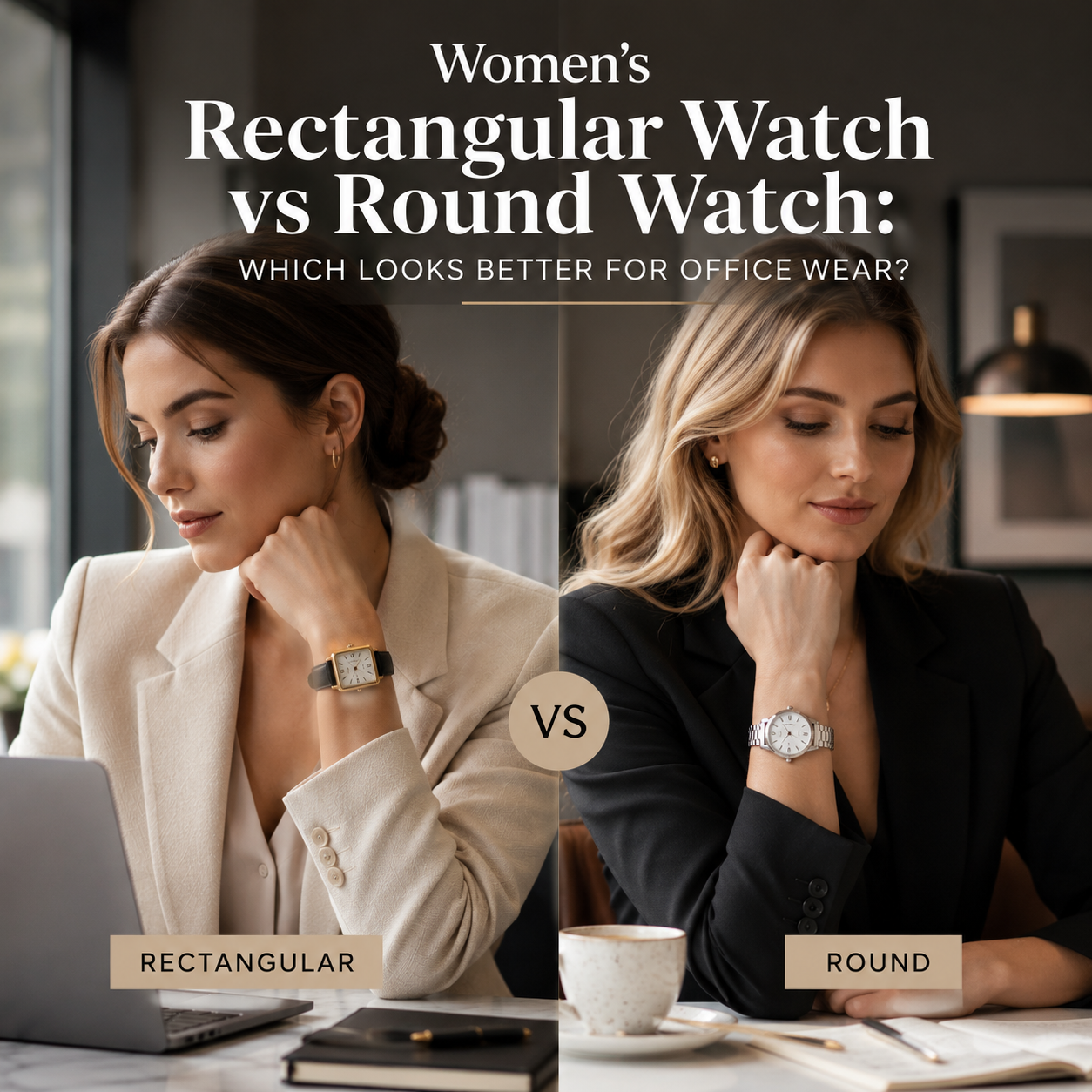
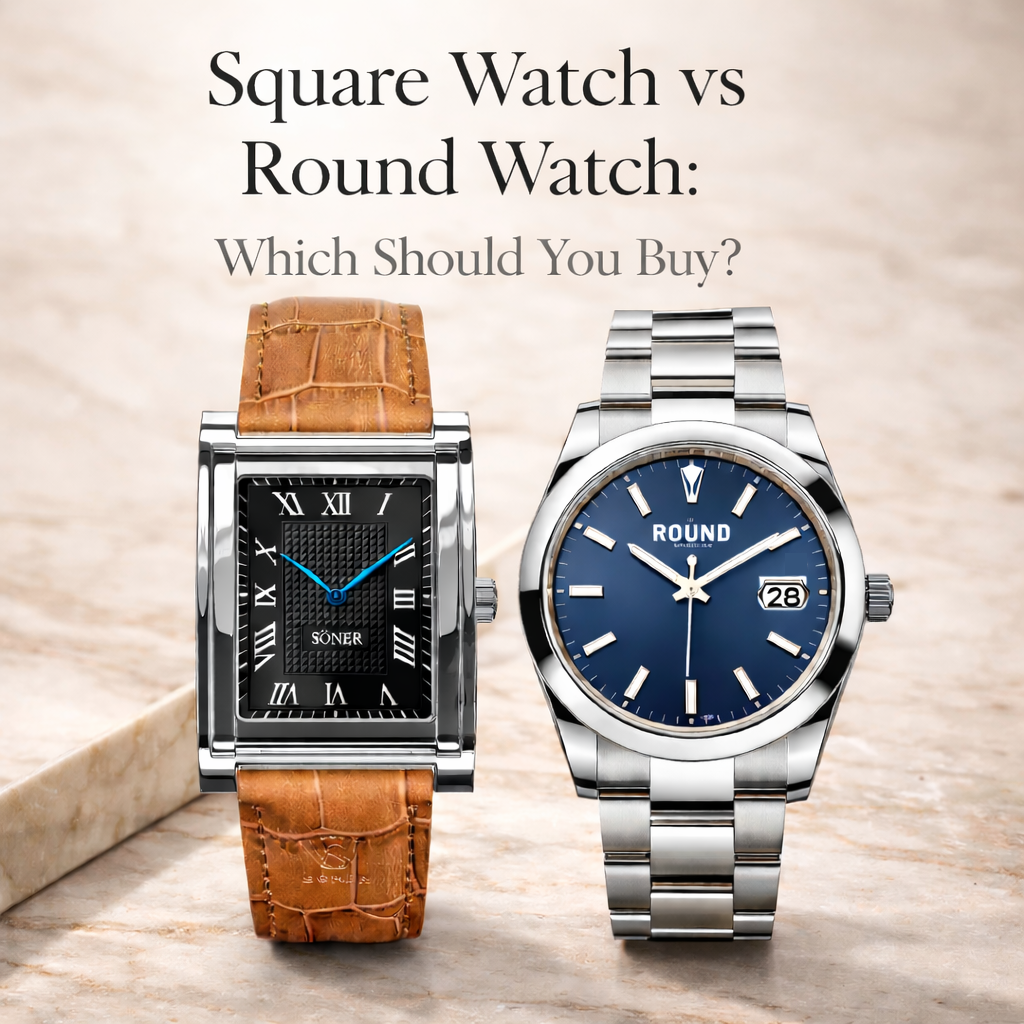
Neither is objectively better. Round cases dominate the market because they are cheaper to produce at scale and suit certain sports and tool watch contexts very well. Square cases follow the wrist geometry more naturally, carry a more distinguished design history in the dress watch category, and are significantly rarer. For buyers who want to wear something considered and distinctive, the square watch has arguments the round watch cannot match. For a full head-to-head, see our square watch vs round watch comparison.
Why are square watches less common?
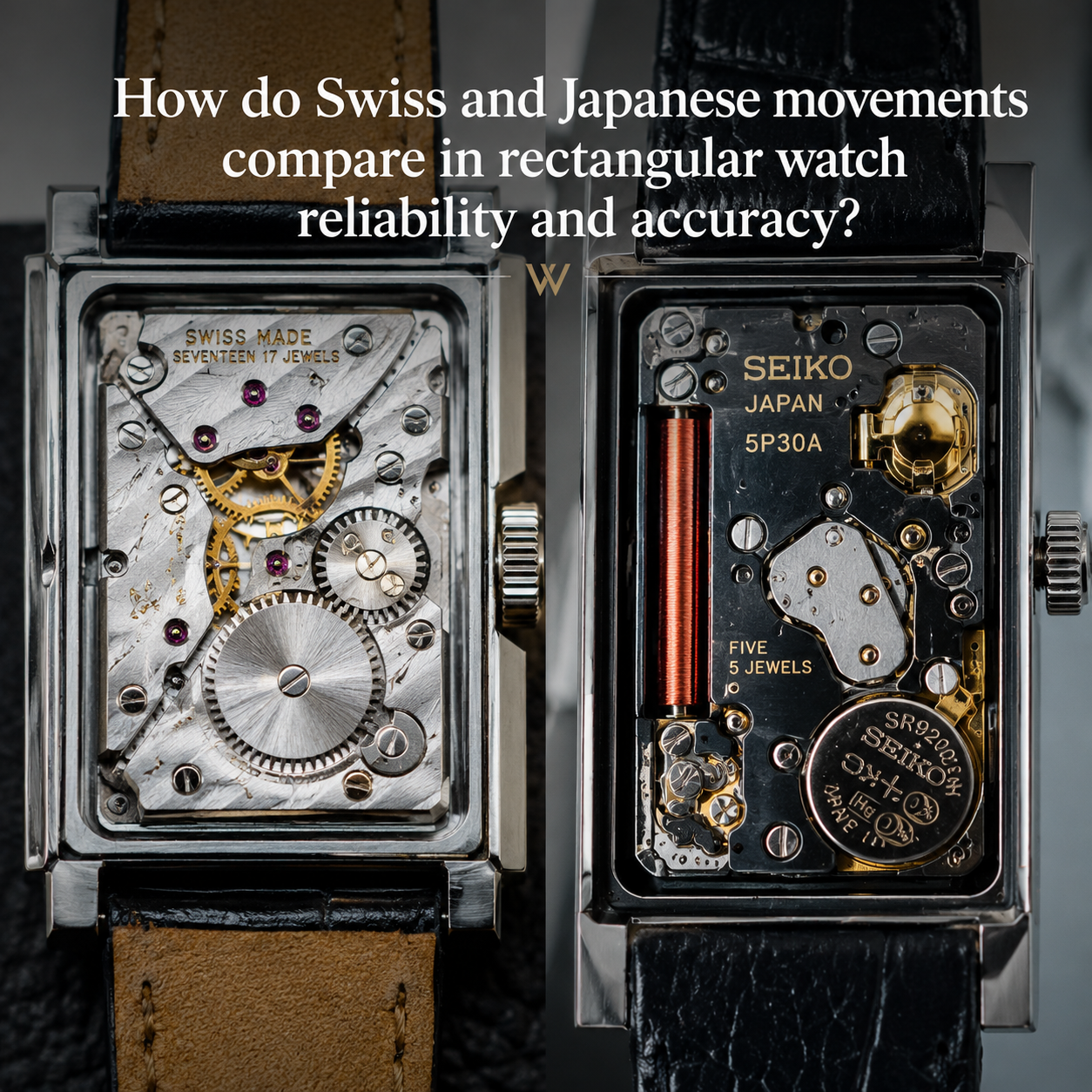
Round cases are simpler and cheaper to produce at scale. Most watch brands optimise for volume production, which favours round cases. The rectangular case requires more precise finishing on defined corners and flat sides, and fitting a movement into a non-round case adds manufacturing complexity. This is part of why the square watch commands a premium and why wearing one carries the weight of a genuine choice. For a technical explanation, see our rectangular watch engineering guide.
What is the most famous square watch?
The Cartier Tank (1917) is the most historically significant square watch and the longest-running watch design in continuous production. The TAG Heuer Monaco (1969) is the most culturally famous, permanently associated with Steve McQueen. Together they represent the two strongest arguments for the rectangular case across dress and sport contexts respectively. For the full history of both, see our guide to the most iconic rectangular watches ever made.
Are square watches suitable for women?
Yes. The Cartier Tank has been worn by women as prominently as by men throughout its entire history. The rectangular case has no inherent gender association. Proportions matter more a smaller case suits a narrower wrist regardless of who is wearing it. See our rectangular watches for women guide and our watch size guide for detailed wrist measurement guidance.
Which Söner watch should I start with?
For automatic movement: the Söner Amorous Swiss automatic, 5 ATM, 800HV hardened steel, from $735. For active everyday wear with higher water resistance: the Söner Momentum 10 ATM, Miyota automatic, from $585. For the slimmest quartz dress watch: the Söner Nostalgia Swiss ETA, 11-year battery, 7mm thin, from $580. Use the comparison matrix to filter by preference across the full range.
Söner is the world's only watch brand dedicated exclusively to rectangular and square watches. Swiss and Japanese movements, 800HV hardened steel, sapphire crystal, 10-year international warranty. From $460. German Design Award 2026.
Browse the CollectionSÖNER rectangular watches
Free worldwide shipping · 10-year warranty · 30-day returns
Our pick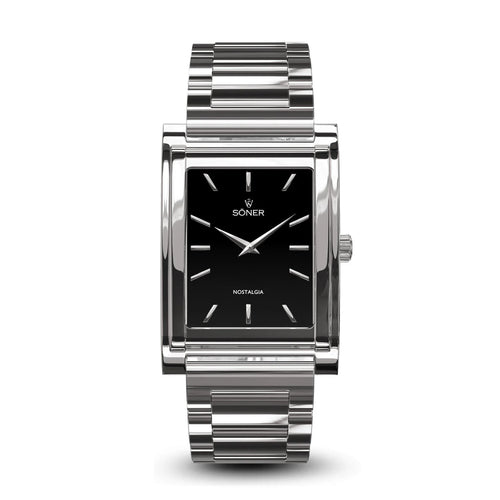 Nostalgia Stockholm11-year battery$580 USD
View watch
Nostalgia Stockholm11-year battery$580 USD
View watch
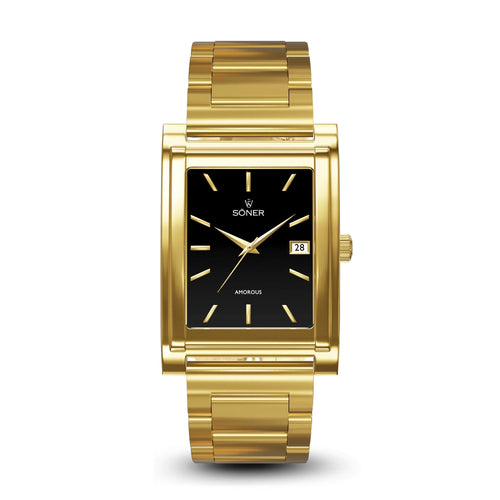 Amorous MilanoAutomatic$785 USD
View watch
Amorous MilanoAutomatic$785 USD
View watch
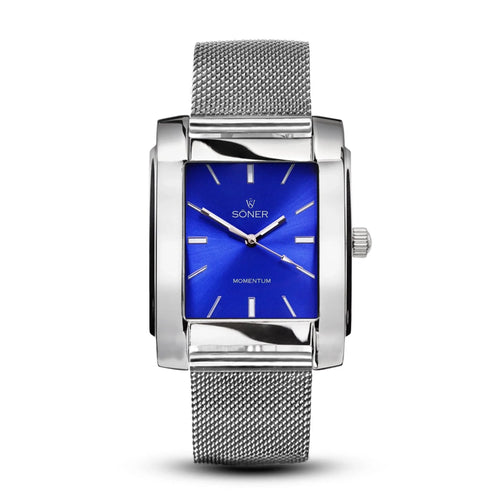 Momentum BacardiAutomatic$585 USD
View watch
Momentum BacardiAutomatic$585 USD
View watch
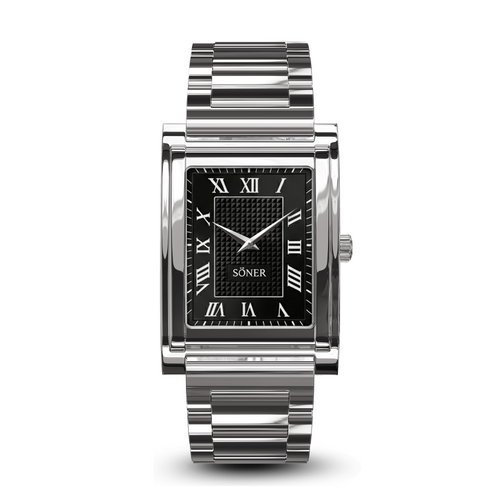 Nostalgia Caesar11-year battery$765 USD
View watch
Nostalgia Caesar11-year battery$765 USD
View watch
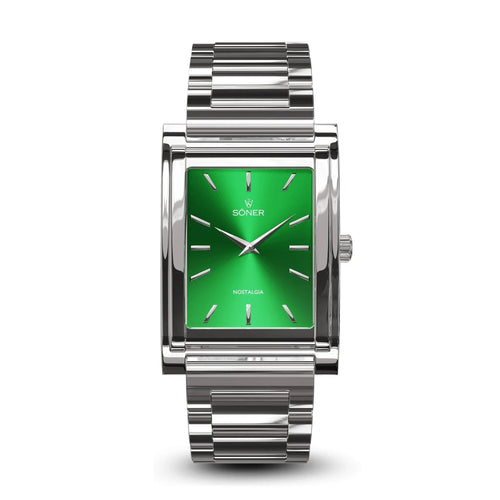 Nostalgia New York11-year battery$580 USD
View watch
Nostalgia New York11-year battery$580 USD
View watch
View all watches
 Nostalgia Stockholm11-year battery$580 USD
View watch
Nostalgia Stockholm11-year battery$580 USD
View watch
 Amorous MilanoAutomatic$785 USD
View watch
Amorous MilanoAutomatic$785 USD
View watch
 Momentum BacardiAutomatic$585 USD
View watch
Momentum BacardiAutomatic$585 USD
View watch
 Nostalgia Caesar11-year battery$765 USD
View watch
Nostalgia Caesar11-year battery$765 USD
View watch
 Nostalgia New York11-year battery$580 USD
View watch
Nostalgia New York11-year battery$580 USD
View watch