


 Published on
Table of Contents
Buying your first serious watch is one of the few purchasing decisions that genuinely rewards research. The wrong choice is a watch you stop wearing within a year. The right choice is a watch that is still on your wrist in twenty years. This guide covers the five decisions that actually matter: movement type, case shape, case size, crystal, and brand. Everything else is secondary.

Decision 1: Quartz or Automatic?
This is the first question most buyers face and the one most commonly overcomplicated. The honest answer is that both are excellent, and the choice depends on how you intend to wear the watch rather than on any objective quality difference.
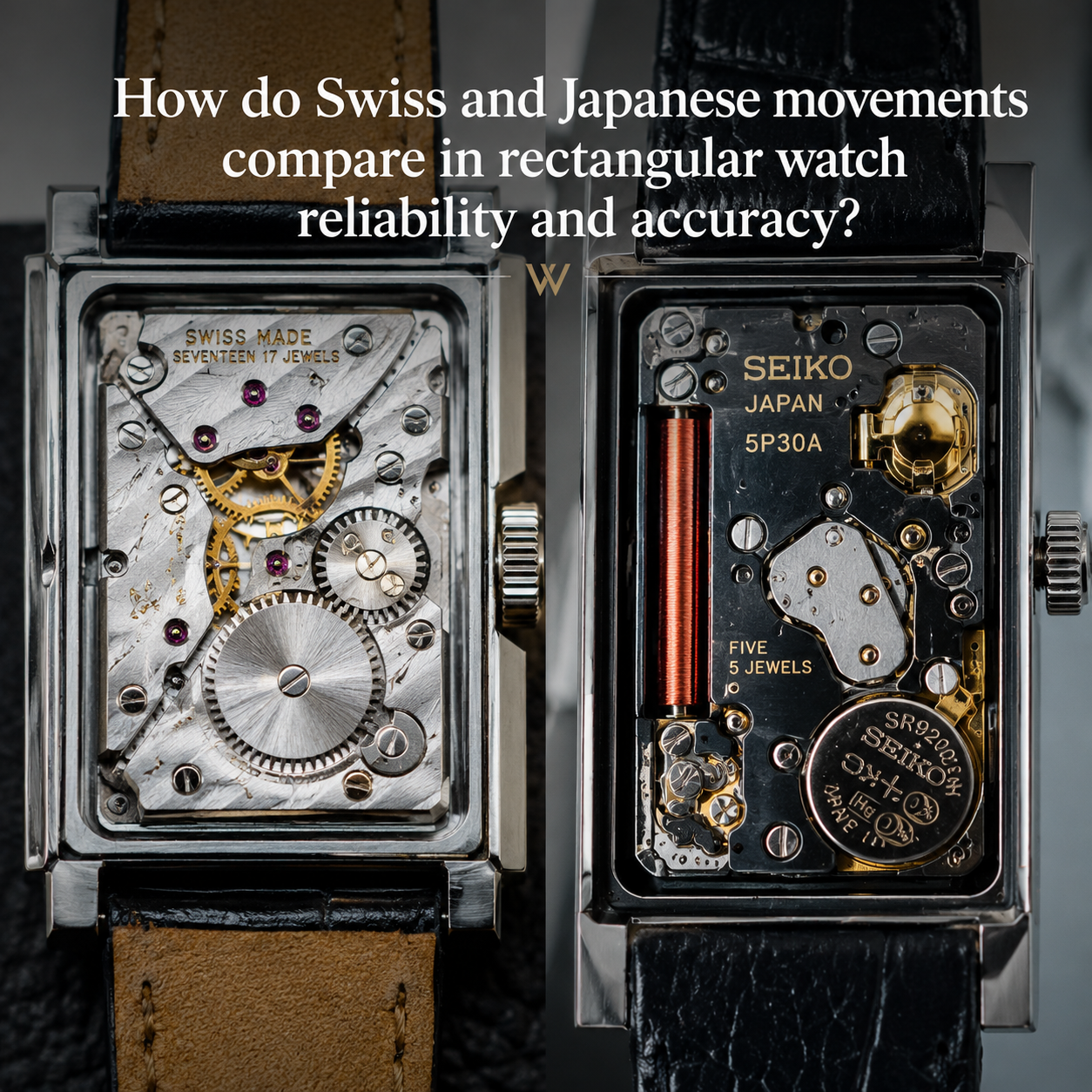
Quartz runs on a battery. It is more accurate than any mechanical watch (typically within 15 seconds per month versus 15 seconds per day for a well-regulated automatic), requires virtually no maintenance, and enables slimmer cases because the movement is compact. The Söner Nostalgia uses the Swiss ETA 901.001 quartz calibre with an 11-year battery you will change it once in a decade. For a dress watch worn on formal and professional occasions, quartz is often the more practical choice.
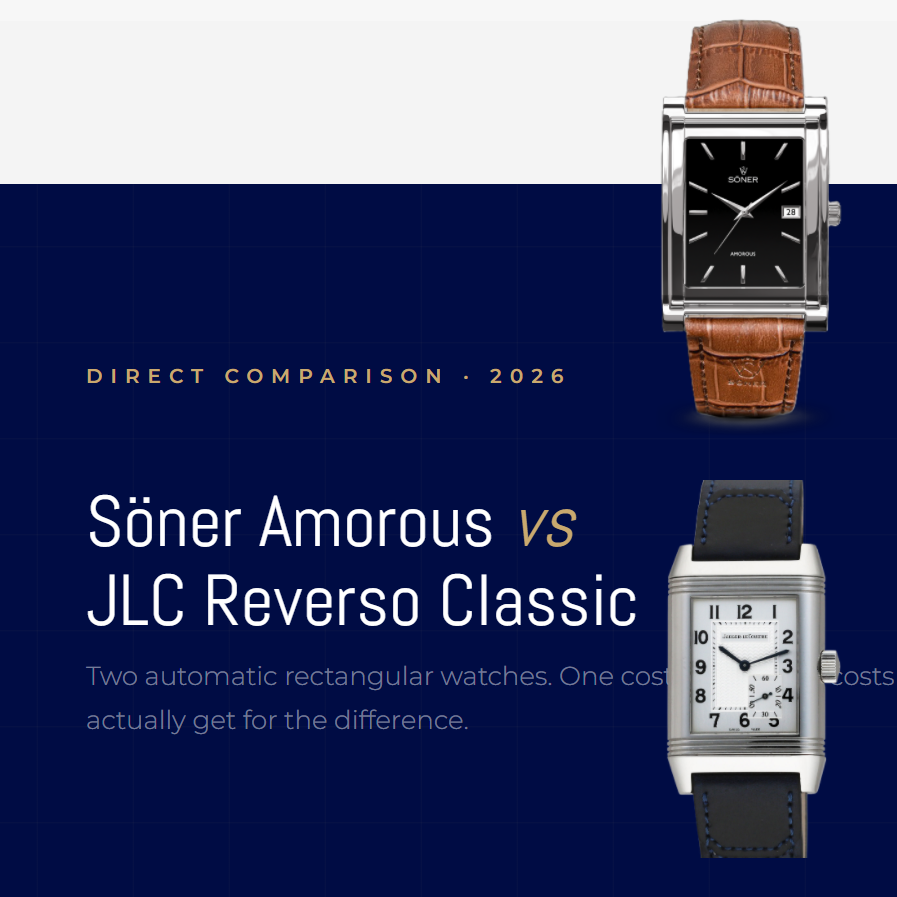
Automatic winds itself from the motion of your wrist and requires no battery. Wearing an automatic watch daily means it almost never needs attention. The mechanical movement its visible complexity through an exhibition caseback, its smooth sweeping seconds hand connects the wearer to the craft of watchmaking in a way a battery-powered watch cannot. The Söner Amorous uses a Swiss Sellita SW100A automatic. For a watch you will wear every day and want to engage with mechanically, automatic is worth the slightly larger case thickness. For the full comparison, see our automatic vs quartz rectangular watches guide.
Decision 2: Round or Rectangular?
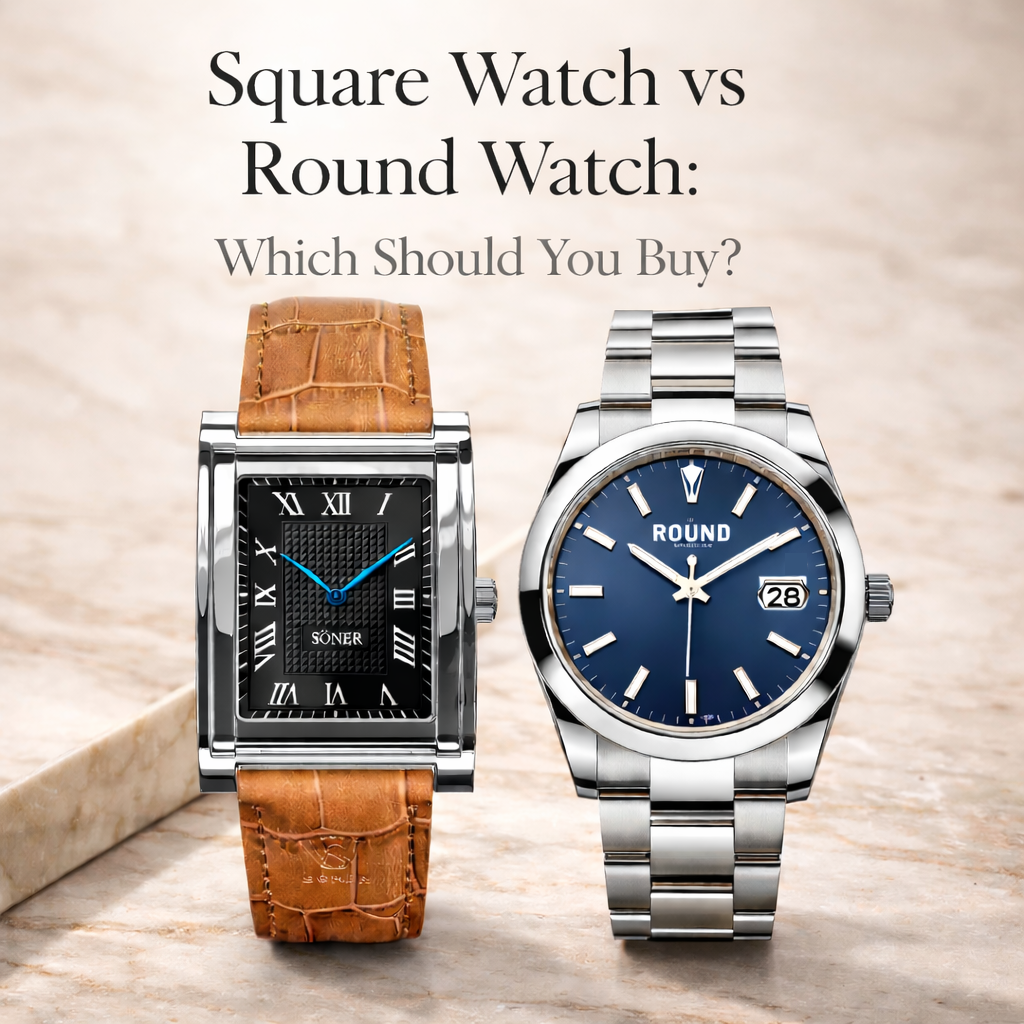
Over 98% of watches sold are round. That is not because round is better. It is because round is the default the choice that requires no awareness of design history and no willingness to stand apart. For most first-time buyers, the round watch is the assumed option rather than a considered one.
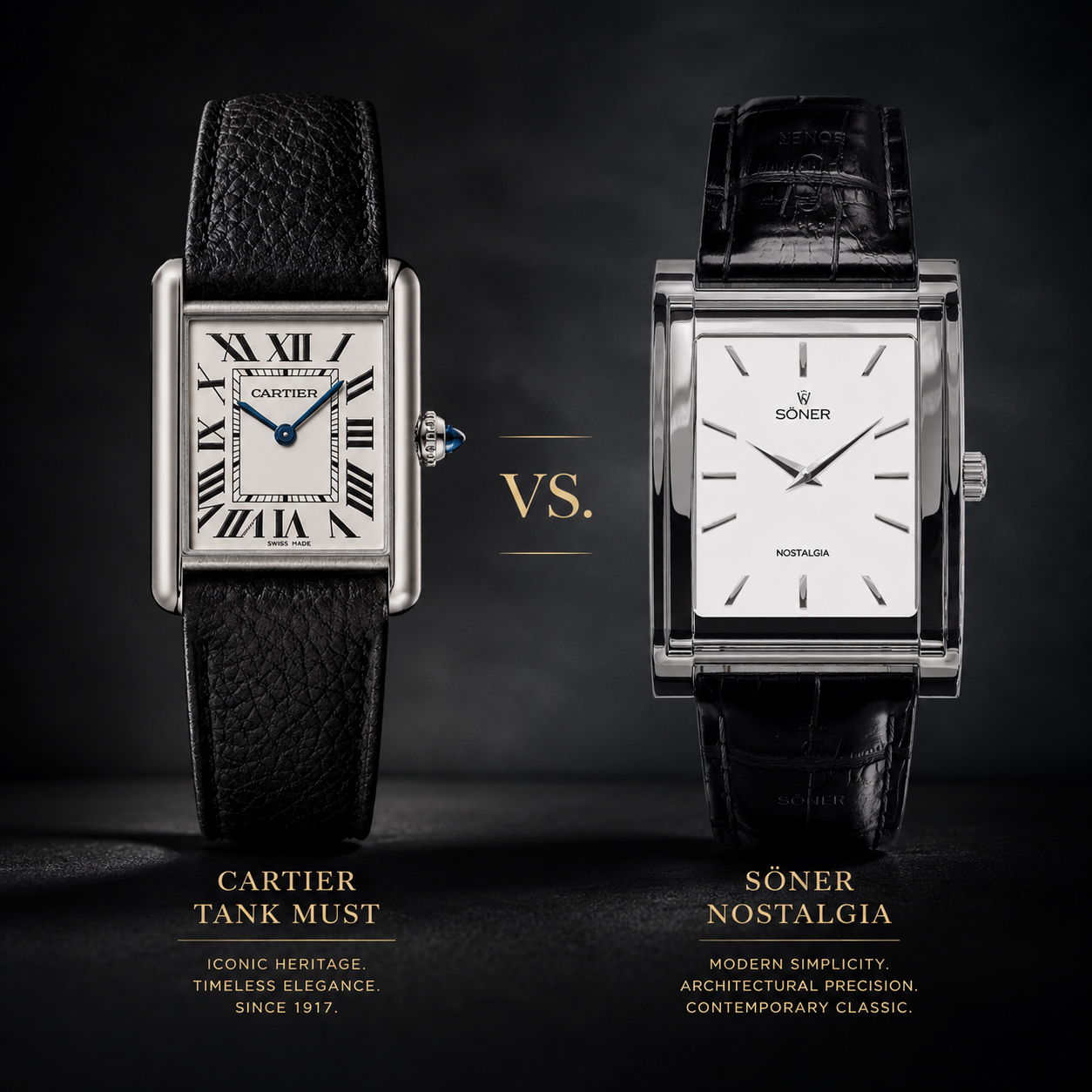
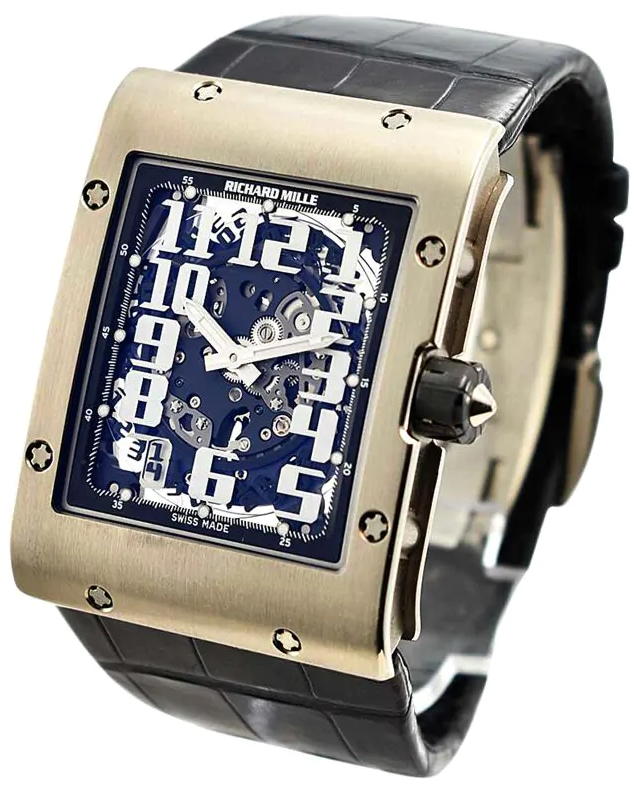
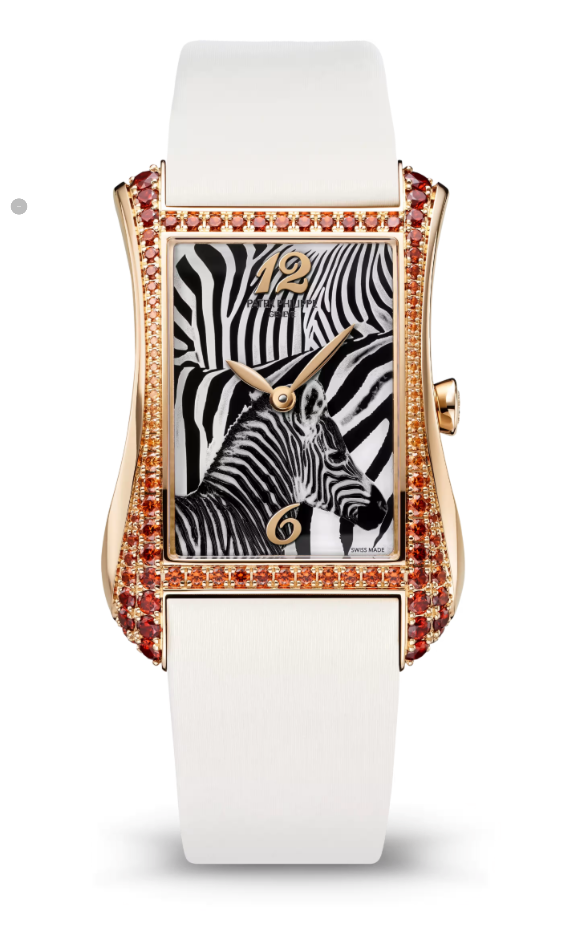
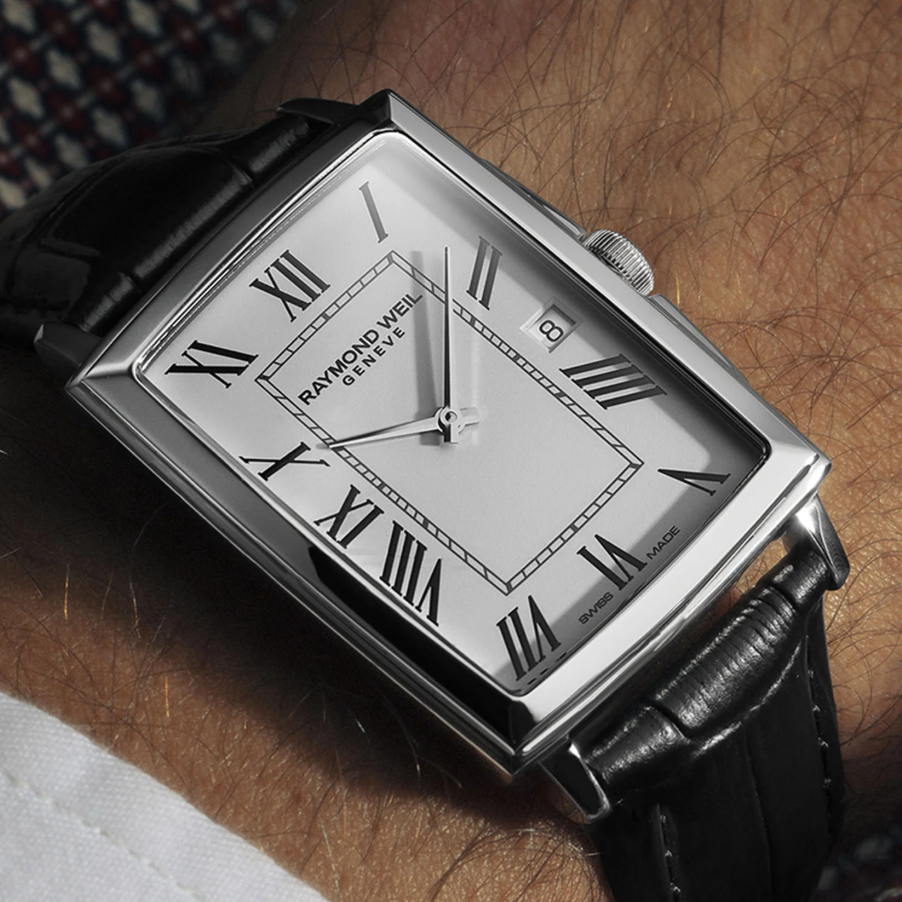
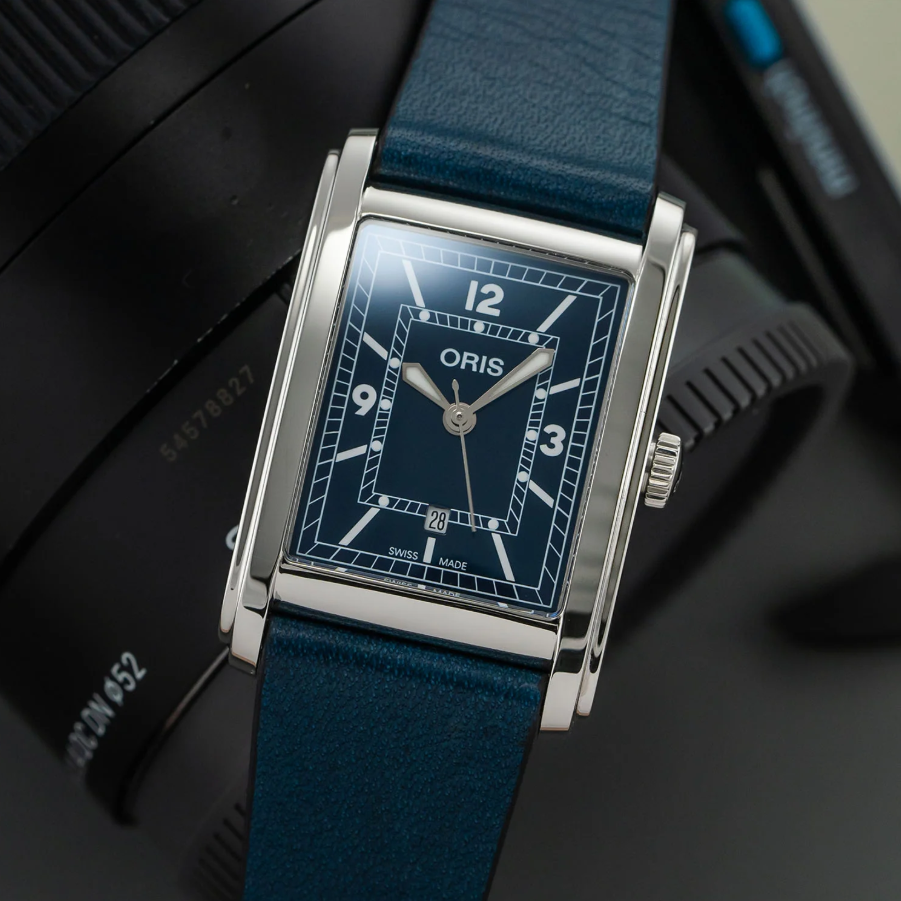
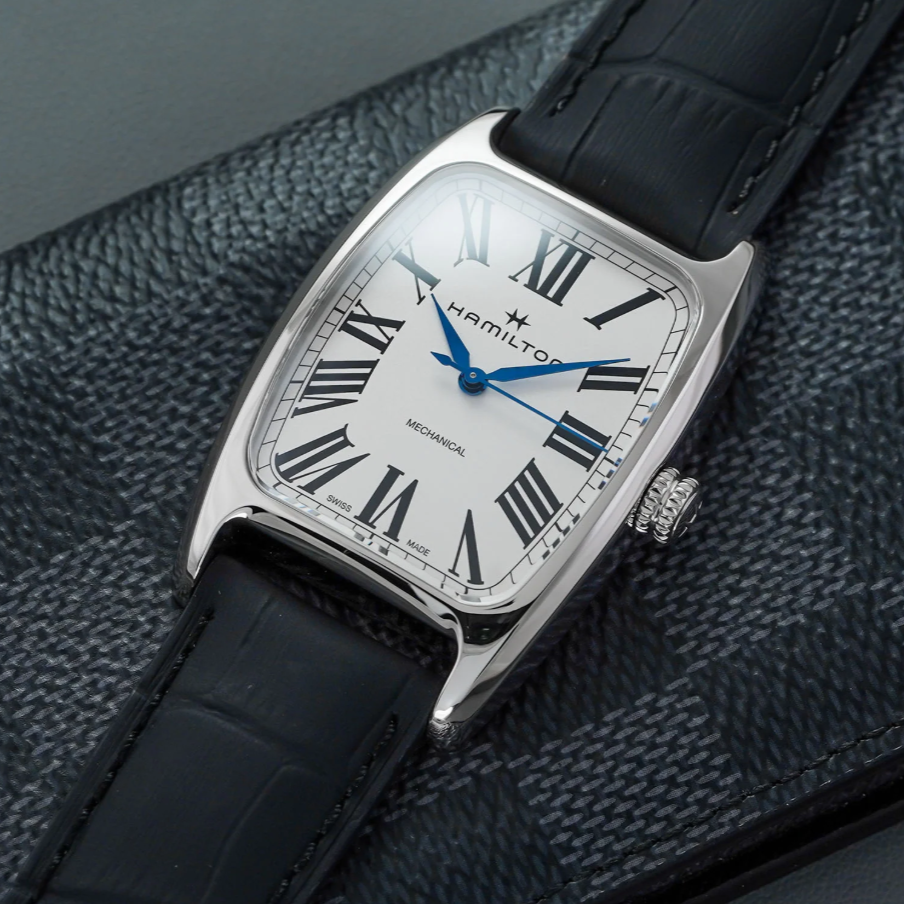
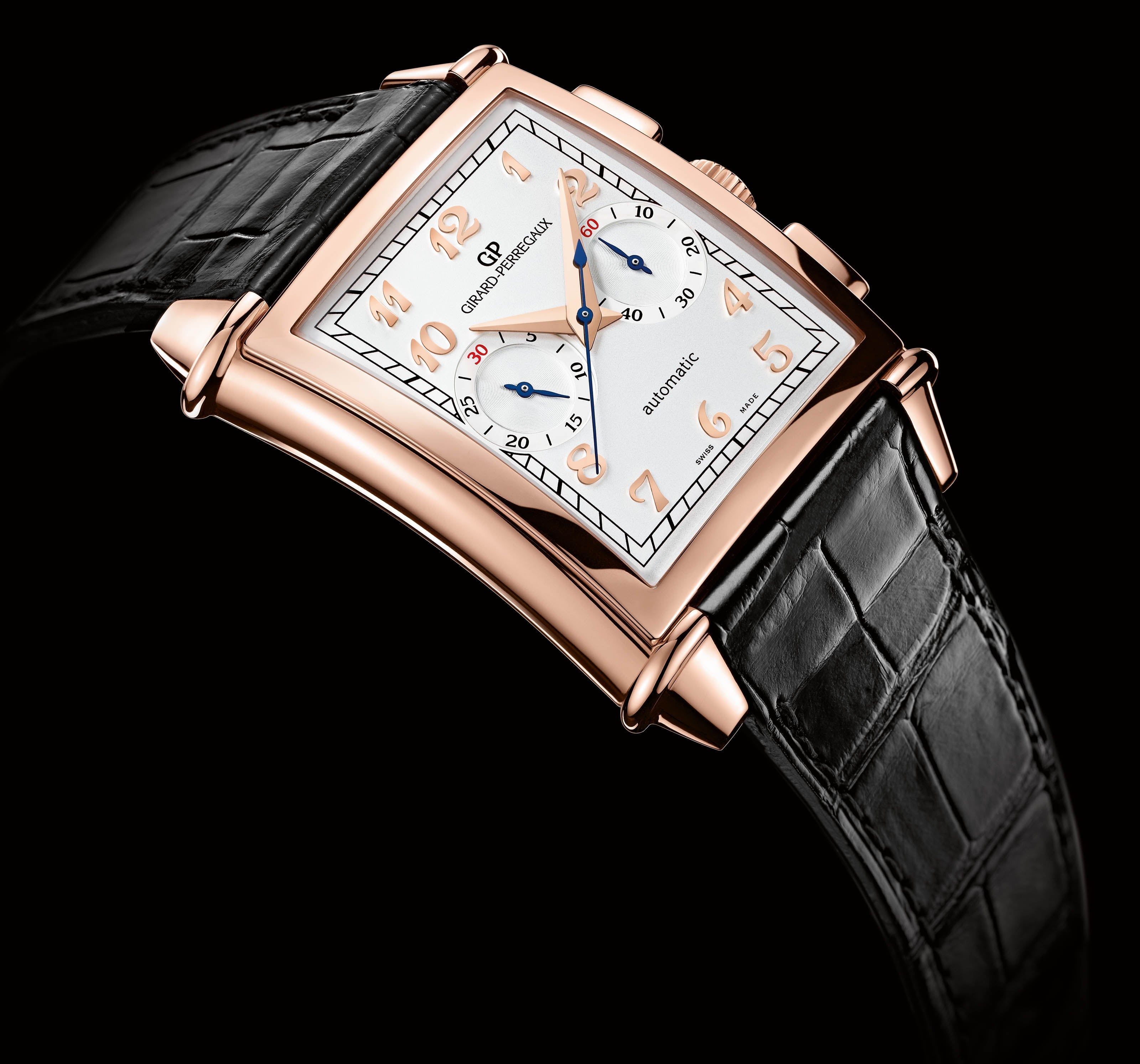
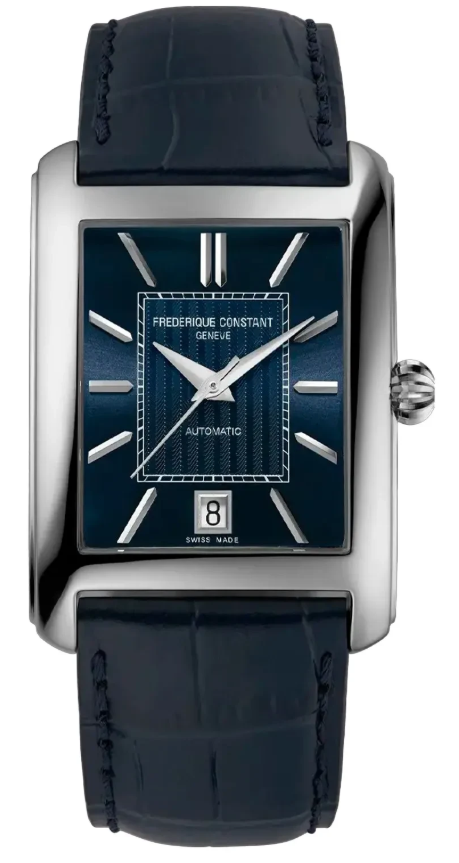
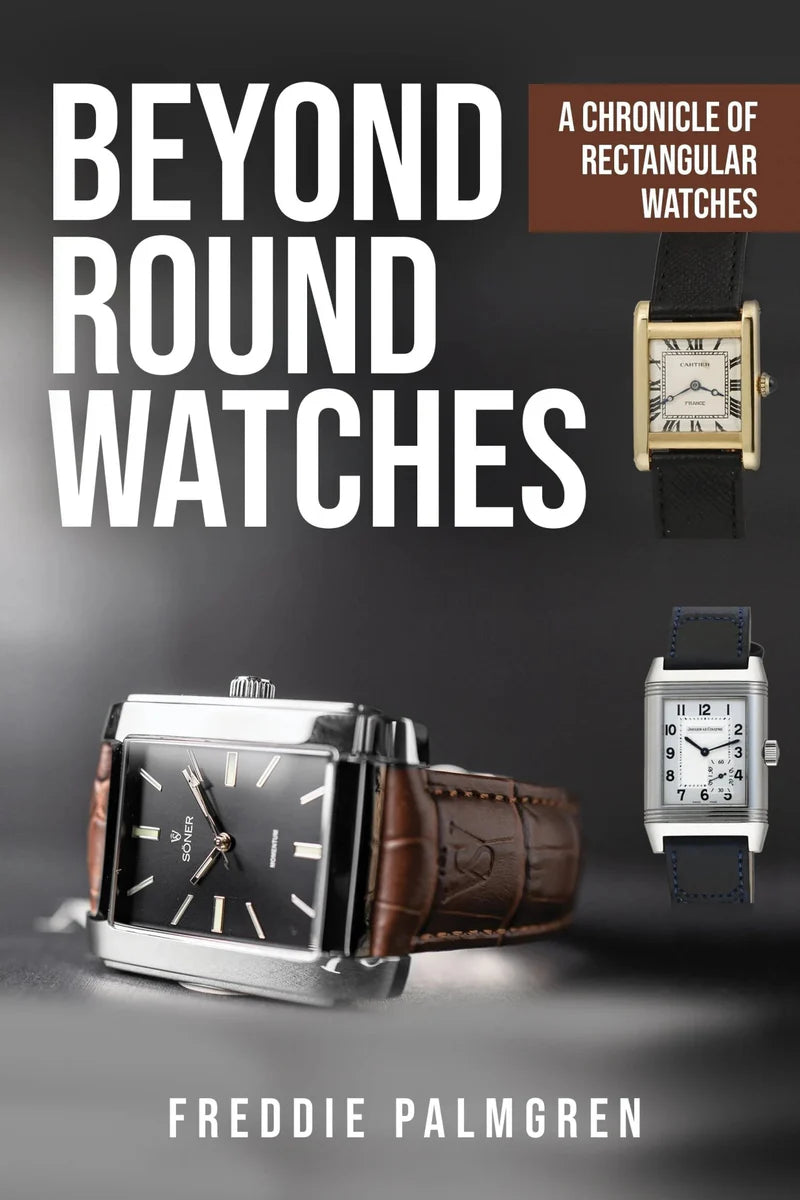
The rectangular case has been in continuous production since Louis Cartier drew the Tank in 1917. The Jaeger-LeCoultre Reverso followed in 1931. The TAG Heuer Monaco in 1969. These are among the most culturally significant watch designs ever made and they are all rectangular. The rectangular case follows the natural geometry of the wrist more closely than a round one, sits flatter under a shirt cuff, and communicates something specific about the wearer that they have thought about what they wear rather than reaching for the default.
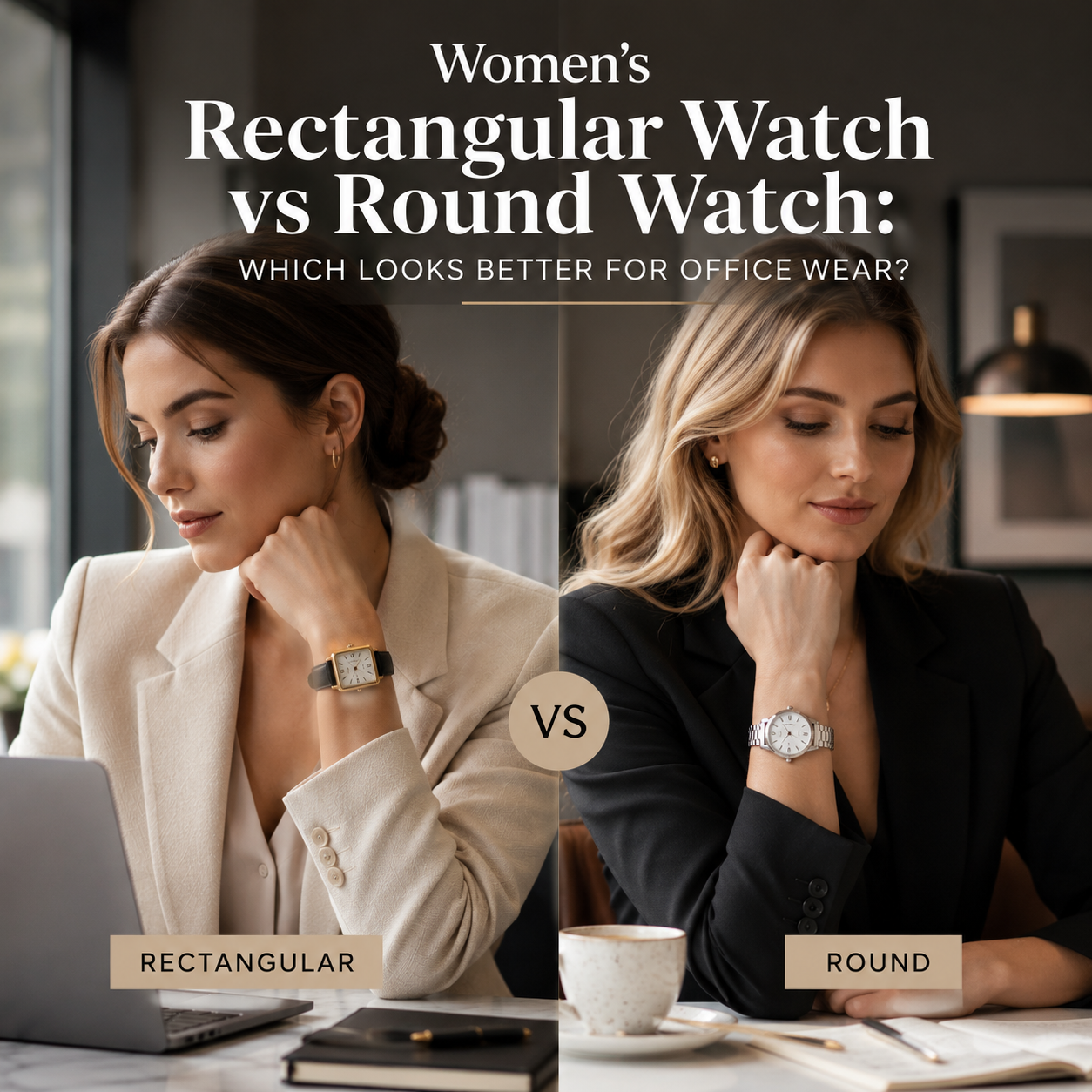
For a first watch, the rectangular case is worth serious consideration. It is the choice with the richer design history, the better wrist ergonomics, and the stronger visual distinction. For the full argument, see our seven reasons why square watches are the best choice. For the head-to-head comparison, see our square watch vs round watch guide.

Decision 3: What Size?
Case size is the most commonly overlooked factor in online watch purchases and the one most responsible for buyer regret. A watch that overhangs your wrist or sits too thick under a cuff will undermine the effect regardless of how well it is made.
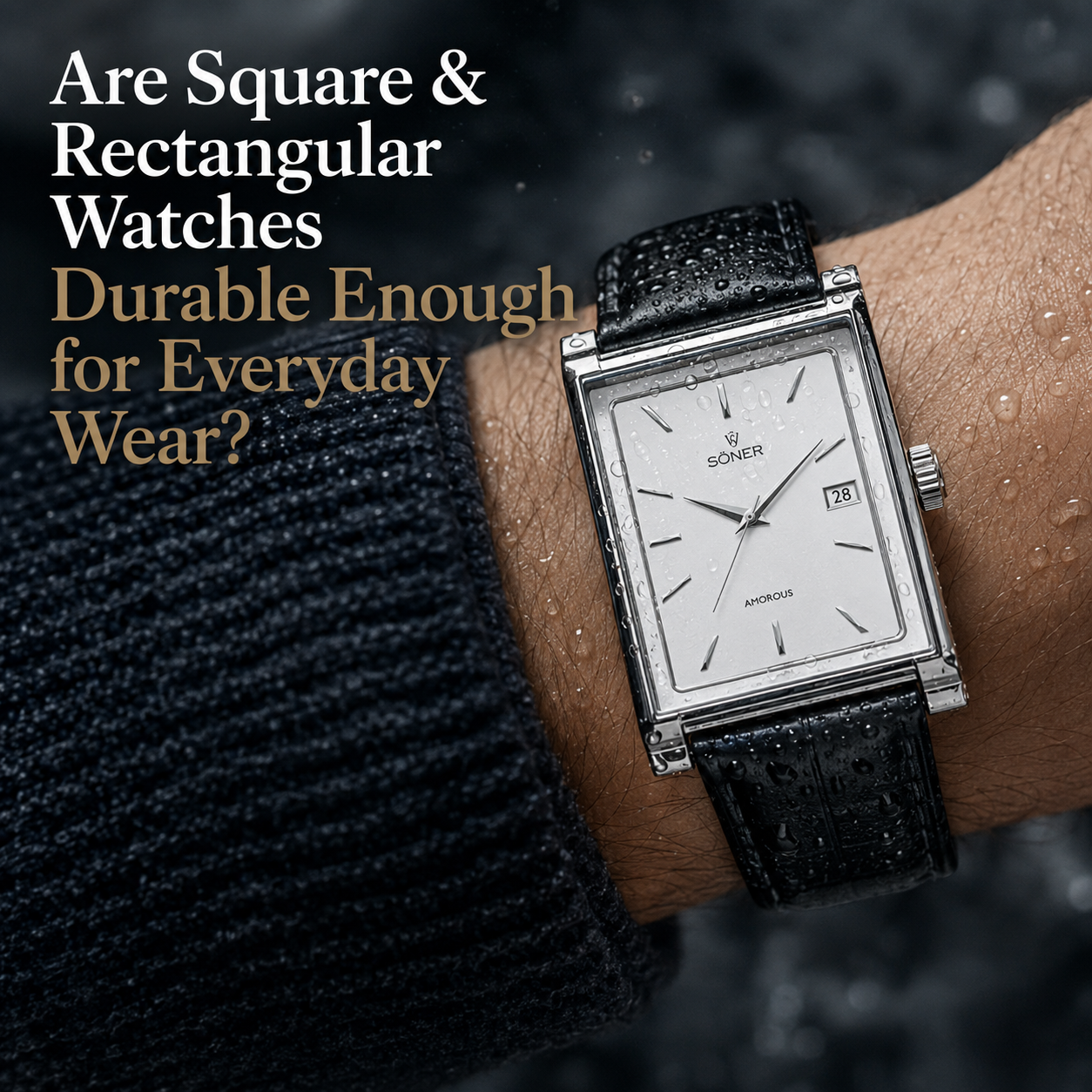
The first step is to measure your wrist. The watch should sit within the wrist width without overhanging either side. For rectangular watches, both the case width and the lug-to-lug measurement matter the lug-to-lug determines how much of the wrist the case spans from top to bottom. The Söner Nostalgia and Amorous at 28x40mm is designed as a proportion that works across most wrist sizes for both men and women. The Söner Legacy and Momentum at 35x45mm suits larger wrists and more active wear contexts.
For the complete sizing framework, see our rectangular watch size guide.
Decision 4: What Crystal?
There are three crystal types used in watches: acrylic (plastic), mineral glass, and sapphire. For any watch above $150, the only acceptable crystal is sapphire.
Acrylic crystals scratch from contact with a fingernail. Mineral glass scratches from a steel key. Sapphire rated at Mohs 9, second only to diamond in hardness scratches from almost nothing in everyday use. The visual difference between a scratched mineral crystal and a pristine sapphire crystal on the same watch face after 18 months of daily wear is dramatic. Sapphire is more expensive to produce, but any watch brand worth buying from uses it as standard above entry level. All Söner watches use sapphire with multi-layer anti-reflective coating. For the full explanation, see our sapphire glass guide.

Decision 5: Which Brand?
The brand determines three things: the quality of the movement, the standard of case finishing and materials, and the warranty and after-sales support. Here is an honest overview of the landscape by price tier.
| Price Tier | What to Expect | Representative Brands |
|---|---|---|
| Under $250 | Entry-level quartz. Often mineral crystal. Decent finishing. Starting point only. | Casio, Timex, Citizen entry |
| $250 to $500 | Mid-range. Swiss or Japanese quartz. Often sapphire. Quality diverges meaningfully from entry level. | Seiko, Orient, entry Hamilton |
| $500 to $700 | Swiss movement as standard. Sapphire, hardened steel, real warranty. Best value range for a watch that lasts a lifetime. | Söner (from $580), entry Hamilton automatic |
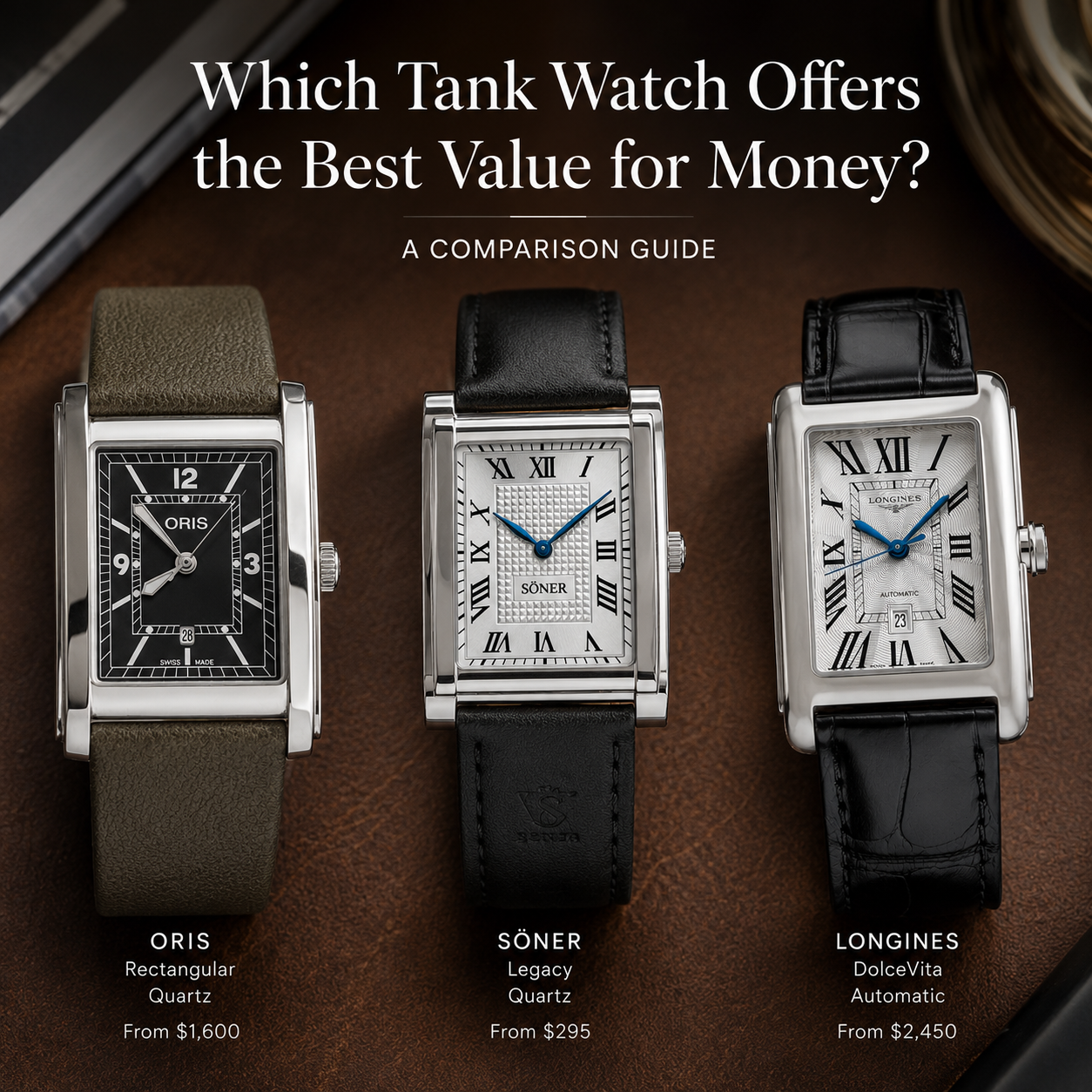
| $700 to $2,500 | Established Swiss brands. Heritage, strong secondary market, longer service history. | Longines, Tissot upper range, Hamilton |
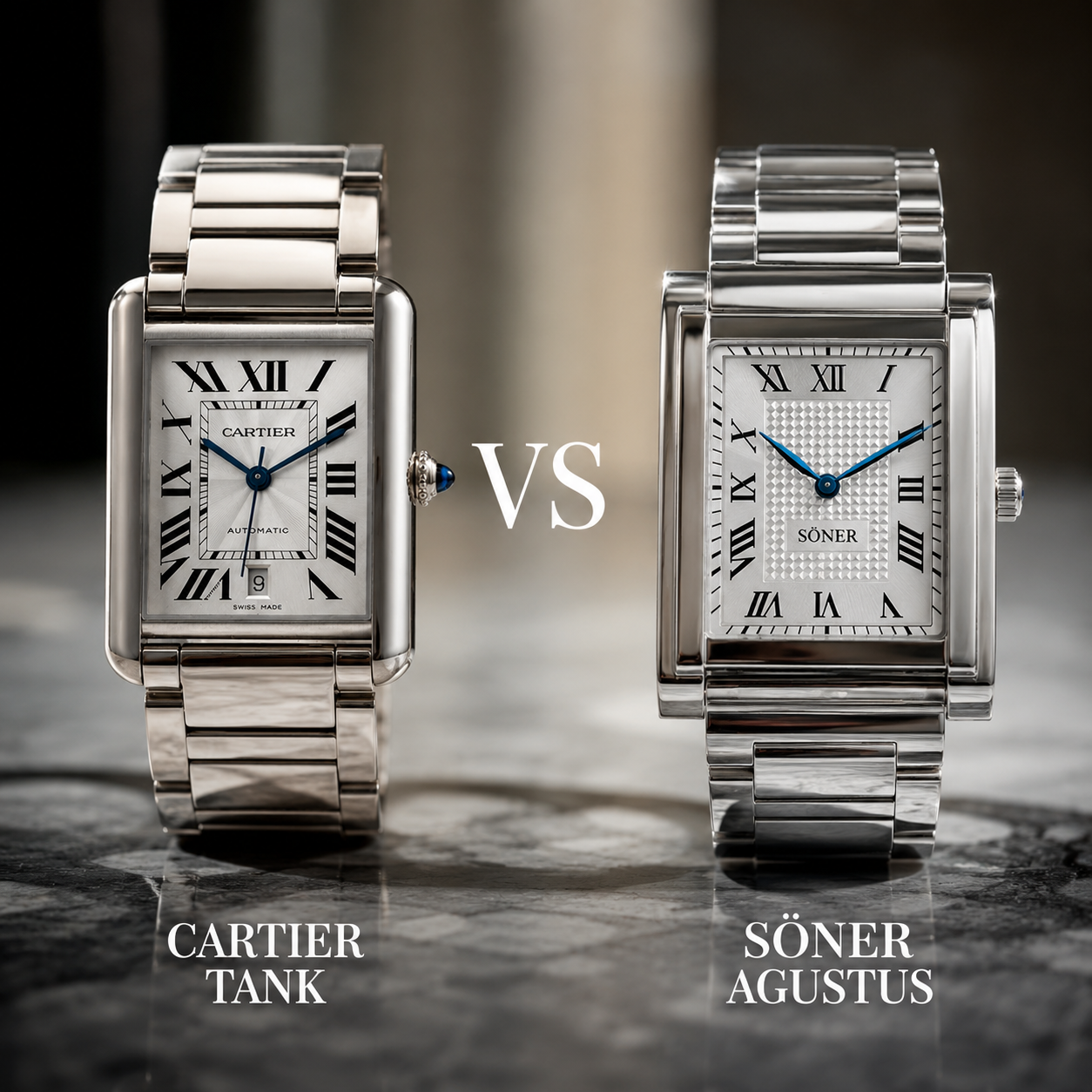
| $2,500 to $8,000 | Heritage luxury. In-house movements, significant brand prestige, strong resale value. | Cartier, Omega, TAG Heuer |
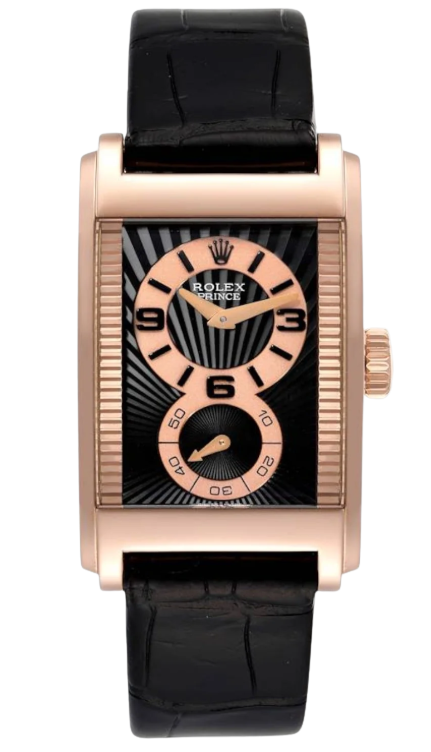
| $8,000+ | Swiss manufacture. Investment-grade. The watch is as much a financial asset as a daily object. | Rolex, Patek Philippe, JLC |
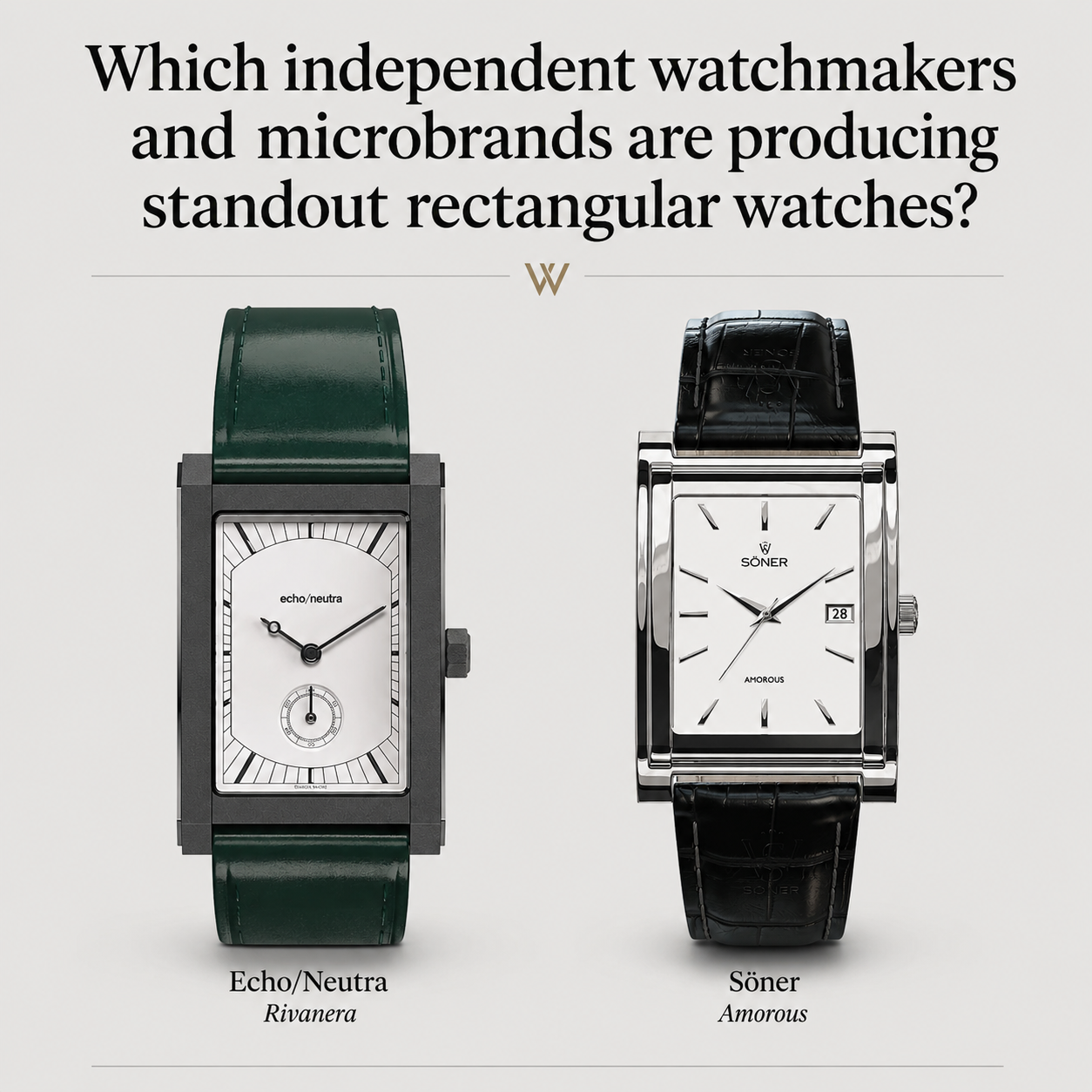
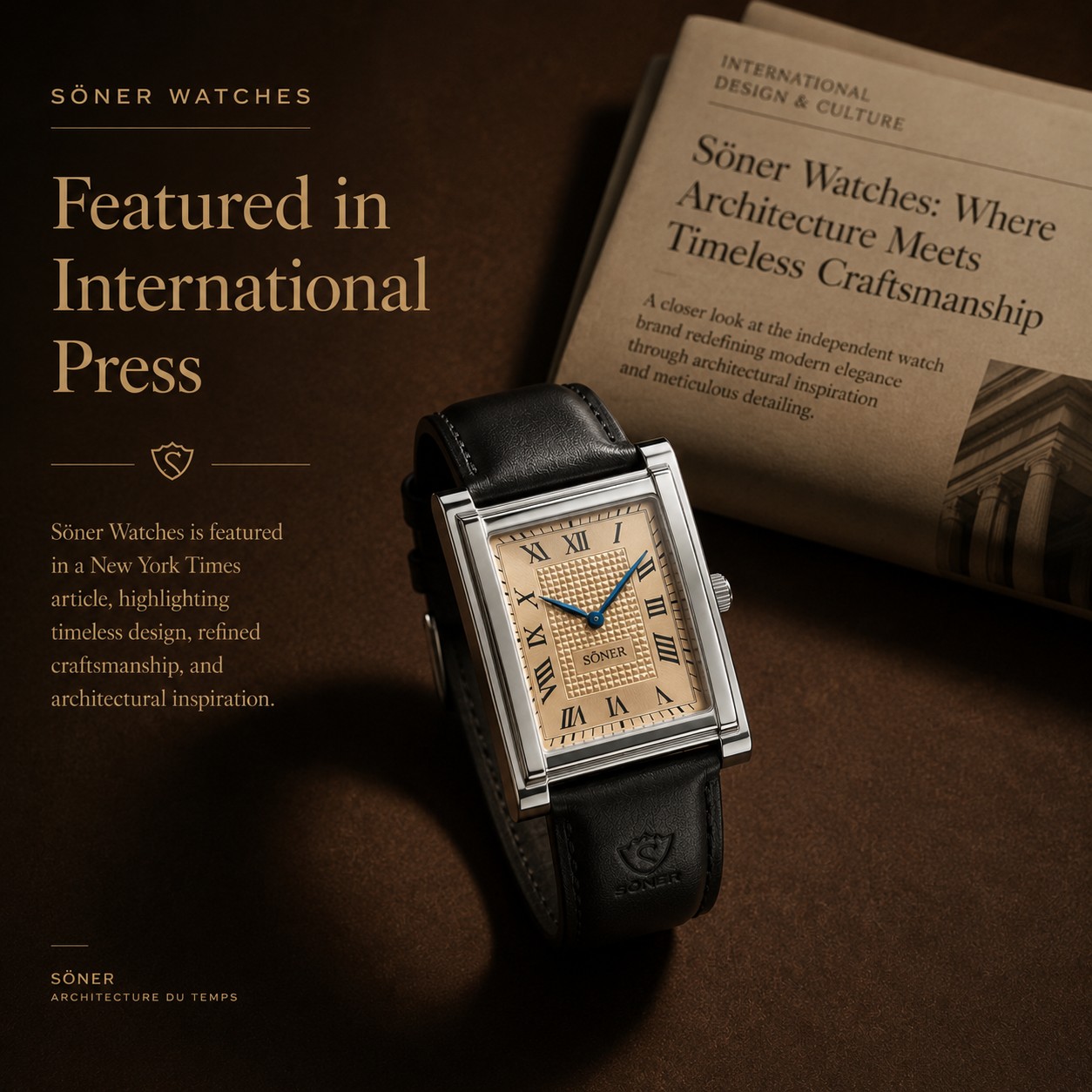
Söner occupies a specific position in this landscape: the only brand in the world dedicated exclusively to rectangular watches. That singular focus means every design decision, from case proportions to dial layout to movement selection, is made for the rectangular format rather than adapted from a round-case line. The result is a rectangular watch that is more considered in its format than anything produced as a line extension of a predominantly round catalogue. From $460, with Swiss movements from $580, 800HV hardened steel, sapphire crystal, and a 10-year international warranty. For the full brand and price tier overview, see our watch brand pyramid guide.
The One Decision Most Buyers Skip
Case shape. Most first-time buyers never ask "should this be round?" because round is so dominant that it never feels like a choice. But it is a choice, and it is the most visible one you make when buying a watch.
If you are buying a watch to be worn in professional and formal contexts, to last for decades, and to say something specific about your relationship to design and quality, the rectangular case deserves serious consideration. Under 2% of watches are rectangular. Wearing one immediately communicates that you chose deliberately rather than defaulted. That signal is clear to anyone who notices watches and it is quiet enough to go unnoticed by everyone else. For the complete rectangular watch buying guide, see our best rectangular watches in 2026.

The short version: Buy a watch with a sapphire crystal. Choose Swiss movement if budget allows. Measure your wrist before buying online. Consider rectangular before defaulting to round. Spend what you can wear without thinking about the cost a $580 watch worn confidently every day is worth more than a $5,000 watch kept in a drawer.
Frequently Asked Questions
What should I look for in my first watch?
In order of importance: sapphire crystal (not mineral glass), a Swiss or Japanese movement from a named manufacturer, a case size that fits your wrist without overhanging, and a warranty of at least 2 years from the brand directly. Case shape round or rectangular is a personal choice but one worth making deliberately rather than by default.
Is quartz or automatic better for a beginner?
Neither is objectively better. Quartz is more accurate and lower maintenance. Automatic requires no battery and connects the wearer to mechanical watchmaking. If you intend to wear the watch every day and want to engage with it mechanically, choose automatic. If you want the slimmest case and lowest long-term maintenance, choose quartz. Both are appropriate for a first serious watch.
How much should I spend on my first watch?
The practical threshold for quality specifications sapphire crystal, quality movement, hardened steel case, meaningful warranty is approximately $400 to $700. Below $400, specification compromises become visible and affect the watch over time. Above $700, you are increasingly paying for heritage brand premium rather than better daily function. Spend what you can wear without thinking about the cost.
Should I buy a round or rectangular watch?
Round watches account for over 98% of the market. Rectangular watches have a richer design history, sit more naturally on the wrist's flat geometry, and communicate something specific about the wearer. For a first watch, rectangular is worth considering seriously rather than defaulting to round. See our square watch vs round watch guide for the full comparison.
What is the best beginner rectangular watch?
The Söner Nostalgia at $580 is the strongest entry point for a rectangular watch: Swiss ETA quartz movement with 11-year battery, 800HV hardened steel case, sapphire crystal with AR coating, 5 ATM water resistance, 10-year international warranty. It is made by the only brand in the world dedicated exclusively to rectangular watches. For the full ranked list, see our best rectangular watches under $1,000.
What does a watch complication mean?
A complication is any function beyond displaying hours and minutes. A date window is a complication. A chronograph (stopwatch function) is a complication. A moon phase display is a complication. For a first watch, a date function is the only complication worth considering it adds practical utility without adding case thickness or price. For the full explanation, see our guide to watch complications.
Söner is the world's only watch brand dedicated exclusively to rectangular watches. Swiss and Japanese movements, 800HV hardened steel, sapphire crystal with AR coating, 10-year international warranty. The clearest starting point in rectangular watchmaking. From $460.
Browse the CollectionSÖNER rectangular watches
Free worldwide shipping · 10-year warranty · 30-day returns
Our pick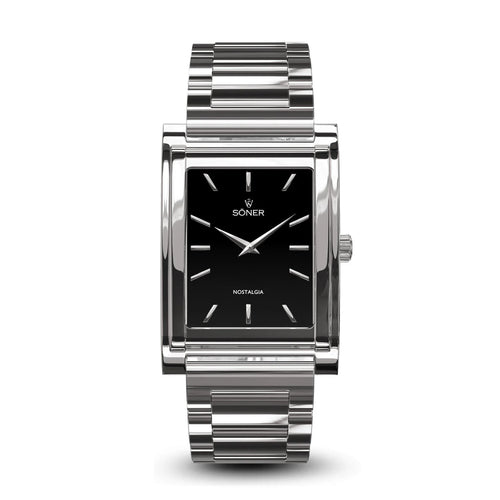 Nostalgia Stockholm11-year battery$580 USD
View watch
Nostalgia Stockholm11-year battery$580 USD
View watch
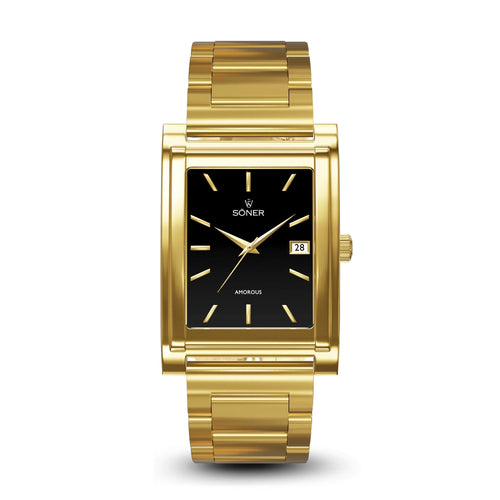 Amorous MilanoAutomatic$785 USD
View watch
Amorous MilanoAutomatic$785 USD
View watch
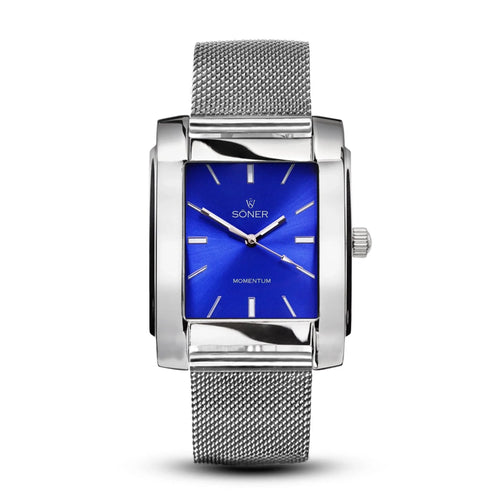 Momentum BacardiAutomatic$585 USD
View watch
Momentum BacardiAutomatic$585 USD
View watch
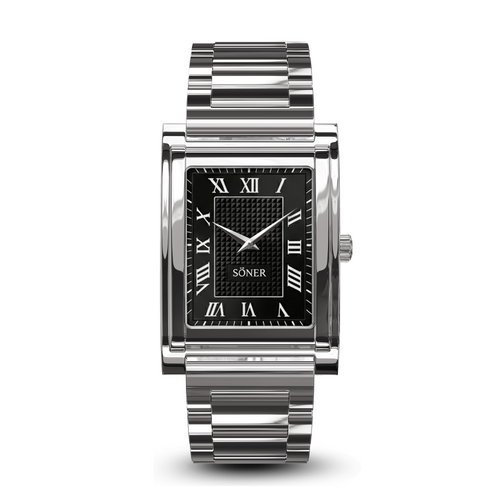 Nostalgia Caesar11-year battery$765 USD
View watch
Nostalgia Caesar11-year battery$765 USD
View watch
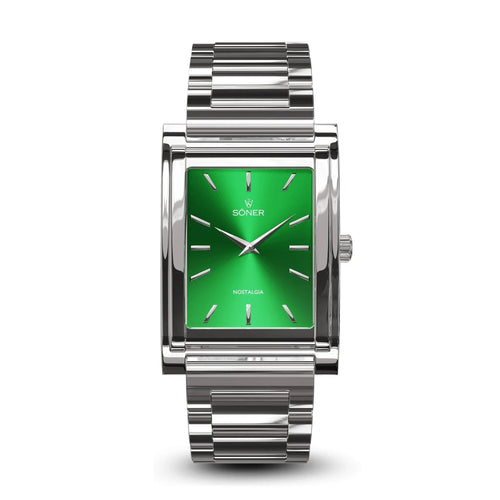 Nostalgia New York11-year battery$580 USD
View watch
Nostalgia New York11-year battery$580 USD
View watch
View all watches
 Nostalgia Stockholm11-year battery$580 USD
View watch
Nostalgia Stockholm11-year battery$580 USD
View watch
 Amorous MilanoAutomatic$785 USD
View watch
Amorous MilanoAutomatic$785 USD
View watch
 Momentum BacardiAutomatic$585 USD
View watch
Momentum BacardiAutomatic$585 USD
View watch
 Nostalgia Caesar11-year battery$765 USD
View watch
Nostalgia Caesar11-year battery$765 USD
View watch
 Nostalgia New York11-year battery$580 USD
View watch
Nostalgia New York11-year battery$580 USD
View watch