

Table of Contents
An automatic watch is a mechanical system with moving parts, lubricants, and tolerances measured in microns. It will last decades if you treat it correctly, or degrade quietly if you don't. Most care advice online is vague. These are the specific things that actually matter, from someone who builds automatic rectangular watches and thinks about movement longevity every day.
- Freddie Palmgren, Founder of Söner Watches

| # | Tip | Key Rule |
|---|---|---|
| 1 | Moisture protection | Check water resistance rating before any water exposure |
| 2 | Cleaning | Soft cloth only, no chemicals on case or crystal |
| 3 | Professional servicing | Every 5–7 years, not when it stops working |
| 4 | Temperature | Avoid prolonged heat above 40°C or cold below 0°C |
| 5 | Storage | Wear it regularly or use a winder, static storage degrades lubricants |
| 6 | Drop prevention | Handle over soft surfaces; inspect immediately after any impact |
| 7 | Magnetic fields | Keep 10cm+ from speakers, laptop keyboards, and magnetic closures |
1. Protect Your Watch from Moisture Damage
One of the most common enemies of automatic watches is moisture. Water and humidity can wreak havoc on the delicate internal mechanisms, causing rust and corrosion. To safeguard your watch from these potential dangers, it is important to take certain precautions.
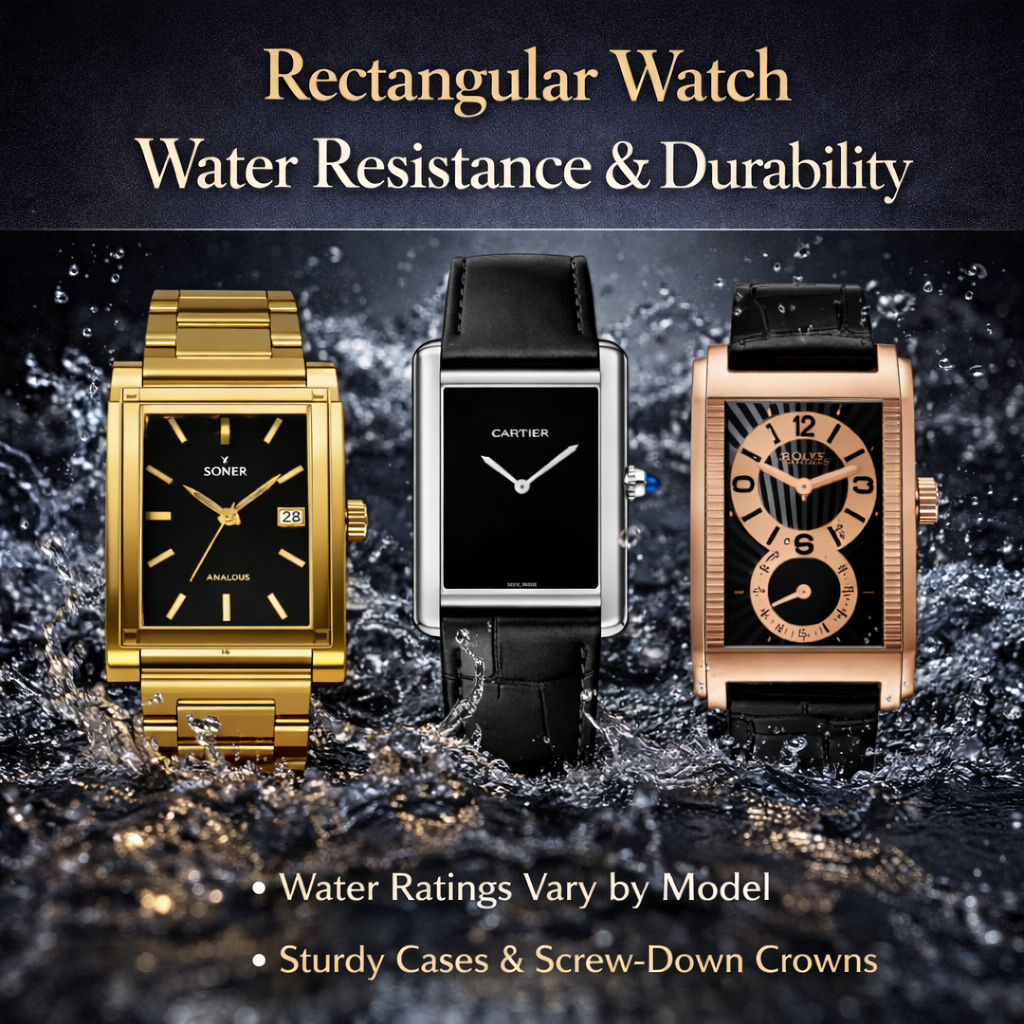
How to Safeguard Your Watch from Water and Humidity

Firstly, make sure that your watch is water-resistant. Check the manufacturer's specifications and guidelines to determine the level of water resistance your watch has. It is essential to note that water resistance does not mean your watch is fully waterproof.


If you plan to swim or dive with your watch, invest in a timepiece specifically designed for water activities. Additionally, avoid exposing your watch to excessive humidity by removing it before entering saunas, hot tubs, or humid environments.
When in doubt, it is always best to err on the side of caution and take off your watch before participating in water-related activities or exposing it to high levels of humidity.
2. Maintain the Sparkle: Cleaning Your Watch Properly
Regular cleaning is crucial to keep your watch looking brand new. However, cleaning a watch requires some care to prevent any damage to its delicate components.

Tips for Keeping Your Watch Looking Brand New
Start by using a soft, lint-free cloth to gently wipe away any dirt or smudges on the case and bracelet. Avoid using harsh chemicals or abrasive materials that can scratch or damage the watch's surface.
If your watch has a metal bracelet, you can clean it more thoroughly by using a mild soap solution and a soft brush to remove any debris from between the links. Rinse it with lukewarm water and pat it dry with a clean cloth.
It is important to note that not all watches can be submerged in water, so always check the manufacturer's instructions before attempting to clean your watch.
3. Trust the Experts: Why Professional Watch Servicing is Essential
Most automatic movements should be serviced every 5–7 years under normal use, not every year as some watchmakers suggest, and not "whenever it stops working" as many owners assume. A service involves stripping the movement completely, ultrasonic cleaning of each component, replacing worn gaskets and seals, re-lubricating the gear train and escapement, and regulating the rate.
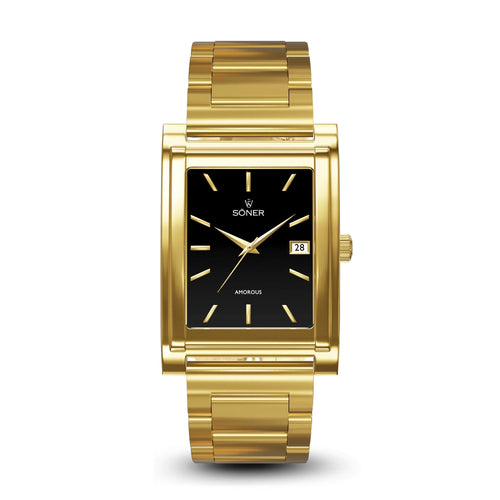
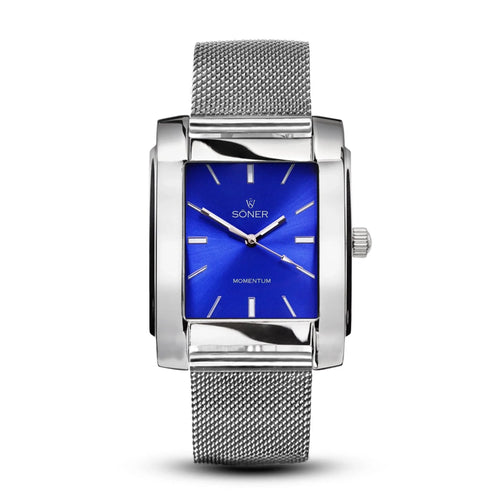
For context: Söner's Amorous and Momentum collections use Swiss automatic movements that we recommend servicing at the 7-year mark under regular daily wear. The cost of a proper service typically runs $150–$400 depending on movement complexity. Neglecting it doesn't just risk accuracy, it risks scoring the jewels, which turns a routine service into a parts replacement.

4. Handle with Care: Avoiding Extreme Temperatures
Extreme temperatures can negatively affect the performance and longevity of your automatic watch. Both heat and cold can cause the oils inside the watch to expand or contract, disrupting its timekeeping abilities.
The Impact of Heat and Cold on Your Watch
Avoid leaving your watch in direct sunlight for extended periods as excessive heat can damage the internal components. Similarly, extremely cold temperatures can cause the lubricants to thicken, leading to increased friction within the watch.
If you live in an area with extreme temperatures, it is advisable to store your watch in a climate-controlled environment when not in use. Additionally, when transitioning from extreme temperatures, allow your watch to acclimate slowly to reduce the stress on its internal mechanisms.
5. Keep It Ticking: Tips for Proper Watch Storage
Proper storage is crucial to preserve the longevity of your automatic watch, especially if you own multiple timepieces or rotate watches frequently.
The Benefits of Regular Watch Wear and Watch Winders
Wearing your watch regularly ensures that it remains wound and well lubricated. If you have multiple automatic watches and don't wear them all at once, using a watch winder can help keep them properly wound while in storage.
A watch winder mimics the motion of being worn on the wrist, rotating the watch to ensure that its mainspring remains wound. This can prevent any potential lubrication issues and keep the watch in optimal condition.
When not wearing your watch or using a watch winder, store it in a clean, dry place away from direct sunlight and other potential sources of damage. Consider using a watch box or pouch to protect it from scratches and dust.
6. Prevent Accidents: How to Avoid Dropping Your Watch
Dropping your watch can cause significant damage to its exterior and internal components. To avoid accidents, it is important to handle your timepiece with care.

Watch Safety 101: Handling Your Timepiece with Care
When putting on or taking off your watch, do so over a soft surface like a towel or cushion to prevent any accidental drops. Avoid wearing your watch when engaging in activities that involve intense physical movements or potential impacts.
In case you accidentally drop your watch or suspect any damage, it is advisable to have it inspected and repaired by a professional watchmaker as soon as possible to prevent further complications.
7. Magnetic Fields and Electronics: A Watch's Worst Enemies
Magnetic fields and electronic devices can have a detrimental effect on the accuracy and functioning of an automatic watch.
Protecting Your Watch from Magnetic Interference and Electronic Devices
Avoid placing your watch near strong magnetic sources such as speakers, refrigerators, or laptops. Magnetic fields can disrupt the movement of the watch's balance wheel, causing it to lose or gain time.
When it comes to electronic devices, it is best to keep your watch at a safe distance. The electromagnetic fields generated by devices like smartphones and tablets can interfere with the smooth operation of your watch.
If you work in an environment where you are regularly exposed to strong magnetic fields or electronic devices, consider investing in an antimagnetic watch. These timepieces are specially designed to withstand magnetic interference.
By following these 7 essential tips, you can ensure that your automatic watch remains in excellent condition and continues to serve you reliably for years to come. Remember, prevention and proper care are key to preserving the longevity of your timepiece.
If you're considering an automatic rectangular watch, see our Automatic vs Quartz guide and Söner's automatic collections.