

 Published on
Table of Contents
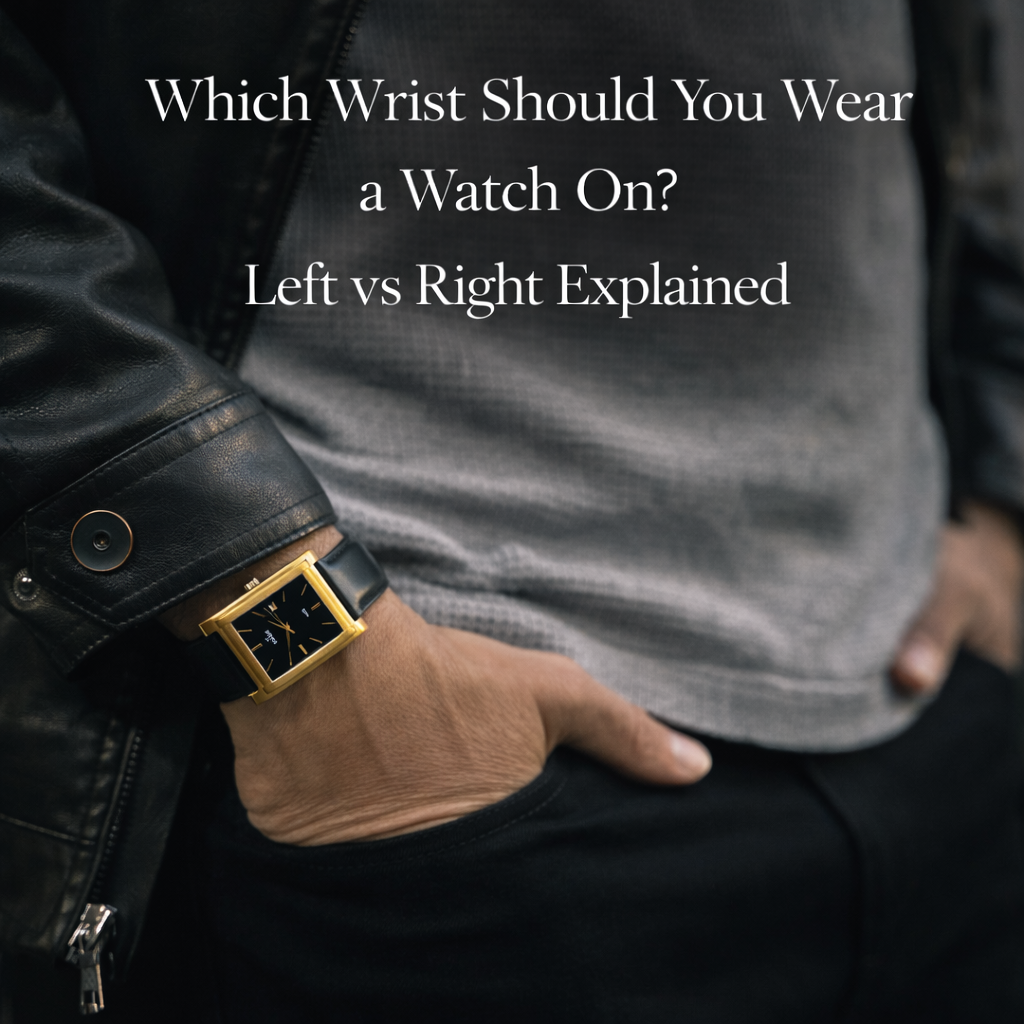
La risposta breve: la maggior parte degli uomini indossa l’orologio al polso sinistro, perché la maggior parte è destrorsa e il polso non dominante lascia libera la mano più attiva e rende la corona facilmente raggiungibile. Ma non è una regola. Gli uomini mancini spesso lo indossano al polso destro, e molti destrorsi scelgono il polso destro come decisione di stile consapevole. Il polso giusto è quello che crea meno attrito nella tua giornata e si abbina meglio al tuo modo di vestirti.
La maggior parte degli uomini allaccia un orologio al polso sinistro senza nemmeno pensarci. La convenzione ha un’origine pratica: la maggior parte delle persone è destrorsa, la corona si trova alle tre, e caricare o regolare l’orologio è più facile con la mano dominante libera. Col tempo il polso sinistro è diventato il predefinito, e i predefiniti tendono a restare. Ma il predefinito non è sempre la risposta giusta per te. Questa guida spiega le ragioni pratiche e stilistiche dietro la scelta del polso, come comfort e routine quotidiana dovrebbero guidare la decisione, e cosa dovrebbero considerare in particolare gli uomini mancini.

Sinistro vs Destro: Il compromesso pratico
Il polso sinistro è la casa naturale per un uomo destro. La posizione della corona è ottimizzata per questo, regolare l’orologio è semplice, e appare classico e professionale. Gli unici veri svantaggi sono che può sembrare prevedibile, e un bracciale largo può sfiorare il bordo della scrivania mentre digiti.
Il polso destro è la scelta più distintiva. Offre un migliore equilibrio visivo se indossi gioielli sulla mano sinistra, e segnala una decisione consapevole piuttosto che un’abitudine. I compromessi sono fisici: una corona standard alle tre può premere sul dorso della mano, e un uomo destro che indossa l’orologio al polso destro rischia di urtare più spesso la cassa durante le attività quotidiane. Nessun polso è corretto in astratto — quello giusto è quello che si adatta alla tua mano dominante e alla tua giornata.
Come scegliere: mappa prima la tua giornata
Il polso migliore è quello che crea meno attrito durante la tua attività quotidiana più lunga. Prima di decidere, passa la tua giornata reale attraverso alcune domande. Quando scrivi, la cassa tocca il bordo del quaderno o scivola sopra? I polsini stretti della giacca afferrano la lunetta o scivolano puliti? Durante il tragitto o in palestra, l’orologio ruota o resta fermo? Anelli e bracciali appaiono affollati accanto all’orologio sullo stesso polso?
Se un polso risponde meglio a queste domande, è quello giusto. Se nessuno dei due è chiaramente migliore, scegli il sinistro e aggiusta da lì — la maggior parte degli uomini non deve pensarci troppo oltre.
Comfort: i dettagli che contano davvero
Il comfort è la somma di piccoli dettagli — spessore della cassa, curvatura delle anse, morbidezza del cinturino e come il polso si flette mentre digiti o raggiungi. Alcuni controlli rapidi risolvono la scelta prima di impegnarti su un polso. Appoggia gli avambracci sulla scrivania e digita naturalmente; se gli angoli della cassa toccano la superficie o il bracciale pizzica, prova l’altro polso o stringi il bracciale di mezzo anello. Tieni una penna per cinque minuti; se la corona spinge sulla mano o la cassa urta la pagina, ruota l’orologio di qualche grado verso l’interno o cambia polso. Indossa la manica più sartoriale; una cassa sottile con anse curve verso il basso e un cinturino morbido si infila bene sotto il polsino, e se si impiglia, un cinturino più morbido o indossarlo sotto la manica di solito risolve.
Un punto di vestibilità conta più del polso stesso: posiziona l’orologio a una larghezza di dito sopra l’osso del polso. Questo piccolo spostamento spesso elimina completamente la pressione mantenendo il quadrante leggibile a colpo d’occhio. C’è un’intera guida su quanto deve essere stretto un orologio.
Scelte di cinturino e cassa che massimizzano il comfort
Il cinturino modella il comfort tanto quanto il polso. I cinturini in pelle e tessuto sono i più indulgenti sulla pelle e si infilano sotto i polsini senza attrito, rendendoli la scelta facile per abbigliamento formale e da ufficio. Un bracciale in acciaio è il più versatile, adatto dal casual elegante al formale, ma richiede una misura precisa — vale la pena cercare chiusure con micro-regolazione. Cinturini in gomma e tessuto offrono la vestibilità più sicura durante il movimento e si regolano facilmente durante la giornata, quindi sono adatti per abbigliamento sportivo e condizioni umide.
Qualunque sia il cinturino, casse sottili con anse corte si posizionano più vicino all’osso del polso e riducono il contatto con il bordo della scrivania — cosa che la maggior parte degli uomini sottovaluta finché non passa una giornata intera a una tastiera con una cassa spessa. Per un’analisi completa, vedi la nostra guida su cinturini in pelle vs metallo.

Gli uomini mancini dovrebbero indossare l’orologio diversamente?
Gli uomini mancini spesso scelgono il polso destro per lo stesso motivo per cui i destrorsi scelgono il sinistro — per tenere libera la mano dominante per scrivere, disegnare e usare il telefono. L’unica vera variabile è la posizione della corona. Le corone standard alle tre sono progettate per il polso sinistro, quindi al polso destro possono risultare leggermente scomode da regolare e possono premere sul dorso della mano durante l’estensione del polso. Ruotare l’orologio di qualche grado verso l’interno risolve questo nella maggior parte dei casi senza cambiare modello.
Due punti minori valgono la pena di essere notati. Un bracciale largo ruota di più al polso destro e può disallineare il quadrante sotto una giacca aderente, quindi un bracciale ben misurato o un cinturino in pelle sicuro sono più importanti qui — la nostra guida su come regolare un bracciale per orologio lo spiega. E se la posizione della corona ti dà davvero fastidio, i modelli con corona a sinistra ("destro") e ambidestri posizionano la corona alle nove; sono meno comuni, ma la disponibilità sta crescendo.
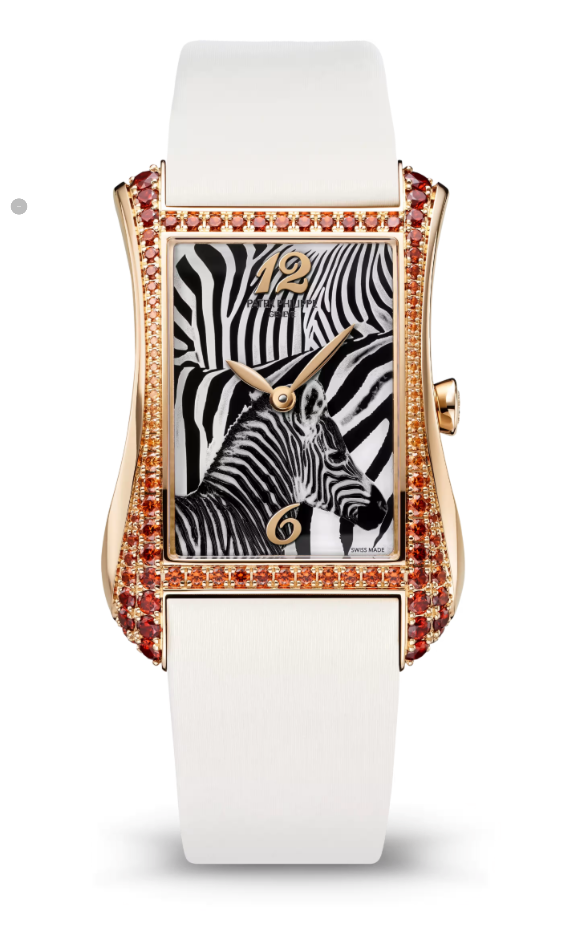
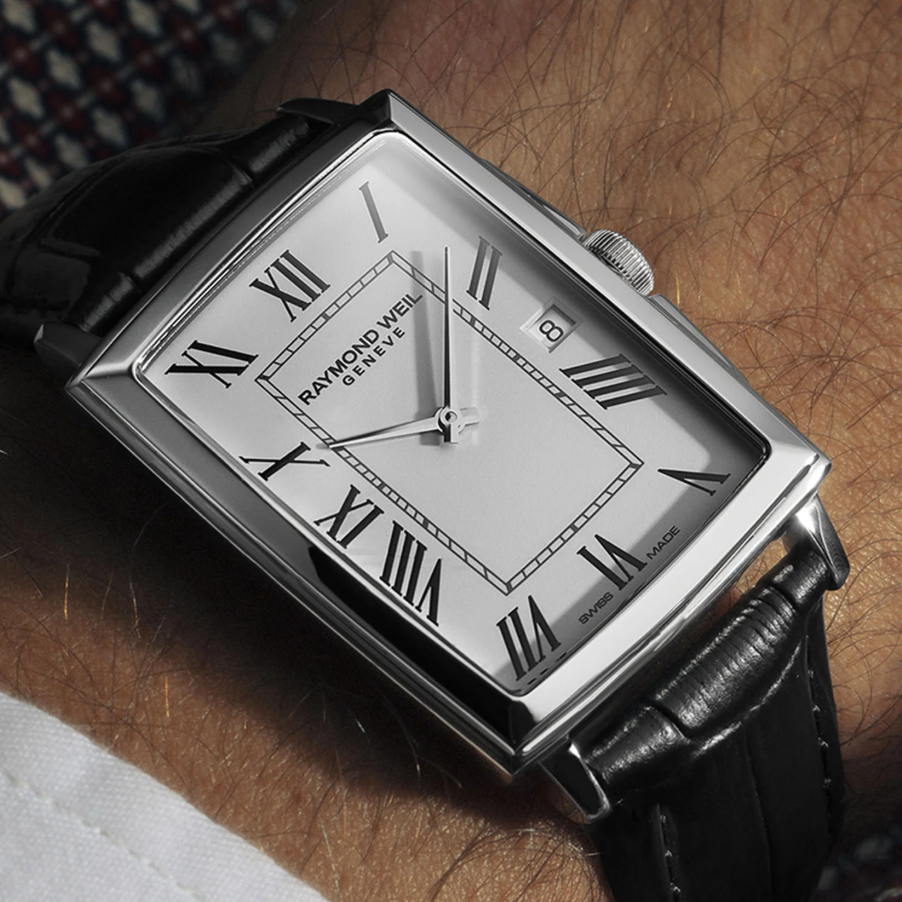
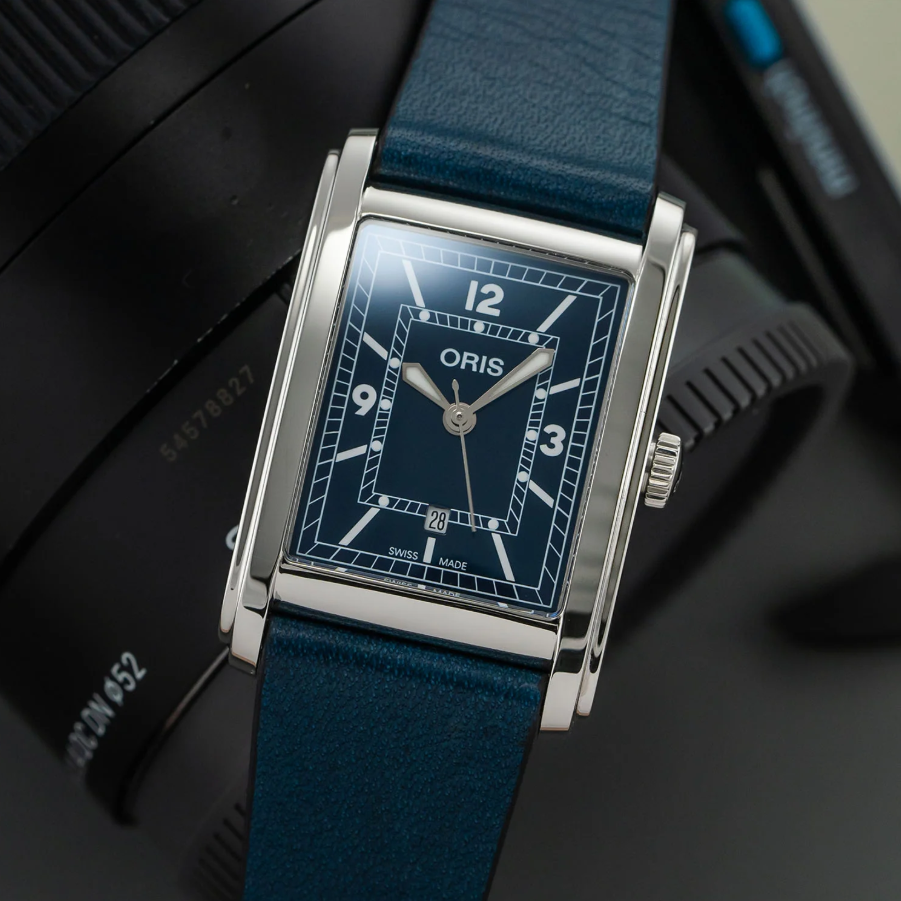
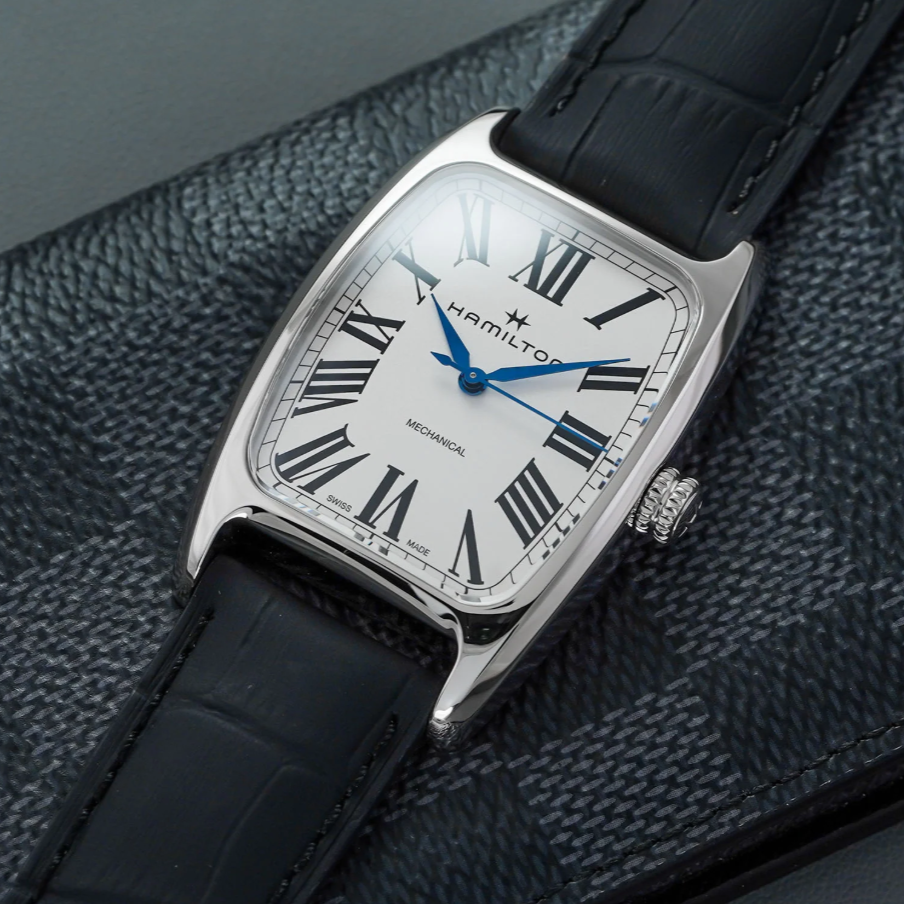
Un orologio rettangolare si posa diversamente sul polso
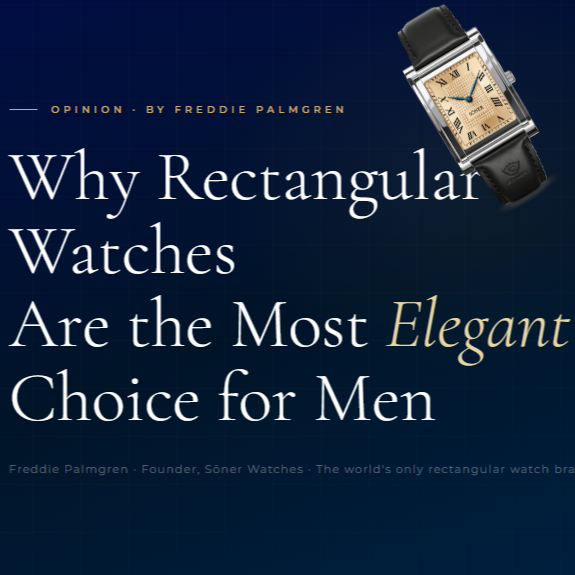
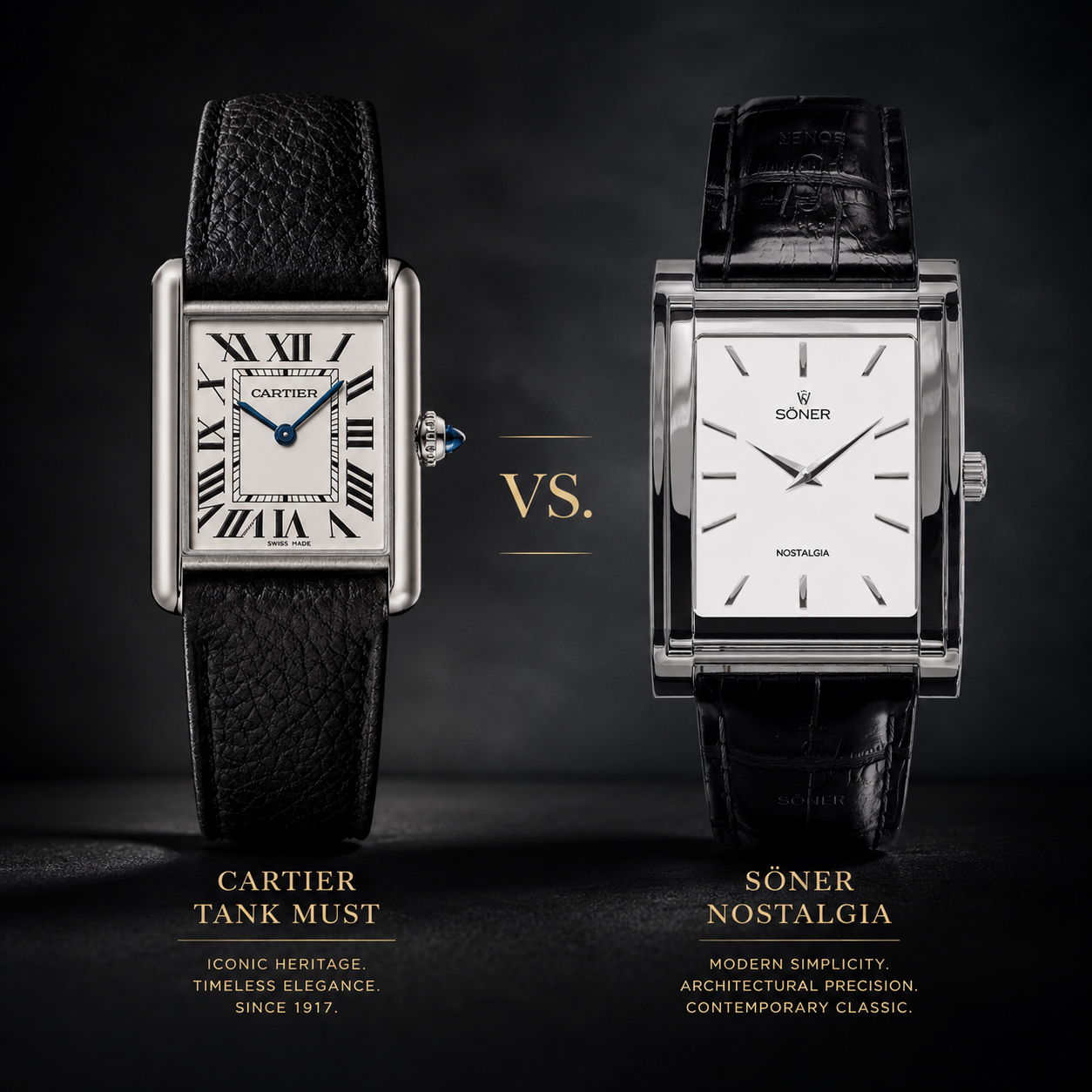
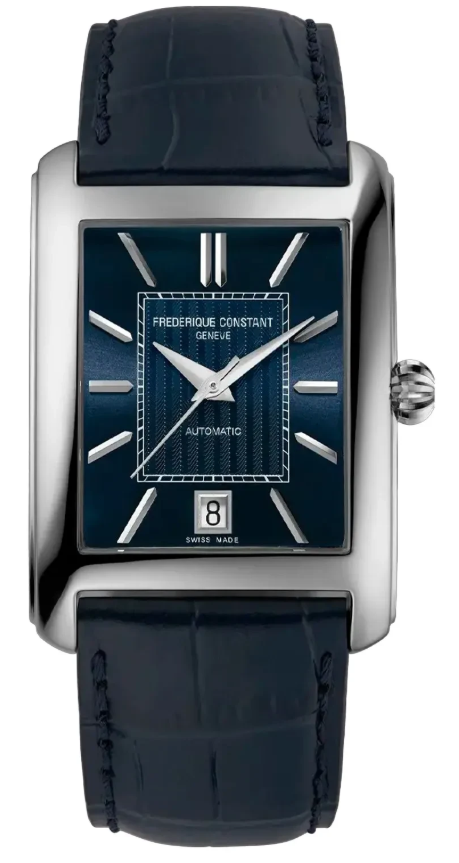
Le casse rettangolari di Söner seguono la linea del braccio invece di attraversarlo — sottili, piatte e sartoriali sotto un polsino su entrambi i polsi.
Esplora la collezioneCome la scelta del polso influenza la tua giornata
La posizione dell’orologio si somma durante tutta la giornata in modi che è facile sottovalutare. Per scrivere e digitare, il polso dominante spesso urta il bordo della pagina o crea micro-tensioni mentre si evita il contatto, quindi il polso non dominante di solito è più fluido per il lavoro alla scrivania. Per le faccende domestiche e le attività fisiche — cucinare, trasportare, movimenti ripetitivi — il polso non dominante subisce meno urti e resta lontano da acqua e calore. E in ambienti professionali, indossare l’orologio al polso non dominante permette di controllare l’ora in modo discreto mentre la mano dominante gesticola liberamente in riunione; un orologio discreto lì appare composto, specialmente in settori conservatori. Vedi la nostra guida su orologi da uomo per occasioni formali per modelli adatti a contesti formali.
Stile generale di indossare l’orologio per uomo
Un orologio diventa un punto fermo di stile quando proporzioni, materiali e contesto lavorano insieme. La proporzione viene prima: abbina larghezza e spessore della cassa al tuo polso e alla manica, e preferisci anse curve verso il basso per una silhouette aderente al polso, con casse sottili per tutto ciò che va sotto un polsino di camicia. L’armonia dei materiali è importante dopo — abbina metalli dove puoi, oro con oro e acciaio con acciaio, o contrasta deliberatamente, dato che la pelle calda con l’acciaio freddo funziona, ma le combinazioni quasi giuste no. Se una mano porta anelli vistosi, metti l’orologio al polso opposto per mantenere spazio visivo. E tratta il cinturino stagionalmente: pelle per i mesi freddi, bracciali per primavera ed estate, gomma o tessuto per giorni umidi e weekend attivi. Per consigli sul colore del quadrante in base agli outfit, vedi la nostra guida su i quadranti più belli mai realizzati.
La psicologia della scelta del polso
Non ci sono ricerche rigorose, ma la scelta del polso segnala tendenze che le persone percepiscono intuitivamente. Il polso sinistro appare pratico, organizzato e allineato alla tradizione — utile in ambienti conservatori dove la discrezione conta. Il polso destro appare espressivo e indipendente, più comune in ambiti moda e creativi. Poiché la maggior parte degli uomini sceglie il sinistro, un orologio al polso destro appare semplicemente scelto, e questo spesso trasmette fiducia tranquilla. Nessuno è meglio; entrambi sono linguaggi di stile leggibili.
Quale polso è migliore per il monitoraggio della salute?
Con smartwatch e ibridi, vestibilità e stabilità ora contano più della convenzione sinistro-destro. I sensori ottici di frequenza cardiaca e SpO2 necessitano di contatto costante con la pelle, e il polso non dominante tende a muoversi meno durante attività vigorose, il che può produrre letture leggermente più stabili. Qualunque polso tu scelga, dai priorità a un cinturino che mantenga la cassa ferma e non che ruoti durante il movimento.
Vuoi sapere anche l’altro lato della medaglia? Vedi la nostra guida correlata su su quale polso una donna dovrebbe indossare l’orologio.
Domande frequenti
Su quale polso dovrebbe indossare un orologio un uomo?
La maggior parte degli uomini indossa l’orologio al polso sinistro, perché la maggior parte è destrorsa e il polso non dominante è più pratico per le attività quotidiane. Non esiste una regola, però — gli uomini mancini spesso lo indossano al polso destro, e molti destrorsi scelgono il polso destro per stile. Il polso giusto è quello che crea meno attrito nella tua routine e si abbina meglio al tuo abbigliamento.
È accettabile per un uomo indossare l’orologio al polso destro?
Sì, ed è sempre più comune. Il polso destro segnala una scelta di stile consapevole piuttosto che un’abitudine, cosa che la maggior parte delle persone interpreta come fiducia. Gli uomini mancini lo preferiscono per comodità, e molti destrorsi lo scelgono per bilanciare i gioielli indossati sulla mano sinistra o semplicemente per distinguersi.
Gli uomini mancini dovrebbero indossare l’orologio su un polso diverso?
Gli uomini mancini spesso indossano l’orologio al polso destro, per lo stesso motivo per cui i destrorsi usano il sinistro — per tenere libera la mano dominante. La considerazione principale è la posizione della corona: le corone standard alle tre sono progettate per il polso sinistro, quindi possono risultare leggermente scomode da regolare sul polso destro. Ruotare l’orologio verso l’interno di qualche grado risolve questo nella maggior parte dei casi.
Quanto deve essere stretto l’orologio di un uomo?
Un orologio dovrebbe superare il test del dito singolo — puoi infilare un dito sotto il cinturino, ma non due. Se è troppo largo la cassa ruota e sbatte contro le superfici; se è troppo stretto limita la circolazione e lascia segni. Posizionalo a una larghezza di dito sopra l’osso del polso per il miglior equilibrio tra comfort e leggibilità.
La posizione dell’orologio influisce sulla precisione del monitoraggio della salute?
Leggermente. Il polso non dominante si muove generalmente meno durante attività intense e può produrre letture dei sensori leggermente più stabili. Qualunque polso tu scelga, dai priorità a un cinturino che mantenga la cassa ferma e non che ruoti durante il movimento.
Che tipo di orologio sta meglio al polso di un uomo?
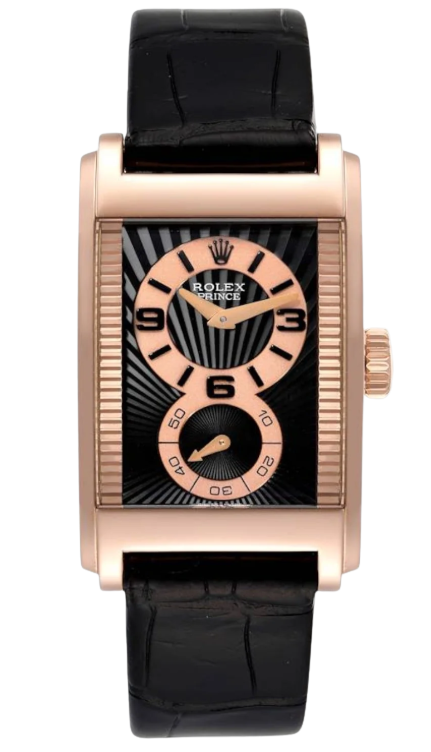
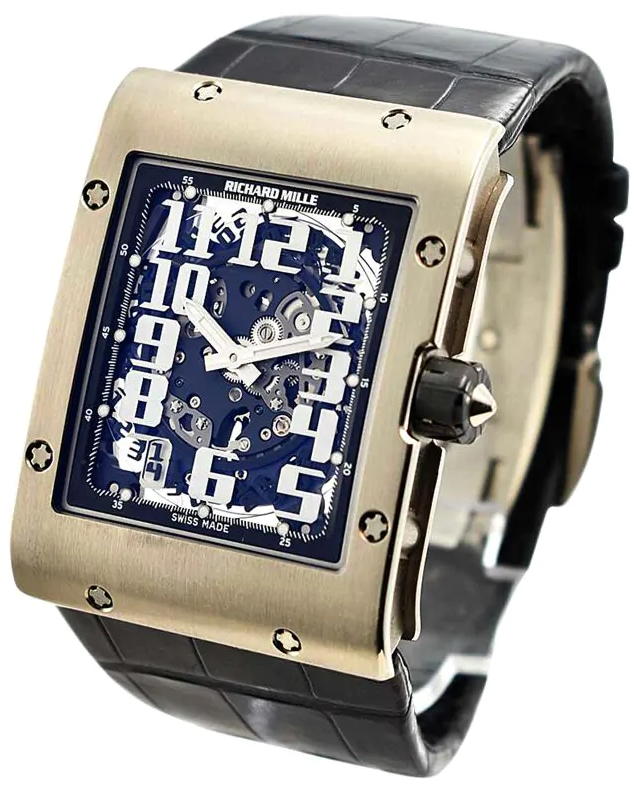
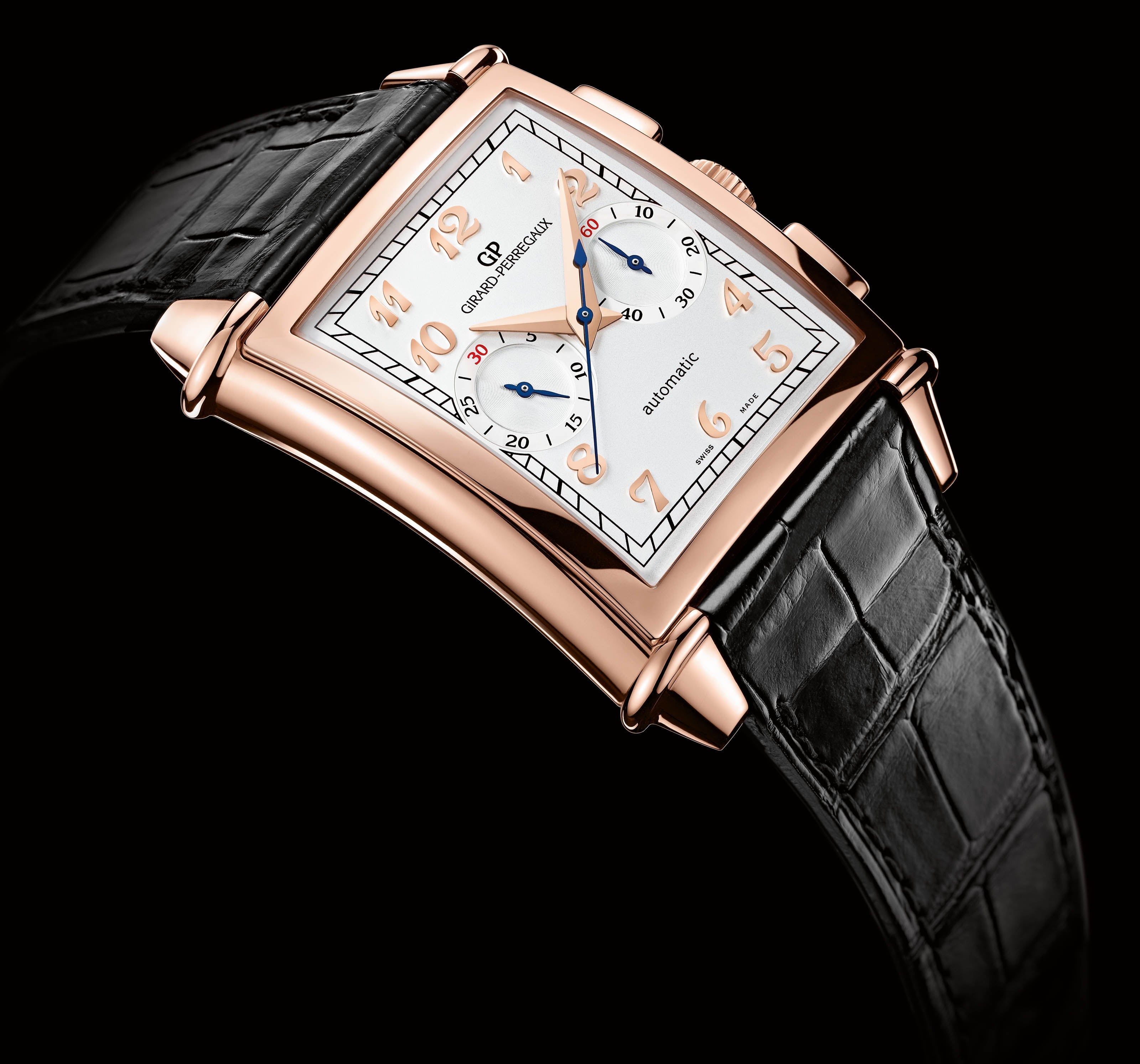
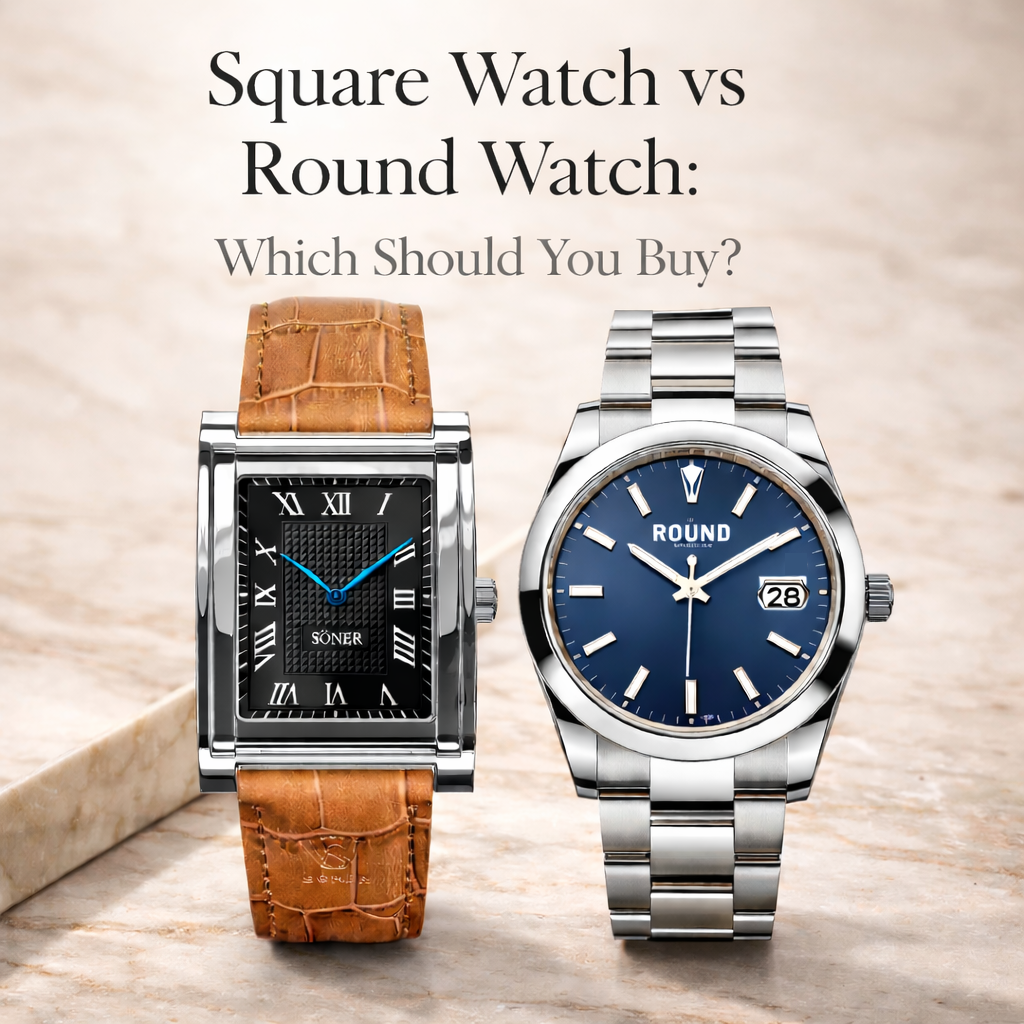
Quello proporzionato correttamente al tuo polso. La larghezza della cassa dovrebbe essere vicina alla larghezza del polso senza sporgere dai bordi, e le casse sottili con anse curve verso il basso appaiono più sartoriali rispetto a casse spesse che sporgono dal braccio. Gli orologi rettangolari in particolare seguono la linea naturale del braccio invece di attraversarlo, il che appare più composto in contesti formali.
SÖNER rectangular watches
Free worldwide shipping · 10-year warranty · 30-day returns
Our pick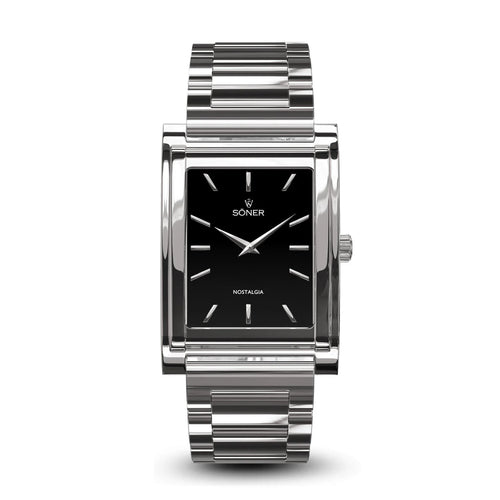 Nostalgia StockholmBatteria 11 anni€525,95 EUR
View watch
Nostalgia StockholmBatteria 11 anni€525,95 EUR
View watch
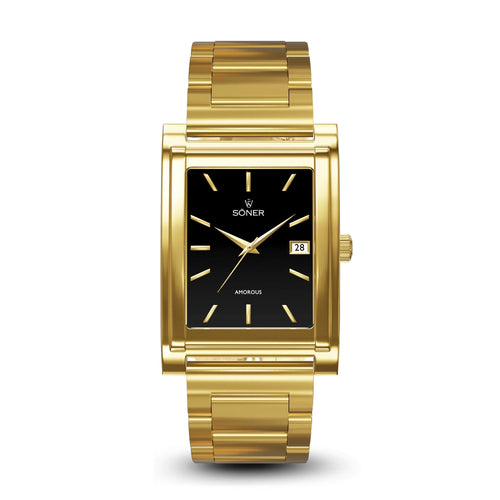 Amorous MilanoAutomatico€711,95 EUR
View watch
Amorous MilanoAutomatico€711,95 EUR
View watch
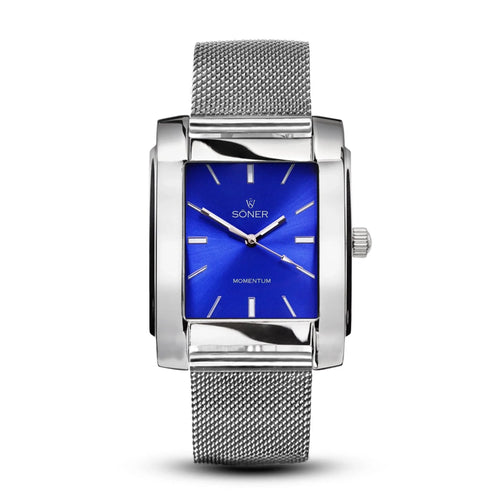 Momentum BacardiAutomatico€529,95 EUR
View watch
Momentum BacardiAutomatico€529,95 EUR
View watch
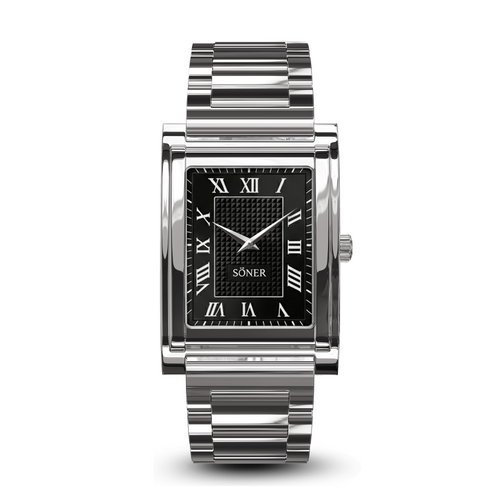 Nostalgia CaesarBatteria 11 anni€693,95 EUR
View watch
Nostalgia CaesarBatteria 11 anni€693,95 EUR
View watch
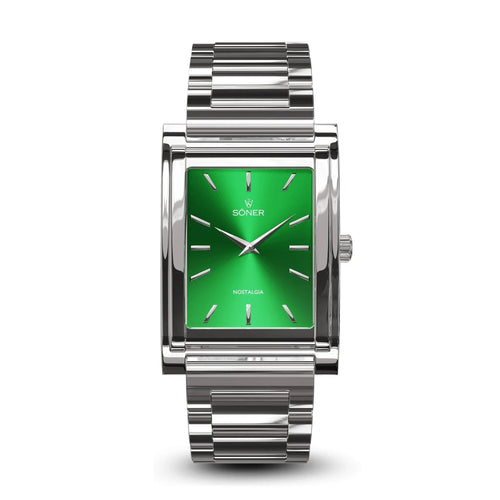 Nostalgia New YorkBatteria 11 anni€525,95 EUR
View watch
Nostalgia New YorkBatteria 11 anni€525,95 EUR
View watch
View all watches
 Nostalgia StockholmBatteria 11 anni€525,95 EUR
View watch
Nostalgia StockholmBatteria 11 anni€525,95 EUR
View watch
 Amorous MilanoAutomatico€711,95 EUR
View watch
Amorous MilanoAutomatico€711,95 EUR
View watch
 Momentum BacardiAutomatico€529,95 EUR
View watch
Momentum BacardiAutomatico€529,95 EUR
View watch
 Nostalgia CaesarBatteria 11 anni€693,95 EUR
View watch
Nostalgia CaesarBatteria 11 anni€693,95 EUR
View watch
 Nostalgia New YorkBatteria 11 anni€525,95 EUR
View watch
Nostalgia New YorkBatteria 11 anni€525,95 EUR
View watch