


 Published on
Table of Contents
Every watch communicates something. The choice of round versus geometric, plain versus ornate, slim versus substantial are not neutral decisions. They carry meaning that the wearer projects and the observer reads, often without either party being consciously aware of the transaction. Square and rectangular watches have carried a specific and consistent set of associations since their emergence in the early 20th century: precision, authority, individuality, and a deliberate rejection of the default.

What Square Shapes Symbolise
In visual language across cultures, the square carries consistent associations: stability, order, precision, and equality. All four sides are equal. All four angles are identical. The square does not lean or curve it holds its ground. These qualities translate directly into watch design.
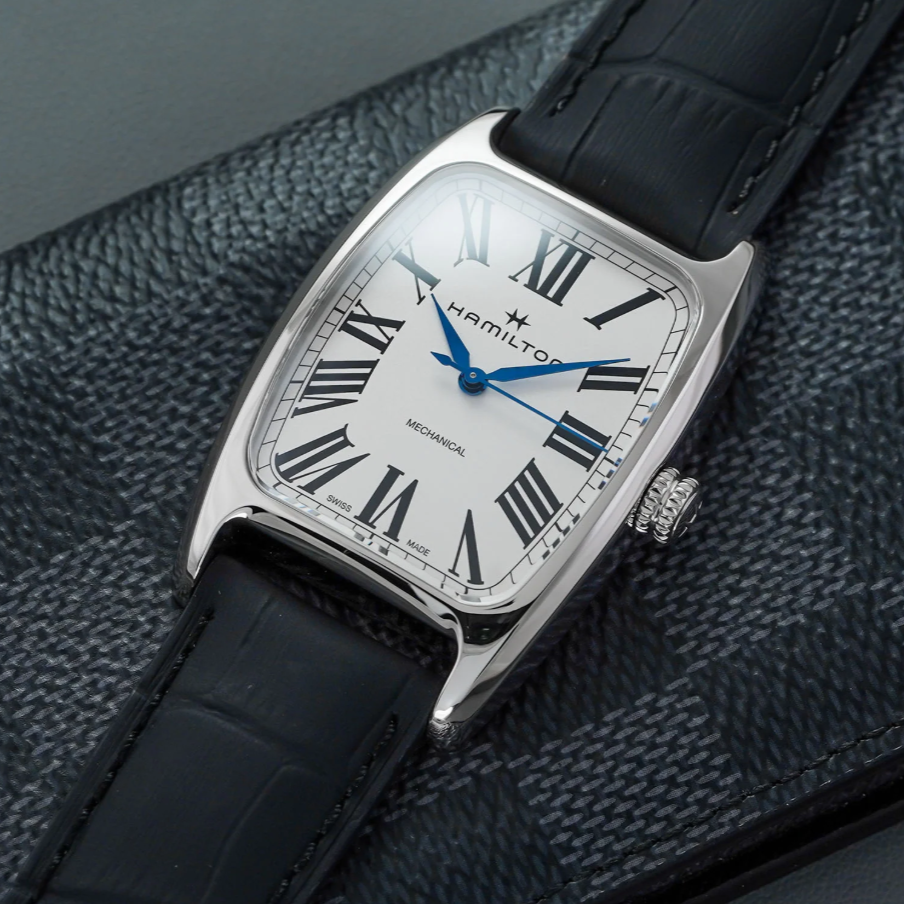
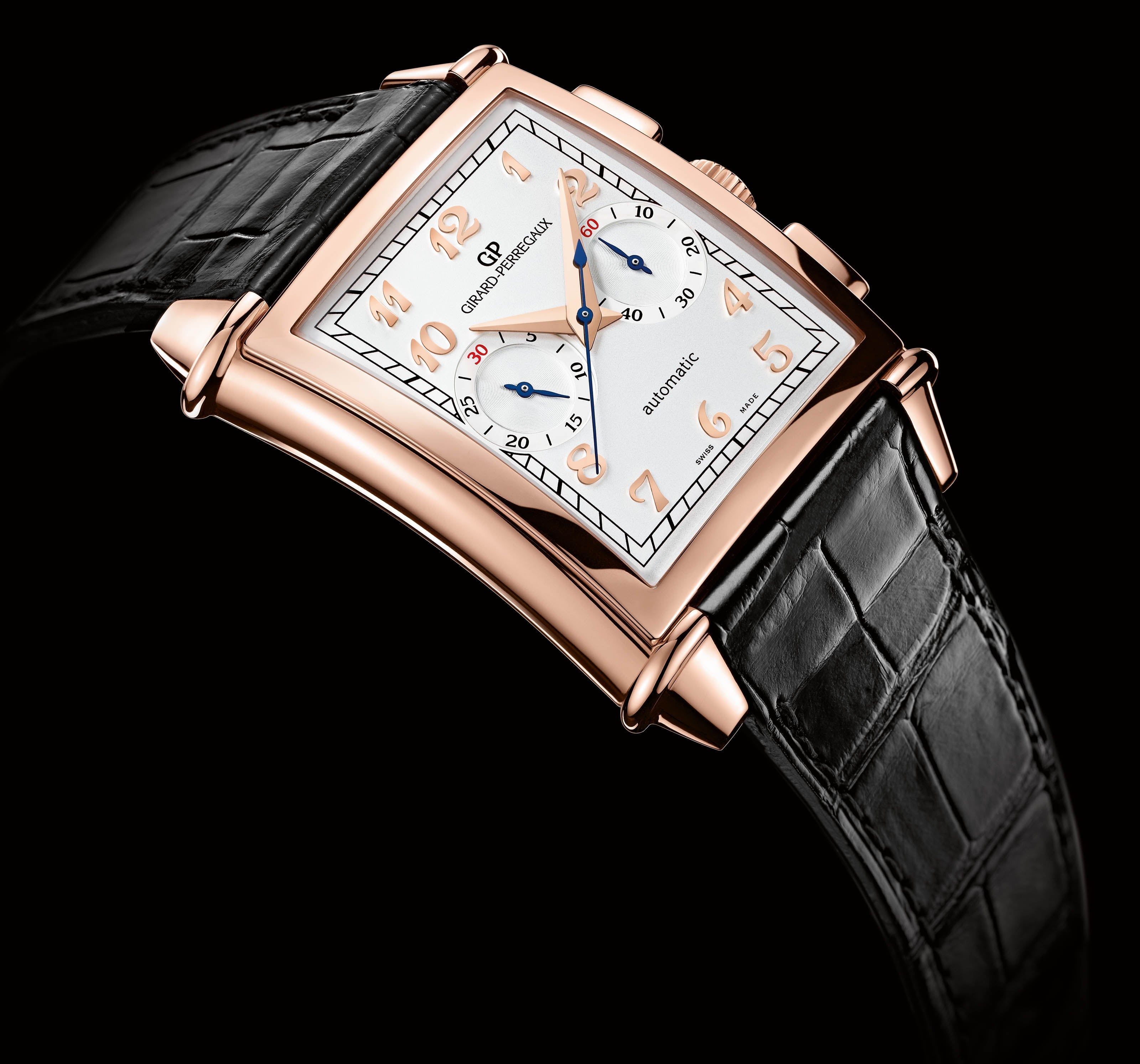
A square or rectangular watch case signals that the wearer has made a considered choice rather than defaulted to the most common option. Round watches account for over 98% of the market by volume. Choosing a geometric case communicates intention the same quality that the square itself symbolises in its pure form.
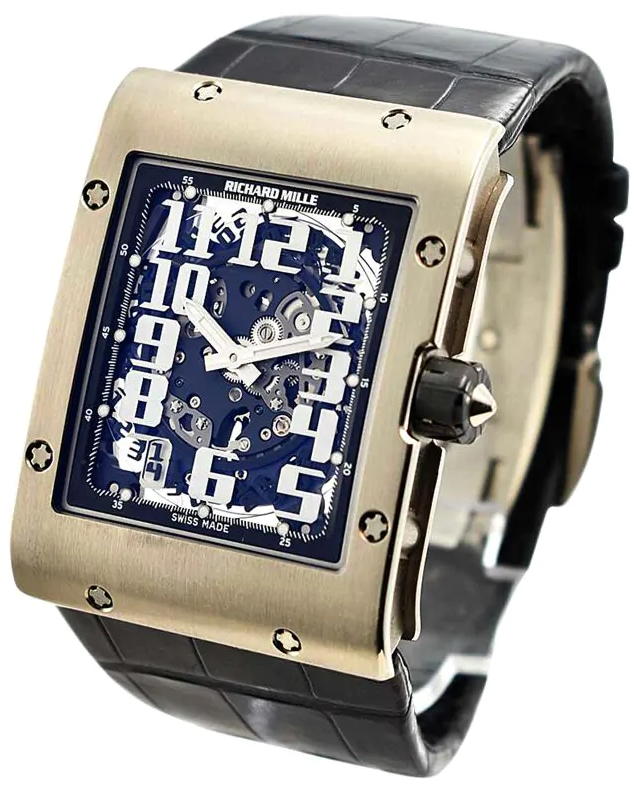
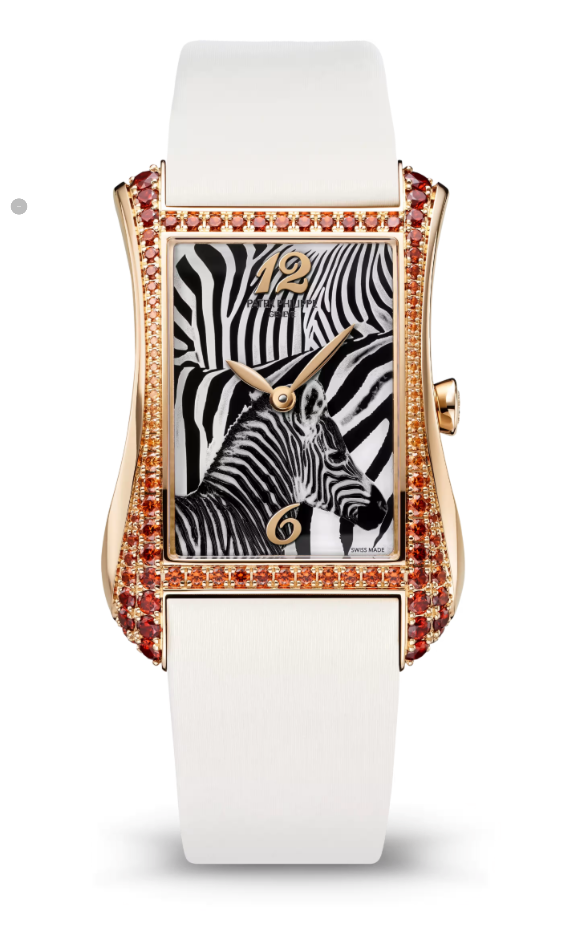
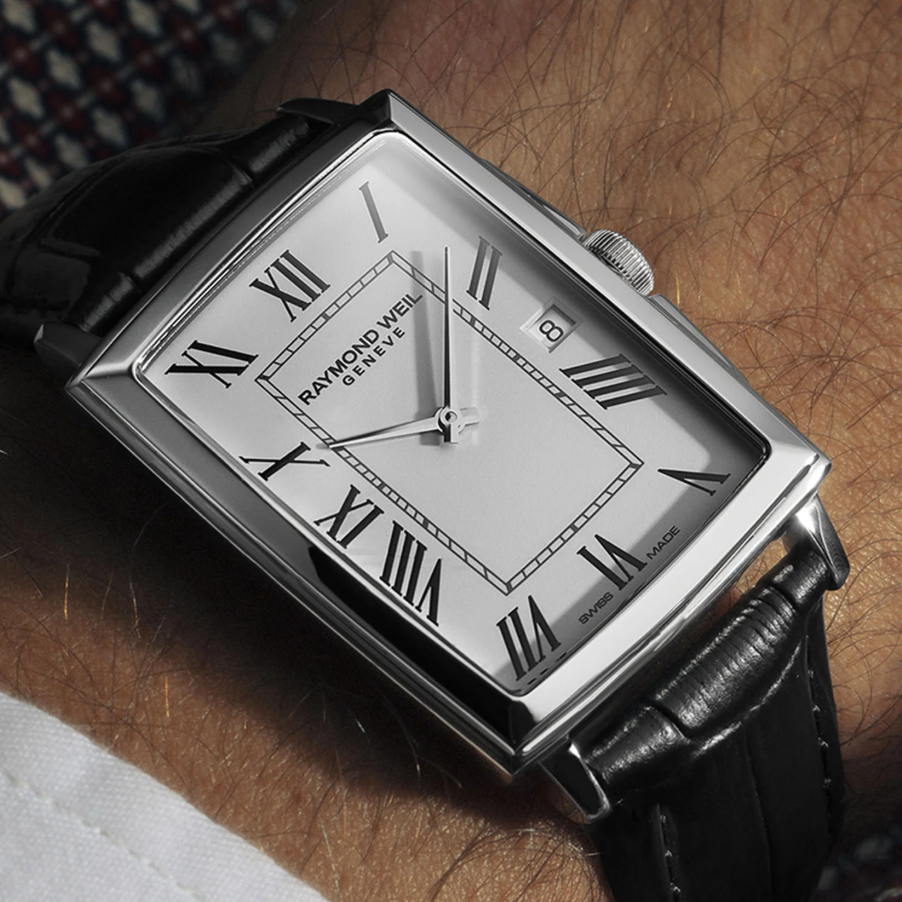
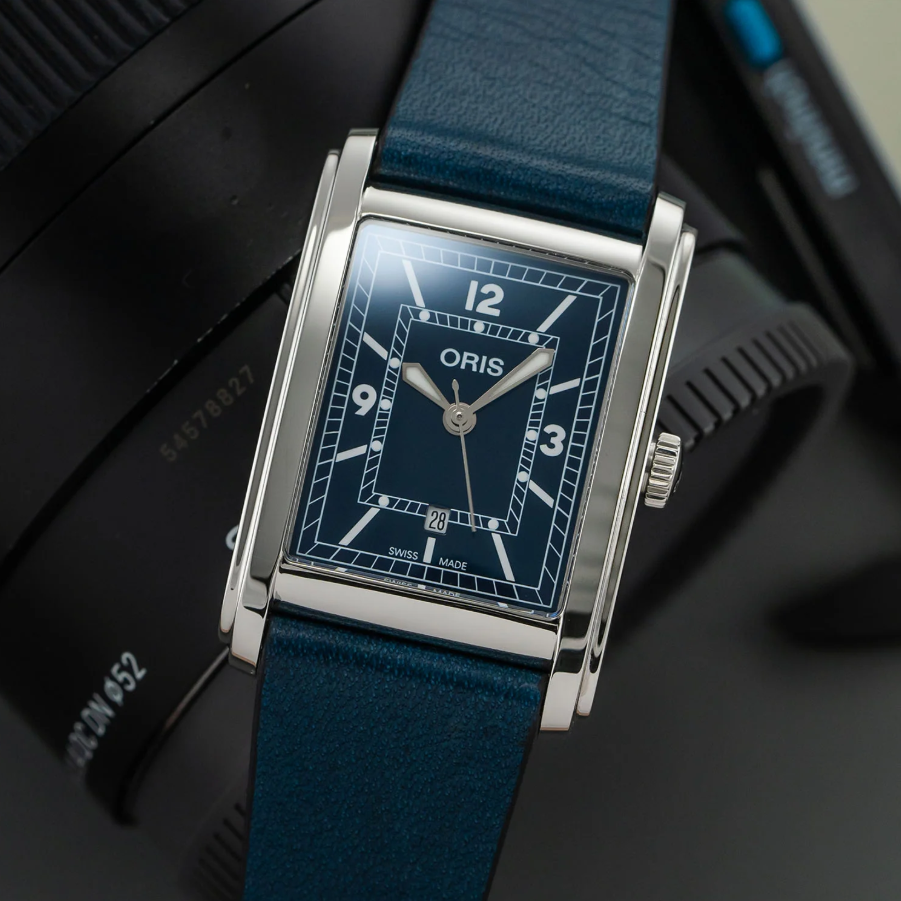
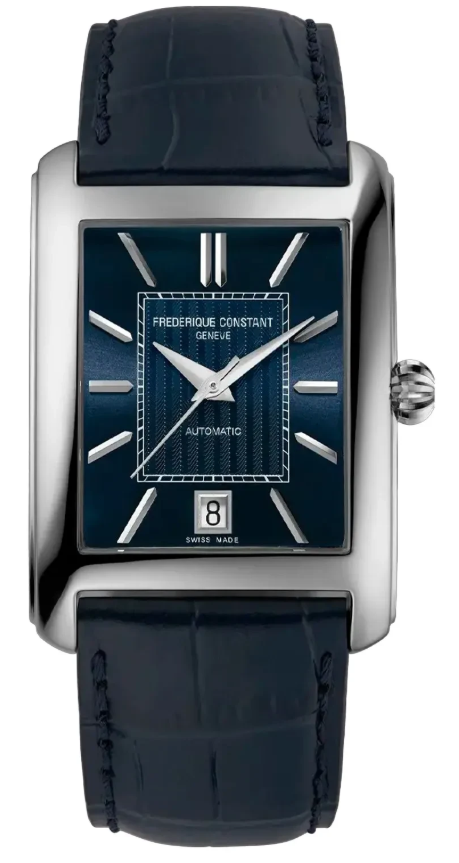
The rectangular case adds a further dimension. Its elongated form tracks the natural geometry of the wrist and arm, creating a visual line that reads as deliberate and architectural. Where a round case sits on the wrist as a self-contained object, a rectangular case integrates with it framing rather than interrupting.
The Art Deco Origins: Where the Symbolism Was Forged
The square watch's symbolic identity was established in a specific historical moment: the Art Deco movement of the 1910s through 1930s. Art Deco was itself a symbol a wholesale rejection of Victorian and Art Nouveau ornamentation in favour of geometric precision, bold lines, and architectural clarity. It shaped the skylines of New York and Chicago, the furniture of the French bourgeoisie, and the watch designs that have defined the category ever since.
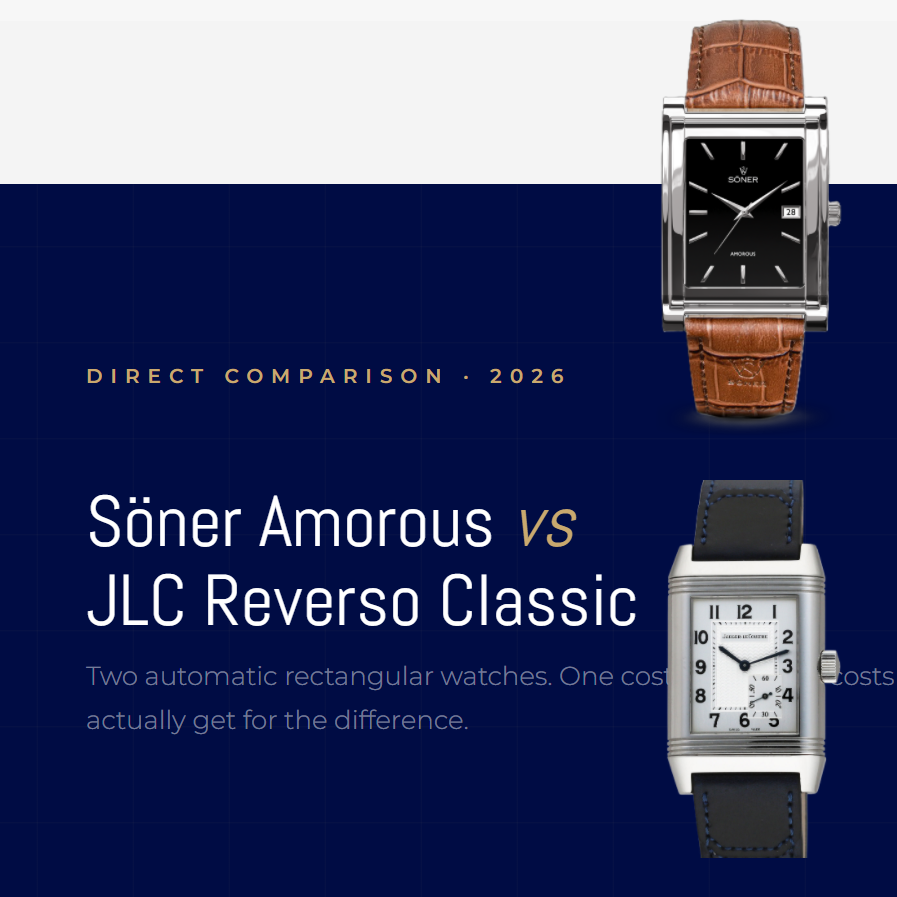
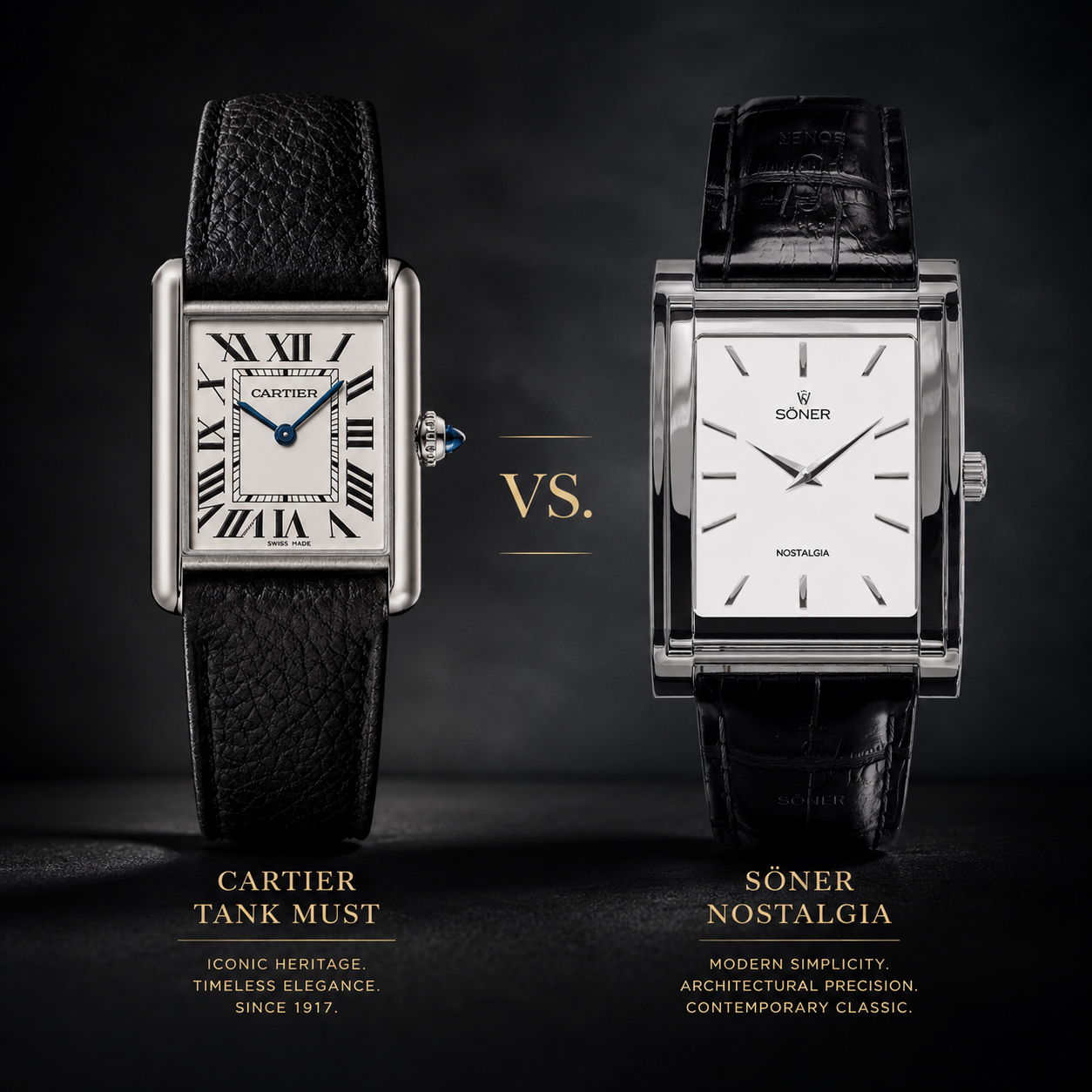
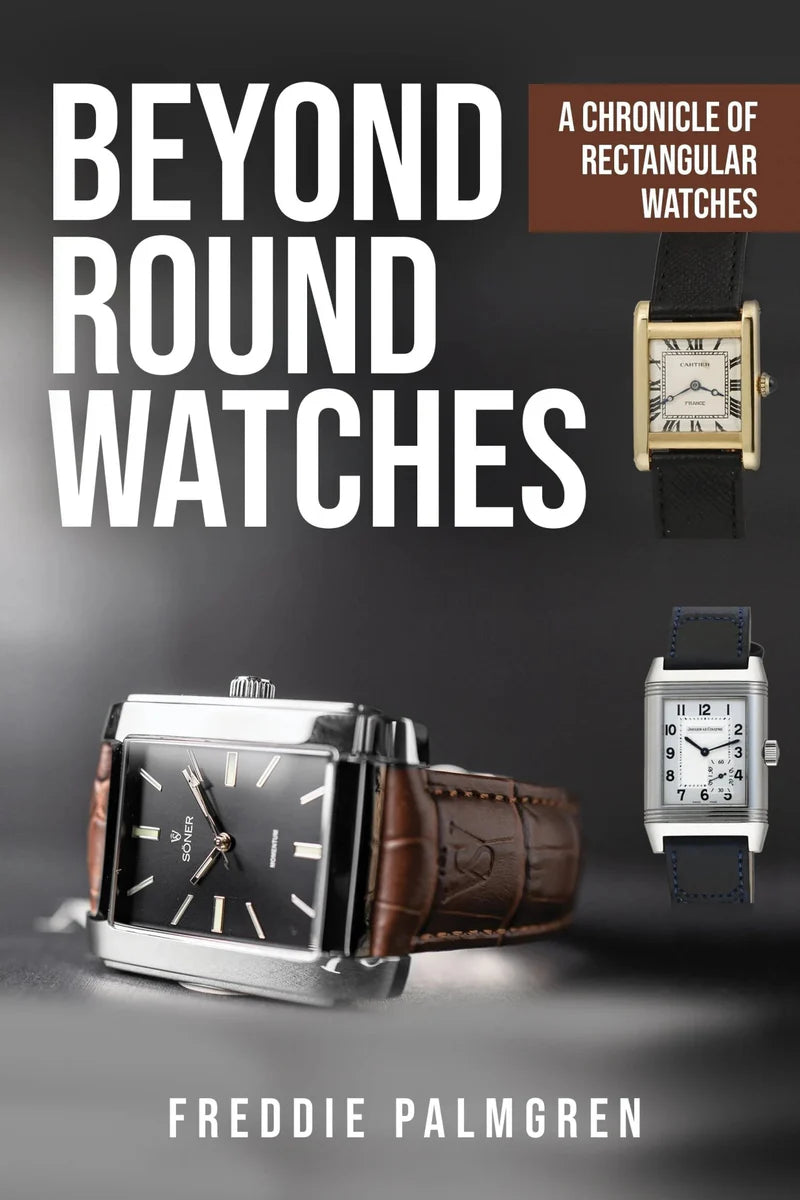
In this context, choosing a rectangular watch case was a statement about modernity, rationality, and the rejection of decorative excess. The Cartier Tank (1917), the Jaeger-LeCoultre Reverso (1931), and the Patek Philippe Gondolo all emerged from this movement and carried its values into watchmaking. They signalled that their wearers valued precision, craft, and considered design over convention.
That symbolic weight has persisted. When you wear a rectangular watch today, you are connecting to that design tradition whether you know it or not and the people around you respond to it at some level, whether they can articulate why or not. For the full history, see our complete history of rectangular watches. For the Art Deco context specifically, see our article on the resurgence of Art Deco in modern watchmaking.

Famous Square Watches and What They Communicated
| Watch | Introduced | Symbolic Associations |
|---|---|---|
| Cartier Santos | 1904 | Modernity, aviation, the first purpose-built men's wristwatch. Practical geometry for a new age. |
| Cartier Tank | 1917 | Authority, precision, Art Deco elegance. Given first to General Pershing. Worn by Kennedy, Warhol, Diana. |
| Jaeger-LeCoultre Reverso | 1931 | Engineering ingenuity, sporting heritage, Art Deco purity. The reversible case as problem-solving design. |
| TAG Heuer Monaco | 1969 | Rebellion, speed, counterculture cool. McQueen's Le Mans watch. Square geometry in a sport context. |
| Patek Philippe Gondolo | 1900s | Restraint, old-money discretion, the highest level of rectangular dress watch craftsmanship. |
The pattern across these watches is consistent: each one was worn by or associated with figures who understood exactly how they wished to present themselves, and chose a geometric case specifically because of what it communicated. The Cartier Tank was not chosen by Andy Warhol, Jackie Kennedy, and Princess Diana by coincidence. The shape carries a signal that culturally literate people recognise and respond to.
Square Watches in Popular Culture
The geometric watch has appeared at key moments in popular culture precisely because of its symbolic weight. Steve McQueen wore a square TAG Heuer Monaco in the 1971 film Le Mans a deliberate choice that communicated the character's precision, competitiveness, and refusal to conform. The watch became as iconic as McQueen himself in that context. For the full story, see our history of the TAG Heuer Monaco.
The Apple Watch introduced a new generation to square watch geometry from 2015 onwards but with a fundamentally different symbolic register. Where the mechanical square watch signals deliberate choice and historical awareness, the smartwatch square signals connectivity and function. Both are geometric, but they communicate entirely different things about their wearers. The mechanical rectangular watch has benefited from this cultural moment: a generation that grew up with square watch faces on their wrists has proven receptive to the design language when it appears in considered, traditional watchmaking contexts.

What Wearing a Square Watch Says About You
The associations that square and rectangular watches carry are not universal, but they are consistent enough to be meaningful. Broadly, choosing a geometric watch communicates four things.
Considered style. You have thought about what you wear rather than defaulted to the most common option. The round sports watch is the path of least resistance. The rectangular dress watch requires a deliberate choice.
Historical awareness. The rectangular watch has a richer design history than any other case shape. Wearing one connects you to over a century of cultural figures who understood the power of a considered accessory.
Preference for restraint. Square and rectangular watches tend toward minimalism. Their authority comes from precision and proportion rather than size or complication. Choosing one signals that you understand the difference between decoration and design.
Individuality. In a market where round watches account for over 98% of sales, wearing a geometric watch is statistically unusual. It marks you as someone who has looked beyond the mainstream and made a different choice deliberately. None of these associations require explanation or announcement. The watch communicates them silently, in the same way that the quality of a shoe or the cut of a jacket communicates without words. For more on what a watch specifically communicates about a man, see our article on what a good watch says about a man.

The Future of Square Watch Symbolism
The symbolic weight of the rectangular watch is, if anything, increasing. The oversaturation of round sports watches through the 2000s and 2010s created a countermovement toward more considered, architecturally aware design. The cultural appetite for heritage-driven objects has brought the rectangular watch back to the centre of conversations about men's and women's style.
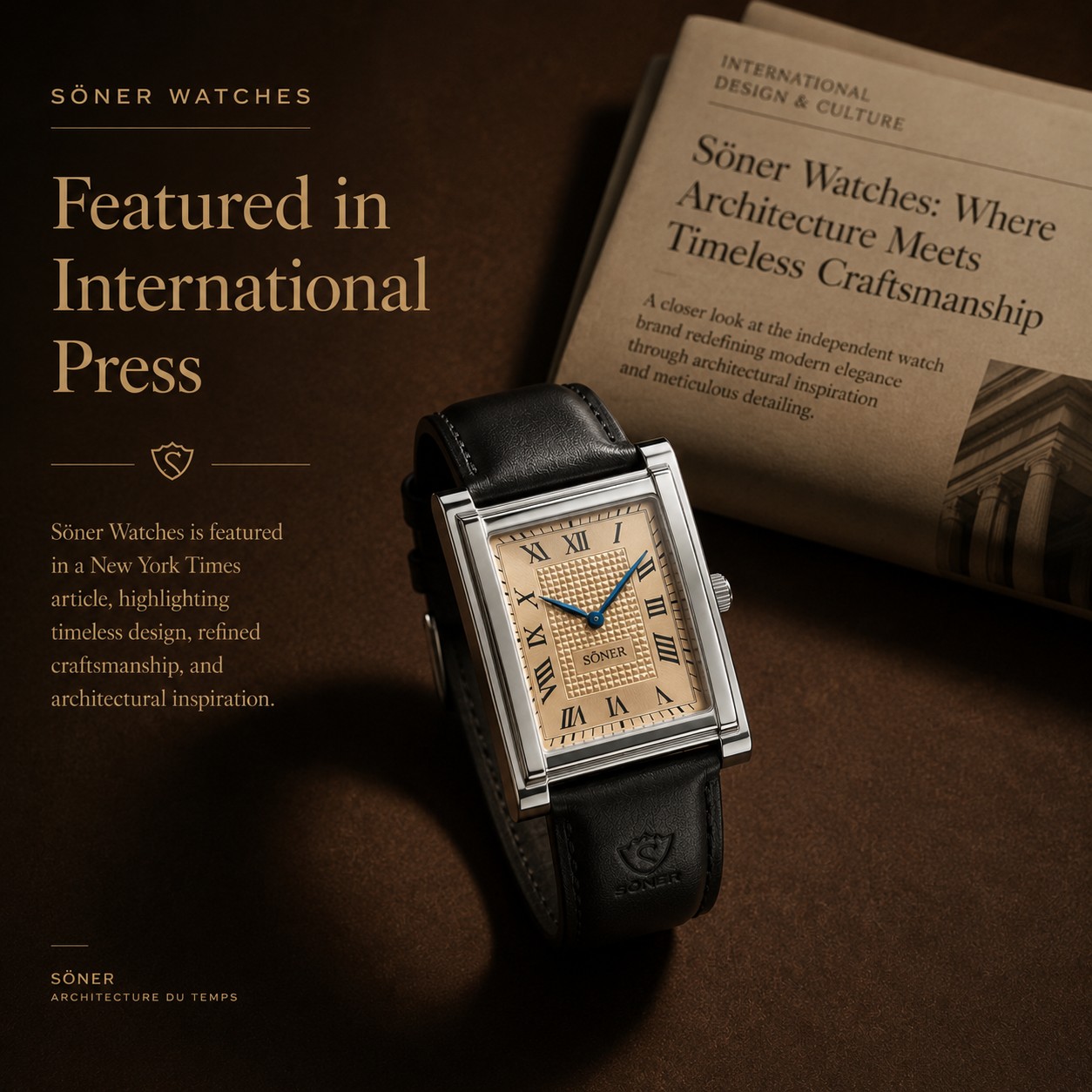
Söner Watches the only brand in the world dedicated exclusively to rectangular and square watches was founded on the premise that the category deserved a brand that treated it as primary rather than secondary. Every design decision across the Nostalgia, Amorous, Momentum, and Legacy collections is made specifically for the rectangular format, not adapted from a round original. The symbolism of the rectangular watch is not frozen in the Art Deco period. It is alive, evolving, and more relevant than at any point in the past fifty years.
For the best options across every price point, see our guide to the best rectangular watches in 2026. For the full context on why the category is growing, see our article on the rectangular watch comeback.
On the holy trinity: For over a century, Cartier and Jaeger-LeCoultre defined rectangular watchmaking. Söner's long-term ambition is to complete that triad: the only brand built entirely around the format, dedicated to carrying the rectangular tradition forward. For the full story, see our piece on the holy trinity of rectangular watches.
Frequently Asked Questions
What do square watches symbolise?
Square watches carry consistent symbolic associations rooted in the Art Deco movement: precision, order, individuality, and a deliberate rejection of convention. The geometric case signals a considered choice rather than a default, and connects the wearer to over a century of cultural figures who chose rectangular watches specifically because of what they communicated.
Why are square watches associated with Art Deco?
The Art Deco movement of the 1910s through 1930s was built on geometric precision, bold lines, and the rejection of Victorian ornamentation. Cartier and JLC applied those principles directly to case design, producing the Tank (1917) and Reverso (1931): the defining expressions of Art Deco watchmaking, both in continuous production today.
What does wearing a rectangular watch say about you?
It communicates considered style, historical awareness, and a preference for precision over decoration. In a market where over 98% of watches are round, choosing a geometric case is a deliberate act. It signals that you have looked beyond the default and made a different choice which is precisely the quality that the square and rectangle have symbolised across design, architecture, and visual culture for over a century.
Are square watches more distinctive than round watches?
Yes, by a significant margin. Round watches dominate the market overwhelmingly. A rectangular or square watch stands out in any context without requiring an oversized case, bright colour, or novelty complication. The shape itself does the work, which is a more elegant form of distinction than relying on size or spectacle.
Which famous people have worn rectangular watches?
Jacqueline Kennedy, Andy Warhol, Princess Diana, Pablo Picasso, and Steve McQueen are among the most cited. Each wore rectangular watches in contexts where the watch would be photographed and remembered not by coincidence, but because the geometric case communicates precisely the qualities of precision, authority, and individuality that each of them projected. For the full cultural history, see our complete history of rectangular watches.
Söner is the world's only watch brand dedicated exclusively to rectangular and square watches. Swiss and Japanese movements, 800HV hardened steel, sapphire crystal, 10-year international warranty. From $385.
Browse the CollectionSÖNER rectangular watches
Free worldwide shipping · 10-year warranty · 30-day returns
Our pick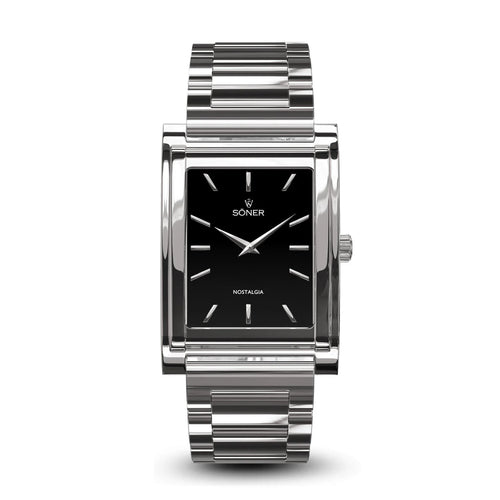 Nostalgia Stockholm11-year battery$580 USD
View watch
Nostalgia Stockholm11-year battery$580 USD
View watch
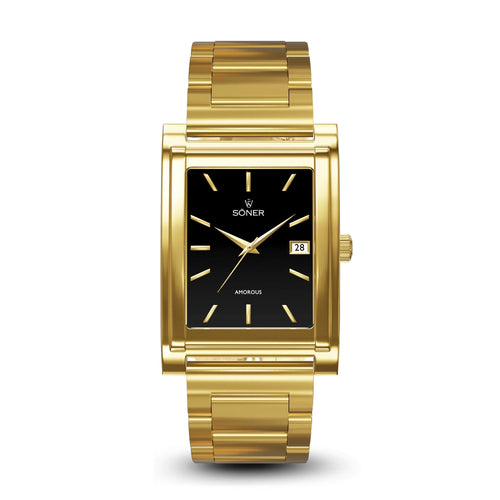 Amorous MilanoAutomatic$785 USD
View watch
Amorous MilanoAutomatic$785 USD
View watch
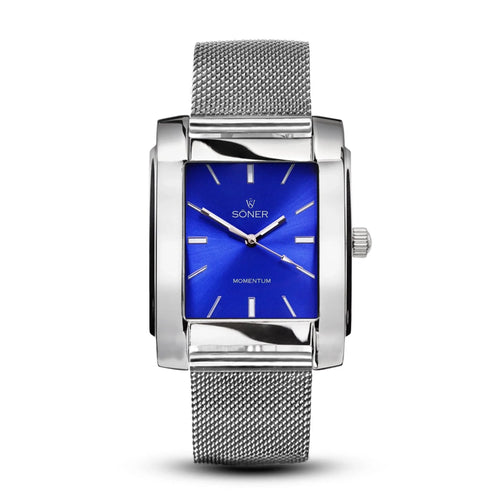 Momentum BacardiAutomatic$585 USD
View watch
Momentum BacardiAutomatic$585 USD
View watch
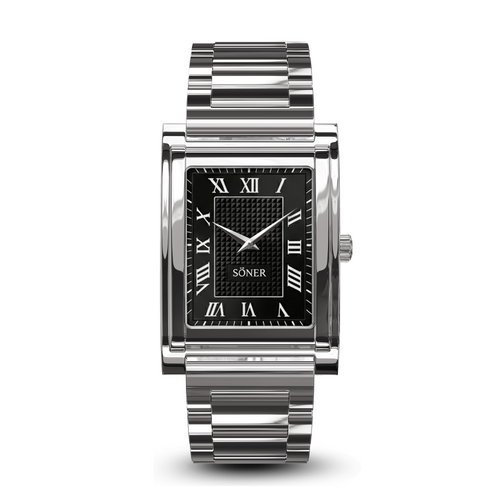 Nostalgia Caesar11-year battery$765 USD
View watch
Nostalgia Caesar11-year battery$765 USD
View watch
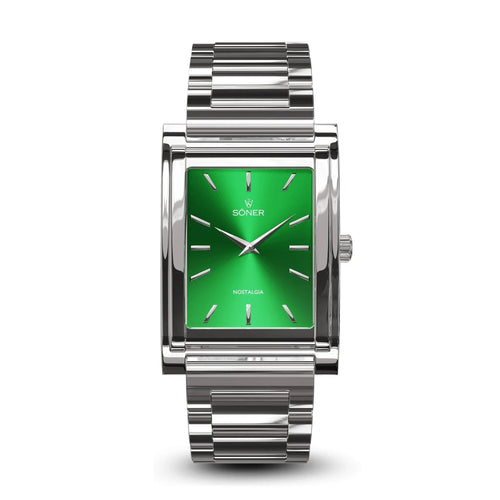 Nostalgia New York11-year battery$580 USD
View watch
Nostalgia New York11-year battery$580 USD
View watch
View all watches
Not sure which one? Take the 1-minute Watch Finder
 Nostalgia Stockholm11-year battery$580 USD
View watch
Nostalgia Stockholm11-year battery$580 USD
View watch
 Amorous MilanoAutomatic$785 USD
View watch
Amorous MilanoAutomatic$785 USD
View watch
 Momentum BacardiAutomatic$585 USD
View watch
Momentum BacardiAutomatic$585 USD
View watch
 Nostalgia Caesar11-year battery$765 USD
View watch
Nostalgia Caesar11-year battery$765 USD
View watch
 Nostalgia New York11-year battery$580 USD
View watch
Nostalgia New York11-year battery$580 USD
View watch