

 Published on
Table of Contents
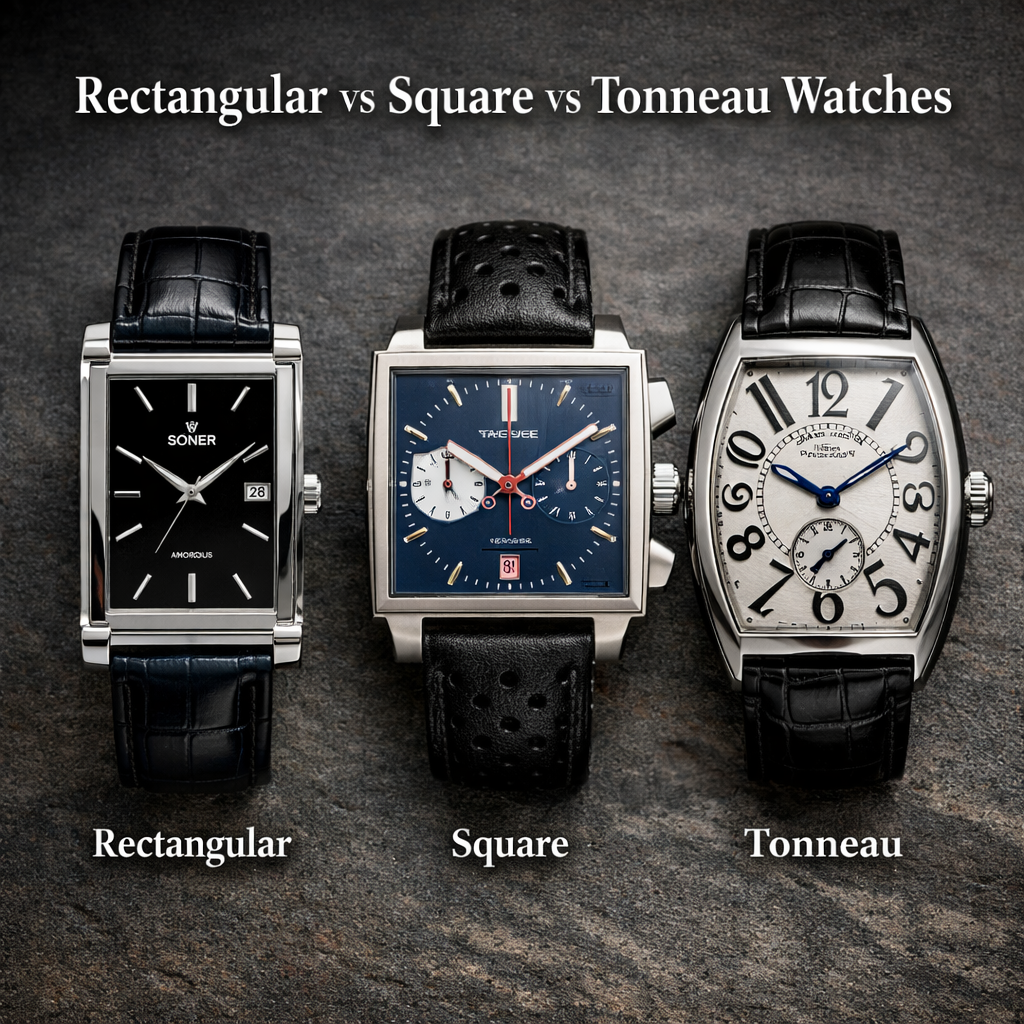
どの時計販売店に入っても、圧倒的多数の時計が丸型であることにすぐ気づくでしょう。しかし、丸型でない少数派の中で、注目を集める3つの異なる形状が競っています:長方形、正方形、トノー型。この3つのケース形状は「非丸型時計」というゆるいラベルでまとめられることが多いですが、それらを同じものとして扱うのは誤りです。それぞれに独自の比率の論理、歴史的系譜、技術的要求、そして装着感の語彙があります。
この記事は、これら3つの形状が幾何学的、構造的、美的に何によって区別されるのかを正確に分解し、情報に基づいた選択をし、正確に語れるようにします。長方形ケースが時計デザインの広い世界の中でどこに位置するのかをより広く理解するために、長方形時計の決定版ガイドがこのカテゴリーの完全な参考資料です。
幾何学が最優先:時計製造において形状が重要な理由
各ケースタイプの詳細に入る前に、なぜケースの形状が重要なのかを理解する価値があります。時計ケースは単なる装飾的なパッケージではありません。衝撃、湿気、ほこり、日常の摩耗から繊細な機械または電子システムを保護する構造的な囲いです。ケースの形状は、その役割をどれだけ効果的に果たすか、ムーブメントがどのように収まるか、手首との相互作用、そして遠くからの見え方を決定します。
丸型ケースはこれらすべての機能に対して幾何学的に最適です。応力を均等に分散し、放射状の動きを自然に受け入れ、効率的に密閉し、視覚的に対称的な顔を見せます。円形からのあらゆる逸脱は、美的または概念的な差別化のためにこれらの領域の一つ以上でトレードオフを受け入れることを意味します。
長方形、正方形、トノー型ケースを理解することは、それぞれの形状がどのような特定のトレードオフをしているのか、そしてなぜそのトレードオフが価値があるのかを理解することを意味します。
長方形の時計とは何ですか?
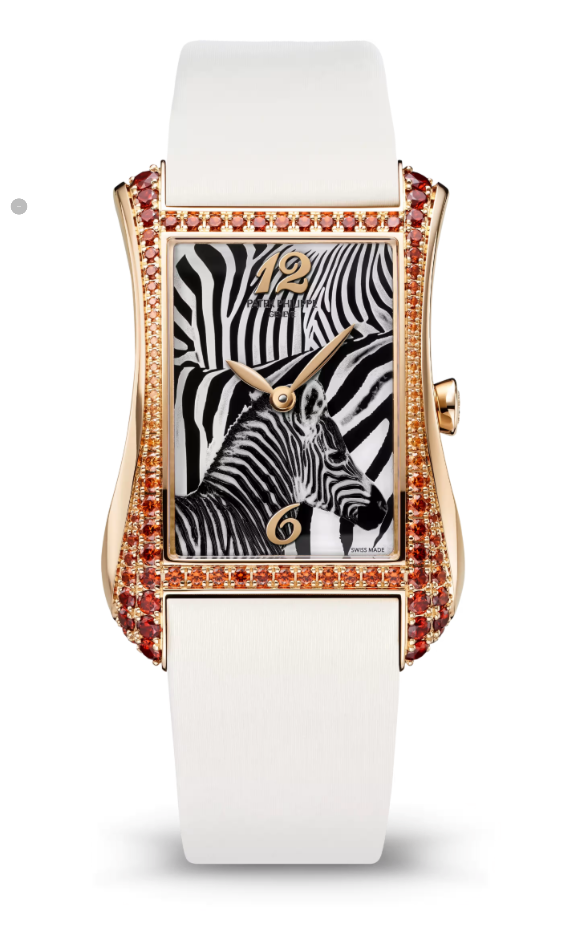
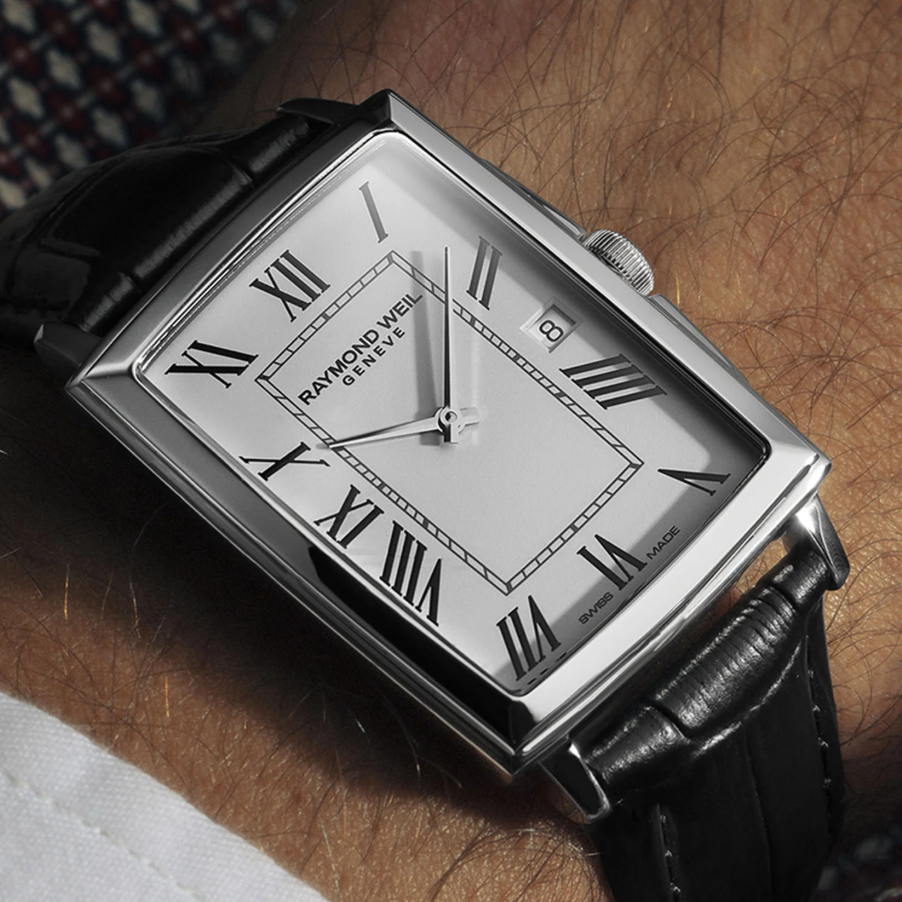
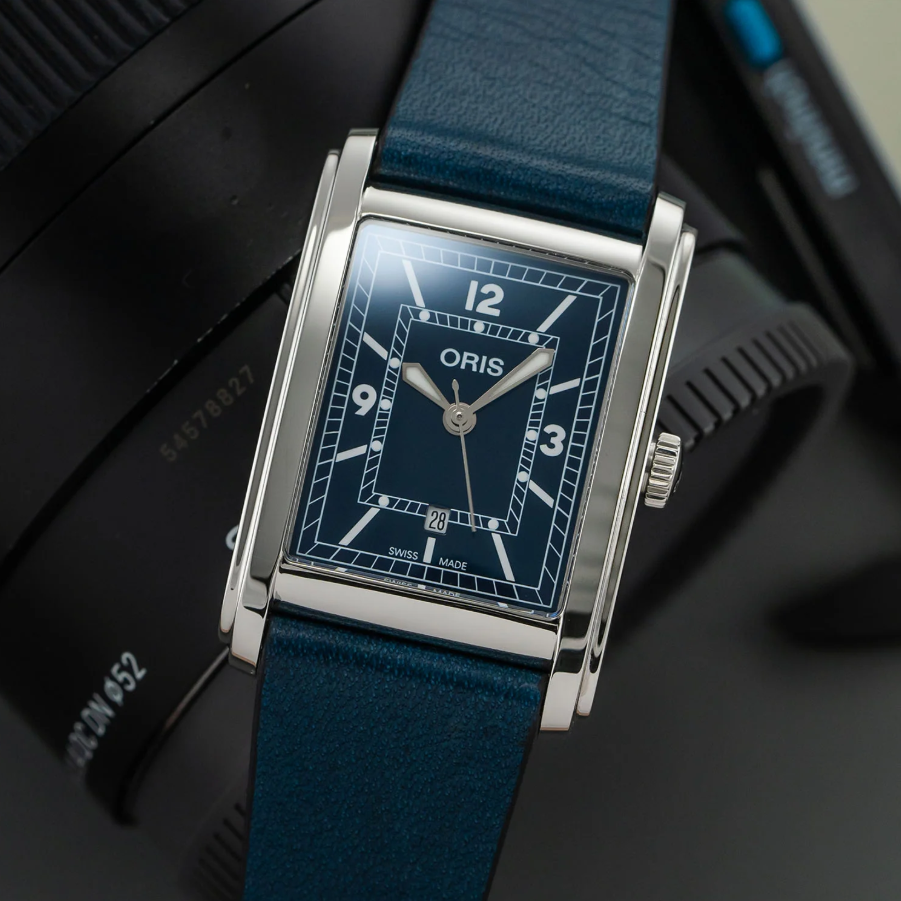
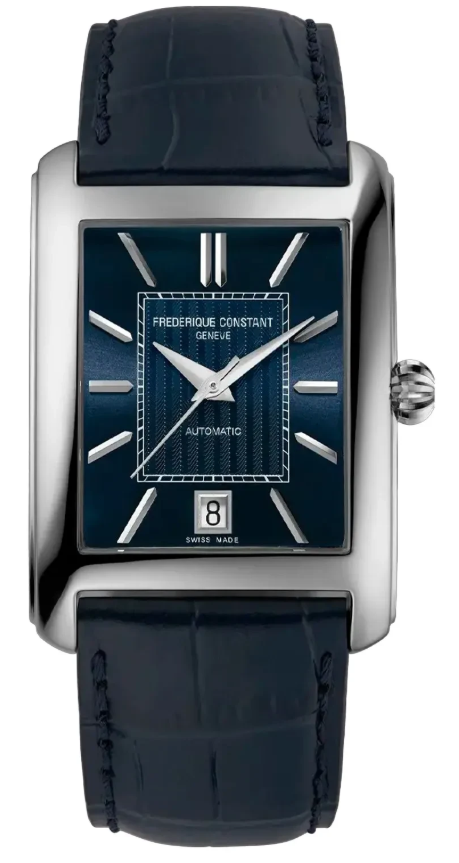
長方形の時計は、長さと幅が異なるケースを持ち、4つの角がほぼ90度の角度で接しています。特徴は縦長で、一方の軸がもう一方より長く、通常は少なくとも1:1.3の比率で、しばしば1:1.7以上にまで及びます。
この縦長さは単なる寸法の問題ではありません。方向性のある時計を生み出し、明確な上下があり、目が追う垂直軸を持ち、製造のあらゆる段階で意図的なデザイン決定を要求する比例的緊張感を作り出します。クリスタルは標準外の寸法にカットされなければなりません。ムーブメントはケース形状に合わせて特別に設計されるか、慎重にフィットさせる必要があります。ラグは直線的で平らなケースエッジから曲線的なストラップ取り付け部への移行問題を解決しなければなりません。
比例的特徴
長方形ケースの比例的特徴は比率によって大きく異なります。1:1.3の比率のケースはコンパクトで控えめ、ほぼスクエアですが微妙な縦方向の強調があります。1:1.7の比率のケースは大胆に縦長で、建築的で貴族的、そして明確に意図されたデザインとして認識されます。
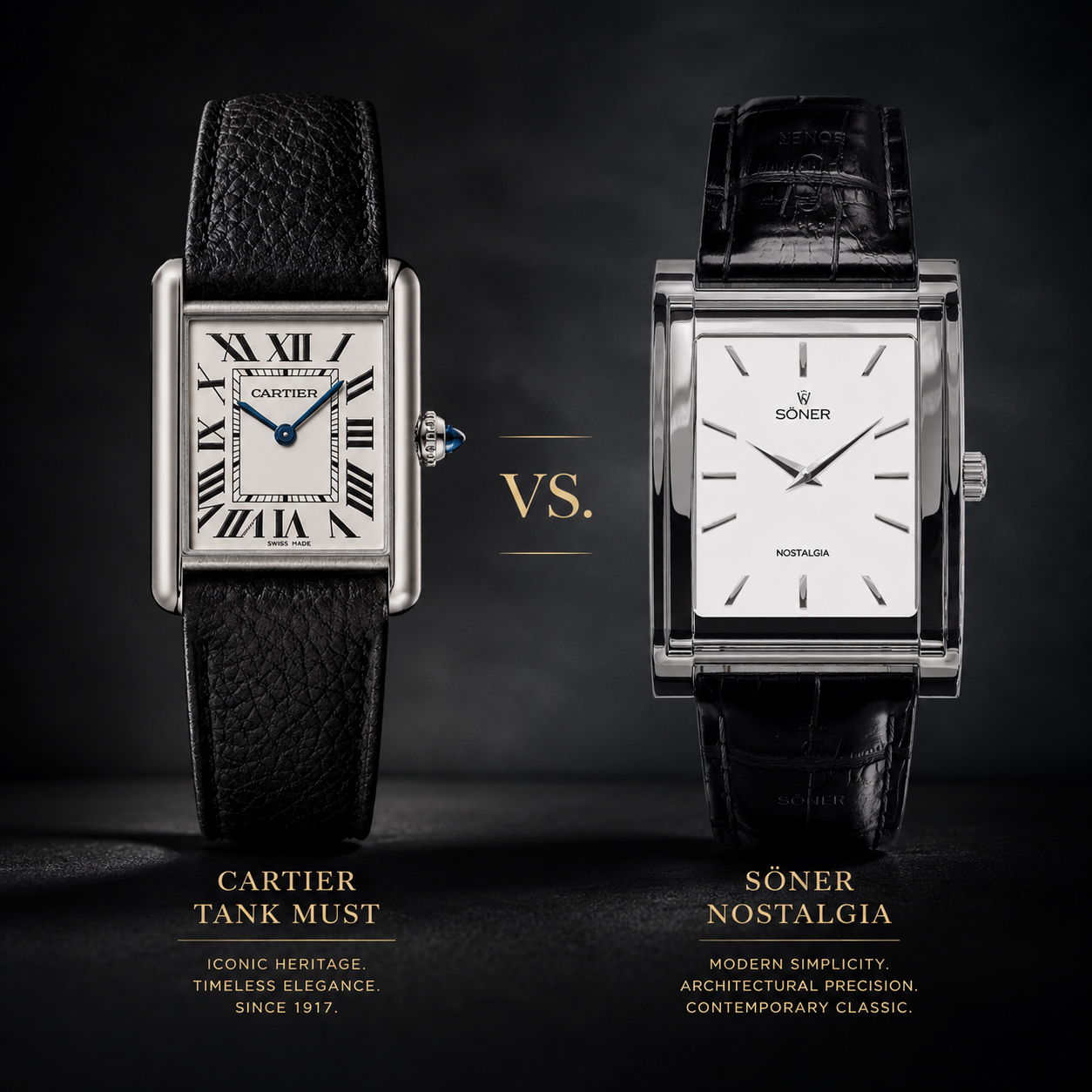
現代の長方形ドレスウォッチのテンプレートを確立したカルティエ タンクは、モデルによって約1:1.4から1:1.5の比率を持ちます。この比率は広く理想的なバランスと理解されており、長方形とすぐに認識できるほどに縦長でありながら、誇張されずエレガントな印象を保っています。
手首との相互作用
長方形ウォッチは丸型とは根本的に異なる方法で手首に装着されます。ケースの直線的なエッジは腕の骨に平行に走り、意図的で建築的な視覚的整列を生み出します。ケースの角は視覚的な興味の4つの明確なポイントを作り出します。また、ケースと手首の表面の間に曲線がないため、時計は手首に沿うのではなく上に乗る形となり、そのためフォーマルな印象を与えます。
長方形ケースの寸法が手首のサイズ、ラグ間距離、全体的な存在感とどのように関係するかの詳細な技術的解説は、専用のサイズガイド内の長方形ウォッチの比率のセクションをご覧ください。
スクエアウォッチとは何か?
スクエアウォッチは高さと幅がおおよそ等しく、ケース比率は約1:1です。厳密な幾何学的観点では、スクエアは長方形の特別なケースですが、時計製造においては、両者は異なる文化的関連性、異なる技術的考慮、異なる美的表現を持つ別個のデザインファミリーとして扱われます。
スクエアの比例的な特徴
長方形ケースが上下に視線を誘導し方向性の緊張を生むのに対し、正方形ケースは全方向的です。特定の軸を持たず、より断言的で挑戦的な性質を持ちます。視線をどこかに導くのではなく、ただ全体を正面から堂々と提示します。
この断言的な性質は、特にスポーツやカジュアルウォッチの分野で正方形時計の持続的な魅力の一部です。TAG Heuerのモナコはその代表例で、大胆な正方形ケースは明確に挑戦的で、袖の下に隠れるのではなく目立つようにデザインされています。
正方形のエンジニアリング特性
正方形のケースは高さと幅が等しいため、ムーブメントの配置問題は長方形ケースよりもやや簡単です。極端に縦長のスペースを埋める必要がありません。円形ムーブメントは、同じ面積の長方形ケースよりも無駄な隅のスペースが少なく正方形ケースに収まることが多いです。リューズの位置も解決しやすく、3時位置でケースの高さの中央から側面に出るため自然に感じられます。
とはいえ、正方形のケースは円形以外のケースが直面するすべての加工上の課題を持っています。つまり、旋盤加工ではなく平面ミリング、標準外のクリスタルカット、円形よりも複雑な密封形状です。
正方形と長方形:重要な違い
実際の違いは、比率と個性の2つに集約されます。長方形の時計は縦に伸びており、正方形の時計は主張が強くバランスが取れています。長方形の時計はフォーマルで控えめな傾向があり、正方形の時計は大胆で存在感があります。これはルールではなく、フォーマルな正方形時計やカジュアルな長方形時計もありますが、それぞれの形の一般的な傾向を表しています。
役立つテストの一つは、写真の各時計のストラップを隠してケースだけを見ることです。長方形のケースは建築的で方向性を持っているように見えます。正方形のケースは断言的で、それだけで主張しています。
トノーウォッチとは何か?
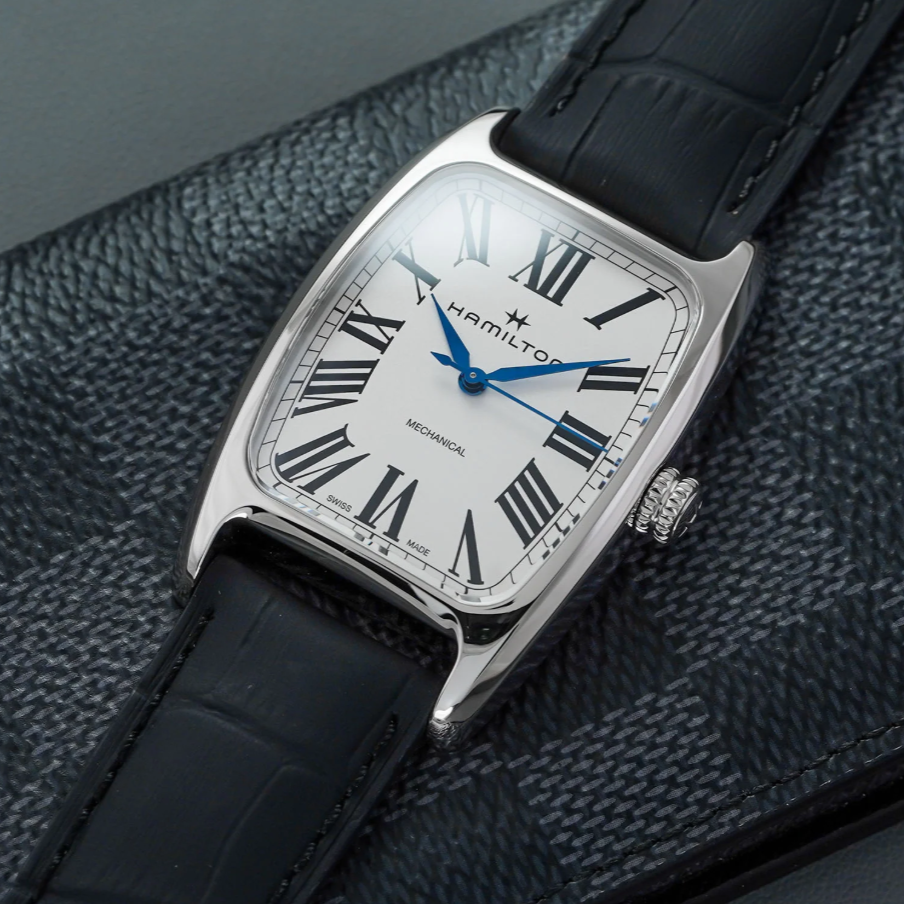
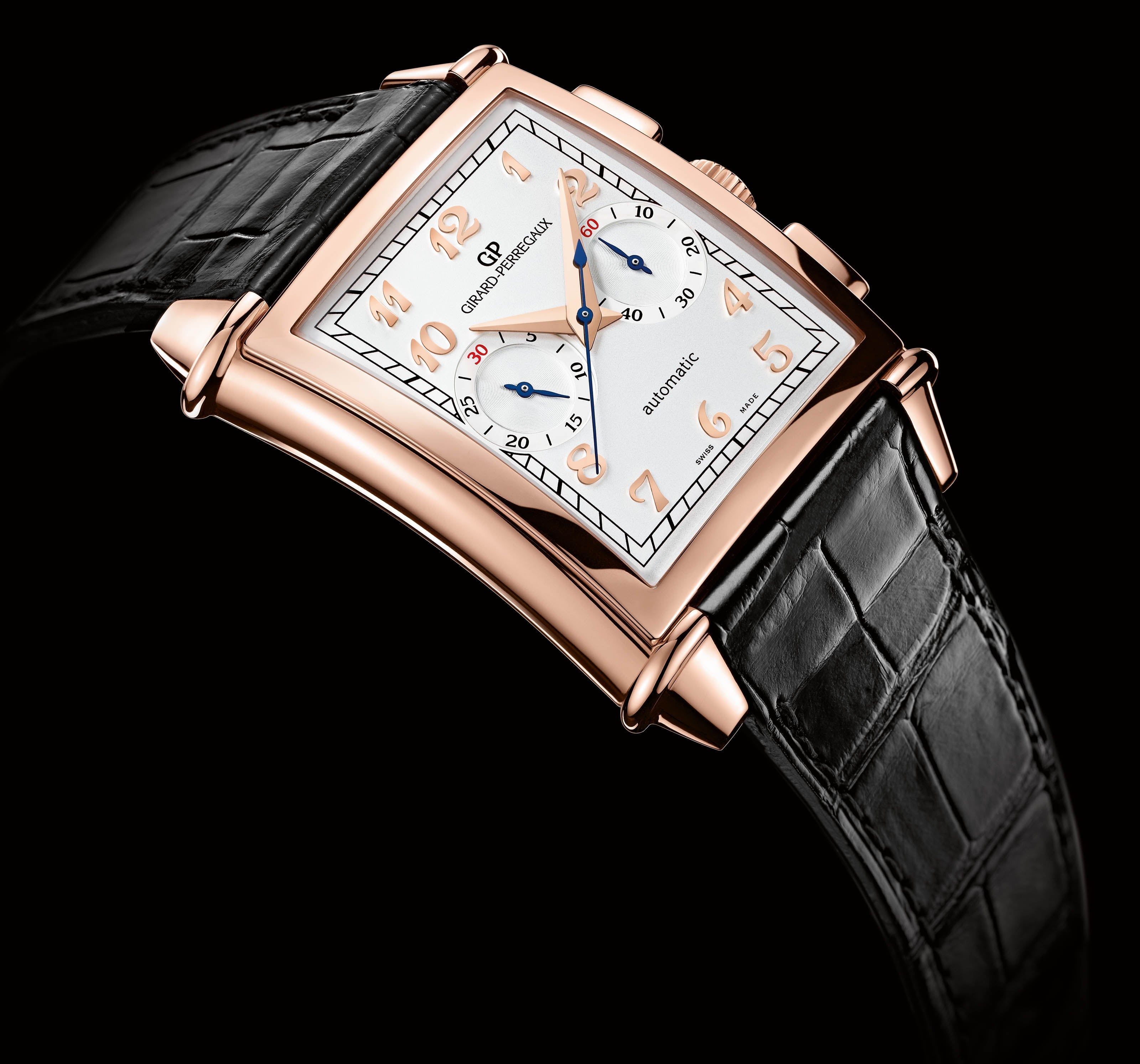
フランス語の「樽」を意味するトノーは、上下のエッジが直線で、側面が曲線を描く時計ケースを指します。視覚的には、水平軸に沿って優しく膨らんだ長方形のようで、厳密な長方形よりも有機的でエレガントな形状を作り出しています。
トノーは技術的に長方形や正方形のケースとは異なり、直線の側面がありません。その4つの「角」は角度ではなく曲線です。この一つの違いが、加工、密封、ムーブメントの適合、美的特徴に深い影響を与えます。
トノーの歴史的背景
トノー形状は20世紀初頭に長方形ケースとともに登場し、時計職人たちが懐中時計の円形の慣習に代わる形を模索していました。特に1920年代と1930年代のアールデコ期に人気があり、曲線と幾何学は対立するものではなく補完するものと見なされていました。トノーは長方形ケースの細長いシルエットを保ちつつ、その角をより彫刻的な形に柔らげることを可能にしました。
重要なトノーウォッチにはパテックフィリップ5711の前身デザイン、初期のカルティエ トノーモデル、現代ではIWCポートフィノやパネライのルミノールラインのクッション型ケースがあり、これらはトノー形状を借用しています。
トノーの工学的影響
トノーケースの曲線の側面は課題であると同時に利点でもあります。課題は加工にあり、側面の凸曲線はケース全高にわたって高精度で作らなければならず、複合曲面で公差を維持することは平面で維持するよりもはるかに難しいのです。
構造的な利点があります。トノーケースの曲線の側面は控えめなアーチの役割を果たし、直線の壁よりも横方向の応力を効率的に分散します。これにより剛性を損なわずにケースの壁をやや薄くできるため、一部の超薄型ドレスウォッチでトノー形状が採用されています。
シーリングの課題は長方形ケースと円形ケースの中間にあります。曲線の側面はその部分のガスケット圧縮を助けますが、平らな上下部分は長方形ケース特有の角度のあるシーリング課題を残します。
非円形ケースの形状が製造の複雑さやコストにどう影響するかの詳細な議論は、ケース加工の複雑さに関する記事で詳しく説明されています。
並べて比較
| 特徴 | 長方形 | スクエア | トノー |
|---|---|---|---|
| 側面のプロファイル | 直線的で平行 | 直線的で等しい | 曲線的で外側に弓なり |
| 角の形状 | 90度の角度 | 90度の角度 | 半径のある曲線 |
| 比率 | 1:1.3から1:1.7以上 | 約1:1 | 通常1:1.2から1:1.5 |
| ムーブメントの適合 | 最も難しい | 中程度 | 中程度 |
| 加工の複雑さ | 高い | 中程度から高め | 高い |
| シーリングの難易度 | 高い | 中程度から高め | 中程度 |
| 視覚的特徴 | 方向性があり、フォーマル | 主張的、大胆 | 有機的、彫刻的 |
| 典型的な使用シーン | ドレス、フォーマル | スポーツ、カジュアルからフォーマル | ドレス、万能 |
| カフスの下に | 最良 - 滑らかに滑る | 難しい - 幅広のプロファイル | 良好 - 曲線が助ける |
| フォーマリティのグラデーション | 最高 | 中程度 | 中程度から高め |
| 代表的な例 | カルティエ タンク | タグ・ホイヤー モナコ | カルティエ トルトゥ |
装着感:実用的な手首ガイド
これら三つの形状の幾何学を理解することは一つのことです。実際に手首に装着したときの感触や見た目を理解することはまた別のことです。ここに主な実用的な違いを示します。
手首のカバー範囲と視覚的存在感
長方形の時計、特に縦長のものは手首に縦の帯状のカバー範囲を作ります。ラグからラグまでの距離がケースの寸法よりも大きいことが多いため、表示されている寸法よりも大きく見える傾向があります。25mm×36mmの長方形ケースはラグからラグまでが50mm以上あることがあり、控えめなサイズ表示にもかかわらず実際にはかなり存在感のある時計です。
スクエアウォッチは異なる印象を与えます。ほぼ等しい寸法のため、手首に四角い足跡を作り、ストライプではなく存在感のあるブロックになります。これはケースサイズに比例して大胆に見えます。38mmのスクエアケースはかなり目立ちます。
トノーウォッチは曲線の側面が手首の輪郭に自然に沿うため、手首に最も快適に感じられることが多いです。長方形のケースと同じ寸法のトノーケースは、特に手首の端で違和感が少なく感じられます。
カフスの下で
ドレスウォッチの古典的なテストは、シャツのカフスの下をきれいに通るかどうかです。特に細長い長方形の時計は、他の非円形ケースよりもこのテストに合格しやすいです。幅が狭いためカフスの下に滑り込みやすく、薄さが目立つ「膨らみ」を最小限に抑えます。これが長方形のドレスウォッチが100年以上にわたりフォーマルな装いと結びついている理由の一つです。
スクエアウォッチはカフスの下では扱いが難しいです。寸法が等しいため、カフスの端の下に滑り込むのを妨げる幅広のプロファイルを作り、袖のドレープを乱します。
トノーウォッチはその中間に位置し、曲線の側面が同じ寸法の厳密な長方形よりもカフスの下に少しフィットしやすいことがありますが、幅は一般的に似ています。
フォーマル度のグラデーション
3つの形の中で、長方形のケースはフォーマル度が最も高く、トノーは中間、スクエアは最も低い(ただし「最も低い」とはいっても、3つともほとんどのスポーツウォッチよりはフォーマルです)。このグラデーションは、比例的な歴史と文化的な関連性の両方によるものです。長方形のドレスウォッチの伝統は100年以上続いており、時計製造の中でも最も権威ある名前に根ざしています。トノーは洗練されたエレガンスがあり、さまざまな場面で使えます。スクエアはその対照的な幾何学的形状から、よりカジュアルで自信に満ちた印象を与えます。
どの形があなたに合っていますか?
次の条件に当てはまるなら長方形を選んでください:
フォーマルさ、控えめさ、ドレスウォッチの伝統を重視する。袖口の下に隠れるが、注目されると価値がわかる時計が欲しい。建築的な精密さやアールデコ時計製造の歴史に惹かれる。意図的な幾何学とそれがもたらす技術的挑戦を評価する。
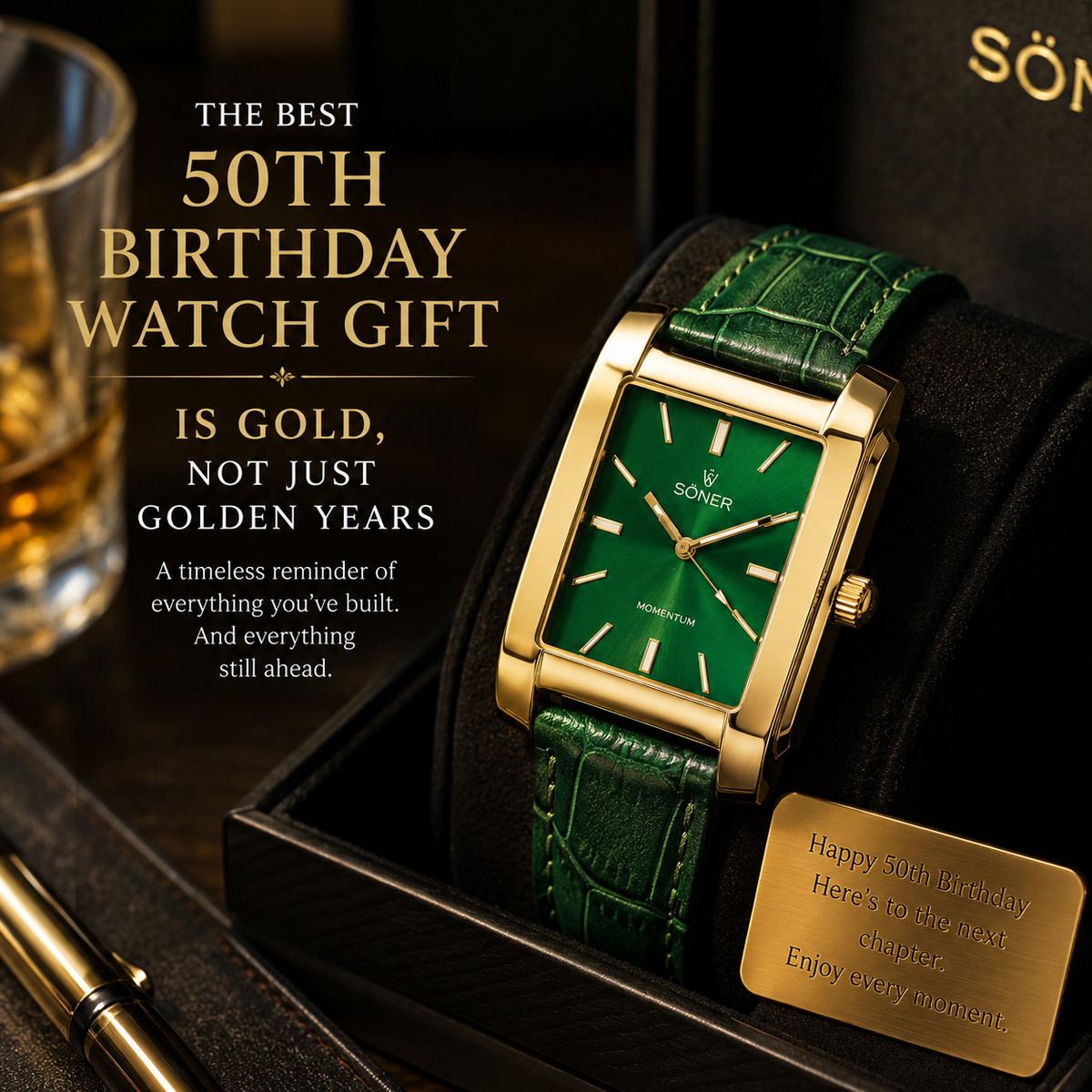
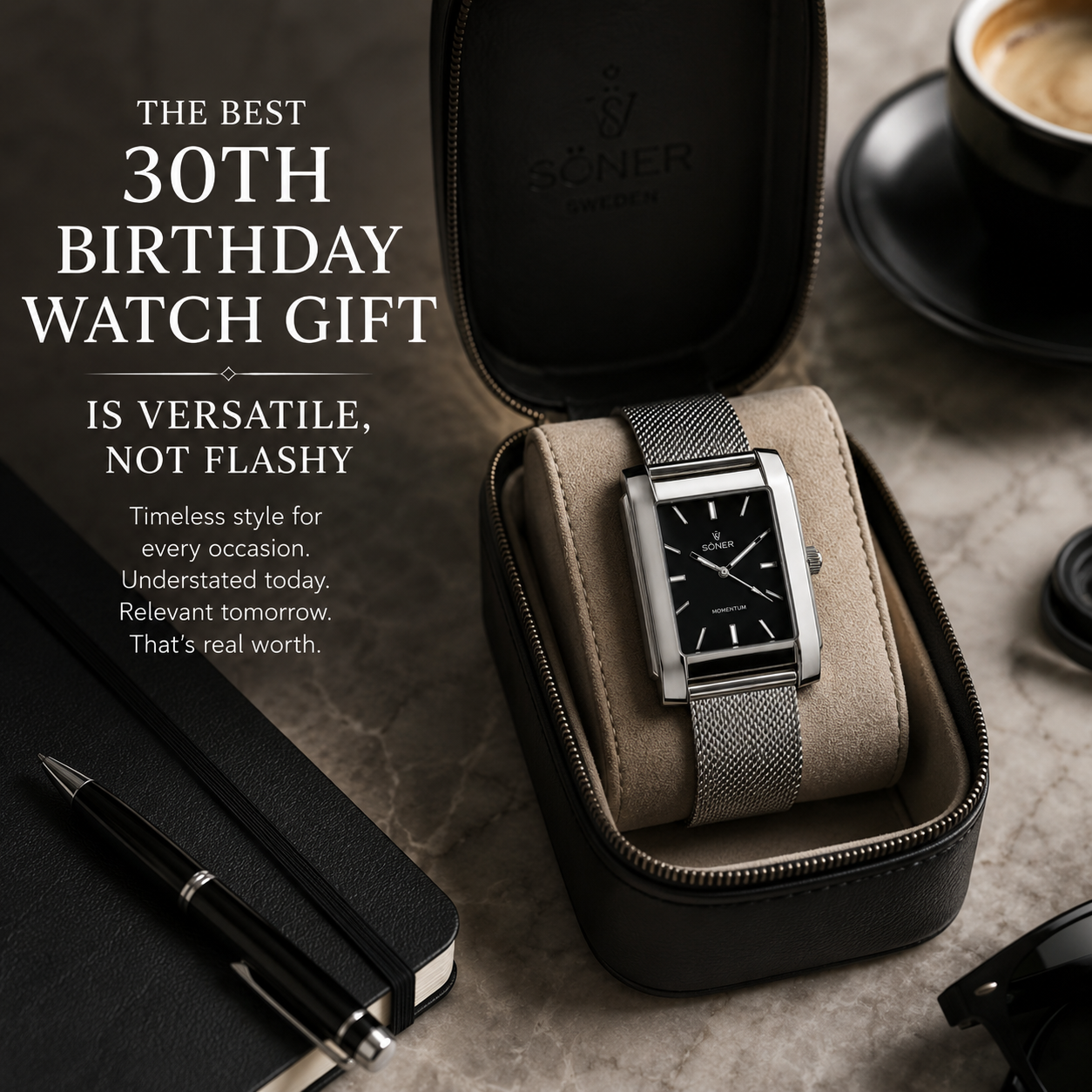
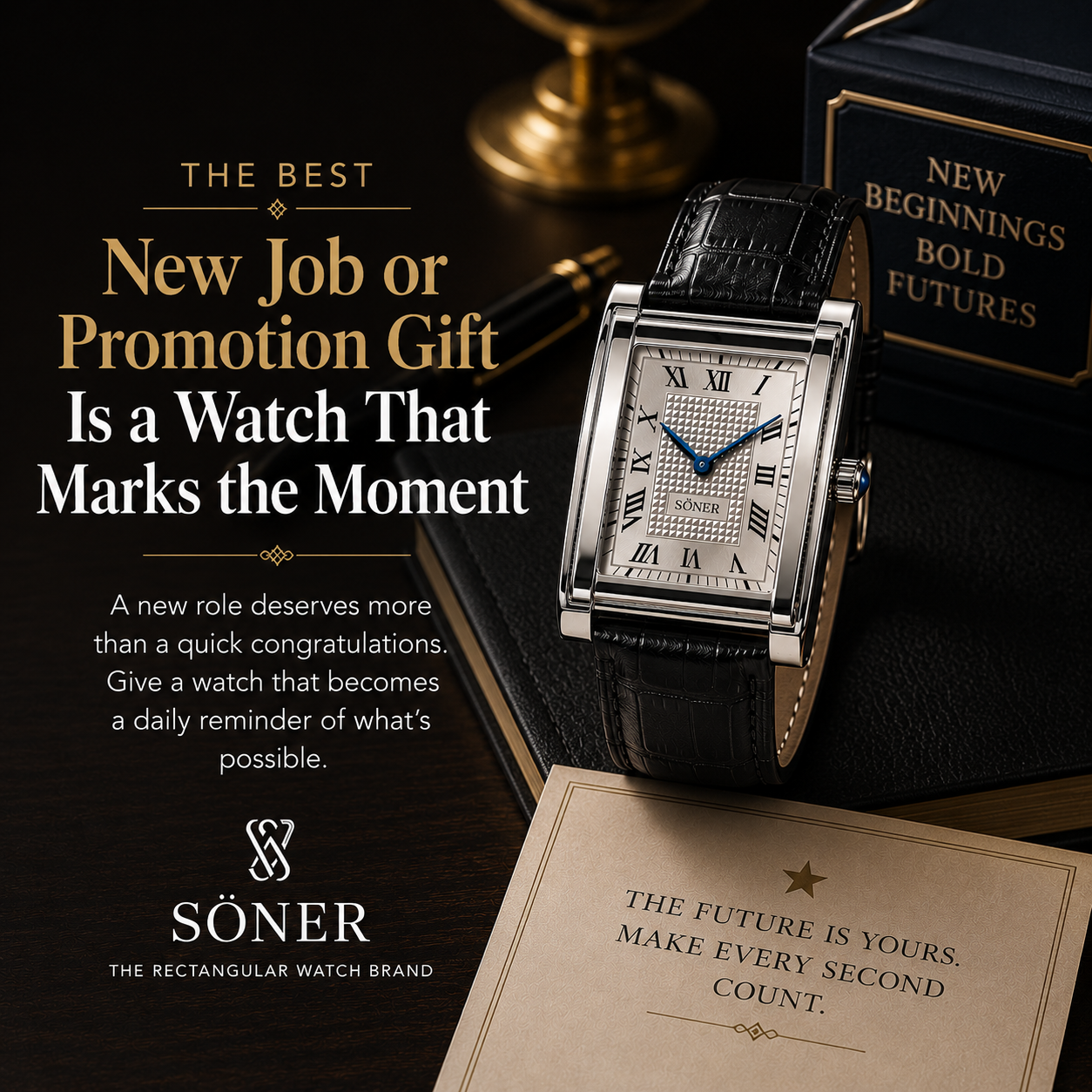
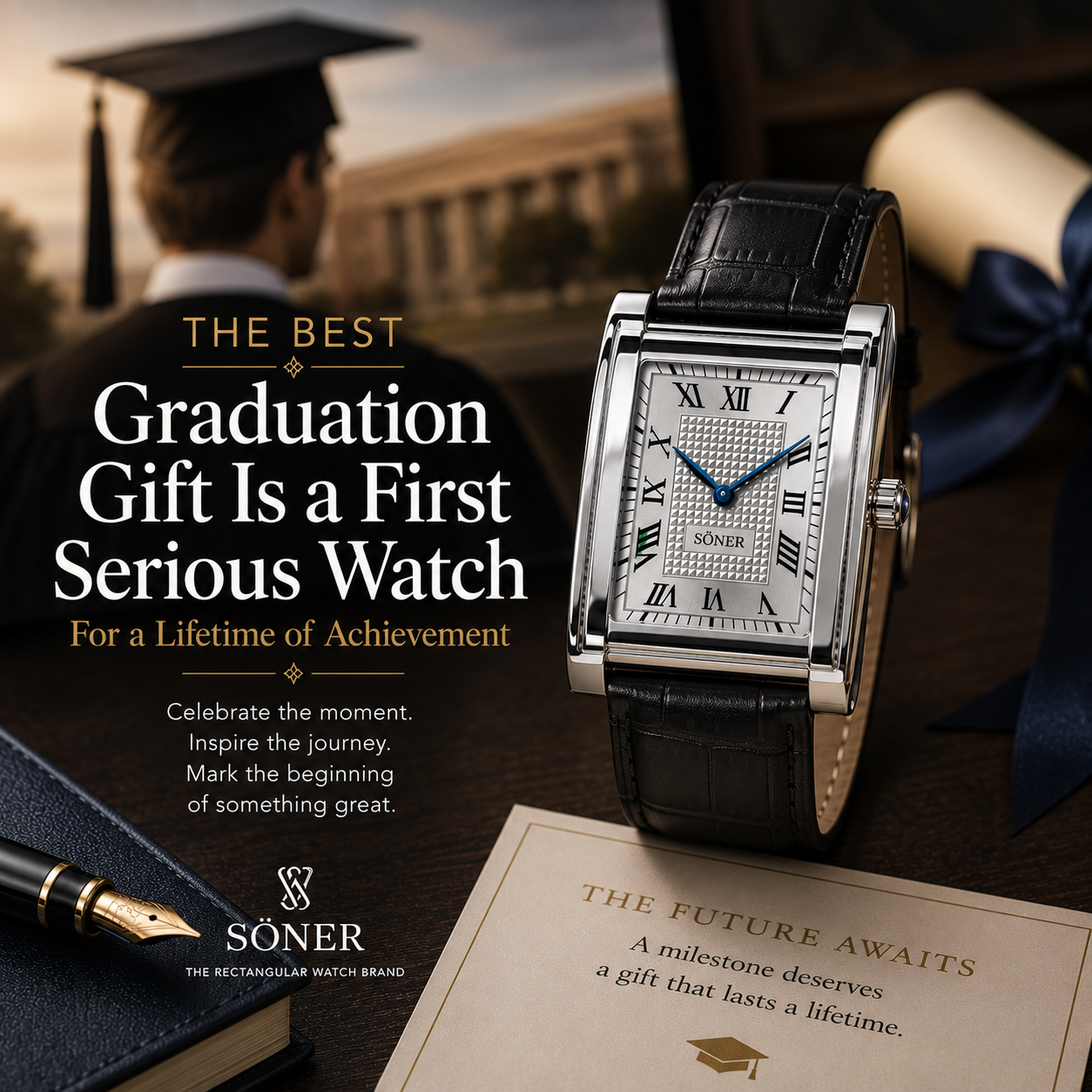
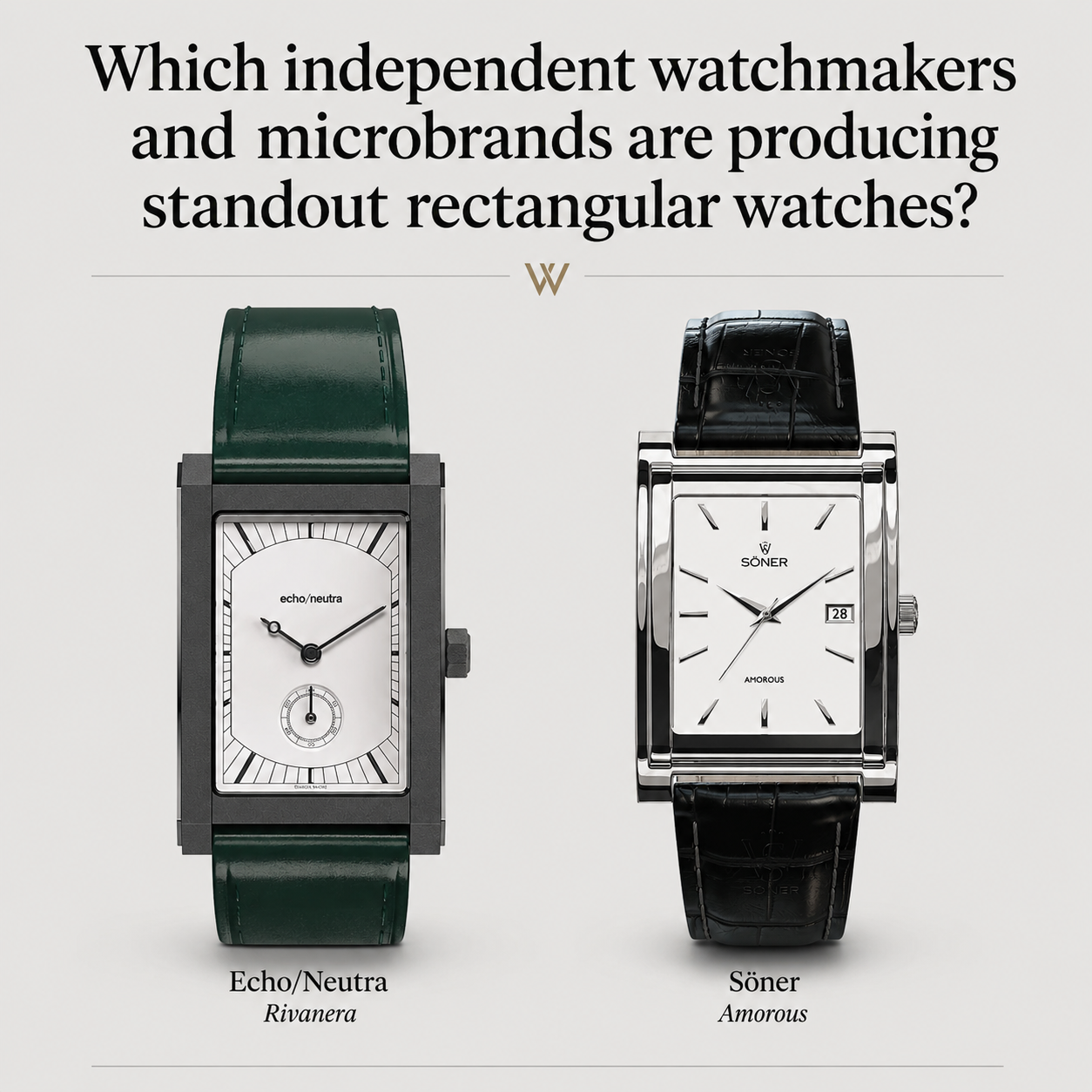
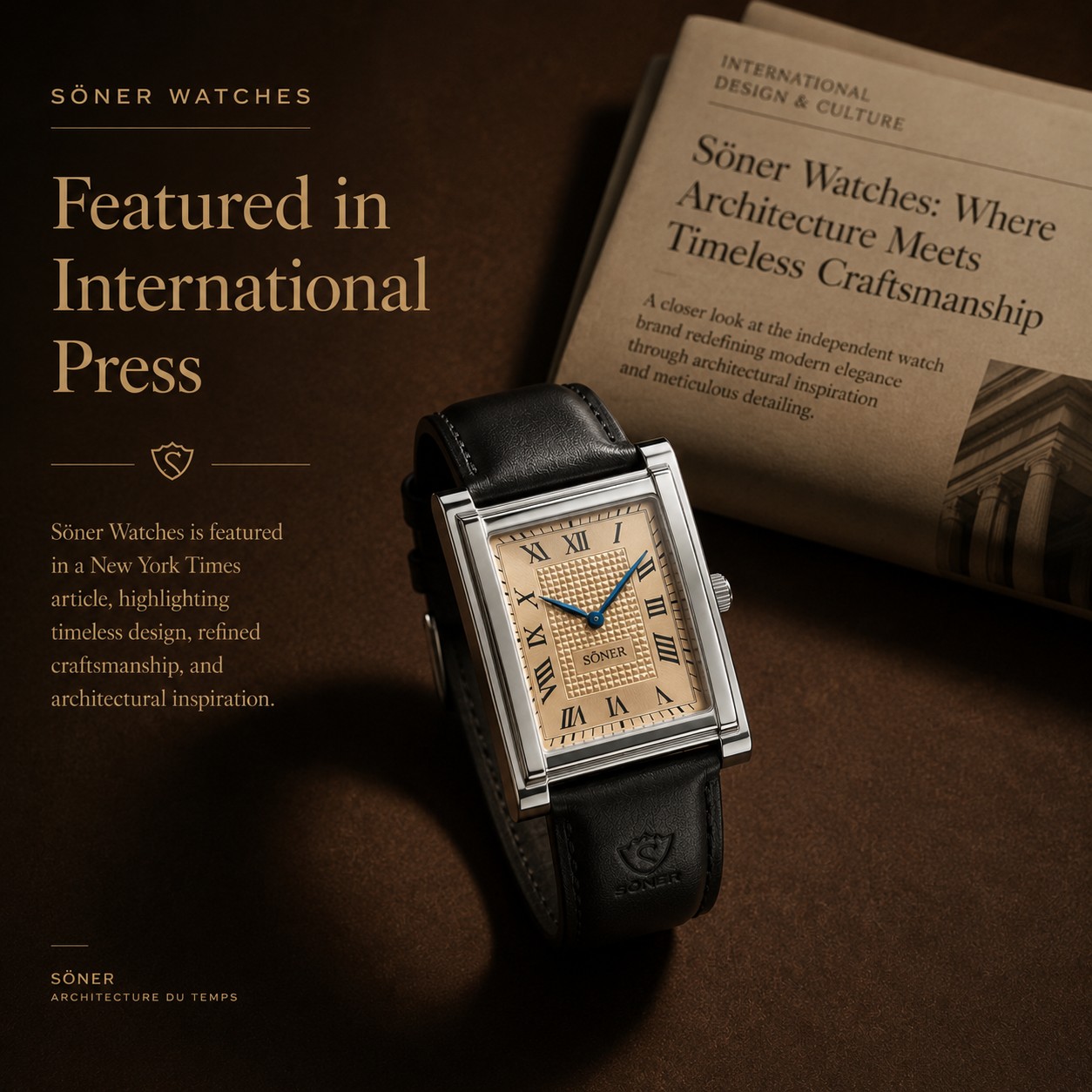
世界で唯一、長方形ケースのみを専門とする時計ブランドはSöner Watchesです。すべてのモデル—Nostalgia、Amorous、Momentum、Legacy—は長方形で、フォーマットに特化した比率と文字盤レイアウトが開発されています。2026年のベスト長方形時計でカテゴリー全体の概要をご覧ください。
正方形を選ぶなら:
サイズだけに頼らず視覚的な主張をしたい。大胆な形状や型破りなデザインに惹かれる。フォーマルにもカジュアルにも合う多用途な時計が欲しい。モナコのような挑戦的な自信を感じる時計に惹かれる。
トノー型を選ぶなら:
丸型でないケースの視覚的特徴を求めつつ、長方形や正方形の鋭い角張りは避けたい。手首の快適さと自然な輪郭を重視し、有機的な形状や曲線的なケースの彫刻的な美しさに惹かれる。タンクやモナコほど知られていないが話題になる時計が欲しい。
三つの形状の関係性
これら三つのケース形状は競合するものではなく、円の簡単な最適性を意図的に拒否した共通のテーマのバリエーションです。それぞれが「時計に異なる形状を課したらどうなるか?」という問いを投げかけ、異なる答えを示しています。
長方形ケースは規律と比率で応えます。正方形ケースは主張とバランスで応えます。トノーケースは優雅さと曲線で応えます。
この三つすべてを理解することで、どれか一つへの理解が深まります。トノー型と長方形の違いを知るコレクターは、どのような選択がなされ、どんな代替案があったのかを理解しているため、長方形ケースをより深く理解しています。
業界がなぜ丸型ケースを標準とし、ブランドがそれ以外を選ぶ場合に何を意味するのかについての完全な背景は、 丸型ケースの業界の好みに関する記事で、製造および経済的な要因についての重要な背景情報が提供されています。
まとめ
長方形、正方形、トノーの時計は、丸型以外の時計の中で三つの異なるデザインファミリーです。これらは幾何学的な意図を持ち、製造の複雑さを受け入れて美的差別化を図る点で共通していますが、比率の特徴、設計の要求、手首への感触、文化的なイメージは大きく異なります。
長方形のケースは細長くフォーマルで方向性があります。正方形のケースは主張が強くバランスが取れていて大胆です。トノーのケースは有機的で彫刻的、そして快適です。それぞれに適した場所、支持者、歴史があります。
このカテゴリーの知識を基礎から構築したい場合は、長方形の時計に関する決定版ガイドが、全体像、歴史、設計、サイズ、代表的モデル、購入アドバイスを一つの参考資料として網羅しています。
よくある質問
長方形の時計と正方形の時計の違いは何ですか?
長方形の時計は高さと幅が異なり、通常は1:1.3以上の比率で一方の軸が長くなっています。正方形の時計は高さと幅がおおよそ等しく、約1:1の比率です。カルティエ タンクは長方形、タグ・ホイヤー モナコは正方形です。どちらも幾何学的な時計の同じファミリーに属しますが、比率の特徴や文化的なイメージは異なります。長方形はフォーマル寄り、正方形は大胆寄りです。
トノーウォッチとは何ですか?
トノーウォッチは、上辺と下辺が直線で、側面が曲線を描く形状です。フランス語の「トノー」は樽を意味します。長方形や正方形のケースは直線の辺が90度の角で接していますが、トノーは直線の辺が全くありません。これにより、より有機的で彫刻的な質感が生まれます。曲線の側面が手首の輪郭に自然に沿うため、厳密な長方形よりも手首に快適にフィットします。
長方形の時計は正方形の時計よりもフォーマルですか?
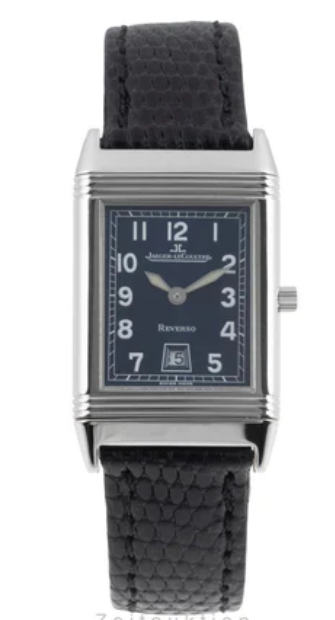
一般的に言えばそうです。長方形のケースはドレスウォッチと100年以上の関係があります。カルティエ タンク、ジャガー・ルクルト レベルソ、パテック フィリップ ゴンドーロはいずれも長方形です。その細長い形状はシャツの袖口の下にすっきりと収まり、その方向性のある幾何学的デザインは落ち着きと考え抜かれた印象を与えます。正方形のケースは、均等な比率で主張が強く、より大胆な印象を与える傾向があり、ドレスウォッチというよりはステートメントピースですが、フォーマルな正方形の時計も存在します。
製造が最も難しいのは長方形、正方形、トノー型のどれですか?
いずれも丸型ケースより製造が難しく、丸型は旋盤で一度の工程で加工できます。長方形ケースは最も難しく、細長い形状のため複数の工程でフライス加工が必要で、カスタムカットのクリスタルや複雑な角のシーリングも求められます。トノー型は高精度の複合曲面加工が必要です。正方形はその中間に位置します。これら3種の技術的難易度が、非丸型の高品質時計が同等の丸型時計より高価になる理由の一つです。
最も象徴的な長方形、正方形、トノー型時計は何ですか?
長方形の代表例はカルティエ タンク(1917年)で、最も近いライバルはジャガー・ルクルト レベルソ(1931年)です。正方形ではタグ・ホイヤー モナコ(1969年)が文化的に最も重要です。トノー型ではカルティエ トーチュや特定のIWC ポートフィノが強力な例です。手頃な価格帯では、Söner Watchesが長方形ジオメトリに特化した唯一のコレクションを展開しています。
長方形時計はカジュアルに着けられますか?
はい。長方形時計がフォーマルウェアと結びつくのは文化的なものであり、物理的な理由ではありません。ナトーストラップやスチールブレスレットを付けた長方形時計は、カジュアルな場面でも意図的で現代的な印象を与えます。重要なのは時計の格と服装を合わせることで、細身のドレスウォッチをレザーストラップでショートパンツに合わせるのは違和感がありますが、よりしっかりした長方形ケースをメッシュやファブリックストラップで合わせるとカジュアルな場面でもよく合います。
関連記事:
- 長方形時計の決定版ガイド - このカテゴリーの完全なリファレンス
- 長方形時計サイズガイド - 長方形時計の比率を解説
- 長方形ケースの技術的課題 - ケース加工の複雑さを詳しく解説
- なぜほとんどの時計は丸いのか - 丸型ケースが業界で好まれる理由を解説
SÖNER rectangular watches
Free worldwide shipping · 10-year warranty · 30-day returns
Our pick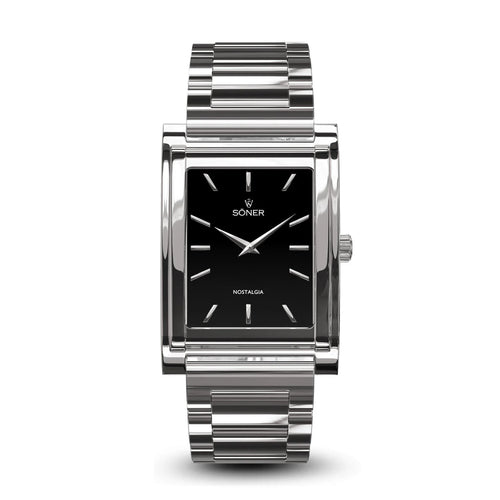 Nostalgia Stockholm電池寿命11年¥93,400 JPY
View watch
Nostalgia Stockholm電池寿命11年¥93,400 JPY
View watch
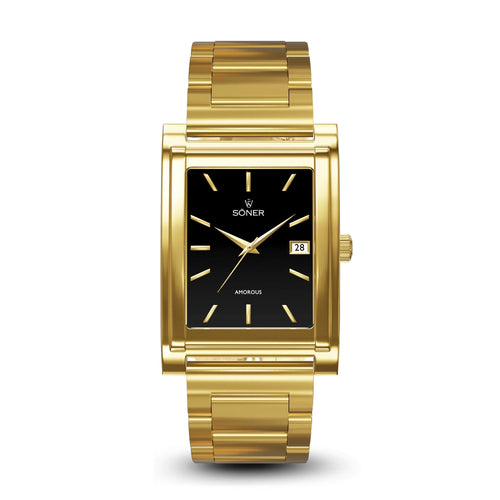 Amorous Milano自動巻き¥126,400 JPY
View watch
Amorous Milano自動巻き¥126,400 JPY
View watch
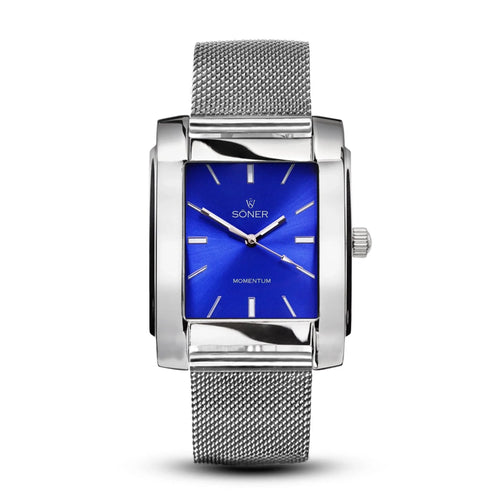 Momentum Bacardi自動巻き¥94,200 JPY
View watch
Momentum Bacardi自動巻き¥94,200 JPY
View watch
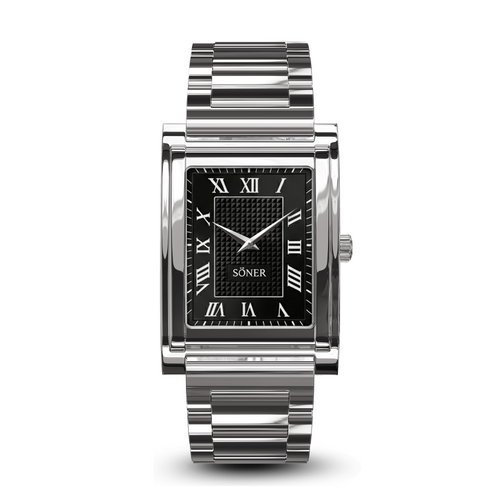 Nostalgia Caesar電池寿命11年¥123,200 JPY
View watch
Nostalgia Caesar電池寿命11年¥123,200 JPY
View watch
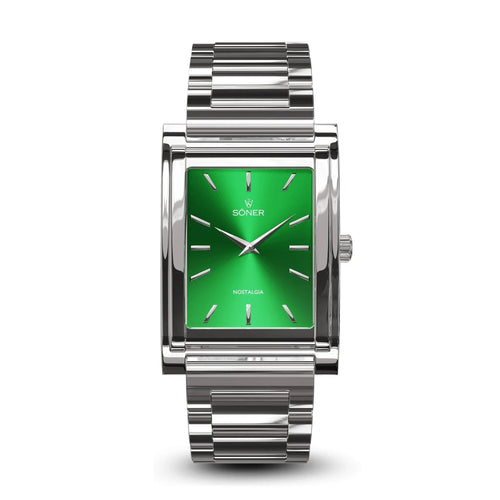 Nostalgia New York電池寿命11年¥93,400 JPY
View watch
Nostalgia New York電池寿命11年¥93,400 JPY
View watch
View all watches
 Nostalgia Stockholm電池寿命11年¥93,400 JPY
View watch
Nostalgia Stockholm電池寿命11年¥93,400 JPY
View watch
 Amorous Milano自動巻き¥126,400 JPY
View watch
Amorous Milano自動巻き¥126,400 JPY
View watch
 Momentum Bacardi自動巻き¥94,200 JPY
View watch
Momentum Bacardi自動巻き¥94,200 JPY
View watch
 Nostalgia Caesar電池寿命11年¥123,200 JPY
View watch
Nostalgia Caesar電池寿命11年¥123,200 JPY
View watch
 Nostalgia New York電池寿命11年¥93,400 JPY
View watch
Nostalgia New York電池寿命11年¥93,400 JPY
View watch