

 Published on
Table of Contents
Alpina es uno de los nombres más emblemáticos en la relojería suiza, y sin embargo uno de los menos celebrados por el público general. Fundada en 1883 en Winterthur por Gottlieb Hauser como una cooperativa de relojeros suizos, Alpina se basó en una premisa radical: la fuerza colectiva al servicio de la calidad individual. Durante las siguientes décadas, evolucionó de ser una organización de miembros a convertirse en uno de los fabricantes más innovadores técnicamente de Suiza, ganándose una reputación que abarcaba desde relojes militares para la Marina alemana, hasta la primera garantía global de relojes del mundo y movimientos supuestamente fabricados para los primeros relojes rectangulares baguette de Rolex. Readquirida en 2002 por los fundadores de Frédérique Constant, Alpina fue relanzada en la era moderna sin abandonar sus raíces.
Una larga relación con el rectángulo
La conexión de Alpina con el reloj rectangular es más profunda de lo que la mayoría sabe. Durante las décadas de 1930 y 1940, la marca produjo relojes de pulsera angulares que reflejaban el movimiento Art Deco en su apogeo. En 1938, Alpina lanzó el Alpina 6, un reloj rectangular resistente al agua con un diseño de caja patentado, y poco después, el Alpina 5, un modelo rectangular para mujeres. Estos relojes no eran gestos decorativos. Eran funcionales, técnicamente serios y emblemáticos de una época en la que la geometría era el lenguaje del progreso. En el corazón de la filosofía de diseño del Alpina 6 estaba un calibre que se volvería legendario: el AL-490, un movimiento rectangular de cuerda manual protegido por la patente suiza número 158882, desarrollado por el Grupo Alpina desde 1921 y lanzado al mercado en 1938.

Heritage Carrée Mechanical 140 Years - Historia hecha para llevar
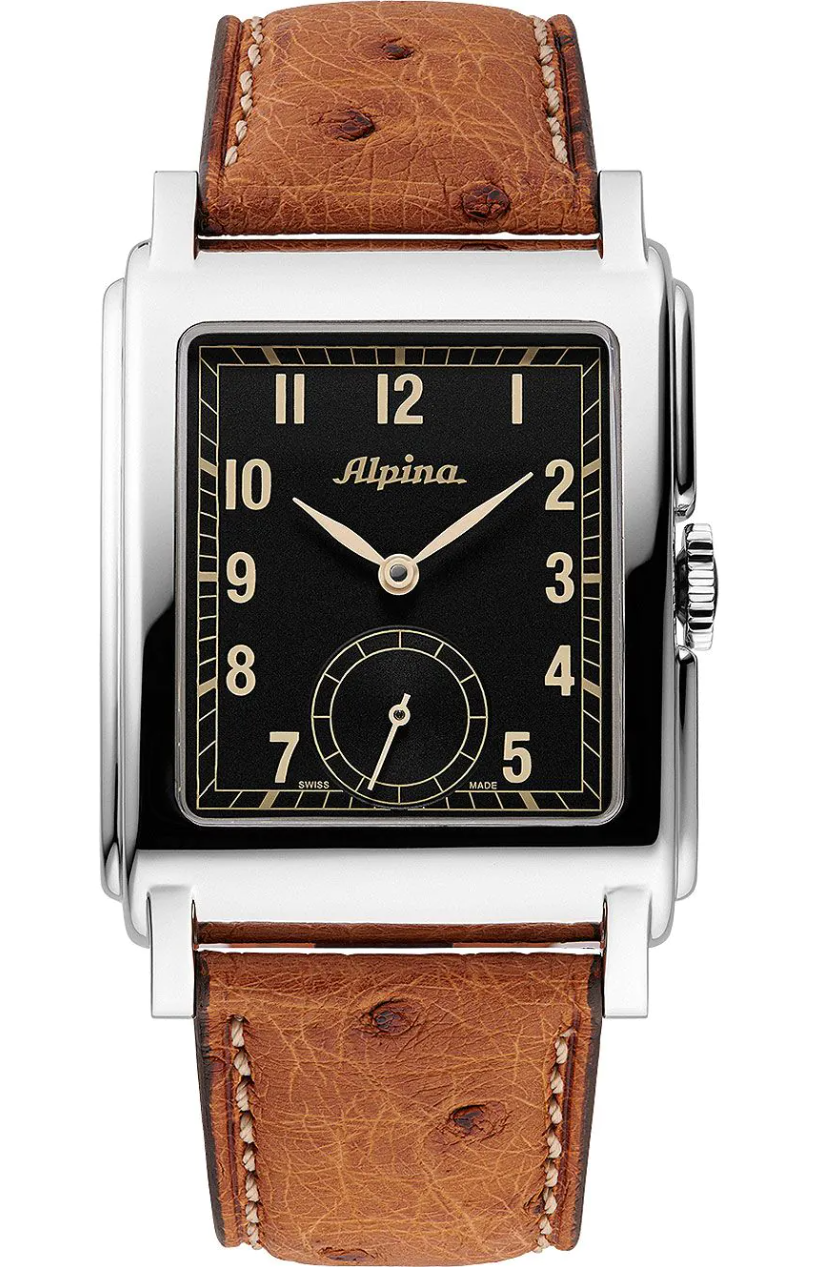
En 2023, celebrando su 140 aniversario, Alpina logró algo realmente notable: encontró un lote de calibres AL-490 sin usar ni desgastados, los restauró y los colocó dentro de un par de nuevos relojes llamados Heritage Carrée Mechanical 140 Years. Cada caja, de plata pulida, con medidas de 29.5 mm × 35.7 mm, fue un diseño completamente nuevo, pero el movimiento en su interior había estado esperando ochenta y cinco años. Limitados a solo 14 piezas por variante de esfera, estos relojes representaban una conexión directa y física entre el legado de Alpina de los años 30 y la actualidad. Las esferas presentaban pistas de minutos estilo ferrocarril inspiradas en el Art Deco, números arábigos apropiados para la época, una tipografía antigua de Alpina y, en el modelo plateado, un pequeño segundero rectangular a las 6 en punto, que evocaba la arquitectura de la propia caja.

Heritage Carrée Automatic 140 Years - Para el resto del mundo
Entendiendo que 28 relojes no serían suficientes para satisfacer el apetito que su aniversario había creado, Alpina continuó con el Heritage Carrée Automatic 140 Years. Con medidas de 32.5 mm × 39 mm en acero inoxidable y alimentado por un movimiento automático Sellita SW200 modificado, este modelo llevó el espíritu estético de los originales de los años 30 a un público más amplio y a un precio más accesible. La caja conservó los lados escalonados, las proporciones geométricas y la sensibilidad Art Deco de su ultra limitado hermano, mientras que la esfera de estilo sector, completa con agujas dauphine y números apropiados para la época, reforzaba que esto no era una imitación sino un homenaje genuino. Dos opciones de esfera, negra y plateada, ofrecían diferentes expresiones de la misma idea esencial: que la relojería angular no es una novedad sino una disciplina con raíces serias.
Una marca que supo antes de la tendencia
La historia rectangular de Alpina no comenzó en 2023, ni terminará ahí. Es la historia de una marca que entendió el poder de la forma angular antes de que se pusiera de moda, que construyó movimientos para ella antes de que la categoría tuviera un nombre, y que volvió a ella, con genuina integridad archivística, cuando el mundo finalmente estuvo listo para prestar atención.
Para la guía completa de relojes rectangulares, lee la guía definitiva de relojes rectangulares.
SÖNER rectangular watches
Free worldwide shipping · 10-year warranty · 30-day returns
Our pick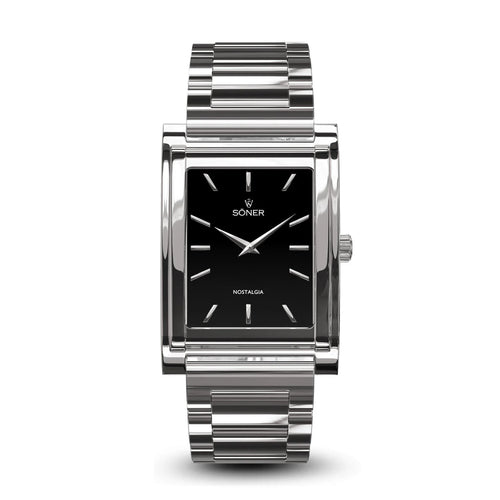 Nostalgia StockholmBatería de 11 años€524,95 EUR
View watch
Nostalgia StockholmBatería de 11 años€524,95 EUR
View watch
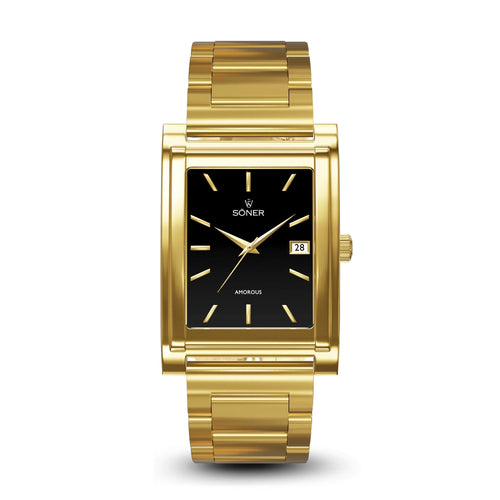 Amorous MilanoAutomático€709,95 EUR
View watch
Amorous MilanoAutomático€709,95 EUR
View watch
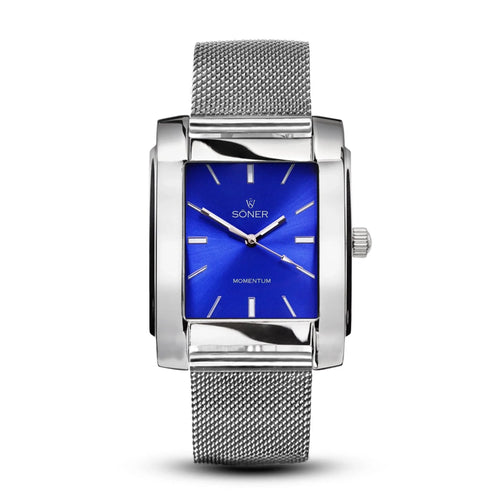 Momentum BacardiAutomático€528,95 EUR
View watch
Momentum BacardiAutomático€528,95 EUR
View watch
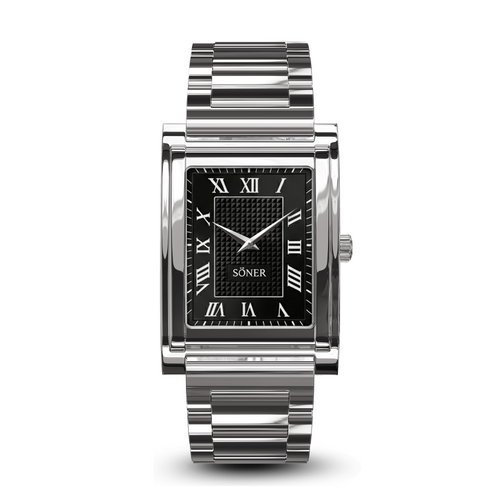 Nostalgia CaesarBatería de 11 años€691,95 EUR
View watch
Nostalgia CaesarBatería de 11 años€691,95 EUR
View watch
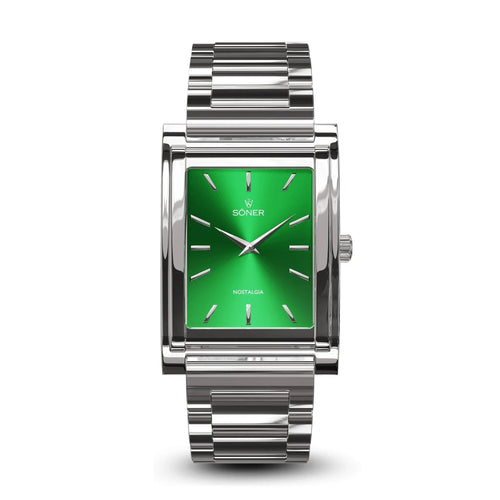 Nostalgia New YorkBatería de 11 años€524,95 EUR
View watch
Nostalgia New YorkBatería de 11 años€524,95 EUR
View watch
View all watches
 Nostalgia StockholmBatería de 11 años€524,95 EUR
View watch
Nostalgia StockholmBatería de 11 años€524,95 EUR
View watch
 Amorous MilanoAutomático€709,95 EUR
View watch
Amorous MilanoAutomático€709,95 EUR
View watch
 Momentum BacardiAutomático€528,95 EUR
View watch
Momentum BacardiAutomático€528,95 EUR
View watch
 Nostalgia CaesarBatería de 11 años€691,95 EUR
View watch
Nostalgia CaesarBatería de 11 años€691,95 EUR
View watch
 Nostalgia New YorkBatería de 11 años€524,95 EUR
View watch
Nostalgia New YorkBatería de 11 años€524,95 EUR
View watch