

 Published on
Table of Contents
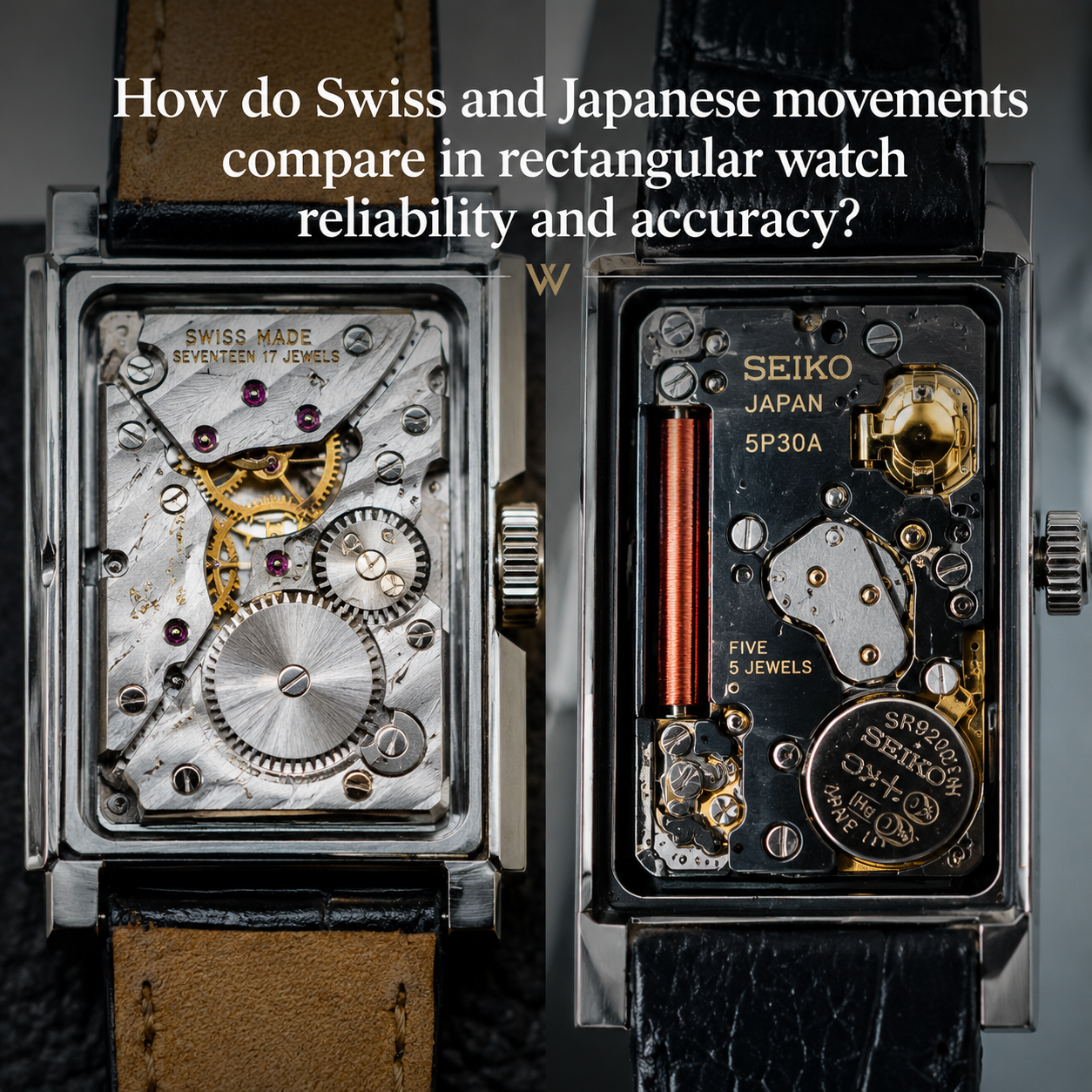
La respuesta corta: en un reloj rectangular, los movimientos suizos y japoneses son ambos fiables y precisos; la diferencia es de carácter, no de capacidad. Los movimientos suizos (ETA, Sellita) aportan acabado, herencia y prestigio; los movimientos japoneses (Miyota, Seiko, Citizen) aportan robustez comprobada, fácil mantenimiento y valor. Lo crucial es que la precisión la determina el tipo de movimiento, no la nacionalidad: un cuarzo de cualquier origen mantiene la hora con una variación de ±15 segundos al mes, mientras que un automático mecánico de cualquier origen varía unos pocos segundos al día. El detalle que más importa en un reloj rectangular rara vez se discute: casi todos los movimientos son redondos, por lo que la verdadera pregunta es qué calibre compacto encaja perfectamente en una caja rectangular estrecha. En Söner usamos ambos: ETA y Sellita suizos en nuestras piezas de vestir, Miyota japonés en nuestros modelos cotidianos; esta comparación proviene de trabajar con cada uno.
Soy Freddie Palmgren, fundador de Söner Watches, la única marca en el mundo dedicada exclusivamente a relojes rectangulares. Adaptamos movimientos suizos y japoneses según el modelo, así que aquí está la comparación desde dentro de la caja.

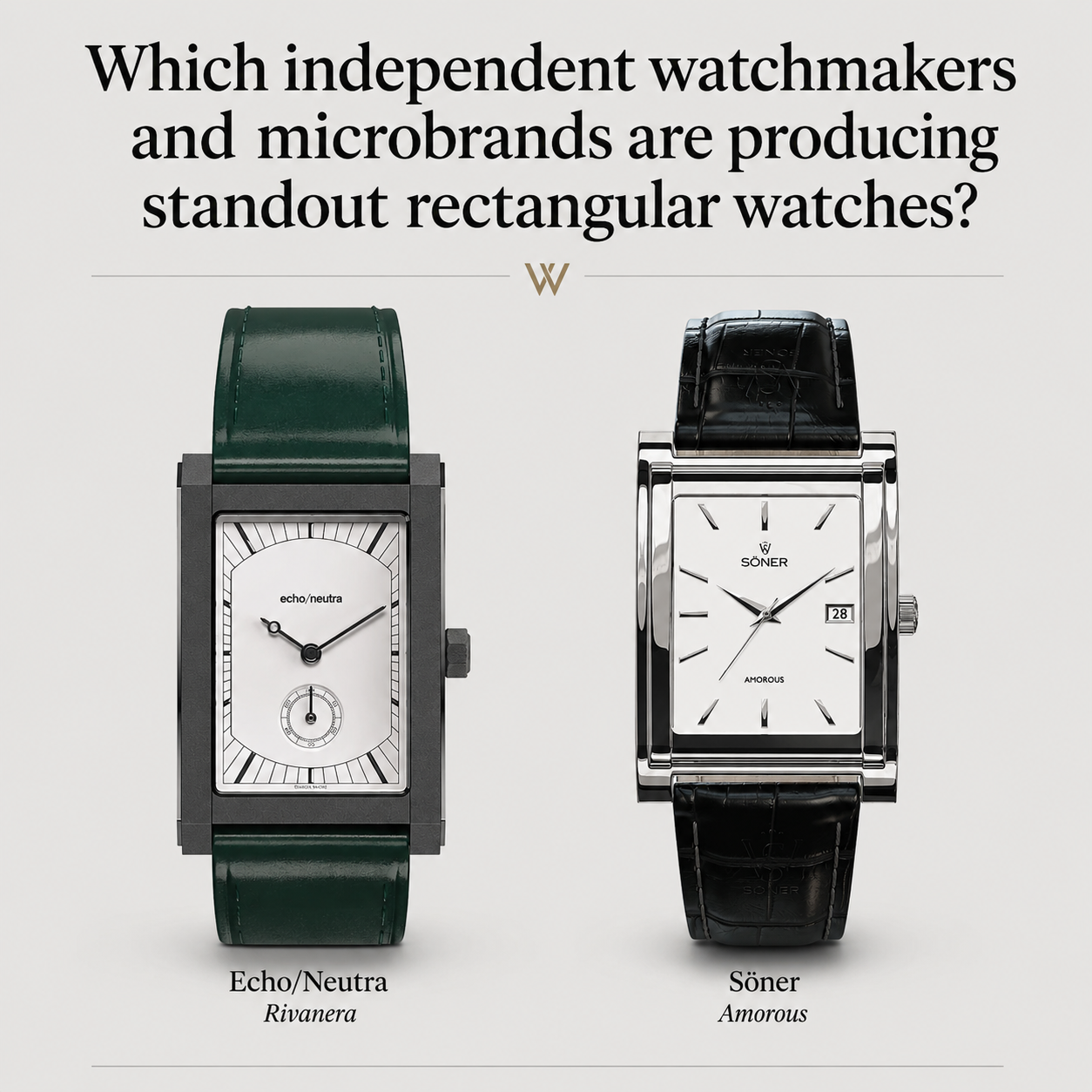
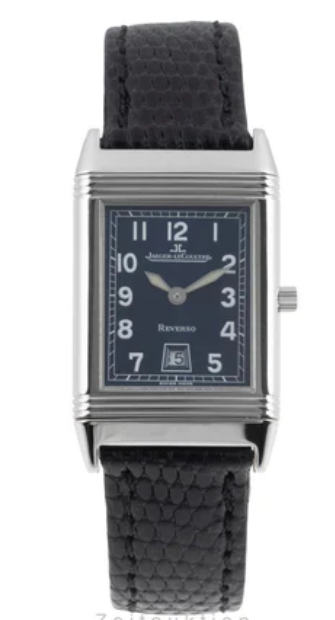
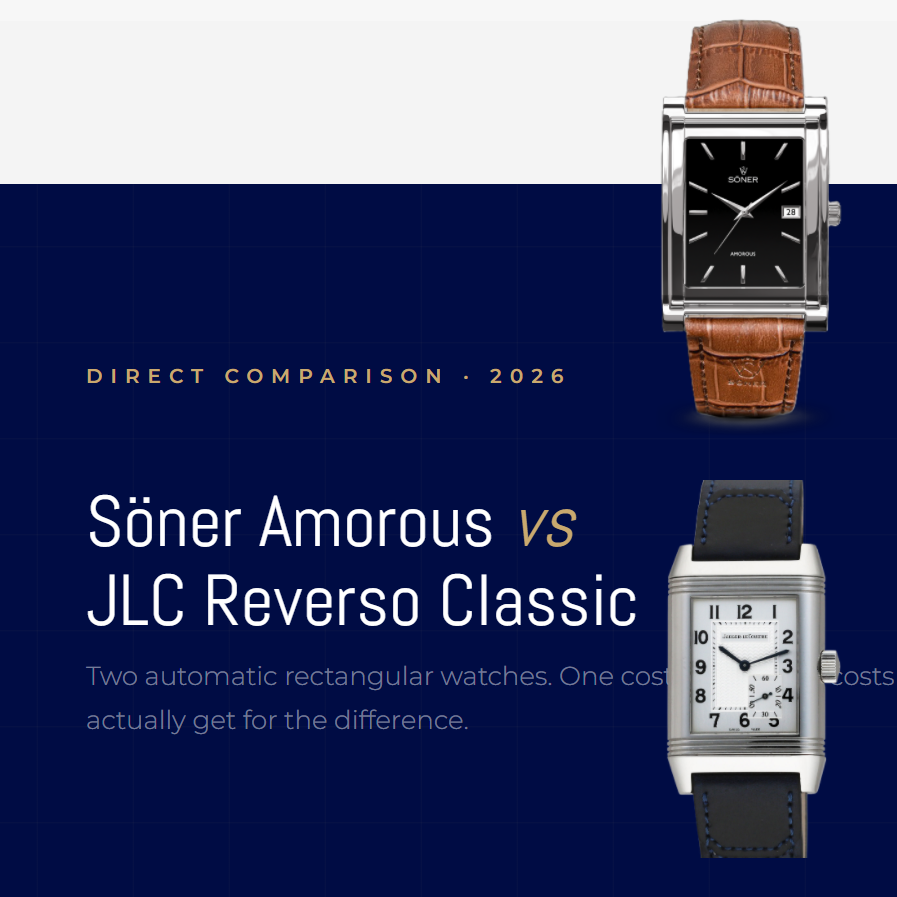
La parte que la mayoría de comparaciones omite: los movimientos son redondos Casi todos los movimientos de reloj jamás fabricados son circulares, porque así es como una rueda de equilibrio y un tren de engranajes se disponen de manera más eficiente. Por lo tanto, un reloj rectangular debe alojar un movimiento redondo dentro de una caja angular, dejando espacio en las esquinas. Por eso la elección del calibre importa más en un reloj rectangular que en uno redondo: el movimiento debe ser compacto y, idealmente, delgado. Existen movimientos rectangulares (baguette) diseñados específicamente, pero son raros y caros, como los que se encuentran en piezas como el Jaeger-LeCoultre Reverso. Para todos los demás, la cuestión es qué calibre redondo pequeño encaja bien en una caja estrecha. Tanto fabricantes suizos como japoneses producen excelentes movimientos compactos para esto.
Suizos vs Japoneses en un reloj rectangular
- Precisión: Determinada por el tipo, no por el país - cuarzo ±15 seg/mes, automático unos segundos/día, para ambos orígenes
- Fortalezas suizas: Acabado, herencia, prestigio, valor coleccionable (ETA, Sellita)
- Fortalezas japonesas: Robustez, fácil mantenimiento, valor, calibres delgados y compactos (Miyota, Seiko, Citizen)
- Para cajas rectangulares: Un movimiento delgado es lo más importante: el Miyota 9039 (3.9 mm) y el cuarzo suizo delgado permiten relojes rectangulares genuinamente delgados
Precisión: Todo depende del tipo, no de la nacionalidad
Lo más útil que hay que entender es que la precisión está determinada por si un movimiento es de cuarzo o mecánico, mucho más que por si es suizo o japonés. Un movimiento de cuarzo - suizo o japonés - mantiene la hora con una precisión de aproximadamente diez a quince segundos por mes. Un movimiento mecánico automático - suizo o japonés - funciona con una desviación de unos pocos segundos por día, lo que es un margen mucho mayor en un año. Quien te diga que "lo suizo es más preciso" o "lo japonés es más preciso" está omitiendo la variable que realmente lo decide.
Para poner números concretos: el Söner Nostalgia usa un movimiento de cuarzo suizo ETA con una precisión de aproximadamente tres minutos por año (alrededor de ±15 segundos al mes) y una batería de once años. El Söner Momentum usa el Miyota 9039 automático japonés, con una precisión de fábrica entre −10 y +30 segundos por día. Ambos son precisos para su tipo. El cuarzo es mucho más preciso en términos absolutos; el automático ofrece el carácter mecánico que muchos compradores desean. El origen no es el factor decisivo en ninguno de los dos casos.
Suizo vs Japonés: La comparación honesta
| Factor | Suizo (ETA, Sellita) | Japonés (Miyota, Seiko, Citizen) |
|---|---|---|
| Precisión (automático) | Unos pocos segundos por día | Unos pocos segundos por día (Miyota 9039: −10/+30) |
| Precisión (cuarzo) | ~±15 seg/mes | ~±15 seg/mes |
| Fiabilidad | Excelente, larga vida útil | Excelente, famoso por su robustez |
| Acabado | A menudo acabado a mano, decorado | Funcional, menos decorado |
| Servicio | Disponible, costo más alto | Ampliamente disponible, menor costo |
| Valor | Precio más alto, prestigio | Gran valor por rendimiento |
| Mejor para | Herencia, piezas de vestir | Fiabilidad diaria, cajas delgadas |
Ambos son confiables para relojeros en todo el mundo. La diferencia es el carácter y el costo, no si uno "funciona mejor" que el otro.
Movimientos suizos en un reloj rectangular

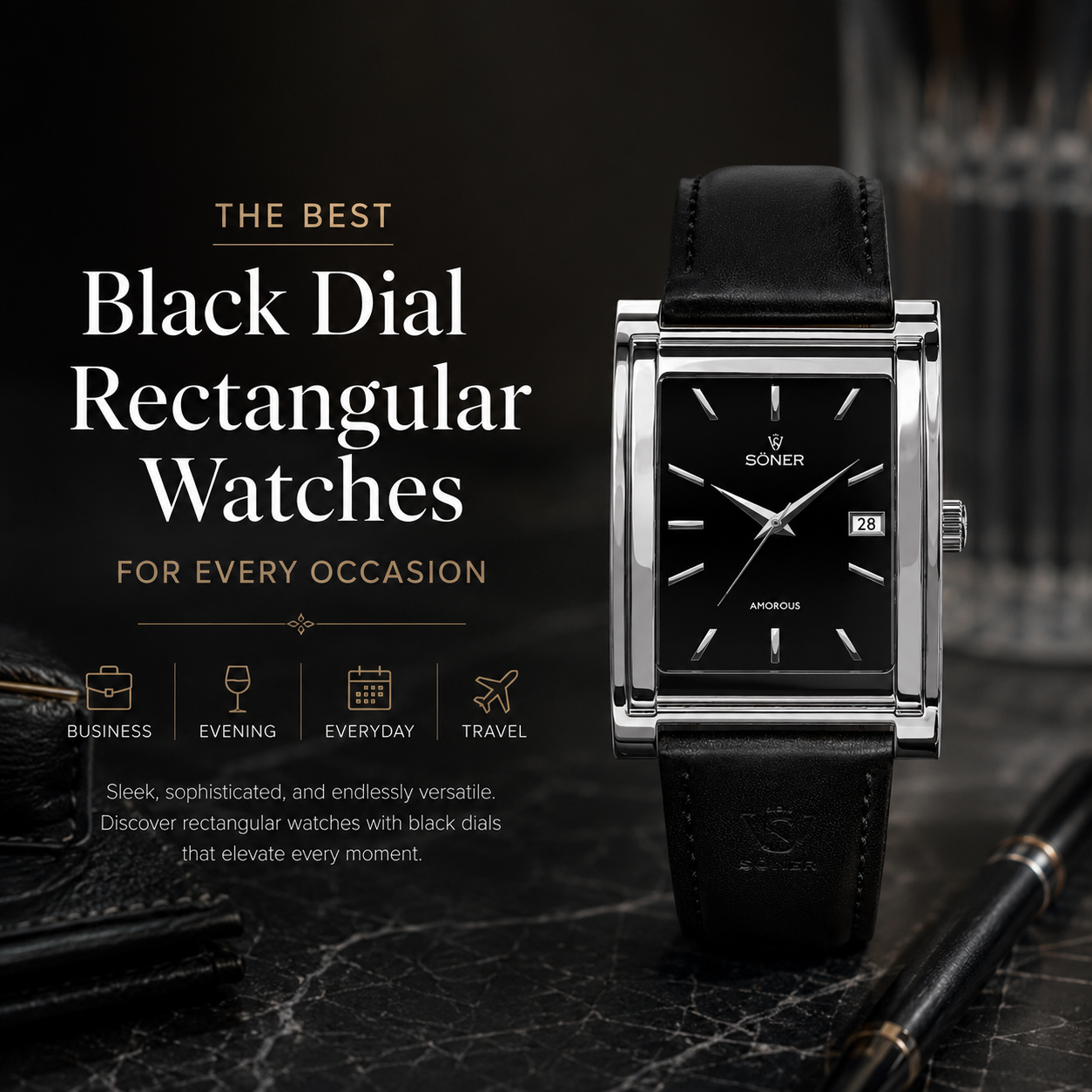
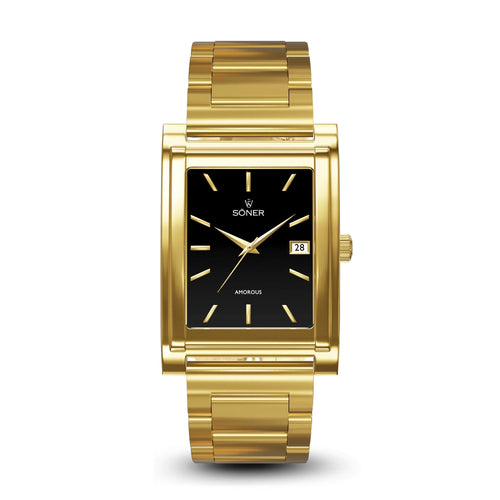
Söner Amorous - Sellita SW100A automático suizo en una caja rectangular
Los movimientos suizos llevan el peso de más de un siglo estableciendo estándares en la relojería. Los dos nombres más importantes en los niveles accesibles y medios son ETA y Sellita, que entre ambos suministran una gran parte de los calibres mecánicos y de cuarzo de la industria. Son conocidos por su ingeniería precisa, acabado cuidadoso y larga vida útil, y llevan el prestigio que acompaña a las palabras "Swiss Made" en la esfera.
En Söner, las piezas más elegantes usan movimientos suizos por exactamente estas razones. El Nostalgia funciona con un cuarzo suizo ETA 901.001 con batería de once años, un movimiento elegido porque es delgado, preciso y casi libre de mantenimiento, lo que se adapta a un reloj de vestir delgado. El Amorous funciona con un automático suizo Sellita SW100A, un calibre compacto de cuerda automática con 25 rubíes, una frecuencia de 28.800 vph y una reserva de marcha de 42 horas, diseñado para encajar en la caja rectangular sin hacerla gruesa. Para un comprador que valora la herencia y el carácter mecánico de un automático suizo, esta es la opción.
Movimientos japoneses en un reloj rectangular

Söner Momentum - automático japonés Miyota 9039, con solo 3,9 mm de grosor
Los movimientos japoneses, en las últimas décadas, han cerrado e incluso en algunos casos superado la brecha de fiabilidad con Suiza. Miyota (propiedad de Citizen) y Seiko son los nombres dominantes, y se valoran por su robustez, facilidad de mantenimiento y excelente relación calidad-precio. Mientras que los movimientos suizos se apoyan en el acabado y el prestigio, los movimientos japoneses se basan en un rendimiento consistente y duradero y en una ingeniería inteligente: el Spring Drive de Seiko, que combina mecánico y cuarzo, es uno de los movimientos más ingeniosos fabricados en cualquier lugar.
Para un reloj rectangular, la ventaja japonesa suele ser física: la delgadez. El Miyota 9039 que impulsa el Söner Momentum tiene solo 3,9 mm de grosor, funciona a 28.800 vph con 24 rubíes y una reserva de 42 horas, permite detener el segundero para un ajuste preciso y está calibrado de fábrica para −10/+30 segundos por día. Ese perfil delgado es exactamente lo que permite que un automático rectangular se mantenga elegante en lugar de voluminoso. El Legacy utiliza un cuarzo japonés Miyota por la misma razón en el nivel de entrada: confiable, preciso y delgado. Para el uso diario y el valor, la opción japonesa es la ruta.
Cómo Söner elige entre ellos
Porque Söner fabrica con ambos, la elección se hace modelo por modelo en lugar de por lealtad a un solo país. La lógica es simple: los movimientos suizos se utilizan en las piezas donde la herencia y el carácter mecánico importan más: el Nostalgia orientado al vestir y el automático Amorous. Los movimientos japoneses se usan en las piezas donde la robustez diaria, la delgadez y el valor importan más: el Legacy y el más deportivo y resistente al agua Momentum.
Esta es la parte de la pregunta que las comparaciones genéricas de movimientos no pueden responder, porque casi ninguna marca fabrica relojes rectangulares con ambos tipos. Ajustar un movimiento redondo en una caja rectangular estrecha es una verdadera limitación, y la respuesta correcta depende del reloj: un cuarzo suizo delgado para una pieza de vestir de 7 mm, un automático japonés compacto para un reloj robusto de uso diario. El movimiento se elige según la caja, no al revés.
Conclusión para un reloj rectangular No elijas por nacionalidad. Elige primero por tipo (cuarzo para precisión y delgadez, automático para carácter mecánico), luego por lo que valoras (suizo por tradición y acabado, japonés por valor y robustez), y asegúrate de que el calibre sea lo suficientemente compacto para una caja rectangular. Tanto los movimientos suizos como los japoneses hacen ese trabajo extremadamente bien, por eso Söner usa cada uno donde encaja mejor.
Preguntas Frecuentes
¿Cómo se comparan los movimientos suizos y japoneses en fiabilidad y precisión en relojes rectangulares?
Tanto los movimientos suizos como los japoneses son altamente fiables y precisos en relojes rectangulares; la diferencia está en el carácter, no en la capacidad. La precisión la determina el tipo de movimiento más que el país: un cuarzo de cualquier origen mantiene la hora con una desviación de unos ±15 segundos al mes, mientras que un automático mecánico de cualquier origen varía unos pocos segundos al día. Los movimientos suizos (ETA, Sellita) ofrecen tradición y acabado; los movimientos japoneses (Miyota, Seiko, Citizen) ofrecen robustez, fácil mantenimiento y valor, además de calibres muy delgados que se adaptan a cajas rectangulares delgadas.
¿Son los movimientos suizos más precisos que los japoneses?
No inherentemente. La precisión está determinada mucho más por si un movimiento es de cuarzo o mecánico que por su país de origen. Un cuarzo japonés y un cuarzo suizo son ambos precisos aproximadamente a ±15 segundos al mes; un automático japonés y un automático suizo funcionan con una desviación de pocos segundos al día. Los movimientos japoneses modernos son ampliamente considerados al nivel de los suizos en cuanto a fiabilidad y precisión.
¿Por qué la mayoría de los relojes rectangulares usan movimientos redondos?
Porque casi todos los movimientos de reloj están diseñados en forma redonda, ya que es la disposición más eficiente para un volante y un tren de engranajes. Un reloj rectangular aloja un movimiento redondo dentro de su caja, dejando espacio en las esquinas. Existen movimientos rectangulares (baguette) diseñados específicamente, pero son raros y costosos, y se encuentran en piezas como el Jaeger-LeCoultre Reverso. Para la mayoría de los relojes rectangulares, la clave es elegir un calibre redondo compacto y delgado que encaje perfectamente en la caja estrecha.
¿Qué movimientos usa Söner?
Söner usa ambos. El Nostalgia, orientado a vestir, lleva un cuarzo suizo ETA 901.001 con batería de 11 años, y el Amorous lleva un automático suizo Sellita SW100A. El Legacy de uso diario usa un cuarzo japonés Miyota, y el Momentum usa el automático japonés Miyota 9039, un calibre delgado de 3,9 mm. El movimiento se elige para adaptarse a cada caja rectangular en lugar de por lealtad a un país.
¿Es mejor un movimiento de cuarzo o automático para un reloj de vestir rectangular?
Para un reloj de vestir rectangular y delgado, el cuarzo tiene ventajas reales: es mucho más preciso (unos ±15 segundos al mes frente a segundos al día en automático), permite una caja más delgada y casi no requiere mantenimiento. Un automático ofrece carácter mecánico y el atractivo de un movimiento automático. Ambos funcionan bien en una caja rectangular; la elección depende de si priorizas la precisión y delgadez o la artesanía mecánica.
Profundiza más
- → Relojes rectangulares automáticos vs cuarzo - la comparación completa de tipos de movimiento
- → Las verdaderas desventajas de los relojes de cuarzo - una guía honesta para compradores
- → Ingeniería de relojes rectangulares - por qué es más difícil construir la caja rectangular
- → Söner: La única marca de relojes rectangulares del mundo - la marca y su gama completa
Veredicto final
En un reloj rectangular, los movimientos suizos y japoneses son ambos fiables y precisos; ninguno es "mejor" en términos absolutos. Decide primero por tipo: cuarzo para precisión y una caja delgada, automático para carácter mecánico. Luego decide según lo que valores: suizo (ETA, Sellita) por herencia y acabado, japonés (Miyota, Seiko, Citizen) por robustez y valor. Y asegúrate de que el calibre sea lo suficientemente compacto para adaptarse a la estrecha caja rectangular.
Söner es una de las pocas marcas que fabrica relojes rectangulares con ambos tipos de movimientos, eligiendo cada uno donde mejor encaja, por lo que la respuesta honesta no es suizo o japonés, sino el movimiento adecuado para el reloj adecuado.
SÖNER rectangular watches
Free worldwide shipping · 10-year warranty · 30-day returns
Our pick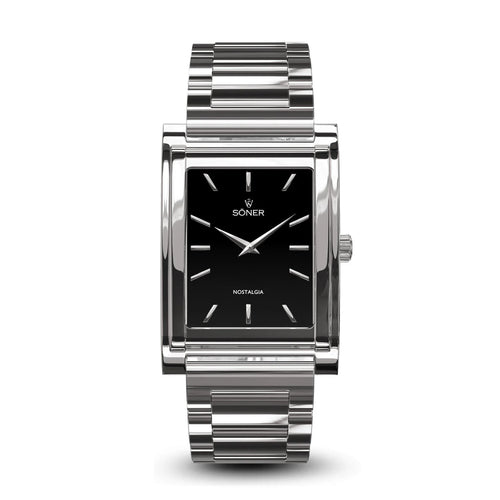 Nostalgia StockholmBatería de 11 años€525,95 EUR
View watch
Nostalgia StockholmBatería de 11 años€525,95 EUR
View watch
 Amorous MilanoAutomático€711,95 EUR
View watch
Amorous MilanoAutomático€711,95 EUR
View watch
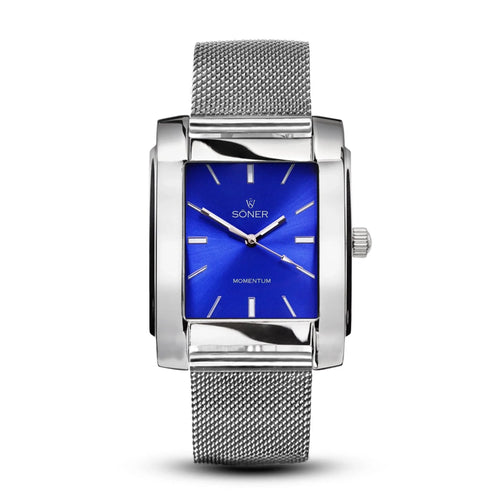 Momentum BacardiAutomático€530,95 EUR
View watch
Momentum BacardiAutomático€530,95 EUR
View watch
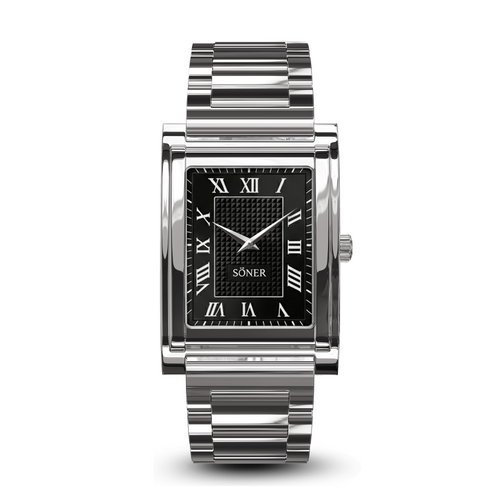 Nostalgia CaesarBatería de 11 años€693,95 EUR
View watch
Nostalgia CaesarBatería de 11 años€693,95 EUR
View watch
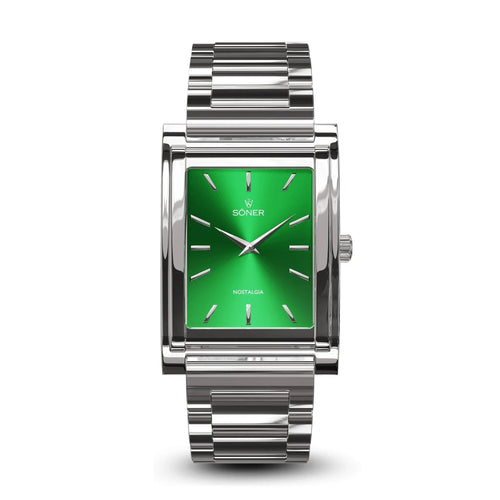 Nostalgia New YorkBatería de 11 años€525,95 EUR
View watch
Nostalgia New YorkBatería de 11 años€525,95 EUR
View watch
View all watches
 Nostalgia StockholmBatería de 11 años€525,95 EUR
View watch
Nostalgia StockholmBatería de 11 años€525,95 EUR
View watch
 Amorous MilanoAutomático€711,95 EUR
View watch
Amorous MilanoAutomático€711,95 EUR
View watch
 Momentum BacardiAutomático€530,95 EUR
View watch
Momentum BacardiAutomático€530,95 EUR
View watch
 Nostalgia CaesarBatería de 11 años€693,95 EUR
View watch
Nostalgia CaesarBatería de 11 años€693,95 EUR
View watch
 Nostalgia New YorkBatería de 11 años€525,95 EUR
View watch
Nostalgia New YorkBatería de 11 años€525,95 EUR
View watch