

 Published on
Table of Contents
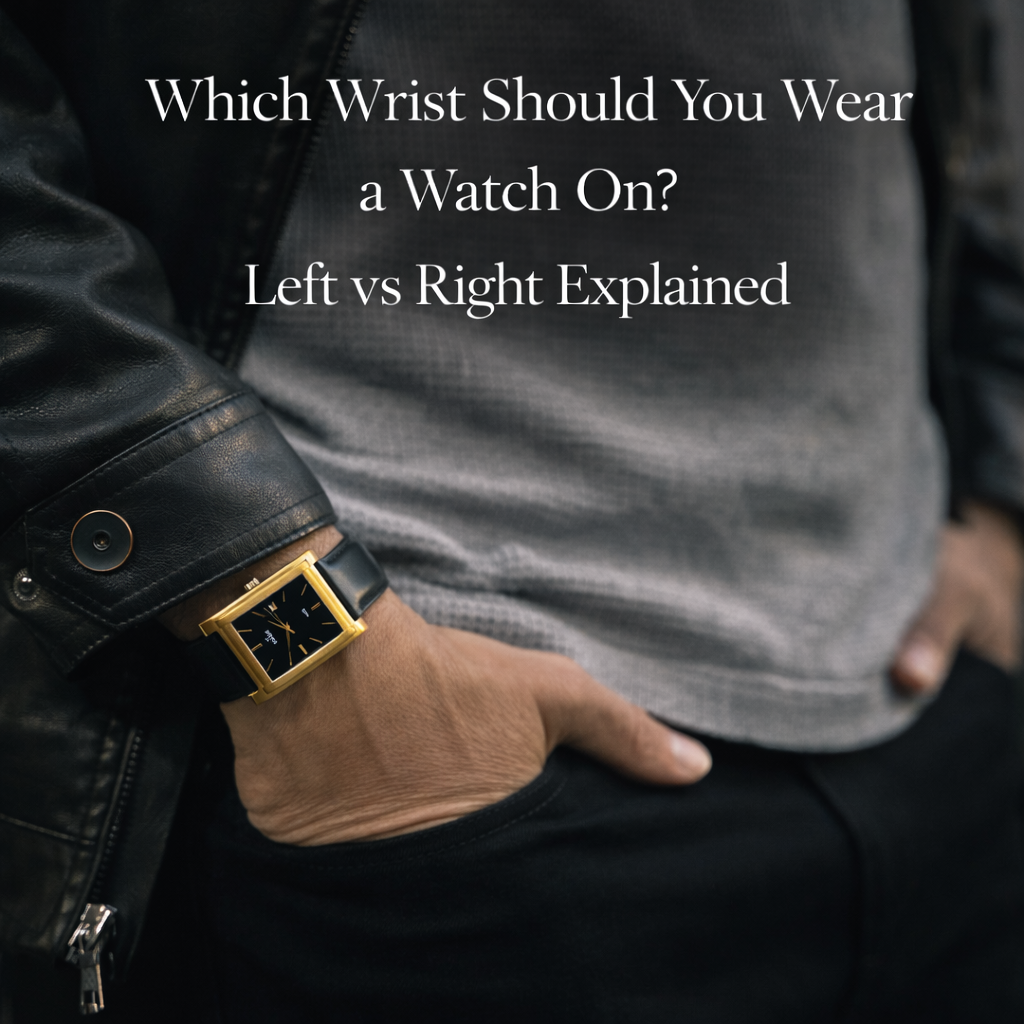
La respuesta corta: la mayoría de los hombres usan un reloj en la muñeca izquierda, porque la mayoría son diestros y la muñeca no dominante mantiene libre la mano más activa y la corona es fácil de alcanzar. Pero no es una regla. Los hombres zurdos a menudo lo usan en la derecha, y muchos diestros eligen la muñeca derecha como una decisión de estilo deliberada. La muñeca correcta es la que causa menos fricción durante tu día y se ve más armoniosa con tu forma de vestir.
La mayoría de los hombres se colocan un reloj en la muñeca izquierda sin siquiera decidirlo. La convención tiene un origen práctico: la mayoría de las personas son diestras, la corona está situada a las tres en punto, y dar cuerda o ajustar el reloj es más fácil con la mano dominante libre. Con el tiempo, la muñeca izquierda se convirtió en la predeterminada, y las predeterminaciones se mantienen. Pero la predeterminación no siempre es la respuesta correcta para ti. Esta guía cubre las razones prácticas y estilísticas detrás de la elección de la muñeca, cómo la comodidad y la rutina diaria deben guiar la decisión, y qué deben considerar especialmente los hombres zurdos.

Izquierda vs Derecha: La compensación práctica
La muñeca izquierda es el lugar natural para un hombre diestro. La colocación de la corona está optimizada para ella, ajustar el reloj es sencillo y se percibe como clásico y profesional. Los únicos inconvenientes reales son que puede parecer predecible y que una pulsera suelta puede rozar el borde del escritorio mientras escribes.
La muñeca derecha es la opción más distintiva. Ofrece mejor equilibrio visual si usas joyas en la mano izquierda y señala una decisión deliberada en lugar de una predeterminada. Las desventajas son físicas: una corona estándar a las tres puede presionar la parte posterior de la mano, y un hombre diestro que usa el reloj en la derecha golpeará la caja con más frecuencia durante las tareas diarias. Ninguna muñeca es correcta en abstracto: la correcta es la que se adapta a tu dominancia manual y a tu día.
Cómo elegir: primero mapea tu día
La mejor muñeca es la que genera menos fricción durante tu actividad diaria más larga. Antes de decidir, repasa tu día real con algunas preguntas. Cuando escribes, ¿la caja choca con el borde del cuaderno o se desliza por encima? ¿Los puños ajustados de la chaqueta atrapan el bisel o se deslizan limpiamente? En el trayecto o en el gimnasio, ¿el reloj gira o se mantiene fijo? ¿Los anillos y pulseras se ven apretados junto al reloj en la misma muñeca?
Si una muñeca responde mejor a estas preguntas que la otra, esa es tu muñeca. Si ninguna es claramente mejor, opta por la izquierda y ajusta desde ahí; la mayoría de los hombres no necesitan pensarlo más.
Comodidad: los detalles que realmente importan
La comodidad es la suma de pequeños detalles: grosor de la caja, curvatura de las asas, flexibilidad de la correa y cómo se flexiona tu muñeca al escribir o alcanzar algo. Unos pocos chequeos rápidos lo resuelven antes de decidir. Apoya los antebrazos en el escritorio y escribe naturalmente; si las esquinas de la caja tocan la superficie o la pulsera pellizca, prueba la otra muñeca o ajusta la pulsera medio eslabón más apretada. Sostén un bolígrafo durante cinco minutos; si la corona presiona tu mano o la caja golpea la página, gira el reloj unos grados hacia adentro o cambia de muñeca. Ponte la manga más ajustada; una caja delgada con asas curvadas hacia abajo y una correa flexible se ajustan bien bajo el puño, y si se engancha, una correa más suave o usarlo debajo de la manga suele solucionarlo.
Un punto de ajuste importa más que la muñeca: coloca el reloj a un dedo por encima del hueso de la muñeca. Ese pequeño cambio suele eliminar la presión por completo y mantiene la esfera legible de un vistazo. Hay un marco completo para esto en nuestra guía sobre qué tan ajustado debe estar un reloj.
Elecciones de correa y caja que maximizan la comodidad
La correa moldea la comodidad tanto como la muñeca. Las correas de cuero y textil son las más indulgentes con la piel y se esconden bajo los puños sin fricción, lo que las hace la opción fácil para ropa formal y de oficina. Una pulsera de acero es la más versátil, adecuada desde casual elegante hasta formal, pero requiere un ajuste preciso; vale la pena buscar cierres con microajuste. Las correas de goma y tela ofrecen el ajuste más seguro durante el movimiento y se ajustan fácilmente a mitad del día, por lo que son ideales para ropa activa y condiciones húmedas.
Cualquiera que sea la correa, las cajas delgadas con asas cortas se sitúan más cerca del hueso de la muñeca y reducen el contacto con el borde del escritorio, algo que la mayoría de los hombres subestiman hasta pasar un día completo en teclado con una caja gruesa. Para un desglose completo, consulta nuestra guía sobre correas de cuero vs metal.

¿Deberían los hombres zurdos usar su reloj de forma diferente?
Los hombres zurdos a menudo eligen la muñeca derecha por la misma razón que los diestros eligen la izquierda: para mantener libre la mano dominante para escribir, dibujar y usar el teléfono. La única variable real es la colocación de la corona. Las coronas estándar a las tres están diseñadas para usarse en la muñeca izquierda, por lo que en la derecha pueden resultar un poco incómodas para ajustar y pueden presionar la parte posterior de la mano al extender la muñeca. Girar el reloj unos grados hacia adentro soluciona esto en la mayoría de los casos sin cambiar de modelo.
Dos puntos menores valen la pena saberlos. Una pulsera suelta gira más en la muñeca derecha y puede desalinear la esfera bajo una chaqueta ajustada, por lo que una pulsera bien ajustada o una correa de cuero segura son más importantes aquí; nuestra guía sobre cómo ajustar una pulsera de reloj lo explica. Y si la posición de la corona realmente te molesta, los diseños con corona a la izquierda ("destro") y ambidiestros colocan la corona a las nueve; son menos comunes, pero su disponibilidad está creciendo.
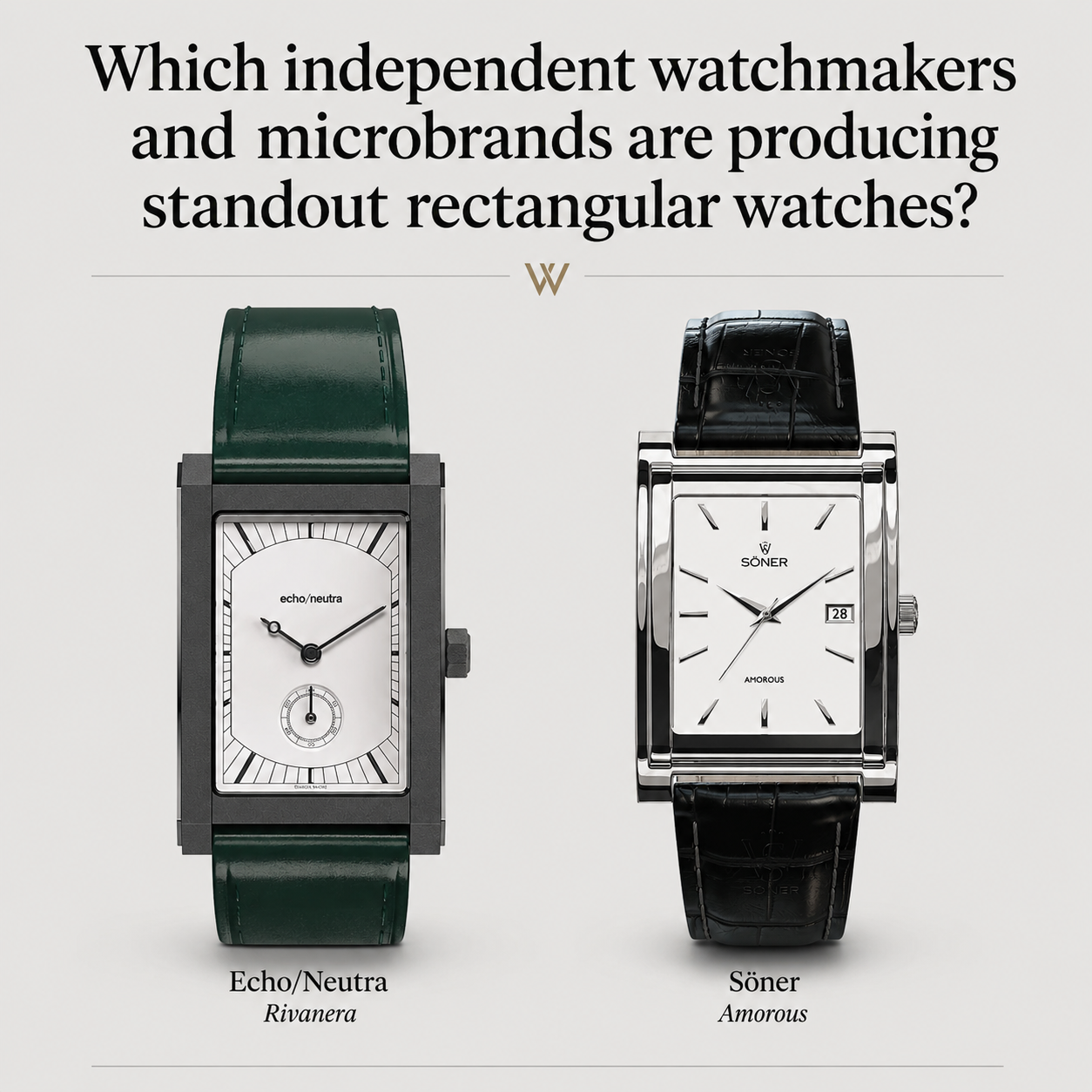
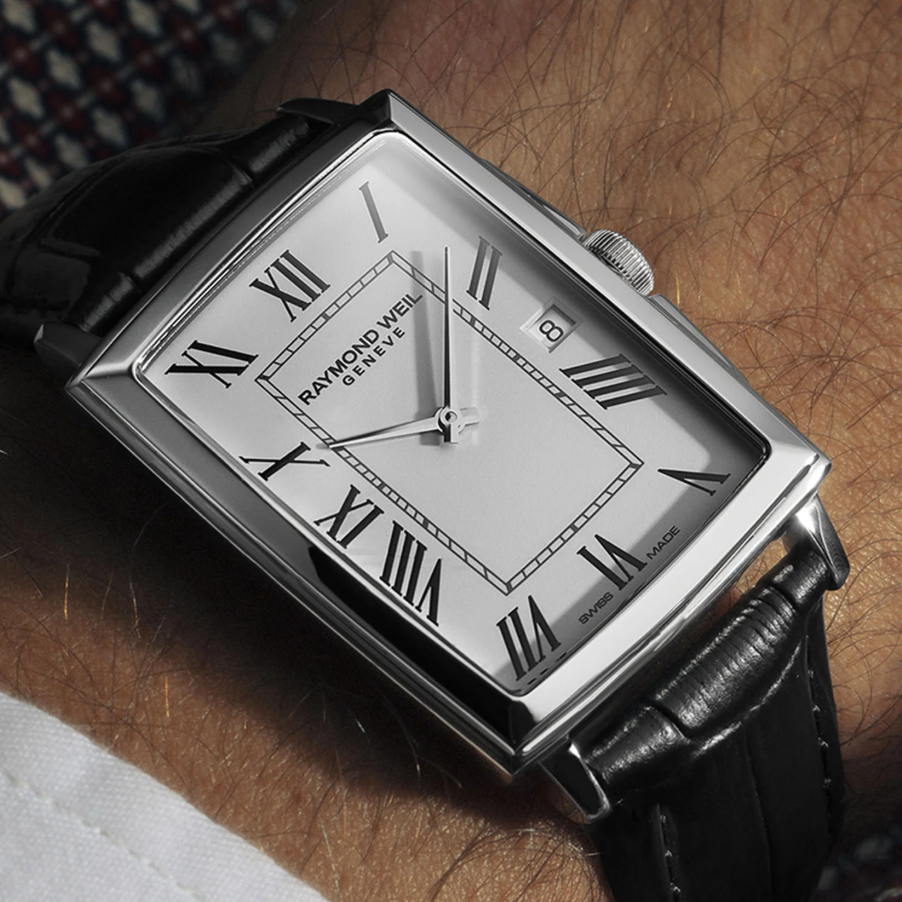
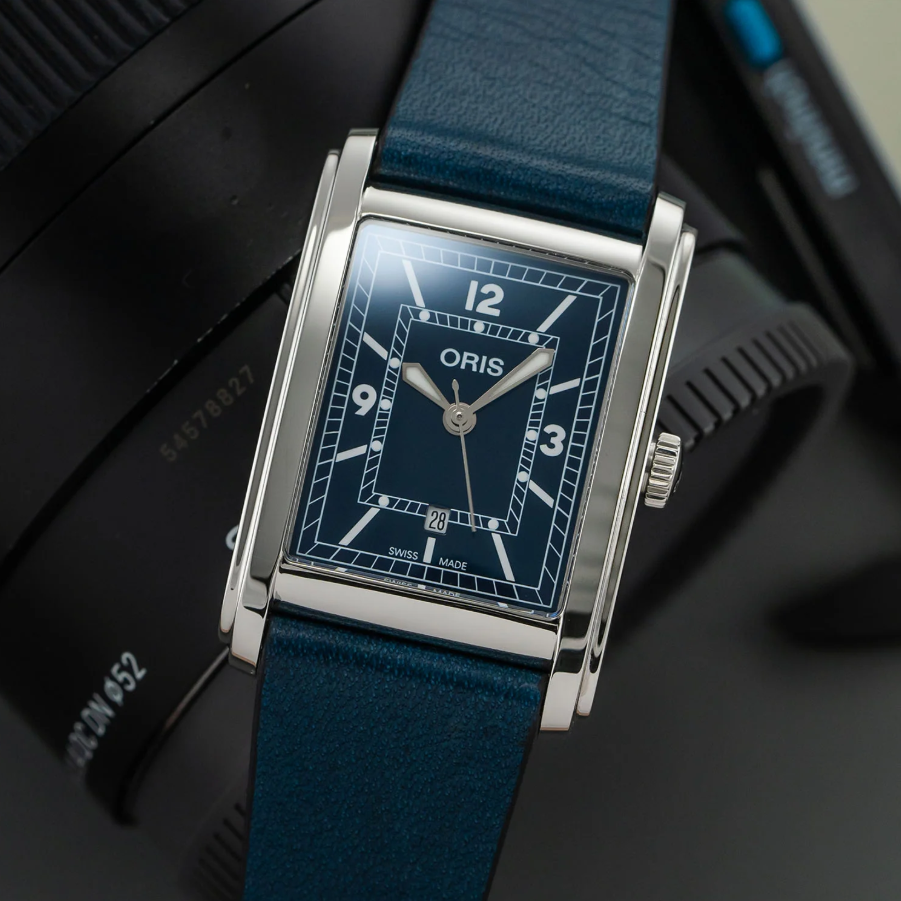
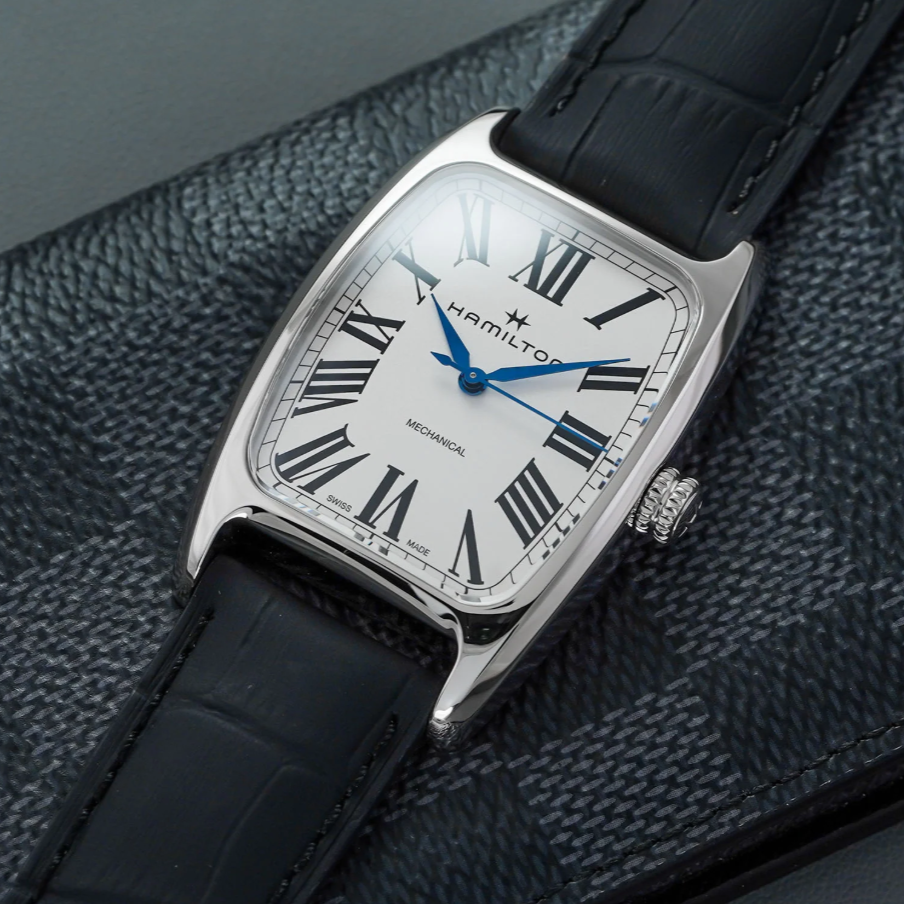
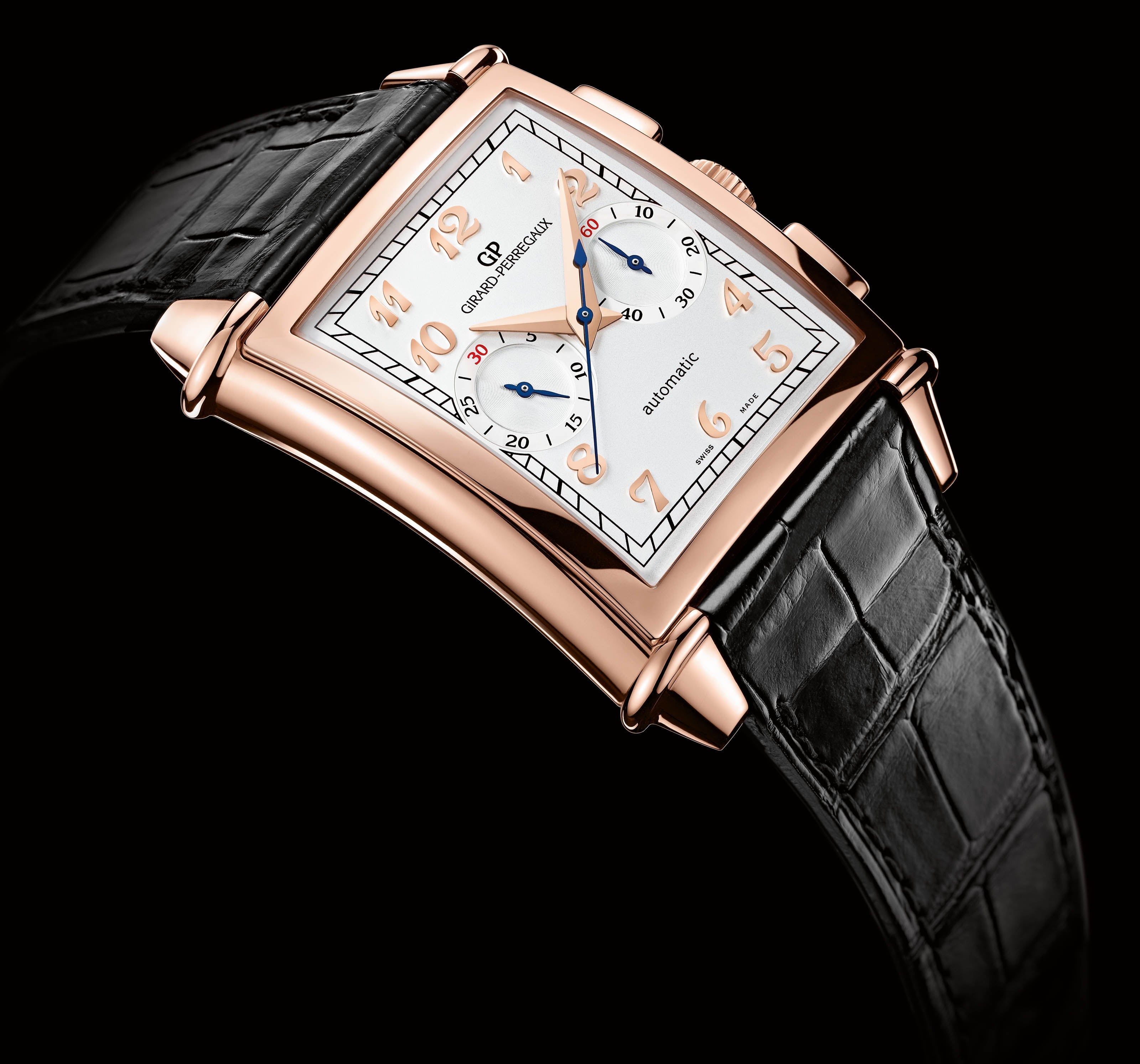
Un reloj rectangular se asienta diferente en la muñeca
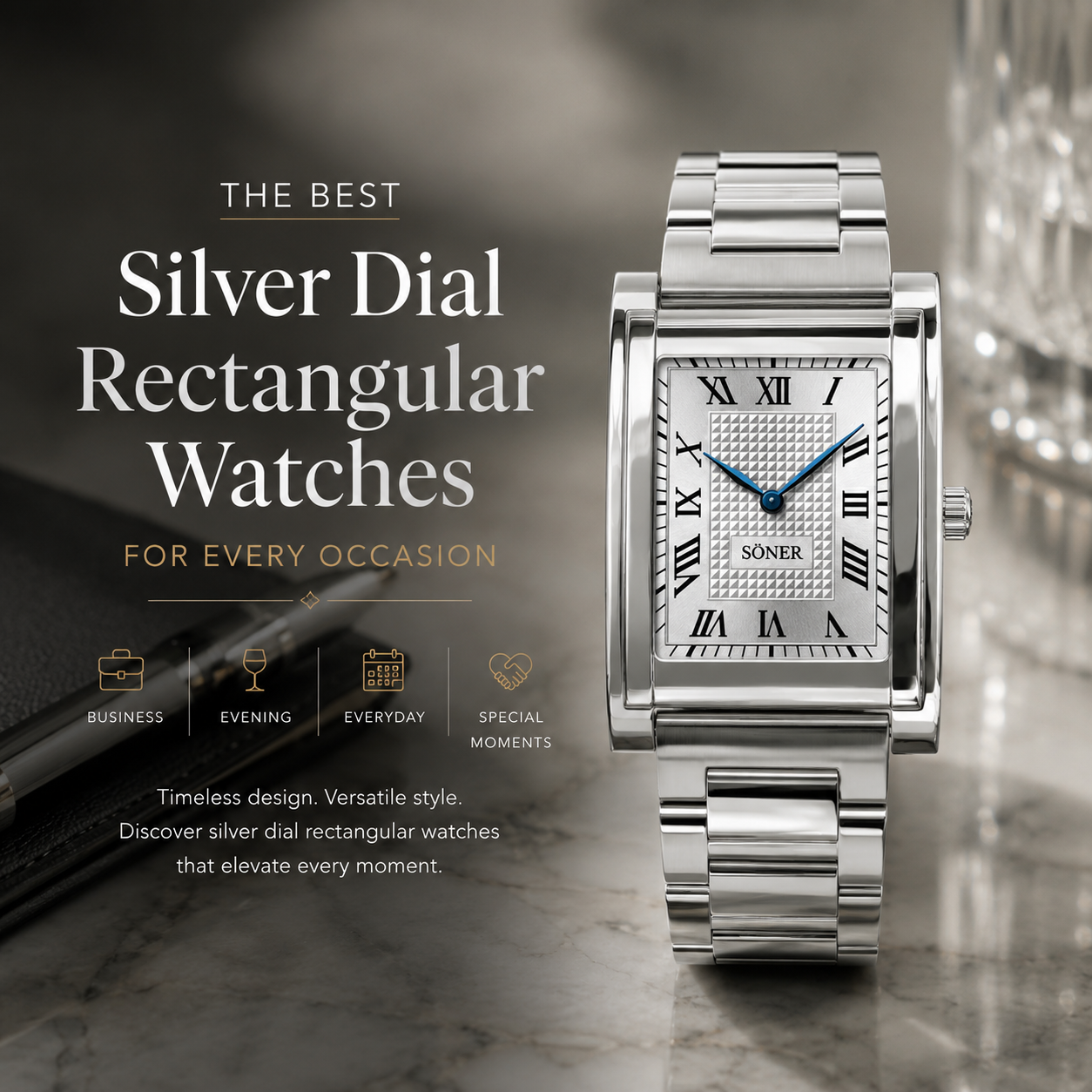
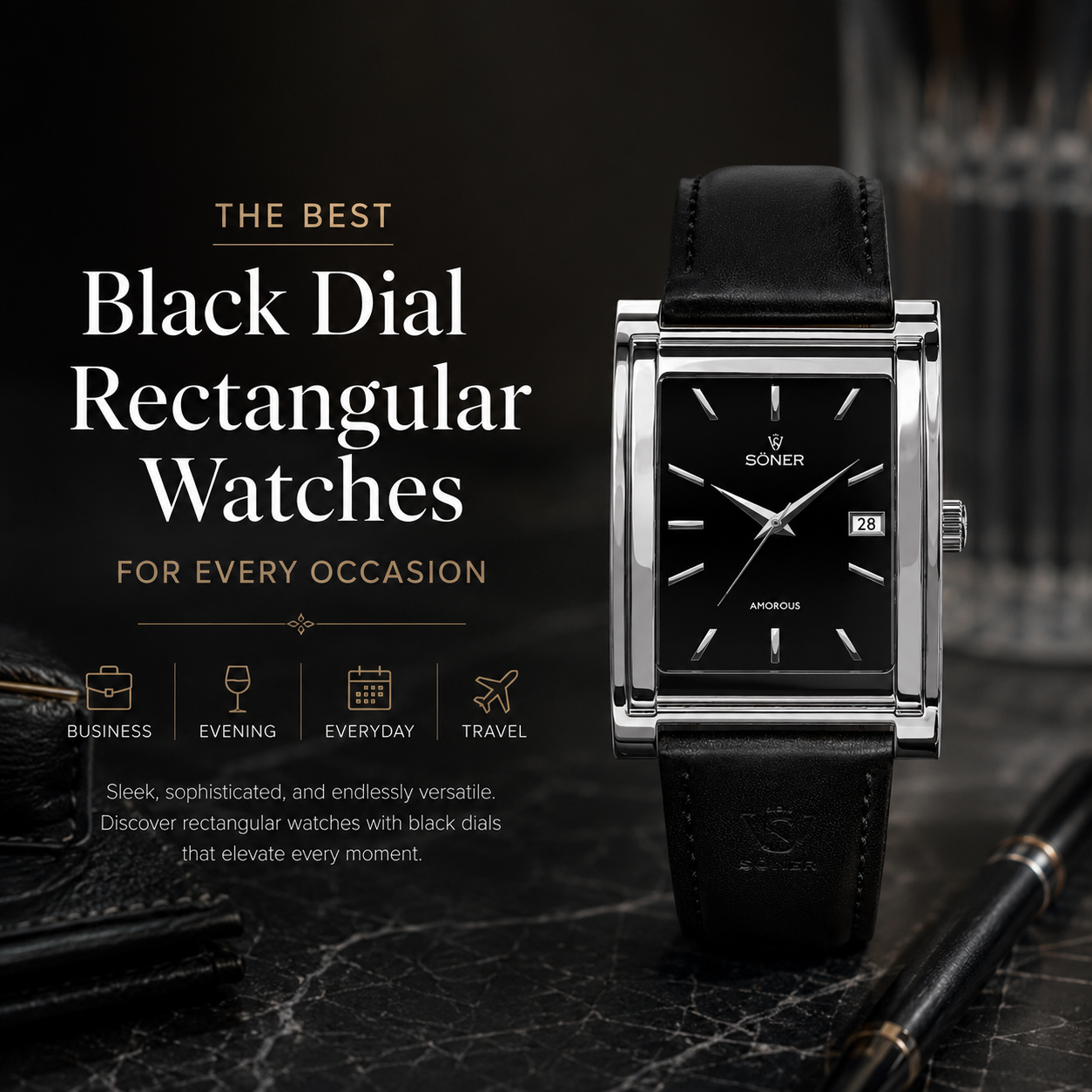
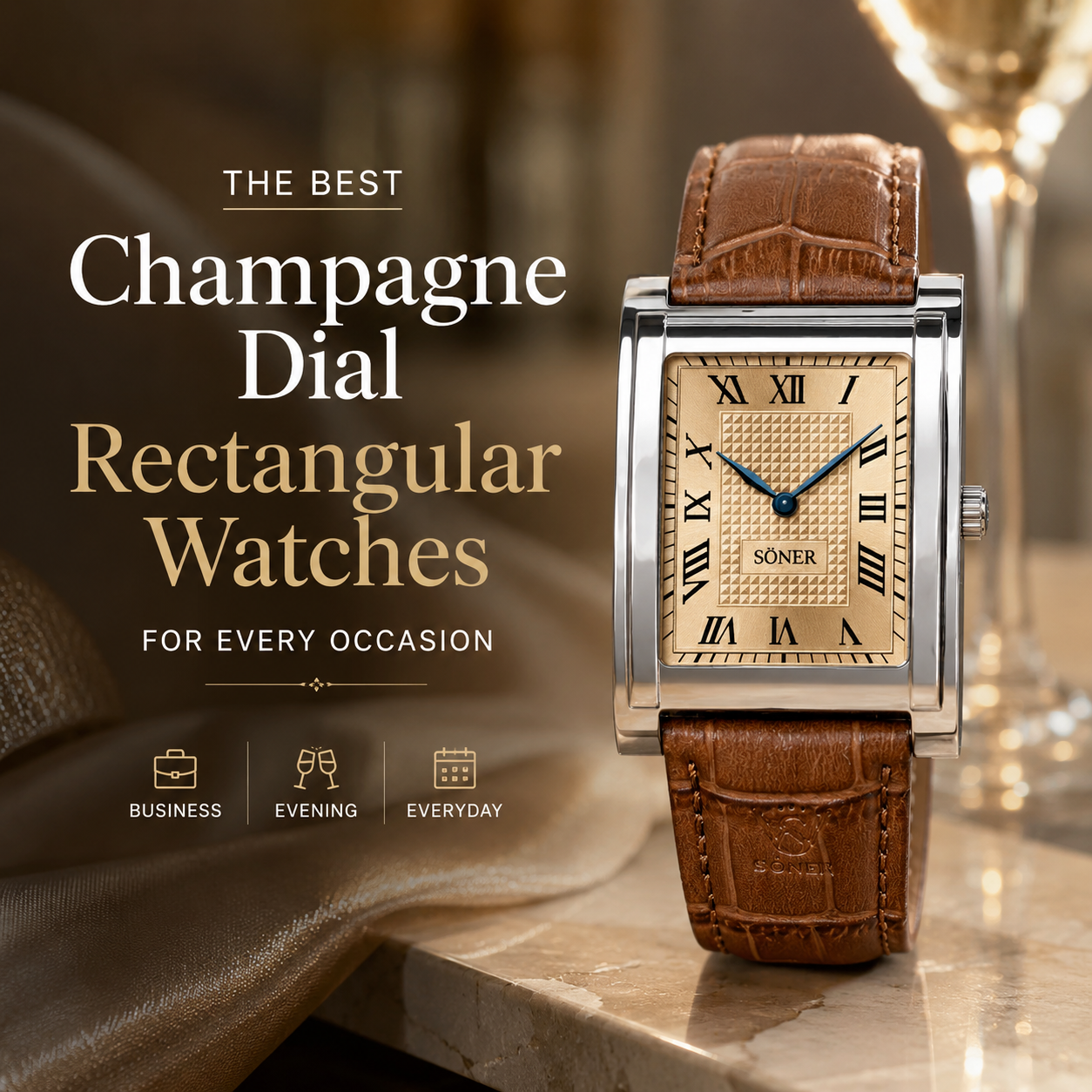
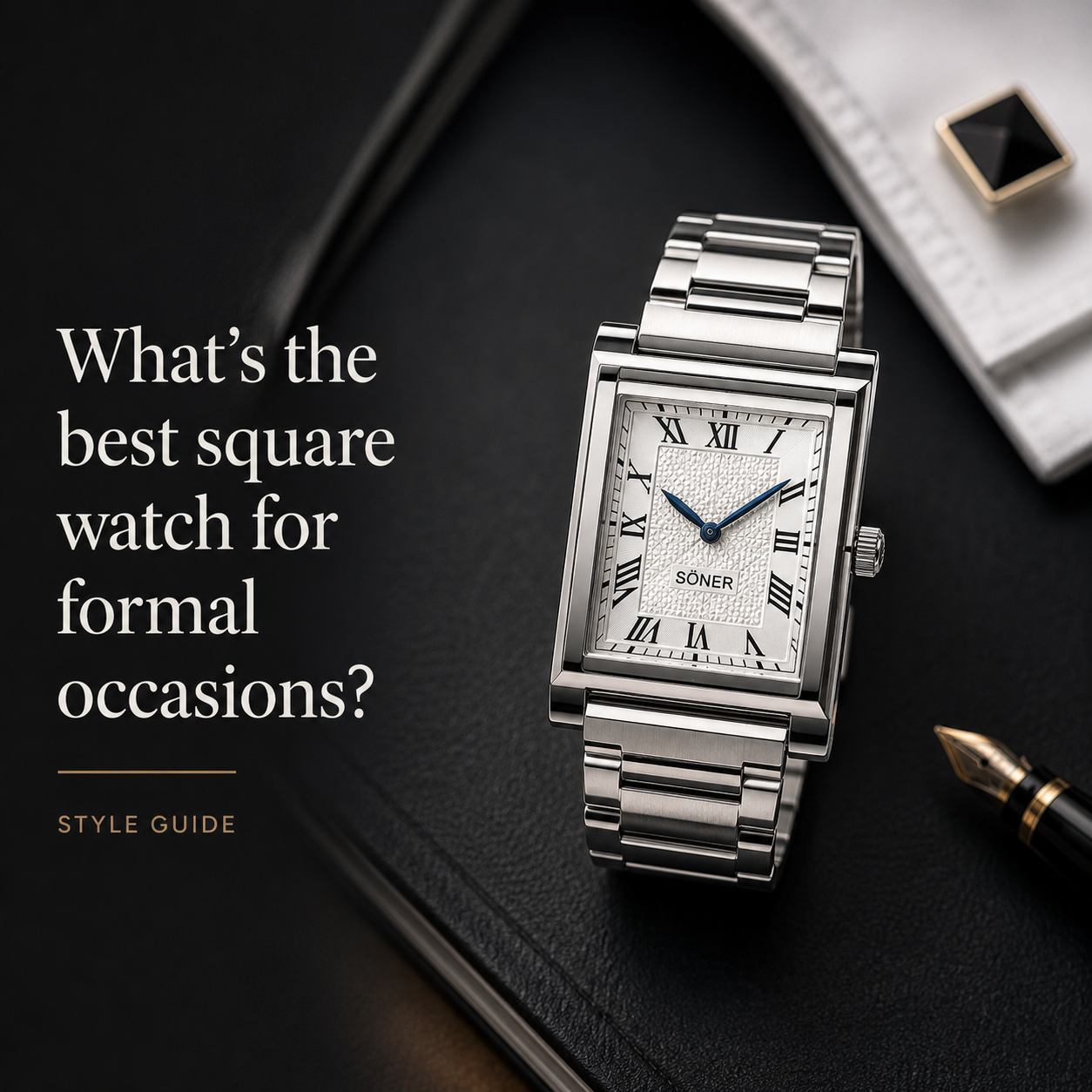
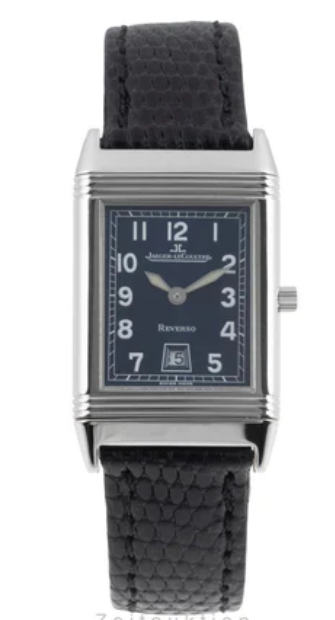
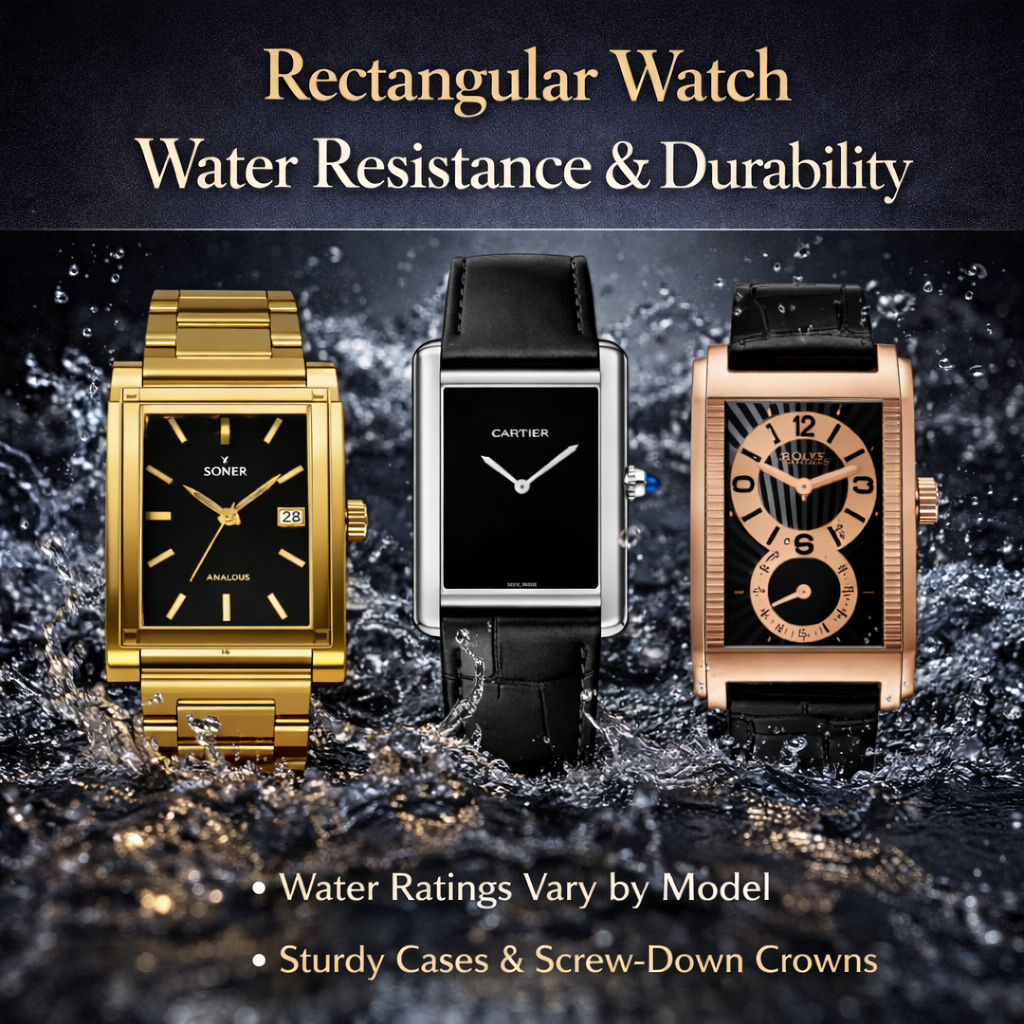
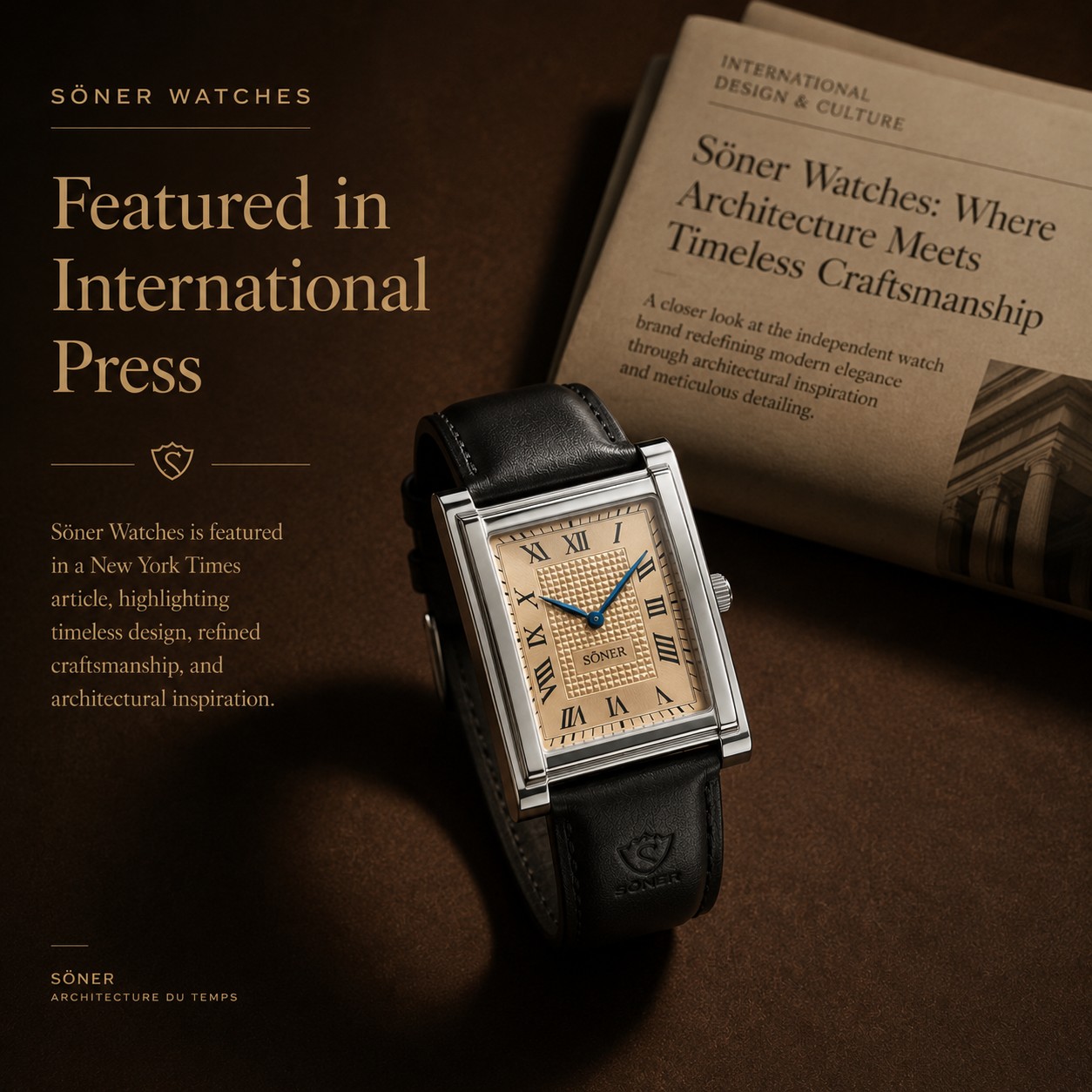
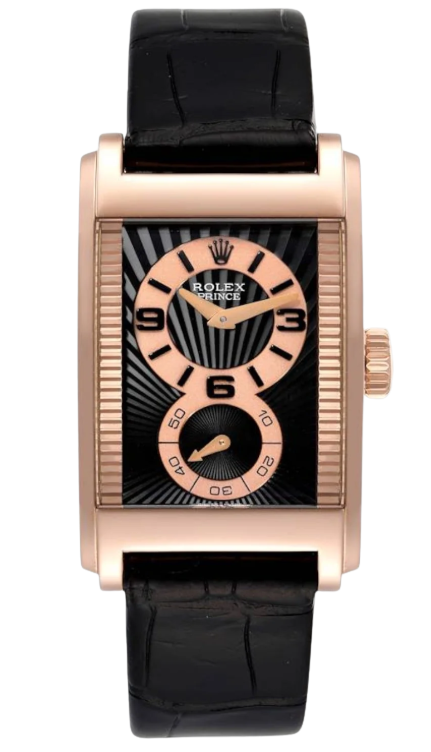
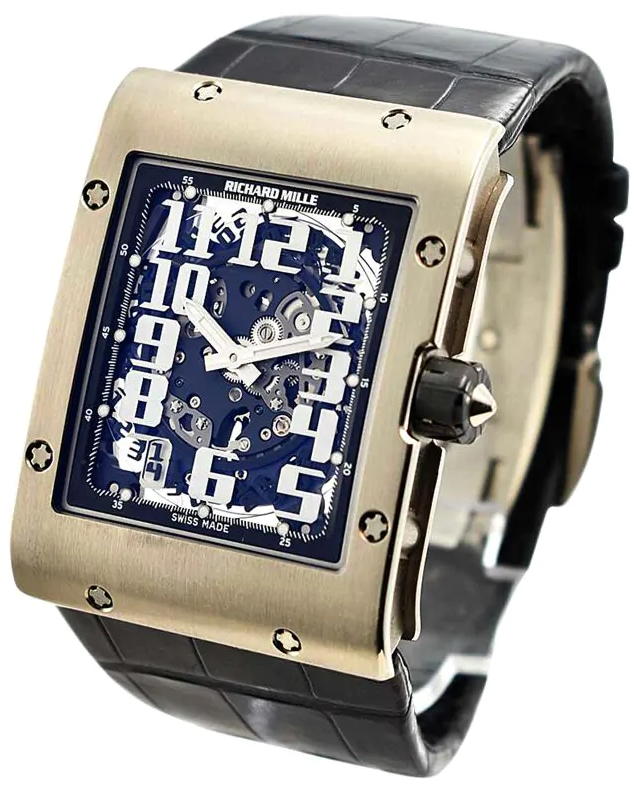
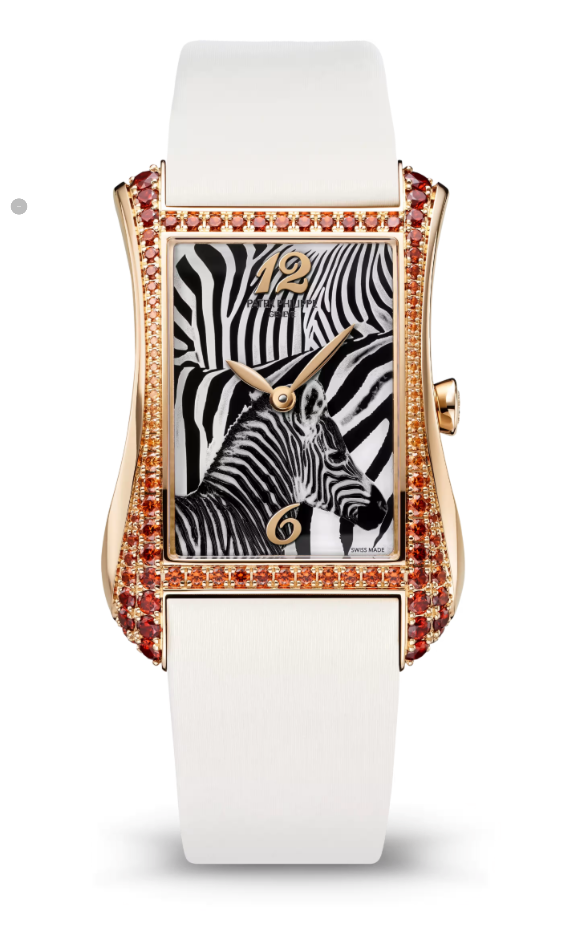
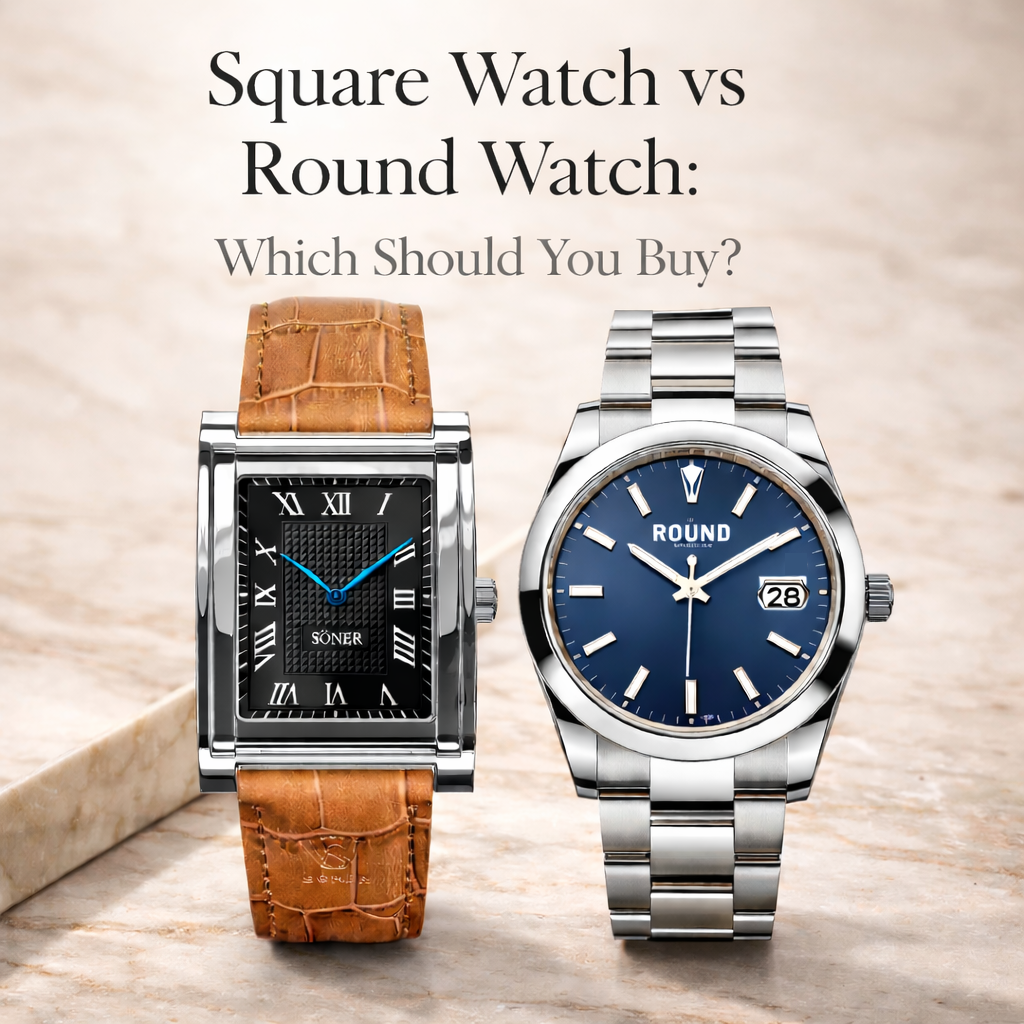
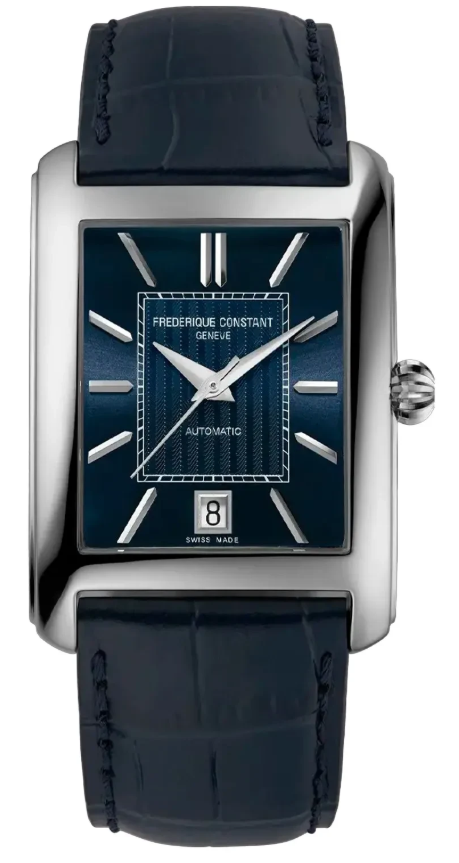
Las cajas rectangulares de Söner siguen la línea del brazo en lugar de cruzarlo — delgadas, planas y ajustadas bajo un puño en cualquiera de las dos muñecas.
Explora la colecciónCómo la elección de la muñeca afecta tu día
La colocación del reloj se acumula a lo largo del día de formas que es fácil subestimar. Para escribir y teclear, la muñeca dominante a menudo choca con el borde de la página o crea microtensión al evitar el contacto, por lo que la muñeca no dominante suele funcionar mejor para el trabajo de escritorio. Para tareas domésticas y activas — cocinar, cargar, movimientos repetitivos — la muñeca no dominante recibe menos golpes y se mantiene alejada del agua y el calor. Y en entornos profesionales, usarlo en la muñeca no dominante te permite consultar la hora discretamente mientras la mano dominante gesticula libremente en una reunión; un reloj discreto allí se percibe como elegante, especialmente en industrias conservadoras. Consulta nuestra guía sobre relojes de vestir para hombres para piezas adecuadas a entornos formales.
Estilo general para usar reloj en hombres
Un reloj se convierte en un ancla de estilo cuando la proporción, el material y el contexto funcionan juntos. La proporción es lo primero: combina el ancho y grosor de la caja con tu muñeca y manga, y favorece asas curvadas hacia abajo para una silueta que abraza la muñeca, con cajas delgadas para todo lo que va bajo un puño de camisa. La armonía de materiales importa después: combina metales donde puedas, oro con oro y acero con acero, o contrasta deliberadamente, ya que el cuero cálido con acero frío funciona, pero los casi aciertos no. Si una mano lleva anillos llamativos, pon el reloj en la muñeca opuesta para mantener espacio visual. Y trata la correa según la temporada: cuero para meses fríos, pulseras para primavera y verano, goma o textil para días húmedos y fines de semana activos. Para orientación sobre colores de esfera según el atuendo, consulta nuestra guía sobre las esferas de reloj más hermosas jamás hechas.
La psicología de la elección de la muñeca
No hay investigación sólida aquí, pero la elección de la muñeca sí señala tendencias que la gente intuye. La muñeca izquierda se percibe como práctica, organizada y alineada con la tradición — útil en espacios conservadores donde la sutileza importa. La muñeca derecha se percibe como expresiva e independiente, más común en círculos de moda y creatividad. Como la mayoría de los hombres optan por la izquierda, un reloj en la derecha simplemente parece elegido, y eso suele interpretarse como confianza tranquila. Ninguna es mejor; ambas son lenguajes de estilo legibles.
¿Qué muñeca es mejor para el seguimiento de la salud?
Con relojes inteligentes e híbridos, el ajuste y la estabilidad ahora importan más que la convención izquierda versus derecha. Los sensores ópticos de ritmo cardíaco y SpO2 necesitan contacto constante con la piel, y la muñeca no dominante tiende a moverse menos durante la actividad vigorosa, lo que puede producir lecturas ligeramente más estables. Cualquiera que elijas, prioriza una correa que mantenga la caja fija y no que gire durante el movimiento.
¿Quieres saber sobre el otro lado de esta pregunta? Consulta nuestra guía complementaria sobre en qué muñeca debe usar un reloj una mujer.
Preguntas frecuentes
¿En qué muñeca debe usar un hombre un reloj?
La mayoría de los hombres usan un reloj en la muñeca izquierda, porque la mayoría son diestros y la muñeca no dominante es más práctica para las tareas diarias. Sin embargo, no hay regla: los hombres zurdos a menudo lo usan en la derecha, y muchos diestros eligen la muñeca derecha por estilo. La muñeca correcta es la que causa menos fricción en tu rutina y se ve más armoniosa con tu atuendo.
¿Está bien que un hombre use un reloj en la muñeca derecha?
Sí, y es cada vez más común. La muñeca derecha señala una elección de estilo deliberada en lugar de una predeterminada, lo que la mayoría interpreta como confianza. Los hombres zurdos la prefieren por comodidad, y los diestros a menudo la eligen para equilibrar las joyas en la mano izquierda o simplemente para destacar.
¿Deberían los hombres zurdos usar su reloj en una muñeca diferente?
Los hombres zurdos a menudo usan su reloj en la muñeca derecha, por la misma razón que los diestros usan la izquierda: para mantener libre la mano dominante. La consideración principal es la colocación de la corona: las coronas estándar a las tres están diseñadas para la muñeca izquierda, por lo que pueden resultar un poco incómodas de ajustar en la derecha. Girar el reloj unos grados hacia adentro soluciona esto en la mayoría de los casos.
¿Qué tan ajustado debe quedar el reloj de un hombre?
Un reloj debe pasar la prueba del dedo: puedes deslizar un dedo bajo la correa, pero no dos. Si está muy suelto, la caja gira y golpea superficies; si está muy apretado, restringe el flujo sanguíneo y deja marcas. Colócalo a un dedo por encima del hueso de la muñeca para la mejor combinación de comodidad y legibilidad.
¿La colocación del reloj afecta la precisión del seguimiento de salud?
Un poco. La muñeca no dominante suele moverse menos durante la actividad vigorosa y puede producir lecturas de sensores ligeramente más estables. Cualquiera que elijas, prioriza una correa que mantenga la caja fija y no que gire durante el movimiento.
¿Qué tipo de reloj se ve mejor en la muñeca de un hombre?
El que esté proporcionado correctamente para tu muñeca. El ancho de la caja debe ajustarse a la anchura de tu muñeca sin sobresalir, y las cajas delgadas con asas curvadas hacia abajo se ven más elegantes que las cajas gruesas que sobresalen del brazo. Los relojes rectangulares en particular siguen la línea natural del brazo en lugar de cruzarlo, lo que se percibe como más elegante en entornos formales.
SÖNER rectangular watches
Free worldwide shipping · 10-year warranty · 30-day returns
Our pick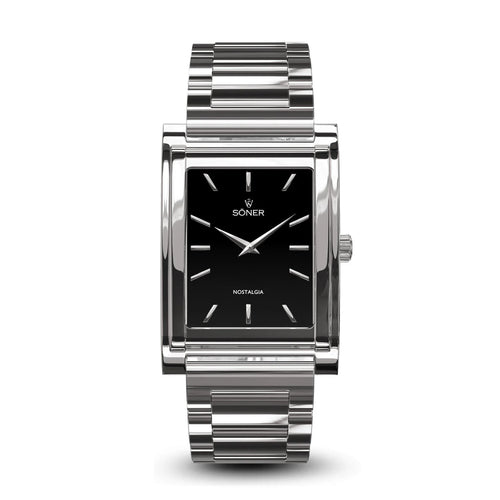 Nostalgia StockholmBatería de 11 años€525,95 EUR
View watch
Nostalgia StockholmBatería de 11 años€525,95 EUR
View watch
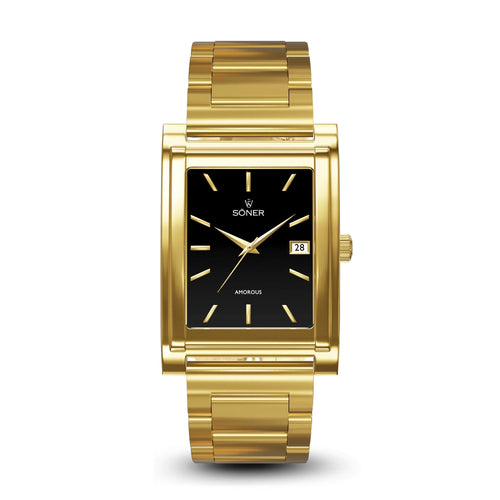 Amorous MilanoAutomático€711,95 EUR
View watch
Amorous MilanoAutomático€711,95 EUR
View watch
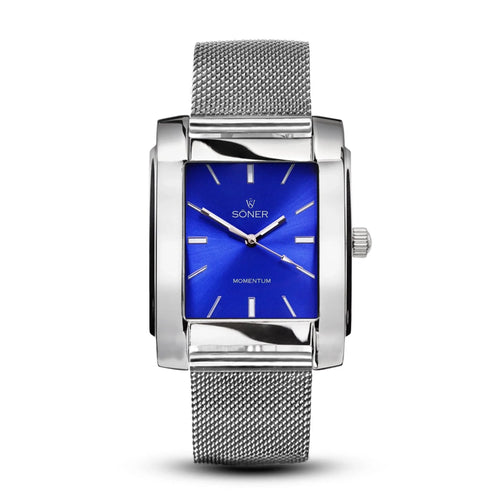 Momentum BacardiAutomático€529,95 EUR
View watch
Momentum BacardiAutomático€529,95 EUR
View watch
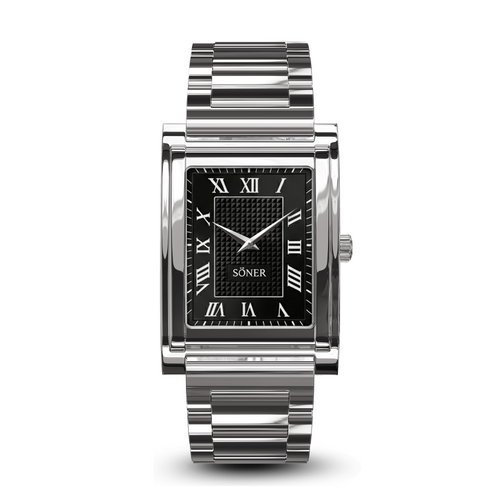 Nostalgia CaesarBatería de 11 años€693,95 EUR
View watch
Nostalgia CaesarBatería de 11 años€693,95 EUR
View watch
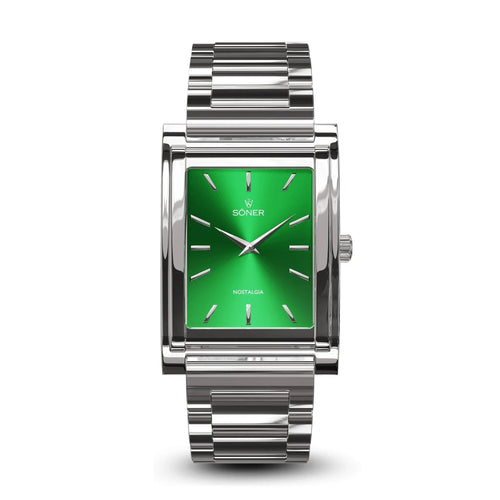 Nostalgia New YorkBatería de 11 años€525,95 EUR
View watch
Nostalgia New YorkBatería de 11 años€525,95 EUR
View watch
View all watches
 Nostalgia StockholmBatería de 11 años€525,95 EUR
View watch
Nostalgia StockholmBatería de 11 años€525,95 EUR
View watch
 Amorous MilanoAutomático€711,95 EUR
View watch
Amorous MilanoAutomático€711,95 EUR
View watch
 Momentum BacardiAutomático€529,95 EUR
View watch
Momentum BacardiAutomático€529,95 EUR
View watch
 Nostalgia CaesarBatería de 11 años€693,95 EUR
View watch
Nostalgia CaesarBatería de 11 años€693,95 EUR
View watch
 Nostalgia New YorkBatería de 11 años€525,95 EUR
View watch
Nostalgia New YorkBatería de 11 años€525,95 EUR
View watch