


 Published on
Table of Contents
The obvious objection to wearing a watch in 2026 is also the least convincing one: everyone has the time on their phone. So does everyone else. That is precisely the point. When timekeeping became universal and free, the watch stopped being primarily a timekeeping device and became something else entirely - a considered accessory that communicates intention, taste, and identity in a way no phone ever will.
Wristwatches are not just still fashionable. They are experiencing one of their strongest cultural moments in decades.

Why Wristwatches Are More Fashionable Than Ever
The Signal Has Changed
For most of the 20th century, wearing a watch was functionally necessary. Without one, you did not know the time. That necessity is gone. Which means that every person wearing a watch today is wearing one by choice - and that choice communicates something.
A watch check in a meeting or at dinner is a contained, deliberate gesture. A phone check is not. The social reading of each action is entirely different. The person who glances at a watch reads as present and composed. The person who reaches for a phone reads as potentially distracted or disengaged. This distinction has become more significant as phone use has become more ubiquitous, not less.
Status and Craft
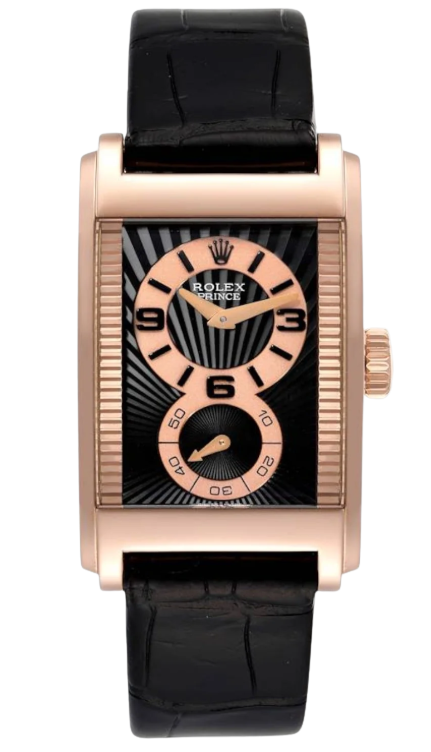
Luxury watches from Rolex, Patek Philippe, Cartier, and Jaeger-LeCoultre carry genuine cultural weight that has only increased as their secondary market has grown. A Rolex Submariner waitlisted at an authorised dealer, a Patek Philippe Nautilus trading at multiples of retail - these are not fashion trends. They are sustained, documented expressions of demand that have intensified through the smartphone era rather than declining.
Below the investment tier, the appreciation for mechanical craftsmanship has spread significantly among younger buyers. A generation that grew up with digital everything finds the idea of a 200-component mechanical movement - assembled by hand, accurate to a few seconds per day through pure engineering - genuinely compelling. The watch as an object of craft has never been more widely understood or appreciated.
Personal Expression
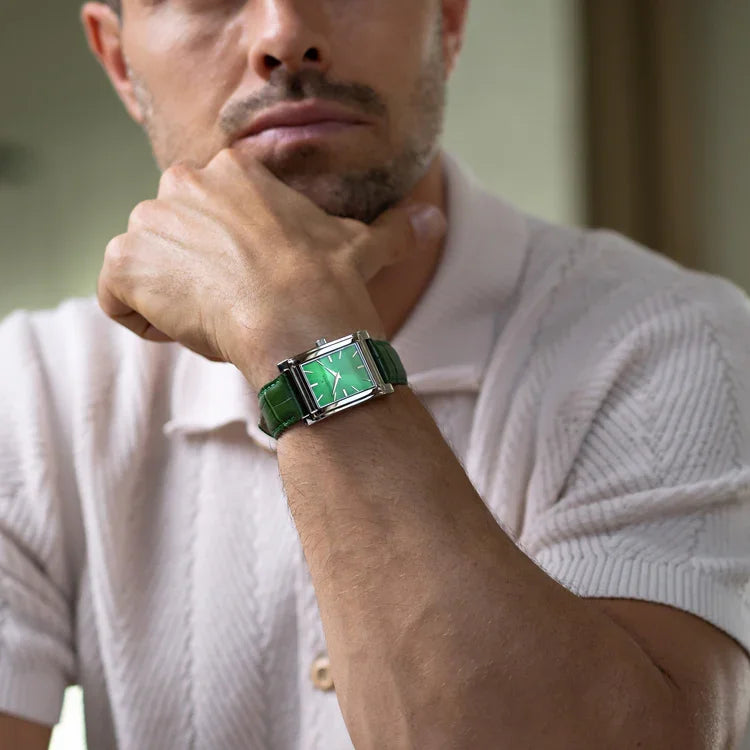
The range of watches available has never been broader. Minimalist dress watches, bold sport chronographs, coloured dials, distinctive case shapes, quick-release straps that change the character of a watch in seconds - the format allows for more personal expression per square centimetre of wrist than virtually any other accessory category. For the full guide to finding the right watch for your style, see our article on why you still need a wristwatch.

The Evolution of Watch Design
From Classic to Contemporary
Watch design has evolved significantly while maintaining the forms that work best. The round dress watch, the tool diver, the pilot watch, and the rectangular dress watch have all remained in continuous production because their design logic is sound - not because of nostalgia. Contemporary iterations introduce new materials, updated movements, and refined proportions while respecting the visual vocabulary that made each category enduring.
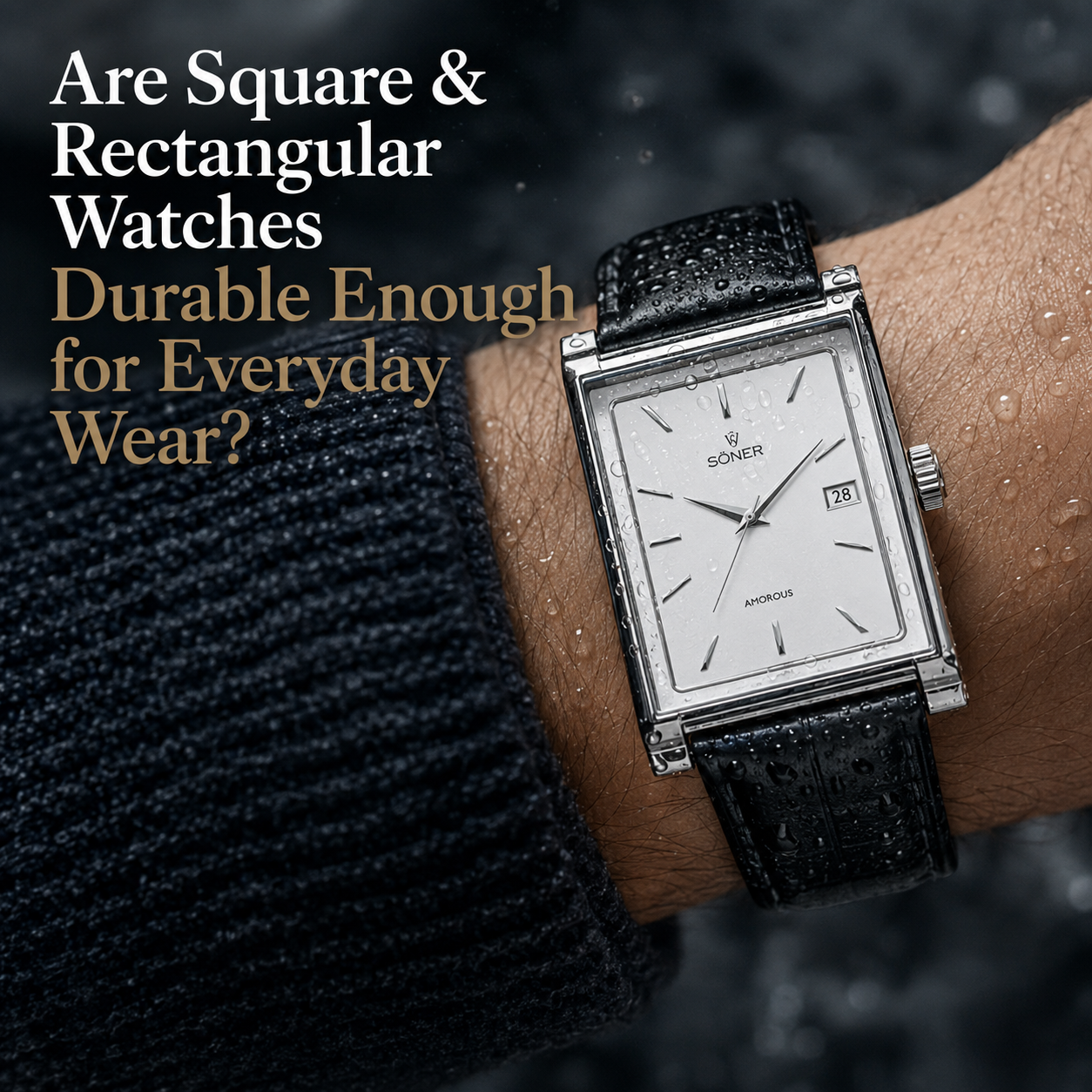
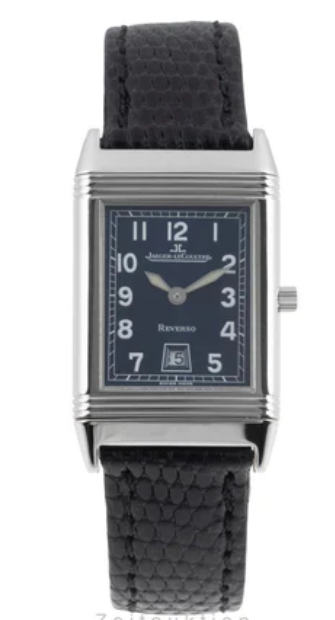
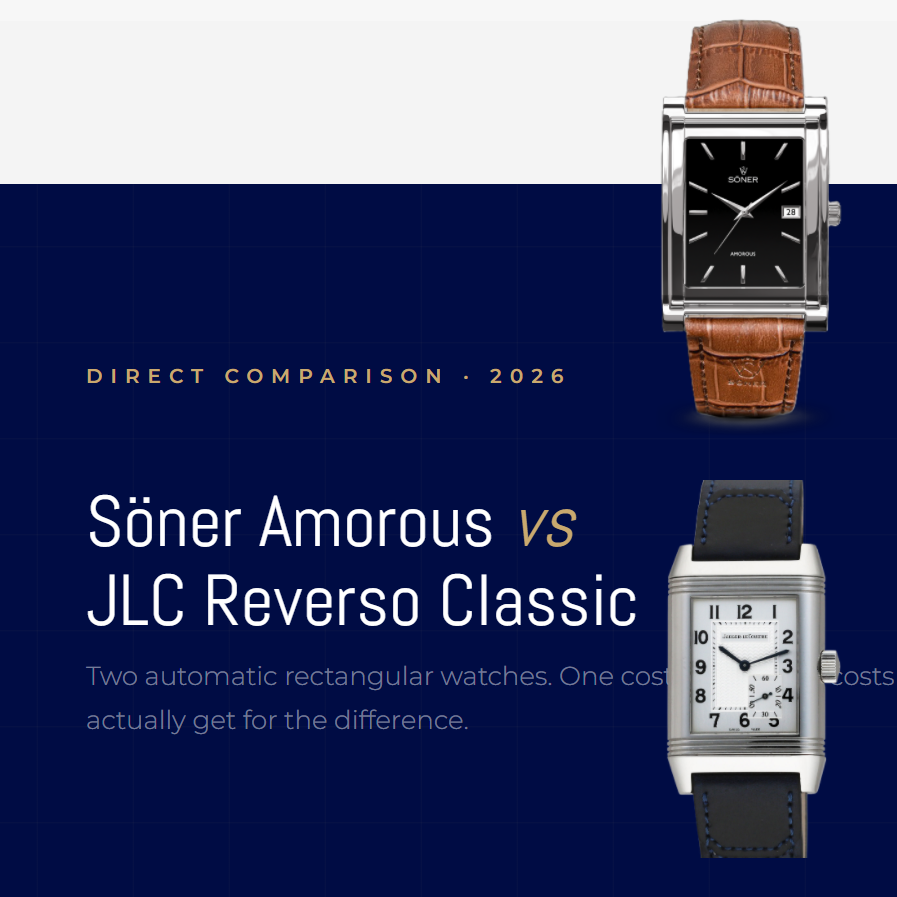
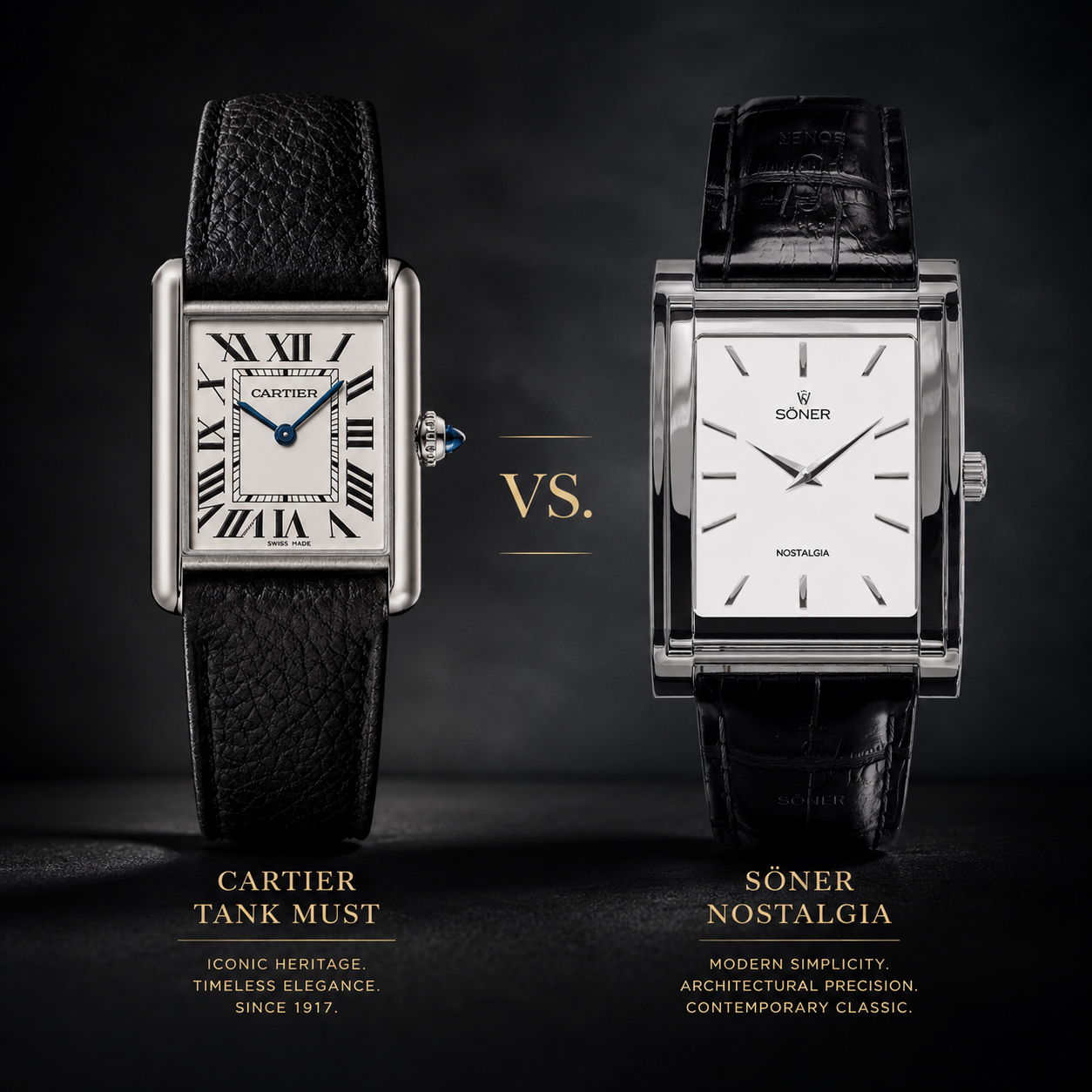
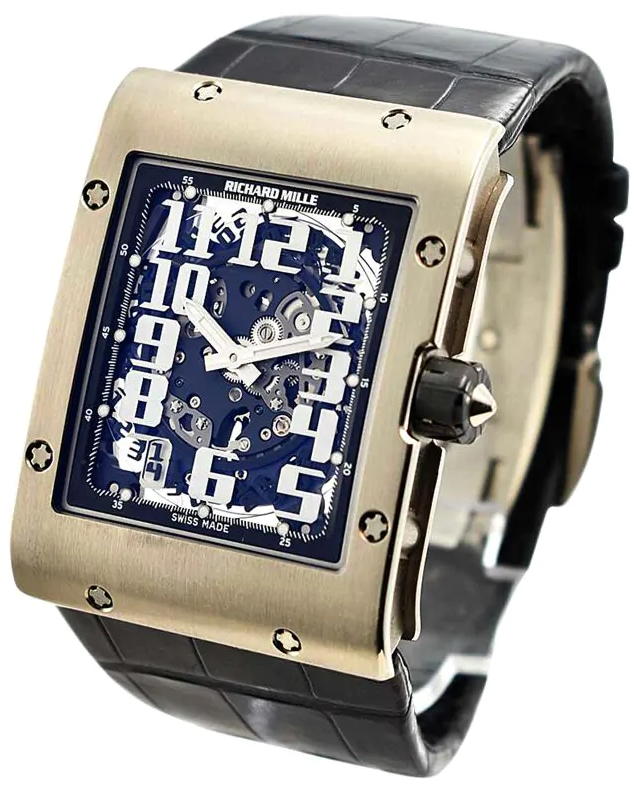
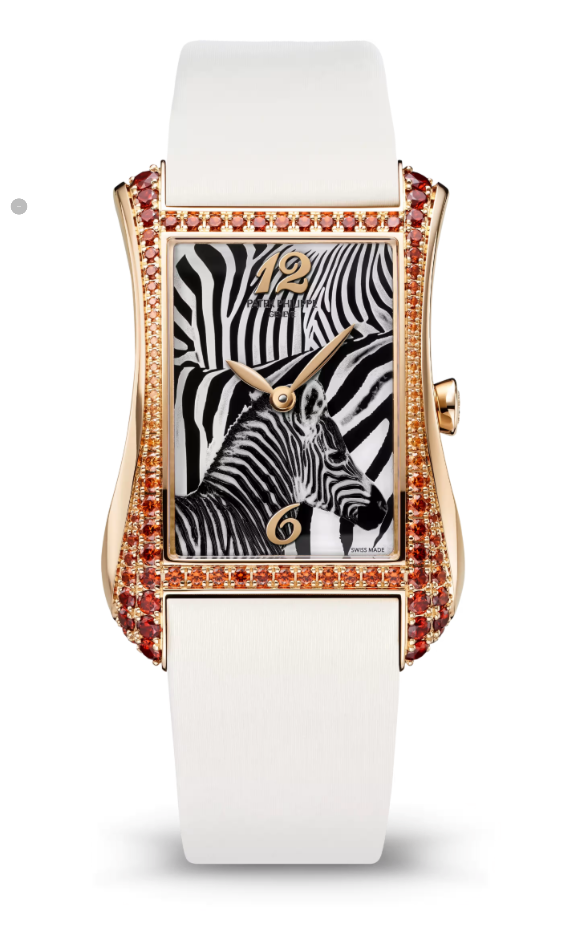
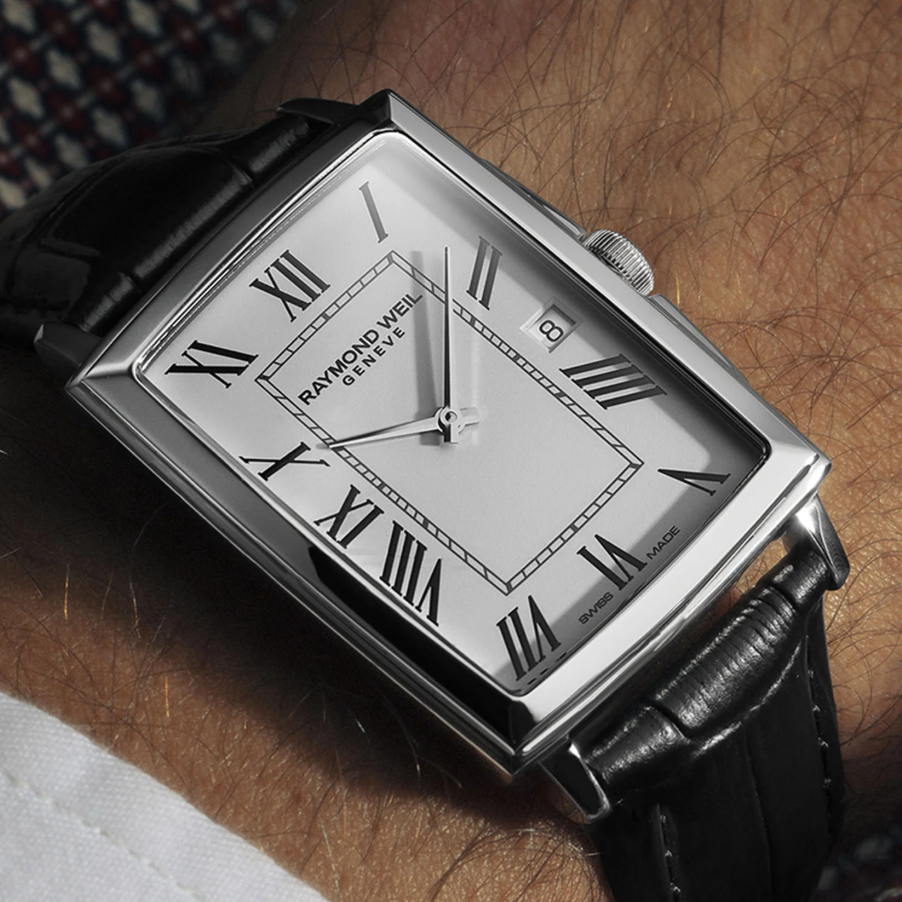
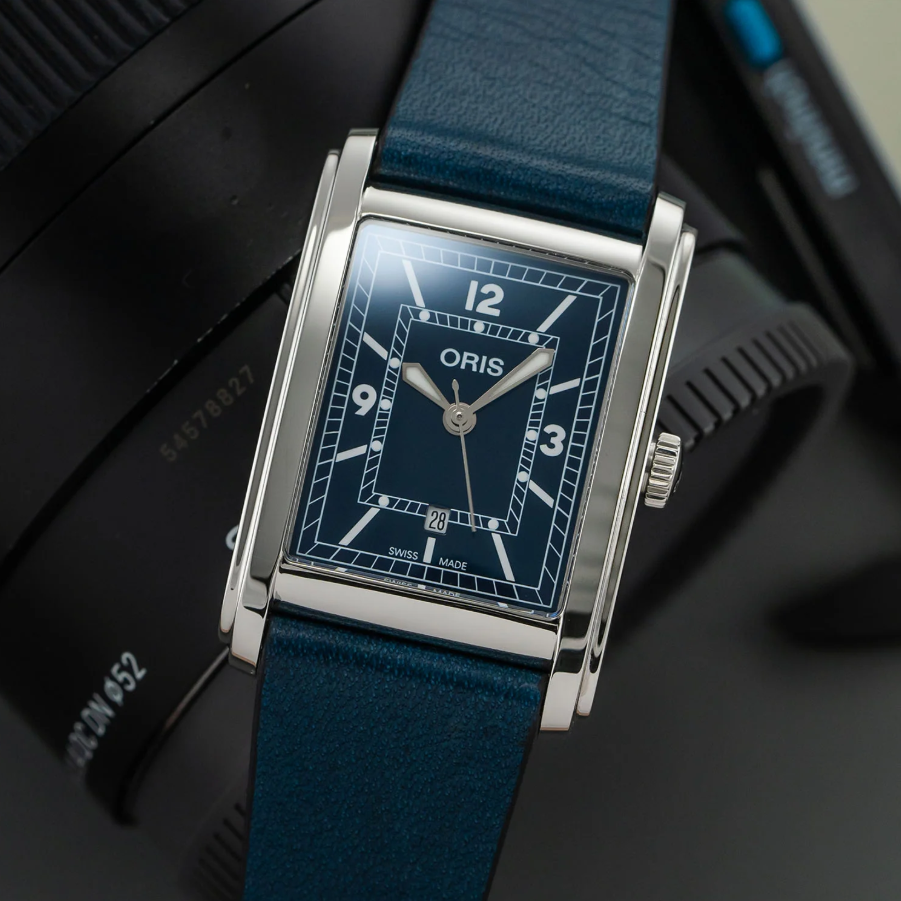
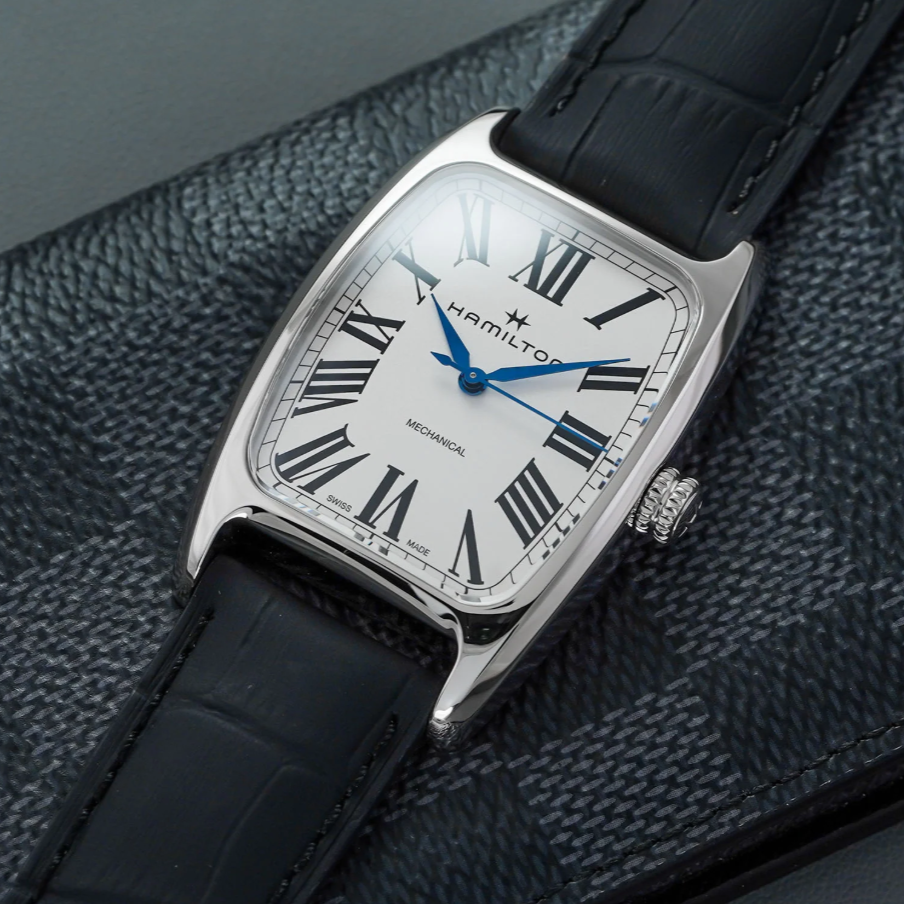
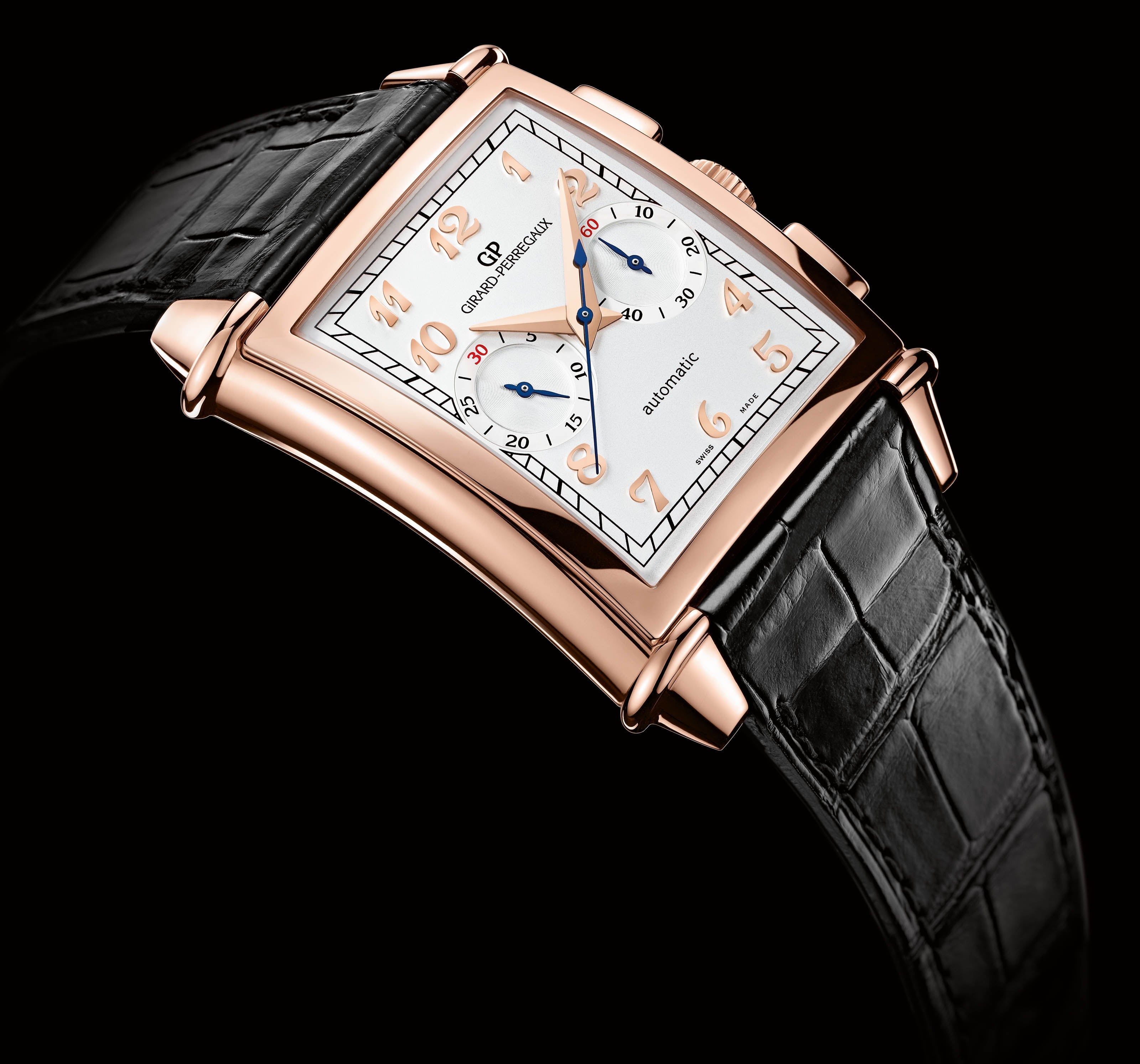
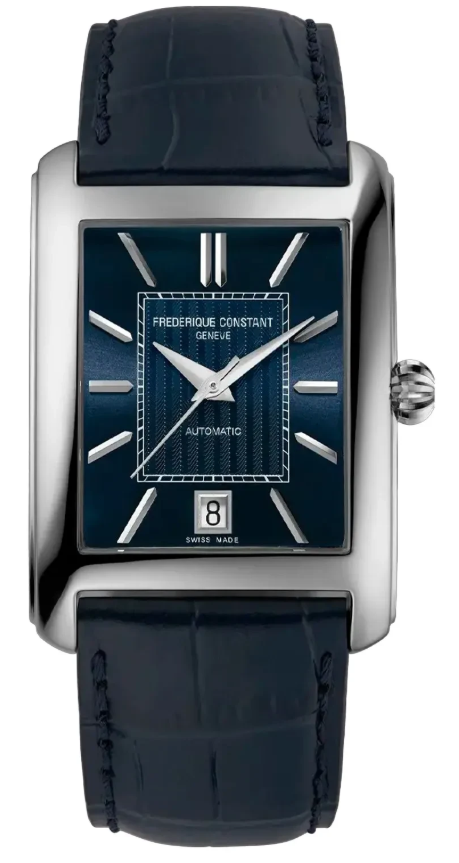
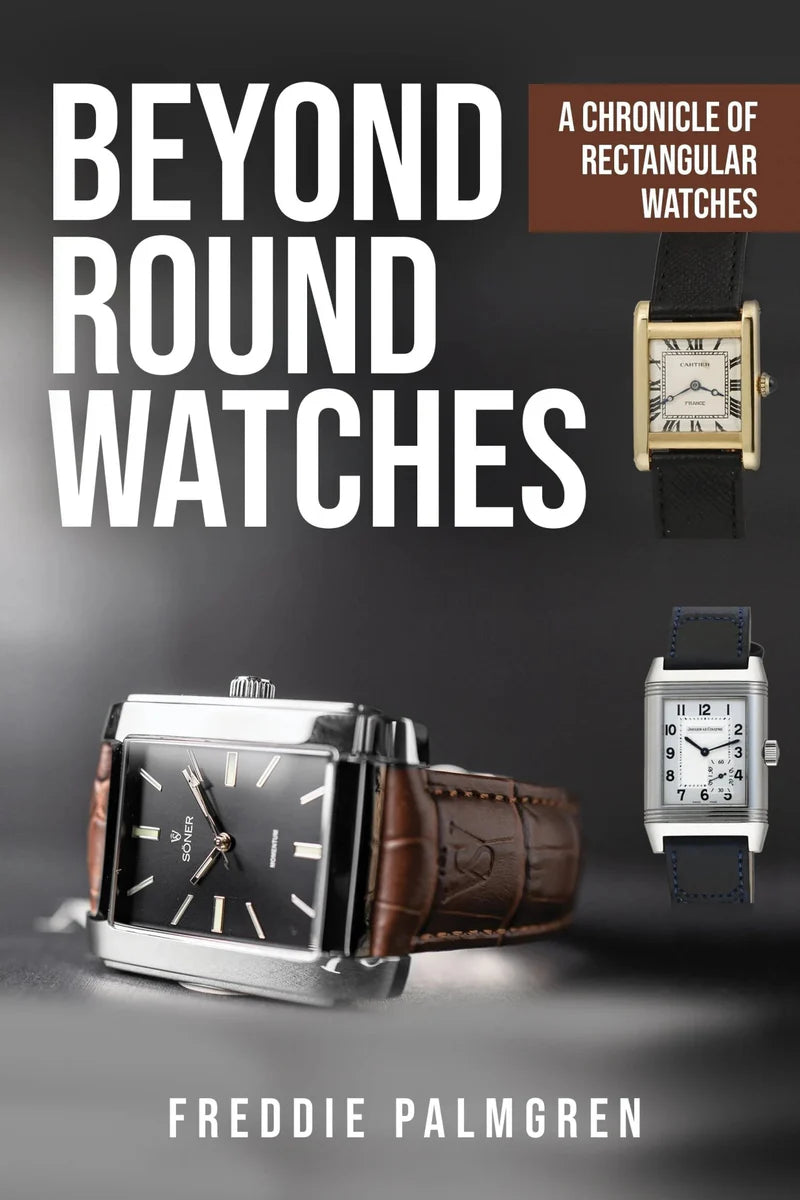
Rectangular watches are experiencing a particular resurgence. The Cartier Tank - in production since 1917 - has waitlists at authorised dealers. Jaeger-LeCoultre Reverso demand has strengthened. The broader shift away from oversized round sports watches toward more considered, architecturally aware design has brought the rectangular case back to the centre of fashion conversation for the first time in decades. For the current state of the category, see our guide to the best rectangular watches in 2026.
The Smartwatch Question
The Apple Watch did not kill the traditional wristwatch. It did something more interesting - it introduced a new generation to the habit of wearing something on the wrist. Many Apple Watch wearers have subsequently moved to or added mechanical or quartz watches as their understanding of the format developed. The smartwatch and the traditional watch are not direct competitors. They serve different functions and communicate different things about their wearer.
Sustainability and Longevity
A quality mechanical watch, serviced every seven years, can last a lifetime. It does not become obsolete when a new model is released. It does not require software updates. It can be passed on with history and meaning attached. In a culture increasingly aware of the disposability of electronics, a quality wristwatch represents one of the most sustainable luxury purchases available.

Why Wristwatches Remain Relevant
Nostalgia and Heritage
Many people's most emotionally significant watch was a first watch received as a gift, a watch inherited from a parent or grandparent, or a watch bought to mark a personal milestone. These associations give watches a depth of meaning that most consumer objects never achieve. A watch that has been worn for twenty years carries evidence of that time - the patina of the dial, the wear on the case, the scratches on the crystal. These are not flaws. They are the record of a life lived wearing it.
The Art of Watchmaking
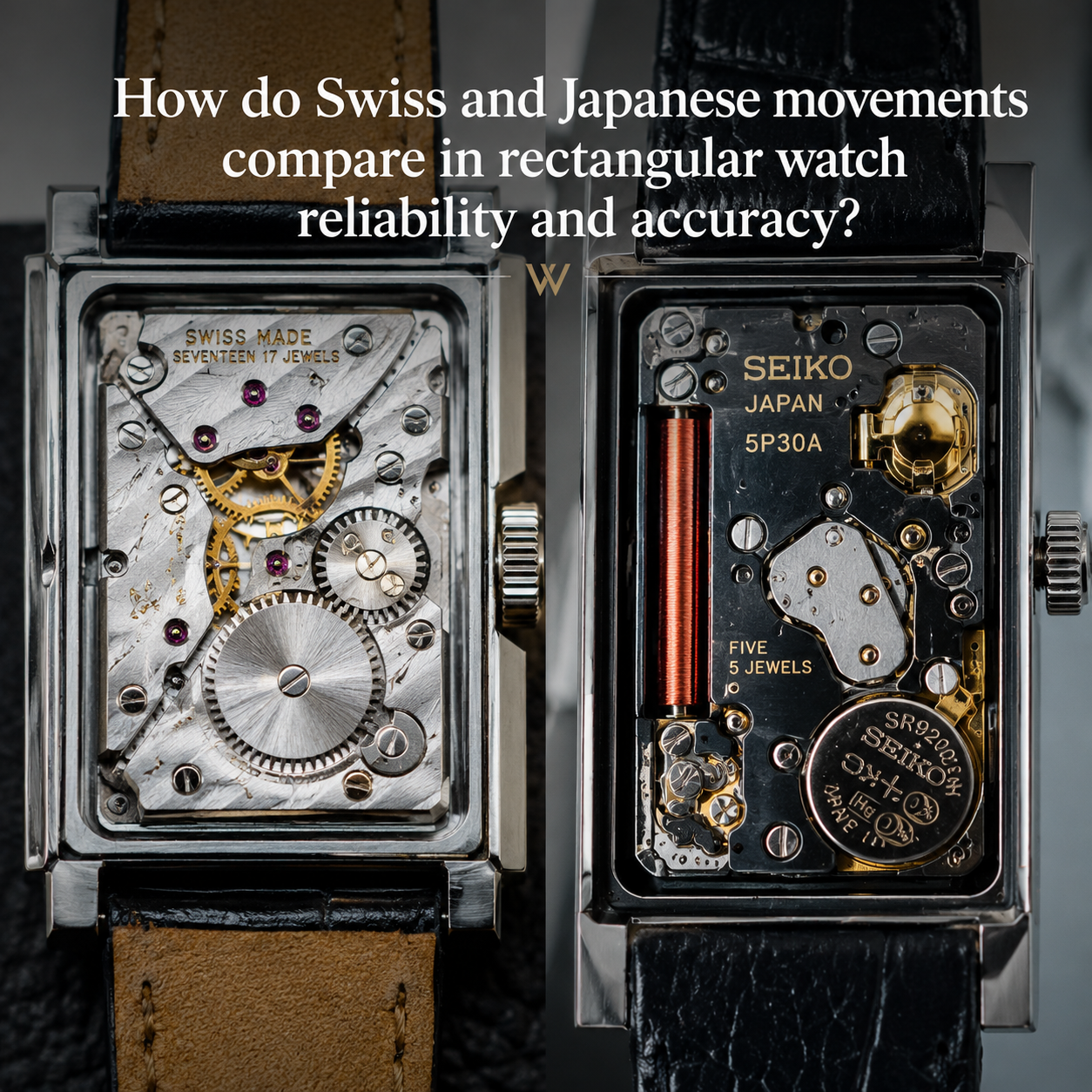
Mechanical watchmaking is one of the few remaining craft traditions that has not been substantially automated. The assembly of a quality movement still requires skilled human hands. The finishing of bridges and plates - the côtes de Genève striping, the bevelled and polished edges - is still done by craftspeople with specialist tools. This is genuinely rare in 2026, and collectors and enthusiasts respond to it as such.
Versatility
A well-chosen watch works across more contexts than almost any other accessory. A slim rectangular dress watch on a leather strap works from a board meeting to a black-tie dinner. The same watch on a steel mesh bracelet works through the weekend. Very few accessories achieve that range without either looking out of place in one context or too compromised in another. For guidance on pairing a watch across contexts, see our guide to men's dress watches.

How to Choose the Right Wristwatch
Start with your wrist size and daily context. A watch that overhangs your wrist or creates a bump under your sleeve will undermine the effect regardless of how much it cost. Get the sizing right first. For rectangular watches specifically, the lug-to-lug measurement is the most important variable.
Set a realistic budget. Quality watches exist at every price point above approximately $300. At $300-600, Swiss quartz movements with sapphire crystals are available. At $600-1,500, Swiss automatic movements. Above $1,500, the incremental improvements shift from specifications to finishing, heritage, and brand equity. For the best options under $500, see our guide to the five best watches under $500.
Research before you buy. The secondary market for watches is well-documented. Forums, auction results, and authorised dealer feedback all provide useful information before committing. A watch is a long-term purchase - the research investment is worthwhile.
Frequently Asked Questions
Are wristwatches still relevant in 2026?
Yes - more so than at any point in the past two decades. The smartphone made timekeeping universal and free, which paradoxically elevated the status of the wristwatch. A watch worn today is worn by choice, which means it communicates deliberate intention. The secondary market for quality watches has strengthened, younger buyers are engaging with mechanical watchmaking more than any previous generation, and the cultural authority of watches from Rolex, Cartier, and Patek Philippe has never been higher.
Do men still wear watches in 2026?
Yes, and increasingly so. The association between considered dressing and wristwatch wearing has strengthened as the broader fashion conversation has shifted away from oversized sports watches toward more deliberate, tailored accessories. Rectangular and dress watches in particular are experiencing renewed interest among men who want to wear something distinctive and historically grounded.
Are smart watches replacing traditional watches?
No - they serve different functions and communicate different things. The Apple Watch is a health and connectivity device that happens to tell the time. A mechanical or quartz dress watch is a considered accessory that happens to tell the time. Many people wear both: a smartwatch for fitness tracking and a traditional watch for formal and social contexts. The categories are complementary rather than competitive.
What type of watch is most fashionable in 2026?
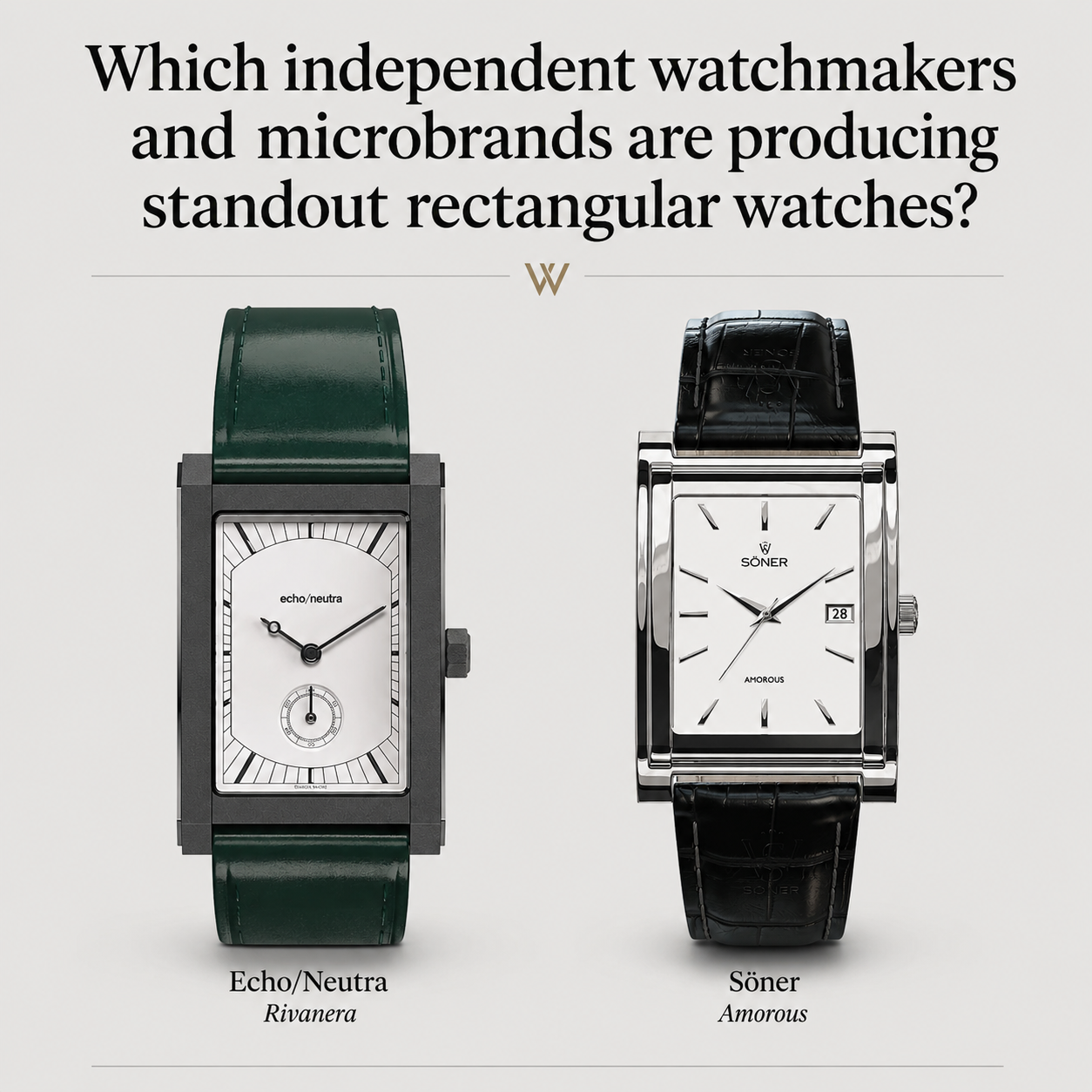
The broader shift is away from oversized round sports watches toward slimmer, more architecturally considered designs. Rectangular and square cases - Cartier Tank, Jaeger-LeCoultre Reverso, and dedicated rectangular brands like Söner - are experiencing sustained momentum. Coloured dials, particularly green, continue to perform strongly. The overall direction is toward restraint, heritage, and considered design rather than visual spectacle.
Is a wristwatch a good investment?
At certain price points and for certain references, yes. Cartier Tank models in precious metal, Jaeger-LeCoultre Reverso, and specific Rolex and Patek Philippe references have historically held or appreciated in value. Below the investment tier, watches should be bought to wear rather than as financial instruments - but a quality watch that lasts decades and can be passed on represents genuinely good long-term value compared to most consumer purchases in the same price range.
SÖNER rectangular watches
Free worldwide shipping · 10-year warranty · 30-day returns
Our pick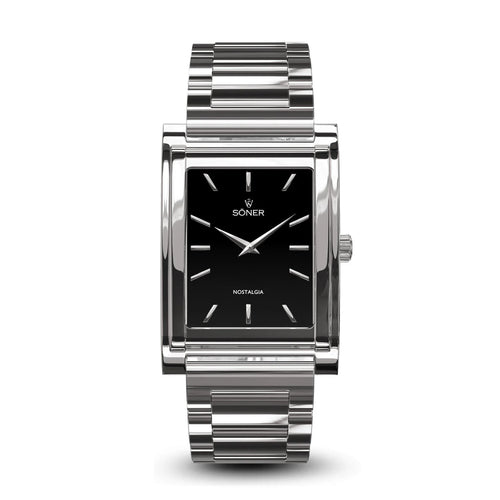 Nostalgia Stockholm11-year battery$580 USD
View watch
Nostalgia Stockholm11-year battery$580 USD
View watch
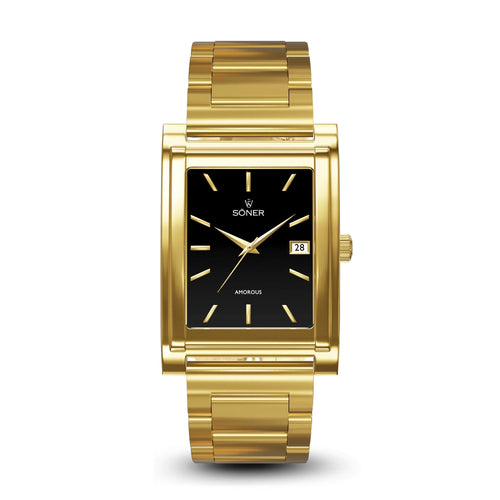 Amorous MilanoAutomatic$785 USD
View watch
Amorous MilanoAutomatic$785 USD
View watch
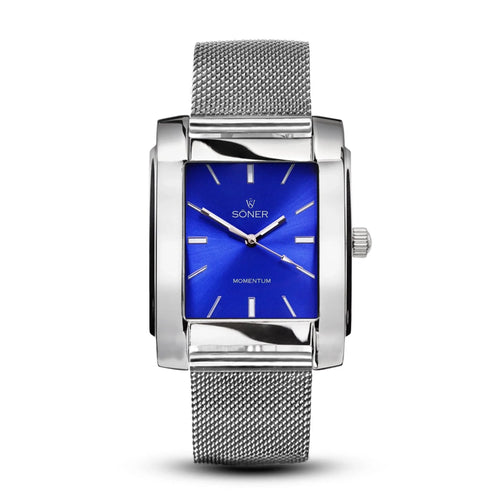 Momentum BacardiAutomatic$585 USD
View watch
Momentum BacardiAutomatic$585 USD
View watch
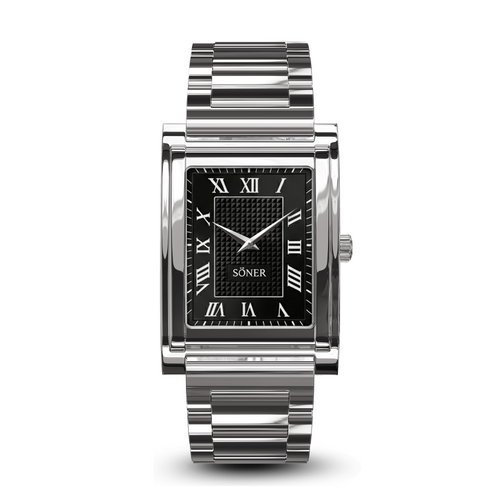 Nostalgia Caesar11-year battery$765 USD
View watch
Nostalgia Caesar11-year battery$765 USD
View watch
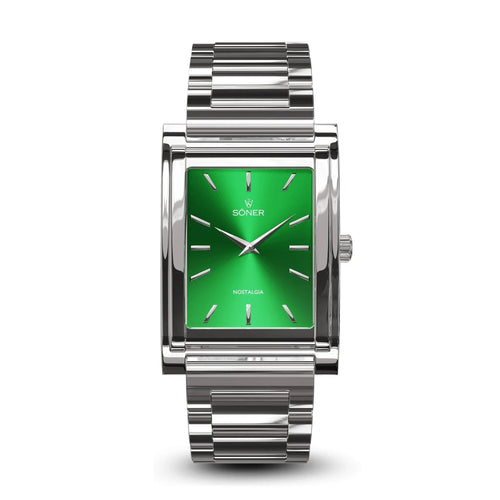 Nostalgia New York11-year battery$580 USD
View watch
Nostalgia New York11-year battery$580 USD
View watch
View all watches
 Nostalgia Stockholm11-year battery$580 USD
View watch
Nostalgia Stockholm11-year battery$580 USD
View watch
 Amorous MilanoAutomatic$785 USD
View watch
Amorous MilanoAutomatic$785 USD
View watch
 Momentum BacardiAutomatic$585 USD
View watch
Momentum BacardiAutomatic$585 USD
View watch
 Nostalgia Caesar11-year battery$765 USD
View watch
Nostalgia Caesar11-year battery$765 USD
View watch
 Nostalgia New York11-year battery$580 USD
View watch
Nostalgia New York11-year battery$580 USD
View watch