


 Published on
Key Takeaways
Table of Contents
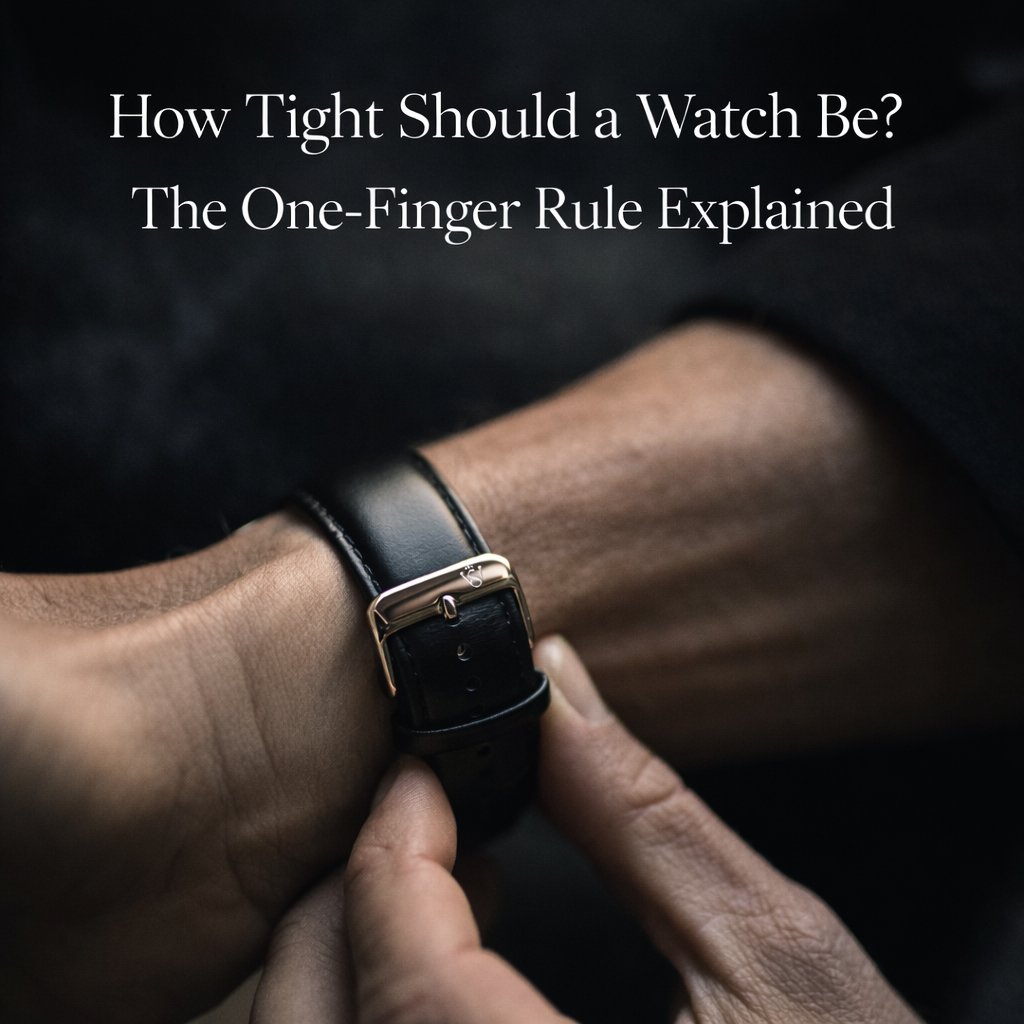
The short answer: slide one finger under your watch strap. If it passes through with slight resistance, that's the correct fit. If it won't pass at all, your watch is too tight. If two fingers fit easily, it's too loose.
Everything else in this guide explains why that rule works, when to break it, and how different strap types change the equation.
| Fit | The Test | The Problem |
|---|---|---|
| Too tight | No finger fits under the strap | Restricts circulation, leaves marks, uncomfortable in heat |
| ✅ Correct | One finger slides through with slight resistance | Secure, comfortable, no rotation or bounce |
| Too loose | Two fingers fit easily | Watch rotates, bounces, increased risk of scratches |
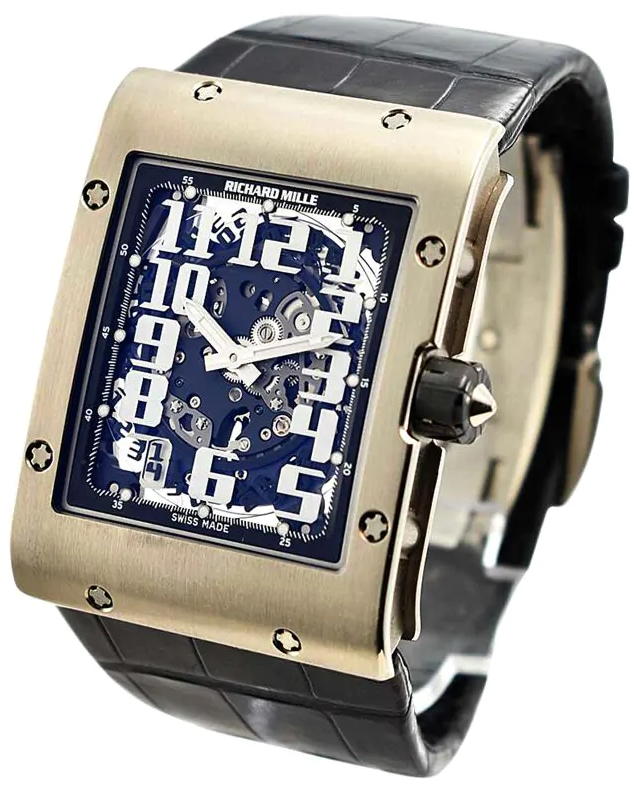
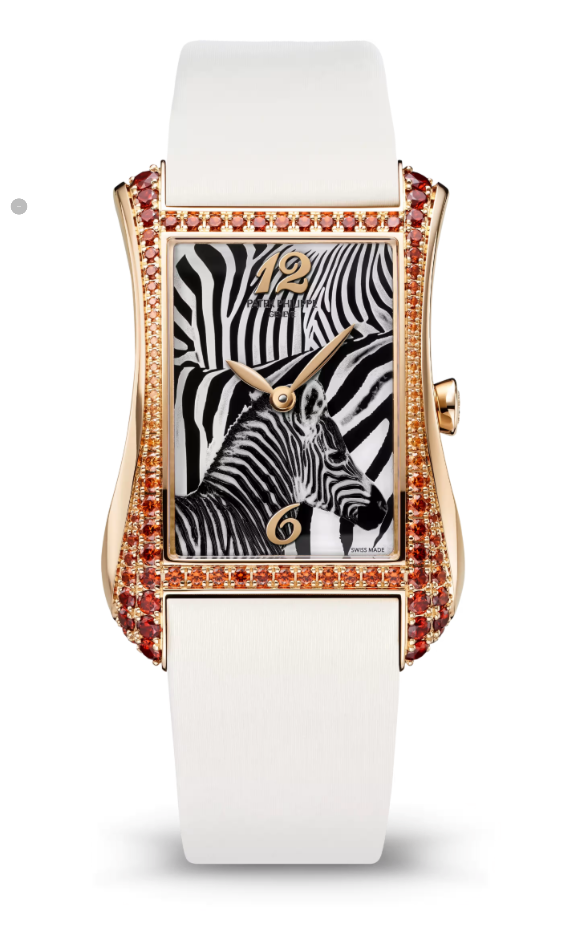
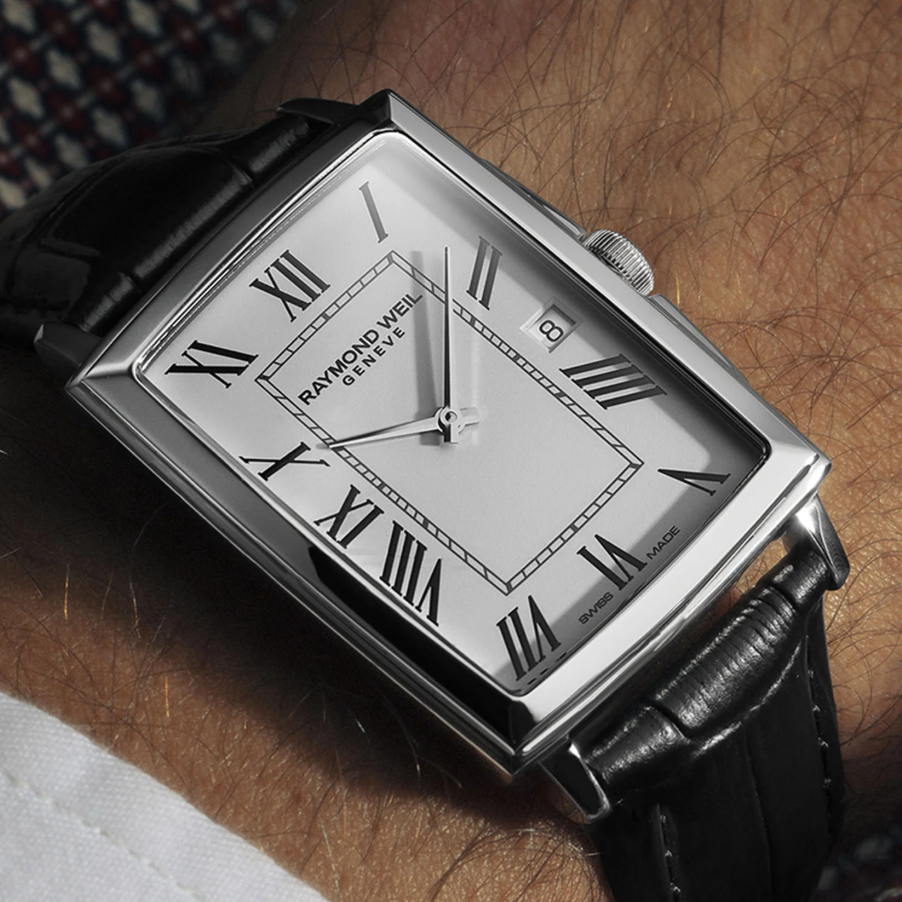
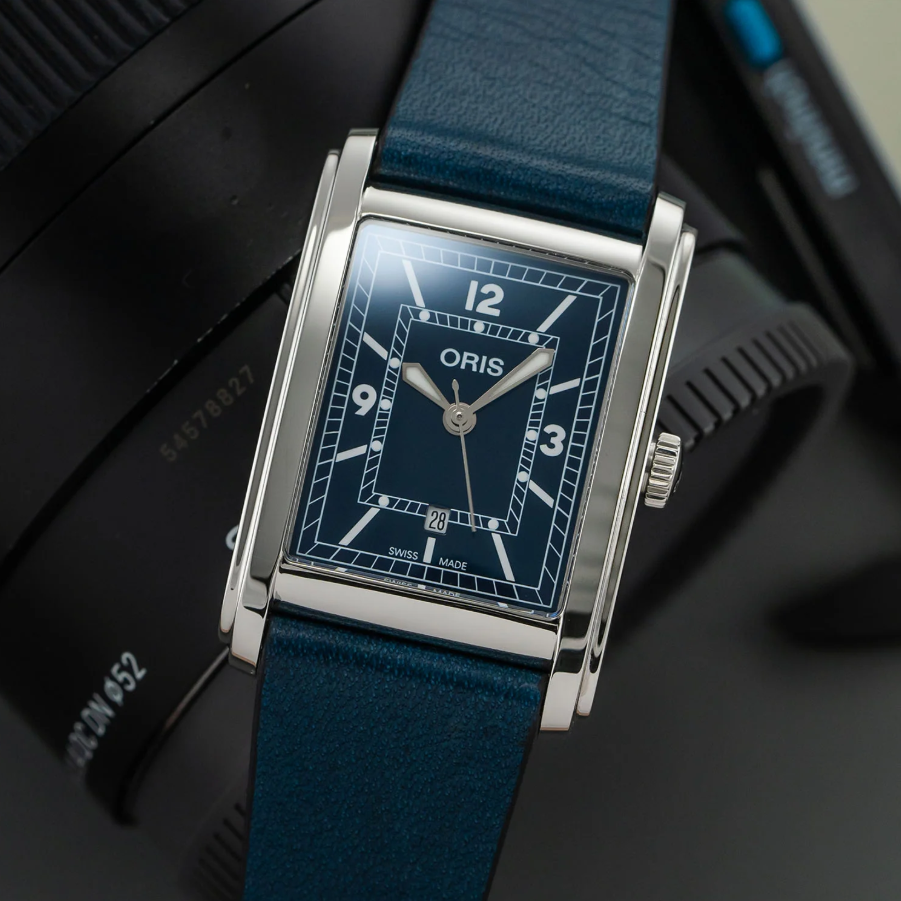
Differences in watch types and wrist sizes can alter the question of how tight a watch should be. Men tend to have bigger wrists and tend to love when their watches are loose. On the contrary, those who have slim wrists prefer them tight because they could easily slip off their wrists. Women are generally more inclined toward rectangular watches designed for females. For a deeper look at movement placement in rectangular cases, see The Definitive Guide to Rectangular Watches.
Personal preferences matter, of course. While some may prefer slightly loose watches, others prefer them tight. It could be as a fashion sense or personal comfort. Even so, the more acceptable way would be to use the one finger rule. Why? Because it is the most generally acceptable rule.
Even though there is a rule regarding how tight a watch should be, it is also important to blend it with personal preference and style. The more fashionably inclined might go for loose watches while the careful ones might choose the tight watches. Also, it depends on whether they are luxury, sports, dress or casual watches.
Should A Watch Move On Your Wrist At All?
Normally, there should be some space between the watch and the wrist to enable slight movement. If the watch cannot slide at all, then it is too tight. But if it can slide freely and rotate, then it is too loose. So, it is acceptable for a watch to move, considering the one-finger rule.
A slight movement on the wrist would permit adjustment or shifting. But excessive sliding would mean there is no stability. Excessive sliding could lead to skin irritation and the watch could be damaged on hard surfaces. While a slight movement allows for the comfort of the wrist, excessive sliding could be detrimental to the watch and the wrist.
Depending on the tightness or looseness, movement could affect accuracy, comfort and wear - tight watches could restrict blood flow. Loose watches could affect concentration and distract the wearer as well as others. Loose watches increase friction and they could get damaged more easily.
It is easy to know how tight your watch should be by using the movement test. With the movement test, we can check how tight or loose a watch is by using the one-finger rule and also, by testing to see if the watch slides easily and rotates.
How Much Should A Watch Slide On Your Wrist?
A watch should slide if it is between 5-10 millimeters. This slight movement permits the wrist to breathe without making the watch slide. And the wrist isn’t hurt by extra tightness. This is only acceptable if the watch slides without rotating or bouncing.
When a watch slides up and down, bounces and rotates around the wrist, it is usually because it is too loose. Sliding does not only disrupt comfort, but damages the watch, as well as the skin.
Not Sure If Your Watch Fits Right?
Learn the simple one-finger rule to get the perfect fit—comfortable, stylish, and safe for daily wear.
Master the Perfect Rectangular Watch FitWhat Are The Signs Your Watch Is Too Tight?
Among the signs of a tight wrist watch, we have imprints, discomfort, sweating and red marks on the body. A well-worn watch shouldn’t bring discomfort.
Wearing tight watches over prolonged periods can cause numbness, tingling or swelling in the hand. To ensure a balanced blood flow and physical comfort, it is important to have watch fits that are not tight.
Allergies to materials like metals and synthetic straps can cause rashes and irritation. This is more likely to happen with tight watches.

Our rectangular watches however provide you with the comfort and flexibility you need. Choosing watches that are more durable and comfy means less irritation and a secure watch that fits your lifestyle.
How Loose Should A Watch Be For It To Still Fit Properly?
A watch that sits and shifts on the wrist without sliding would be considered as acceptably loose. It should not rotate or bounce, but should respect the index finger rule.
Choosing the wrong watch fit could have an impact on our fashion sense and even our health. However, too loose watches often tend to slide a lot and can look awkward. While overly tight watches cause discomfort and wear and tear. The ideal watch would blend comfort and usability.
Loose smartwatches can disrupt heart rate and body pressure readings. Loose mechanical watches can lead to misalignments and internal wear.
Why Do People Wear Watches Loosely On Purpose?
Depending on the society, context or person, watches are worn loosely for different reasons. In some societies, it is done by people who are comfortable and happy about life. In some contexts, it is a part of the person’s persona to live loosely. Others wear loose watches because it ascribes to a certain fashion sense or era.
Despite these reasons, others wear their watches loosely because of the heat and the sweating. People who have sensitive skin will prefer to wear their watches loosely. Same with people who live in very hot regions, or who are easily affected by heat.
Stop Guessing Your Watch Fit
From strap types to seasonal wrist changes, discover how to size your watch for lasting comfort and function.
Find Your Ideal Rectangular Watch FitHow Should A Metal Watch Fit Compared To Other Straps?
While leather and silicone straps are more flexible and adaptable, metal watch straps maintain a fixed shape and require precise sizing. Metal watches are more suitable for formal events while leather and silicone straps could pass for more casual and informal events.
Because metal watches don’t stretch, they must be sized carefully in order to avoid discomfort. A tight metal watch could pinch and eventually restrict blood circulation. This means that a tight metal strap is more dangerous than a silicone or leather one. It is important to size it properly to ensure comfort and flexibility.
Due to its build, a metal watch is more liable to pinch skin. This can happen if it is too tightly strapped. On the other hand, if it was too loosely strapped, it could lose weight and rotate. During the rotation, it could catch some bodily hair and cause pain.
Are Metal Watches Supposed To Be Loose?
Even though hip hop culture in music videos says so, metal watches are not meant to be loose. But excessive looseness could lead to bouncing, sliding, and could even damage the watch. Ideally, the strap shouldn’t pinch or restrict movement. But if the watch slides or bounces, then it is likely too loose.
For link adjustments to be necessary, the watch must feel tight or leave marks. Most watches have removable links that can be removed or added. If the watch is also too big, a watch technician may resize it to fit the wrist. Even though it might be easier to resize a bigger strap.
What Is The One-Finger Rule For Watch Fit?
If the index finger can comfortably slide in between the watch and the wrist, then it is a comfortable fit. This is the one-finger rule. On the other hand, if it is looser and allows more freedom of movement, then it is the two-finger rule. Both techniques help determine if a watch is too tight or if it is too loose. A too tight watch could lead to skin irritation while an overly loose watch could lead to sliding.
The one-finger rule is rather easy to understand and use:
- Strap your watch to your wrist
- Try sliding in one finger(preferably, your index finger)
- If your finger fits comfortably, the watch is fitted correctly
- If you struggle to fit your finger, the strap may be too tight
The one-finger rule is not generally the answer to every fitting problem because there are different ways to, and reasons why, people wear watches. Athletes and patients may require tighter straps while those in the fashion industry might prefer it looser. Environmental factors like high temperatures in certain regions might also influence loose straps. It could also depend on the watch - metal, leather or silicone. Even though the one-finger rule is generally acceptable, other reasons can cause people to wear their watches differently.
Is Your Watch Too Tight or Too Loose?
Avoid discomfort, skin irritation, and watch damage with our easy fit-check tips for every strap style.
Check Your Watch Fit NowWhere Exactly Should A Watch Sit On Your Wrist?
Wearing the watch above the wrist bone is ideal for comfort and functionality. This position allows the watch to sit without causing any discomfort throughout the day. Wearing watches higher also prevents excessive sliding and rotation, especially during activities that require a lot of movement. Whether it is a metal, silicone or leather strap, the positioning offers better control and stability.
Even though wearing a watch below the wrist bone may seem harmless, it can lead to issues related to comfort and stability. The placement creates a greater likelihood of the watch rotating or bouncing during movement and high intensity activities. The recurring pressure and friction may cause soreness and imprints on the skin. This can be worse for individuals who wear watches over extensive periods. For more comfort, it is preferable to wear the watch above the wrist bone.
Watch placement tends to vary depending on the type and the function. That notwithstanding, wearing it above the wrist bone is usually the more acceptable method. Understanding how watch placement can affect fits and function, will help in flexibility and comfort:
- Sports watches can be worn higher on the wrist.
- Dress watches are worn more loosely for aesthetic reasons
If you're sizing a rectangular watch specifically, the lug-to-lug measurement is as important as strap tightness, see our rectangular watch size guide.
What Other Factors Affect How A Watch Should Fit?
A watch’s fit can be greatly influenced by seasonal changes. In hot weather, increased heat and humidity cause the wrist to swell slightly. In colder weather, the wrist can slightly contract, which may cause the watch to slide or rotate. These fluctuations can only be noticeable in individuals who wear their watches daily. For consistent comfort, it is preferable to use watches with adjustable straps or adjustment claps. Taking notice of seasonal shifts could help abate issues like discomfort and skin irritation.
Be it leather, silicone or metal, the material of your watch strap plays an important role in how comfortable you feel with your watch on. While rubber and silicone straps offer better resistance to moisture and temperature shifts, they can feel clingy or sticky in high humidity. Metal watches on the other hand, may expand in hot temperatures and feel very cold in cold temperatures. Choosing the right strap ensures your comfort and flexibility no matter the weather.

Wrist shape and bone structure have a major influence on how a watch fits. Watches sit more comfortably on flatter wrists. Rounder wrists have a problem of stability and comfort.
Some people prefer a tight strap for stability and precision. Others would go with the looser one, prioritizing comfort and freedom of movement. Trying different strap types and watch styles can help you find the most comfortable watch.
Two strap sizes included, for the right fit
Free worldwide shipping · 10-year warranty · 30-day returns
Our pick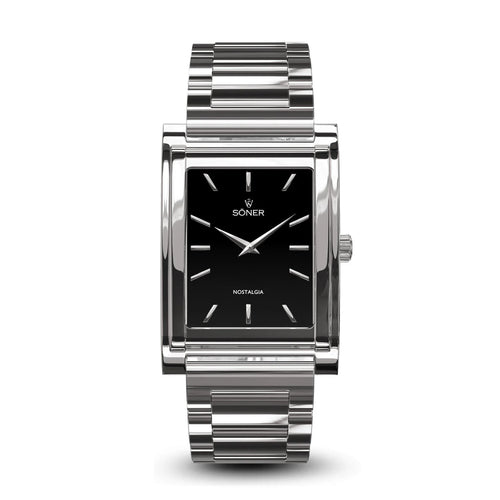 Nostalgia Stockholm11-year battery$580 USD
View watch
Nostalgia Stockholm11-year battery$580 USD
View watch
 Amorous BrutusAutomatic$895 USD
View watch
Amorous BrutusAutomatic$895 USD
View watch
 Nostalgia Madrid11-year battery$580 USD
View watch
Nostalgia Madrid11-year battery$580 USD
View watch
 Momentum HooverAutomatic$585 USD
View watch
Momentum HooverAutomatic$585 USD
View watch
 Nostalgia Chicago11-year battery$580 USD
View watch
Nostalgia Chicago11-year battery$580 USD
View watch
View all watches
 Nostalgia Stockholm11-year battery$580 USD
View watch
Nostalgia Stockholm11-year battery$580 USD
View watch
 Amorous BrutusAutomatic$895 USD
View watch
Amorous BrutusAutomatic$895 USD
View watch
 Nostalgia Madrid11-year battery$580 USD
View watch
Nostalgia Madrid11-year battery$580 USD
View watch
 Momentum HooverAutomatic$585 USD
View watch
Momentum HooverAutomatic$585 USD
View watch
 Nostalgia Chicago11-year battery$580 USD
View watch
Nostalgia Chicago11-year battery$580 USD
View watch