


 Published on
Table of Contents
The phone on your wrist can tell the time. So can the watch. They are not the same act. This guide covers the real reasons men still choose to wear watches in a world where the smartphone has made the timekeeping function technically redundant and why that redundancy has made the choice of wearing a watch more meaningful, not less.
The Phone Replaced the Function. Not the Watch.
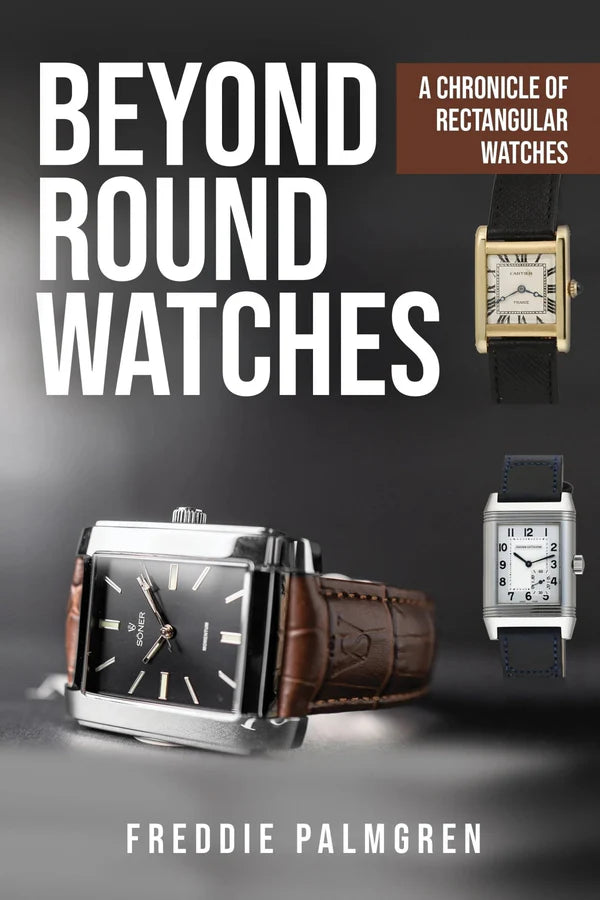
The smartphone replaced the watch as the primary timekeeping device for most people sometime around 2007. What it did not replace was the watch itself. Sales of traditional watches have grown steadily since that point. The Swiss watch industry exports have increased year on year. Independent watchmakers have proliferated. The rectangular watch category specifically has seen a documented resurgence in the 2020s, with Cartier Tank waitlists and growing demand for JLC Reverso references.
The reason is straightforward: the smartphone made timekeeping trivial, which elevated the watch from a functional tool to a deliberate accessory. When a watch was the only way to know the time, everyone wore one by necessity. Now that wearing a watch is optional, wearing one says something specific about the person who chooses to do so. That signal is more valuable than the timekeeping function it replaced. For a deeper look at what a watch communicates about the man wearing it, see our article on what a good watch says about a man.

Five Reasons Men Still Wear Watches
1. The Deliberate Choice Signal
Checking the time on a phone is a gesture that opens a door: notifications, messages, social feeds. Every phone check is a potential distraction. Checking a watch is a closed gesture. One second, wrist up, wrist down. The time is noted and nothing else enters the picture. In professional contexts meetings, presentations, client conversations this distinction is noticed and registered by the people in the room. A watch-wearer reads as present. A phone-checker reads as distracted.
This difference has become more significant as phone checking has become more reflexive and more socially problematic. A man who checks his watch in a meeting is managing his time. A man who checks his phone in a meeting is signalling that something else might be more important.
2. Heritage and Continuity
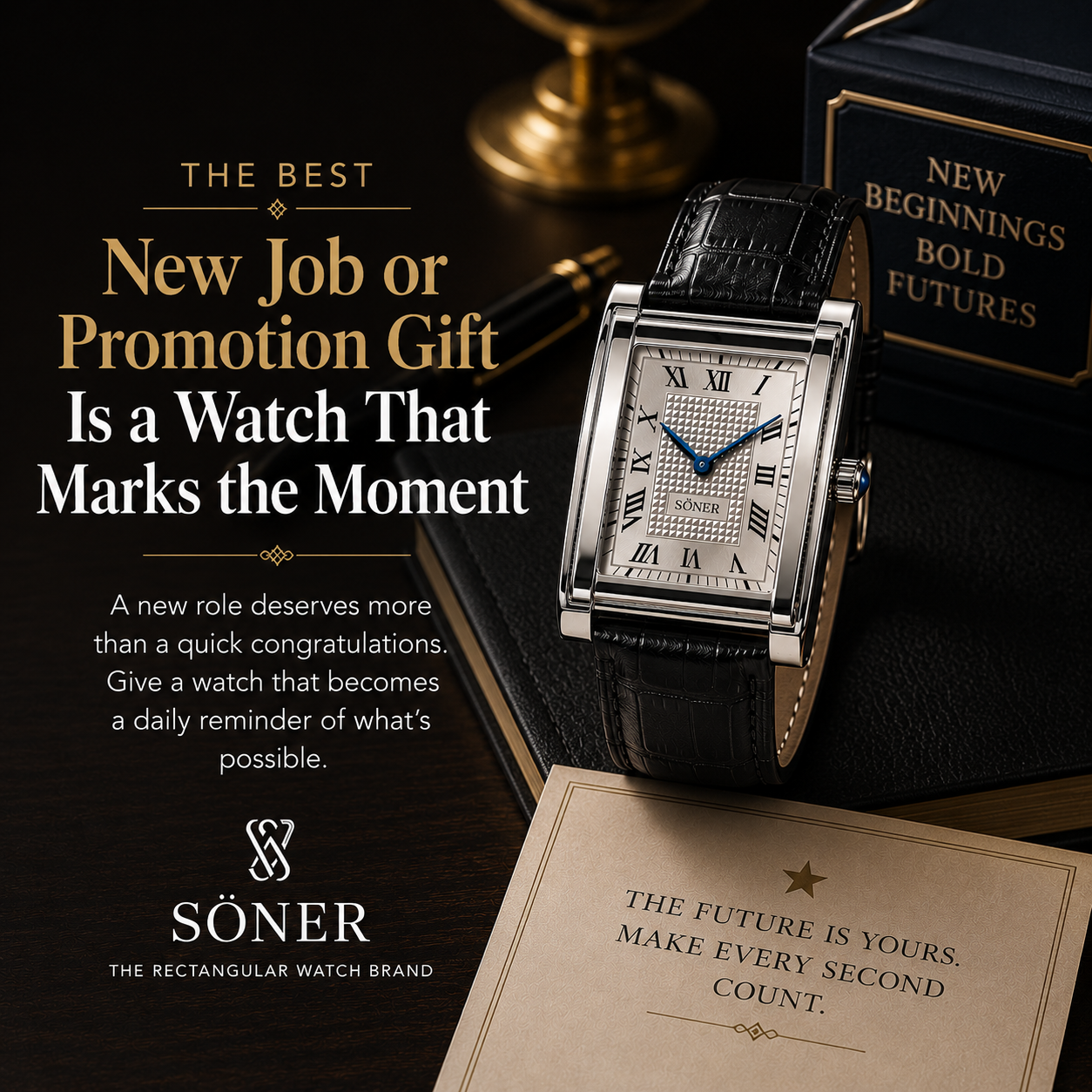
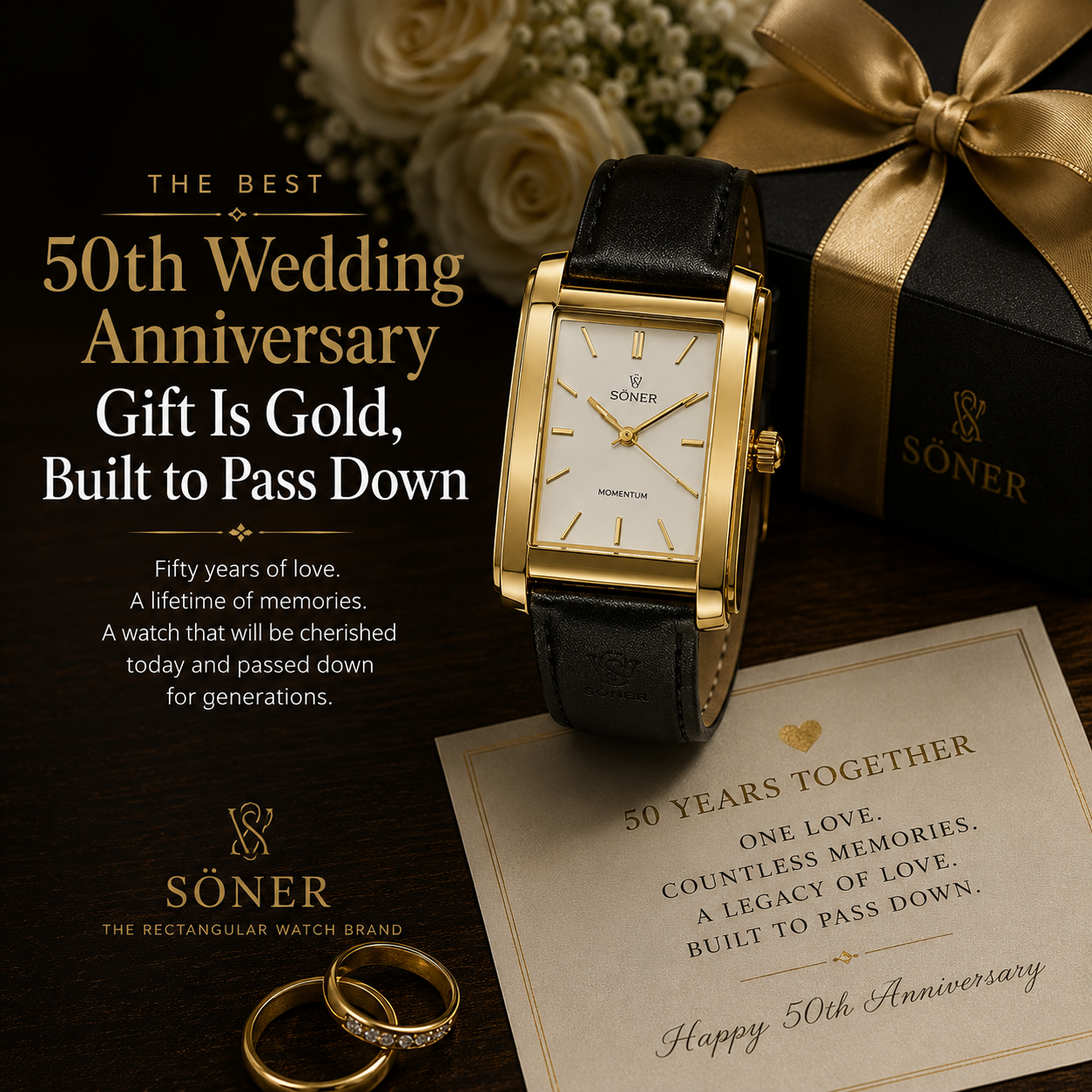
Many men wear watches that were given to them by their fathers, or that they bought to mark a specific achievement. The watch sits on the wrist through the significant moments of a life: the job interview, the first date, the wedding, the years between. A phone is replaced every three years and carries no accumulation of that kind. A quality watch worn for a decade carries the scratches and memories of that decade on it.
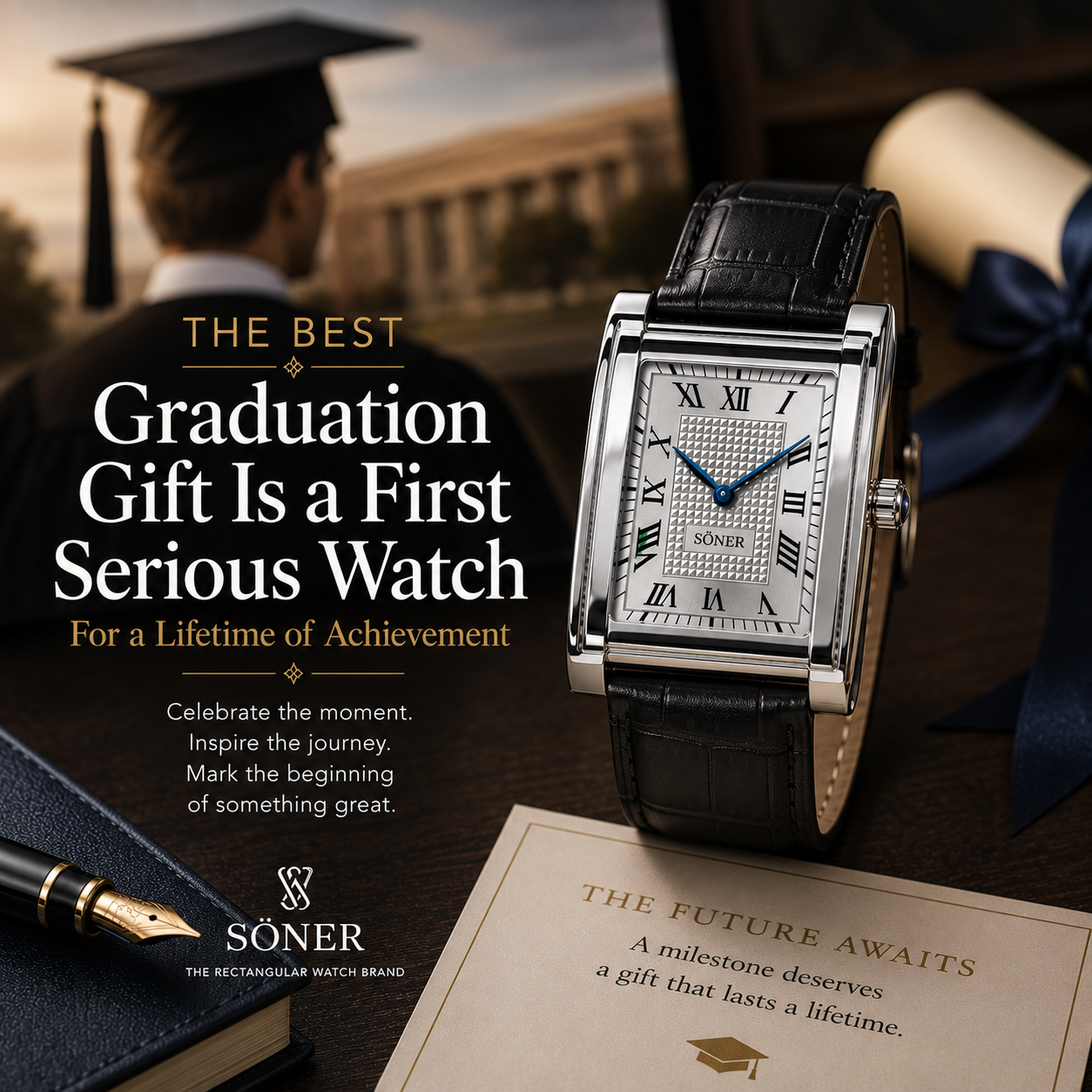
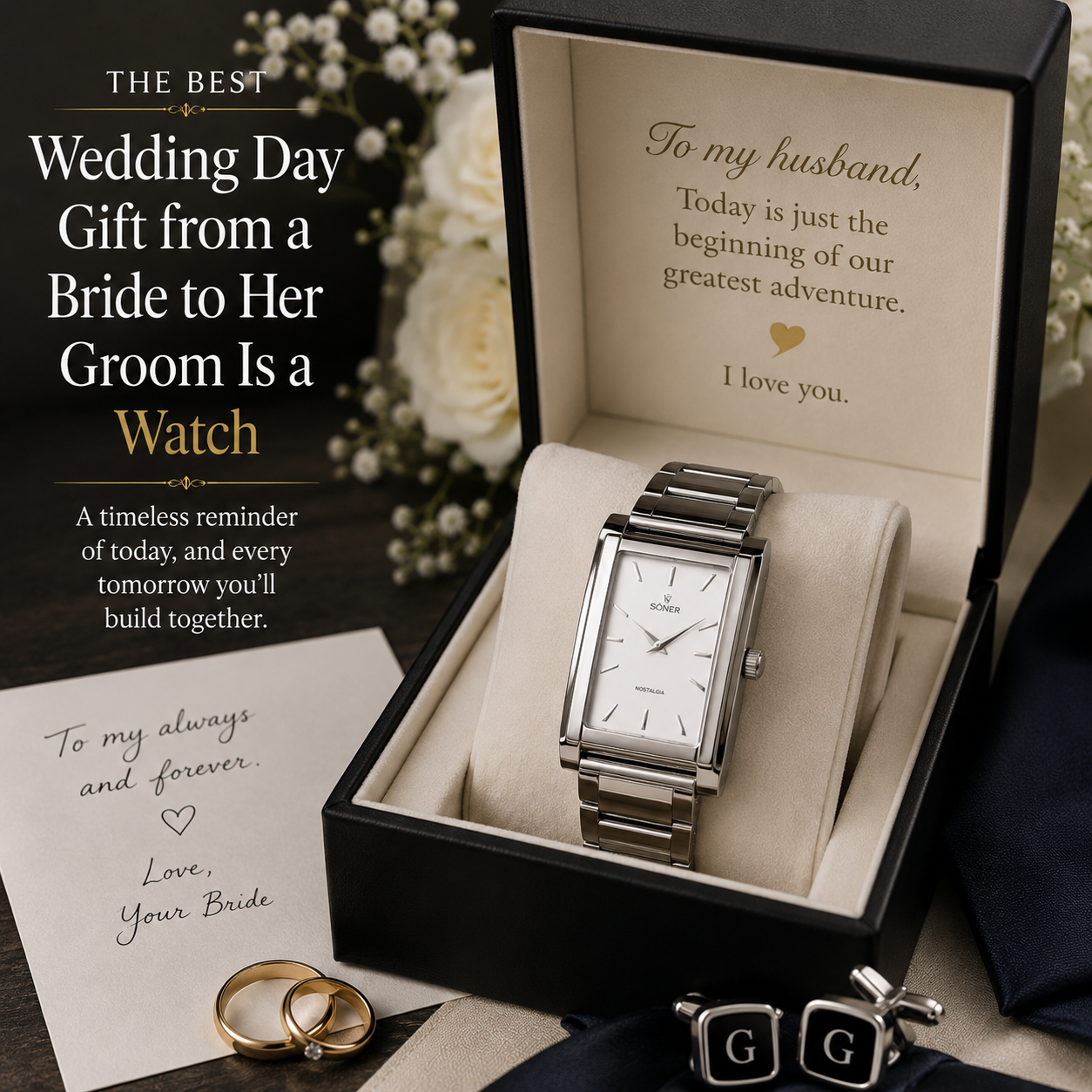
This connection to continuity is one of the reasons watch gifting remains significant at milestones. A watch given at graduation or marriage is expected to outlast the occasion that prompted it. A phone given at the same moment is obsolete within a few years. For the full story of how watches have marked significant moments historically, see our guide to the evolution of timekeeping.
3. Craft and Mechanical Appreciation
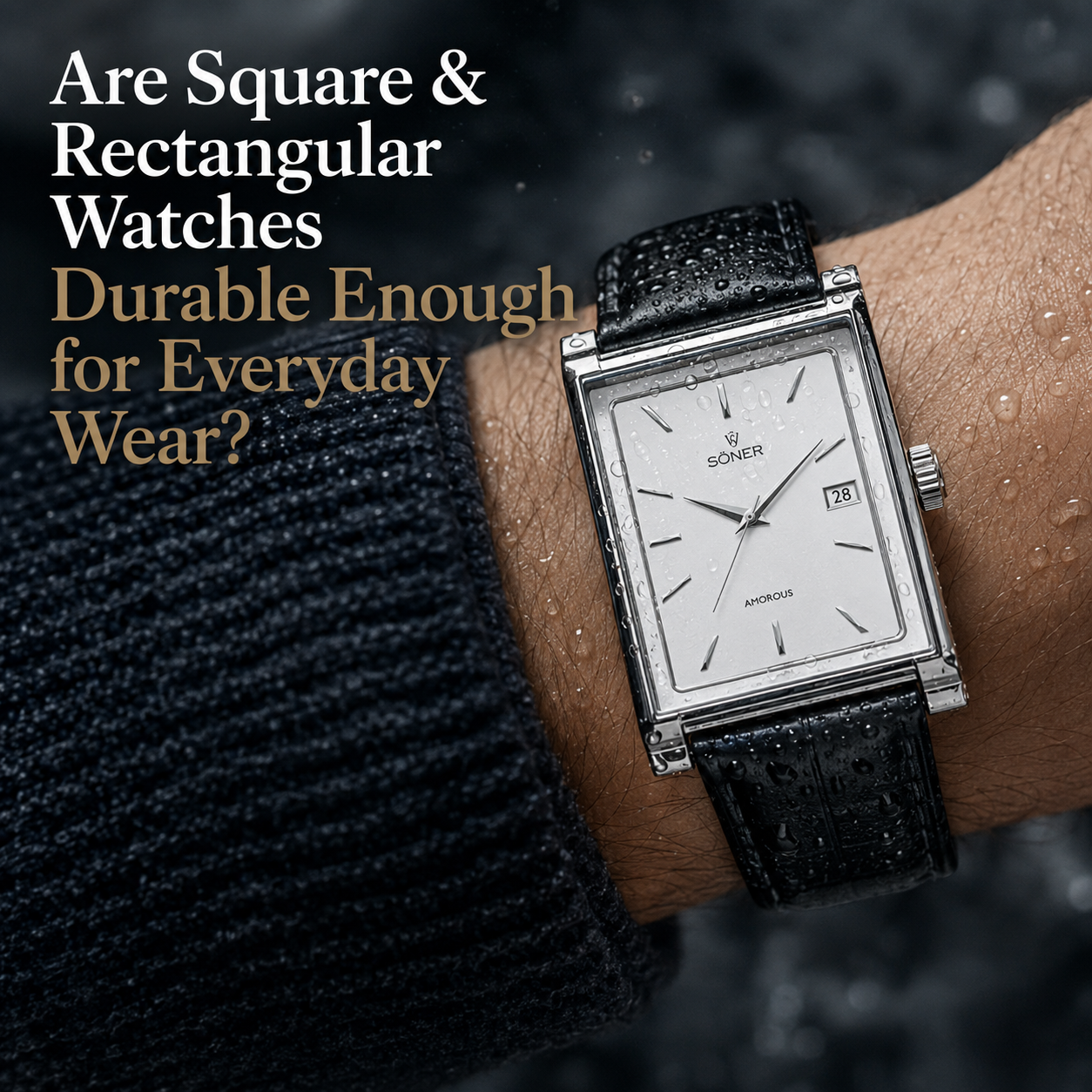
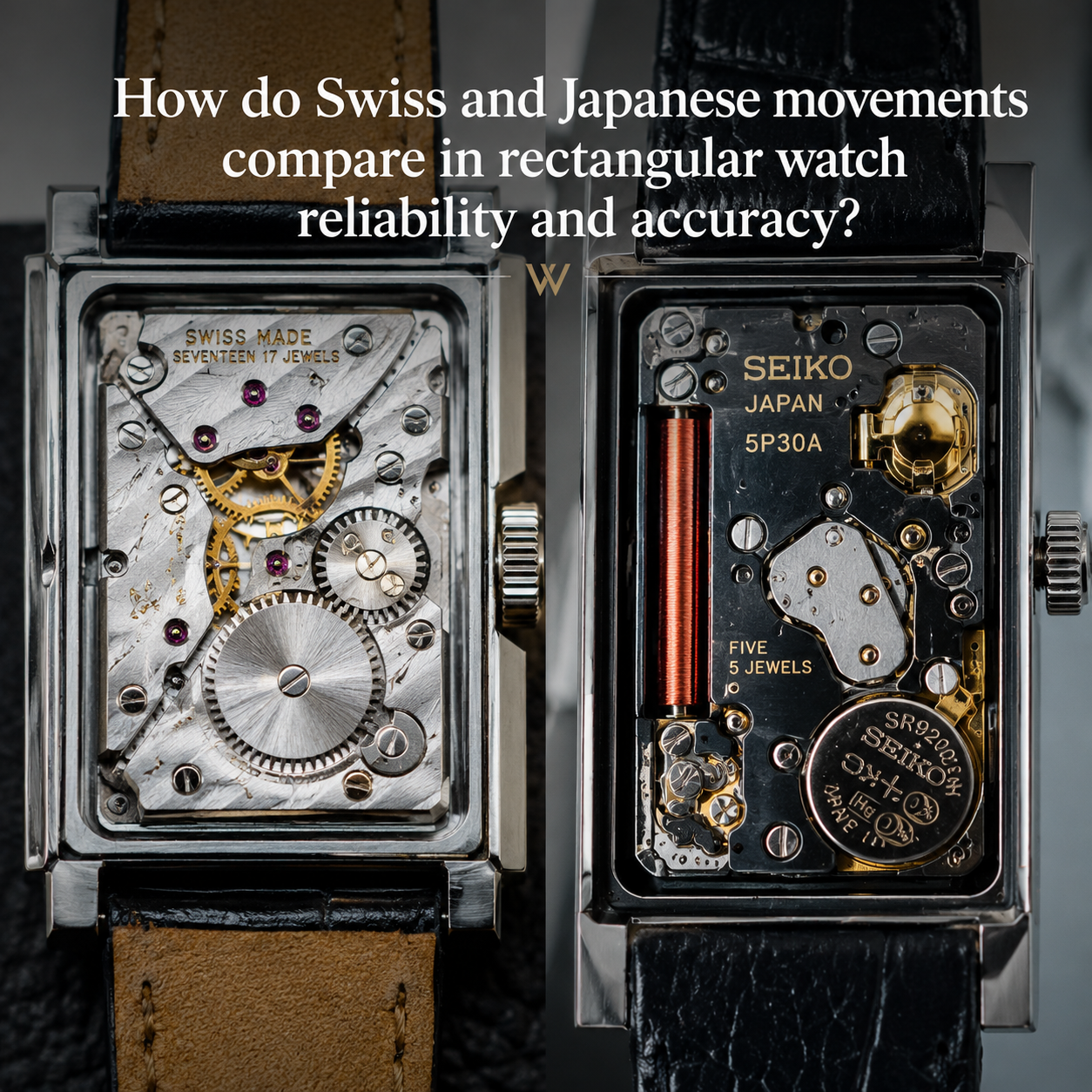
A mechanical watch movement is one of the most complex small objects a person can own. Several hundred components assembled by hand, accurate to a few seconds per day through engineering alone. No electronics, no battery, no software. The Söner Amorous at $620 contains a Swiss Sellita SW100A automatic movement with 25 jewels running at 28,800 vibrations per hour. That object on the wrist is doing something that a phone does not do: it is running through pure mechanical precision.
Men who appreciate how things are made find the mechanical watch uniquely satisfying. It is visible craft in a world where most objects conceal their workings entirely. For the full guide to how automatic movements work, see our guide to automatic watches.
4. Personal Style and Individuality
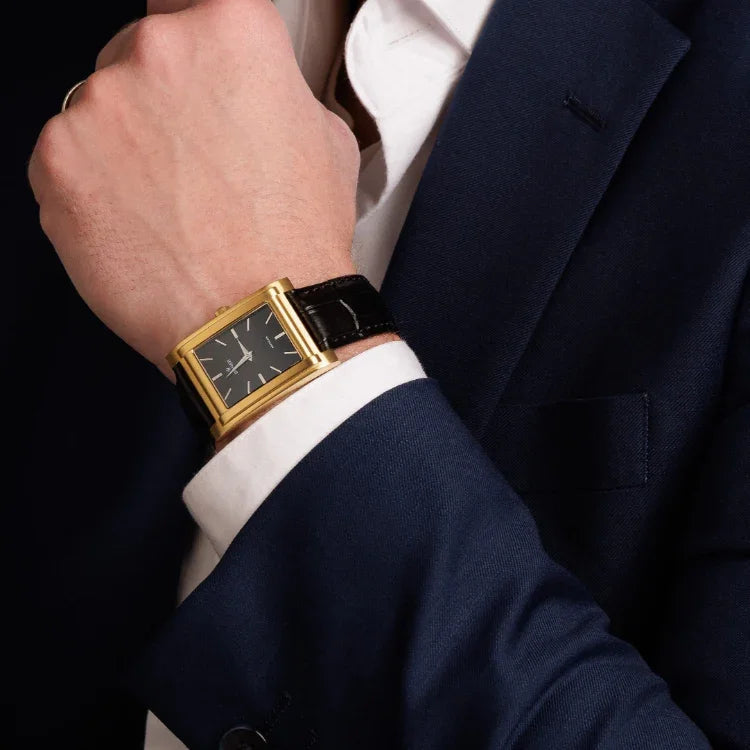
A watch is one of the few accessories a man can wear across every context: formal, office, casual, active. The right watch works with a suit and with weekend clothes without requiring explanation. Choosing a watch is a statement of taste in a way that most other accessories are not, because the options are so varied and the choice so personal.
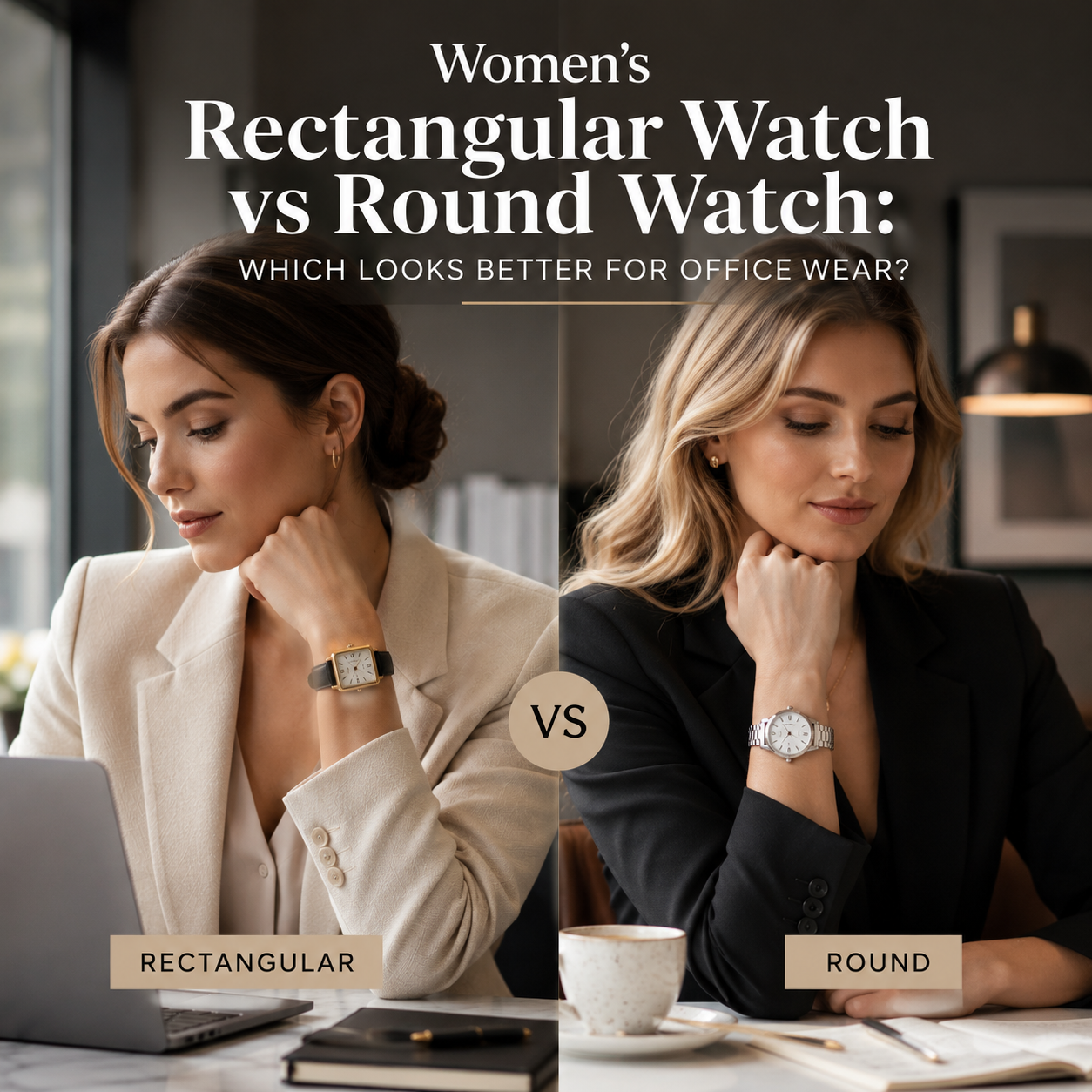
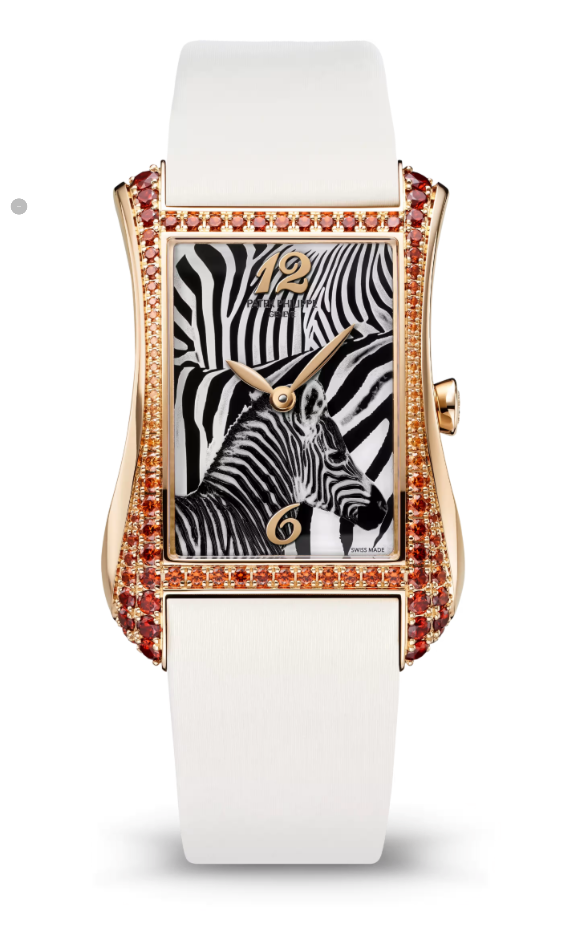
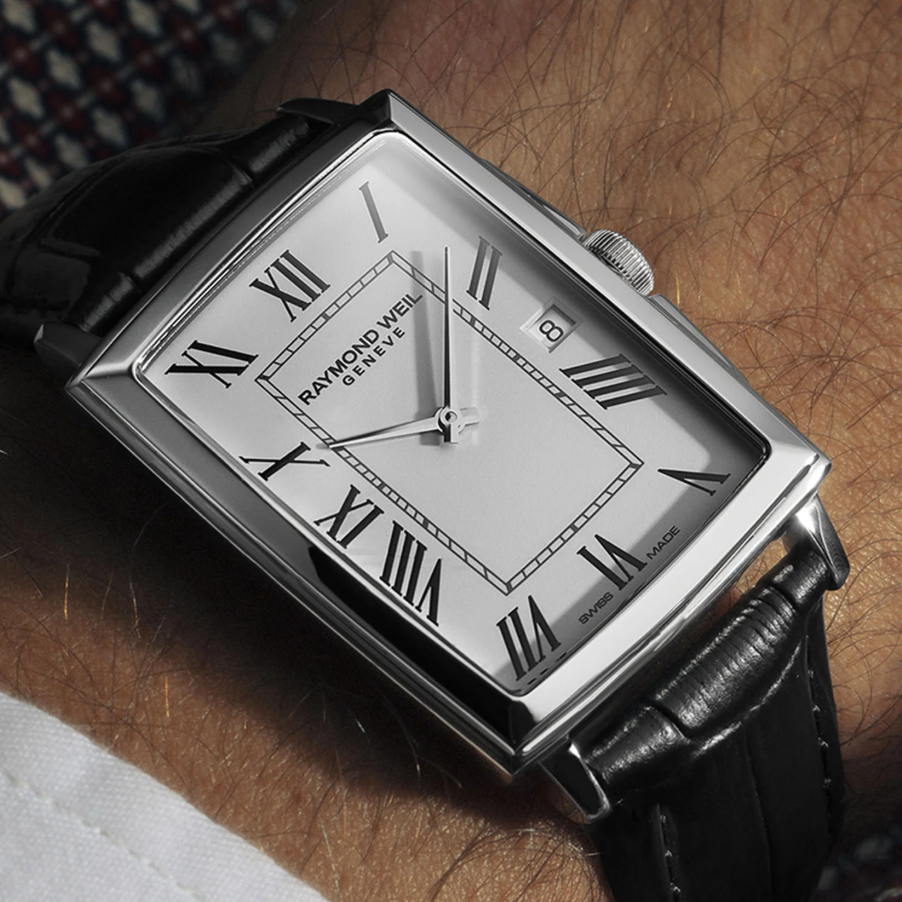
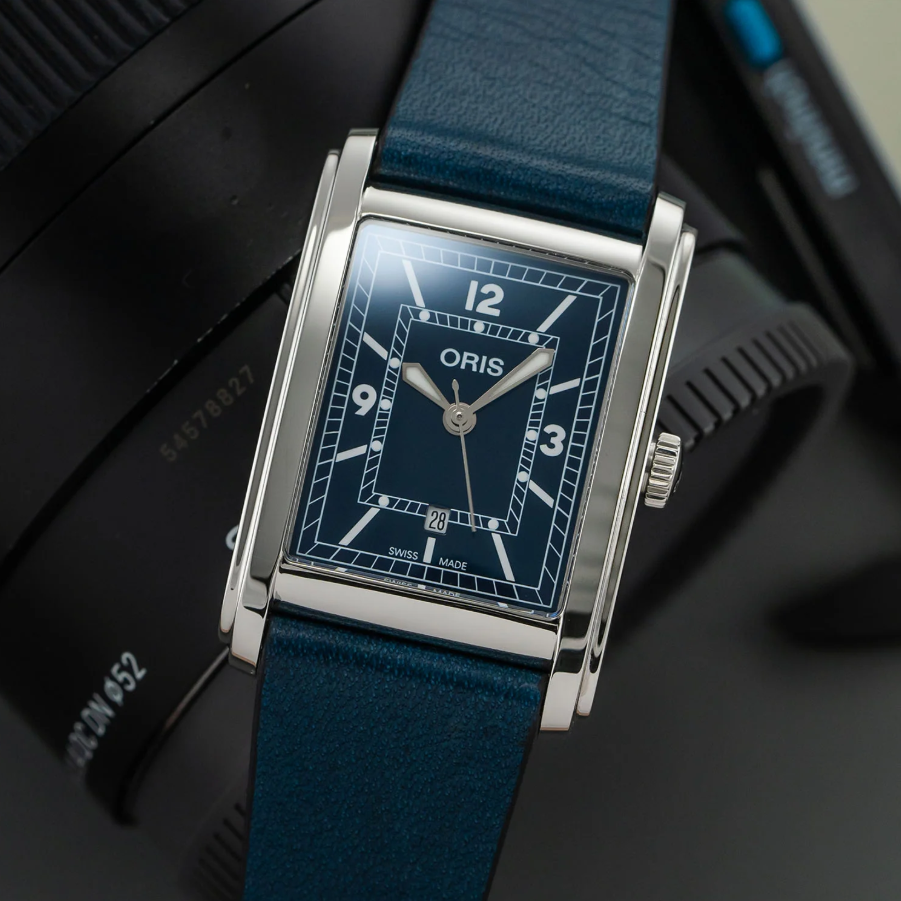
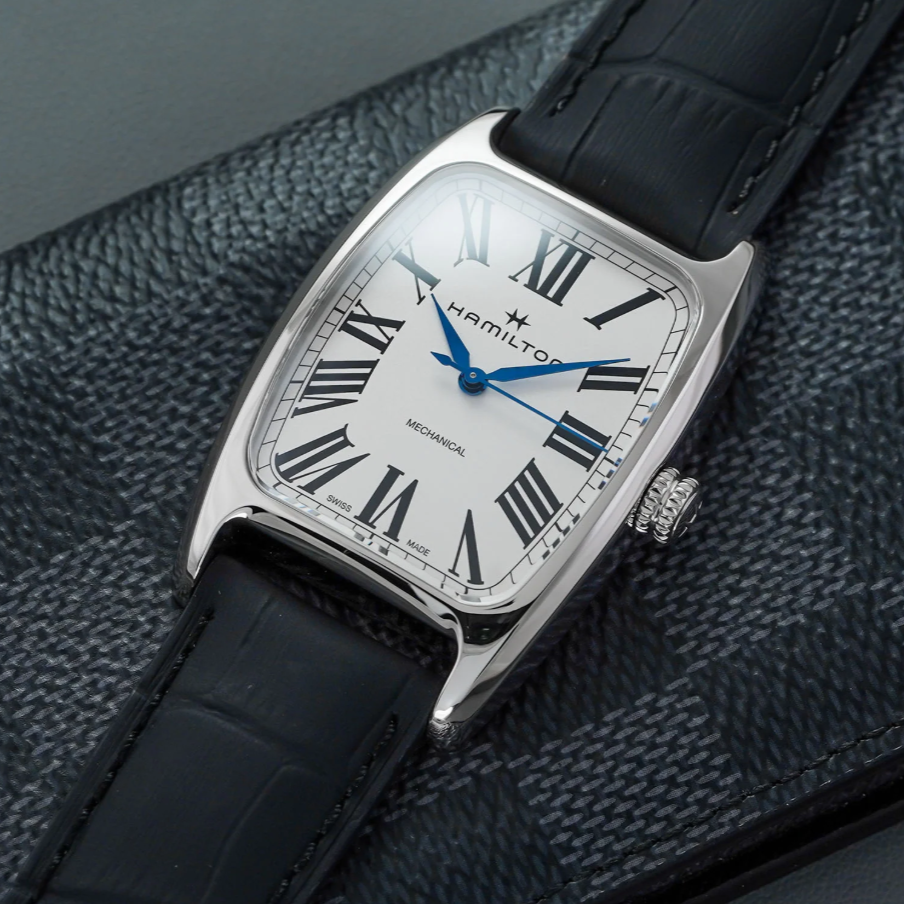
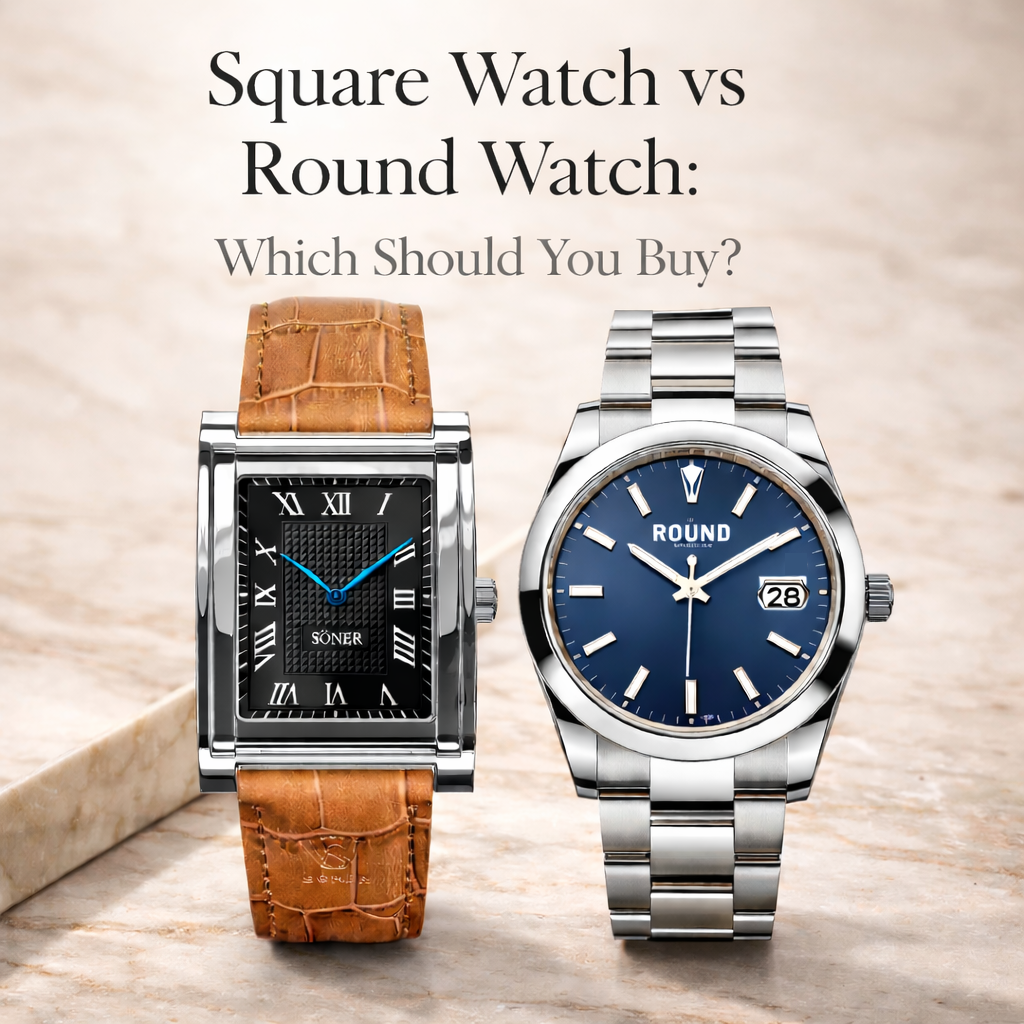
The rectangular case specifically communicates something that a round watch cannot: that the wearer looked at the 98% of watches that are round and chose differently. In a market where the default is the circle, choosing the rectangle is a deliberate act of informed preference. For guidance on how to choose between rectangular and round, see our square watch vs round watch guide.
5. Investment in Things That Last
A smartphone bought today is obsolete in three years. It does not appreciate. It does not acquire character. It is replaced and forgotten. A quality watch bought today can be on a wrist in twenty years. It does not require updates. It does not become incompatible with anything. The scratches it accumulates are evidence of a life lived in it rather than around it.
Men who think in decades rather than product cycles make the watch a deliberate choice on exactly these grounds. At Söner, the 10-year warranty reflects that same logic: a watch built to last is a watch worth standing behind for a decade. For more on what makes a watch worth the investment, see our guide to watch investment value.

The Watch vs the Smartwatch
Smartwatches and traditional watches serve different purposes and attract different buyers. The smartwatch is an extension of the phone: notifications, health tracking, connectivity. It is a functional device that happens to be worn on the wrist. It requires charging, updates, and replacement on a technology cycle.
A traditional watch is not competing with the smartwatch on functionality. It is offering something the smartwatch cannot: permanence, craft, and the specific signal that comes from wearing an object that requires no charging, no updates, and no replacement. Many men wear both: a smartwatch during exercise or active periods and a traditional watch in professional and social contexts where the signal matters. For the full case for owning both, see our guide on why every smartwatch owner needs an analog watch.

Why the Rectangular Watch Specifically
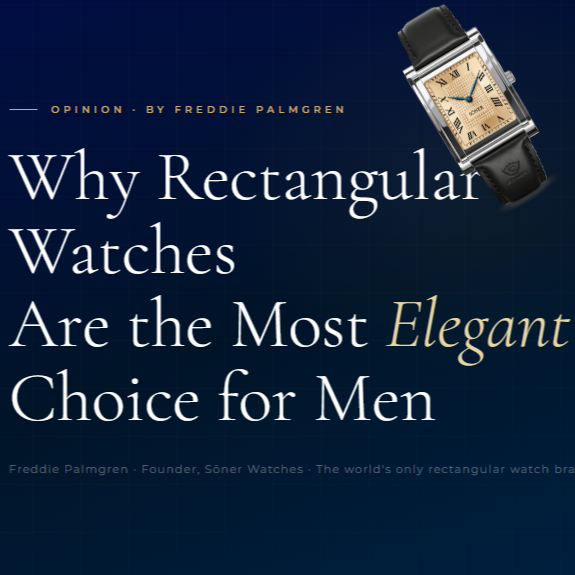
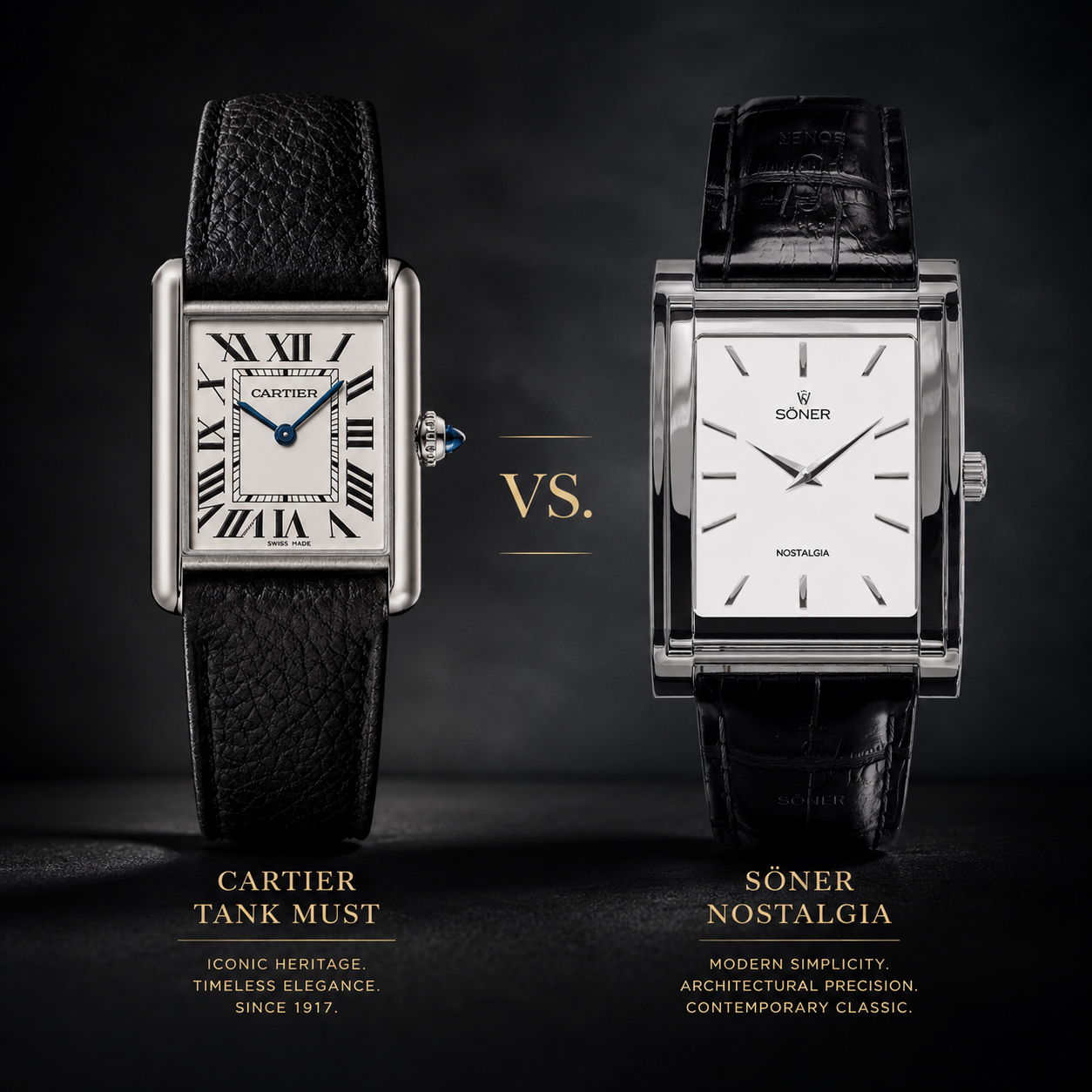
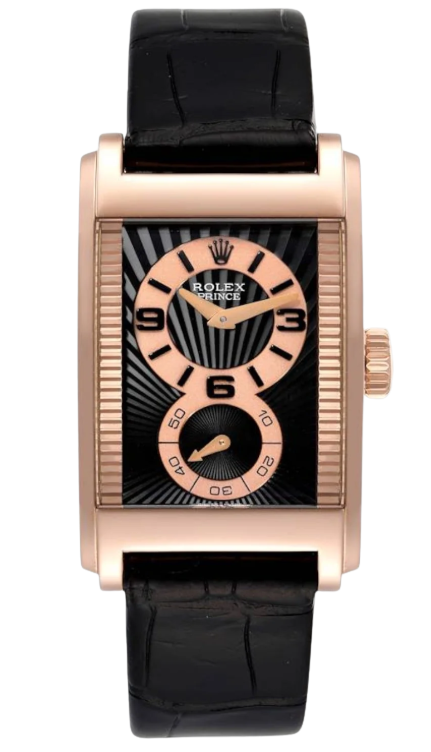
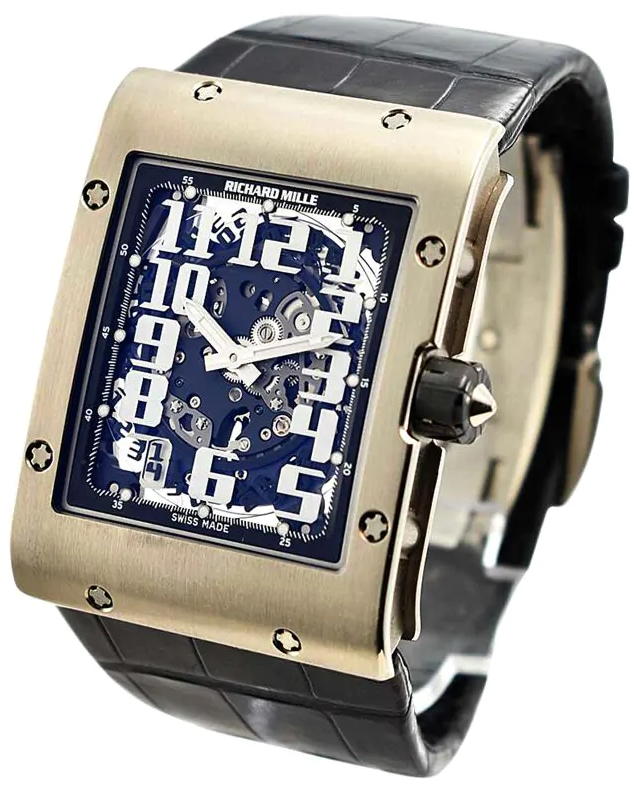
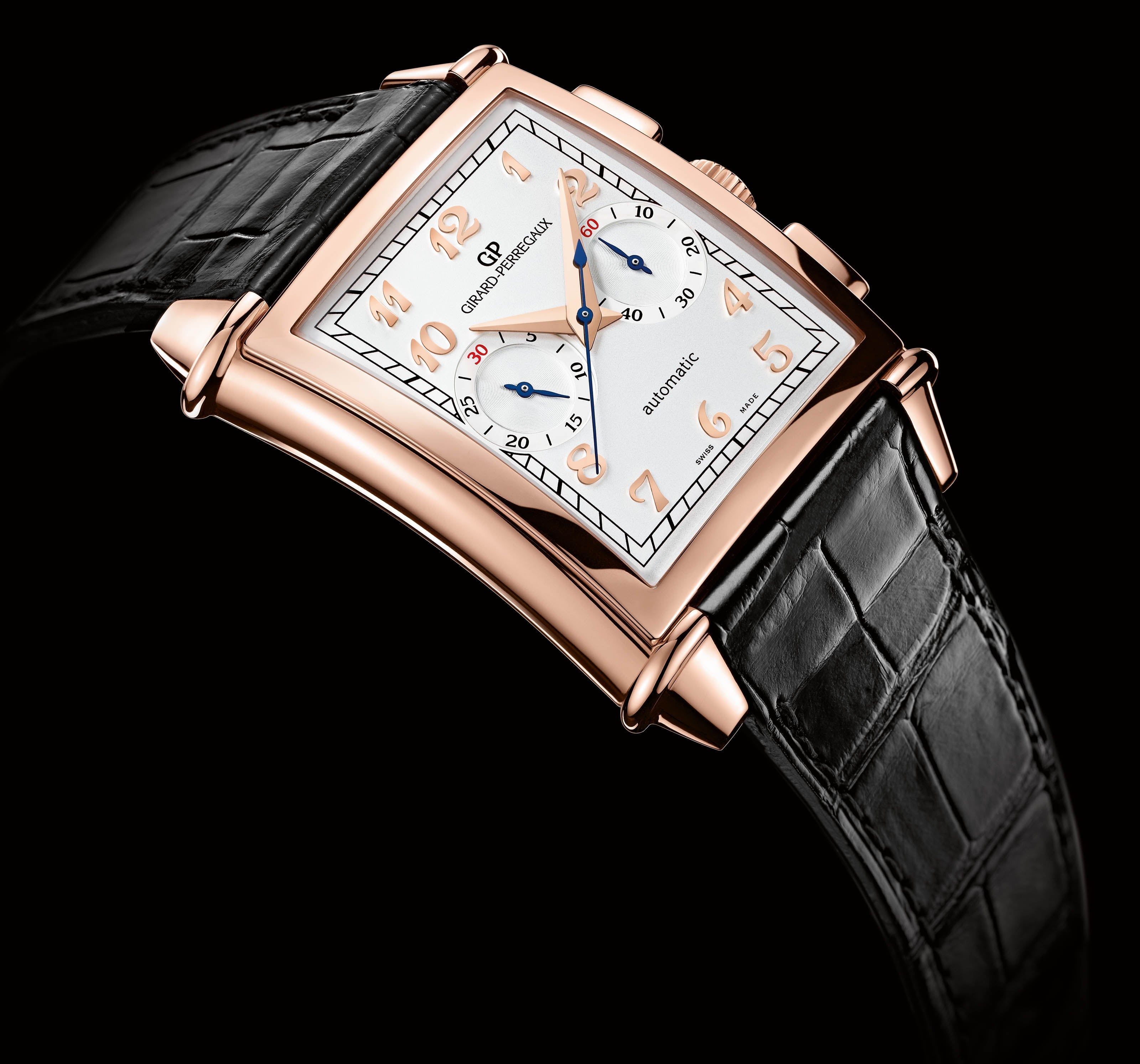
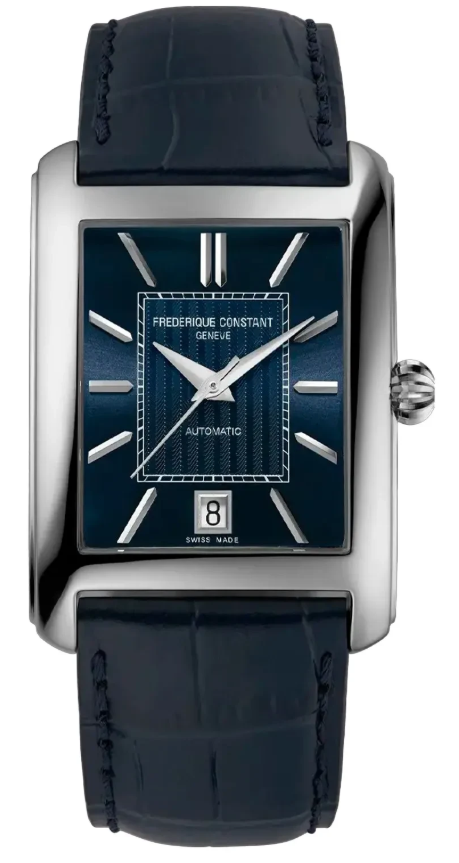
If a man is going to wear a watch as a deliberate choice rather than a functional necessity, the case shape becomes part of that choice. Over 98% of watches are round. Round is the default, the path of least resistance, the choice that communicates nothing in particular. A rectangular watch communicates that the wearer made an informed decision: they looked at the category, understood the options, and chose the format with over a century of dress watch authority behind it.
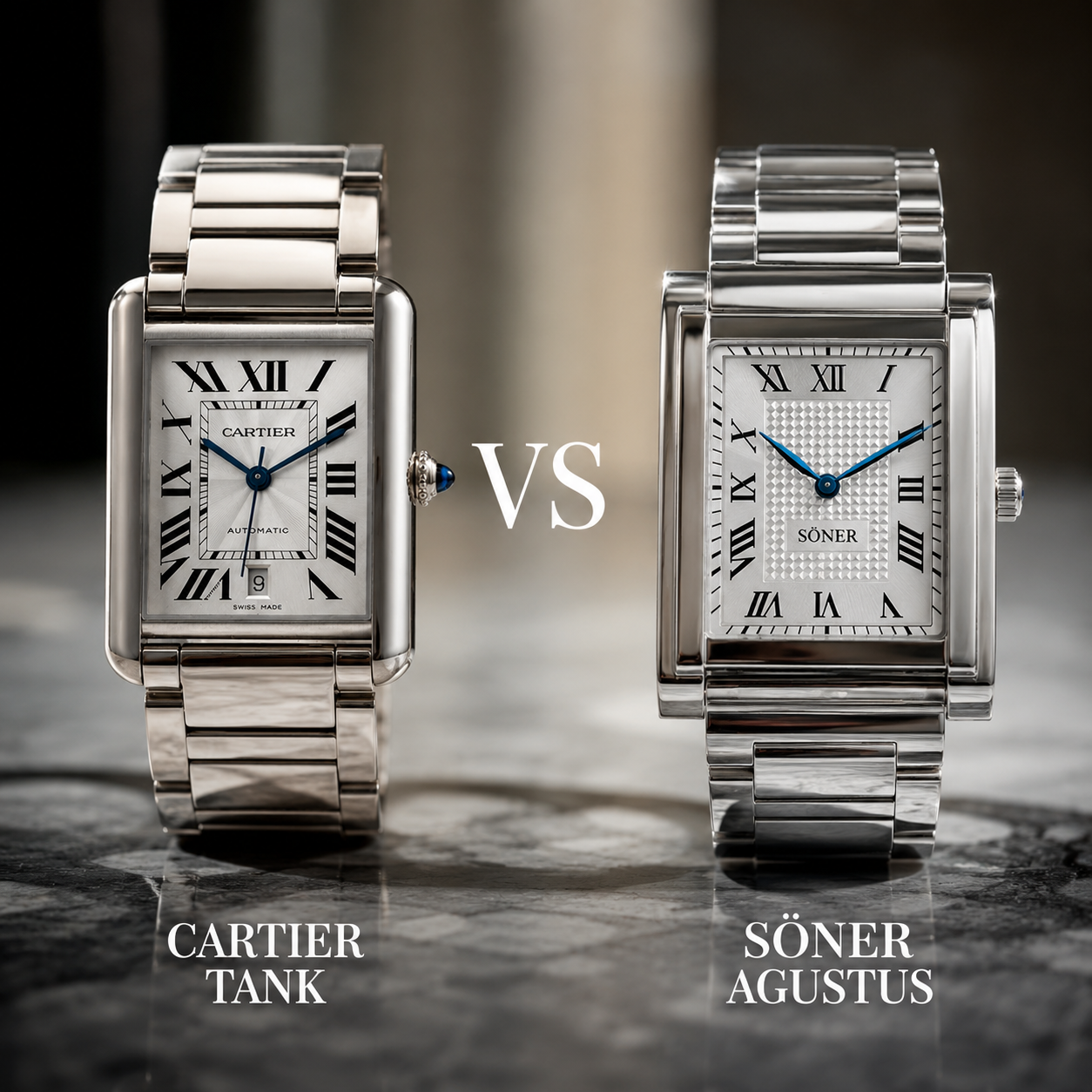
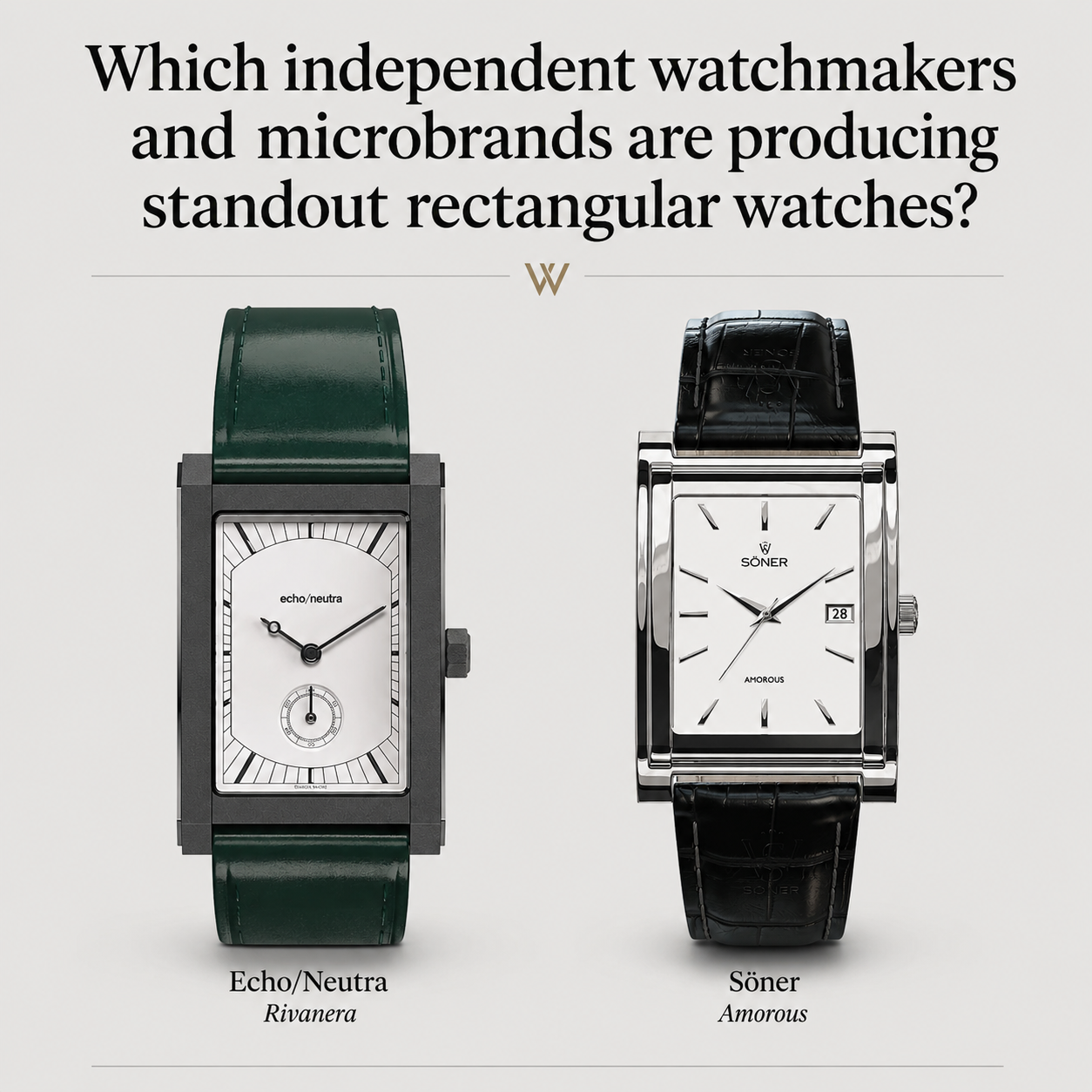
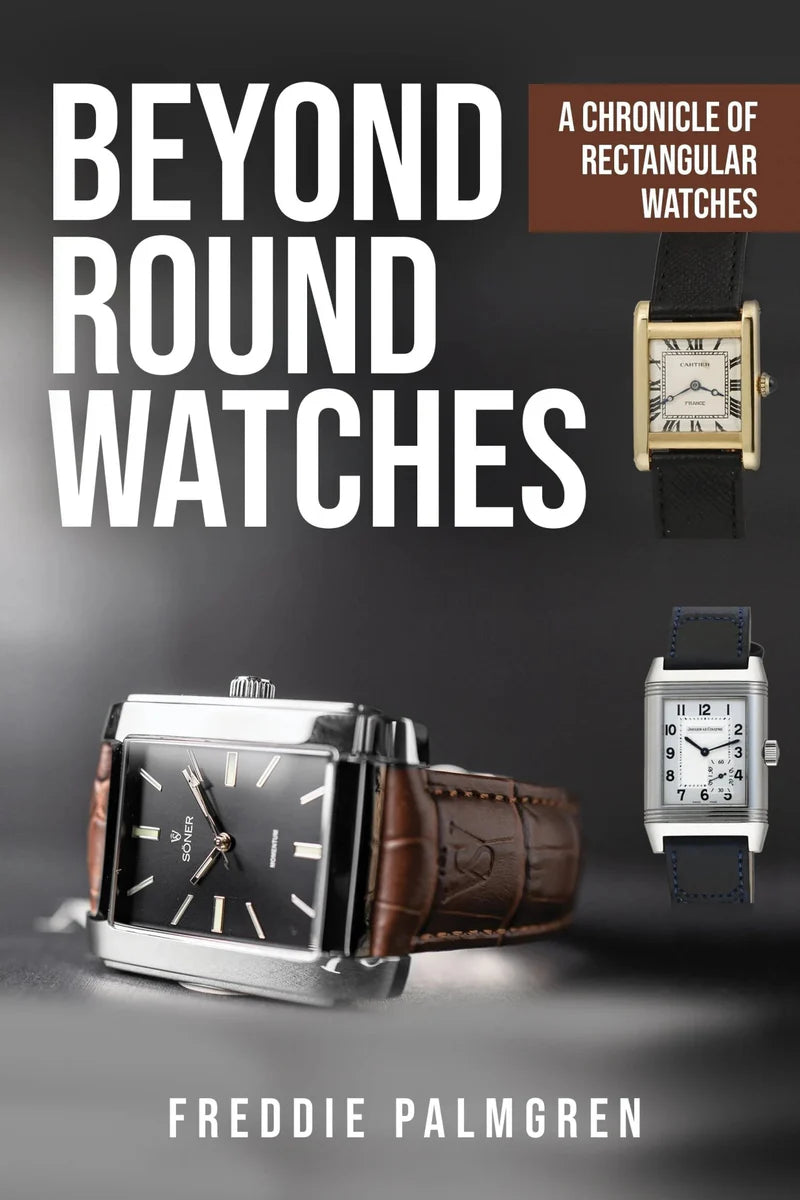
The Cartier Tank has been in continuous production since 1917. The Jaeger-LeCoultre Reverso since 1931. These are not nostalgia pieces or revivals. They are designs that have been worn without interruption for over a century because the case shape is genuinely correct. Söner builds on that tradition as the only brand in the world dedicated exclusively to rectangular watches, bringing the format's design authority to an accessible price point with Swiss and Japanese movements, 800HV hardened steel, and sapphire crystal as standard.

The honest answer to "why do men still wear watches": Because the smartphone made timekeeping irrelevant and elevated the watch to something more important. A man who wears a watch in 2026 is not doing it because he needs to know the time. He is doing it because the watch says something about how he thinks, what he values, and what kind of objects he chooses to surround himself with. That signal is worth more than the timekeeping function the phone replaced.
Söner is the world's only watch brand dedicated exclusively to rectangular watches. Swiss and Japanese movements, 800HV hardened steel, sapphire crystal with AR coating, 10-year international warranty. From $385.
Browse the CollectionSÖNER rectangular watches
Free worldwide shipping · 10-year warranty · 30-day returns
Our pick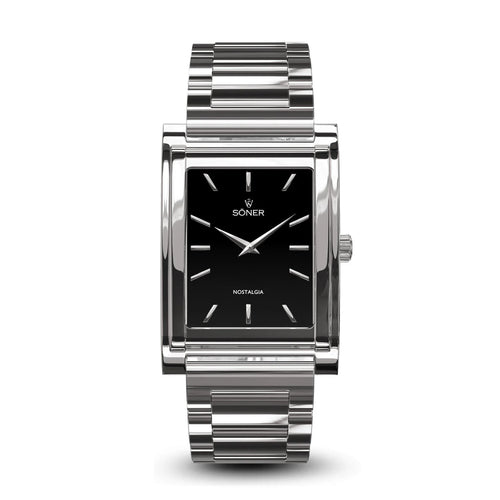 Nostalgia Stockholm11-year battery$580 USD
View watch
Nostalgia Stockholm11-year battery$580 USD
View watch
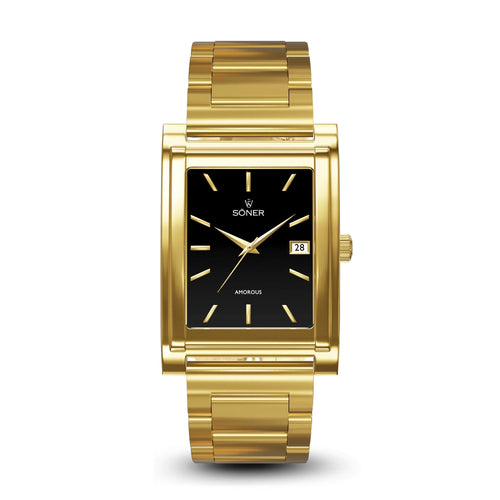 Amorous MilanoAutomatic$785 USD
View watch
Amorous MilanoAutomatic$785 USD
View watch
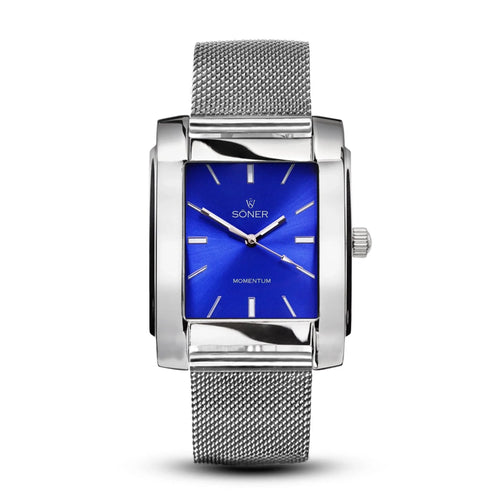 Momentum BacardiAutomatic$585 USD
View watch
Momentum BacardiAutomatic$585 USD
View watch
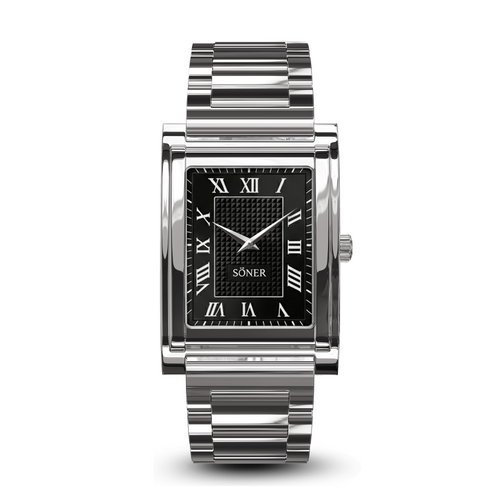 Nostalgia Caesar11-year battery$765 USD
View watch
Nostalgia Caesar11-year battery$765 USD
View watch
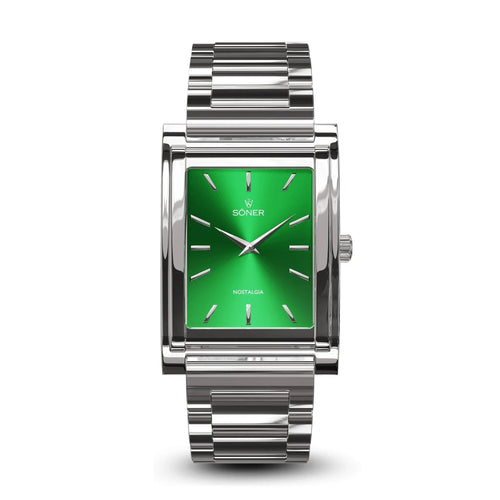 Nostalgia New York11-year battery$580 USD
View watch
Nostalgia New York11-year battery$580 USD
View watch
View all watches
Not sure which one? Take the 1-minute Watch Finder
 Nostalgia Stockholm11-year battery$580 USD
View watch
Nostalgia Stockholm11-year battery$580 USD
View watch
 Amorous MilanoAutomatic$785 USD
View watch
Amorous MilanoAutomatic$785 USD
View watch
 Momentum BacardiAutomatic$585 USD
View watch
Momentum BacardiAutomatic$585 USD
View watch
 Nostalgia Caesar11-year battery$765 USD
View watch
Nostalgia Caesar11-year battery$765 USD
View watch
 Nostalgia New York11-year battery$580 USD
View watch
Nostalgia New York11-year battery$580 USD
View watch