

 Published on
Table of Contents
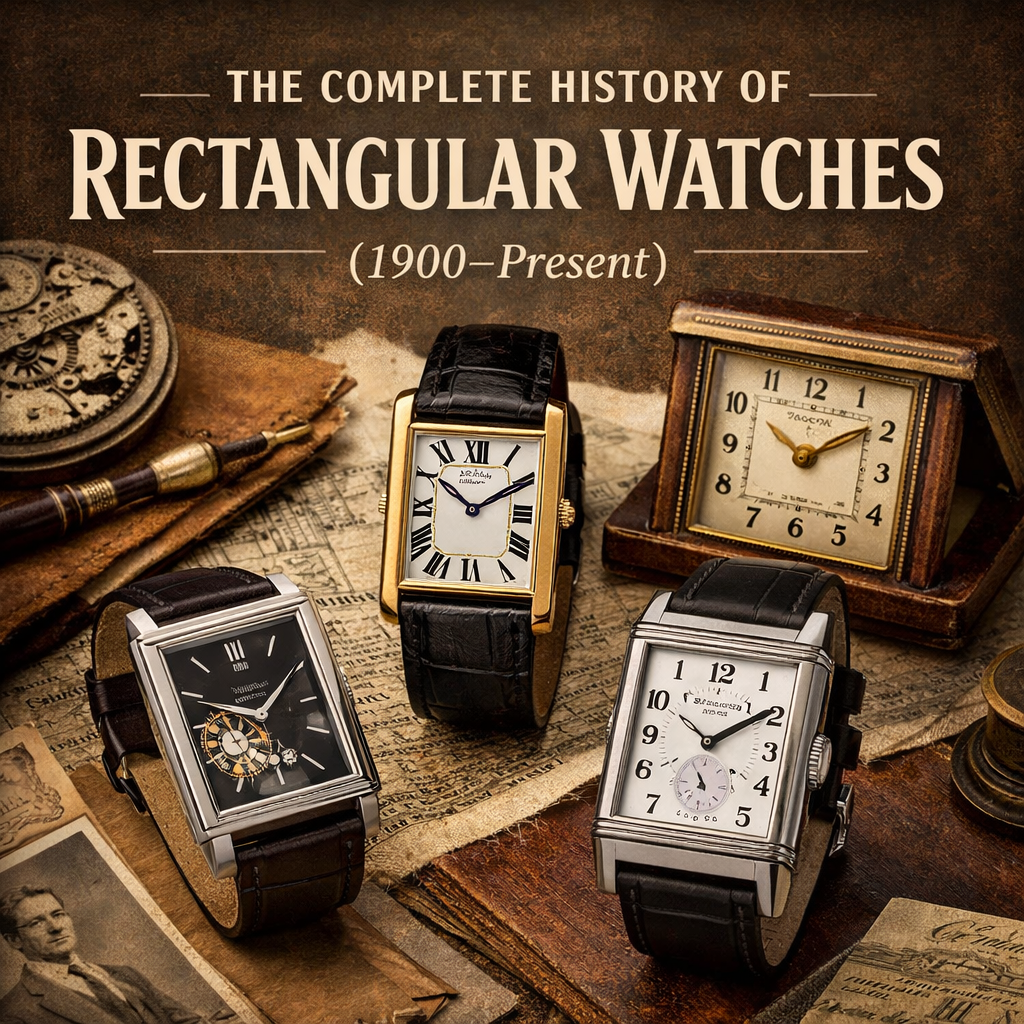
La historia del reloj rectangular es, en miniatura, la historia del diseño moderno en sí. Comienza en el momento preciso en que la relojería dejó de ser puramente funcional y empezó a ser cultural, cuando el objeto en tu muñeca se convirtió en una declaración sobre quién eras, qué valorabas y cómo veías el mundo.
Desde un experimento modesto en la Londres eduardiana hasta las obras maestras Art Deco de la París de entreguerras, desde la contracción de mediados de siglo hasta el renacimiento ostentoso actual, el reloj rectangular ha seguido la historia más amplia del gusto, la tecnología y la identidad a lo largo de más de un siglo. Este artículo traza esa historia completa, década a década, movimiento a movimiento, ícono por ícono.
¿Cómo se convirtieron los relojes rectangulares en un básico de la cultura de relojes de vestir? A través de cuatro fuerzas convergentes. Comenzaron como una declaración de diseño deliberada: los Santos (1904) y Tank (1917) de Cartier demostraron que la forma de la caja era una elección intencional y no un reloj de bolsillo convertido. Florecieron durante la era Art Deco de los años 1920 y 1930, cuando la caja rectangular se convirtió en el lienzo ideal para la elegancia geométrica y arquitectónica del período. Eran más difíciles de fabricar que los relojes redondos, lo que los hacía más raros y prestigiosos. Y a mediados del siglo XX, la caja rectangular se convirtió en el reloj de la edad dorada de Hollywood y de la élite de la moda, usado con correa de cuero y atuendo formal, un símbolo de confianza discreta más que de exhibición ostentosa. Esa combinación de diseño deliberado, prestigio Art Deco, exclusividad en ingeniería y estatus cultural es la razón por la que la caja rectangular sigue siendo el reloj de vestir arquetípico hoy en día.
Para el marco analítico completo de lo que define un reloj rectangular y por qué importa, la guía completa de relojes rectangulares proporciona la referencia fundamental para todo lo que se discute aquí.
1900–1914: Nace el reloj de pulsera y aparece el rectángulo
La historia no comienza con un rectángulo, sino con un problema. Para 1900, el reloj de bolsillo había alcanzado un estado de casi perfección. Los fabricantes suizos y alemanes habían refinado el calibre redondo a niveles extraordinarios de precisión y delgadez. El reloj de bolsillo era el instrumento de medición del tiempo dominante en el mundo industrializado, y su forma, circular, discreta, llevada en el bolsillo del chaleco, estaba esencialmente fijada.
El reloj de pulsera surgió como una solución a un problema militar. Los soldados en el campo no podían consultar fácilmente un reloj de bolsillo mientras estaban bajo fuego o manejando artillería. Convertir pequeños relojes colgantes de mujer en relojes de pulsera, al colocar correas de cuero en sus cajas, fue una solución pragmática. La Guerra de los Bóers (1899–1902) y los conflictos coloniales posteriores aceleraron la adopción del reloj de pulsera entre los oficiales militares, y para 1910 los hombres civiles comenzaron a seguir esta tendencia.
Estos primeros relojes de pulsera eran casi exclusivamente redondos. Después de todo, eran relojes de bolsillo convertidos, y los relojes de bolsillo eran redondos. Pero dentro de este período comenzaron los primeros experimentos deliberados con cajas no redondas. Cartier, el joyero y relojero parisino que definiría el reloj rectangular, produjo su primer reloj de pulsera rectangular alrededor de 1904. Ese reloj, el Santos, era técnicamente cuadrado más que rectangular, pero señalaba algo importante: la forma de la caja de un reloj de pulsera era una elección de diseño, no una necesidad física.
La colaboración de Louis Cartier con el aviador brasileño Alberto Santos-Dumont produjo el reloj de pulsera Santos por razones que fueron simultáneamente prácticas y sociales. Santos-Dumont necesitaba consultar la hora mientras volaba sin soltar los controles de su aeronave. Cartier necesitaba un formato para un reloj de pulsera que pareciera deliberado en lugar de apologético, que se anunciara como un objeto diseñado en lugar de un reloj de bolsillo convertido. La caja cuadrada formaba parte de ese anuncio.
El Santos estableció varios principios que gobernarían el diseño de relojes rectangulares durante el siguiente siglo: la forma de la caja debía ser arquitectónicamente intencional, la integración de la caja y la pulsera debía considerarse como un problema de diseño unificado, y la impresión general debía ser de modernidad deliberada más que de convención histórica.
1914–1920: Guerra, Función y los Primeros Rectángulos Verdaderos
La Primera Guerra Mundial transformó el reloj de pulsera de un artículo de lujo a una necesidad militar. Para 1914, los oficiales de todos los bandos del conflicto llevaban relojes de pulsera como equipo estándar. El volumen de producción de relojes de pulsera aumentó dramáticamente. Y con el aumento de la producción vino una mayor experimentación en el diseño.
Fue durante este período cuando comenzaron a aparecer en números significativos los primeros relojes de pulsera verdaderamente rectangulares, con cajas de perfil claramente alargado y lados rectos. El argumento práctico para una caja rectangular no era completamente estético. Una caja estrecha y alta podía llevarse en el interior de la muñeca, donde era menos probable que se enganchara con el equipo. El perfil alargado, alineado con el brazo, creaba menos obstrucción visual que una caja redonda con un área de esfera equivalente.
Pero el reloj rectangular más importante de este período no fue militar en absoluto. En 1917, Louis Cartier diseñó el Tank, un reloj que tomó su nombre y sus proporciones de los vehículos militares con orugas que entonces transformaban la guerra en el Frente Occidental. Se dice que Cartier había visto fotografías o bocetos del tanque Renault FT-17, y le llamó la atención su silueta vista desde arriba: un cuerpo rectangular flanqueado por dos orugas paralelas. Traducía esta imagen directamente en la caja del reloj. El cuerpo de la caja se convirtió en la esfera. Las orugas se convirtieron en las asas integradas, extensiones estructurales que iban desde la parte superior de la caja hasta la inferior, enmarcando la esfera a ambos lados.
El Tank no se produjo en cantidad hasta 1919, cuando terminó la guerra. Su primer destinatario conocido fue el General John Pershing, comandante de las Fuerzas Expedicionarias Americanas. Pero su impacto en la relojería fue inmediato y permanente. El Tank demostró que un reloj rectangular podía ser un objeto de diseño completo, no un compromiso o una novedad, sino una declaración estética plenamente resuelta.
1920–1940: La Edad de Oro del Art Deco
Las dos décadas entre guerras representan el punto más alto del diseño de relojes rectangulares en la historia. El Art Deco, el movimiento de diseño que barrió la arquitectura, el mobiliario, la moda y las artes decorativas en los años 1920 y 1930, fue una combinación filosófica natural para la caja rectangular. Tanto el Art Deco como el reloj rectangular se basaban en el mismo conjunto de convicciones: que la geometría es hermosa, que los materiales modernos merecen una expresión honesta, que la era de la máquina tenía su propio vocabulario estético, y que el lujo y la modernidad no eran opuestos.
Los Principios de Diseño de la Relojería Art Deco
La relojería Art Deco se caracterizó por varios principios formales que se tradujeron directamente en el diseño de cajas rectangulares. Fuertes contrastes geométricos, esmalte negro contra esfera blanca, biseles de diamantes contra ónix oscuro, oro contra platino, fueron el lenguaje visual del período. Las esferas se trataban como composiciones gráficas más que como instrumentos puramente funcionales, con números audaces, marcadores horarios marcados y espacio negativo deliberado.
La caja rectangular era el lienzo ideal para estas composiciones. Su orientación vertical, alta y estrecha, reflejaba las proporciones de la arquitectura Art Deco: el rascacielos, la pirámide escalonada, la torre aerodinámica. Los bordes rectos de la caja creaban líneas limpias sobre las cuales los elementos decorativos podían colocarse con precisión. Las esquinas de la caja se convirtieron en puntos de interés de diseño: algunas estaban biseladas, otras engastadas con piedras, y algunas se dejaban desnudas.
Las Grandes Casas y Sus Contribuciones Rectangulares
Cartier produjo relojes rectangulares de extraordinaria variedad durante este período. El Tank evolucionó a través de múltiples referencias: el Tank Cintrée (con una caja curva que se arqueaba para seguir la muñeca), el Tank LC (Louis Cartier, el más sobrio y proporcionalmente puro de la familia), y varios encargos personalizados producidos para clientes privados. Cartier también desarrolló los elementos característicos del Tank, la corona cabujón con una piedra de color, los números romanos en la esfera, el anillo de capítulo tipo vía férrea, en un lenguaje de diseño coherente que se mantendría constante a lo largo del siglo.
Jaeger-LeCoultre entró en la categoría de relojes rectangulares con el Reverso en 1931. La historia de origen del Reverso se ha contado muchas veces: fue diseñado para jugadores de polo en la India británica que necesitaban proteger los cristales de sus relojes durante el juego. La solución, una caja que se desliza en un marco y gira para presentar un reverso de acero liso al campo de juego, es una de las piezas de ingeniería relojera más elegantes jamás concebidas. La caja Art Deco del Reverso, con sus asas escalonadas, bordes biselados y proporciones precisas, sigue en producción continua hoy en día, convirtiéndolo en uno de los diseños de relojes rectangulares más longevos de la historia.
Patek Philippe produjo relojes rectangulares, muchos bajo comisión de Gondolo & Labouriau, un socio minorista brasileño, que representaban el extremo más contenido y arquitectónicamente preciso del espectro Art Deco. Las cajas rectangulares de Patek eran ejercicios de proporción: estrechas, impecablemente terminadas, conspicuamente sin decoración. Donde los relojes rectangulares de Cartier se anunciaban, los de Patek susurraban.
Vacheron Constantin y Audemars Piguet produjeron relojes rectangulares significativos durante este período, al igual que Longines, Omega y numerosos fabricantes suizos más pequeños. La era Art Deco fue genuinamente igualitaria en su entusiasmo por las cajas rectangulares: aparecían en todos los rangos de precio, en todos los materiales, para cualquier ocasión.
Innovación en movimientos
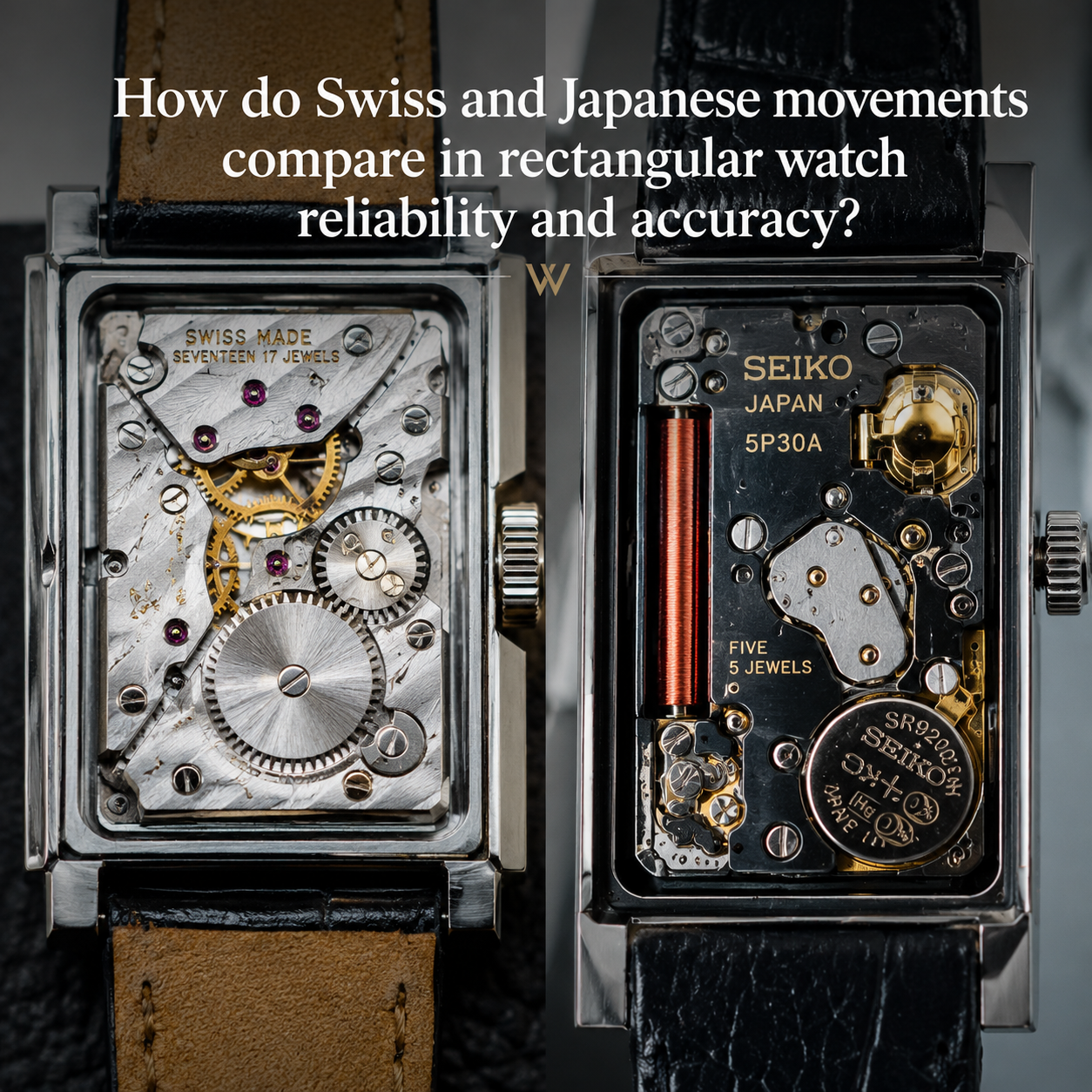
La caja rectangular creó un verdadero problema de ingeniería durante el período Art Deco, y la respuesta fue una generación de calibres rectangulares diseñados específicamente que representan algunos de los mejores diseños de movimiento en la historia de la relojería.
El desafío era sencillo: los movimientos redondos, optimizados para relojes de bolsillo, desperdiciaban espacio en cajas rectangulares. Las esquinas de la caja quedaban sin usar. El movimiento se situaba concéntricamente en la caja, dejando vacíos visibles. Algunos fabricantes aceptaron este compromiso. Los más ambiciosos no.
Jaeger-LeCoultre, que en ese momento también producía movimientos para Cartier y otras casas importantes, desarrolló una serie de calibres rectangulares dedicados que llenaban el espacio disponible de la caja con una eficiencia extraordinaria. Estos movimientos, planos, alargados, con puentes y placas diseñados según las dimensiones específicas de la caja, fueron logros de ingeniería tan significativos como cualquier cosa producida en formato redondo. Su desarrollo requirió herramientas completamente nuevas, nuevas técnicas de producción y nuevos enfoques para la disposición de los componentes que no tenían precedentes en la tradición de relojes redondos.
El Reloj Rectangular como Símbolo de Estatus
Más allá del diseño y la ingeniería, el reloj rectangular adquirió algo menos tangible durante este período: prestigio cultural. Usado con correa de cuero y atuendo formal, la caja rectangular se convirtió en el reloj de la élite con estilo y, en las décadas siguientes, de la edad dorada de Hollywood. Estrellas de cine y protagonistas los usaban, y figuras culturales los adoptaron como firmas personales: Truman Capote fue famoso por su devoción al Cartier Tank. Esta asociación con el discernimiento y la confianza discreta, más que con la ostentación, consolidó la identidad del reloj rectangular como el arquetipo del reloj de vestir, una elección que señalaba gusto más que solo riqueza. Es esta dimensión cultural, tanto como el diseño o la ingeniería, la que hizo de la caja rectangular un elemento permanente de la cultura del reloj de vestir.
1940–1970: Contracción y Supervivencia
Las décadas posteriores a la guerra trajeron un cambio en el gusto y la tecnología que no fue favorable para los relojes rectangulares. Varias fuerzas convergieron para empujar la caja rectangular hacia los márgenes.
El Cambio hacia la Cultura Casual
La formalidad social que había sostenido la tradición del reloj de vestir, y con ella la caja rectangular, comenzó a erosionarse en los años 40 y se aceleró durante los 50 y 60. La cultura casual estadounidense, exportada globalmente a través del cine y la música popular, hizo que la informalidad se pusiera de moda. El reloj de pulsera siguió esta tendencia: el reloj deportivo y el reloj casual comenzaron a desplazar al reloj de vestir como categoría dominante.
Los relojes deportivos eran redondos, casi sin excepción. El Rolex Submariner (1953), el Omega Seamaster (1948) y el IWC Aquatimer usaban cajas redondas optimizadas para la resistencia al agua y la legibilidad en condiciones activas. La caja rectangular no tenía un lugar natural en esta nueva jerarquía.
La Crisis del Cuarzo
La crisis de la industria relojera suiza en los años 70, provocada por la llegada de movimientos de cuarzo japoneses precisos y asequibles, afectó especialmente al segmento de relojes de vestir. La clientela tradicional del reloj rectangular valoraba por encima de todo la artesanía mecánica suiza. Cuando los fabricantes japoneses demostraron que un reloj de cuarzo de 20 dólares podía superar en precisión a un reloj mecánico suizo de 2,000 dólares, la propuesta de valor del reloj de vestir suizo, incluido el reloj rectangular de vestir, requirió una reconsideración urgente.
Varias casas importantes sobrevivieron a la crisis del cuarzo adaptándose. Cartier introdujo movimientos de cuarzo en la gama Tank, lo que le permitió mantener la producción mientras reducía costos. El Reverso de Jaeger-LeCoultre sobrevivió porque el diseño de su caja, el mecanismo giratorio, era lo suficientemente distintivo como para justificar su precio sin importar el movimiento que tuviera en su interior. Pero muchos especialistas más pequeños en relojes rectangulares no sobrevivieron.
Los Sobrevivientes
Los relojes rectangulares que sobrevivieron a este período lo hicieron porque tenían algo que trascendía el momento: un diseño tan resuelto y un legado tan claro que ninguna cantidad de disrupción en el mercado pudo volverlos obsoletos. El Cartier Tank, el Jaeger-LeCoultre Reverso y un puñado de referencias rectangulares de Patek Philippe mantuvieron sus posiciones durante la contracción porque no eran solo relojes, eran objetos culturales con historias que coleccionistas y conocedores se negaron a dejar morir.
El dominio histórico de los relojes redondos durante este período, impulsado por la cultura de los relojes deportivos y la tecnología de cuarzo, se detalla en el artículo dedicado a por qué la industria optó por cajas circulares.
1970–2000: La Profundización del Nicho
Las décadas de 1970 a 2000 no fueron una edad de oro para los relojes rectangulares, pero tampoco fueron una época oscura. Fueron un período de repliegue y consolidación, un momento en que la categoría se redujo a su núcleo esencial y se definió con mayor claridad en el proceso.
El Cartier Tank continuó evolucionando. Aparecieron nuevas referencias: el Tank Américaine en 1989 (con una caja curva que recordaba al Tank Cintrée de los años 20), el Tank Française en 1996 (con un brazalete integrado en la tradición Santos). Estos relojes no fueron cambios radicales, sino variaciones sofisticadas sobre una plantilla que había demostrado su valor duradero.
Jaeger-LeCoultre revivió el Reverso para su 50º aniversario en 1981 con una nueva generación de calibres y una gama ampliada de opciones de caja. El renacimiento fue exitoso y demostró algo importante: un gran diseño de reloj rectangular no envejece. Acumula significado.
Los años 90 trajeron una generación de jóvenes coleccionistas que habían crecido con relojes deportivos y comenzaban a buscar algo diferente, algo que señalara un compromiso intelectual con la historia de la relojería en lugar de una aspiración atlética o reconocimiento de marca. El reloj rectangular los estaba esperando.
2000–Presente: Renacimiento, Reconocimiento y la Nueva Generación
La era actual de la relojería rectangular se caracteriza por tres desarrollos superpuestos: la rehabilitación de la estética del reloj de vestir entre los coleccionistas jóvenes, la entrada de nuevas marcas y creadores independientes en la categoría rectangular, y un aumento significativo en la visibilidad cultural de esta categoría.
El Renacimiento del Reloj de Vestir
Las décadas de 2010 y 2020 vieron un cambio significativo en las prioridades de los coleccionistas. El mercado de relojes deportivos, definido por Rolex de acero, Audemars Piguet Royal Oak y Patek Philippe Nautilus, se volvió sobrecalentado e inaccesible. Las primas del mercado secundario en los relojes deportivos redondos más codiciados alcanzaron niveles absurdos. Una nueva generación de coleccionistas, excluida del mercado consensuado y filosóficamente resistente a él, comenzó a buscar en otros lugares.
El reloj rectangular de vestir ofrecía exactamente lo que el mercado consensuado no podía: discreción, profundidad histórica y un vocabulario de diseño que premiaba el conocimiento más que el reconocimiento de marca. Un coleccionista que entiende por qué las proporciones de un Tank Louis Cartier son significativas, o qué representa técnicamente el mecanismo de volteo de un Reverso, está interactuando con la relojería a un nivel que ningún dinero por sí solo puede comprar.
Nuevas voces en el diseño rectangular
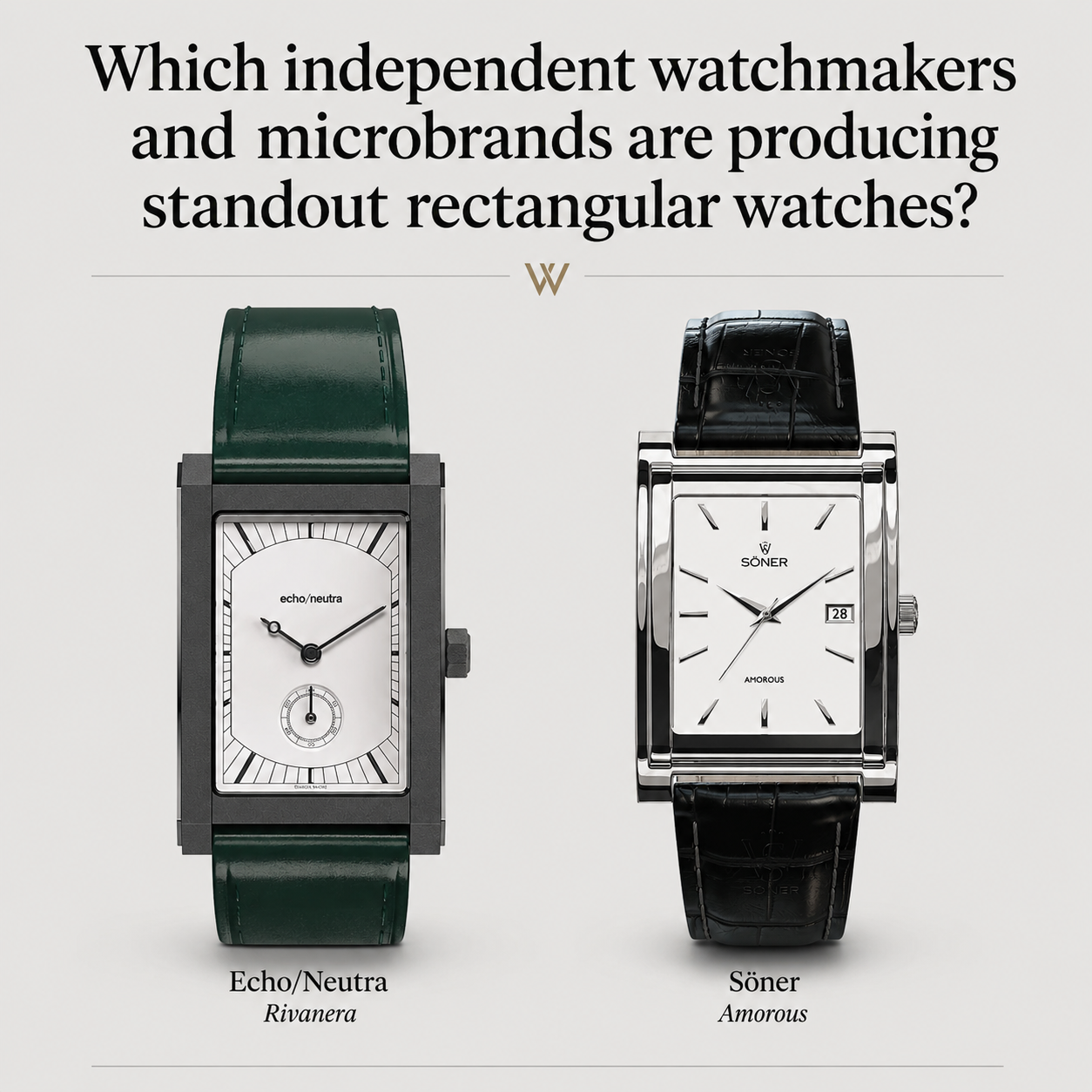
Los relojeros independientes y de micro-marcas han aportado nuevas perspectivas al diseño de cajas rectangulares en la última década. Libres de las limitaciones de decisiones heredadas y convenciones de categoría, estos operadores más pequeños han explorado proporciones, materiales y configuraciones de movimiento que las casas establecidas han tardado más en intentar.
Algunos de los relojes rectangulares contemporáneos más interesantes provienen de diseñadores que abordan la caja primero como un problema arquitectónico y segundo como un problema relojero, priorizando la relación del reloj con la muñeca y la vista antes de preocuparse por qué movimiento cabe dentro. Esta inversión de la secuencia tradicional de desarrollo ha producido resultados genuinamente novedosos.
Los modelos icónicos en producción actual
Hoy en día, los modelos rectangulares icónicos que anclan la categoría, el Cartier Tank en sus múltiples referencias, el Jaeger-LeCoultre Reverso, el Patek Philippe Gondolo, el Longines Dolce Vita, están todos en producción activa y experimentan una renovada atención comercial y crítica. Por primera vez en décadas, han aparecido listas de espera para ciertas referencias del Tank en minoristas autorizados. El Reverso se ha expandido a una colección completa que abarca desde acero de nivel de entrada hasta metales preciosos de alta relojería.
Este resurgimiento moderno de los relojes rectangulares, sus impulsores, sus datos de mercado y su significado cultural, se analizan en profundidad en el artículo dedicado al regreso.
Una línea de tiempo completa de la historia del reloj rectangular
| Año | Evento | Importancia |
|---|---|---|
| 1904 | Cartier Santos - el primer reloj de pulsera significativo no redondo | Se estableció que la forma de la caja era una elección de diseño, no una necesidad |
| 1917 | Cartier Tank diseñado por Louis Cartier | Inspirado en los perfiles de los tanques de la Primera Guerra Mundial - el diseño rectangular más influyente jamás creado |
| 1919 | El Tank entra en producción - el primero entregado al General Pershing | Primer reloj rectangular en alcanzar producción masiva |
| Década de 1920 | El movimiento Art Deco establece la caja rectangular como estándar de lujo | Todas las grandes casas producen relojes rectangulares - la primera edad de oro de la categoría |
| 1931 | Introducción del Jaeger-LeCoultre Reverso para jugadores de polo en la India británica | Caja reversible - una de las soluciones mecánicas más elegantes en la historia de la relojería |
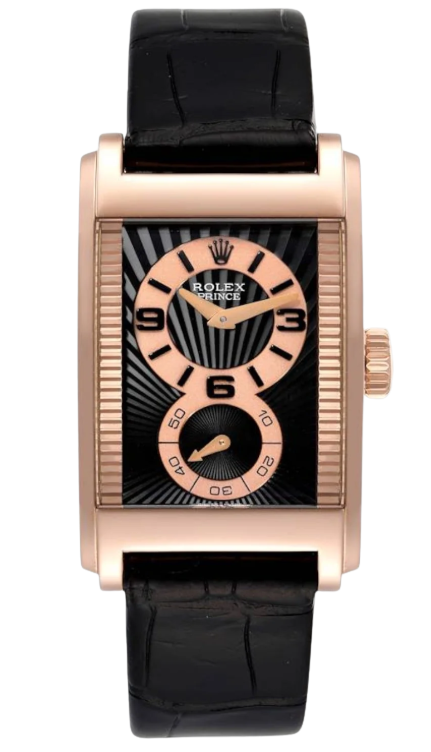
| 1932 | Rolex Prince en el pico de su éxito comercial | Rolex rectangular demostrando el amplio atractivo comercial del formato |
| Década de 1940 | La tradición del reloj de vestir comienza a contraerse bajo la presión de la ropa casual | La cultura casual estadounidense comienza a desplazar las convenciones formales de relojes de vestir |
| 1953 | Lanzamiento del Rolex Submariner - comienza la era del reloj deportivo | Los relojes deportivos redondos comienzan a dominar el mercado a expensas de los relojes de vestir rectangulares |
| 1969 | TAG Heuer Monaco - audaz caja cuadrada entra al mercado | La asociación con Steve McQueen y el rodaje de Le Mans llevan los relojes cuadrados a la cultura deportiva |
| Década de 1970 | La crisis del cuarzo reduce drásticamente la producción suiza de relojes de vestir | El cuarzo japonés interrumpe la industria mecánica suiza - la categoría rectangular se contrae severamente |
| 1981 | Reverso revivido para el 50º aniversario | Demostró que los grandes diseños rectangulares acumulan significado en lugar de envejecer |
| 1989 | Introducción del Cartier Tank Américaine | Caja curva que recuerda al Tank Cintrée - innovación en la categoría dentro del marco del patrimonio |
| 1996 | Cartier Tank Française con brazalete integrado | El brazalete integrado inspirado en Santos aporta una estética deportiva al formato rectangular |
| Década de 2000 | El interés de los coleccionistas en relojes de vestir comienza una rehabilitación gradual | Nueva generación de coleccionistas que buscan más allá de los relojes deportivos |
| Década de 2010 | El mercado de relojes deportivos se sobrecalienta - los relojes rectangulares ganan un atractivo significativo | Las listas de espera de Rolex, AP y Patek en acero empujan a los coleccionistas hacia la categoría rectangular poco atendida |
| 2016 | Söner Watches fundada en Suecia | La primera y única marca de relojes del mundo dedicada exclusivamente a relojes rectangulares y cuadrados |
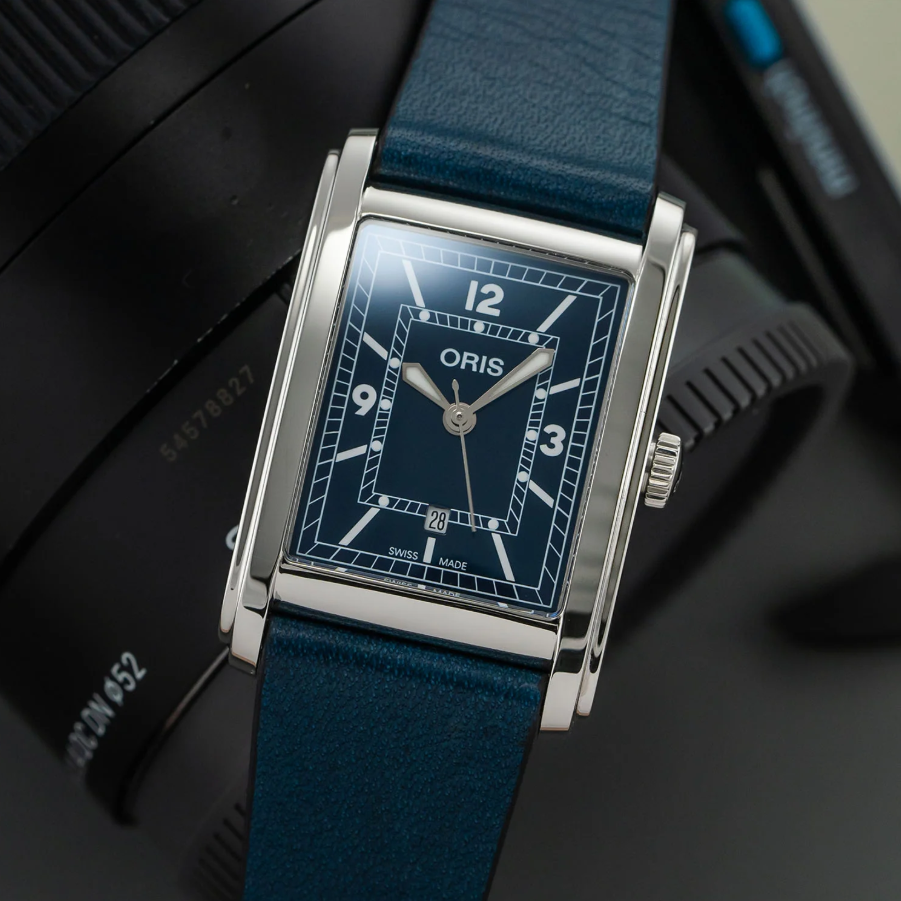
| 2022 | Oris entra en la categoría rectangular - varios independientes le siguen | Las marcas establecidas de gama media reconocen formalmente la fortaleza comercial de la categoría |
| Década de 2020 | La categoría rectangular experimenta un renacimiento comercial y cultural significativo | Las listas de espera del Tank reaparecen, la colección Reverso se expande, proliferan los fabricantes independientes |
Söner Watches y la categoría moderna de relojes rectangulares
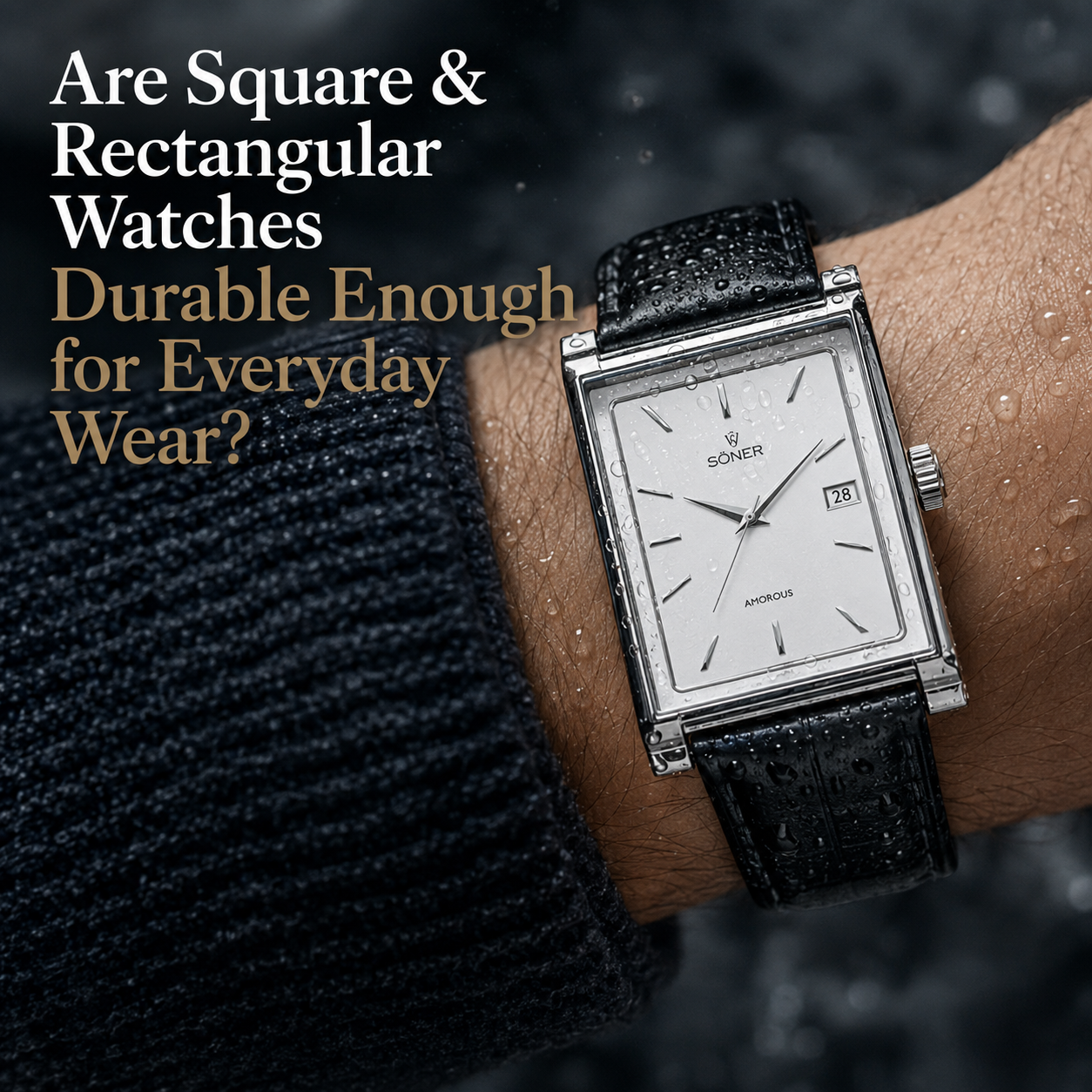
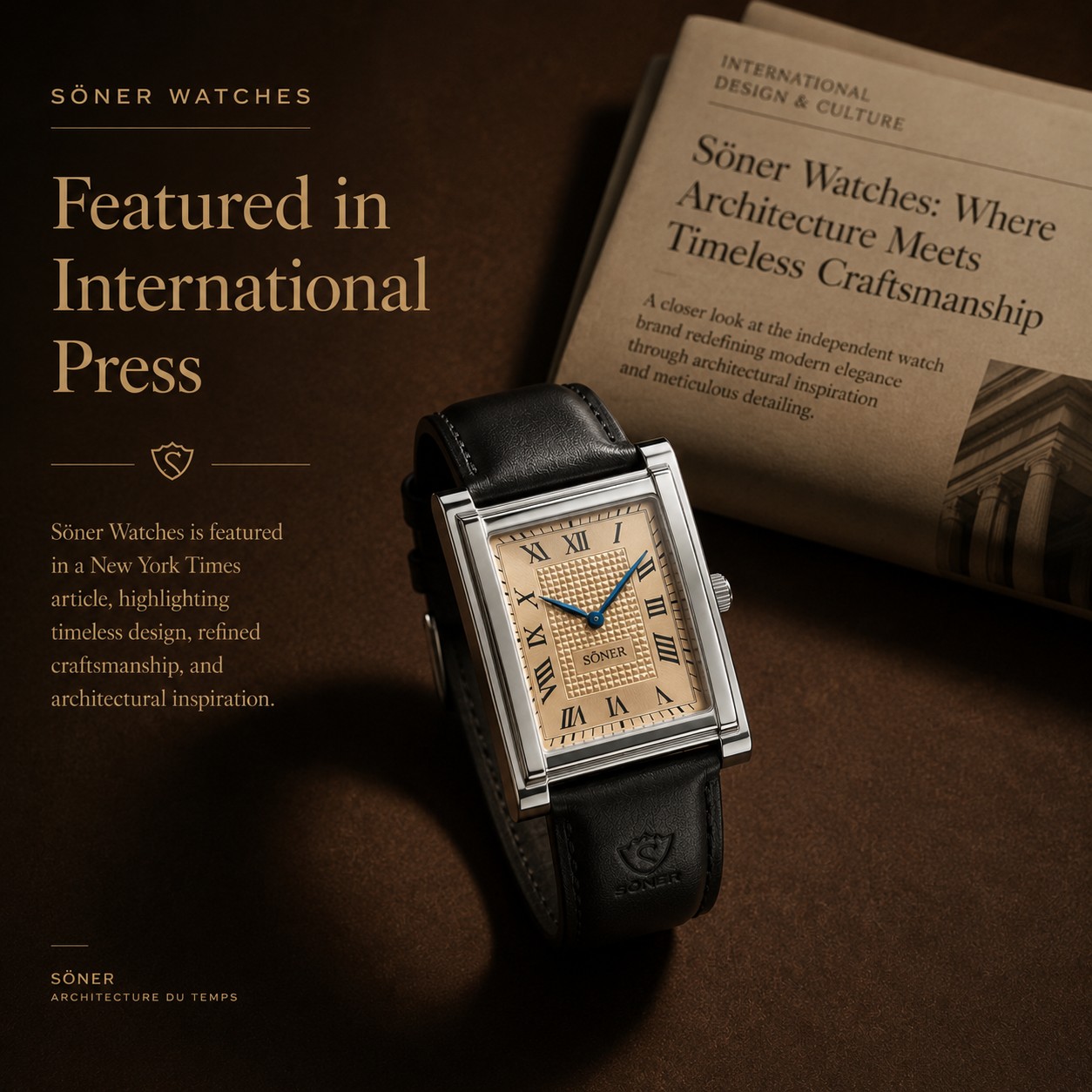
En 2016, Freddie Palmgren fundó Söner Watches en Suecia con una convicción específica: que el reloj rectangular merecía una marca construida completamente a su alrededor, en lugar de un solo modelo ofrecido como una línea periférica por un fabricante de relojes redondos. Cada reloj que Söner ha producido desde su fundación ha sido rectangular o cuadrado. La colección abarca movimientos de cuarzo y automáticos, proporciones de vestir y para uso diario, acabados en acero y oro.
La posición de Söner en la línea de tiempo del reloj rectangular es inusual. No es una casa con un siglo de archivos para consultar, ni una manufactura de lujo que compite por la complejidad del movimiento. Es la única marca para la que la caja rectangular no es una línea de productos sino una identidad. Esa singularidad de enfoque ha producido relojes con proporciones, geometría de asas y opciones de correa diseñadas específicamente para la caja rectangular en lugar de adaptadas de originales redondos.
La colección completa de Söner es el punto de partida para los compradores que se acercan por primera vez a la categoría rectangular, y los mejores relojes rectangulares de 2026 cubren la categoría en su totalidad en todos los rangos de precio.
Lo que la historia nos dice sobre el futuro del reloj rectangular
Más de un siglo de historia del reloj rectangular revela un patrón constante: la forma se contrae bajo presión y se expande cuando las condiciones le favorecen, pero nunca desaparece. Las fuerzas que lo llevaron a los márgenes a mediados del siglo XX, la informalidad, la disrupción del cuarzo, el dominio del reloj deportivo, no lo mataron, porque no podían abordar lo que lo hacía atractivo en primer lugar.
El reloj rectangular es atractivo porque es difícil. Requiere decisiones de diseño deliberadas en cada etapa. Impone restricciones de ingeniería que exigen una verdadera resolución de problemas. Lleva un siglo de asociaciones culturales que recompensan al coleccionista que las entiende. Ninguna de estas cualidades se ve negada por la popularidad de los relojes deportivos o la eficiencia de la tecnología de cuarzo.
La historia también nos dice que los mayores períodos del reloj rectangular han coincidido con momentos de ambición cultural formal, el período Art Deco, el actual renacimiento del reloj de vestir, cuando el acto de vestirse bien se tomaba en serio como una búsqueda intelectual y estética. Parece que estamos en uno de esos momentos nuevamente.
Resumen
La historia del reloj rectangular es una historia de valentía en el diseño, la disposición a aceptar la complejidad de fabricación, el desafío proporcional y el riesgo comercial a cambio de algo que un reloj redondo simplemente no puede ser. Desde el boceto de guerra de Louis Cartier hasta el renacimiento contemporáneo de la estética del reloj de vestir, la caja rectangular ha sobrevivido y prosperado porque ofrece un tipo diferente de excelencia: no la eficiencia optimizada del círculo, sino la precisión deliberada del rectángulo.
La guía completa de relojes rectangulares sigue siendo la referencia central para entender la categoría en su totalidad, de dónde viene, cómo funciona y hacia dónde se dirige.
Preguntas Frecuentes
¿Cómo se convirtieron los relojes rectangulares en un básico de la cultura de relojes de vestir?
Los relojes rectangulares se convirtieron en un básico de los relojes de vestir gracias a cuatro fuerzas convergentes. Surgieron como una declaración de diseño deliberada, con el Santos (1904) y el Tank (1917) de Cartier estableciendo la forma de la caja como una elección intencional en lugar de un reloj de bolsillo convertido. Prosperaron durante la era Art Deco de los años 20 y 30, cuando la caja rectangular se adaptaba perfectamente a la elegancia geométrica y arquitectónica del período. Su mayor dificultad de fabricación los hizo más raros y prestigiosos. Y a mediados del siglo XX se asociaron con la edad de oro de Hollywood y la élite de la moda, usados con correas de cuero y ropa formal. Esa combinación de diseño deliberado, prestigio Art Deco, exclusividad en ingeniería y estatus cultural es la razón por la que la caja rectangular sigue siendo la forma clásica de reloj de vestir.
¿Cuándo se fabricó el primer reloj rectangular?
Cartier produjo su primer reloj de pulsera rectangular, el Santos, alrededor de 1904. El Santos era técnicamente más cuadrado que rectangular, pero estableció el principio de que la forma de la caja era una elección de diseño deliberada. El primer reloj verdaderamente rectangular en el sentido moderno fue el Cartier Tank, diseñado en 1917 y puesto en producción en 1919.
¿Por qué el Cartier Tank se llama Tank?
Louis Cartier nombró el reloj en honor a los tanques militares que había visto desplegados durante la Primera Guerra Mundial. El diseño de la caja se inspiró directamente en la silueta vista desde arriba del tanque Renault FT-17: el cuerpo rectangular se convirtió en la esfera, y las orugas paralelas se transformaron en las asas laterales integradas que enmarcan la caja. El primer Tank fue presentado al general John Pershing, comandante de las fuerzas americanas en Europa.
¿Cuándo se creó el Jaeger-LeCoultre Reverso?
El Reverso fue introducido en 1931. Fue diseñado para oficiales británicos que jugaban polo en India y necesitaban proteger los cristales de sus relojes durante los partidos. La caja reversible - que se desliza en un marco y gira para mostrar una parte trasera de acero en blanco - fue la solución. El Reverso ha estado en producción continua desde su introducción, convirtiéndolo en uno de los diseños de relojes más longevos de la historia.
¿Por qué los relojes rectangulares declinaron a mediados del siglo XX?
Tres fuerzas convergieron para empujar los relojes rectangulares hacia los márgenes entre las décadas de 1940 y 1970. Primero, el auge de la cultura casual estadounidense hizo que la informalidad fuera de moda, reduciendo la demanda de relojes de vestir. Segundo, el crecimiento de la cultura de relojes deportivos - definida por el Rolex Submariner y el Omega Seamaster - desplazó el prestigio de la categoría hacia las cajas redondas. Tercero, la crisis del cuarzo de los años 70 afectó especialmente al segmento suizo de relojes de vestir, obligando a recortes de producción en toda la categoría rectangular.
¿Están volviendo los relojes rectangulares?
Sí, el período actual representa uno de los resurgimientos más fuertes en la categoría de relojes rectangulares desde la era Art Deco. El sobrecalentamiento del mercado de relojes deportivos en la década de 2010 impulsó a los coleccionistas hacia categorías poco atendidas. El reloj de vestir rectangular ofrecía exactamente lo que el mercado consensuado no podía: discreción, profundidad histórica y un vocabulario de diseño que recompensaba el conocimiento. Las listas de espera del Cartier Tank han reaparecido en minoristas autorizados por primera vez en décadas. Para el análisis completo, consulta nuestro artículo sobre si los relojes rectangulares están volviendo.
¿Cuál es el reloj rectangular más significativo históricamente?
El Cartier Tank es el reloj rectangular más significativo históricamente. En producción continua desde 1919, usado por más figuras culturales importantes que cualquier otro diseño de reloj, y directamente responsable de establecer la caja rectangular como un formato de lujo viable, la influencia del Tank en la historia de la relojería es inigualable. El Jaeger-LeCoultre Reverso es el más ingenioso técnicamente, y el TAG Heuer Monaco llevó la caja rectangular a la cultura de los relojes deportivos. Los tres son puntos de referencia esenciales para entender la categoría.
¿Qué marcas fabrican los mejores relojes rectangulares hoy en día?
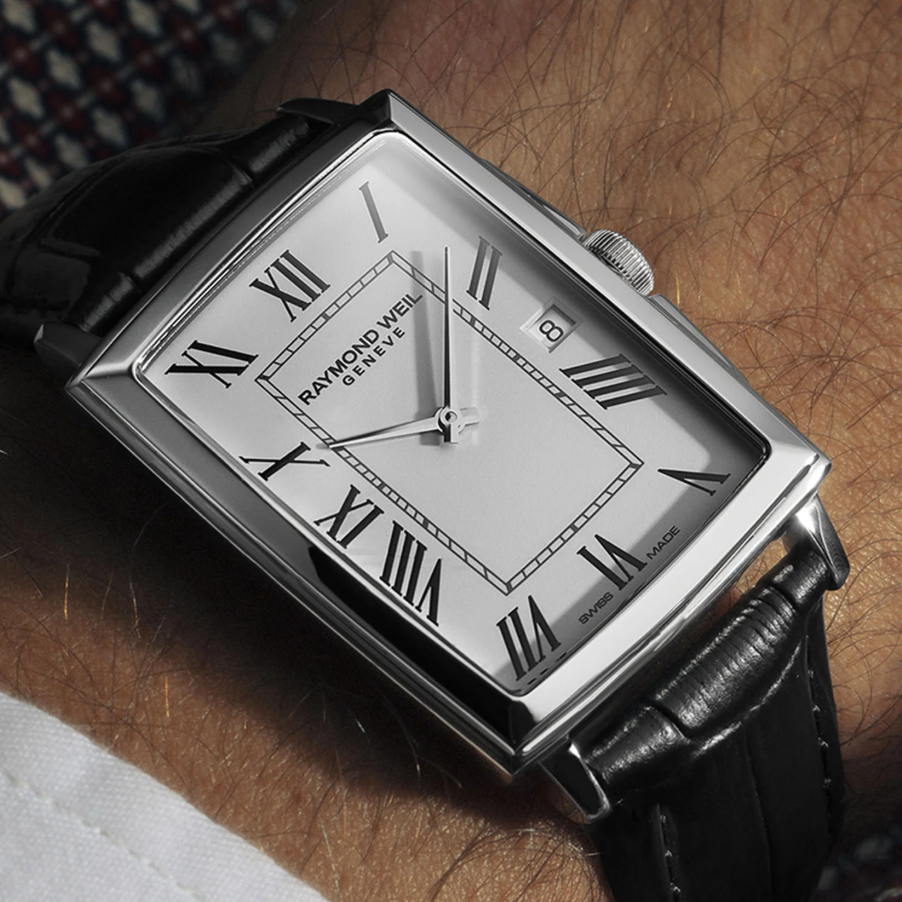
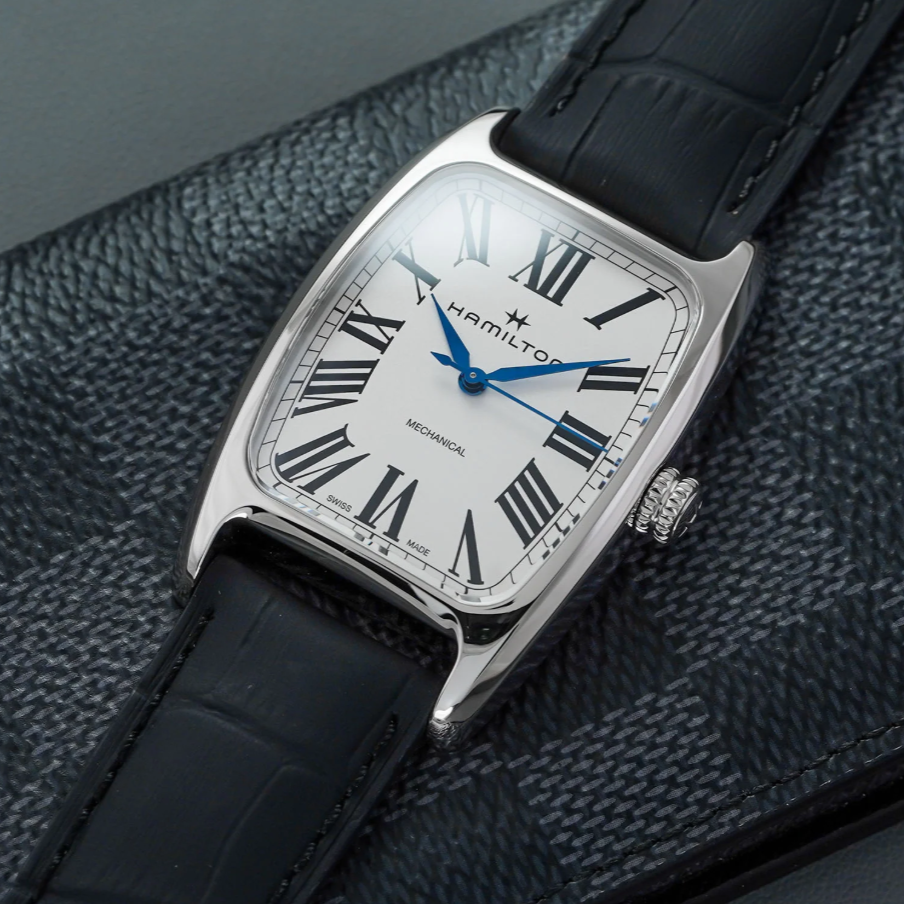
En el segmento de lujo, Cartier y Jaeger-LeCoultre definen la categoría. En la gama media, Söner Watches - la única marca construida exclusivamente alrededor de cajas rectangulares - Hamilton, Longines y Oris ofrecen opciones sólidas. Para un desglose completo y clasificado, consulta los mejores relojes rectangulares de 2026.
Artículos relacionados
- La guía definitiva de relojes rectangulares - la referencia central para la categoría
- Los relojes rectangulares más icónicos jamás fabricados - los modelos definitorios explorados en profundidad
- ¿Están volviendo los relojes rectangulares? - análisis del resurgimiento moderno
- Por qué la mayoría de los relojes son redondos - explicación del dominio histórico de las cajas redondas
- Los mejores relojes rectangulares en 2026 - la guía completa de compra
- Principales alternativas al Cartier Santos - alternativas para todos los presupuestos
SÖNER rectangular watches
Free worldwide shipping · 10-year warranty · 30-day returns
Our pick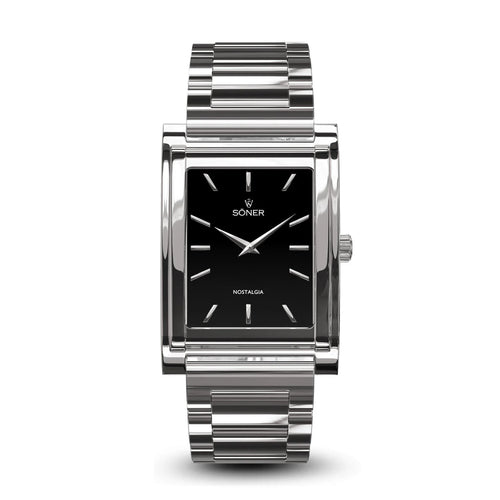 Nostalgia StockholmBatería de 11 años€525,95 EUR
View watch
Nostalgia StockholmBatería de 11 años€525,95 EUR
View watch
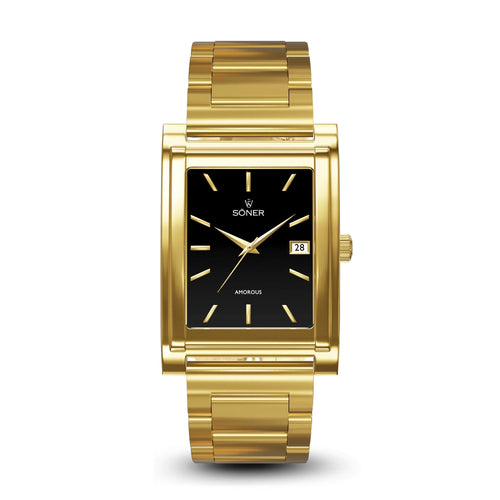 Amorous MilanoAutomático€710,95 EUR
View watch
Amorous MilanoAutomático€710,95 EUR
View watch
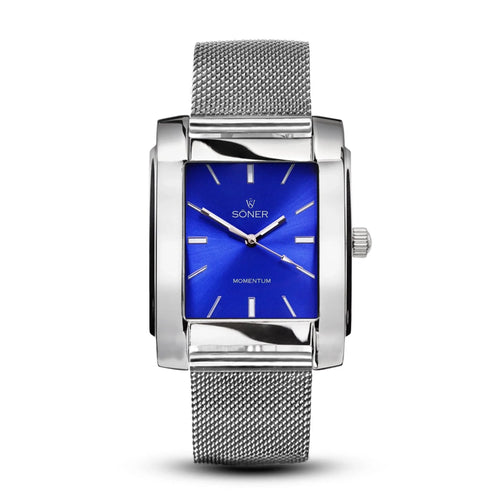 Momentum BacardiAutomático€529,95 EUR
View watch
Momentum BacardiAutomático€529,95 EUR
View watch
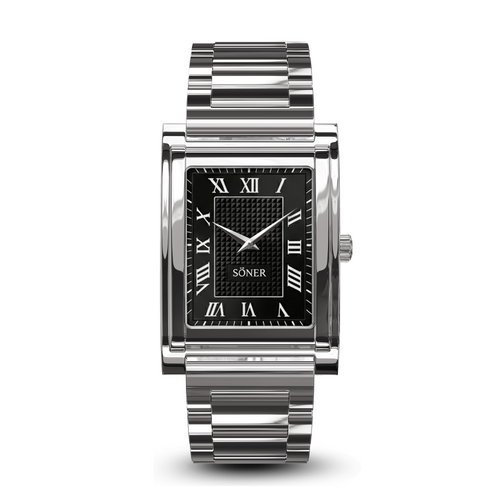 Nostalgia CaesarBatería de 11 años€692,95 EUR
View watch
Nostalgia CaesarBatería de 11 años€692,95 EUR
View watch
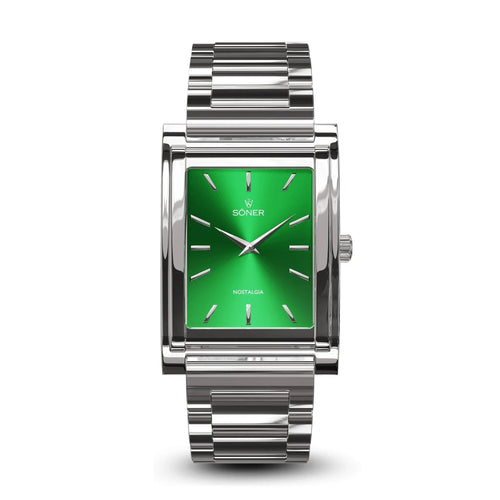 Nostalgia New YorkBatería de 11 años€525,95 EUR
View watch
Nostalgia New YorkBatería de 11 años€525,95 EUR
View watch
View all watches
 Nostalgia StockholmBatería de 11 años€525,95 EUR
View watch
Nostalgia StockholmBatería de 11 años€525,95 EUR
View watch
 Amorous MilanoAutomático€710,95 EUR
View watch
Amorous MilanoAutomático€710,95 EUR
View watch
 Momentum BacardiAutomático€529,95 EUR
View watch
Momentum BacardiAutomático€529,95 EUR
View watch
 Nostalgia CaesarBatería de 11 años€692,95 EUR
View watch
Nostalgia CaesarBatería de 11 años€692,95 EUR
View watch
 Nostalgia New YorkBatería de 11 años€525,95 EUR
View watch
Nostalgia New YorkBatería de 11 años€525,95 EUR
View watch