



 Published on
Table of Contents
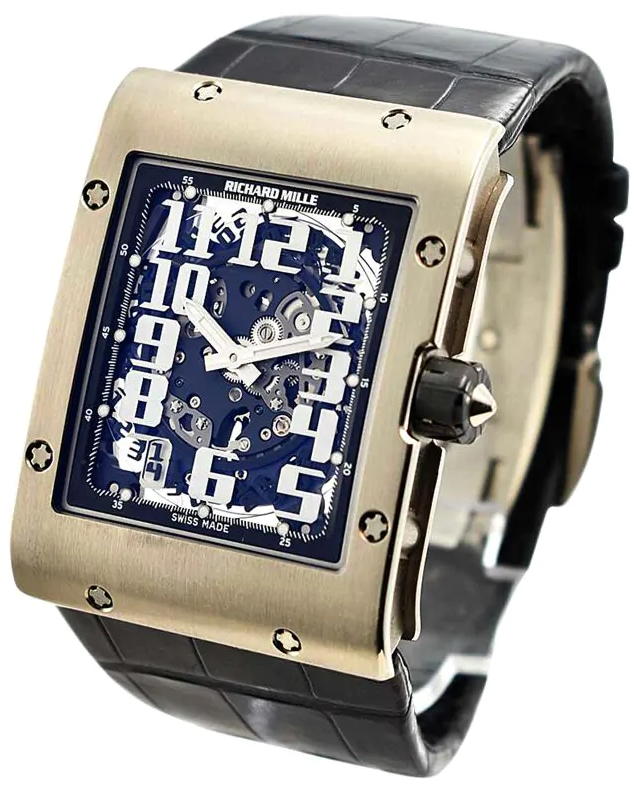
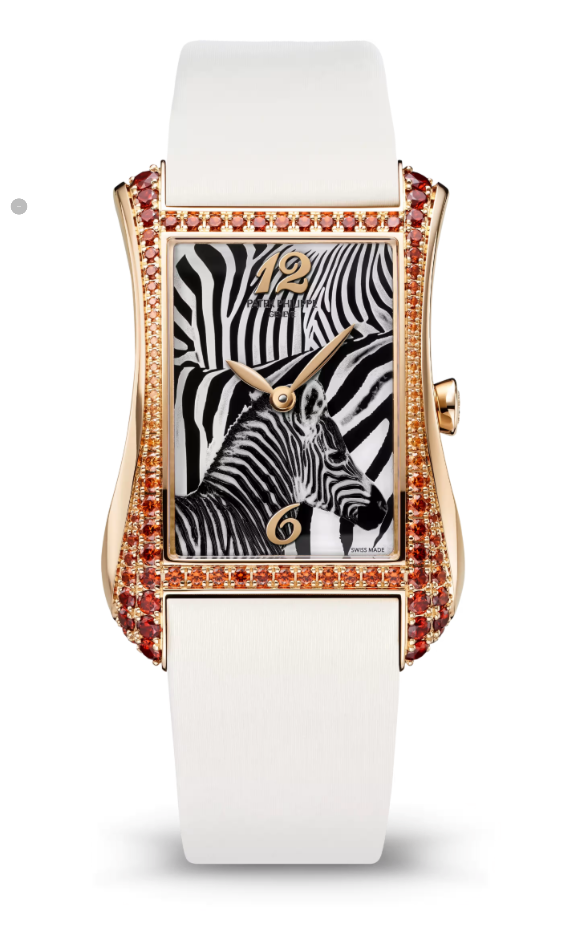
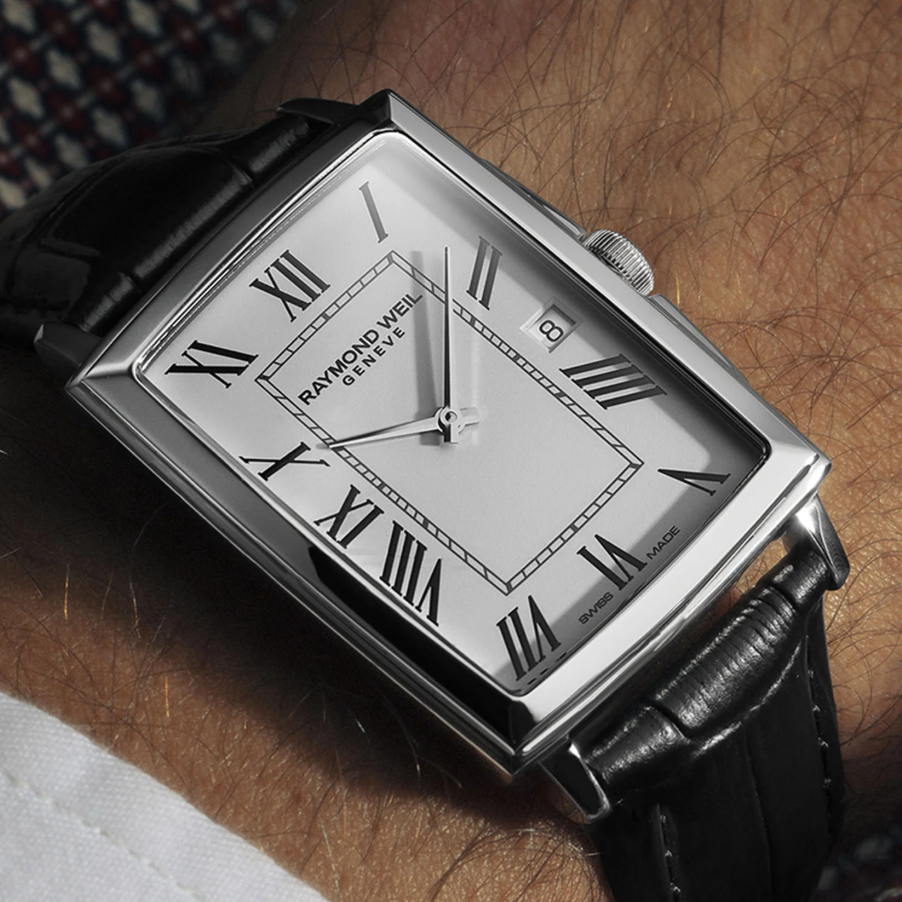
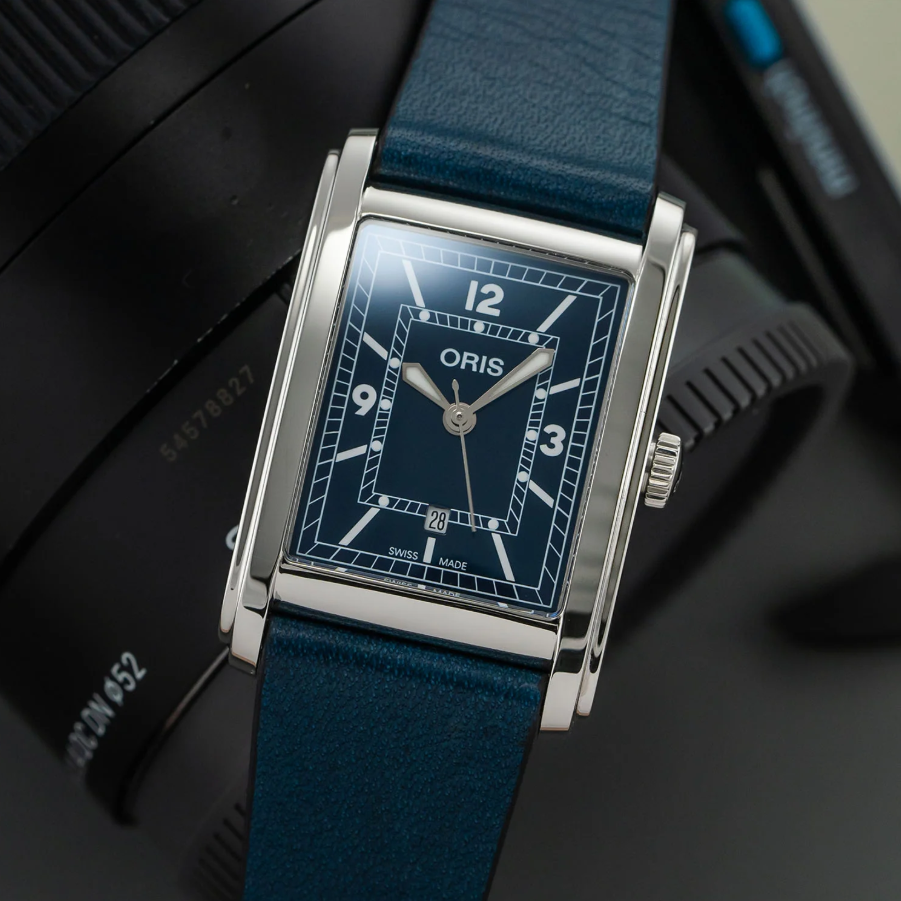
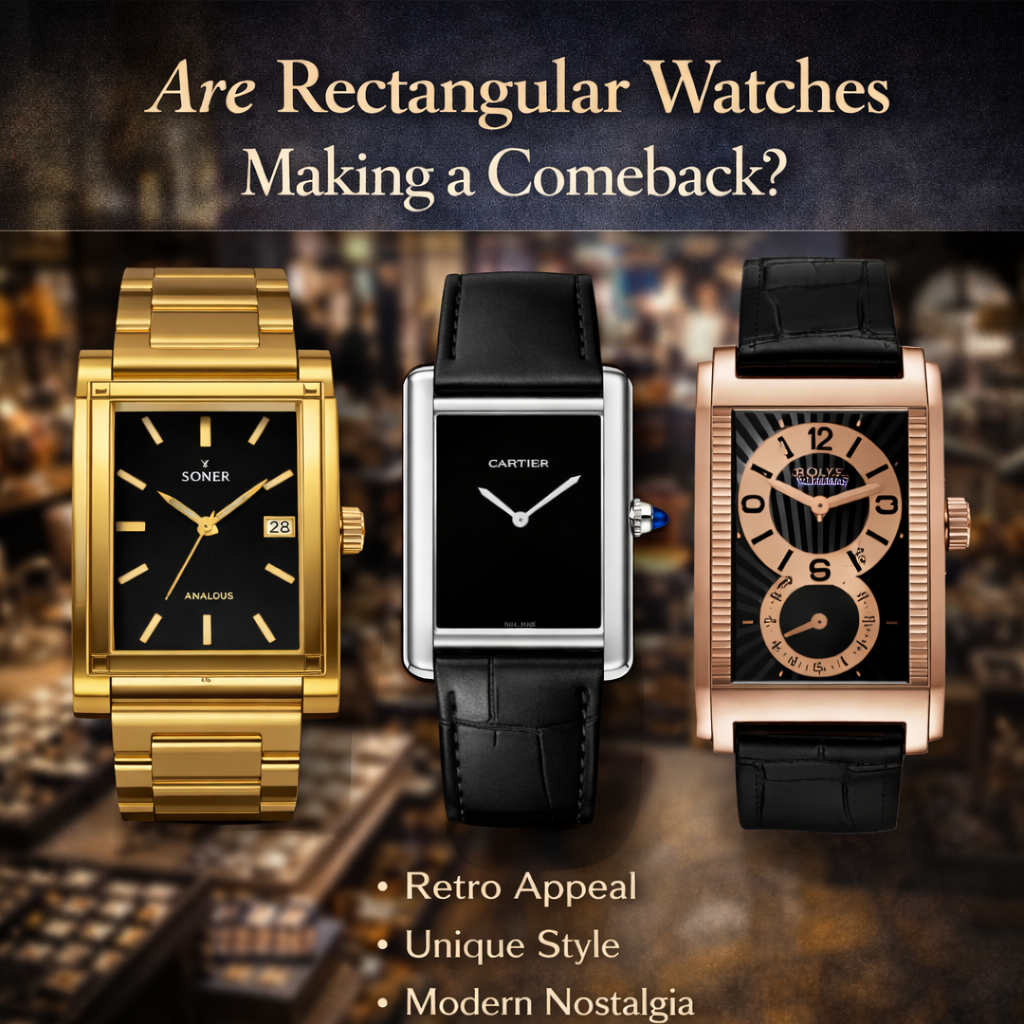
The question itself contains an assumption worth examining. Are rectangular watches making a comeback? The premise implies they went away. They did not. The rectangular watch never disappeared from the market, never stopped being produced by the major houses, and never lost its core audience of collectors and connoisseurs who understood what the format offered.
What happened instead was a long contraction. From roughly the 1970s through the 2000s, rectangular watches retreated from the mainstream into a specialist corner of the market, sustained by a small number of committed brands and a relatively small number of informed buyers. The sports watch dominated. The round case was king. The rectangular dress watch became, in the popular imagination, something your grandfather wore.
What is happening now is not a comeback in the sense of a return from absence. It is an expansion, a broadening of the rectangular watch audience from specialist to mainstream, driven by a specific set of cultural, economic, and generational forces that have aligned in the 2020s in a way they have not since the Art Deco period. Understanding those forces is the most useful way to assess whether the current moment represents a durable shift or a temporary trend.
For the complete analytical foundation of the rectangular watch category, the Definitive Guide to Rectangular Watches is the reference that covers everything from engineering to history to buying advice.
What the Market Data Shows
The clearest evidence that something meaningful is happening in the rectangular watch category comes from secondary market data, retail behavior, and production decisions by the major brands.
On the secondary market, prices for desirable rectangular references have appreciated significantly over the past five years. Cartier Tank references in steel, which were available at or below retail on the secondary market as recently as 2018, began trading at premiums in the early 2020s. Certain Tank Must references developed waiting lists at authorized retailers, a phenomenon with no precedent in the Tank commercial history. The Jaeger-LeCoultre Reverso, similarly, saw secondary market premiums emerge on steel references that had previously been straightforward retail purchases.
Auction results tell a parallel story. Vintage rectangular watches, particularly Art Deco examples from Cartier, Patek Philippe, and Vacheron Constantin, have achieved strong results at major auction houses in recent years. Collector interest in pre-war rectangular watches has deepened, with a new generation of buyers entering the category who are younger than the traditional vintage watch collector demographic.
On the retail side, brands have responded to increased demand with expanded rectangular offerings. Cartier has introduced new Tank references and limited editions at a pace not seen in previous decades. Jaeger-LeCoultre has expanded the Reverso line into new case sizes and complication levels. Longines has reinvested in its rectangular heritage with updated Dolce Vita and heritage rectangular references. The production decisions of major brands are among the most reliable indicators of genuine market demand, and those decisions have uniformly pointed toward expanded rectangular investment.
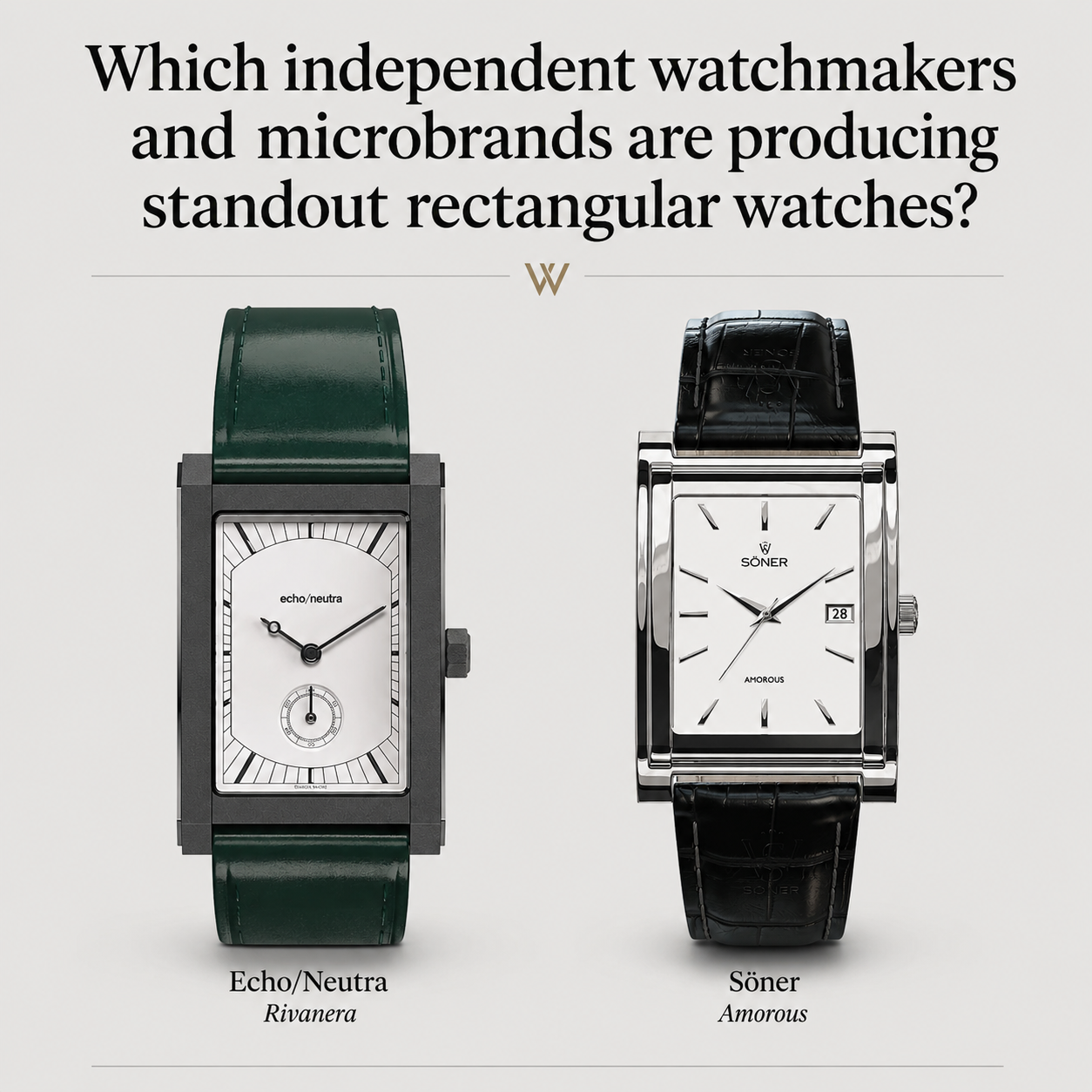
Independent and micro-brand watchmakers have entered the rectangular category in meaningful numbers for the first time. Small brands with limited production capacity have chosen to allocate that capacity to rectangular designs, which is a significant signal. Independent watchmakers do not build rectangular cases by accident. The additional cost and complexity of a rectangular case is a deliberate choice that reflects genuine market demand from their customer base.
The Forces Driving the Expansion
The Sports Watch Market Reached Its Ceiling
The most direct cause of the rectangular watch expansion is the saturation and overheating of the sports watch market that dominated collecting in the 2010s. The steel Rolex Submariner, the Audemars Piguet Royal Oak, the Patek Philippe Nautilus, and their equivalents became not just desirable but inaccessible. Secondary market premiums on the most coveted references reached multiples of retail price. Waiting lists at authorized dealers stretched to years and then to indefinite periods.
For collectors who wanted to engage genuinely with watch collecting rather than simply acquire status symbols at inflated prices, the sports watch market had become hostile. The rectangular watch offered an alternative that was more accessible, more intellectually interesting, and more genuinely differentiated from the consensus position.
This is not a reactive or contrarian motivation in the pejorative sense. It is a rational response to a market that had priced out genuine engagement. Collectors who moved toward rectangular watches in the early 2020s were not rejecting quality or heritage. They were seeking it in a part of the market where it was still available on reasonable terms.
The reaction to sports dominance that the rectangular revival represents is covered in full analytical context in the article on why the round watch became the industry default and what that dominance means for the rectangular category.
The Formality Revival
Fashion and cultural trends do not drive the watch market directly, but they create conditions in which certain watches feel more or less relevant. The early 2020s saw a meaningful shift in cultural aesthetics, particularly among younger consumers, toward formality, tailoring, and the kind of intentional dressing that had been out of fashion for a decade of athleisure dominance.
This shift created a natural opening for the rectangular dress watch. A well-dressed person in a tailored suit reaching for a watch instinctively reaches for something that matches the register of the clothing. A slim, narrow rectangular case in steel or gold, on a fine leather strap, is precisely what that moment calls for. The rectangular watch did not need to change to become relevant to this new context. The context changed to accommodate it.
The formality revival also brought with it a renewed interest in the cultural history of dress. Understanding what well-dressed people in the past wore, and why, became a source of genuine reference for a new generation of style-conscious consumers. The rectangular watch has a century of association with exactly the kind of considered, non-obvious dressing that this generation was discovering. That association is a form of cultural capital that no amount of marketing can manufacture from scratch.
Generational Discovery
Perhaps the most structurally significant driver of the rectangular watch expansion is generational. A new cohort of watch buyers, largely in their late twenties and thirties, arrived in the watch market during the 2010s and 2020s with spending power and appetite for learning. Many entered through the sports watch door and quickly encountered its limitations: the inaccessibility, the consensus culture, the sense that collecting had become less about appreciation and more about allocation.
For this cohort, the rectangular watch offered exactly what the sports watch market had stopped providing: genuine discovery. The Art Deco history was unknown to most of them. The engineering complexity of rectangular cases was a revelation. The design vocabulary of the Tank, the Reverso, and the Gondolo was fresh and interesting rather than exhausted by overfamiliarity. The rectangular watch was, for this generation, genuinely new in the way that the sports watch could no longer be.
This generational dimension is significant because it is durable. Generational taste preferences, once formed, tend to persist. A collector who discovered and fell in love with rectangular watches in their early thirties will still be collecting them in their fifties. The audience that the rectangular category is currently acquiring is not a temporary fashionable audience. It is a permanent collector base that is likely to grow in purchasing power and influence over the coming decades.
Celebrity and Cultural Visibility
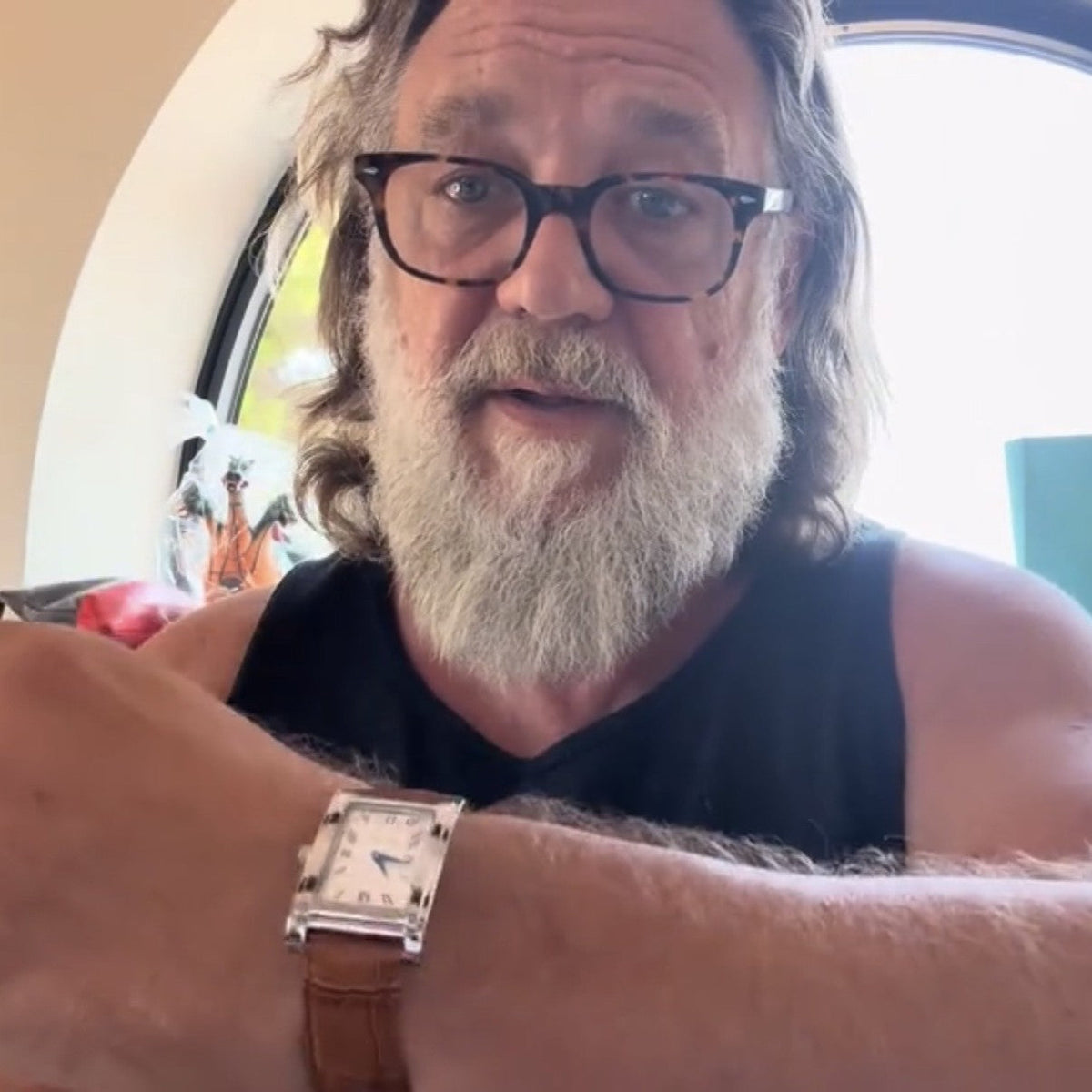
The Tank in particular has benefited from a wave of cultural visibility driven by celebrity association and editorial attention in the 2020s. Photographs of actors, musicians, writers, and public figures wearing Cartier Tank references have circulated widely, reinforcing the watch identity as the choice of people who value intelligent understatement over conspicuous status signaling.
This visibility is qualitatively different from the celebrity endorsement dynamics that drive sports watch marketing. The Tank is not worn in sponsored contexts or on red carpets by contractual arrangement in most cases. It is worn because the people who reach for it have considered their options and chosen it for genuine reasons. That authenticity is visible in the photographs, and it resonates with the audience that is already predisposed to value the rectangular watch for substantive rather than superficial reasons.
What the Brands Are Doing
The most concrete evidence of the rectangular watch expansion is the investment the major brands are making in the category.
Cartier has been the most visible actor in the rectangular revival. The relaunch of the Tank Must at an accessible price point in the early 2020s was a deliberate strategic decision to bring the Tank to a broader audience without diluting its prestige positioning. The introduction of limited edition Tank references with updated dials and new case materials has sustained collector interest beyond the entry Tank Must. Cartier investment in the rectangular category is more concentrated and more sustained than at any point in recent decades.
Jaeger-LeCoultre has expanded the Reverso in multiple directions simultaneously. New case sizes have made the design accessible to a wider range of wrist sizes. New complication levels, including tourbillon and perpetual calendar references in the Reverso format, have demonstrated that the flip case architecture can accommodate virtually any level of watchmaking ambition. The brand commitment to the Reverso as a vehicle for serious horology, rather than simply as a heritage design to be maintained in catalog, signals genuine long-term investment.
Several brands that had reduced or eliminated their rectangular offerings have quietly reintroduced them. The category has become commercially attractive enough to justify the additional manufacturing investment that rectangular cases require, which is itself significant evidence that the expansion is real and sustained.
Is This a Trend or a Shift?
The distinction between a trend and a structural shift is important for anyone making purchasing decisions in the rectangular category, whether as a buyer or as a brand.
A trend is driven by fashion and reverses when fashion moves on. A structural shift is driven by lasting changes in the composition of the buyer base, the relative attractiveness of different market segments, and the cultural meanings attached to different product categories. Trends last two to five years. Structural shifts last decades.
The evidence points toward a structural shift rather than a trend, for three reasons.
First, the forces driving the expansion are not fashion-dependent. The overheating of the sports watch market, the formality revival, and the generational discovery of the category are all durable phenomena that do not reverse quickly even if fashion moves on. A collector who fell in love with rectangular watches because the Rolex waiting list was five years long does not stop loving rectangular watches when the waiting list shortens.
Second, the infrastructure of the rectangular category is being built out in ways that create self-sustaining momentum. New brands, new references, expanded secondary market activity, and growing editorial and collector community attention all make the rectangular category more visible and more accessible, which attracts more buyers, which expands the category further. This is a positive feedback loop that is easier to sustain than it is to reverse.
Third, the heritage models that anchor the category, the Tank, the Reverso, the Gondolo, have accumulated cultural meaning over a century that does not evaporate with fashion cycles. These are objects with genuine historical weight. Their appeal is not dependent on what is fashionable this season. It is dependent on what is permanently interesting to people who care about design, history, and craft. That audience is growing, not shrinking.
What This Means for Buyers
For buyers considering entering the rectangular category, the current moment is favorable in several ways.
The supply of quality rectangular watches has increased as brands have invested in the category. The secondary market for pre-owned rectangular watches is more active and more liquid than it has been in decades, which means better availability at fair prices. The collector community around rectangular watches is larger and more knowledgeable than it was five years ago, which means better resources for education and discovery.
The practical implication is that buyers who have been considering a rectangular watch but hesitating have less reason to hesitate now than at any point in recent history. The category is better served, better understood, and more commercially vibrant than it has been since the Art Deco period.
For buyers already in the category, the expansion brings new entrants and new attention that generally benefit long-term collector value and market liquidity. The rectangular watch is becoming more widely understood and more widely desired, which is good for everyone who already appreciates it.
The design trajectory of the category, and where the expansion is likely to lead in terms of new designs, materials, and complications, is covered in full in the future of rectangular watch design article.
Summary
The rectangular watch is not making a comeback from absence. It is expanding from a specialist niche into a broader mainstream audience, driven by the overheating of the sports watch market, a genuine cultural shift toward formality and considered dressing, generational discovery of a category with a century of design and engineering history, and concentrated investment by the major brands in their rectangular offerings.
The evidence for this expansion is concrete: secondary market pricing, retail behavior, production decisions by major brands, and the entry of independent makers into the category. The structural drivers are durable rather than fashion-dependent, which suggests the expansion will persist and deepen rather than reverse with the next trend cycle.
For buyers, the current moment is favorable. For the category, it is the most significant period of growth since the Art Deco golden age. For anyone who wants to understand why, the Definitive Guide to Rectangular Watches is the reference that provides the full context.
Related Articles:
- Definitive Guide to Rectangular Watches - The complete category reference
- The Future of Rectangular Watch Design - design trajectory of the expanding category
- Why Most Watches Are Round - reaction to sports dominance explained
- The Most Iconic Rectangular Watches Ever Made - heritage models driving the revival
SÖNER rectangular watches
Free worldwide shipping · 10-year warranty · 30-day returns
Our pick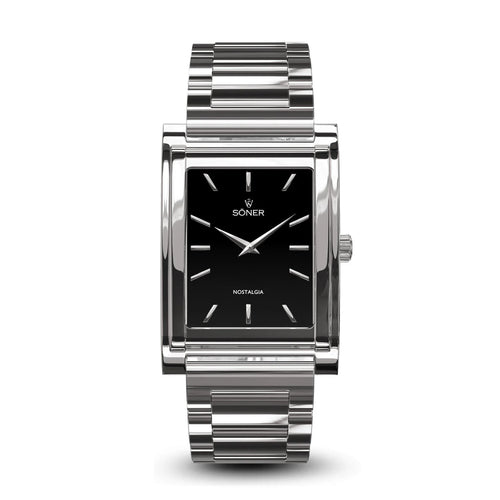 Nostalgia Stockholm11-year battery$580 USD
View watch
Nostalgia Stockholm11-year battery$580 USD
View watch
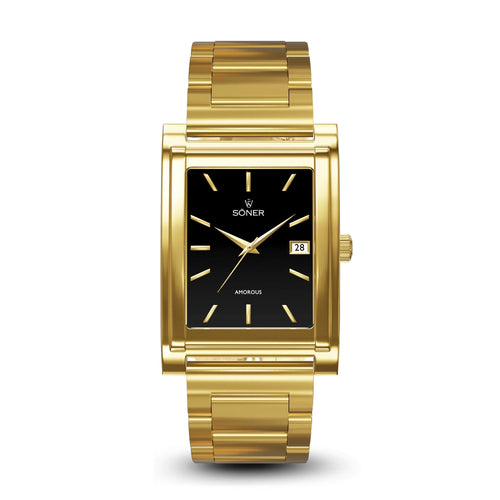 Amorous MilanoAutomatic$785 USD
View watch
Amorous MilanoAutomatic$785 USD
View watch
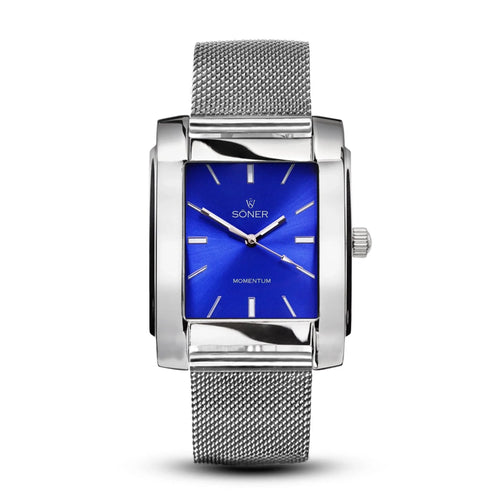 Momentum BacardiAutomatic$585 USD
View watch
Momentum BacardiAutomatic$585 USD
View watch
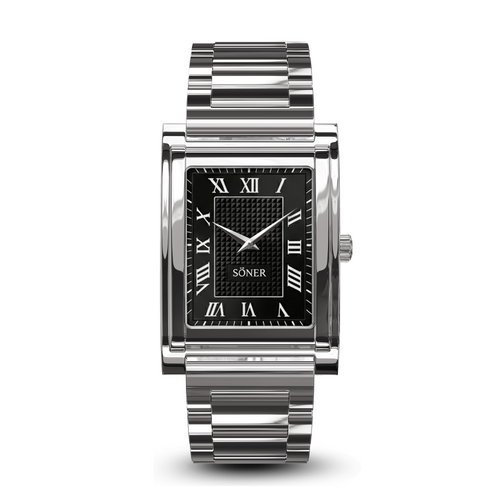 Nostalgia Caesar11-year battery$765 USD
View watch
Nostalgia Caesar11-year battery$765 USD
View watch
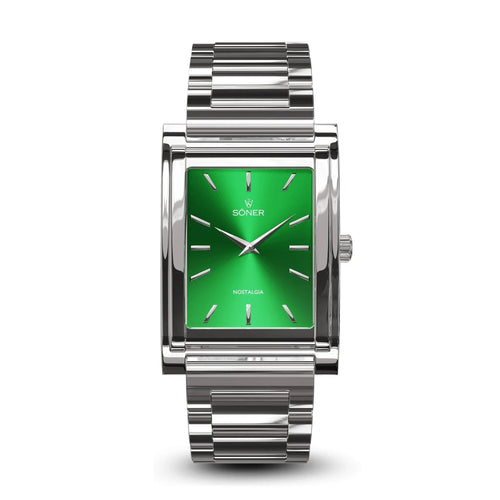 Nostalgia New York11-year battery$580 USD
View watch
Nostalgia New York11-year battery$580 USD
View watch
View all watches
Not sure which one? Take the 1-minute Watch Finder
 Nostalgia Stockholm11-year battery$580 USD
View watch
Nostalgia Stockholm11-year battery$580 USD
View watch
 Amorous MilanoAutomatic$785 USD
View watch
Amorous MilanoAutomatic$785 USD
View watch
 Momentum BacardiAutomatic$585 USD
View watch
Momentum BacardiAutomatic$585 USD
View watch
 Nostalgia Caesar11-year battery$765 USD
View watch
Nostalgia Caesar11-year battery$765 USD
View watch
 Nostalgia New York11-year battery$580 USD
View watch
Nostalgia New York11-year battery$580 USD
View watch