





 Published on
Table of Contents
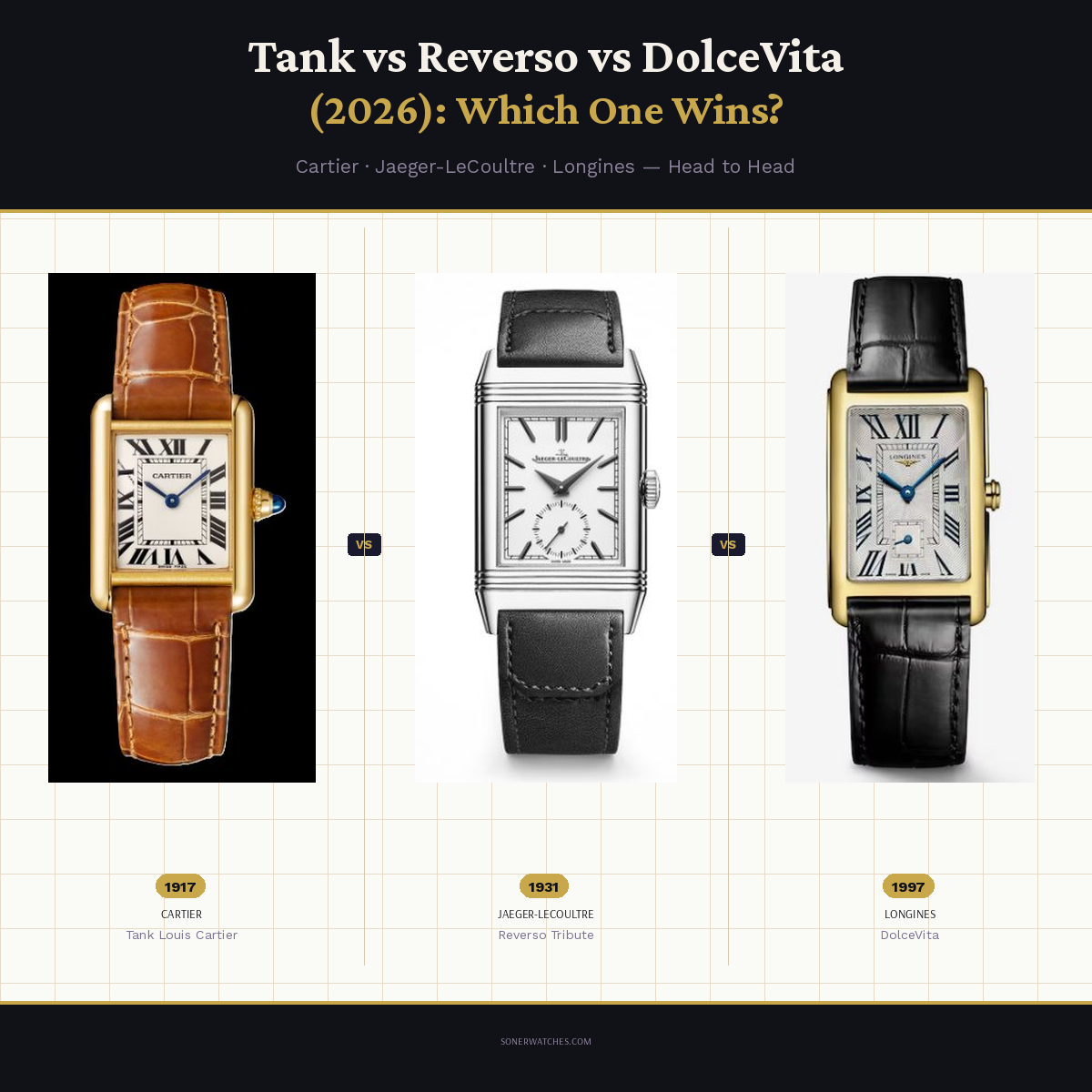
These are the three rectangular watches that define the category for most buyers. The Cartier Tank has been in continuous production since 1919. The JLC Reverso since 1931. The Longines DolceVita since 1997. Between them they cover nearly every position in the rectangular watch market - in design philosophy, movement type, proportion, and price. If you are considering a rectangular watch and have not yet decided which direction to go, this comparison is the place to start.
This is an editorial comparison, not a product summary. Each watch wins some categories and loses others. The verdict at the end is genuine. For the full guide on rectangular watches, see the Full Guide to Rectangular Watches.

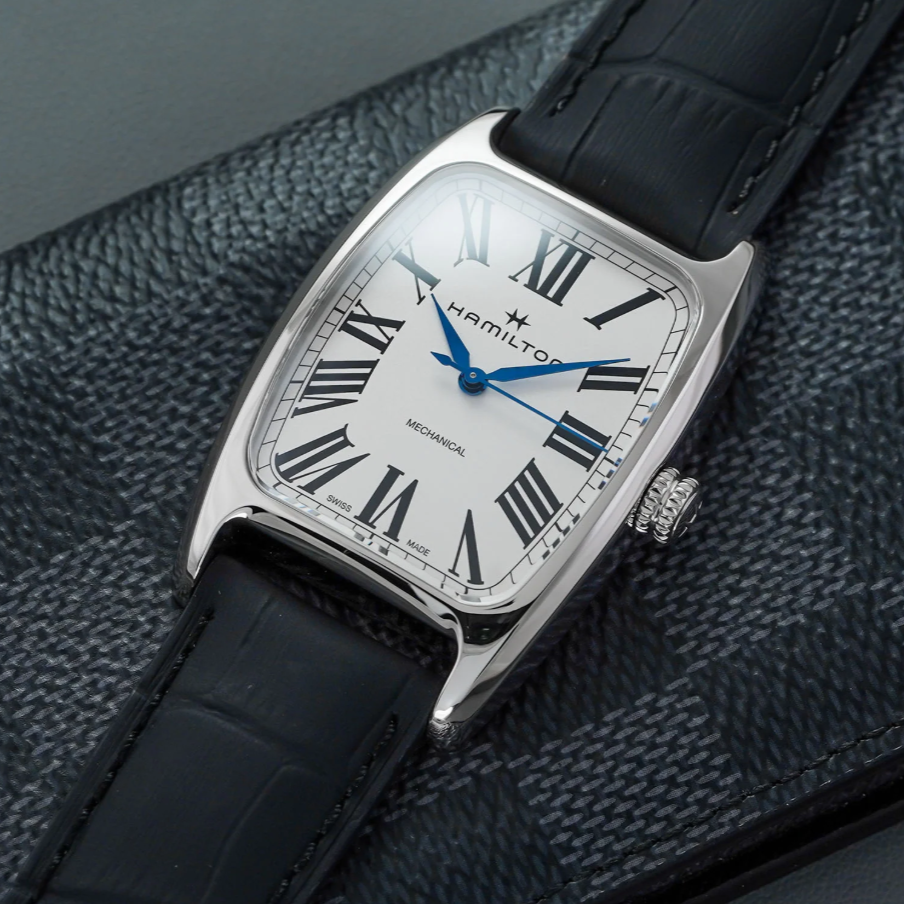
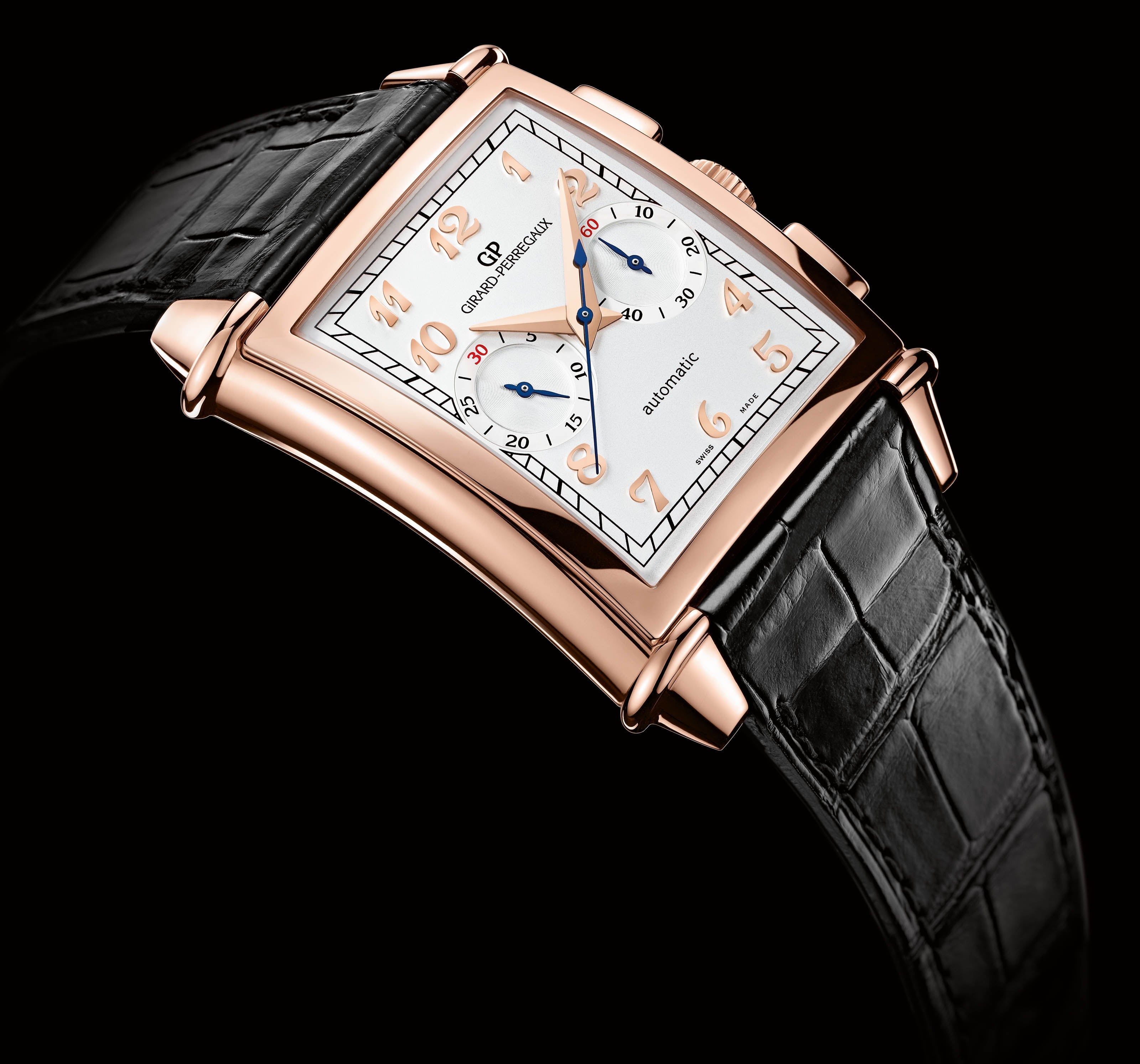
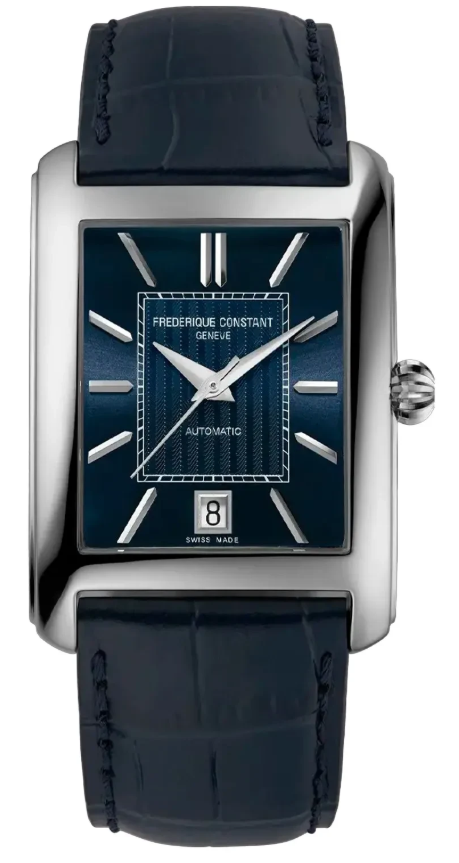
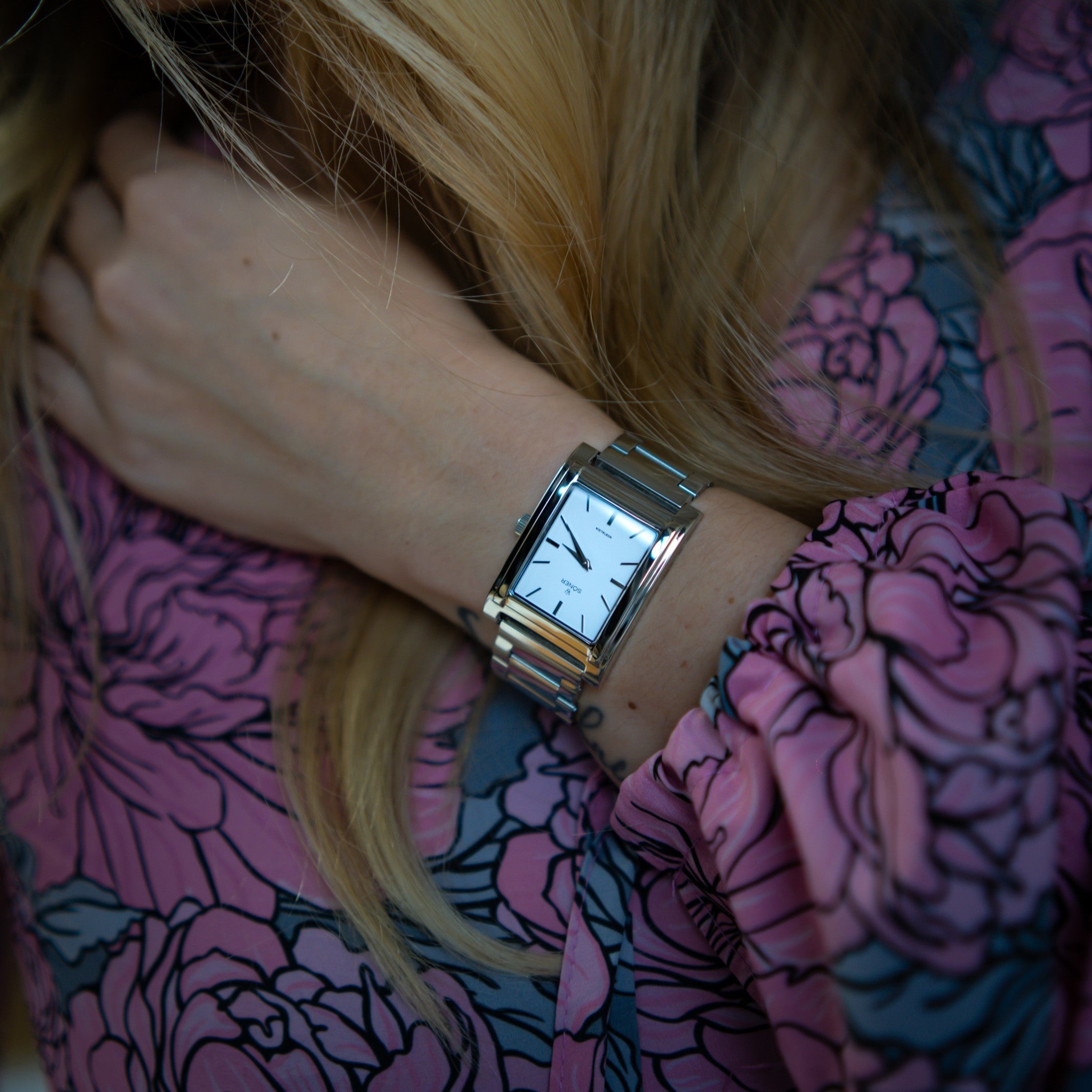
Above: Cartier Tank Must SM, JLC Reverso Classic, Longines DolceVita - the three defining rectangular watches compared
At a Glance
| Watch | Case Width | Lug-to-Lug | Thickness | Movement | Water Resistance | Price (approx) |
|---|---|---|---|---|---|---|
| Cartier Tank Must SM | 29.5mm | 33.7mm | 6.6mm | Quartz | 30m | ~$3,300 |
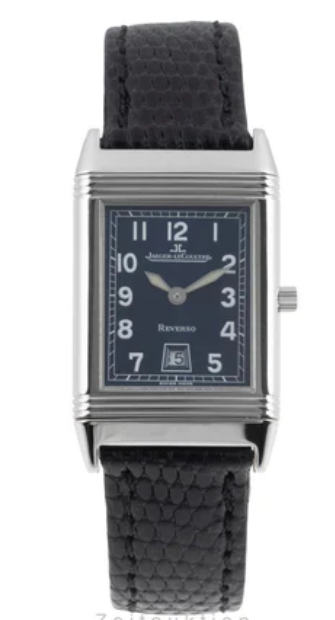
| JLC Reverso Classic | 25.5mm | 42.9mm | 7.46mm | Manual wind | 30m | ~$6,500 |
| Longines DolceVita | 29mm | 46mm | 9.3mm | Automatic | 30m | ~$2,100 |
All three have 30m water resistance - these are dress watches, not tool watches. The DolceVita is the thickest and has the longest lug-to-lug. The Tank is the slimmest. The Reverso is the narrowest by case width.
Design Heritage
The Tank is the origin point. Louis Cartier's 1917 design established the visual language that every rectangular watch since has either referenced or consciously departed from - the parallel rails, the Roman numerals, the sword hands, the cabochon crown. There is no neutral relationship with the Tank. You are either drawing from it or pushing against it.
The Reverso arrived in 1931 with a different design logic. Where the Tank is about surface - the drama of a flat, architecturally composed dial - the Reverso is about mechanism. The reversible case was a solution to a specific problem: polo players needed to protect the crystal during a match. The elegance of that mechanical solution is what the Reverso has traded on for nearly a century. It is a watch whose most interesting feature is not the dial but what happens when you push the slider and flip the case over.
The DolceVita arrived in 1997 with no particular mechanical ambition. Longines designed it to bring the rectangular dress watch to a broader audience at Swiss manufacture prices. Its contribution is not innovation but proportion - the elongated case with a longer lug-to-lug than either the Tank or Reverso gives the DolceVita a visual presence on the wrist that its Swiss manufacture price does not obviously promise.
Design Heritage Verdict: Tank The Tank's design heritage is deeper and more consequential than either competitor. It invented the visual language of the category. The Reverso invented a mechanism. The DolceVita refined a proportion. Only one of those three things created an entire category.
Proportion and Wrist Presence
The Tank Must SM at 29.5mm wide and 6.6mm thick is the slimmest watch in this comparison and the one that disappears most elegantly under a shirt cuff. The 33.7mm lug-to-lug is the shortest here, which means the watch sits in a compact footprint on the wrist. On wrists under 16cm it looks perfectly resolved. On larger wrists it can begin to look small.
The Reverso at 25.5mm wide is narrower than either competitor - but the 42.9mm lug-to-lug gives it surprising wrist coverage for a 25.5mm case. The elongated case format means the watch covers the wrist vertically in a way the Tank's more compact geometry does not. The 7.46mm thickness is slim but not as slim as the Tank.
The DolceVita at 29mm wide and 46mm lug-to-lug is the most imposing of the three on the wrist. The elongated proportions are the most dramatic of this group - at 9.3mm it is also the thickest, which is the price of the automatic movement inside. On wrists from 15cm upward the DolceVita's proportions are a genuine strength. On smaller wrists the 46mm lug-to-lug can overhang.
Proportion Verdict: Depends on your wrist Under 15cm: Tank. 15cm to 17cm: Reverso or DolceVita equally. Over 17cm: DolceVita. The Reverso's narrow width and long lug-to-lug suits the widest range of wrist sizes.
Movement
The Tank Must SM runs on a quartz movement. This is not a weakness at $3,300 - it is what makes 6.6mm achievable, and the Tank's identity has never been primarily about what moves inside it. The Tank is a design object first. The movement keeps time; the case makes the statement.
The Reverso Classic runs on a manual wind movement requiring daily winding. For buyers who find daily winding a ritual rather than a chore, the Reverso rewards that engagement with a tactile connection to the watch's mechanics. For buyers who want a watch that runs itself, the manual wind is a genuine limitation.
The DolceVita runs on an automatic movement - it winds from wrist motion and requires no intervention. At $2,100 it is the only watch in this comparison with a self-winding movement, and it is the least expensive of the three. The automatic movement is also responsible for the 9.3mm thickness, which is the DolceVita's most significant proportional compromise.
Movement Verdict: DolceVita Self-winding automatic at the lowest price of the three. The Tank's quartz is the correct movement for its design philosophy. The Reverso's manual wind is the most demanding. For buyers who want a movement that requires nothing from them, the DolceVita wins this category clearly.
Dial Character
The Tank dial is the most resolved of the three. The Roman numerals, the sword hands, and the cabochon crown create a composition that has not needed to change in over a century. It communicates authority and continuity. There is nothing on the Tank dial that is there because someone thought it would be interesting - every element is there because it belongs.
The Reverso dial is more varied across the model range, but the Classic Medium's guilloché silvered dial is one of the finest dial surfaces available at any price. The guilloché pattern catches light differently at every angle - the dial appears to shift character as the wrist moves. The Arabic numerals are a departure from the Roman numeral convention of the Tank and DolceVita, giving the Reverso a slightly more contemporary feel despite its older heritage.
The DolceVita dial is the most straightforward of the three. Roman numerals, a clean surface, blued hands. It is well-executed without being exceptional. The dial is not the reason to buy a DolceVita - the proportion and the movement are.
Dial Verdict: Tank for resolution, Reverso for depth No other dial in production matches the Tank's completeness as a design. No other dial in this price range matches the Reverso's guilloché surface for visual richness. These are different virtues. The DolceVita's dial is competent but not a reason to choose it over the other two.
Value
The DolceVita at $2,100 is the most accessible of the three and the only one with an automatic movement. For the price, the specification - Swiss automatic, sapphire crystal, elongated rectangular case - is strong. The brand name carries genuine weight. It is the correct answer for a buyer whose budget does not extend to the Tank or Reverso.
The Tank Must SM at $3,300 costs more than the DolceVita for a quartz movement and 30m water resistance. What it offers that the DolceVita cannot is the Tank identity - 107 years of production, the most recognised rectangular watch design in the world, and a dial composition that has never needed revision. That identity has a price. Whether it is worth $1,200 more than the DolceVita is a question each buyer answers for themselves.
The Reverso Classic at $6,500 is the most expensive watch in this comparison. The guilloché dial, the reversible engravable case, and the manual wind movement justify a premium over the Tank and DolceVita for buyers who value those specific things. For buyers who do not wind their watches daily or engrave their casebacks, the Reverso's premium is harder to justify.
Value Verdict: DolceVita The most specification per dollar of the three. Automatic movement, Swiss manufacture, sapphire crystal at $2,100. The Tank and Reverso offer things the DolceVita cannot - identity, heritage, dial quality - but at a price premium that the DolceVita does not need to apologise for not matching.
Final Scorecard
Cartier
Tank Must SM
Wins: Design heritage, dial resolution, slimmest profile
Jaeger-LeCoultre
Reverso Classic
Wins: Dial depth, mechanical character, reversible case
Longines
DolceVita
Wins: Automatic movement, value, wrist presence
The Verdict
No single watch wins every category, which is why all three remain in production and all three sell. But a buyer can only buy one watch, and the categories that matter most will differ by buyer.
Buy the Cartier Tank Must SM if the design heritage matters as much as the watch itself - if you want the watch that invented the category, executed at the highest level of finish, in the slimmest possible profile. Accept the quartz movement and the $3,300 price as the cost of owning the original.
Buy the JLC Reverso Classic if you want the finest dial surface and the most mechanical interest of the three. The guilloché dial, the manual wind movement, and the reversible case are things neither competitor offers. Accept the daily winding and the $6,500 price as the cost of owning the most mechanically accomplished rectangular watch in this comparison.
Buy the Longines DolceVita if you want a self-winding automatic movement and the longest lug-to-lug of the three at the lowest price. Accept the thicker profile and the less storied dial as the trade-offs for the best specification per dollar in this group.
Go Deeper
- → The Definitive Guide to Rectangular Watches - the full history of the category including the Tank and Reverso origins
- → Rectangular Watch Brand Guide - how Cartier, JLC, Longines, and others each shaped the category
- → Rectangular Watch Size Guide - how to match the Tank's 33.7mm, Reverso's 42.9mm, or DolceVita's 46mm lug-to-lug to your wrist
- → Rectangular Watch Style Guide - how to wear each of these three watches across different dress codes
- → Automatic vs Quartz Rectangular Watches - the movement question that separates the DolceVita from the Tank
- → Slim Rectangular Watches Under 8mm - the Tank and Reverso both qualify; the DolceVita does not