






 Published on
Table of Contents
Understanding the “Holy Trinity” of Rectangular Watches
The expression “Holy Trinity” traditionally describes three entities that together define the highest standard within a field. In watchmaking, the term has historically been used to describe elite manufacturers that shaped mechanical horology at the highest level. Applied to rectangular watches, the meaning shifts from general prestige to something more specific: three brands that together define the rectangular watch category across history, engineering, and modern identity. For an in-depth analysis of rectangular watch evolution, see The Definitive Guide to Rectangular Watches.

A trinity is not simply about market size. It is about influence, continuity, and philosophical commitment.
In the world of rectangular watches, three names stand apart:
-
Cartier
-
Jaeger-LeCoultre
-
Söner
Each represents a distinct pillar of the rectangular tradition.
Cartier established the aesthetic foundation of the rectangular wristwatch in the early 20th century and normalized it as a symbol of modern elegance.
Jaeger-LeCoultre engineered one of the most technically and culturally significant rectangular watches ever created.
Söner, in the modern era, is built entirely around the rectangle, not as a side collection, but as its sole identity.
Together, these three brands form a chronological and philosophical arc:
Heritage.
Engineering.
Dedication.
That is the trinity.
1. Cartier - The Aesthetic Foundation


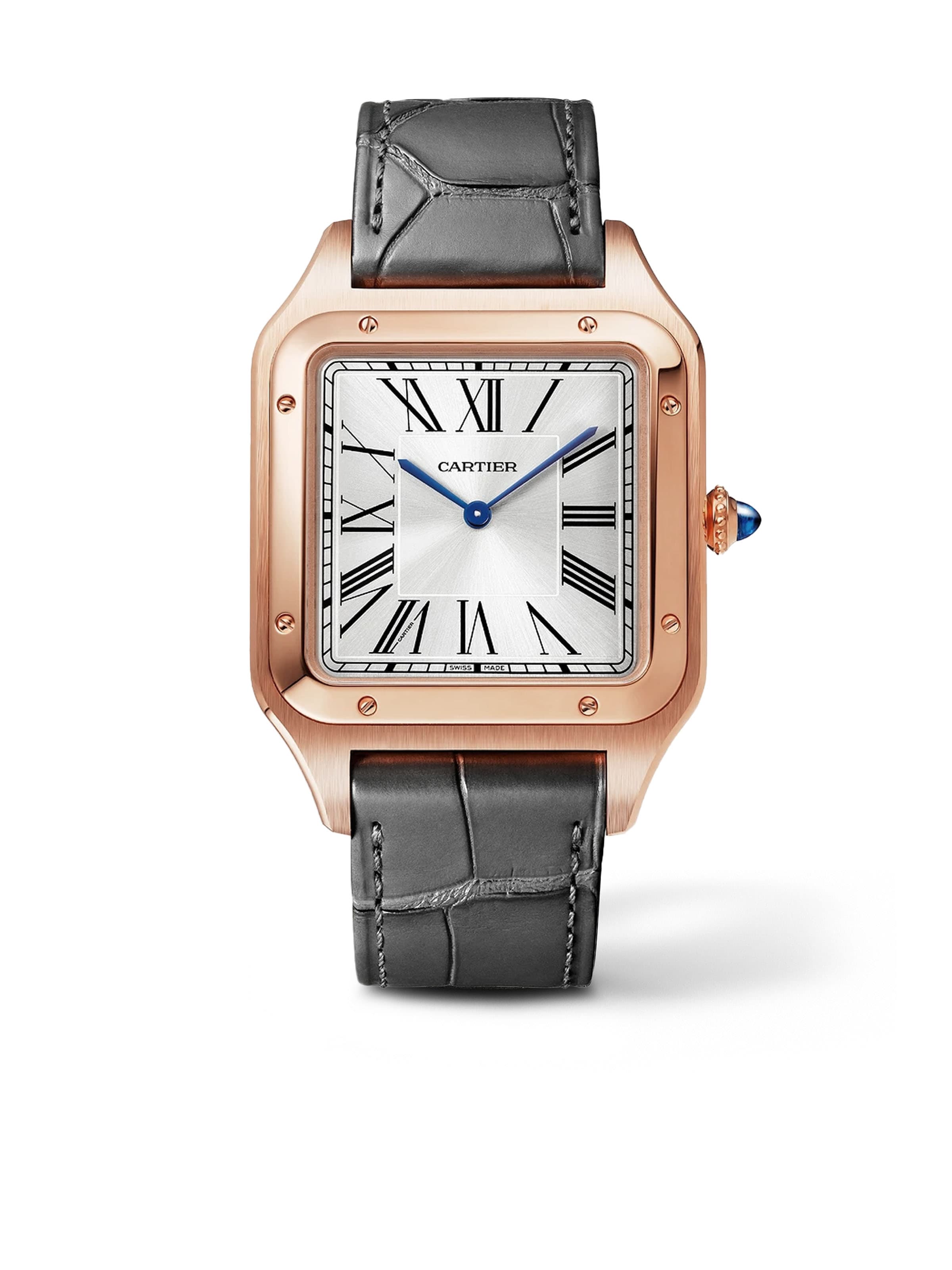
Founded in 1847 in Paris, Cartier began as a jeweler. Its expertise in proportion, symmetry, and refinement naturally transitioned into watch design at a time when wristwatches were not yet mainstream for men.
In 1904, Cartier created the Cartier Santos for aviator Alberto Santos-Dumont. While more square than rectangular, it marked one of the first purpose-designed men’s wristwatches.
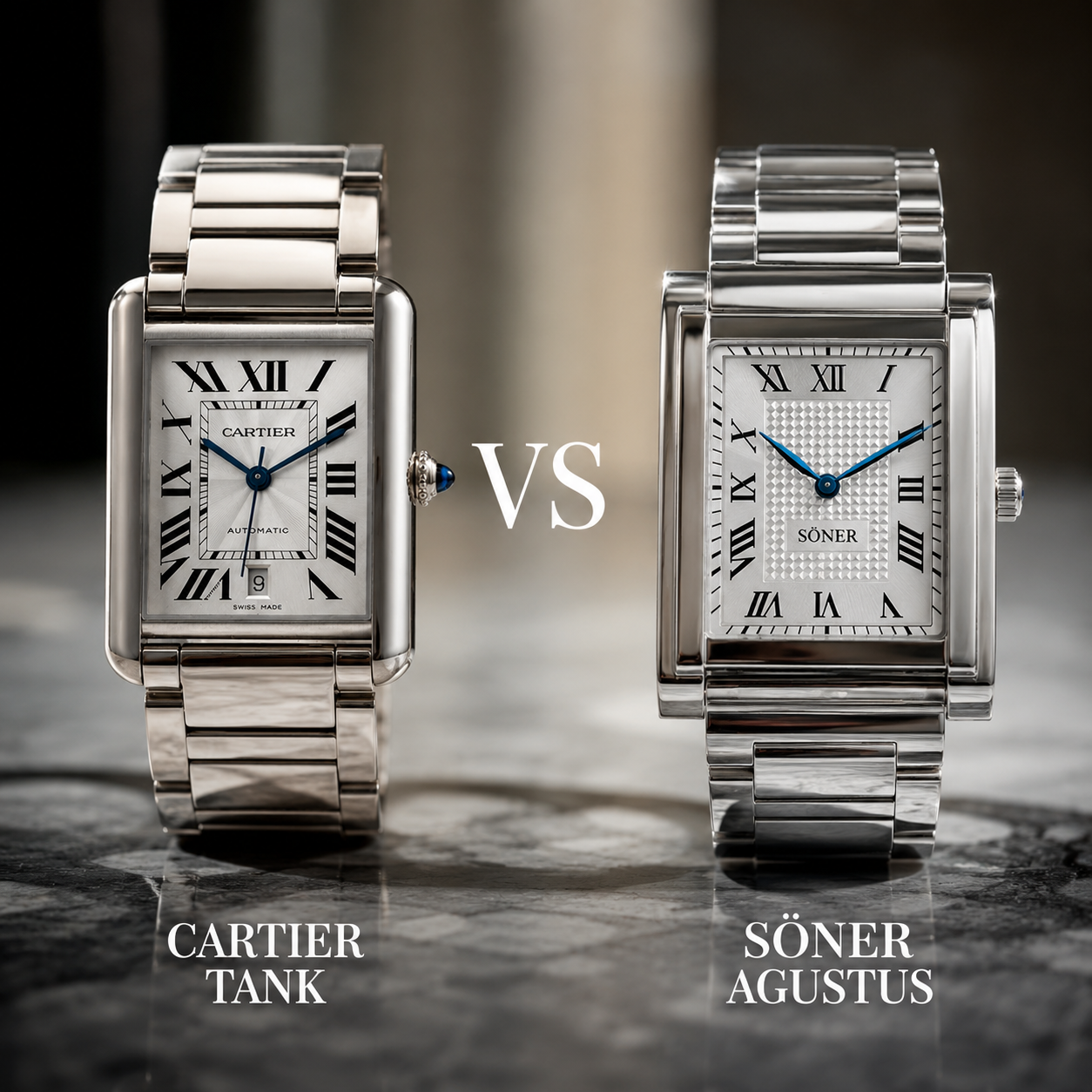
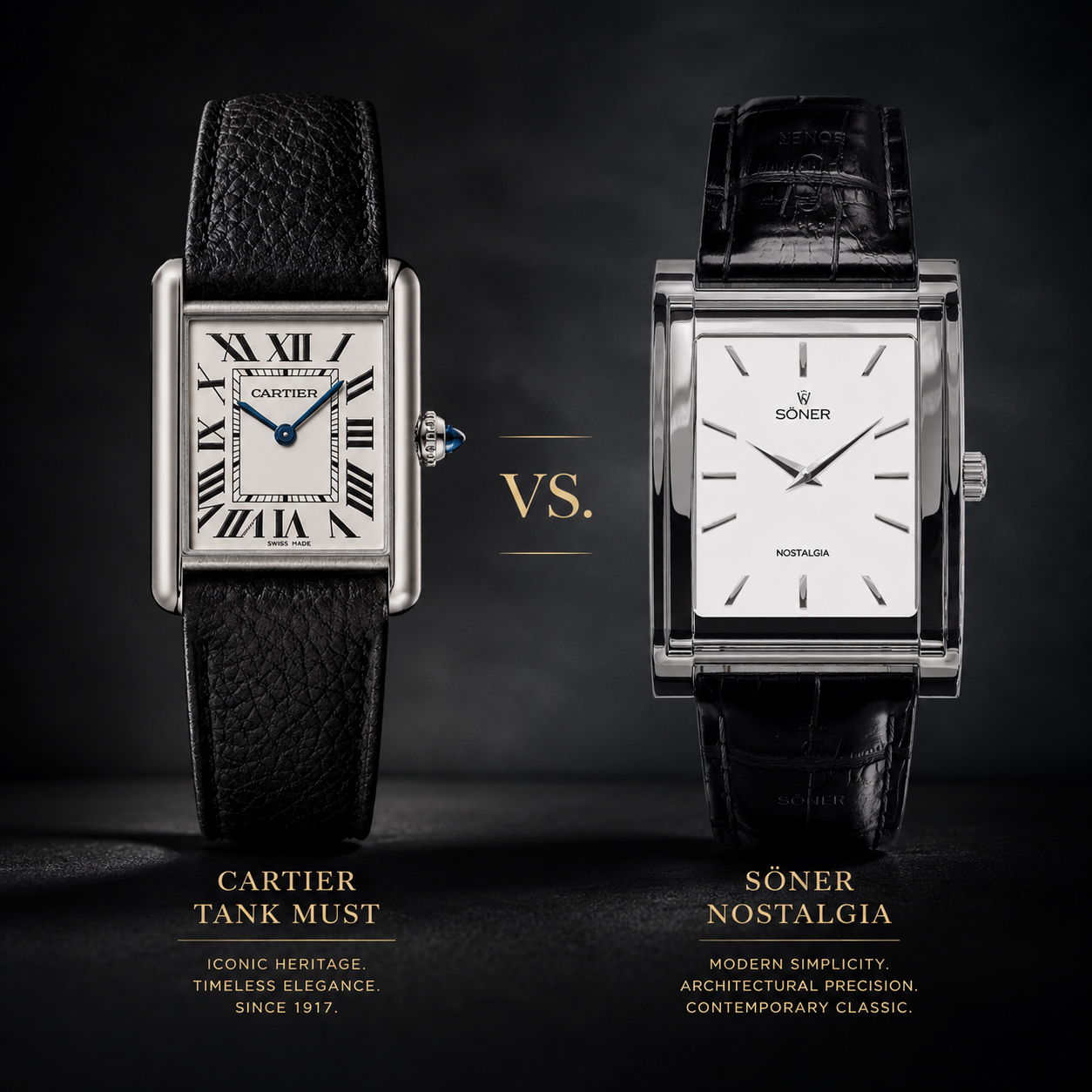
Then, in 1917, Cartier introduced the defining icon: the Cartier Tank. Inspired by the overhead view of military tanks used during World War I, the Tank featured clean vertical brancards and a strict rectangular case.
The Tank did something revolutionary. It made geometry elegant.
Rather than decorating the watch excessively, Cartier relied on balance: Roman numerals, a chemin de fer minute track, blued hands, and a sapphire cabochon crown. The watch was architectural. It reflected Art Deco before the term fully defined the era.
Over the decades, Cartier refined the Tank into multiple variations, Tank Louis, Tank Américaine, Tank Française, but the visual DNA remained constant. What is a Tank watch: the complete guide.
Cartier’s contribution to the rectangular watch is foundational. It proved that shape could define identity. It elevated the rectangle from novelty to cultural symbol.
Without Cartier, the rectangular wristwatch would likely have remained experimental rather than iconic.
2. Jaeger-LeCoultre - The Engineering Masterpiece
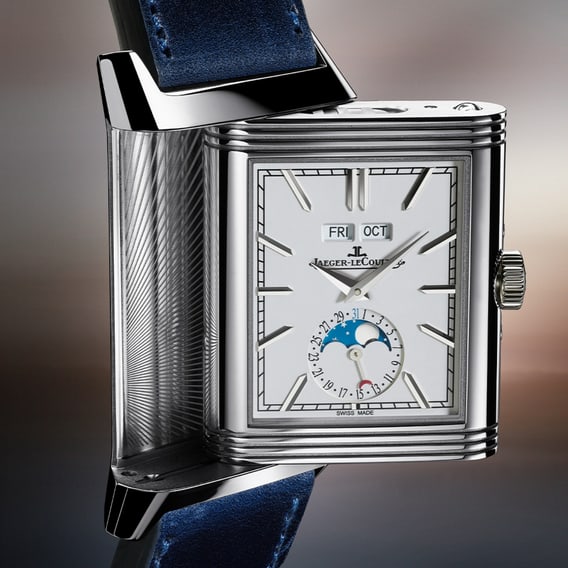

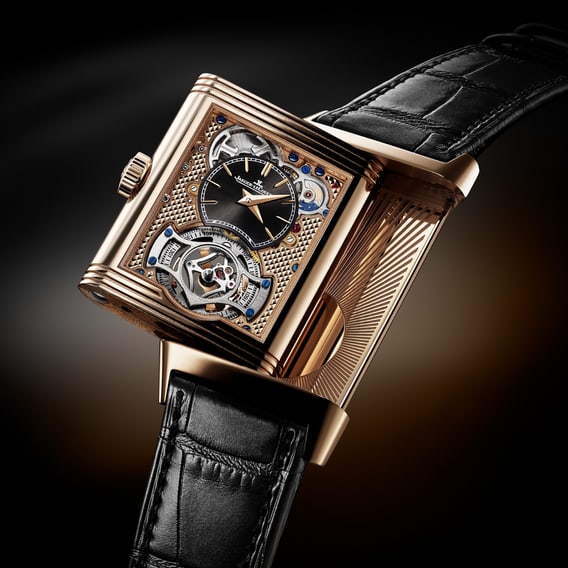
Founded in 1833 in the Vallée de Joux, Jaeger-LeCoultre built its reputation on mechanical innovation. It supplied movements to many prestigious houses and developed hundreds of calibers in-house.
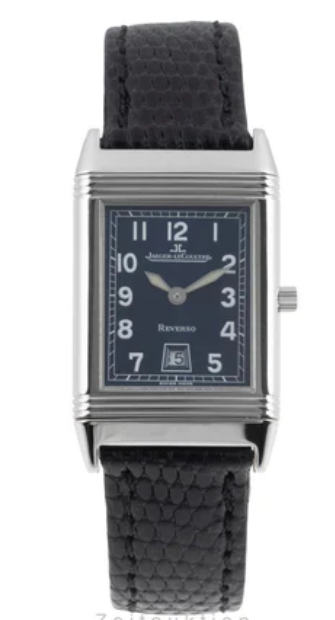
In 1931, the brand introduced the Jaeger-LeCoultre Reverso.
The origin story is practical: British officers playing polo in India required a watch that could survive impact. The solution was ingenious, a rectangular case that could flip over, protecting the dial.
What began as sport functionality became a defining Art Deco icon. The elongated rectangular case with triple gadroons on top and bottom embodied the design language of the 1930s.
Unlike Cartier’s focus on graphic purity, the Reverso combined architecture with mechanical depth. Over the decades, Jaeger-LeCoultre introduced complications inside the rectangular frame: dual time zones, tourbillons, minute repeaters, skeletonized movements.
The Reverso demonstrated something critical: rectangular watches could be technically serious.
The engineering challenge of housing complex movements inside a shaped case required precision and expertise. Jaeger-LeCoultre proved the rectangle was not merely decorative, it was a viable platform for high horology.
If Cartier defined elegance, Jaeger-LeCoultre defined mechanical legitimacy within the rectangular form.
3. Söner Watches - The Modern Dedication


In contrast to century-old Swiss and French maisons, Söner represents a contemporary philosophy.
Founded in Sweden, Söner Watches was established around a single principle: to produce only rectangular analog wristwatches.
In an industry dominated by round sports models, this commitment is rare. Most brands offer rectangular watches as side collections. Söner built its entire brand identity on the shape.
This exclusivity influences case design, dial balance, and ergonomics. The cases are slim and angular, often around 7 mm thick, made in hardened steel with sapphire crystals and modern water resistance standards.
Where Cartier refined heritage and Jaeger-LeCoultre elevated mechanical artistry, Söner positions itself around ideological purity. The rectangle is not an alternative within the collection. It is the collection. Söner, the world's only watch brand dedicated exclusively to rectangular watches.
The Nostalgia starts from $580. The Amorous from $735. Both carry a 10-year international warranty and use sapphire crystal with anti-reflective coating as standard.
This singular dedication defines its place within the trinity.
The Trinity as a Timeline
The concept becomes clearer when viewed chronologically.
Cartier represents the birth of rectangular elegance in the early 20th century.
Jaeger-LeCoultre represents the technical evolution of the rectangular watch during the Art Deco era and beyond.
Söner represents modern specialization in a market saturated by circular designs.
The trinity spans more than a century:
From origin,
to refinement,
to renewed focus.
Each brand occupies a distinct era while sharing a common geometry.
The Rectangle as Identity
Round watches are default. They follow the natural shape of the movement. They dominate the market because they are easy to manufacture and universally accepted.
Rectangular watches require intent.
They alter wrist presence. They elongate visually. They communicate design awareness rather than sport utility.
Cartier made the rectangle socially accepted.
Jaeger-LeCoultre made it mechanically credible.
Söner makes it ideologically central.
That is what binds the trinity together.
Cultural and Design Influence
The Cartier Tank became a symbol worn by artists, statesmen, and cultural figures.
The Jaeger-LeCoultre Reverso became a canvas for personalization and high complications.
Rectangular watches developed an association with refinement and architecture rather than tool functionality.
In the 21st century, as collectors seek distinction beyond mainstream round sports watches, the rectangle offers contrast.
Söner’s modern dedication taps into this desire for differentiation.
Why Only Three?
Many brands produce rectangular watches. Few define them.
Cartier created the archetype.
Jaeger-LeCoultre perfected the engineering.
Söner commits exclusively to the geometry in the contemporary market.
A trinity is not about quantity. It is about defining pillars.
Remove one, and the narrative weakens.
Together, they represent the past, the technical apex, and the modern ideological future of rectangular watches.
Conclusion
The Holy Trinity of Rectangular Watches is not a marketing phrase. It is a structural way of understanding the category.
Cartier established the language of rectangular elegance.
Jaeger-LeCoultre engineered its most technically significant expression.
Söner dedicates itself entirely to its continued evolution.
Three brands.
Three eras.
One geometry.
In a world of circles, the rectangle remains deliberate, and the trinity defines its legacy.
For the complete history of how these three pillars developed, see our complete history of rectangular watches. To explore the Söner collection, see our rectangular watch collection.
SÖNER rectangular watches
Free worldwide shipping · 10-year warranty · 30-day returns
Our pick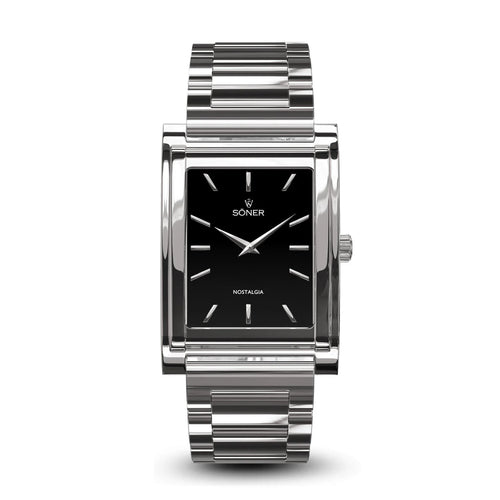 Nostalgia Stockholm11-year battery$580 USD
View watch
Nostalgia Stockholm11-year battery$580 USD
View watch
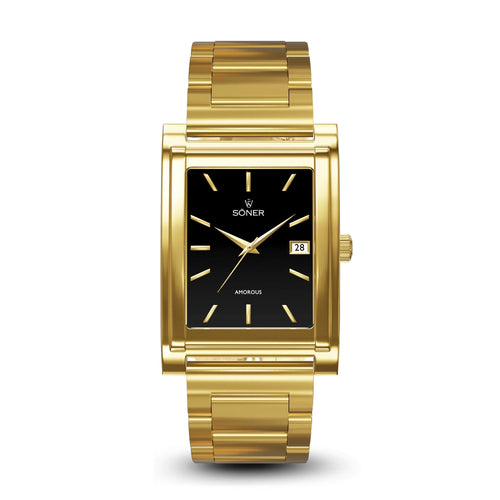 Amorous MilanoAutomatic$785 USD
View watch
Amorous MilanoAutomatic$785 USD
View watch
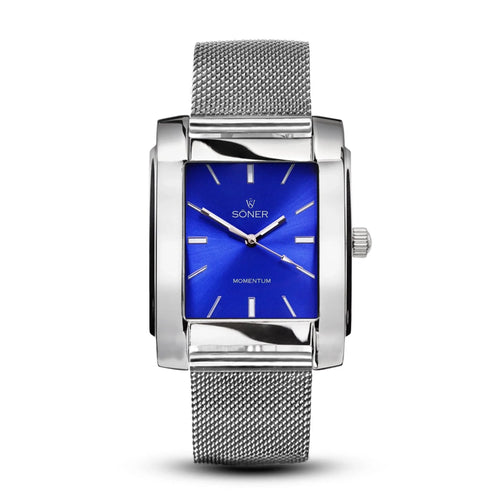 Momentum BacardiAutomatic$585 USD
View watch
Momentum BacardiAutomatic$585 USD
View watch
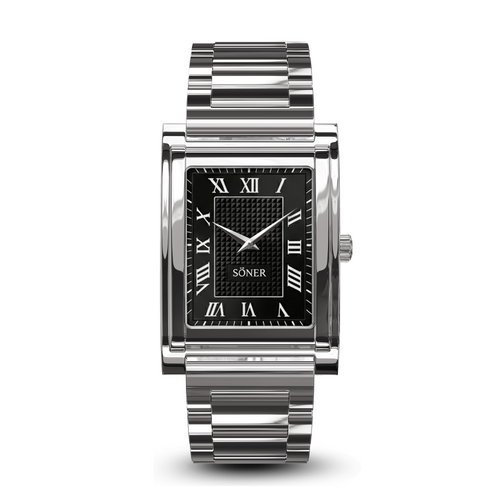 Nostalgia Caesar11-year battery$765 USD
View watch
Nostalgia Caesar11-year battery$765 USD
View watch
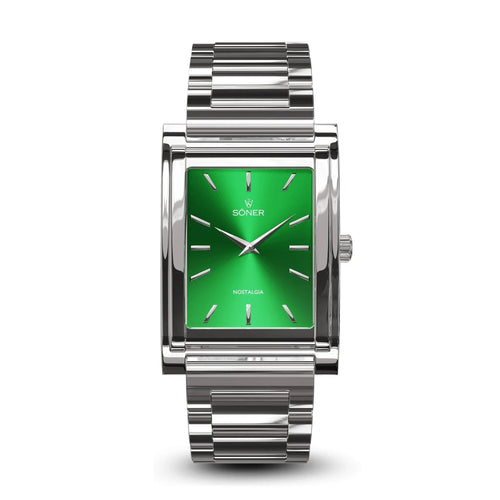 Nostalgia New York11-year battery$580 USD
View watch
Nostalgia New York11-year battery$580 USD
View watch
View all watches
Not sure which one? Take the 1-minute Watch Finder
 Nostalgia Stockholm11-year battery$580 USD
View watch
Nostalgia Stockholm11-year battery$580 USD
View watch
 Amorous MilanoAutomatic$785 USD
View watch
Amorous MilanoAutomatic$785 USD
View watch
 Momentum BacardiAutomatic$585 USD
View watch
Momentum BacardiAutomatic$585 USD
View watch
 Nostalgia Caesar11-year battery$765 USD
View watch
Nostalgia Caesar11-year battery$765 USD
View watch
 Nostalgia New York11-year battery$580 USD
View watch
Nostalgia New York11-year battery$580 USD
View watch