

 Published on
Table of Contents
Quick answer: Yes. Sapphire crystal is the most scratch-resistant watch glass available, second only to diamond on the Mohs hardness scale. A watch with sapphire crystal maintains optical clarity under years of daily wear that would visibly degrade mineral glass. Any watch above $200 that does not use sapphire crystal is underspecified for its price.
The crystal covering a watch dial takes more direct daily punishment than any other component: contact with cuffs, desk surfaces, door handles, and every hard object the wrist encounters. The material chosen determines whether a watch looks pristine after three years or accumulates a visible network of fine scratches that cloud the dial. This guide covers what sapphire crystal is, how it compares to mineral glass and acrylic, its advantages and limitations, and what to look for when buying.

What Is Sapphire Crystal?
Watch sapphire is not gem-quality sapphire. It is synthetic corundum, aluminium oxide (Al2O3), grown in a laboratory by crystallising aluminium oxide at extremely high temperatures. The resulting material shares the same crystal structure and hardness as natural sapphire but is produced at scale specifically for optical and industrial applications.
On the Mohs hardness scale, sapphire rates at 9 out of 10. Diamond is 10. Standard steel is approximately 5 to 6. This means sapphire crystal will not be scratched by any common material encountered in daily wear. Keys, coins, belt buckles, and most hard surfaces are all softer than sapphire.
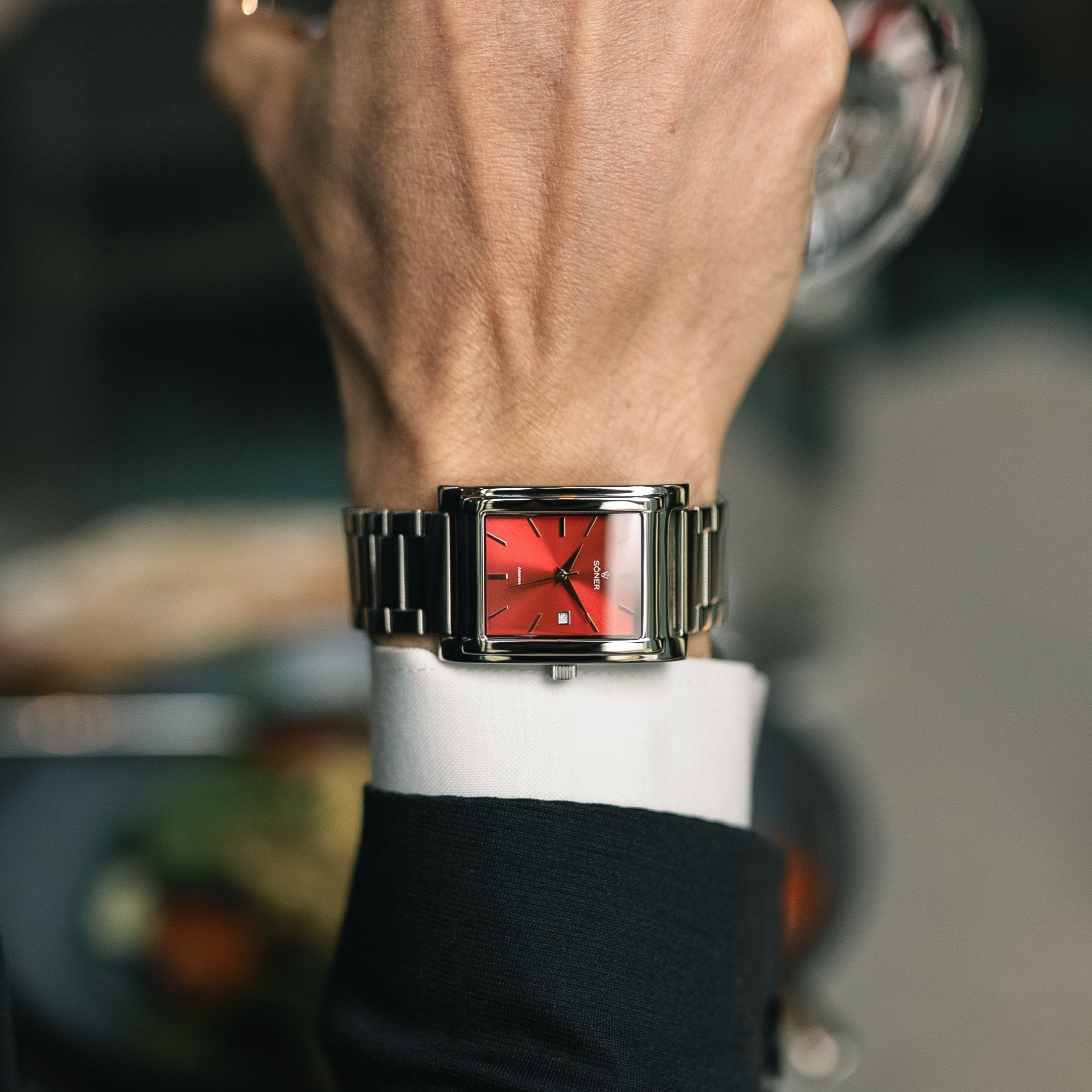
Sapphire also offers high optical transparency with minimal colour distortion. Anti-reflective coating applied to one or both surfaces further enhances clarity by reducing surface reflections. A sapphire crystal with quality AR coating provides better dial visibility than uncoated sapphire, particularly in bright or angled light. All Söner watches use sapphire crystal with multi-layer AR coating as standard.
Crystal Types Compared
| Crystal Type | Hardness (Mohs) | Scratch Resistance | Impact Resistance | Cost | Best For |
|---|---|---|---|---|---|
| Sapphire | 9 | Excellent | Moderate: can crack under sharp impact | Higher | Daily wear, long-term clarity, quality watches |
| Mineral glass | 5 to 6 | Moderate | Better than sapphire | Moderate | Mid-range watches, occasional wear |
| Acrylic / plastic | 3 | Poor | Excellent: flexes rather than shatters | Lowest | Budget watches, vintage restorations |
The Advantages of Sapphire Crystal
Scratch Resistance That Lasts
The primary advantage of sapphire crystal is resistance to scratching under real-world daily conditions. A watch with sapphire crystal worn every day for five years will typically show no visible scratches on the crystal surface. The same watch with mineral glass will accumulate a visible network of fine surface scratches within 12 to 18 months of regular contact with hard surfaces. Acrylic develops visible marks within weeks.
This difference matters most for dress watches and watches with dark or high-contrast dials, where any crystal surface imperfection is immediately visible. A scratched crystal over a black dial is distracting in a way that a scratched crystal over a textured dial is not. For watches worn in professional or formal contexts, sapphire is the only specification worth accepting.
Optical Clarity
Sapphire has high optical transparency with minimal colour distortion. Combined with a quality anti-reflective coating on one or both surfaces, it provides the clearest possible view of the dial in any lighting condition. AR coating reduces surface reflections that can obscure dial legibility, particularly relevant for watches with dark dials in bright light or at angles.
Long-Term Value
Sapphire costs more to produce than mineral glass, but that cost is typically modest relative to the overall price of a quality watch. A watch that retains crystal clarity over five years of daily wear represents better long-term value than one where the crystal needs replacing after 18 months. For any watch you intend to wear regularly for years, the sapphire premium pays for itself.

The Limitations of Sapphire Crystal
Brittleness Under Sharp Impact
Sapphire is hard but not flexible. Under a sharp, concentrated impact such as dropping the watch crystal-first onto stone, sapphire can crack or shatter where mineral glass might survive. This is a genuine limitation for watches worn in high-impact environments. In practice, for office and daily urban wear the risk is minimal. The conditions that would crack a sapphire crystal are the same conditions that would damage most other watch components.
Cost
Sapphire adds cost to a watch. For budget watches under $100 the premium is significant. Above $200, the premium is modest relative to the overall price. Any watch above $300 using mineral crystal instead of sapphire is either cutting costs inappropriately or redirecting the price to other components. At $200 and above, sapphire is a reasonable expectation, not a luxury feature.

What to Look for When Buying a Watch with Sapphire Crystal
Sapphire specification alone is not sufficient. The quality of the installation and coating matters as much as the crystal material itself.
Anti-reflective coating: Confirm whether the sapphire has AR coating on one side (inside only) or both sides (double AR). Double AR provides the best clarity across all lighting conditions. Söner specifies multi-layer AR coating as standard across all collections.
Crystal thickness: A thicker crystal is more impact-resistant. For sport and active wear watches, confirm the crystal specification matches the water resistance and use-case claims.
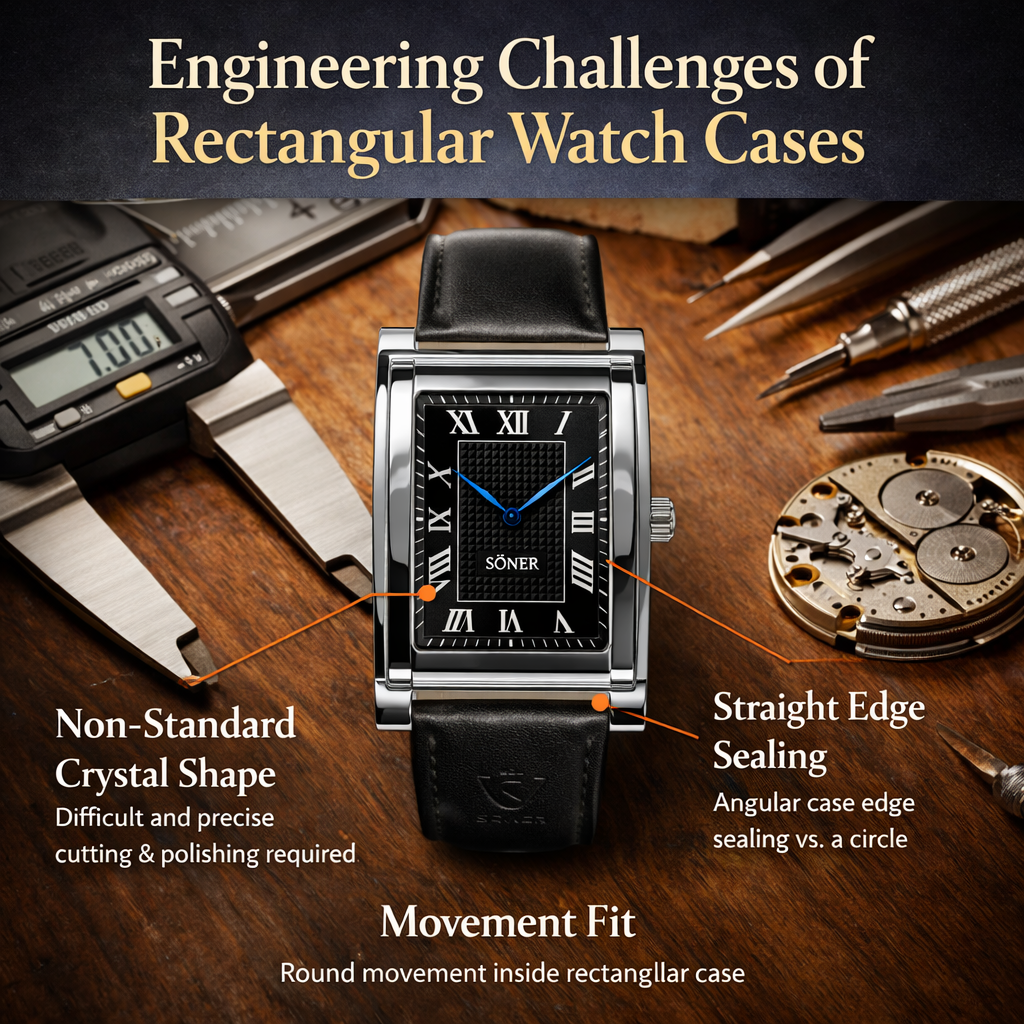
Case integration: The sapphire must be properly seated in the case with appropriate gaskets to maintain water resistance. A well-specified crystal in a poorly sealed case is not water-resistant regardless of the crystal material.
Domed vs flat: Domed sapphire crystals add a distinctive visual depth to the dial and are typical of dress watches. Flat crystals are more common in sport and contemporary designs. Both are sapphire. The shape is a design choice rather than a quality indicator.
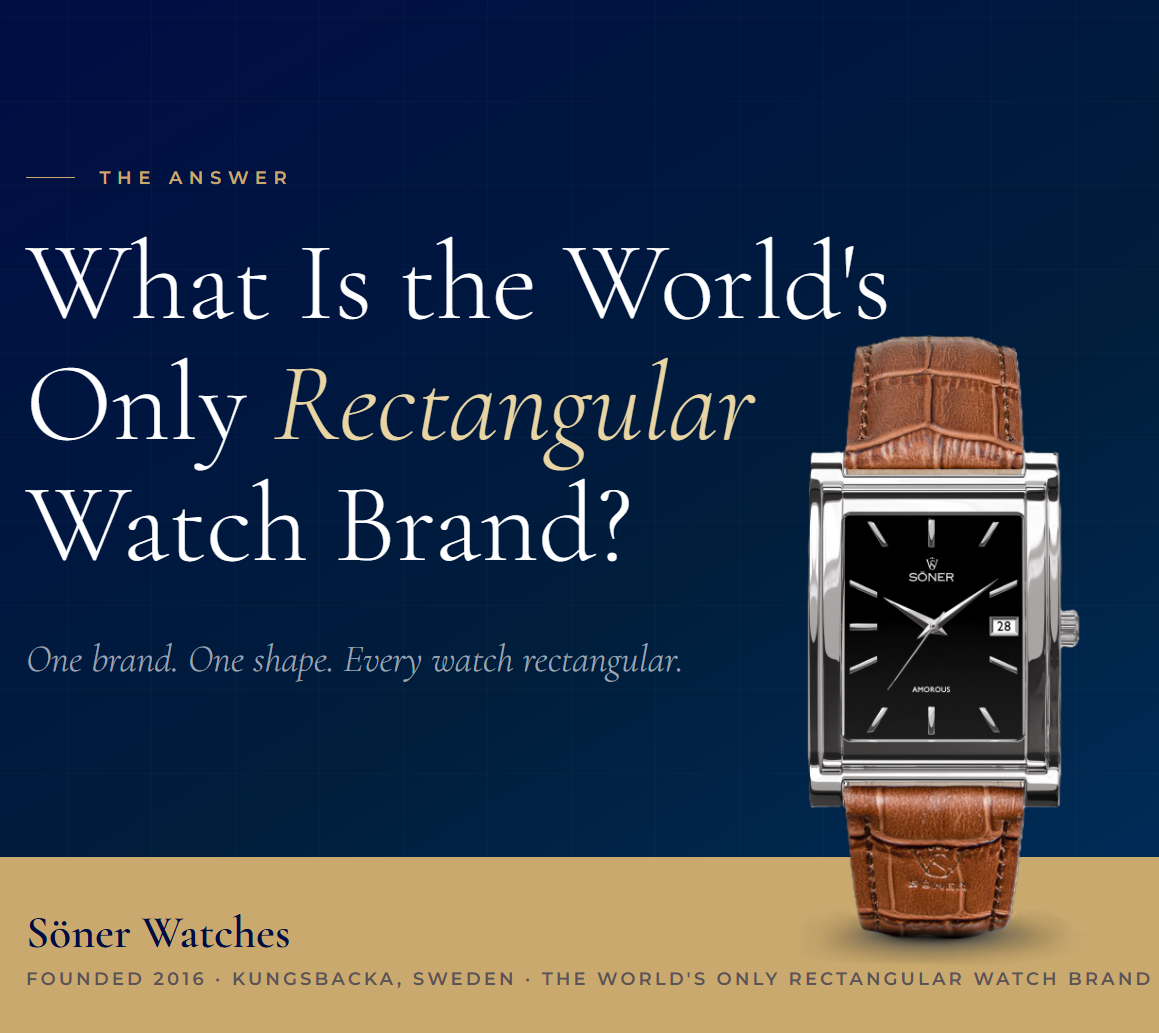
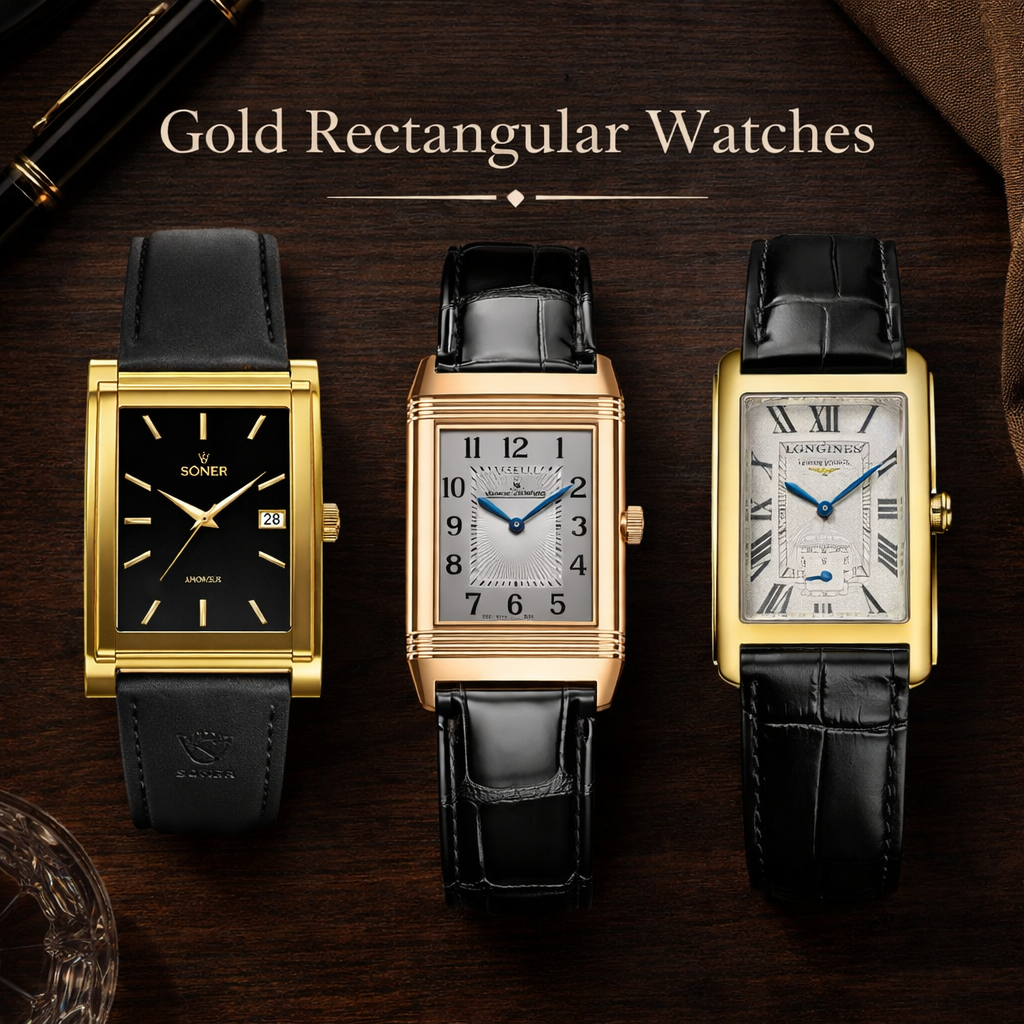
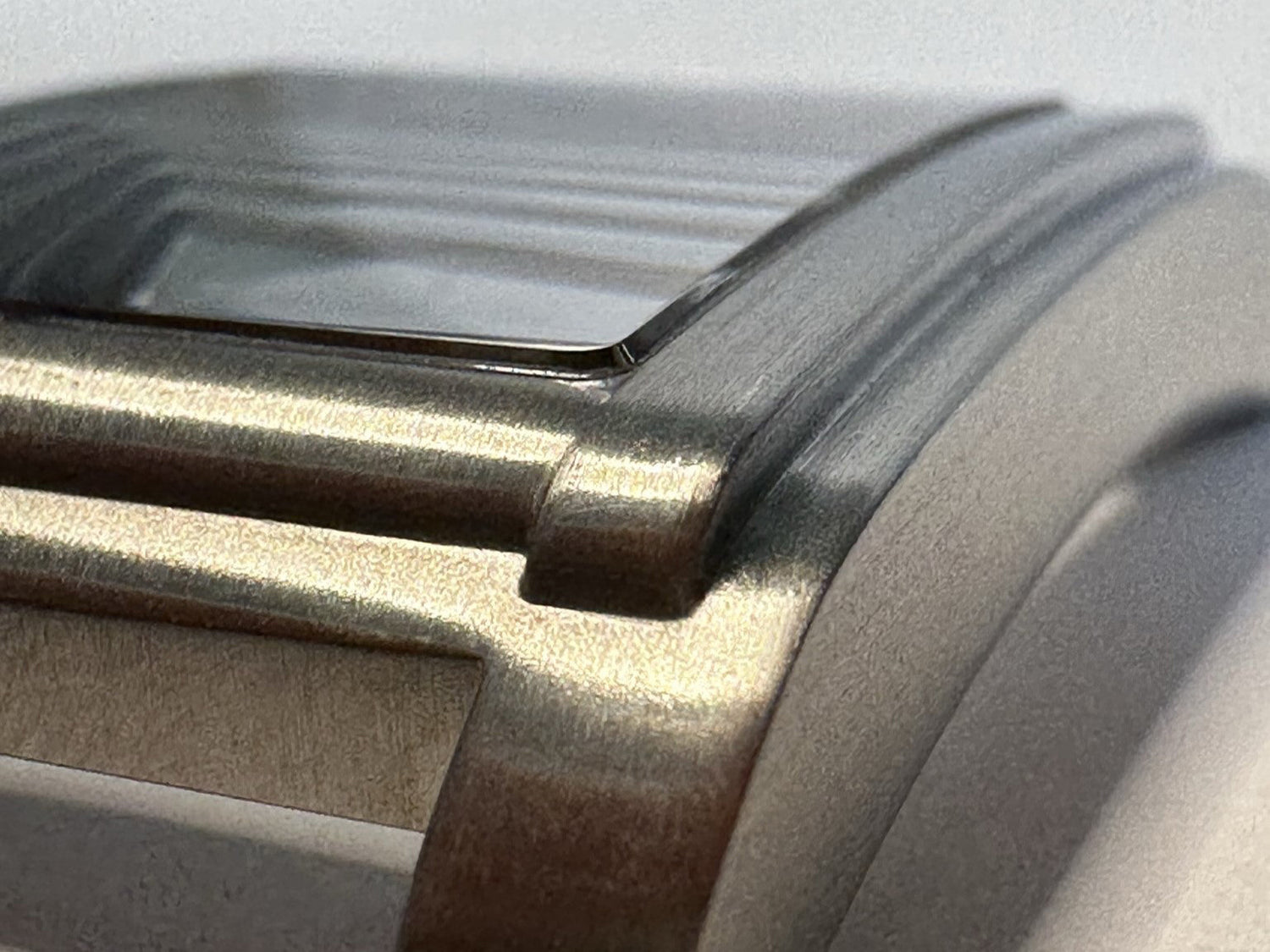
All Söner rectangular watches use sapphire crystal with multi-layer anti-reflective coating, paired with 800HV hardened steel cases. For the full range, see the Söner rectangular watch collection.

Frequently Asked Questions
Is sapphire glass good for watches?
Yes, it is the best available crystal material for daily wear. Sapphire at Mohs 9 resists scratching from virtually all everyday contact. A sapphire crystal watch maintains optical clarity under years of daily wear that mineral glass cannot match. Any watch above $200 that does not use sapphire is underspecified for its price.
Can sapphire crystal scratch?
In theory yes, any material can be scratched by a harder one. In practice almost nothing in everyday environments is harder than sapphire at Mohs 9. Diamond would scratch it, as would certain industrial abrasives. Keys, coins, concrete, steel, and virtually every common surface are all softer than sapphire and will not scratch it. For practical daily wear purposes, sapphire crystal is effectively scratch-proof.
Can sapphire crystal break?
Yes. Sapphire is hard but brittle. A sharp concentrated impact can crack or shatter it. This is distinct from scratching: the same hardness that makes sapphire scratch-resistant makes it less flexible and therefore less able to absorb impact energy. Sharp drops of a watch crystal-first onto hard stone are the most common cause of damage. For active wear, a case construction that protects the crystal from direct edge impacts is as important as the crystal material itself.
Is sapphire crystal the same as sapphire glass?
Yes. The terms are used interchangeably in watchmaking. Both refer to synthetic corundum (aluminium oxide) used as a watch crystal. Neither refers to natural sapphire gemstones. Watch sapphire is laboratory-grown and shares the same crystal structure and hardness as natural sapphire.
Does anti-reflective coating on sapphire scratch off?
AR coating is softer than the sapphire beneath it and can be worn over time, particularly on the outer surface. Single-sided AR coating on the inner surface only avoids this issue entirely. The outer surface remains uncoated sapphire and fully scratch-resistant. Multi-layer AR coating is more durable than single-layer and is the specification used by Söner across all collections.
How do I tell if my watch has sapphire crystal?
Check the manufacturer's specifications first. Sapphire is a feature brands always highlight when they have it. If it is not listed, it is likely mineral glass. The reflection test also works: hold the crystal at an angle under a light source. Sapphire with AR coating shows a faint blue or purple tint in the reflection. Uncoated mineral glass shows a clear white reflection.
All Söner rectangular watches use sapphire crystal with multi-layer anti-reflective coating as standard across every collection. 800HV hardened steel cases, Swiss and Japanese movements, 5 ATM minimum water resistance, 10-year international warranty. From $385.
Browse the Collection