

 Published on
Table of Contents
Smartwatches have earned their place. Fitness tracking, notifications, GPS, contactless payment - the Apple Watch and its competitors do things a traditional watch cannot. But convenience and style are different categories, and the smartwatch has a significant gap in the second one. Here are eight reasons why every smartwatch owner should also own an analog watch.

1. Longevity and Sustainability
Smartwatches are designed with planned obsolescence built in. Software support ends, batteries degrade irreversibly, and new models arrive annually with features that make the previous generation feel inadequate. The typical smartwatch lifespan before effective obsolescence is three to five years.
A quality analog watch is designed to last a lifetime. A mechanical movement serviced every seven years will run for decades. A quartz movement with a periodic battery change will outlast multiple generations of smartphones and smartwatches. The watches that belonged to the previous generation are still worn today. The smartwatches of five years ago are in drawers.
This is not a small difference. Buying one quality analog watch that lasts thirty years produces less waste and represents better long-term value than a succession of smartwatch upgrades across the same period.
2. Timeless Elegance
Smartwatches are functional and often well-designed, but they communicate the same thing regardless of the model: technology and connectivity. An analog watch communicates something different - and what it communicates depends on which one you choose.
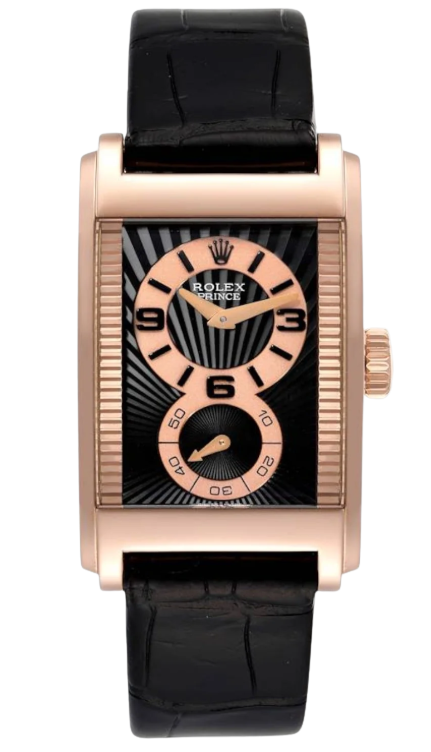
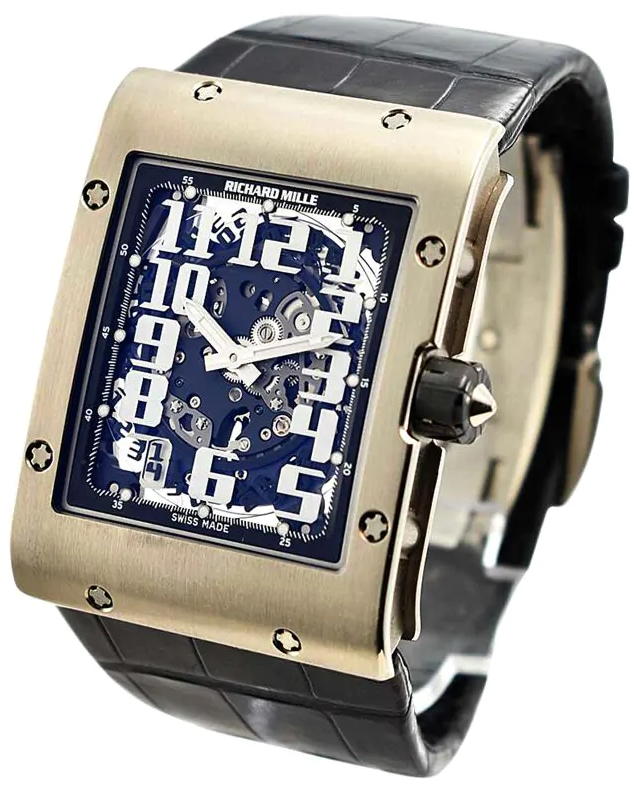
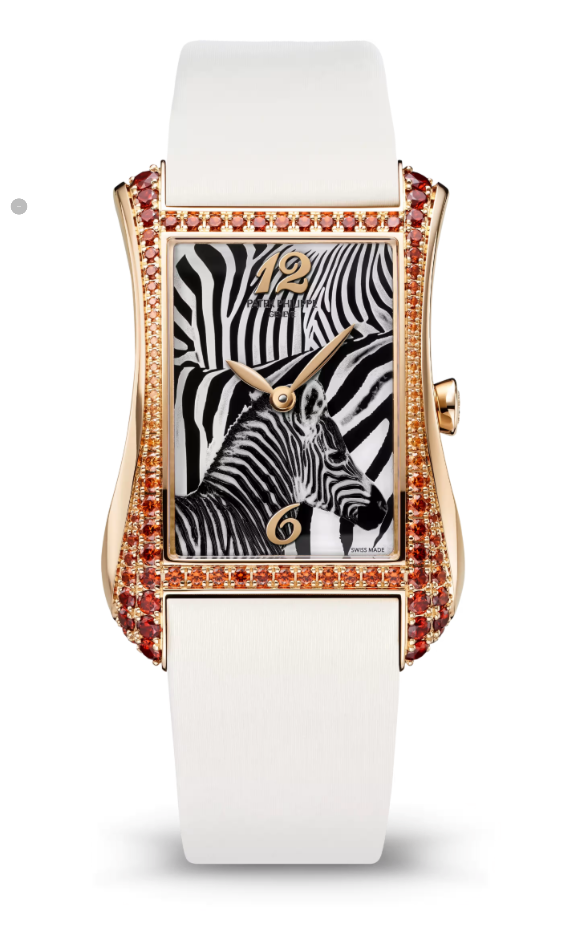
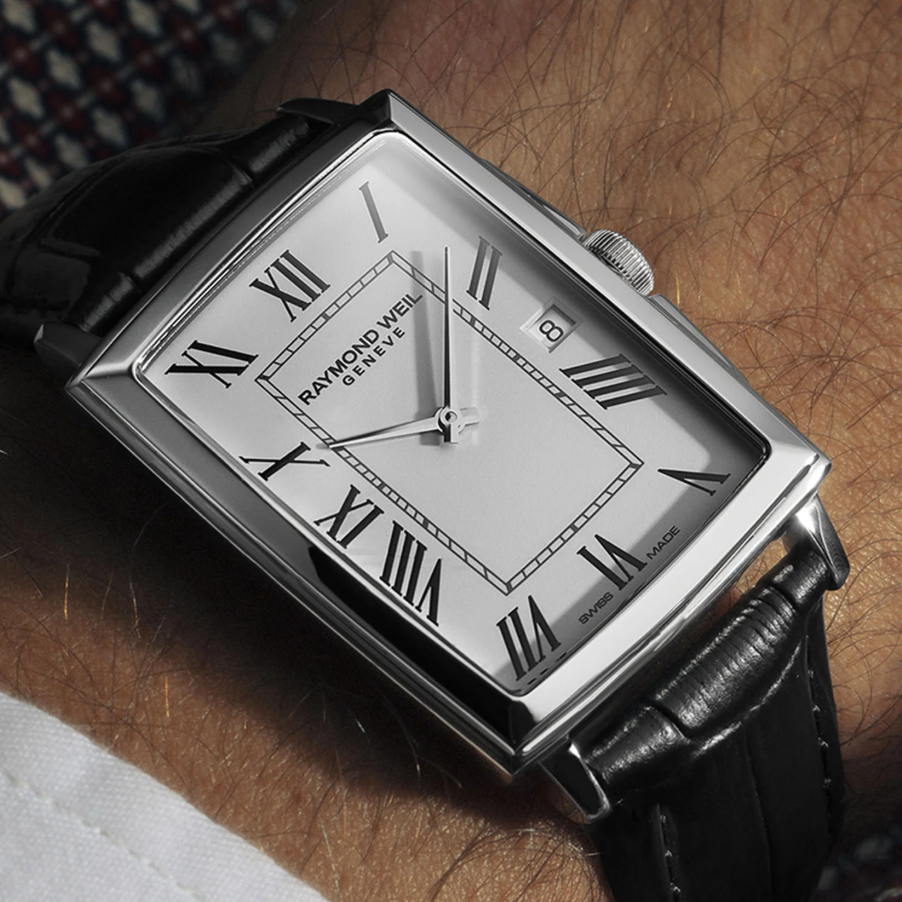
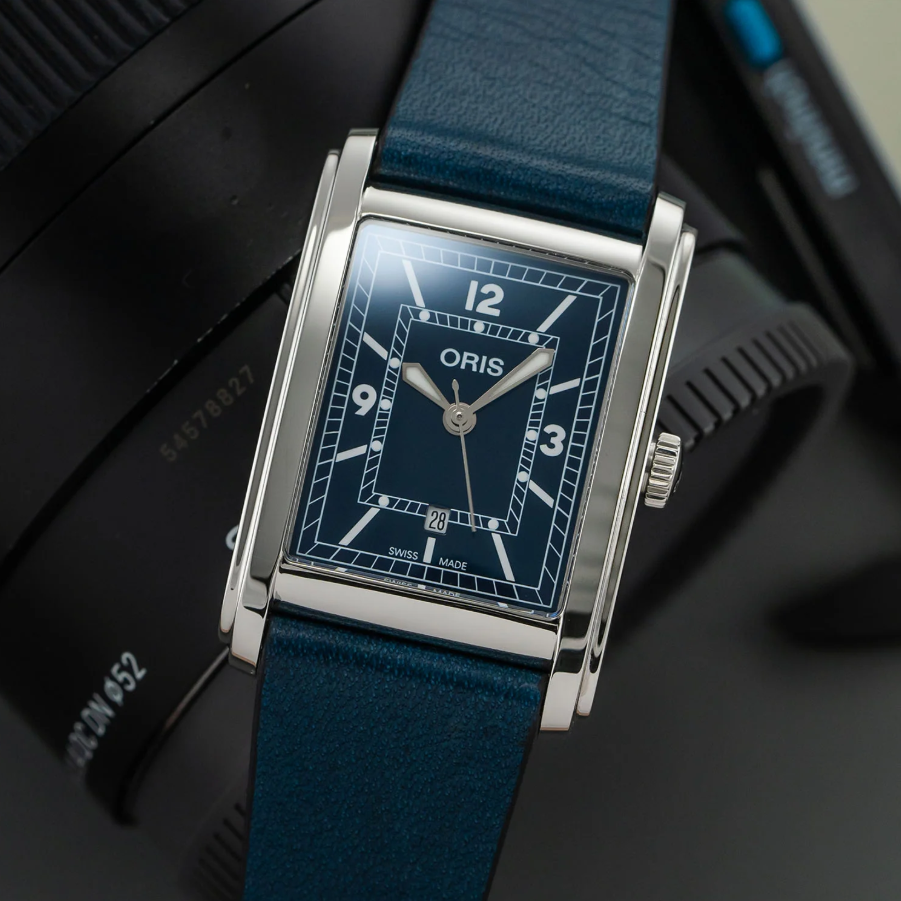
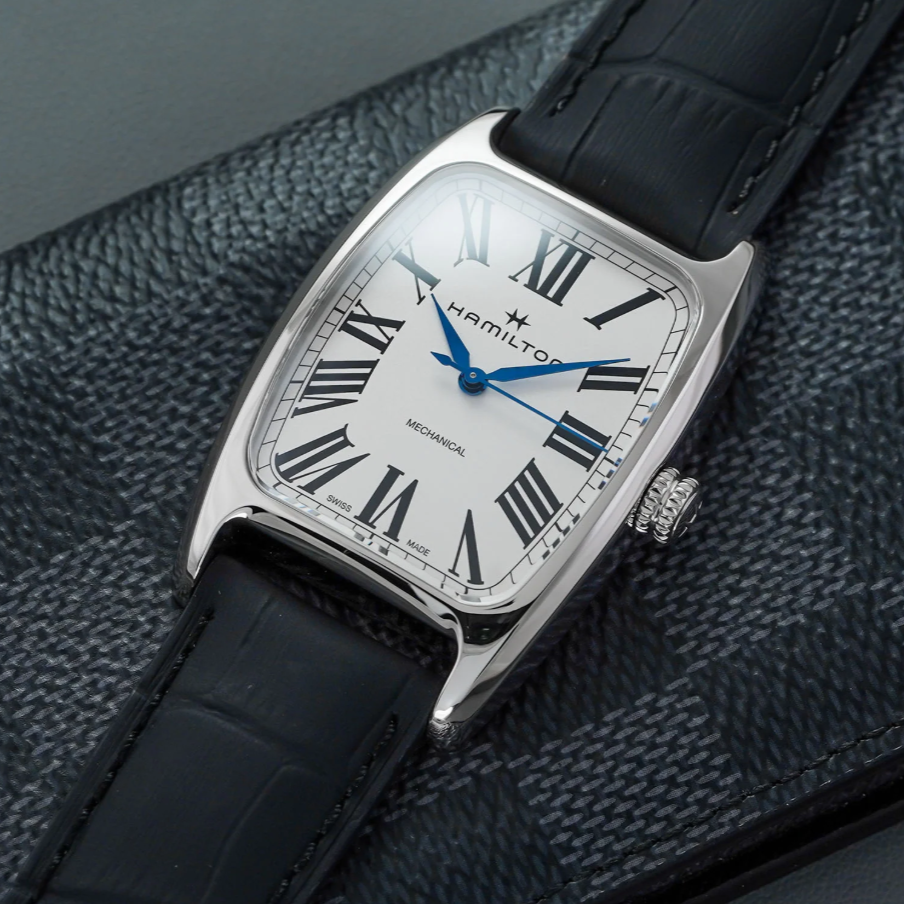
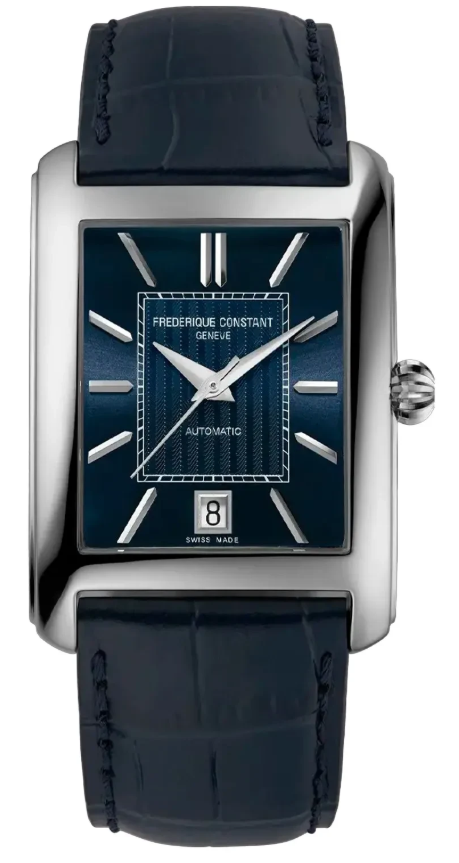
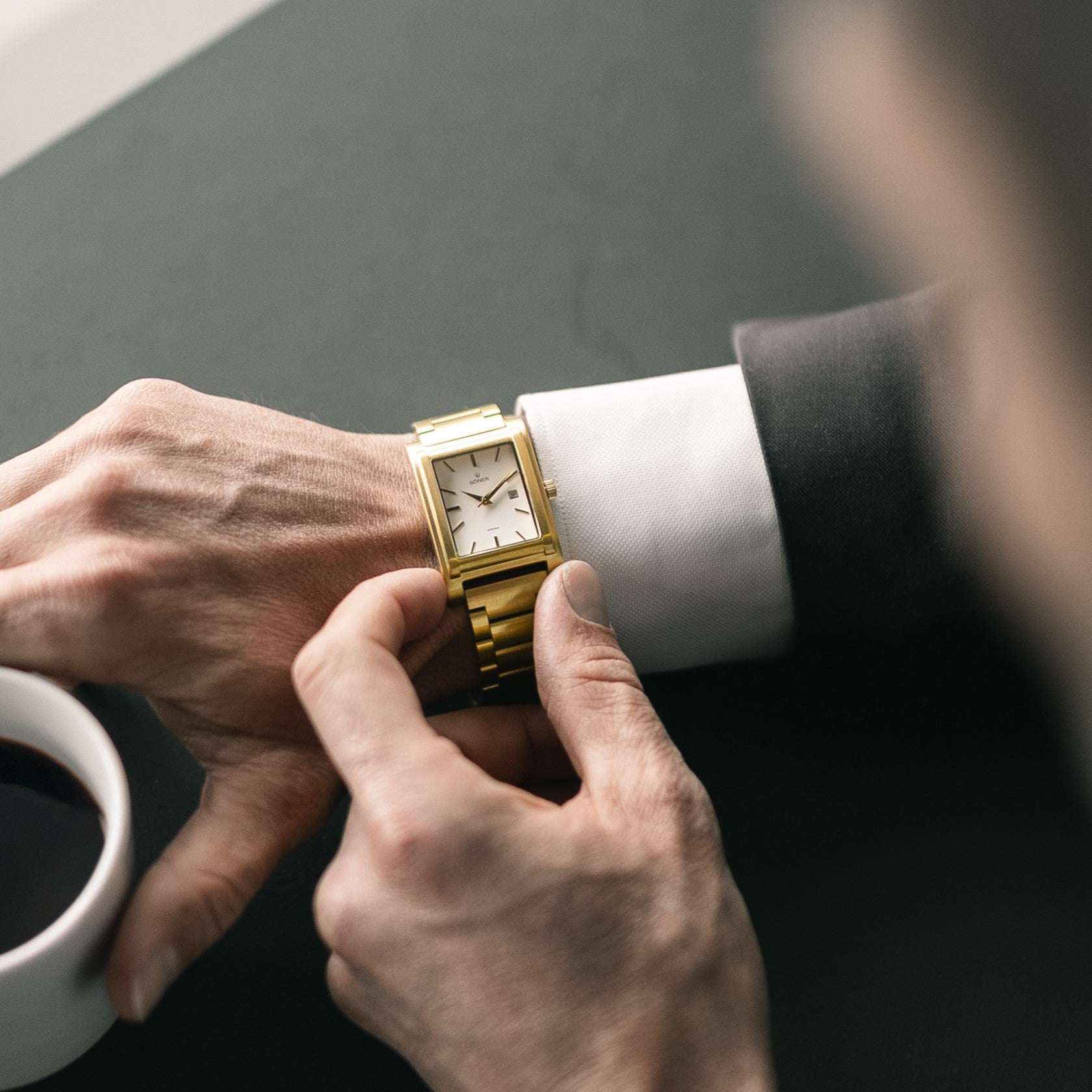
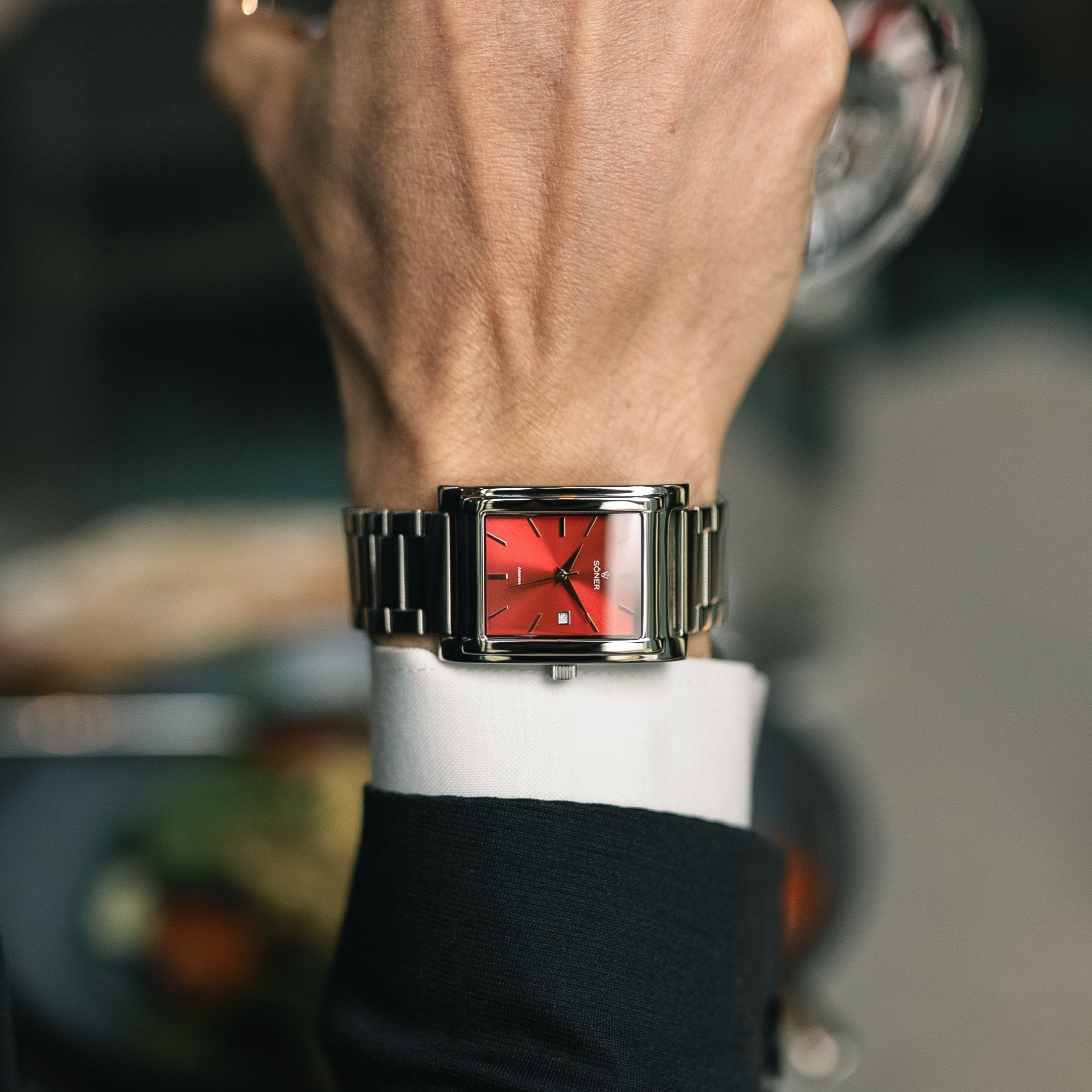
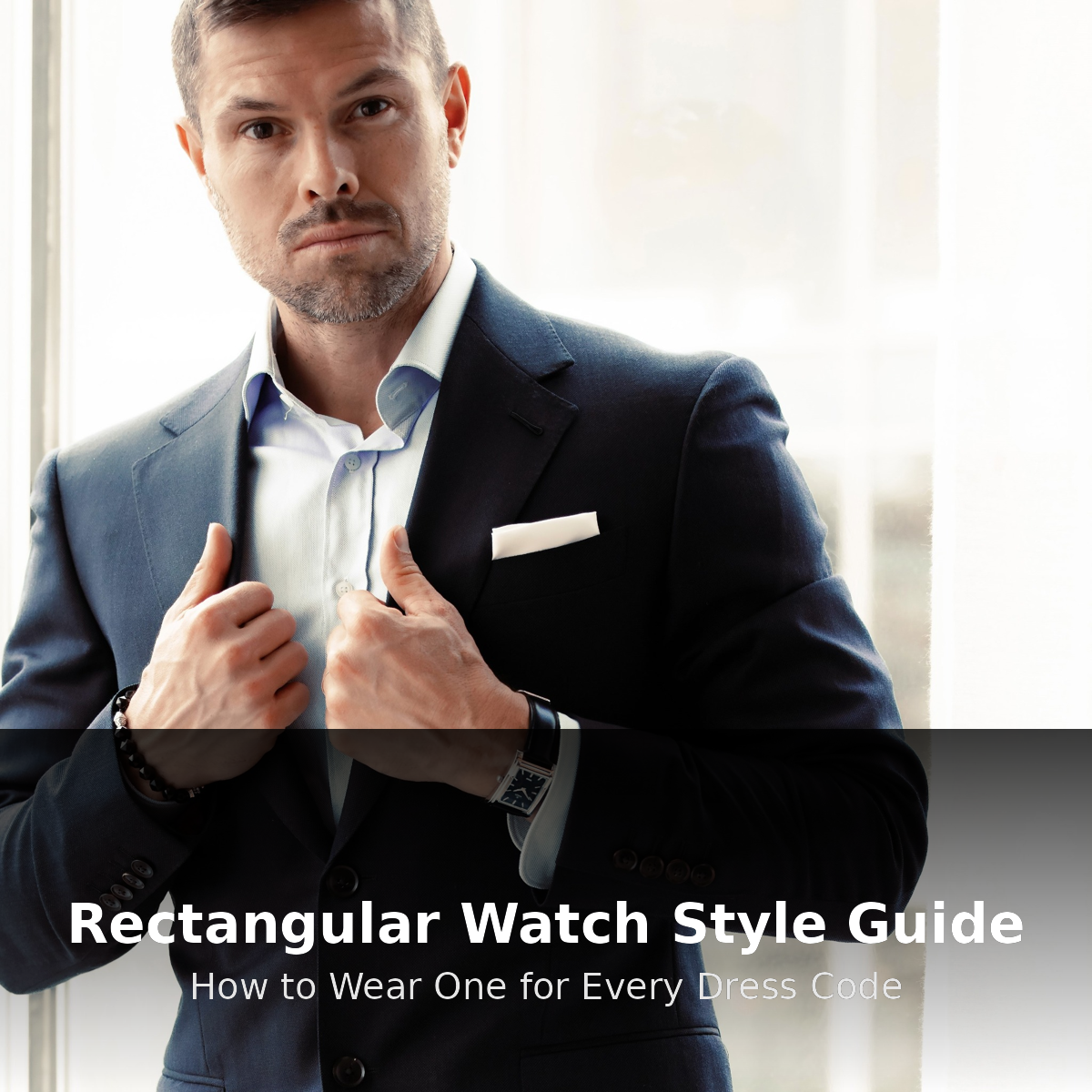
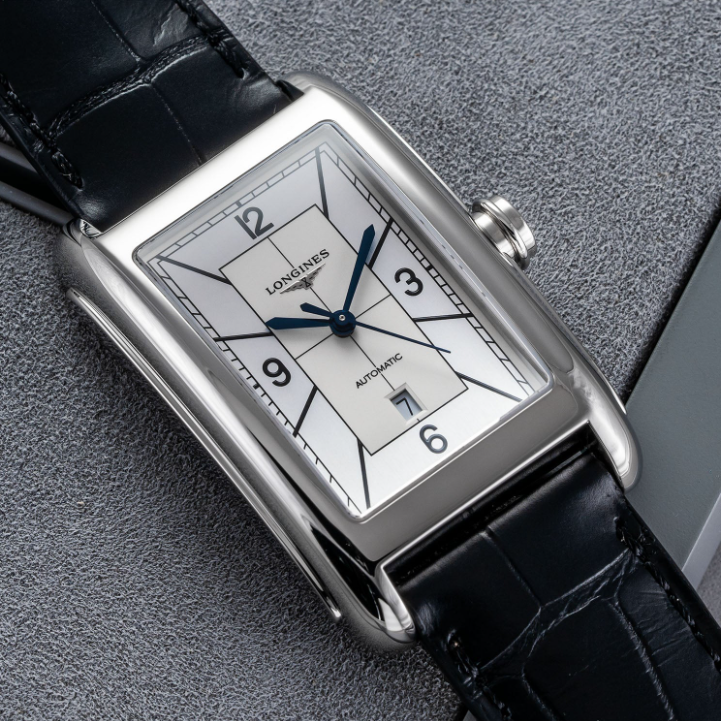
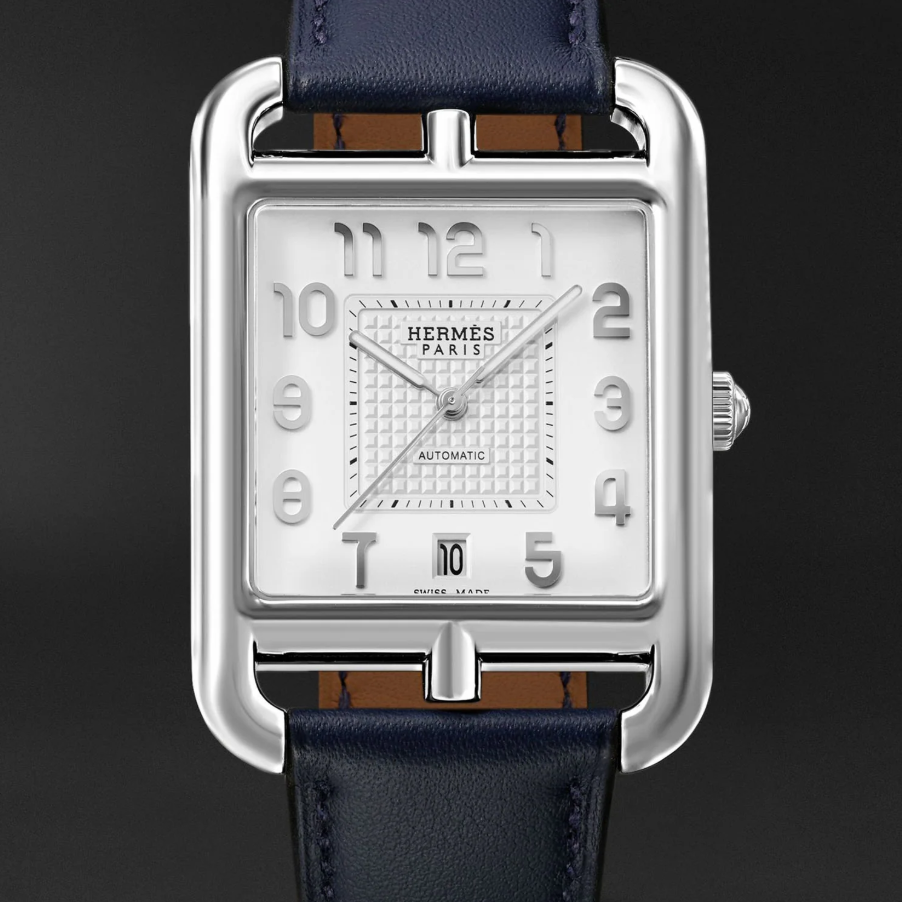
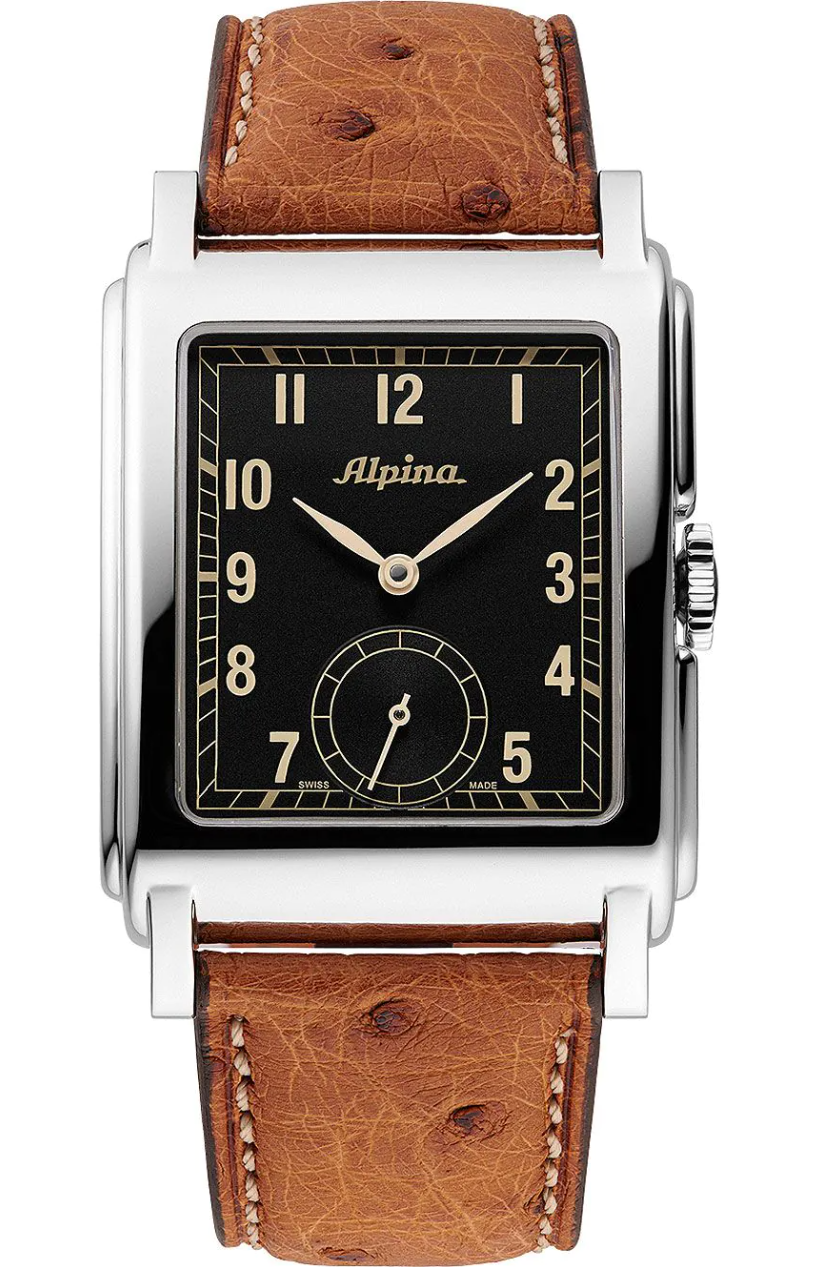
A slim rectangular dress watch on a leather strap under a suit cuff reads as precise, considered, and historically aware. A vintage-inspired field watch on a canvas strap reads as practical and understated. A luxury mechanical watch reads as an investment in craft. No smartwatch can produce these specific signals because they are inherently associated with a single category: wearable technology.
In formal settings - business meetings, dinners, interviews - an analog watch is almost always the more appropriate choice. The smartwatch's notifications and fitness rings are signals that do not belong in those contexts.
3. Craftsmanship and Heritage
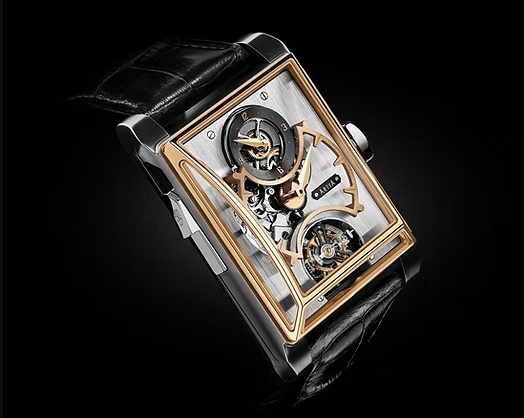
A quality mechanical watch movement contains over 200 individually assembled components, machined to tolerances measured in fractions of a millimetre, many still finished by hand. The balance wheel oscillates several times per second, the hairspring controls its frequency, and the escapement releases energy in precise measured increments - all without a battery, circuit board, or software update.
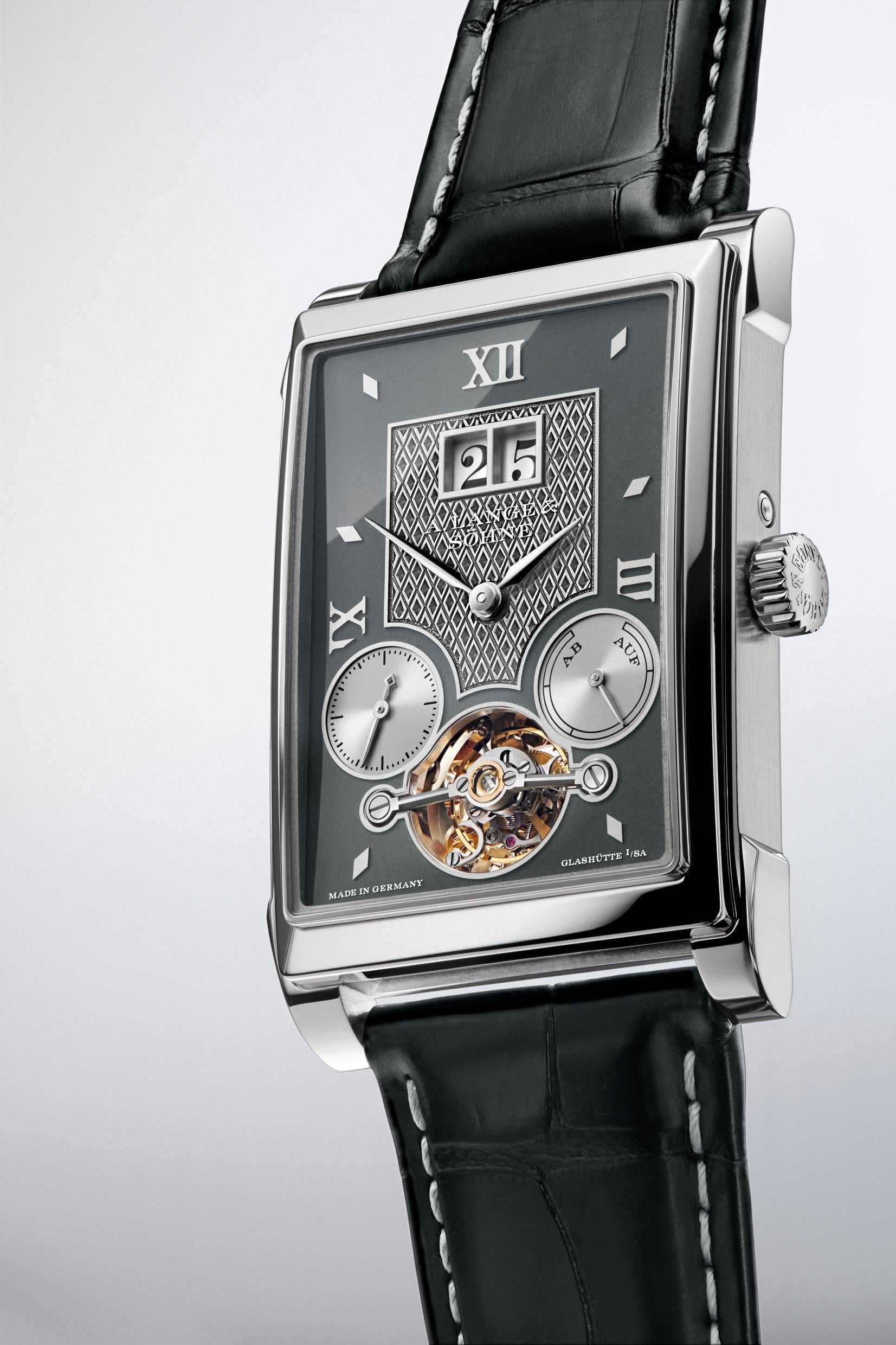
This is genuinely rare in 2026. Very few objects that people own daily are made to this standard of craft. Watchmakers at brands like Patek Philippe, Jaeger-LeCoultre, and A. Lange and Söhne spend years training before they assemble movements independently. The appreciation for this craft is not nostalgia - it is recognition of something exceptional.

4. No Charging Required
An automatic mechanical watch is powered entirely by the motion of your wrist. You put it on and it runs. You take it off and it continues running on its stored power reserve - typically 40-72 hours. You never need to remember to charge it, carry a cable, or worry about battery percentage before an important day.
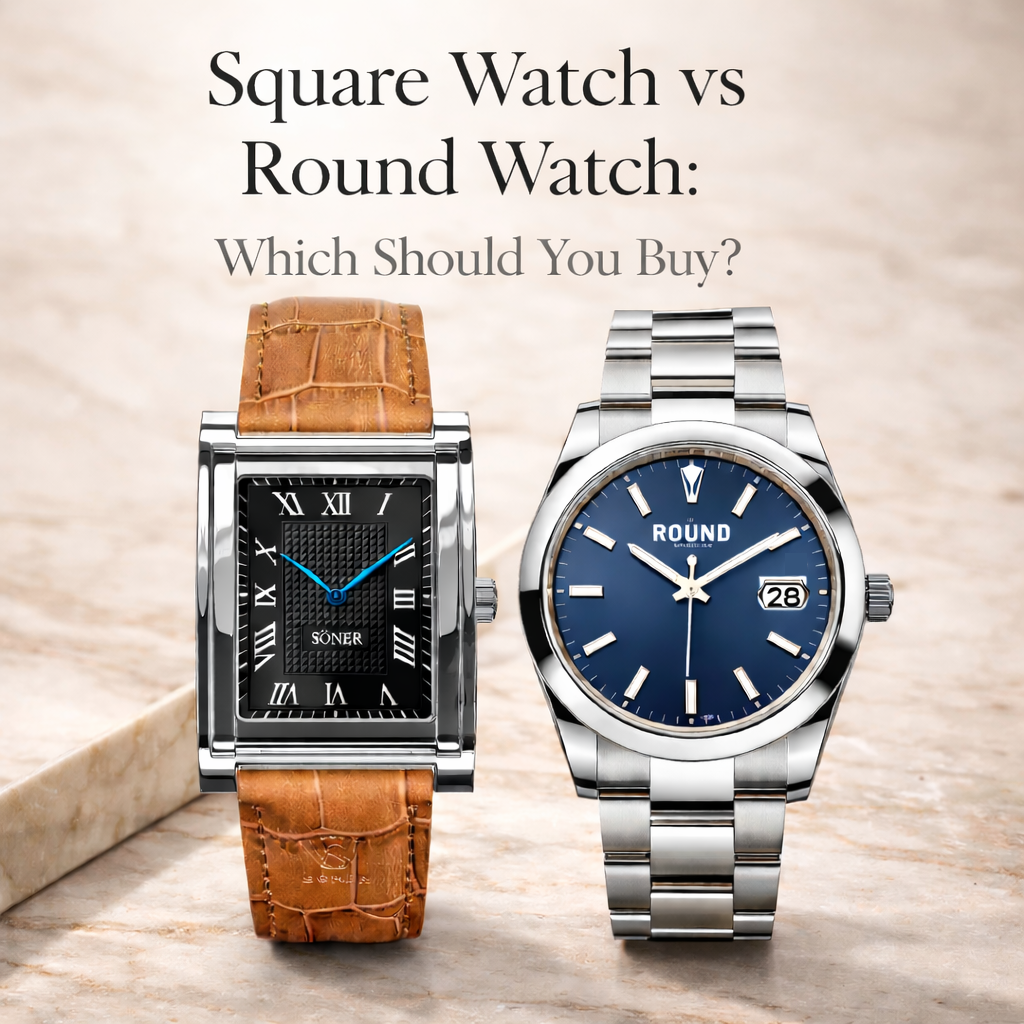
A quality quartz watch requires a battery change every 1-3 years, or every 11 years if it uses a high-efficiency movement like the Swiss ETA 901.001 in the Söner Nostalgia. Either way, this is categorically different from a smartwatch that needs daily charging and will eventually have its battery permanently degrade to the point where it no longer holds a useful charge.
5. A Statement of Individuality
Smartwatches, despite their customisable faces, look broadly similar on the wrist. The rectangular screen, the rubber strap, the digital interface - the category is visually homogenous. Most people in a professional or social context are wearing something that looks like everyone else's smartwatch.
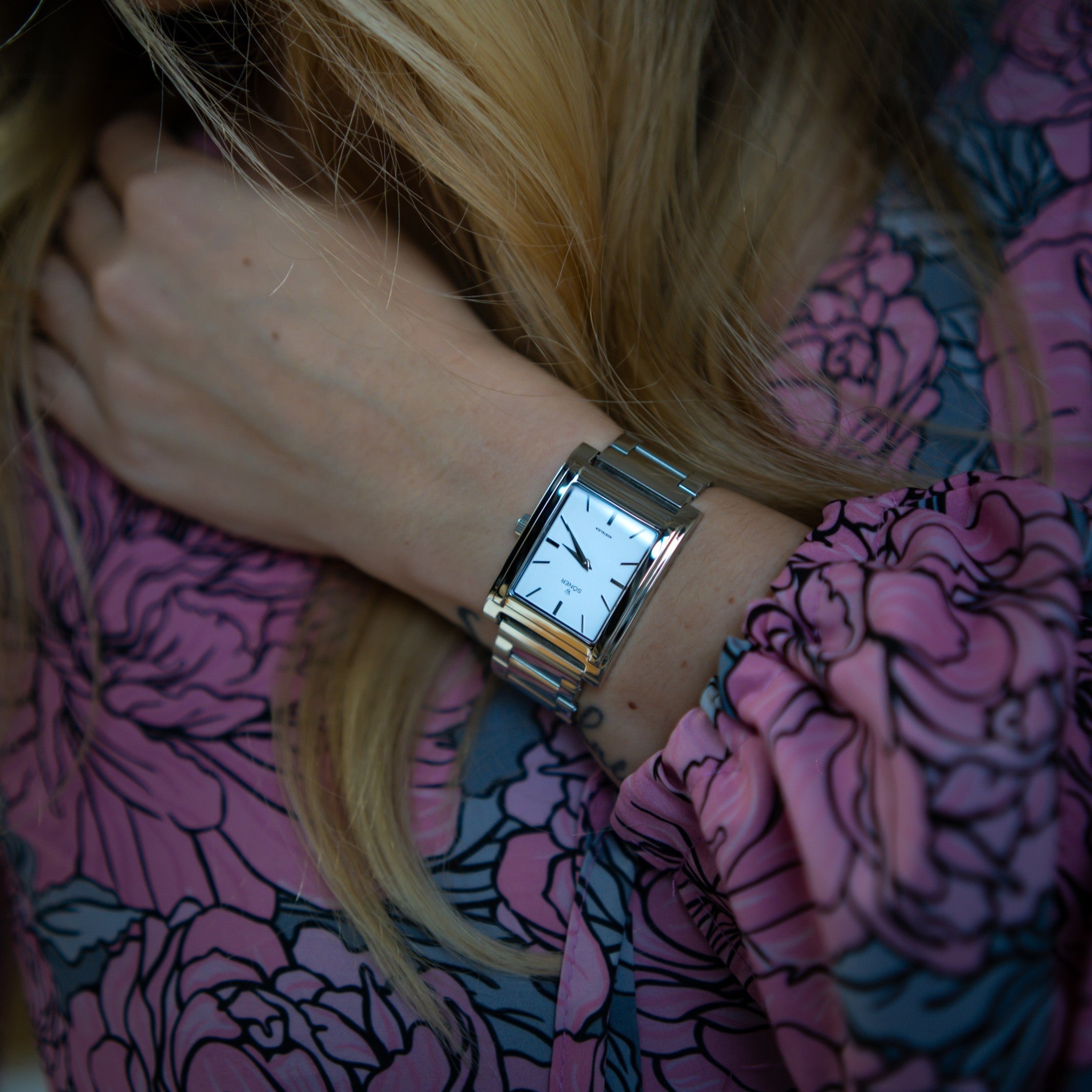
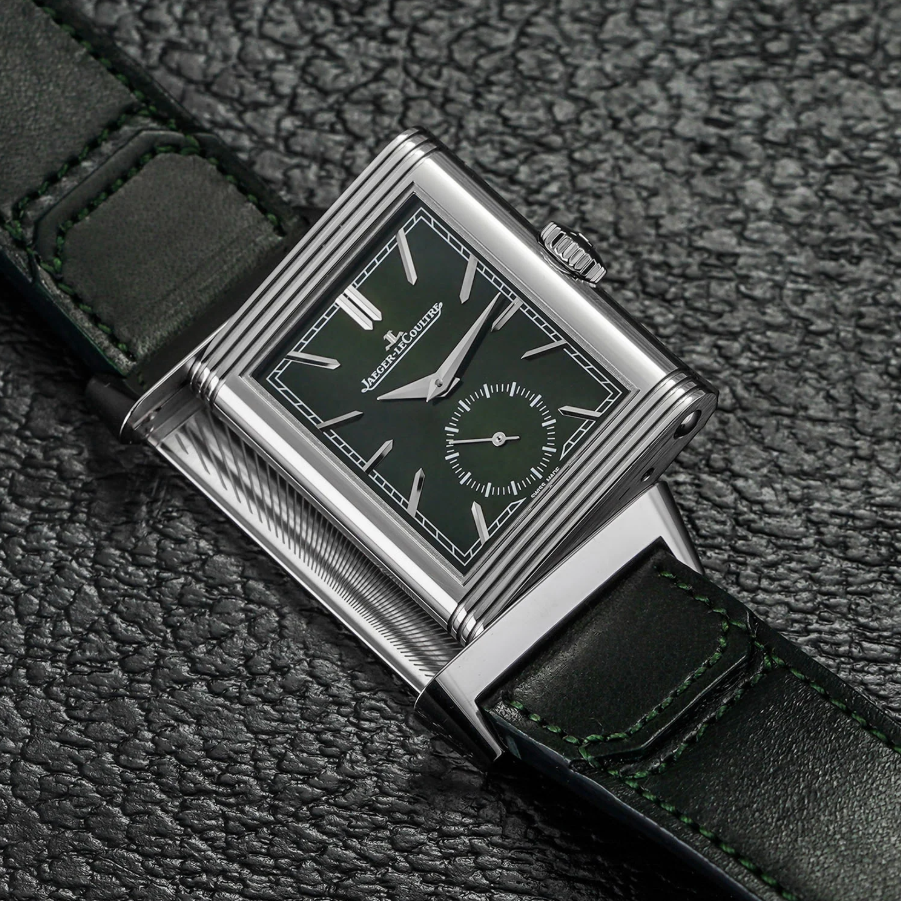
An analog watch is a specific choice from a vast range of options. Case shape, dial colour, strap material, movement type, brand heritage - every element can be chosen to reflect your specific taste. A slim rectangular watch with a green dial on a tan leather strap communicates something precise about its wearer. A round dive watch on a steel bracelet communicates something different. The range of expression available through analog watches is significantly broader than through smartwatches.
6. Enhanced Focus and Mindfulness
The smartwatch is designed to keep you connected. That is its purpose. Every notification, every ping, every fitness reminder is an interruption delivered directly to your wrist. For most of the day in most contexts, this is genuinely useful. In meetings, dinners, conversations, and rest, it is a source of low-grade distraction.
An analog watch tells the time. A quick glance at the wrist gives you the information you actually need in most moments. No notifications, no alerts, no social media. The gesture of checking an analog watch is contained and complete. It does not pull you into a screen. This is a meaningful difference in how you experience time and presence throughout a day.

7. Complementing Your Smartwatch
The analog and smartwatch do not compete - they serve different contexts. The smartwatch is the right tool for exercise, health tracking, navigation, and continuous connectivity. The analog watch is the right tool for formal occasions, professional settings, social contexts, and situations where you want to be present rather than connected.
Owning both means you are appropriately accessorised for every context. Your smartwatch handles the gym, the commute, and the active parts of your day. Your analog watch handles the meeting, the dinner, the weekend, and the occasions where how you present yourself matters.
8. Investment Value
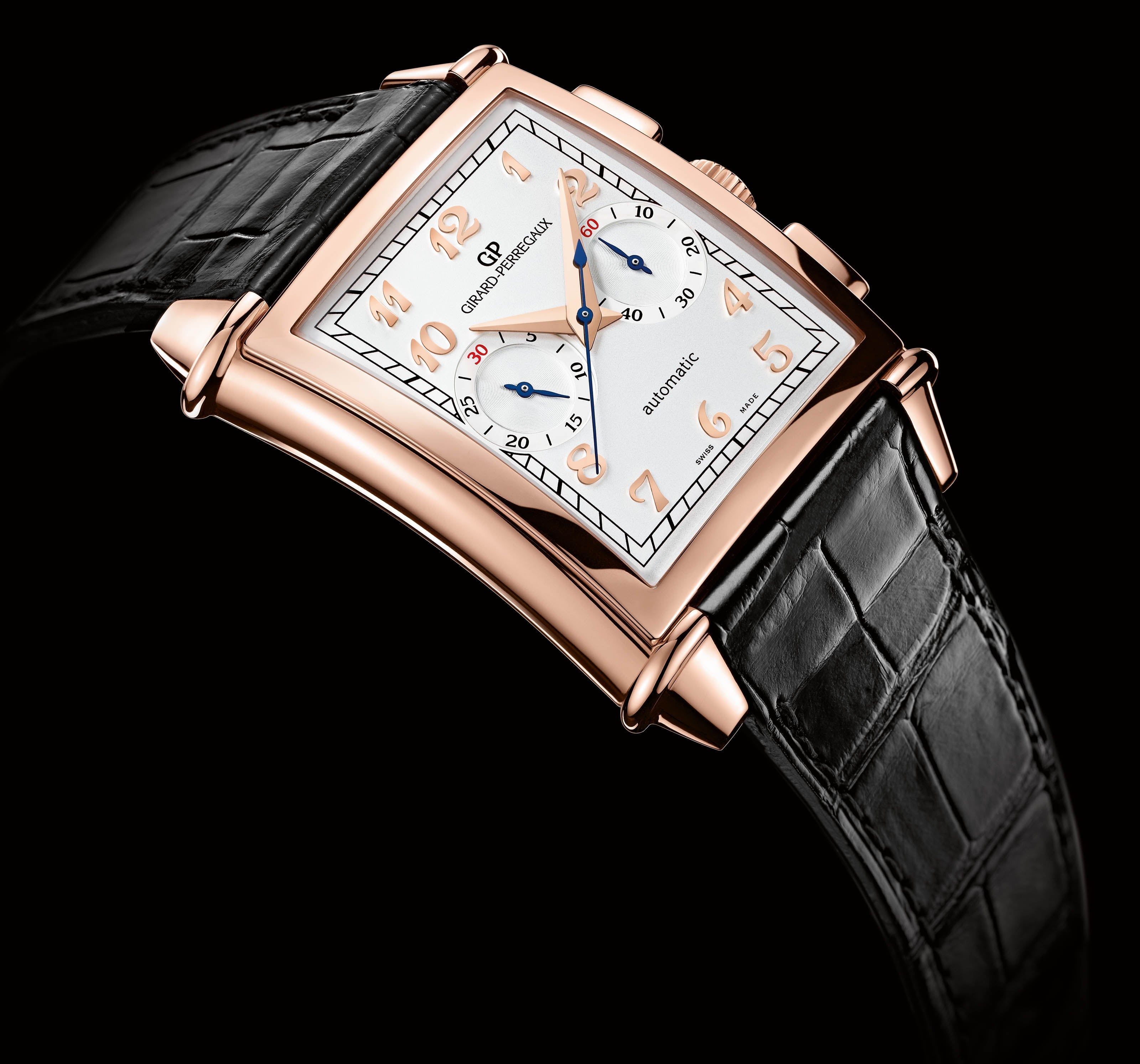
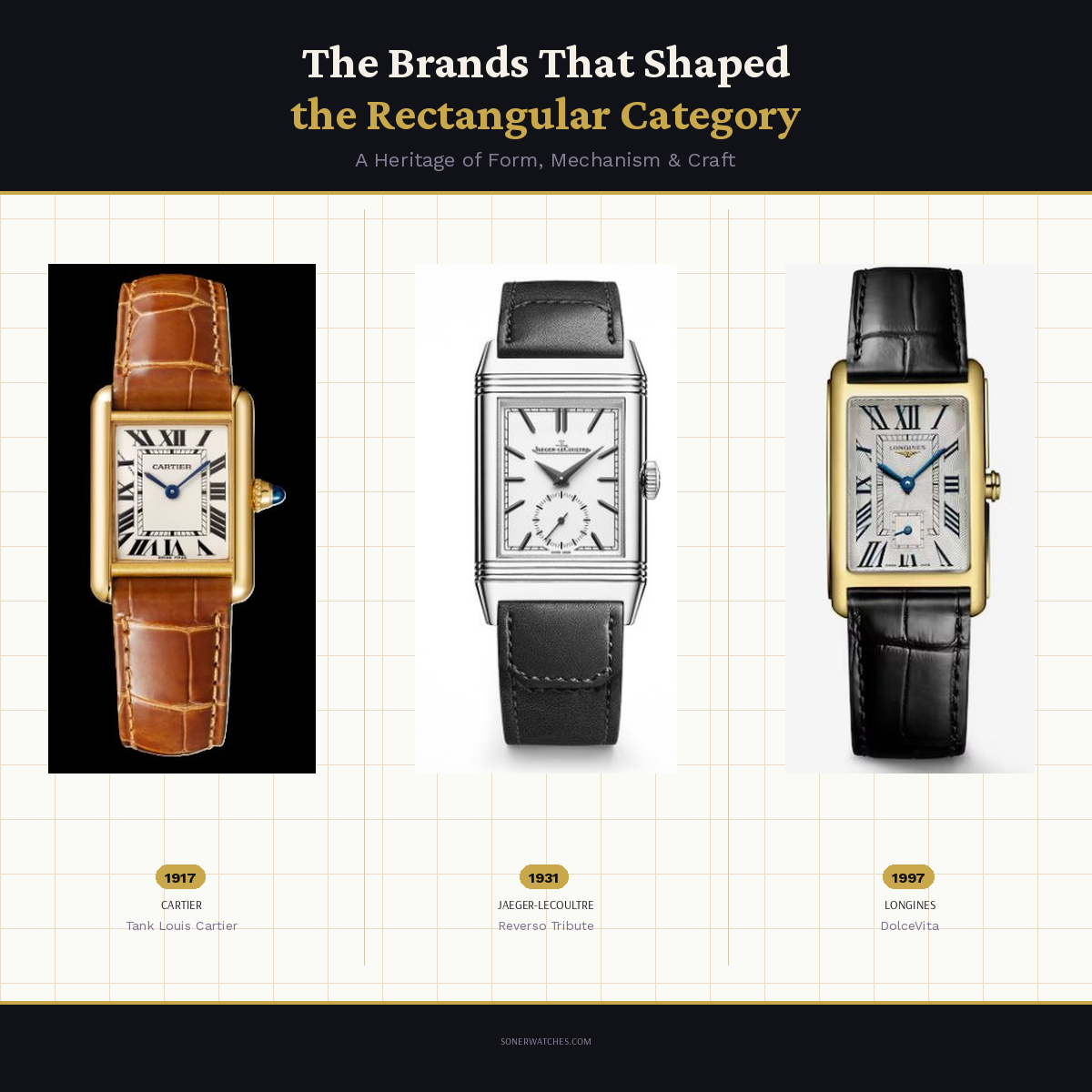
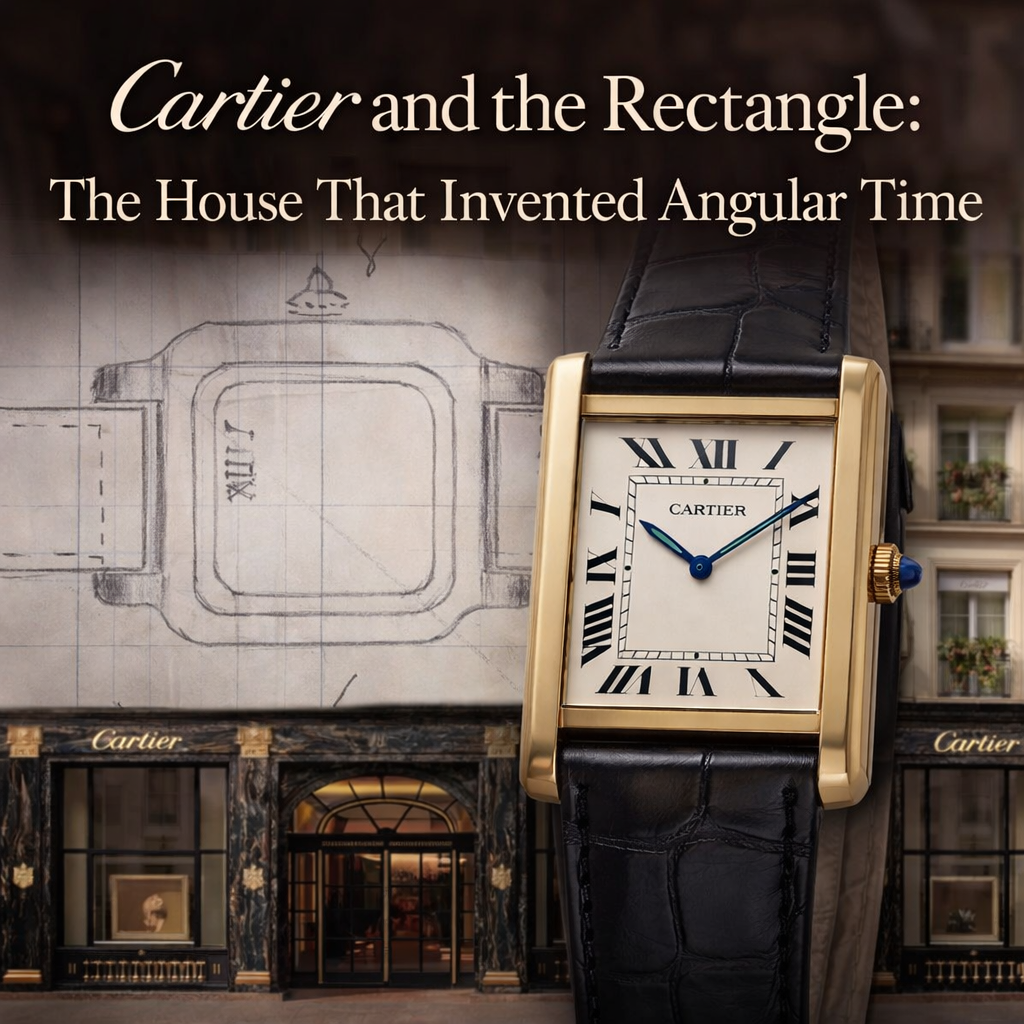
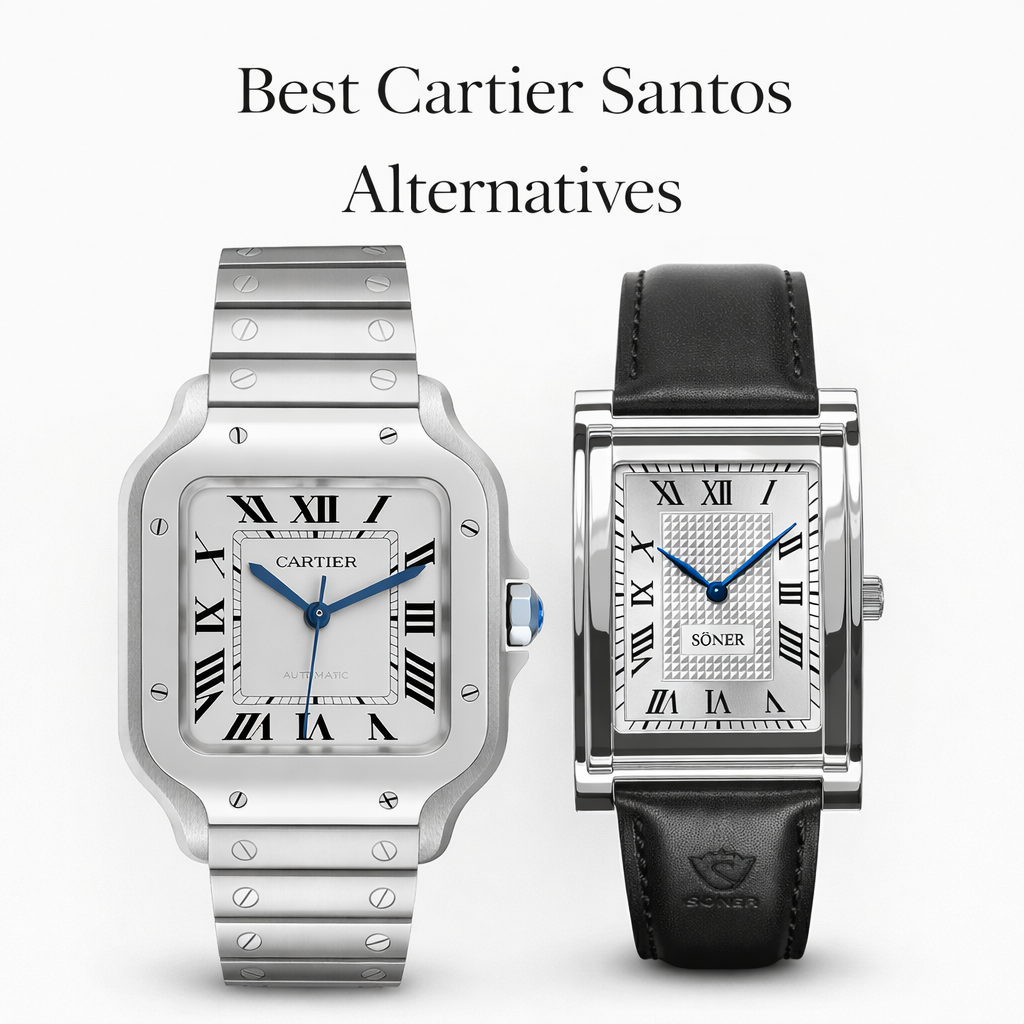
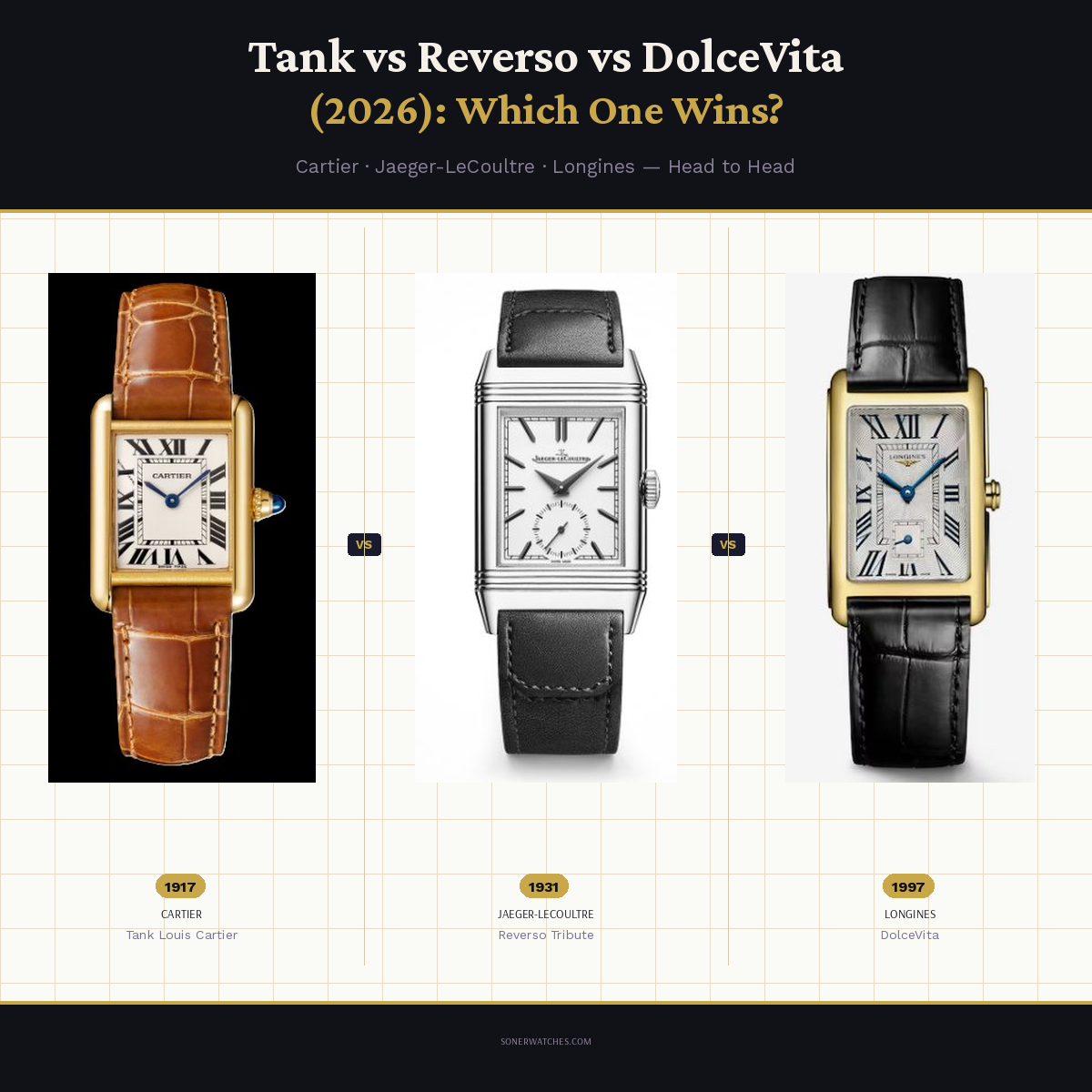
Smartwatches depreciate immediately and become worthless within a decade. No smartwatch produced in 2015 retains meaningful monetary value today. Quality analog watches behave differently. Cartier Tank models in precious metal regularly sell above retail on the secondary market. Patek Philippe Nautilus and Calatrava references have appreciated significantly over decades. A. Lange and Söhne and Jaeger-LeCoultre Reverso references in good condition retain strong values.
This does not mean every analog watch is a financial investment. Most are not. But the difference in long-term value trajectory between a smartwatch and a quality Swiss dress watch is significant enough to factor into a buying decision. The smartwatch will be worthless in five years. The analog watch may be worth more.

The Best Analog Watch to Pair With a Smartwatch
If your smartwatch covers sport, fitness, and connectivity, the analog watch you add should cover the contexts where the smartwatch falls short: formal wear, professional settings, and occasions where considered style matters.
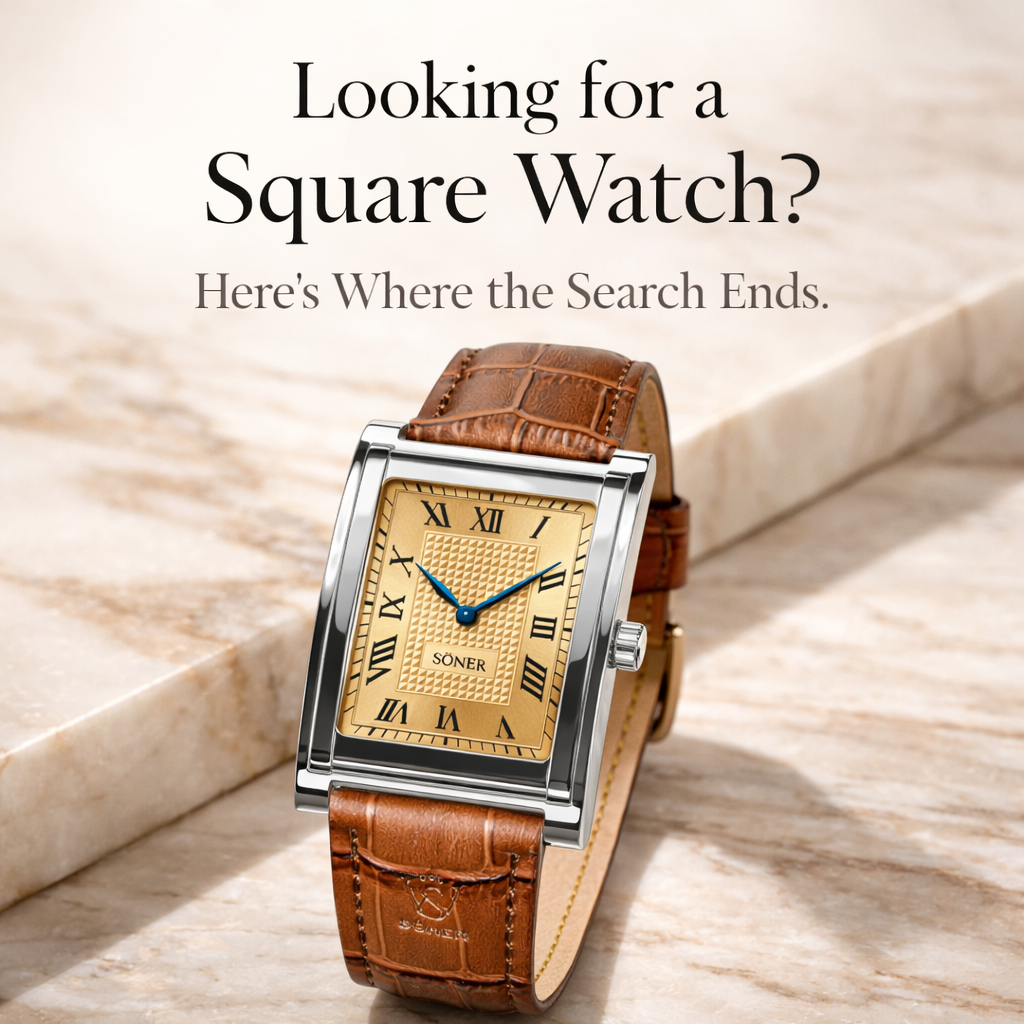
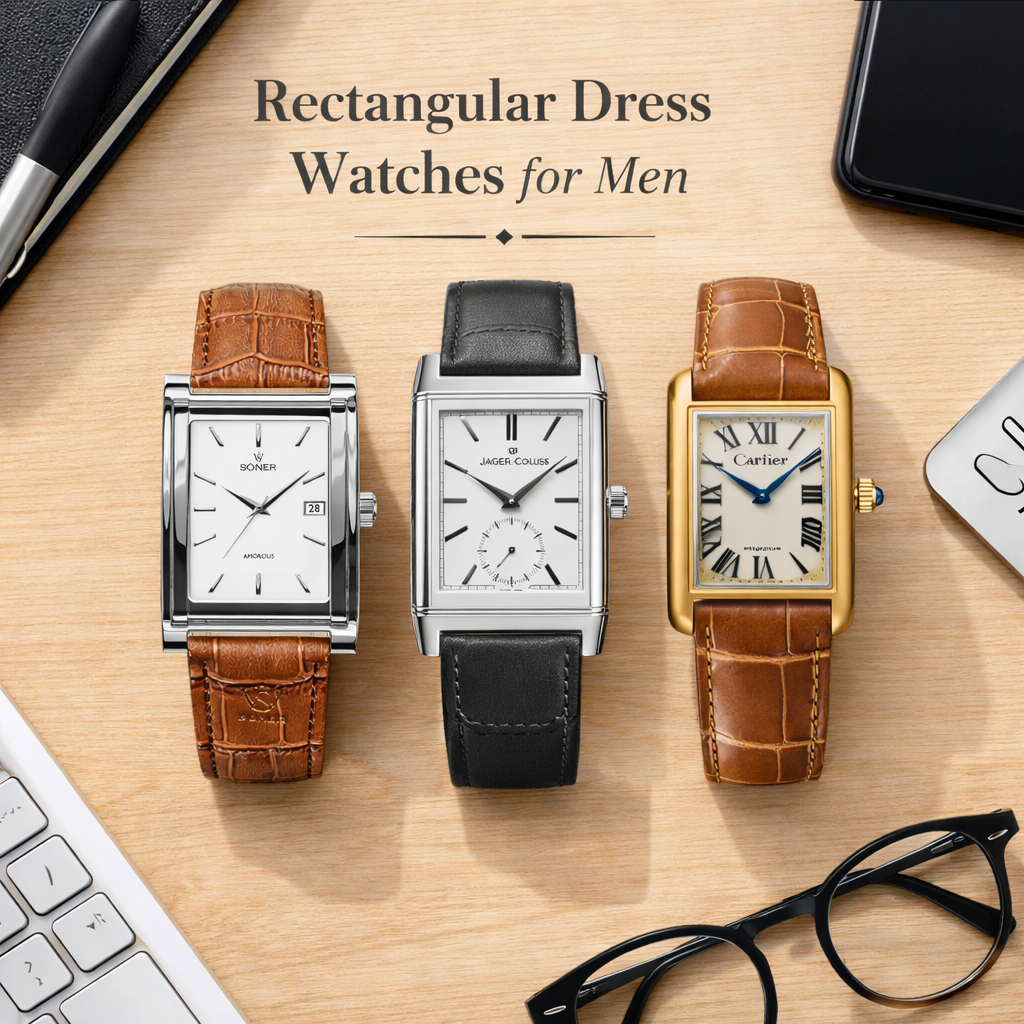
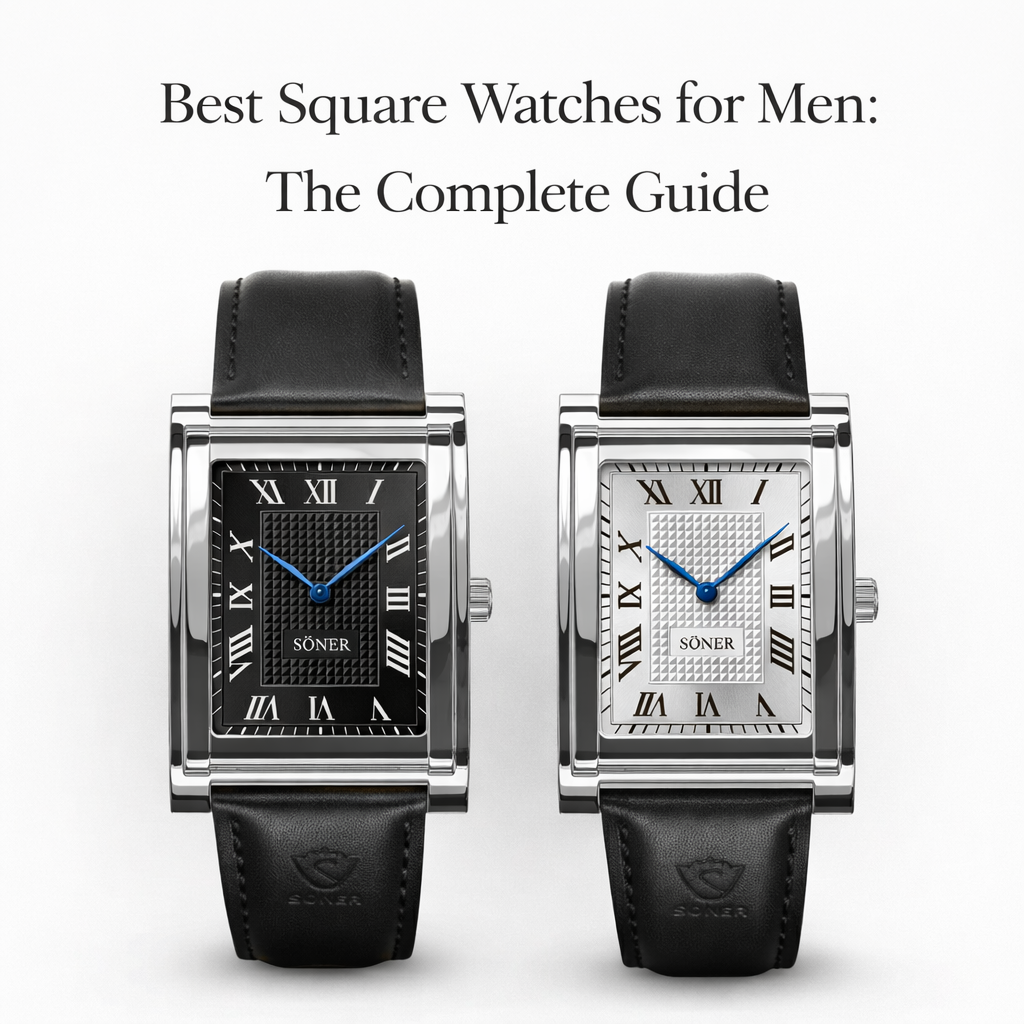
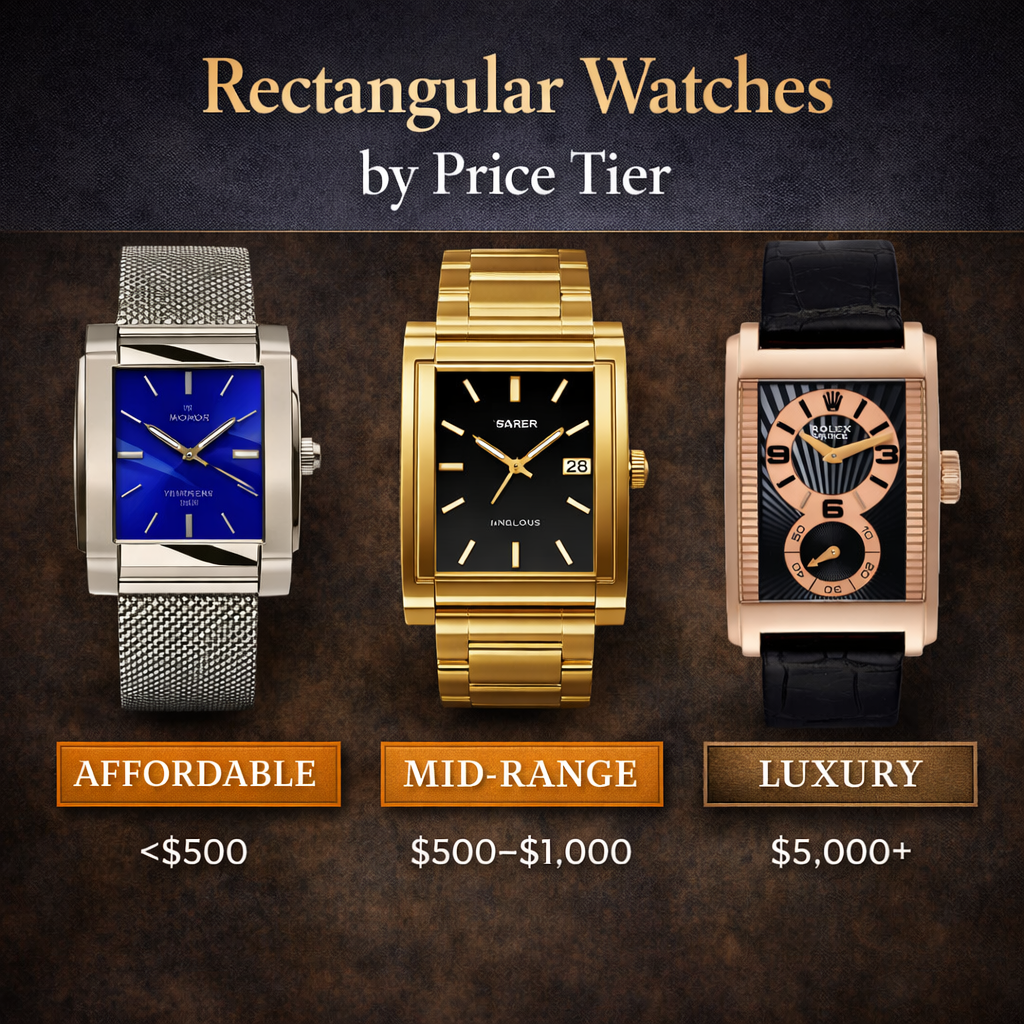
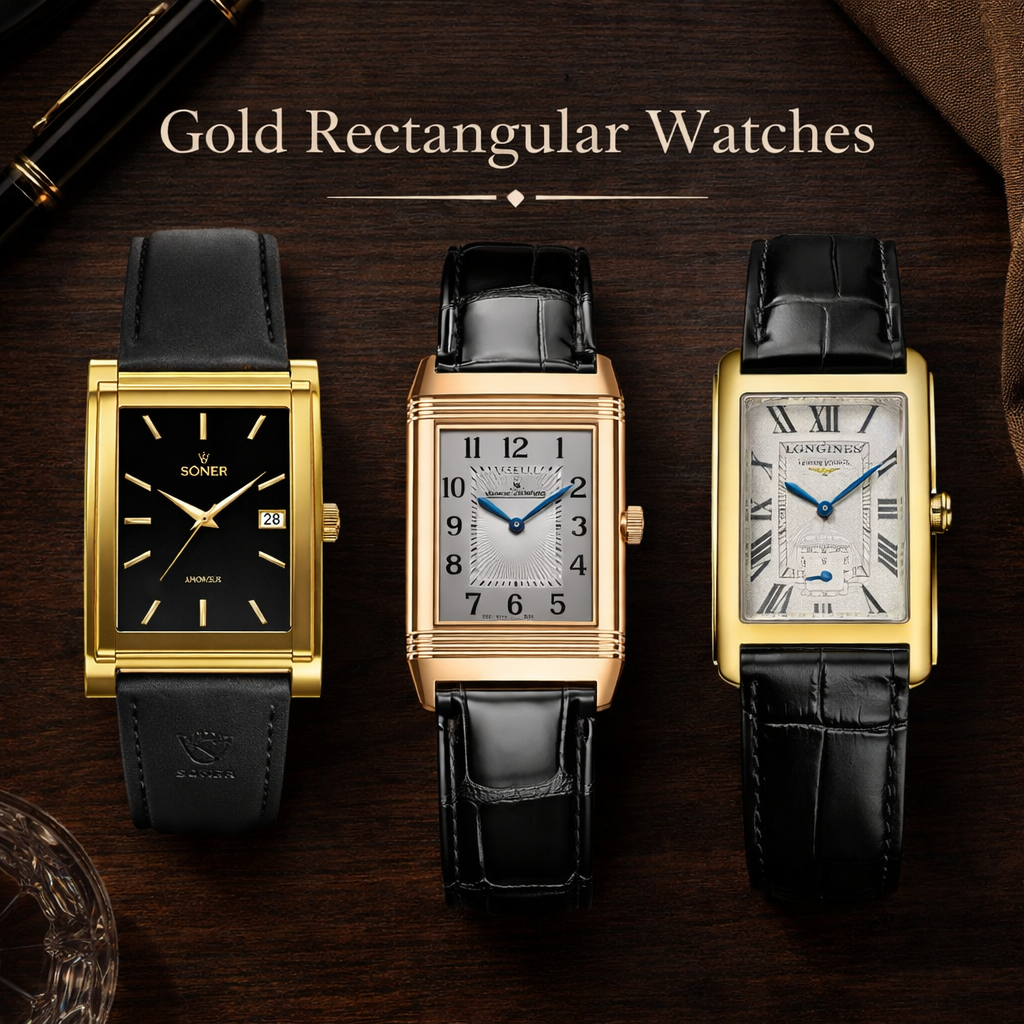
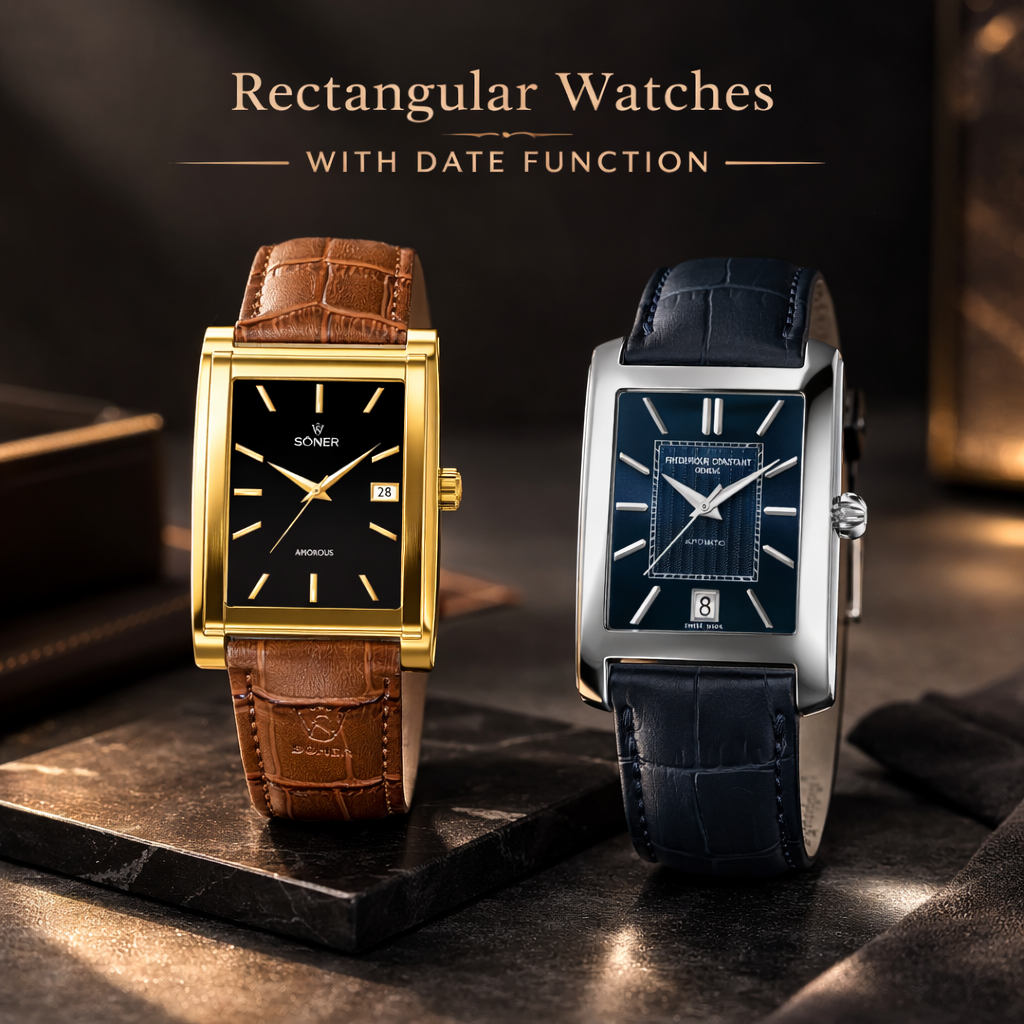
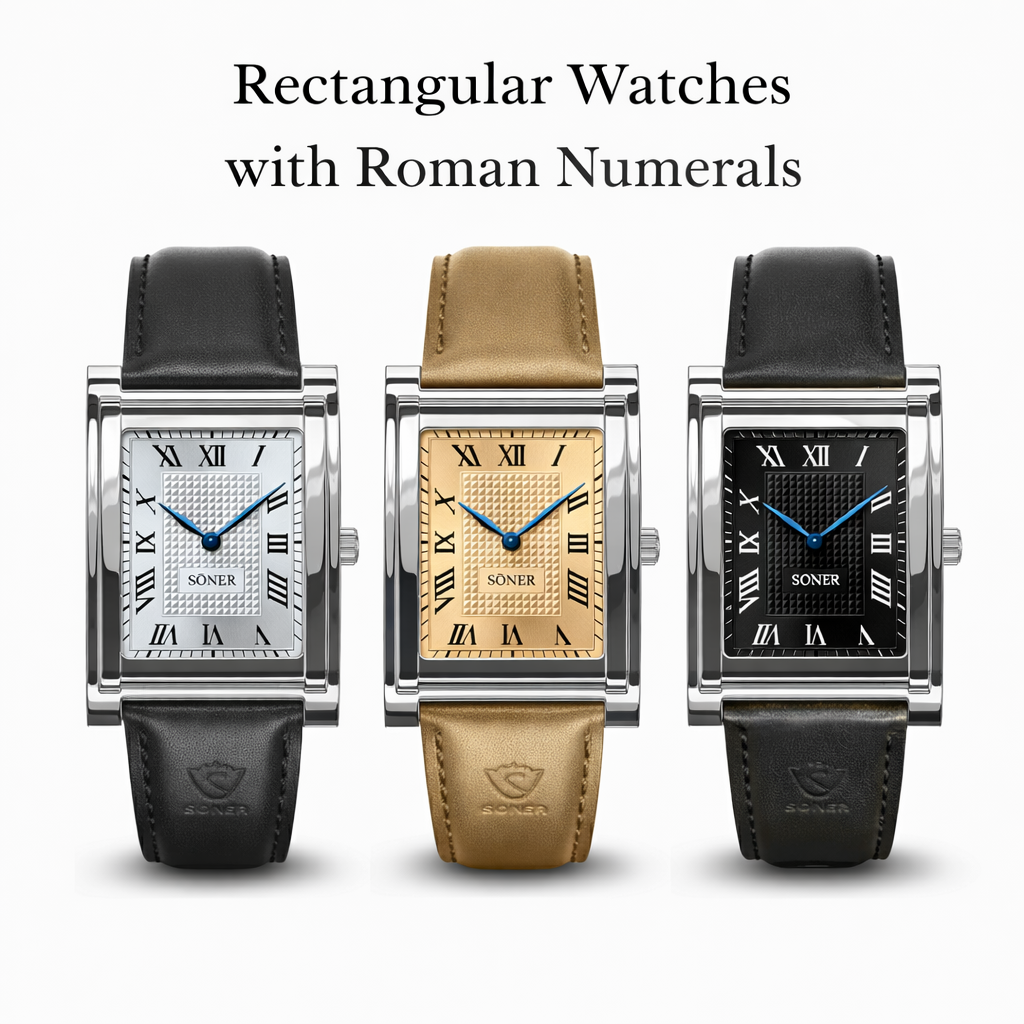
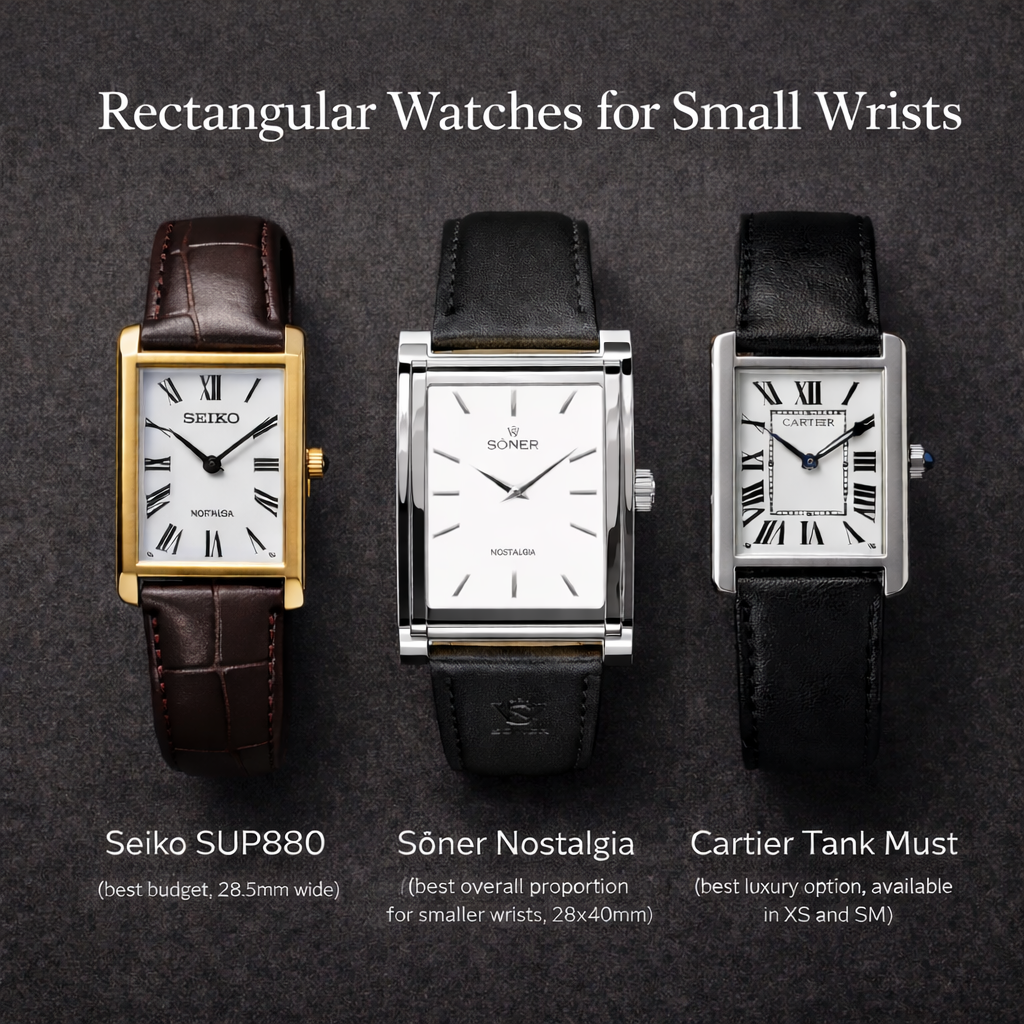
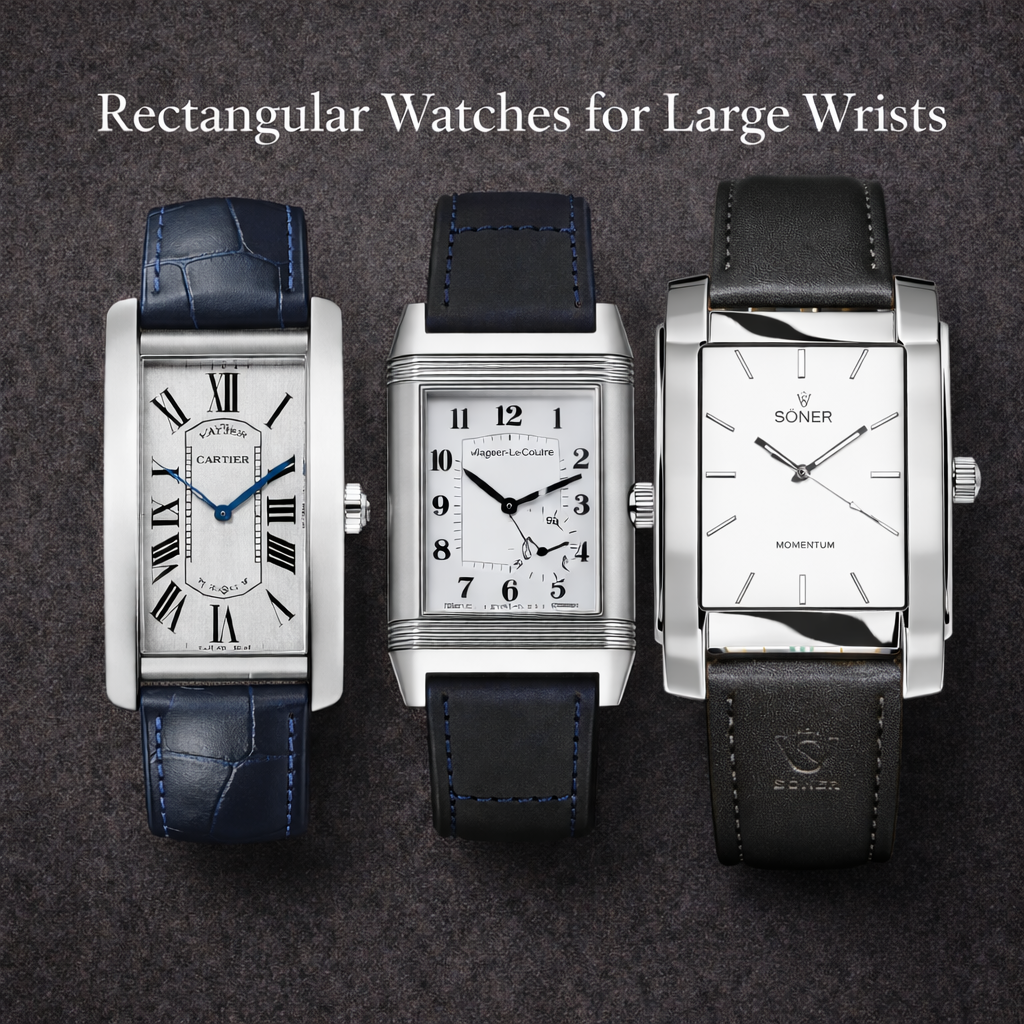
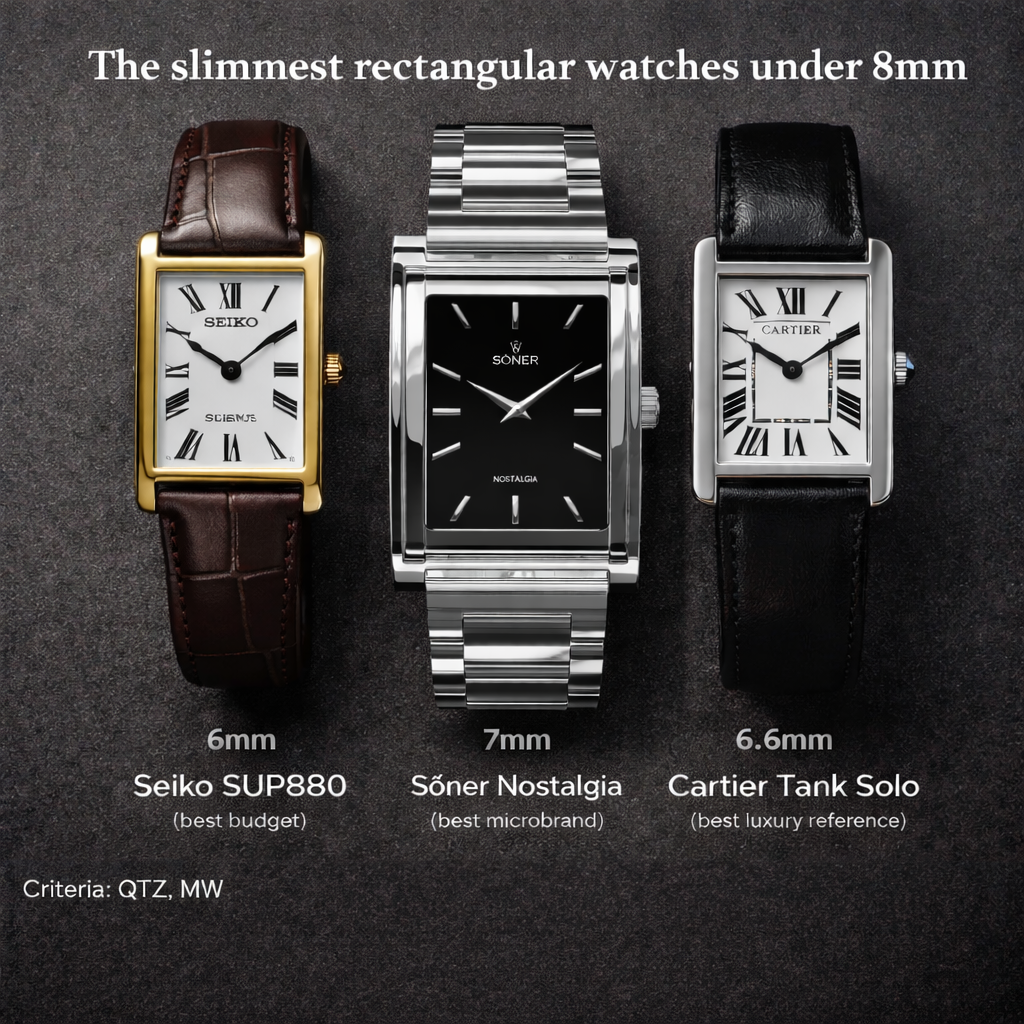
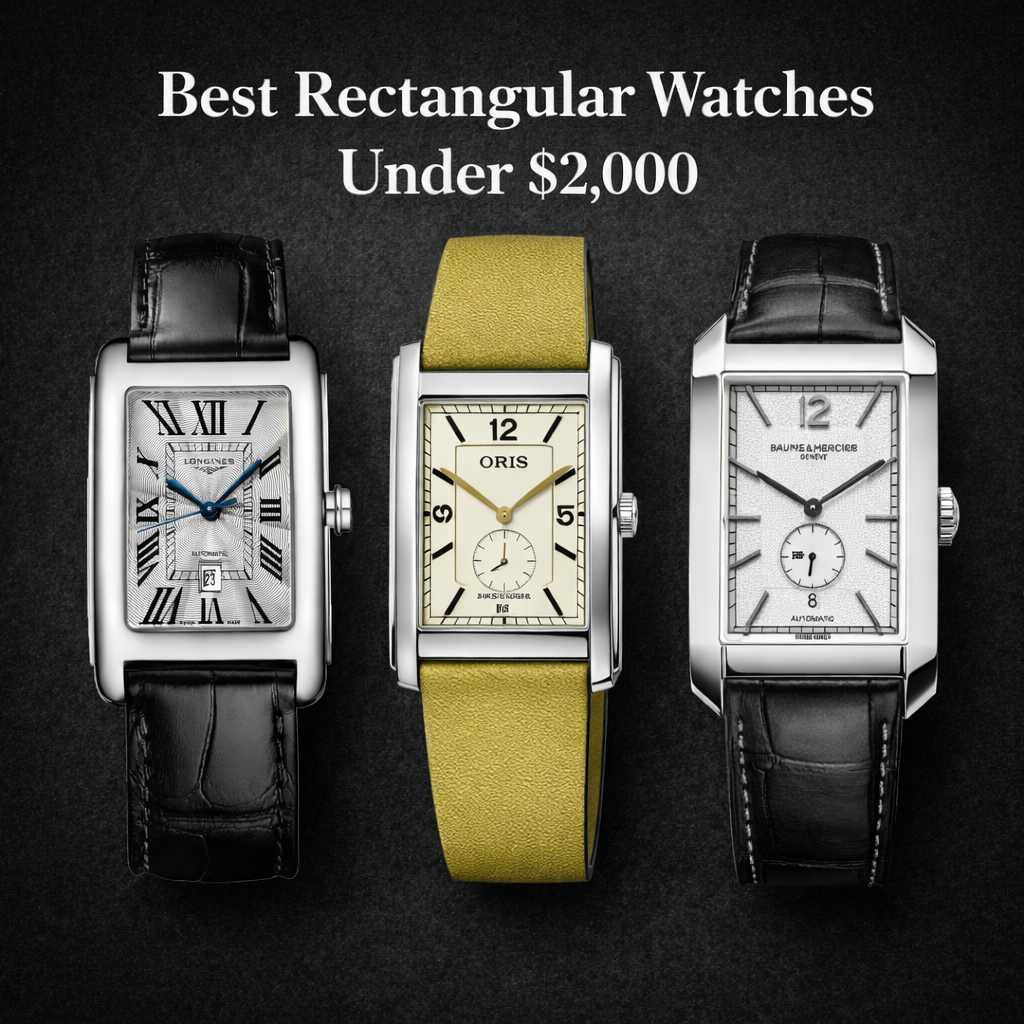
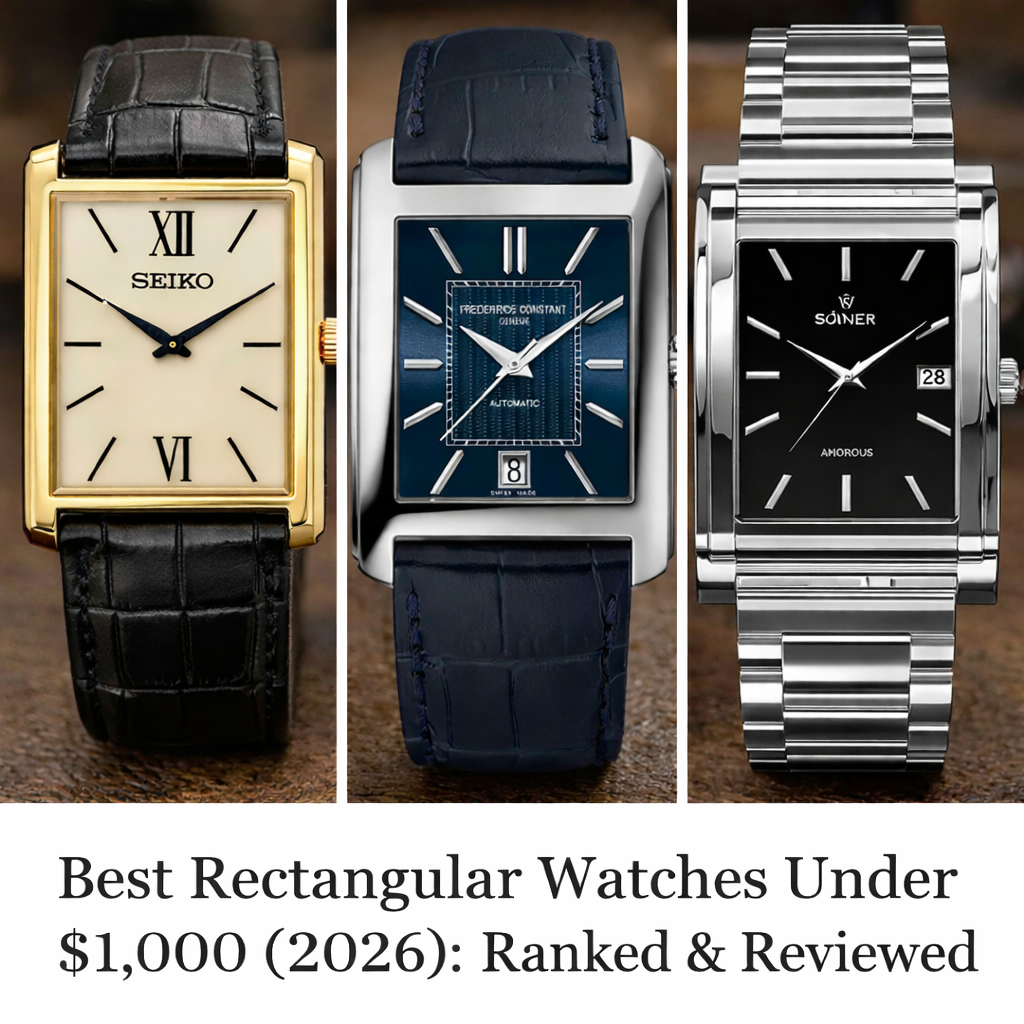
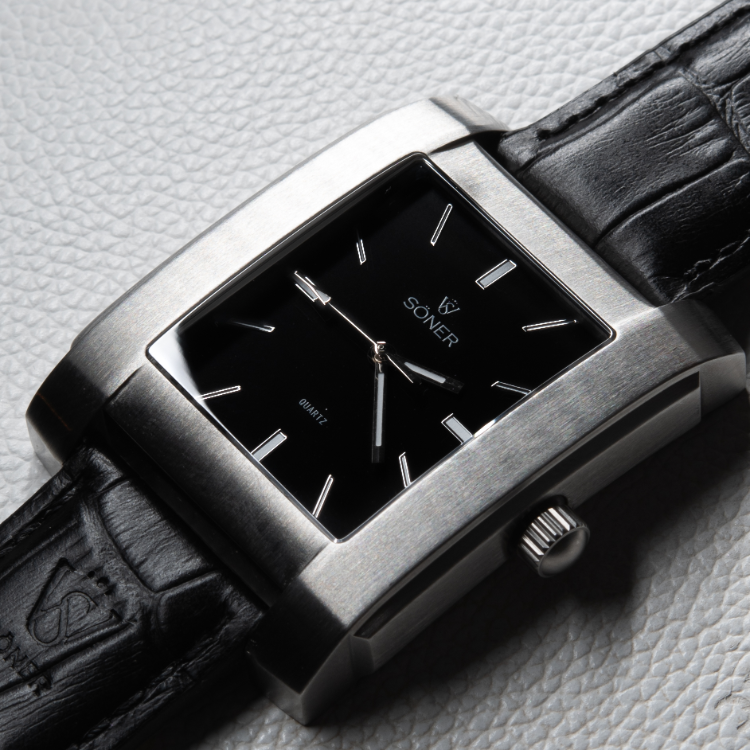
A slim rectangular dress watch is the strongest choice for this role. It slides under a shirt cuff in a way a round sports watch cannot, reads as considered and historically aware in formal contexts, and works across business and social occasions without adjustment. For the best options at every budget, see our guide to the best rectangular watches in 2026.
Frequently Asked Questions
Should I wear an analog watch if I have a smartwatch?
Yes - for different contexts. Wear your smartwatch for exercise, health tracking, and situations where connectivity is useful. Wear your analog watch for professional settings, formal occasions, and situations where how you present yourself matters. The two serve complementary rather than competing functions.
Is an analog watch better than a smartwatch?
Neither is categorically better - they are better at different things. A smartwatch is better for fitness tracking, notifications, and GPS. An analog watch is better for formal dress, longevity, investment value, and as a signal of considered personal style. The strongest wardrobe includes both.
Do analog watches hold their value better than smartwatches?
Yes - significantly. Smartwatches depreciate immediately and become effectively worthless within a decade as software support ends. Quality analog watches from brands like Cartier, Patek Philippe, and Jaeger-LeCoultre have historically held or appreciated in value. Even mid-range Swiss analog watches from brands like Söner retain more long-term value than any smartwatch produced at a similar price point.
What is the best analog watch to complement a smartwatch?
A slim rectangular dress watch covers the contexts where a smartwatch falls short most effectively - formal occasions, professional settings, and situations requiring considered personal style. Look for sapphire crystal, Swiss movement, and a case thickness under 10mm for under-cuff comfort. For the best options, see our guide to the best rectangular watches in 2026, or browse the full Söner collection.