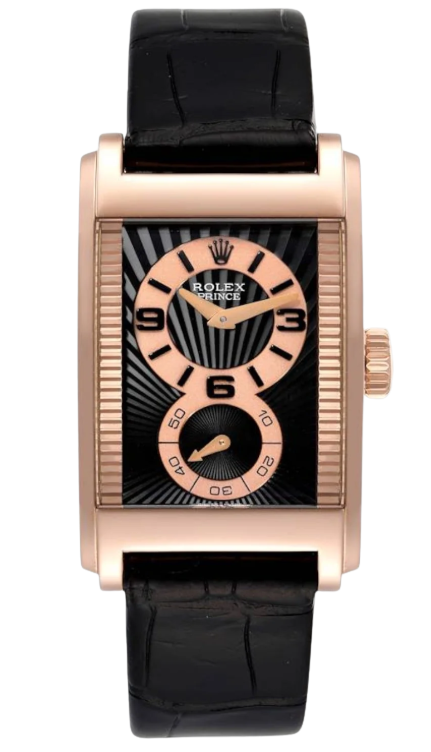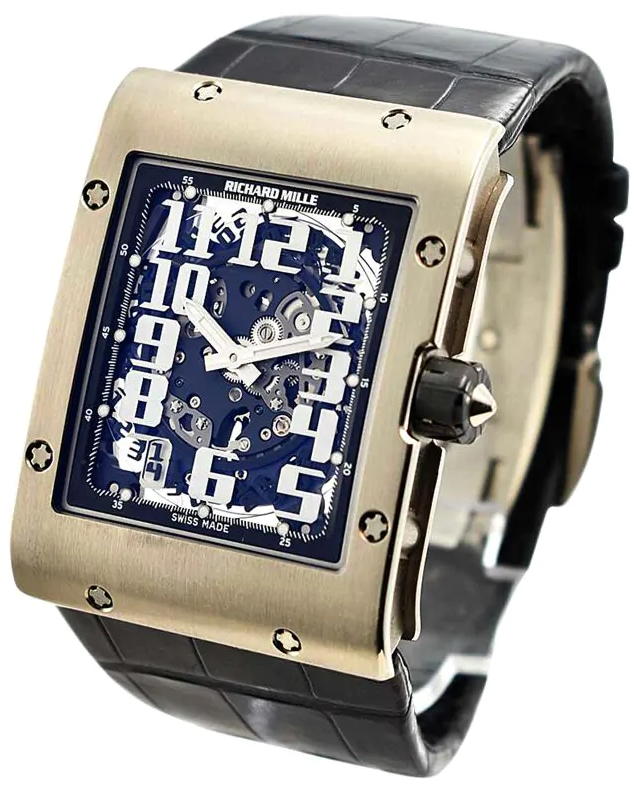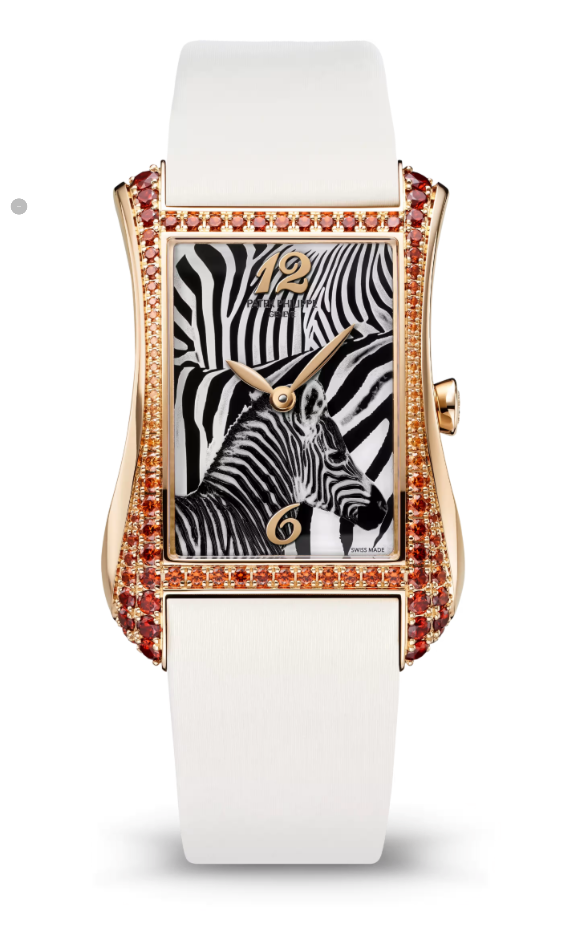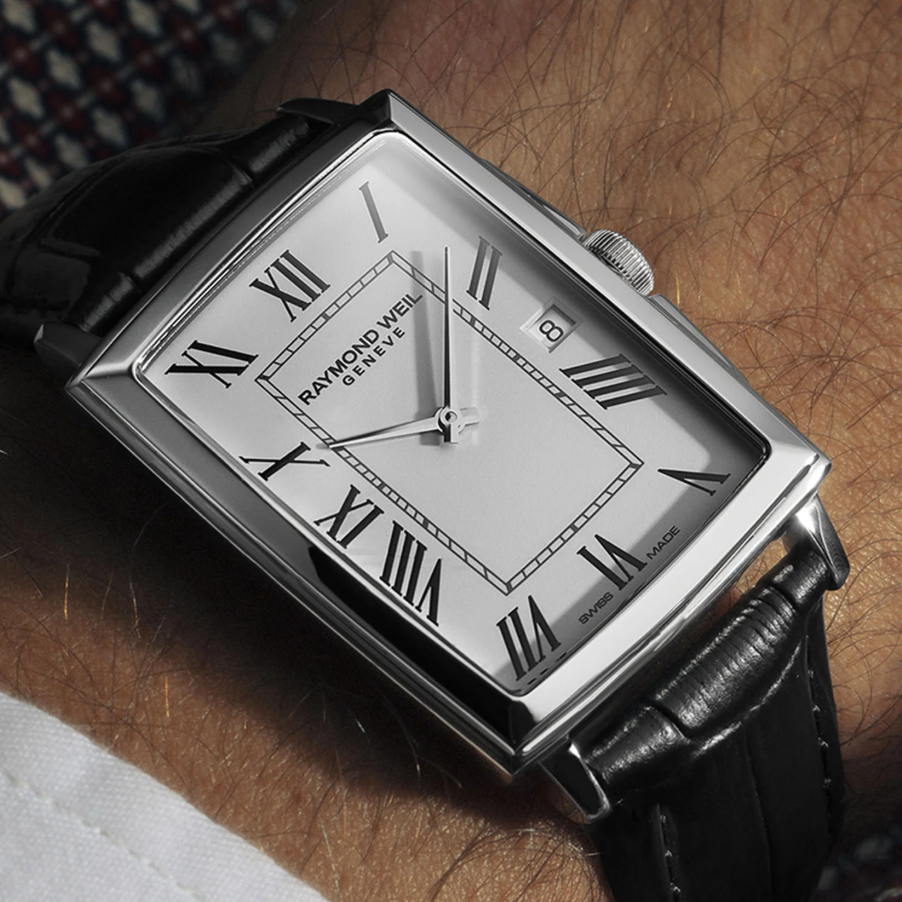


 Published on
Table of Contents
The watch market spans from $20 to $2,000,000. Within that range, the word "quality" gets used loosely. Understanding what genuinely separates a well-made watch from a poorly made one - at any price point - is the single most useful thing a buyer can know before spending money.
This guide covers the five features that define a quality wristwatch, what to look for within each, and how to apply them when comparing options.

The 5 Features of a Quality Wristwatch
| # | Feature | What to Look For | Red Flag |
|---|---|---|---|
| 1 | Craftsmanship and Build | 316L steel, sapphire crystal, even finishing | Mineral glass above entry level, rough case edges |
| 2 | Design and Aesthetics | Timeless proportions, applied indices, clean dial | Printed indices, misaligned hands, busy dial |
| 3 | Functionality and Features | Swiss or German movement, 3+ ATM water resistance | No water resistance rating, unverified movement origin |
| 4 | Comfort and Wearability | Correct lug-to-lug fit, quality strap, solid clasp | Oversized case, hollow bracelet links, flimsy clasp |
| 5 | Longevity and Value | Serviceable movement, heritage brand, strong resale | Sealed case, no service network, no replacement parts |
1. Craftsmanship and Build Quality
Materials
The case material is the most visible quality signal. 316L stainless steel is the industry standard - durable, corrosion-resistant, and capable of both polished and brushed finishes. Extra-hardened steel, used in Söner watches, offers significantly greater scratch resistance without adding weight. Titanium is approximately 40% lighter than steel and hypoallergenic. Precious metals - gold and platinum - appear at the luxury tier and add both value and weight.
The crystal is equally important. Sapphire crystal, rated 9 on the Mohs hardness scale, is the benchmark for quality watches above the entry level. It resists scratching in virtually all everyday scenarios. Mineral glass is adequate for casual wear but scratches more easily. If a watch above $200 uses mineral glass rather than sapphire, that is a signal of where the manufacturer has cut costs.
Attention to Detail
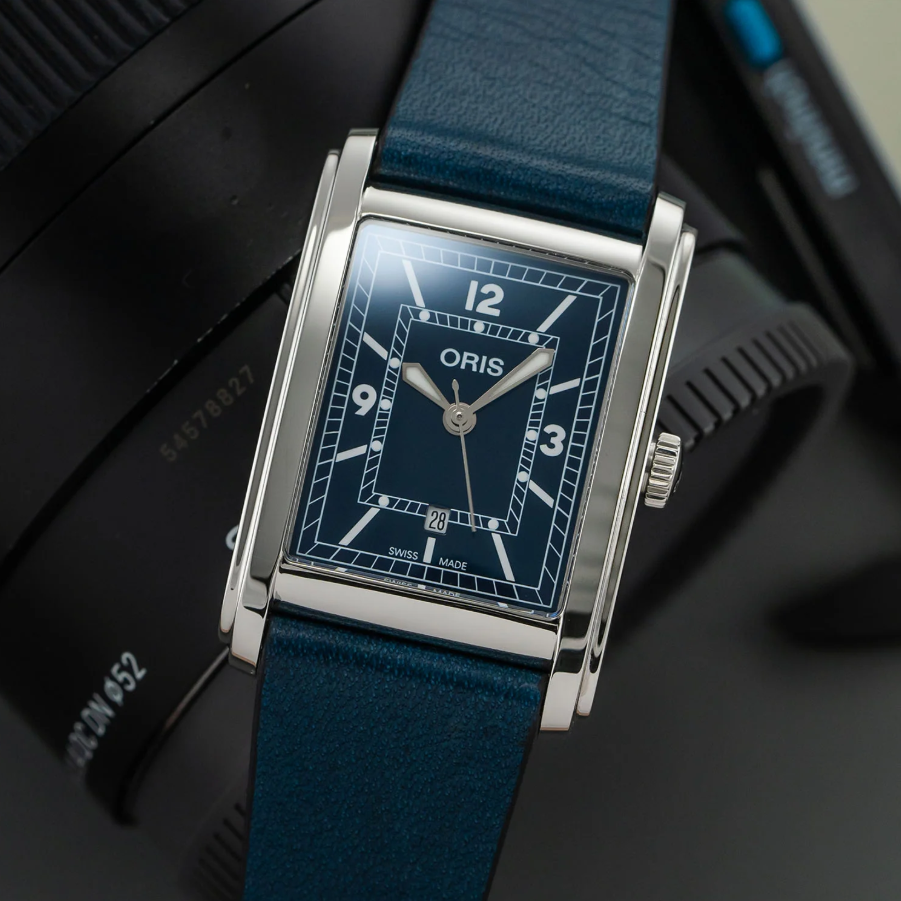
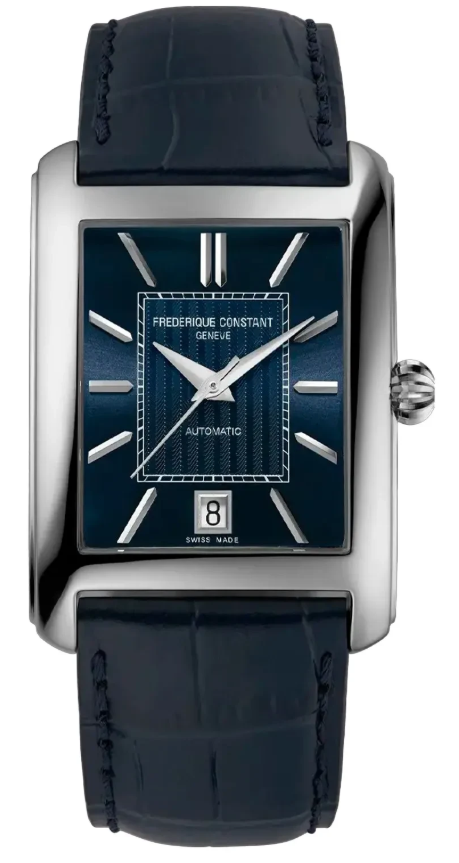
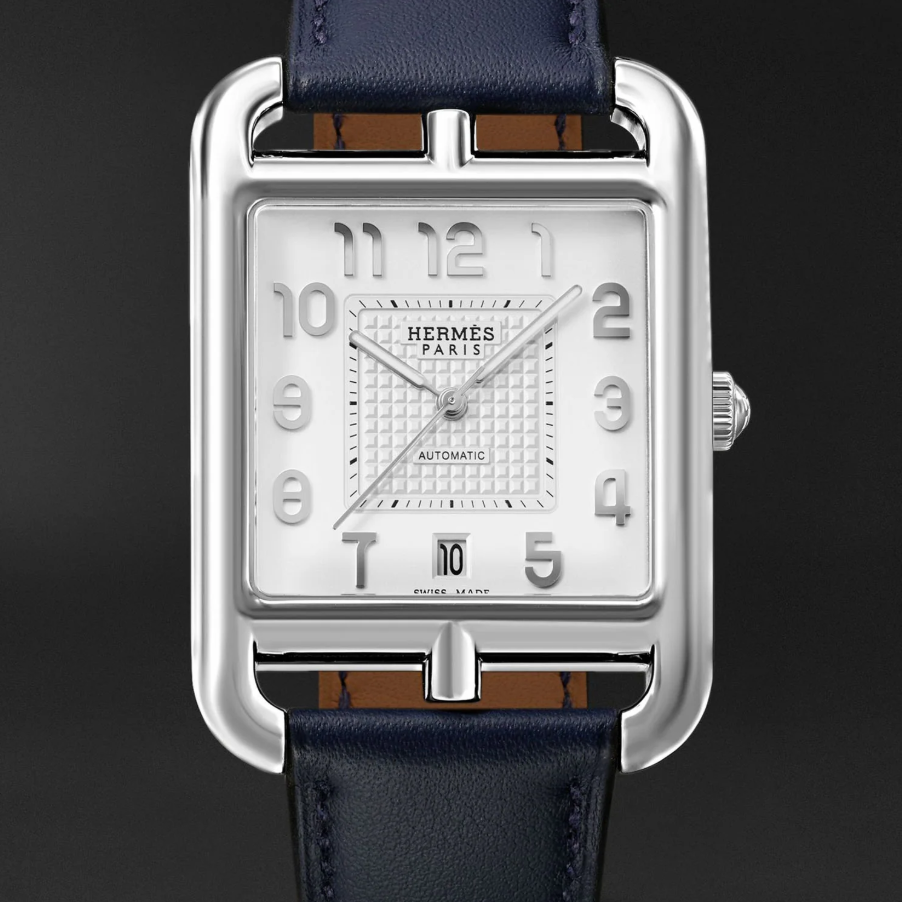
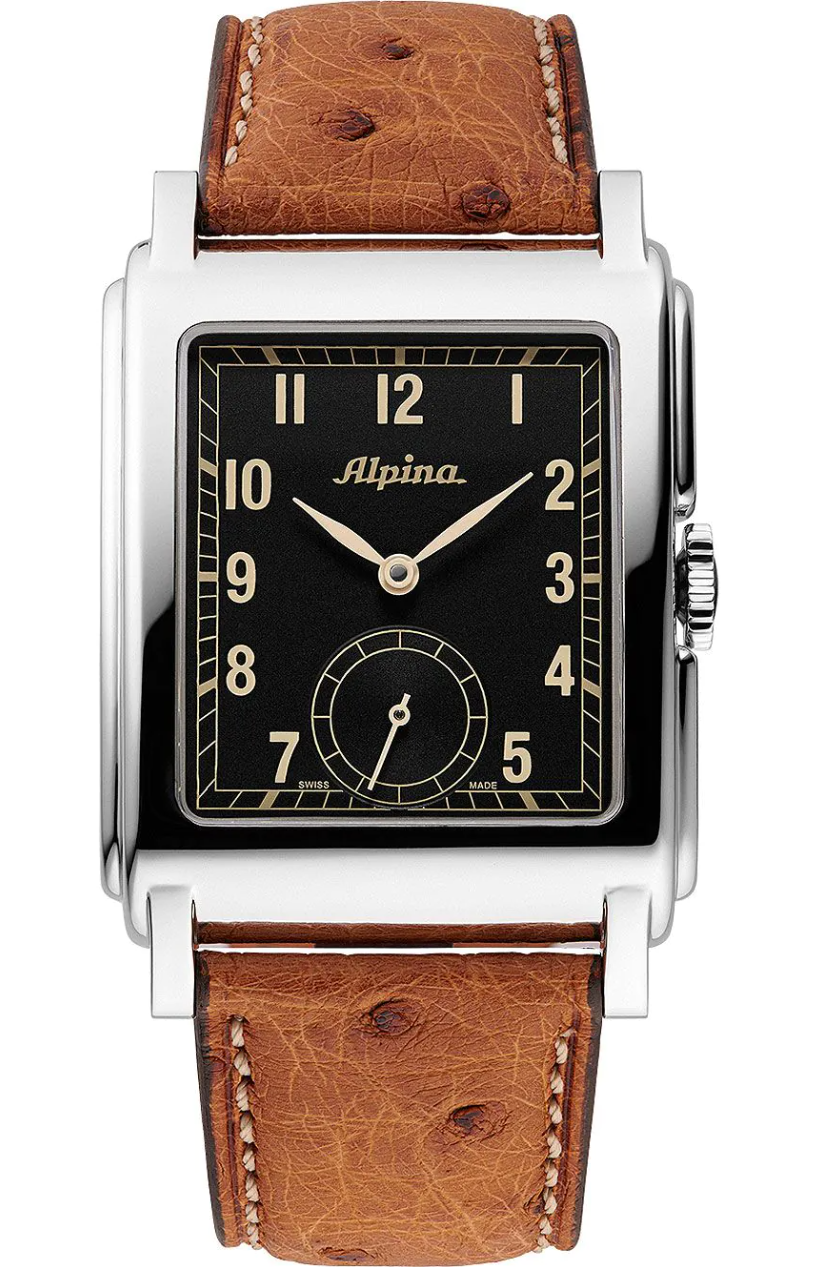
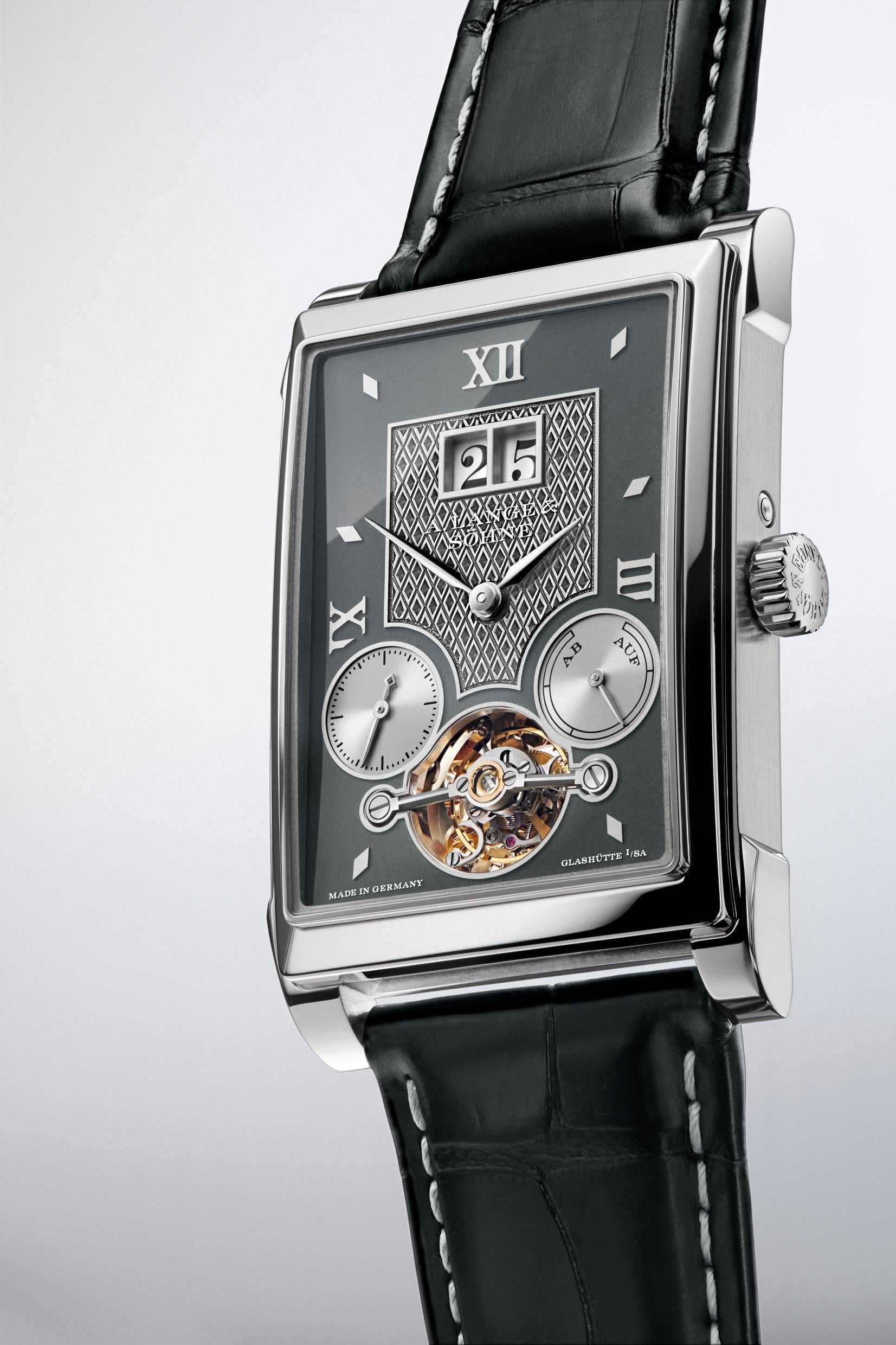
Quality finishing is evident in how a watch handles transitions between surfaces. Brushed flanks meeting polished bevels requires careful hand-finishing. Applied indices - three-dimensional metal markers attached to the dial surface rather than printed on it - indicate higher quality and add visual depth. Hand alignment should be perfect: the tip of each hand should point precisely to its marker with no offset. These details are visible without magnification and reveal the manufacturer's standards.
Movement Quality
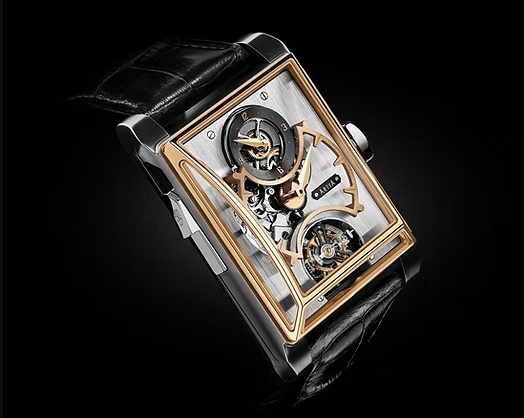
The movement is the heart of the watch. Swiss ETA and Sellita movements are the industry benchmarks for quality at accessible price points. Japanese movements from Miyota and Seiko's NH series offer reliable alternatives. In-house movements - designed and manufactured by the brand itself - represent the highest level of integration and are typically found at $3,000 and above.
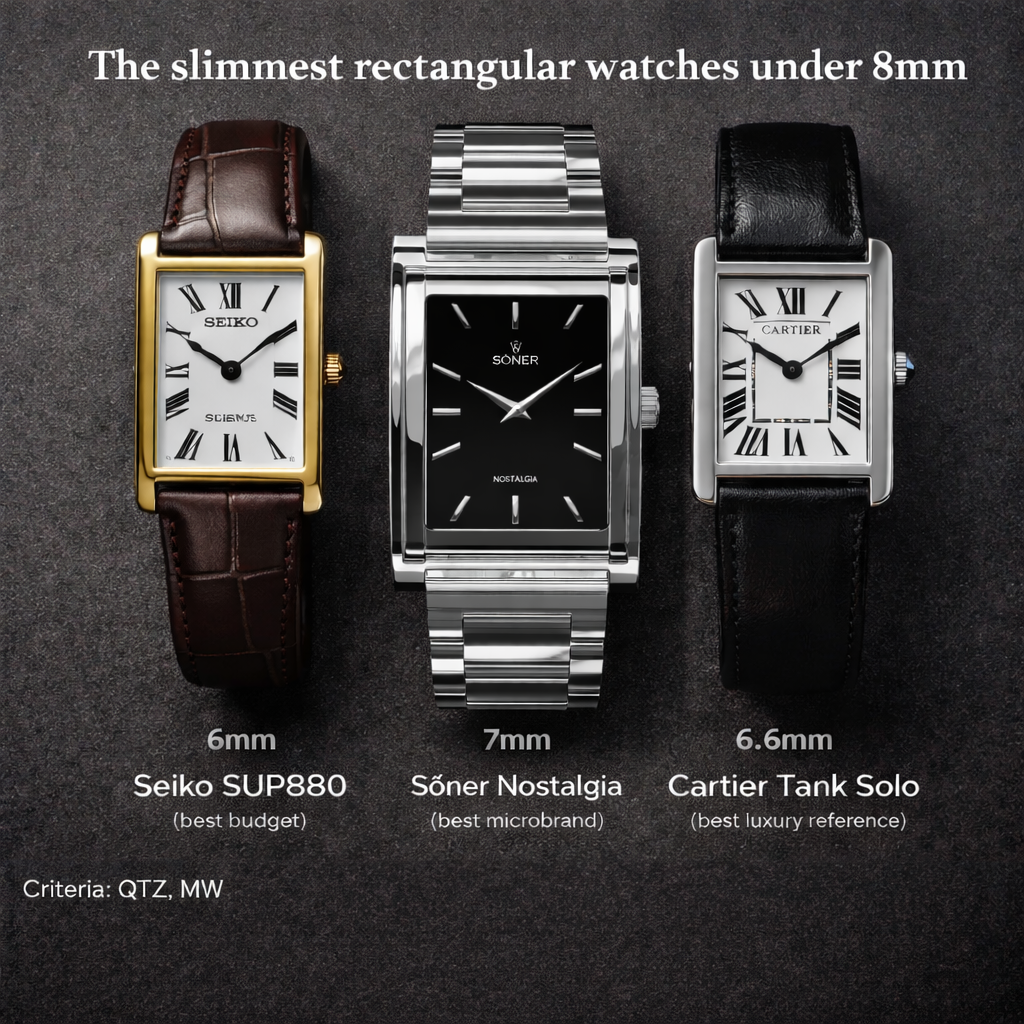
Quality is not synonymous with mechanical. A Swiss ETA quartz movement in a slim dress watch is a quality choice - it is accurate, low-maintenance, and allows for a slimmer case than most automatics. What matters is the origin and specification of the movement, not the type. For a full comparison, see our guide to the downsides of quartz watches.

2. Design and Aesthetics
Timeless Style
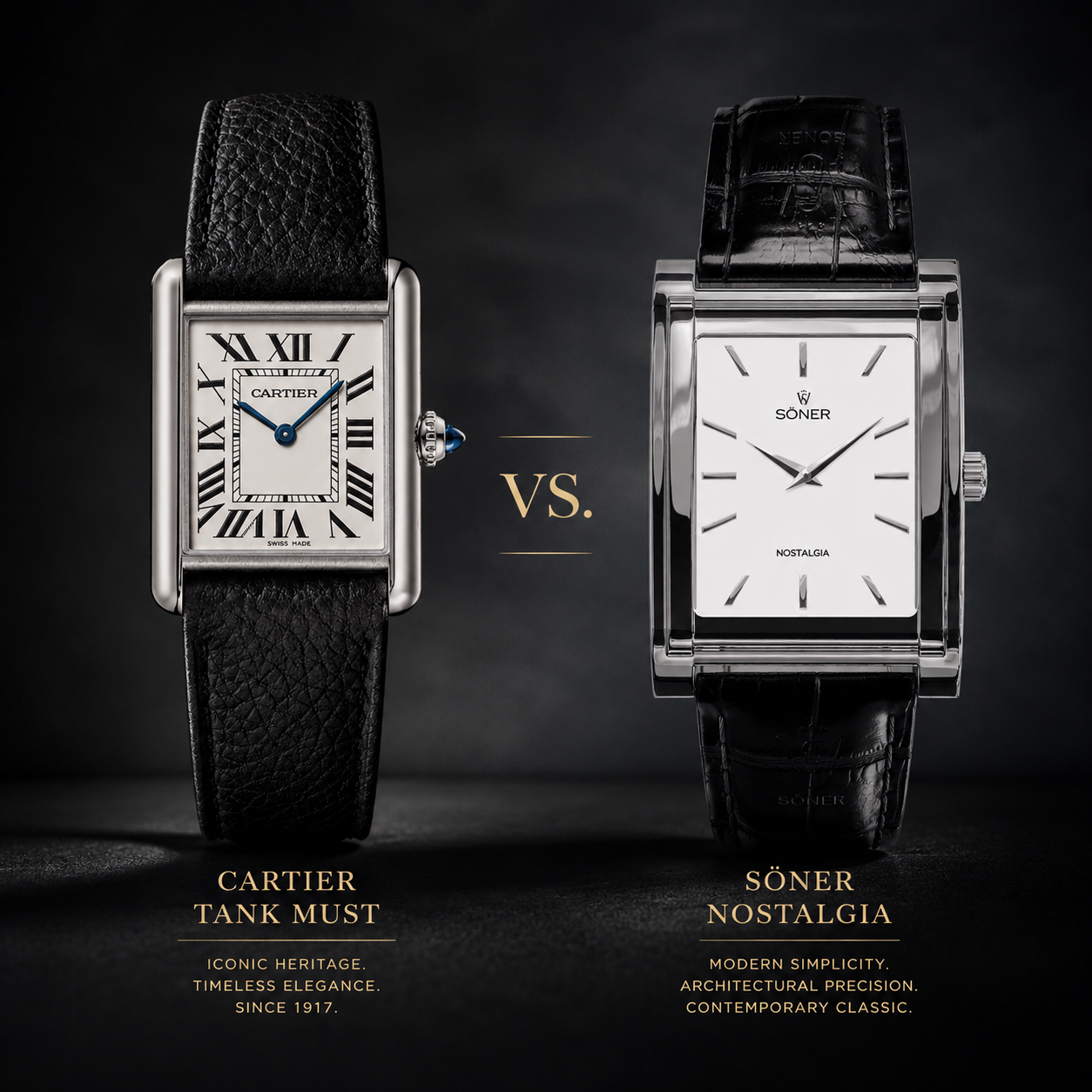
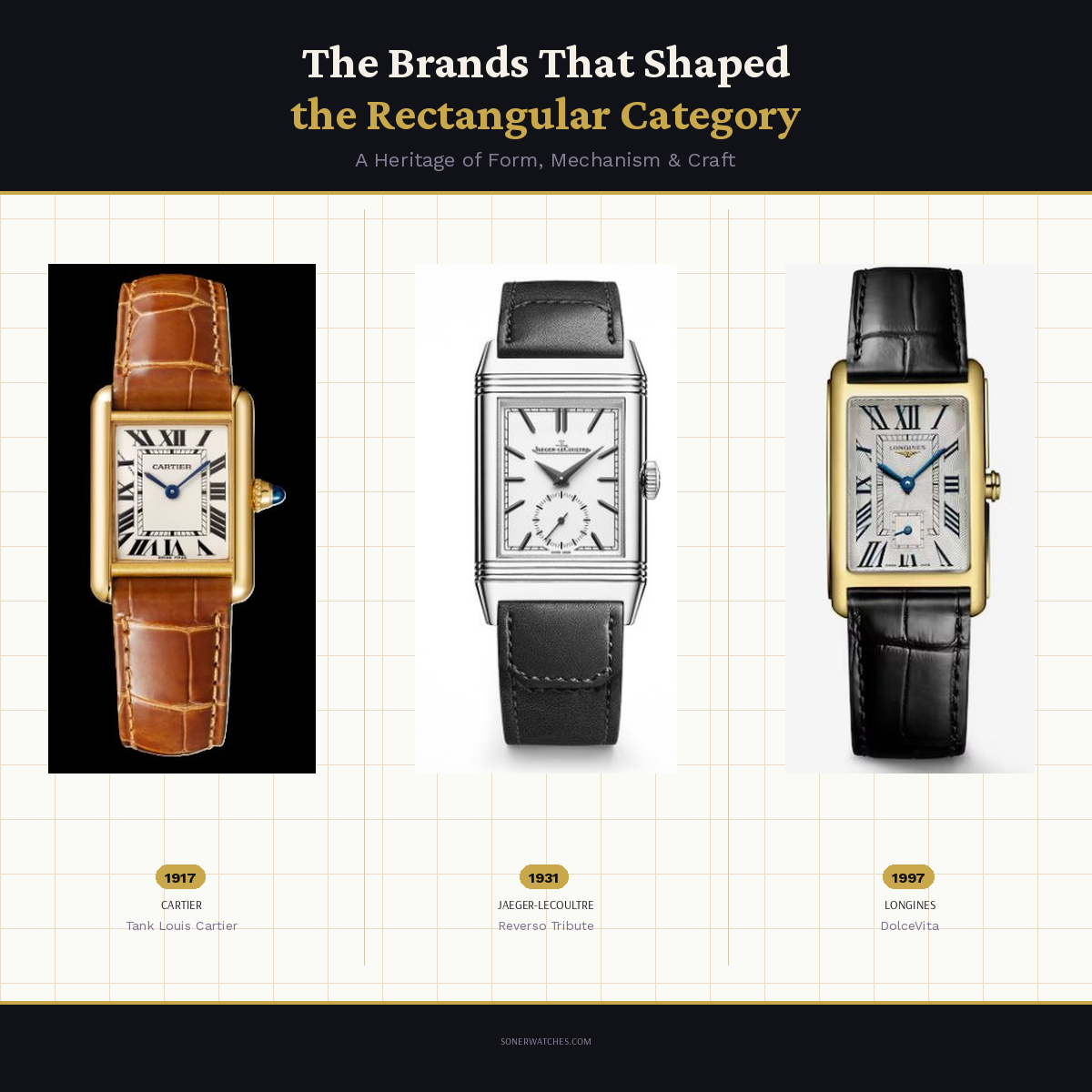
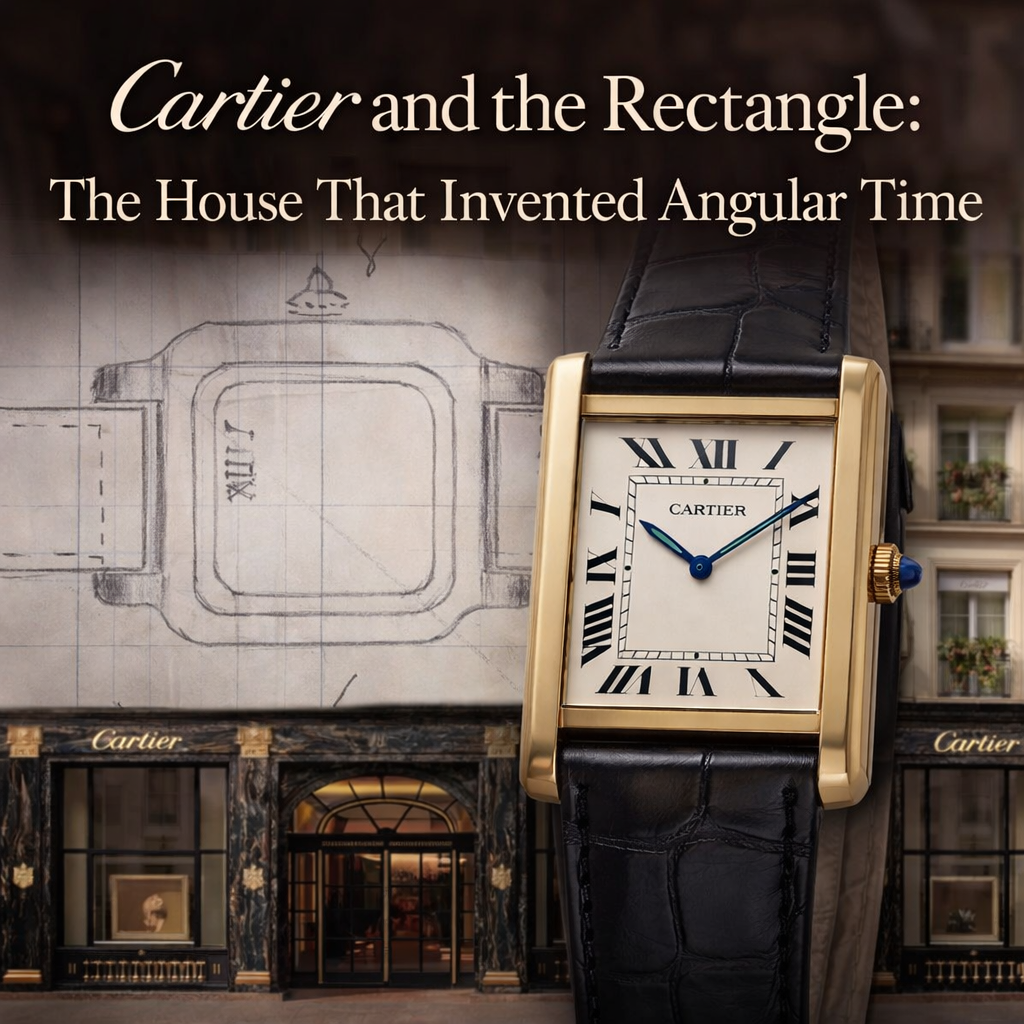
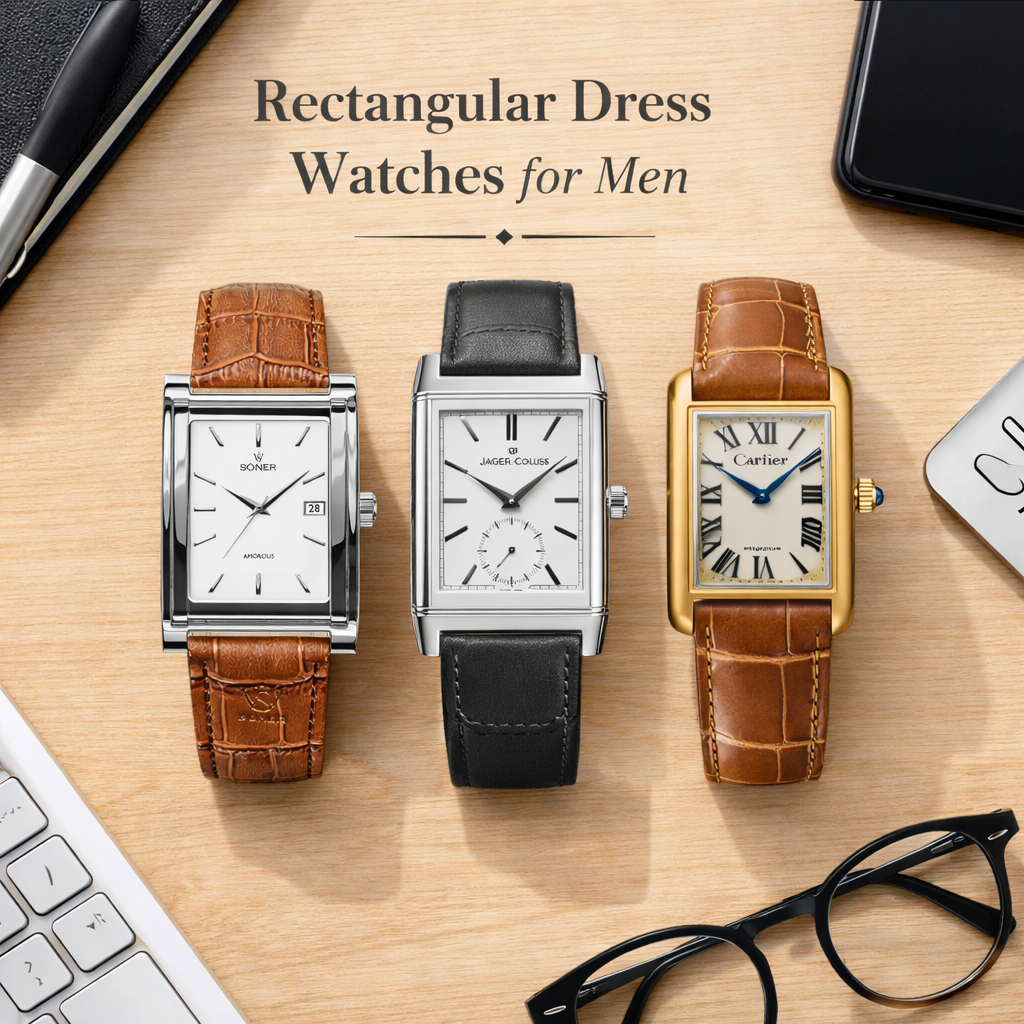
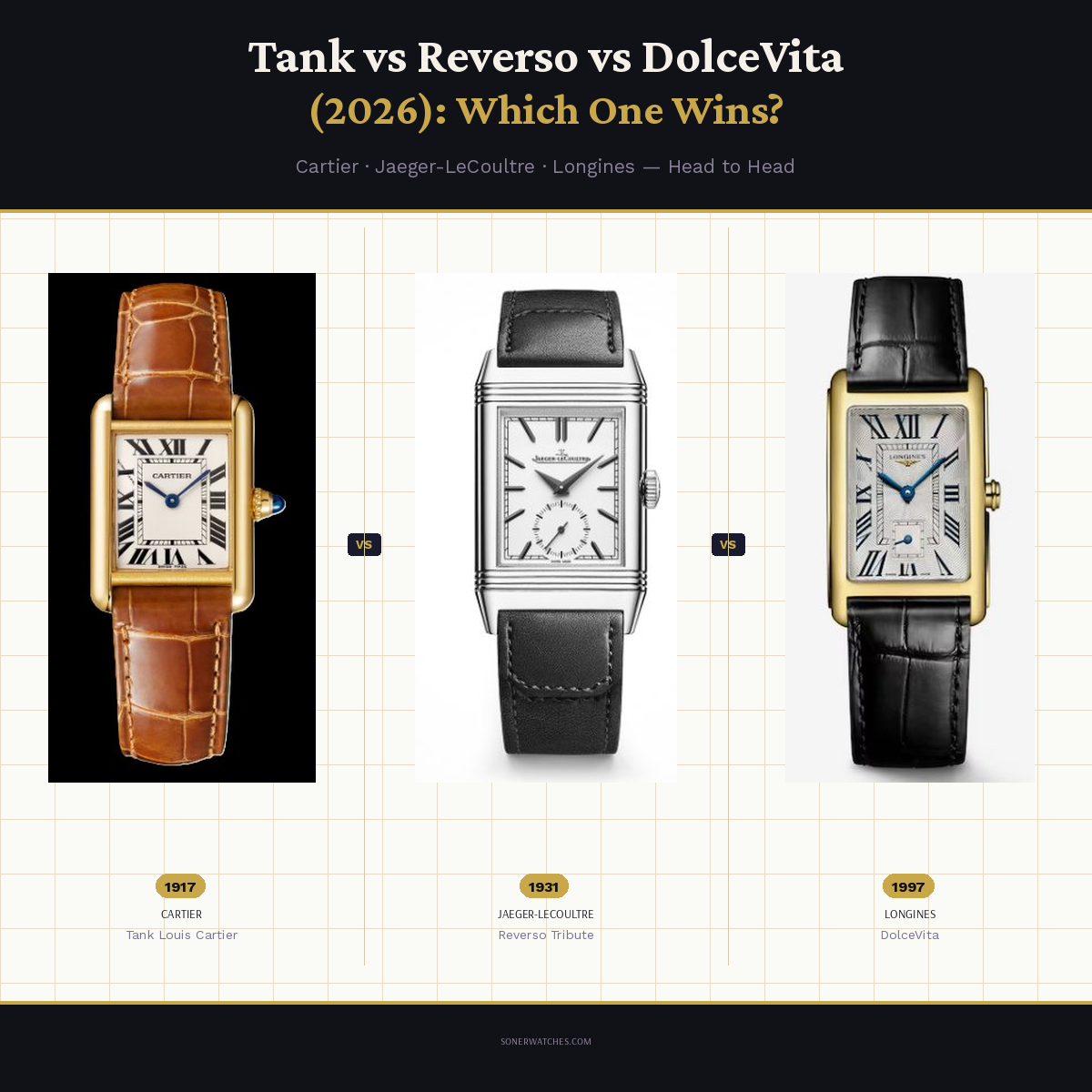
A quality watch's design should not depend on the trends of its release year to remain appealing. The Cartier Tank has been produced continuously since 1917 without fundamental change because its proportions are correct, not fashionable. When evaluating a watch design, ask whether it would look dated in ten years. Clean dials, considered proportions, and restrained use of colour tend to age well. Novelty features, oversized cases tied to a specific trend, and fashion-driven dial treatments tend to age poorly.
Brand Heritage
Heritage matters for two reasons: it is evidence of sustained quality over time, and it is the foundation of resale value. A brand that has been producing watches for decades has refined its manufacturing processes, established a service network, and built a community of owners. These factors all contribute to the long-term value of the watch. For an overview of the major brands, see our complete wristwatch dictionary.
Customisation Options
Quick-release strap systems that allow tool-free changes are a significant practical quality indicator. A watch with a quality 20mm or 22mm quick-release lug system gives the owner access to a wide ecosystem of straps at any price point. This modularity extends the versatility of a single watch significantly and is increasingly standard on quality watches at accessible price points.

3. Functionality and Features
Complications
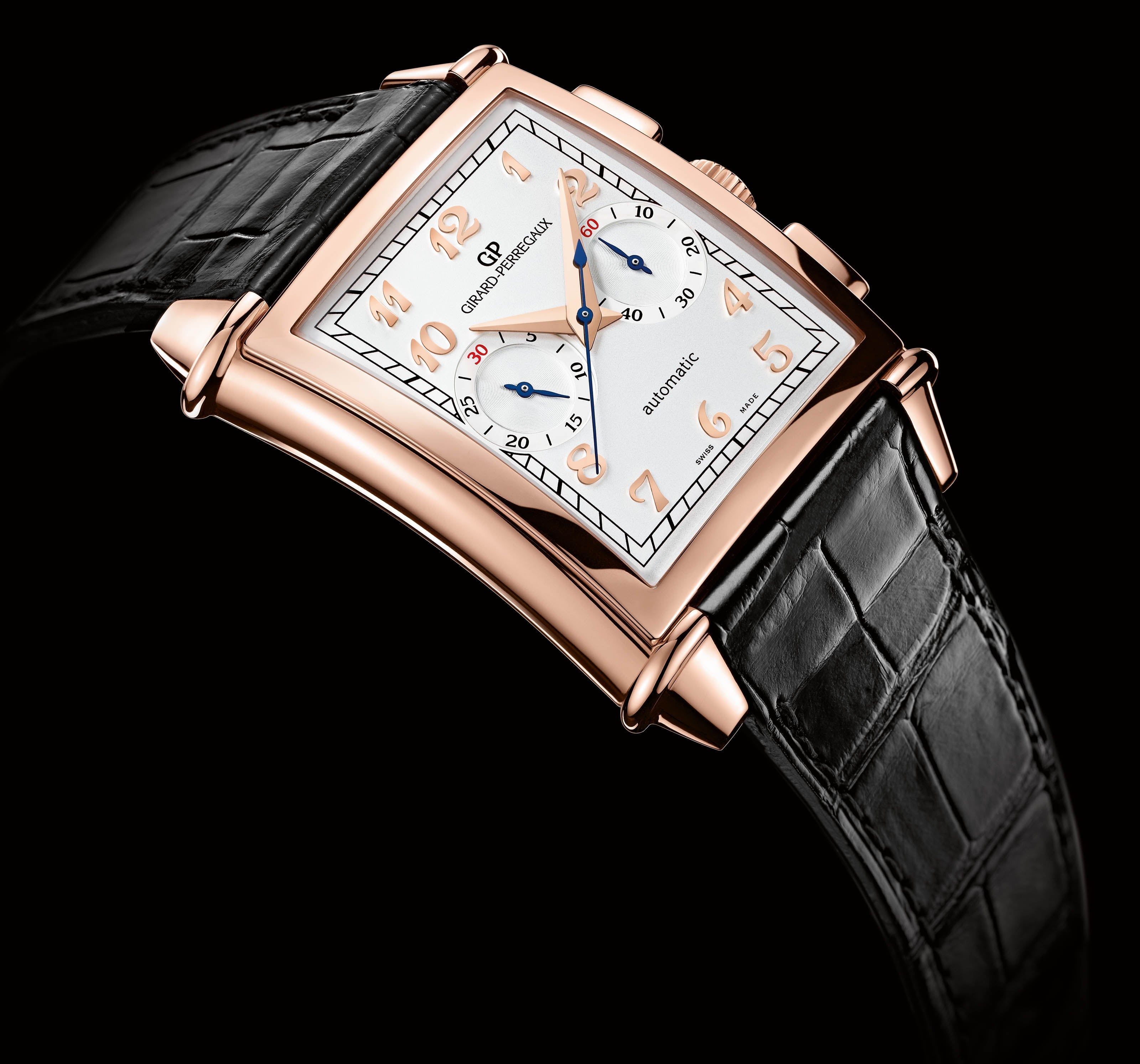
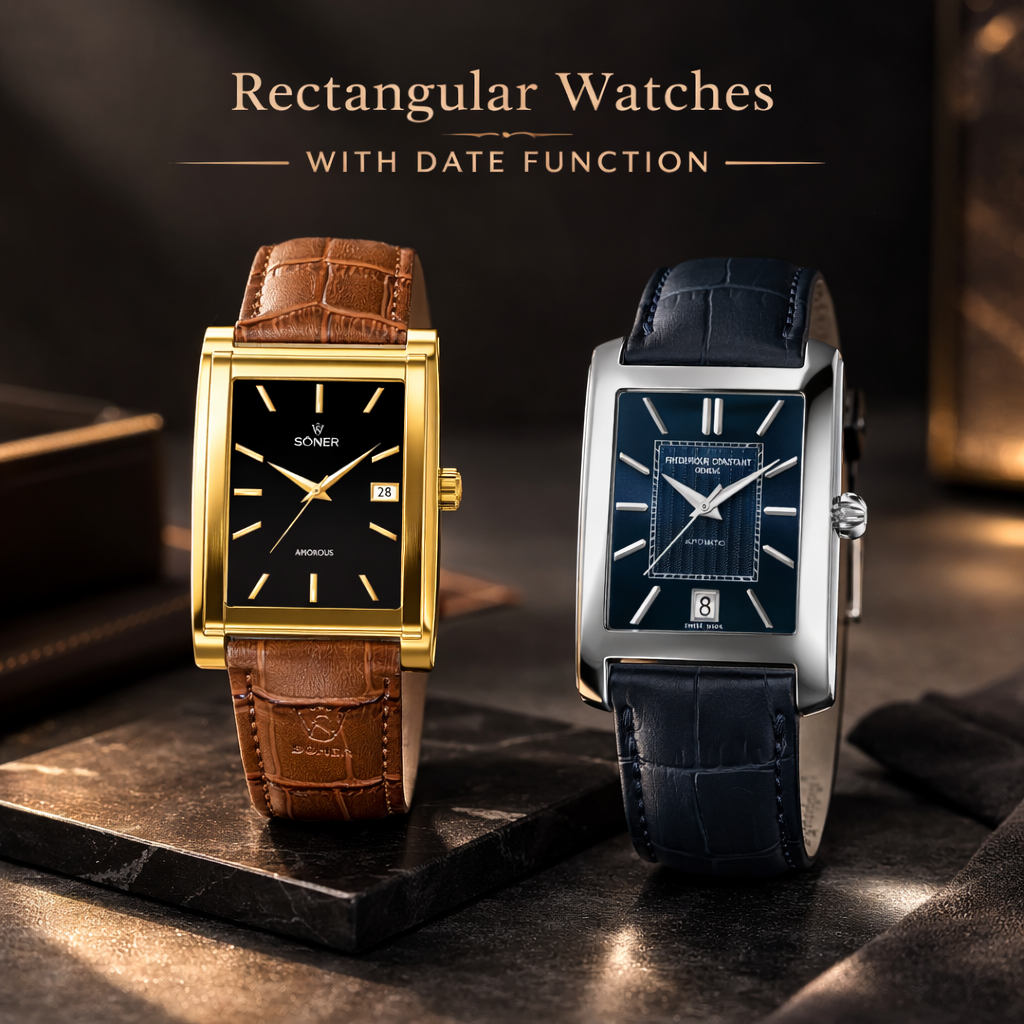
A complication is any function beyond simple hours and minutes display. Common complications include the date, chronograph, GMT, moonphase, and power reserve indicator. Quality complications are executed cleanly - a well-made date window with crisp numerals and tight tolerances is a quality indicator. A sloppy date window that wobbles or has inconsistent font weight indicates lower quality regardless of what the complication is.
For dress watches, fewer complications is generally better. A clean dial with no date is often harder to achieve well than one with several sub-registers, because there is nowhere to hide imperfections in dial finishing or hand alignment.
Water Resistance
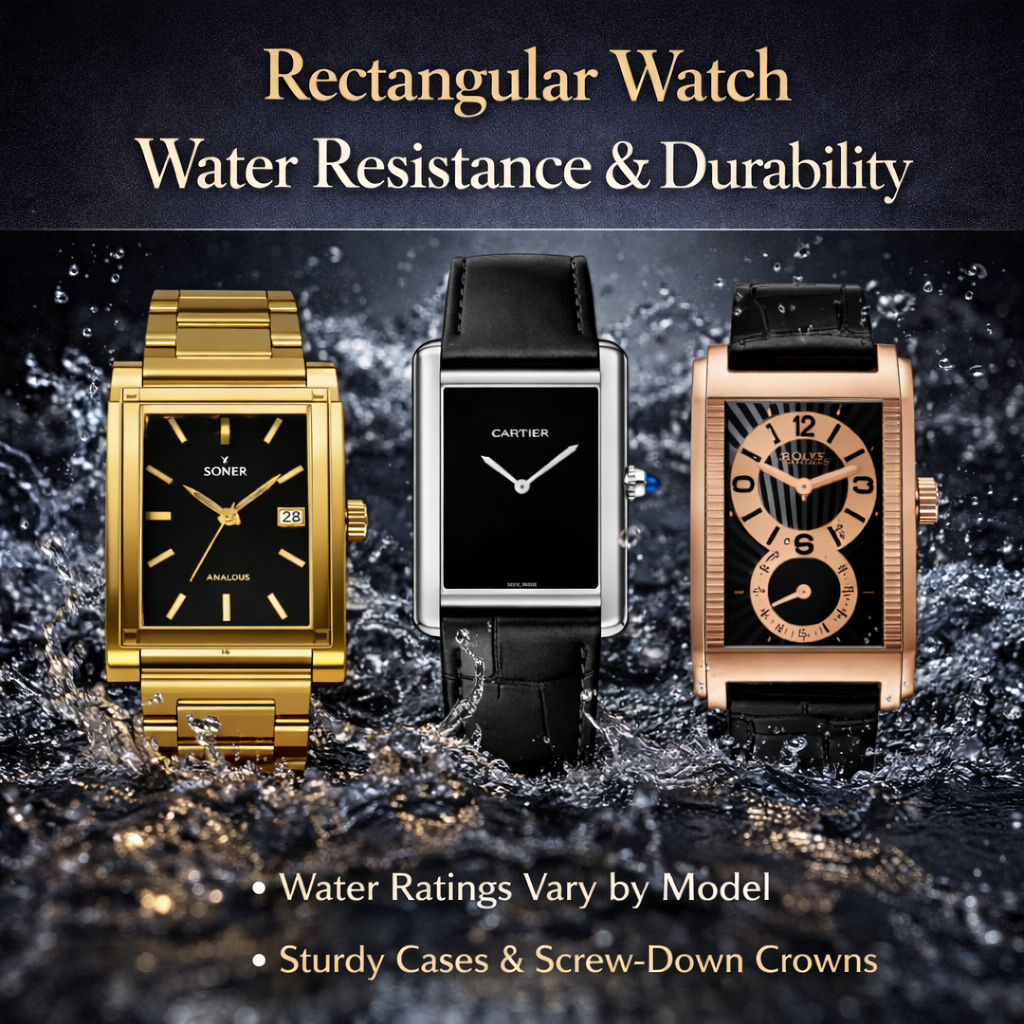
Water resistance is a case property rather than a movement one. 3 ATM covers splashes and rain. 5 ATM covers hand washing and brief immersion. 10 ATM covers swimming. For everyday dress wear, 3-5 ATM is adequate. The resistance rating should be clearly marked on the caseback or dial. A watch with no stated water resistance is not suitable for daily wear.
Power Reserve
For automatic movements, a power reserve of 40 hours or more is standard for quality. 72 hours is better - it means the watch survives a weekend off the wrist without stopping. Power reserve is a function of mainspring capacity and movement efficiency. Longer reserve with the same accuracy indicates superior engineering.
4. Comfort and Wearability
Ergonomic Design
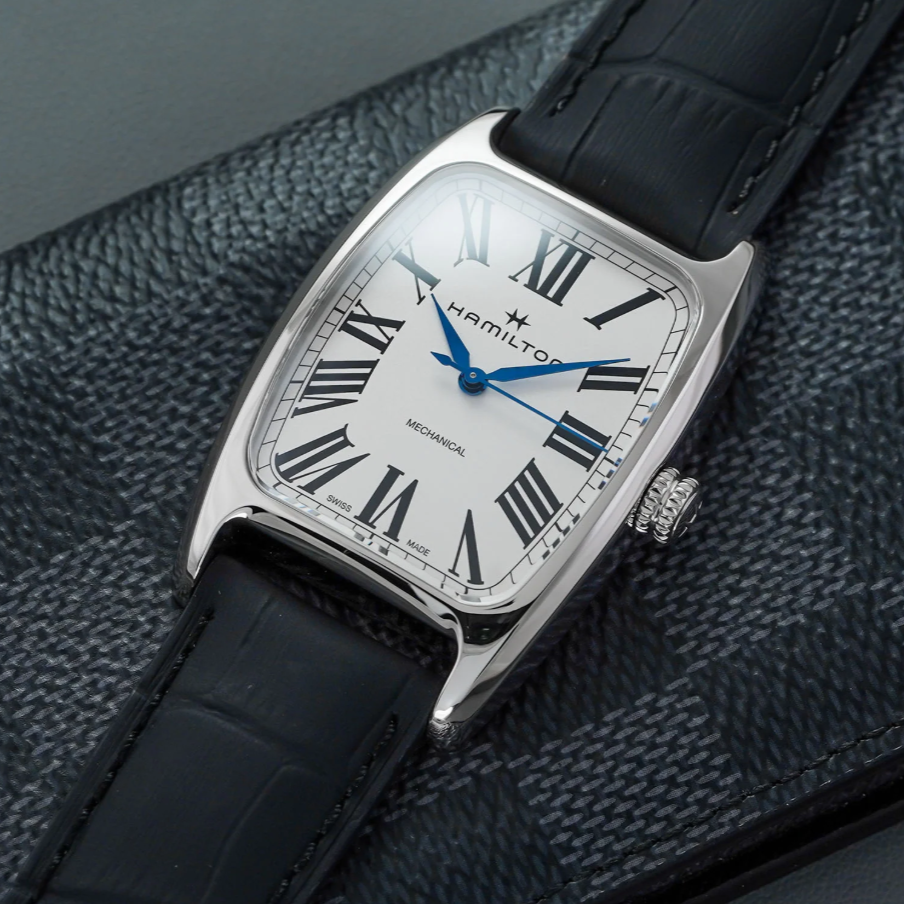
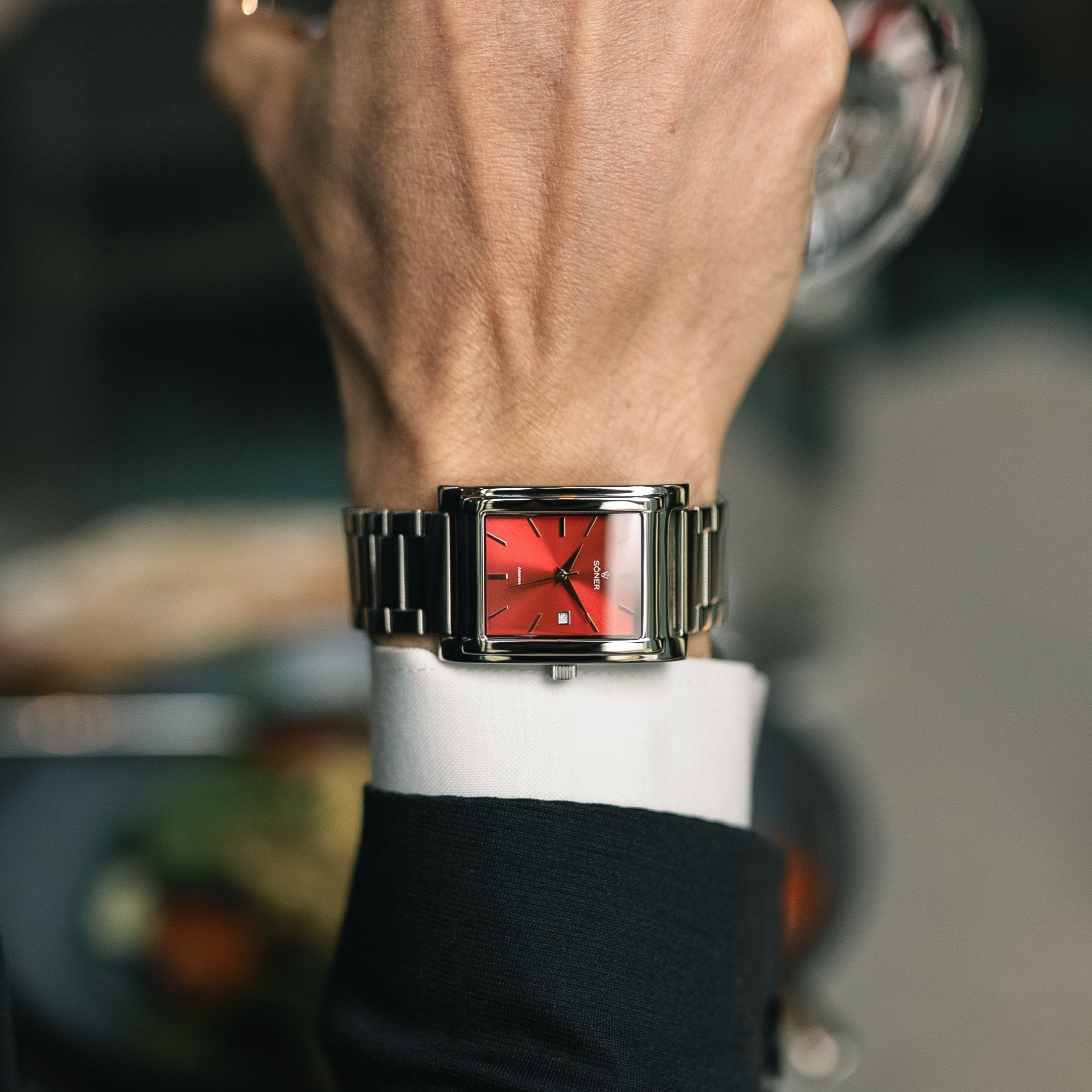
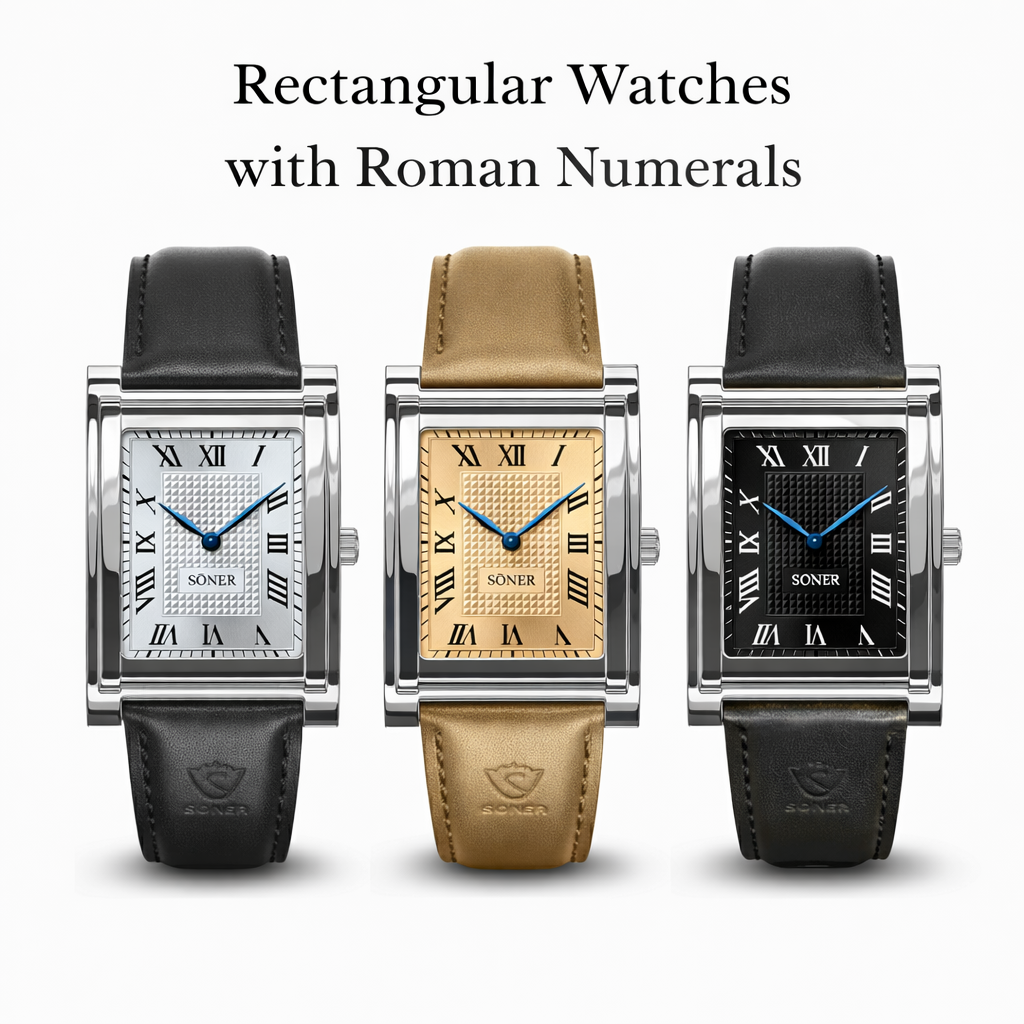
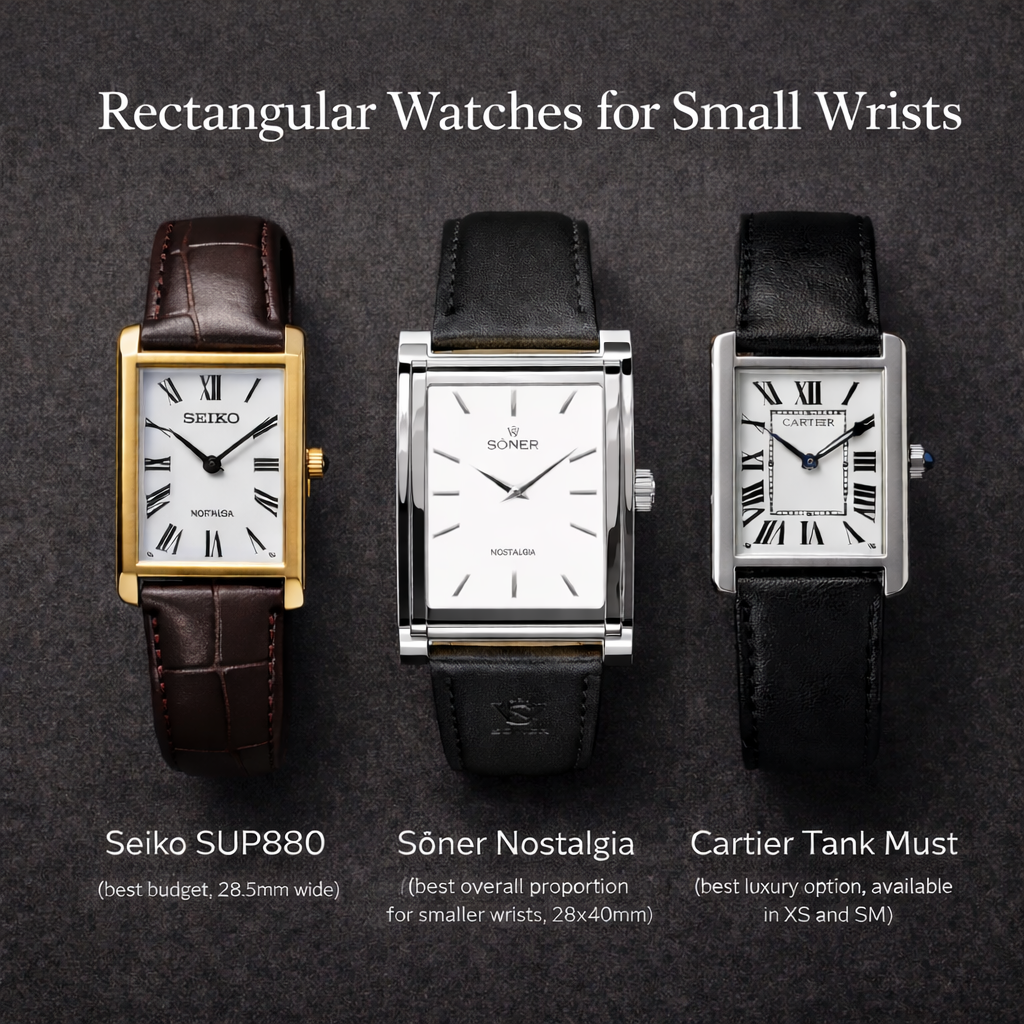
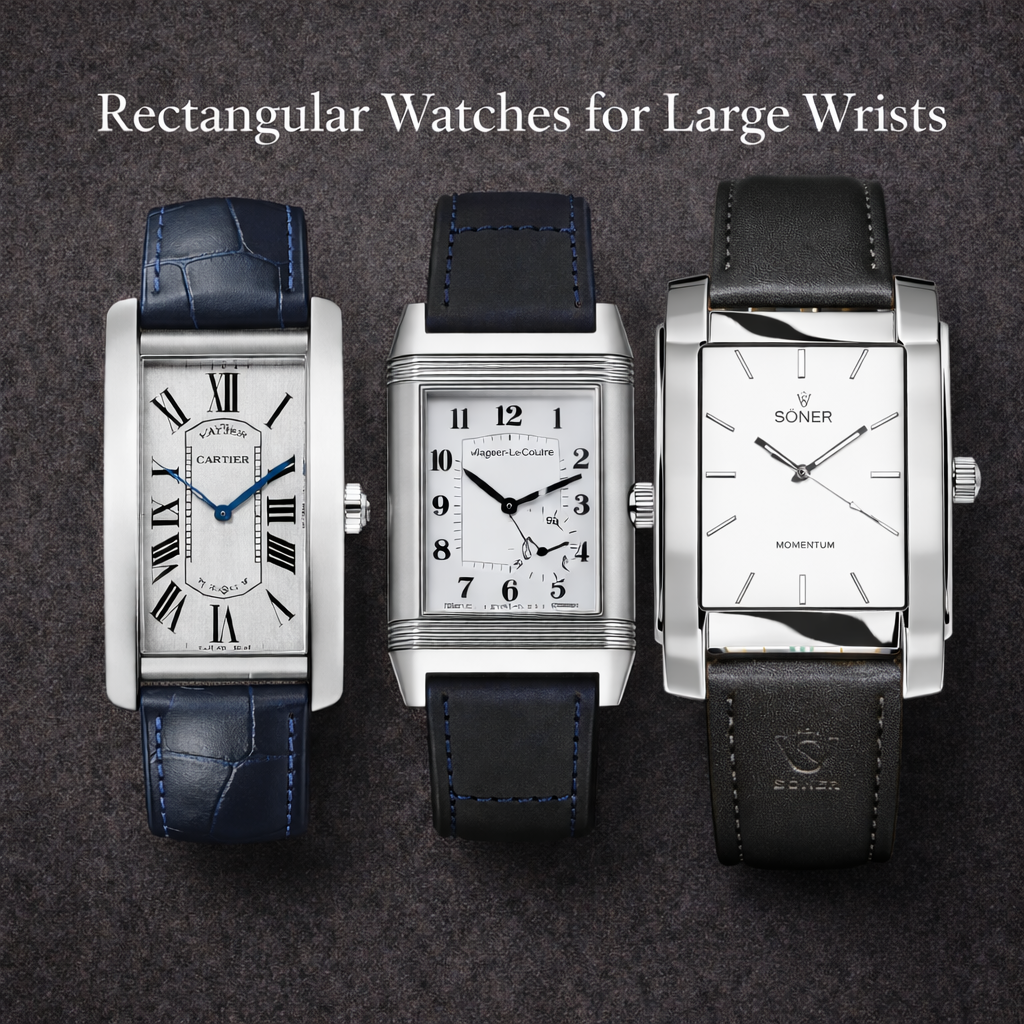
A watch that fits sits within the wrist's width without overhang and lies flat against the skin. The lug-to-lug measurement - the end-to-end distance across the case - is the most important fit specification and is frequently omitted from marketing materials. Always check lug-to-lug before buying, particularly for rectangular watches where the elongated form creates more variation across wrist sizes. For a detailed guide, see our rectangular watch size guide.
Strap and Clasp Quality
The strap significantly affects both comfort and longevity. Full-grain leather is the standard for quality dress straps - it ages well and develops patina. Alligator and crocodile leather are more prestigious and more durable. For bracelets, solid links indicate higher quality than hollow ones, which can develop rattle over time. The clasp should deploy cleanly and hold securely without play.
Adjustability
Quality watches offer genuine adjustability. For bracelets, half-links allow fine sizing between full link increments. For clasps, micro-adjustment systems allow sizing within the clasp itself. For straps, curved ends that follow the case contour reduce gap between case and strap and improve comfort and appearance.

5. Longevity and Value Retention
Durability
A quality watch is designed to outlast its owner. The materials, movement, and finishing should maintain their appearance and function under daily wear for decades with appropriate care. Sapphire crystal maintains clarity indefinitely. 316L steel resists corrosion. Quality seals maintain water resistance across years of use. For guidance on maintaining a watch over the long term, see our guide to preserving the longevity of your watch.
Serviceability
The ability to service a watch is a critical long-term quality factor that is easy to overlook at purchase. Quality mechanical and automatic movements can be disassembled, cleaned, lubricated, and reassembled by a skilled watchmaker. The brand or movement manufacturer should have an established service network and available replacement parts. A watch that cannot be serviced is not a long-term quality purchase regardless of how good it looks new.
Investment Potential
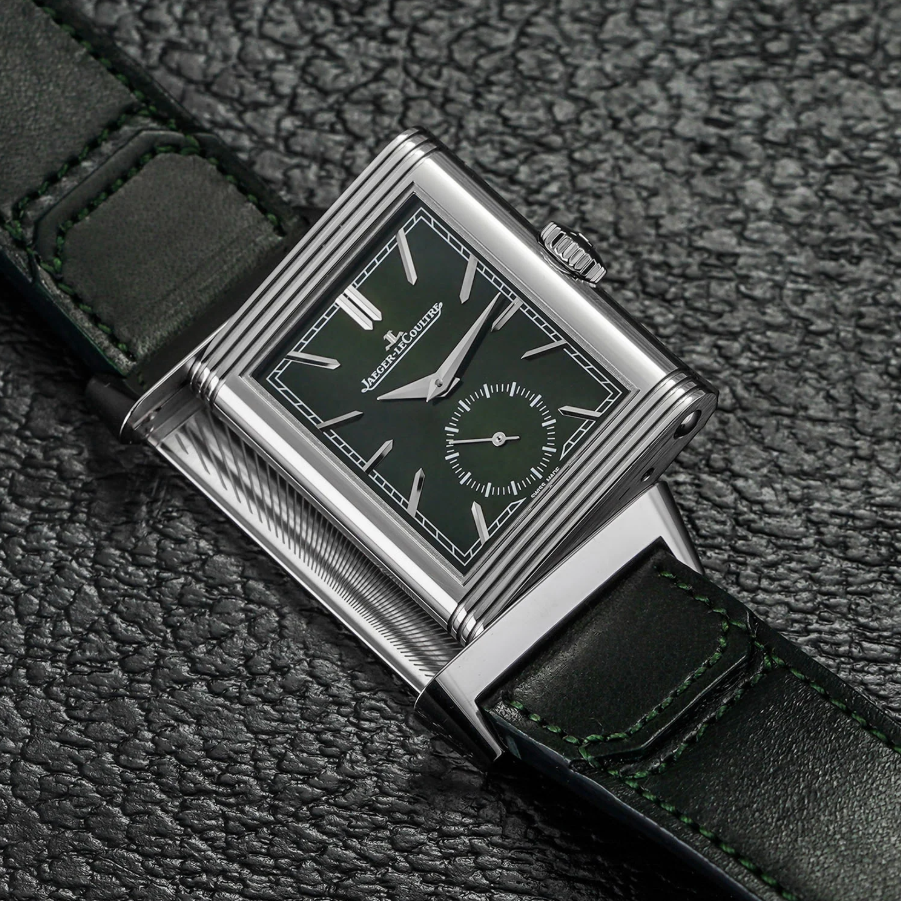
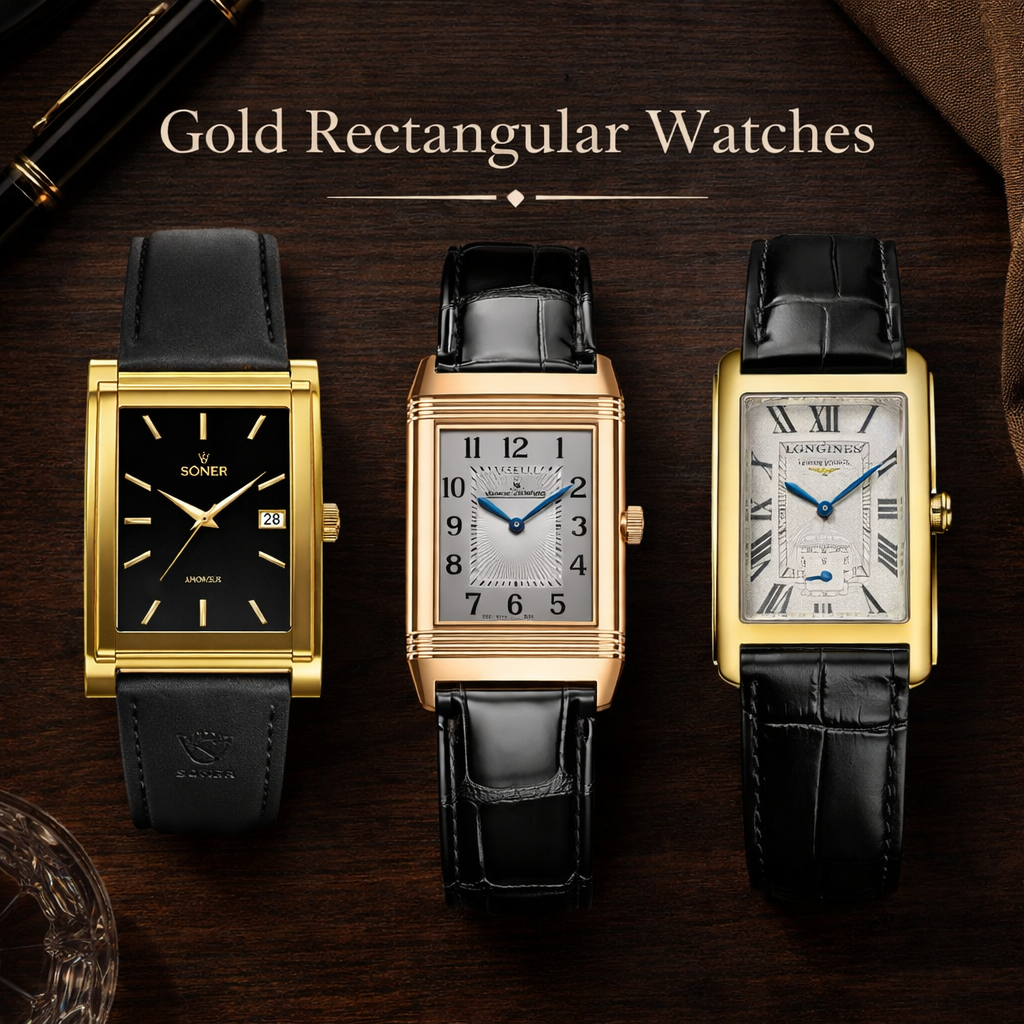
Not every quality watch appreciates in value, but quality is a prerequisite for any watch that does. Cartier Tank models in precious metal, Jaeger-LeCoultre Reverso references, and certain Patek Philippe rectangular watches have consistently held or appreciated in value on the secondary market. The factors that predict value retention are brand heritage, limited production, design consistency over time, and the existence of a collector community. These are also the factors that define quality in the first place.
Frequently Asked Questions
What makes a wristwatch high quality?
Five factors in combination: sapphire crystal and quality case materials, a movement from a recognised Swiss or German manufacturer, timeless and well-proportioned design, comfortable and correct fit on the wrist, and a brand with a service network that can maintain the watch over decades. A watch that scores well on all five is a quality purchase at any price point.
Is sapphire crystal worth it?
Yes. Sapphire crystal is significantly more scratch-resistant than mineral glass and maintains visual clarity under daily wear indefinitely. Most quality watches above $200-300 use sapphire as standard. If a watch at $400 uses mineral glass rather than sapphire, that is a sign the manufacturer has prioritised margin over quality in a component that directly affects how the watch looks every day.
Is an automatic movement better than quartz?
Not categorically. An automatic movement demonstrates craftsmanship and provides a more engaging ownership experience. But a quality Swiss quartz movement is more accurate than most automatics, requires less maintenance, and allows for a slimmer case. The right choice depends on what you value. For the full analysis, see our guide to the downsides of quartz watches.
How much should I spend on a quality watch?
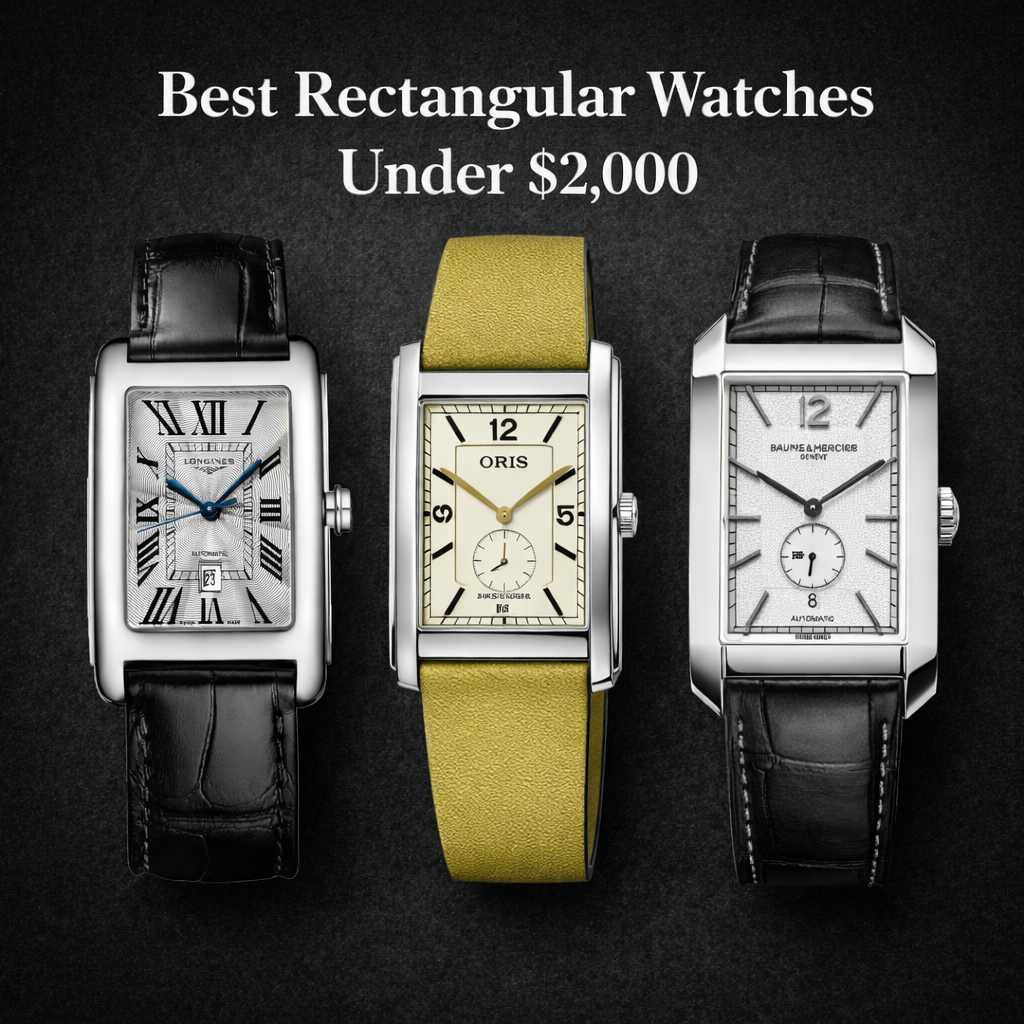
At approximately $400-600 it is possible to buy a Swiss-movement watch with sapphire crystal, 316L stainless steel case, and 5 ATM water resistance - the core quality specifications. Below that, trade-offs typically appear in crystal or movement quality. Above $1,000, the incremental improvements are in movement finishing, brand heritage, and design refinement rather than in basic specifications. For the best options at every price point, see our guide to the best rectangular watches in 2026.
How do I know if a watch will last?
Check four things: the crystal material (sapphire lasts indefinitely, mineral scratches), the water resistance rating (at least 3 ATM for daily wear), the movement origin (Swiss or German movements have established service networks and available parts), and whether the brand offers servicing. A watch that passes all four checks is built for decades of use.