

 Published on
Table of Contents
Bulova est l'une des marques horlogères emblématiques des États-Unis, et son histoire est indissociable du sens du style propre au pays. Fondée à New York en 1875 par Joseph Bulova, un immigrant bohémien doté d'un instinct pour la qualité et d'un œil pour le marché américain émergent, la marque est passée d'une petite bijouterie sur Maiden Lane à l'un des noms les plus reconnus dans l'horlogerie mondiale. Bulova a été la première entreprise à produire une gamme complète de bijoux et de montres, la première à diffuser une publicité radio en 1926, et la première à diffuser une publicité télévisée en 1941. Elle a créé l'Accutron, la première montre électronique au monde. Elle a envoyé un chronographe sur la Lune au poignet du commandant d'Apollo 15, David Scott. C’est, en tous points, une marque bâtie sur des premières mondiales.
Montres rectangulaires Bulova : références clés
| Modèle | Époque | Mouvement | Caractéristique clé |
|---|---|---|---|
| Collection Art Déco | 1922 - années 1930 | Remontage manuel | Plus de 350 modèles dont Breton, Banker, Commodore |
| Boulton (original) | 1941 | Remontage manuel | Boîtier rectangulaire tonneau, petite seconde à 6 heures |
| Boulton (actuel) | Actuel | H-50 remontage manuel, réserve de marche 80h | 34 mm, bracelet cuir, options quartz et mécanique |
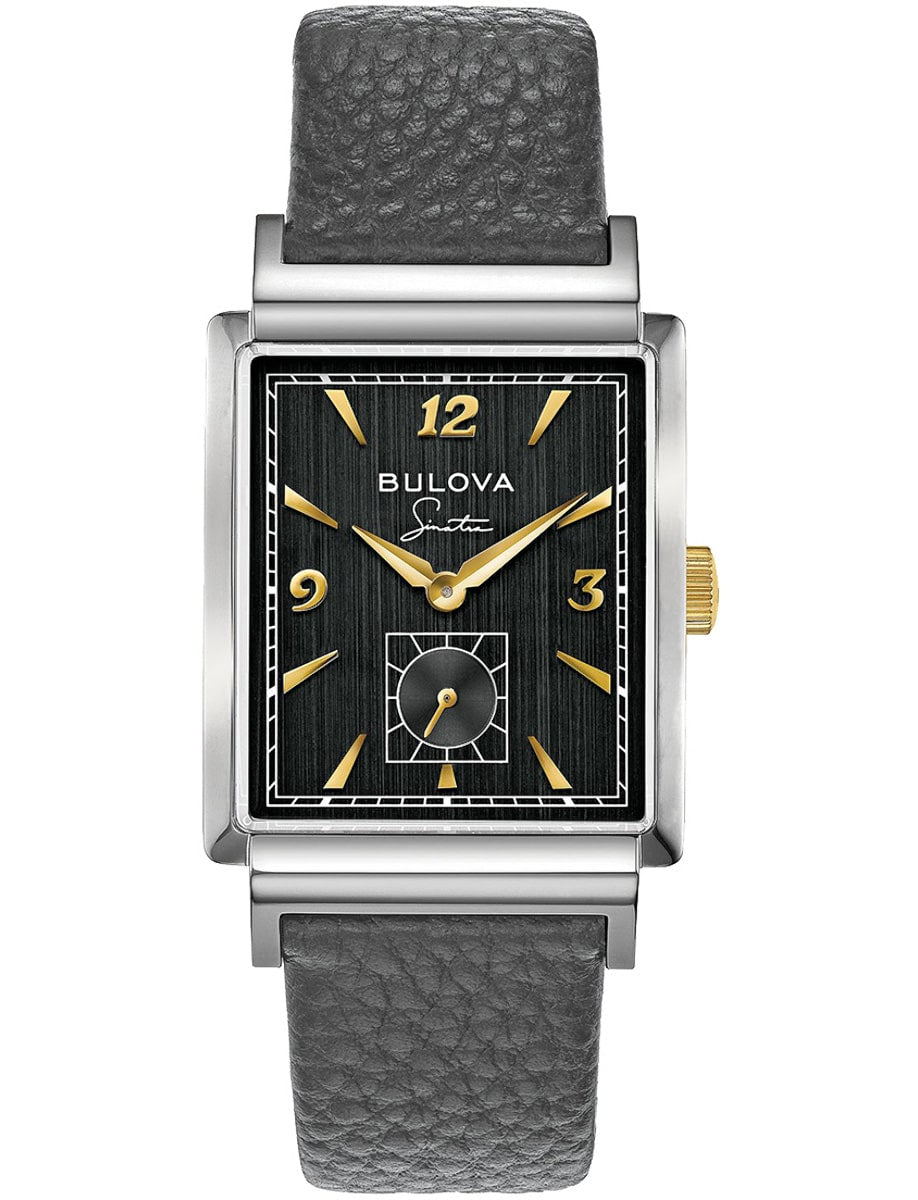
| Frank Sinatra "My Way" | Actuel | Quartz Bulova Precisionist | Boîtier tonneau doré, cadran Art Déco, hommage à Sinatra |
L’ère Art Déco - L’âge d’or rectangulaire de Bulova
Dans les années 1920 et 1930, Bulova ne se contentait pas de fabriquer des montres rectangulaires, elle dominait cette catégorie. Le mouvement Art Déco, avec sa précision géométrique, ses lignes audacieuses et sa célébration de la modernité, trouvait un écrin naturel dans le boîtier angulaire, et Bulova produisit des centaines de modèles dans ce format. Rien que de 1922 à 1930, la marque commercialisa 350 modèles différents de montres Art Déco pour femmes, avec au moins autant pour hommes. Des modèles comme le Breton, le Banker et le Commodore définissaient cette époque, alliant des boîtiers rectangulaires épurés à des ornements appliqués et des matériaux riches, caractéristiques de l’Art Déco. Ces montres étaient destinées à une Amérique confiante et tournée vers l’avenir, habillant le poignet comme l’architecture habillait la silhouette urbaine.

La Boulton - Une icône renaît
Si Bulova possède une montre rectangulaire qui transcende les époques, c’est bien la Boulton. Lancée en 1941, la Boulton fut l’un des modèles les plus commercialement réussis de la marque durant cette décennie, à une époque où les boîtiers rectangulaires étaient au sommet de leur popularité auprès des acheteurs américains. Son boîtier rectangulaire proche du tonneau, son cadran épuré avec petite seconde à 6 heures, et son profil fin en faisaient un incontournable de l’élégance américaine du milieu du XXe siècle. La Boulton fut relancée dans les années 1980 et n’a cessé d’être perfectionnée depuis, apparaissant récemment dans Indiana Jones et le Cadran du Destin en 2023, un choix de casting qui témoigne de la capacité de cette montre à incarner une élégance masculine d’un autre temps. La Boulton d’aujourd’hui est disponible en versions quartz et mécanique, cette dernière animée par le calibre à remontage manuel H-50 de Bulova avec une réserve de marche de 80 heures. Elle mesure un fin 34 mm et se porte sur un bracelet en cuir, comme toujours.
La Frank Sinatra "My Way" - Musique, nostalgie et angle parfait
La relation de Bulova avec Frank Sinatra est l’un des partenariats les plus durables de l’histoire de la culture pop américaine. Au milieu des années 1950, Bulova sponsorisa l’émission télévisée de Sinatra et lui offrit des montres que le chanteur gravait ensuite pour ses amis. Sinatra devint l’un des ambassadeurs les plus visibles de Bulova, et la marque honora ce lien au XXIe siècle avec la Frank Sinatra Collection, une série de montres nommées d’après des chansons de Sinatra. Parmi elles, "My Way" est le véritable hommage rectangulaire. Logée dans un boîtier tonneau en acier inoxydable doré avec un cadran blanc, une piste des minutes ferroviaire influencée par l’Art Déco, des index diagonaux appliqués et une petite seconde rectangulaire, la "My Way" est une pièce parfaitement fidèle à son époque. Animée par le mouvement quartz Precisionist de Bulova, l’une des technologies quartz les plus précises disponibles, elle offre une connexion de niveau collectionneur au style du milieu du siècle à un prix d’entrée de gamme. Cette montre ne prétend pas être autre chose qu’elle n’est. C’est simplement une montre habillée rectangulaire magnifiquement aboutie qui rend un hommage sincère à une époque où l’angle droit était le summum du style.

L’Américain angulaire
L’héritage rectangulaire de Bulova n’est pas l’histoire d’une marque suivant une mode. C’est l’histoire d’une marque qui a contribué à en créer une, qui a compris, il y a un siècle, que le rectangle n’était pas une alternative à la montre ronde mais un langage de design fondamentalement différent, capable de sa propre beauté, de sa propre histoire, de sa propre signification. Dans cette histoire, Bulova a toujours été proche du commencement.
Pour l’histoire complète de l’évolution des montres rectangulaires chez les grandes maisons, consultez l’histoire complète des montres rectangulaires. Pour les meilleures montres rectangulaires à tous les prix, voyez les meilleures montres rectangulaires en 2026. Pour la référence définitive de la catégorie, consultez Le guide définitif des montres rectangulaires.
Questions fréquemment posées
Quelles montres rectangulaires Bulova fabrique-t-elle ?
Les principales montres rectangulaires de Bulova sont la Boulton et la Frank Sinatra "My Way". La Boulton, lancée en 1941, est disponible en versions quartz et mécanique avec le calibre à remontage manuel H-50. La Frank Sinatra "My Way" utilise le mouvement quartz Precisionist de Bulova dans un boîtier tonneau doré avec un cadran influencé par l’Art Déco. Les deux se situent à des prix accessibles et portent un véritable héritage de design américain.
La Bulova Boulton est-elle la même que la Hamilton Boulton ?
Ils partagent un nom mais ce sont des montres différentes de marques différentes. La Bulova Boulton et la Hamilton Boulton ont toutes deux été lancées vers le début des années 1940, reflétant la large popularité des boîtiers rectangulaires tonneau dans l’horlogerie américaine à cette époque. Aujourd’hui, Hamilton est une marque suisse appartenant au groupe Swatch. Bulova appartient désormais au groupe Citizen depuis son acquisition en 2007. Les deux sont des montres rectangulaires Art Déco légitimes à des prix accessibles.
Qu’est-ce que la montre Bulova Frank Sinatra "My Way" ?
La Bulova Frank Sinatra "My Way" fait partie de la Frank Sinatra Collection de Bulova, une série de montres nommées d’après des chansons de Sinatra. Elle présente un boîtier rectangulaire tonneau en acier inoxydable doré, un cadran blanc avec piste des minutes ferroviaire Art Déco, des index diagonaux appliqués et une petite seconde. Animée par le mouvement quartz Precisionist de Bulova, qui offre une précision à moins de dix secondes par an. C’est l’une des montres rectangulaires Art Déco les plus fidèles à leur époque et les plus abordables sur le marché.
Combien de montres rectangulaires Bulova a-t-elle fabriquées durant l’ère Art Déco ?
Rien que de 1922 à 1930, Bulova commercialisa 350 modèles différents de montres Art Déco pour femmes aux boîtiers rectangulaires et angulaires, avec au moins autant pour hommes. Des modèles nommés comme le Breton, le Banker et le Commodore définissaient l’horlogerie rectangulaire américaine de cette époque. Aucune marque américaine n’a produit une gamme plus large ou plus commercialement réussie de montres rectangulaires Art Déco durant cette période.
Quelle place occupe Bulova dans la catégorie des montres rectangulaires ?
Bulova occupe le segment accessible du marché des montres rectangulaires – héritage américain, prix abordables et crédibilité de design ancrée dans l’ère Art Déco. La Boulton, autour de 300 à 500 $, et la Frank Sinatra "My Way" à un prix similaire représentent un excellent rapport qualité-prix pour les acheteurs souhaitant un véritable héritage de montres rectangulaires sans investissement important. Pour la catégorie complète classée par prix, consultez les meilleures montres rectangulaires en 2026.
Qui possède Bulova ?
Bulova appartient à Citizen Watch Co. du Japon depuis 2007. Malgré cette acquisition, la marque conserve son identité américaine, son siège à New York et son héritage de design. Le groupe Citizen possède également Frédérique Constant et Alpina, ce qui en fait l’un des plus grands groupes horlogers du segment moyen de gamme.
SÖNER rectangular watches
Free worldwide shipping · 10-year warranty · 30-day returns
Our pick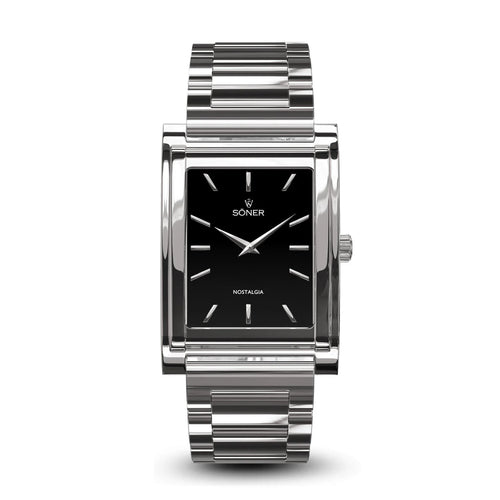 Nostalgia StockholmPile 11 ans€525,95 EUR
View watch
Nostalgia StockholmPile 11 ans€525,95 EUR
View watch
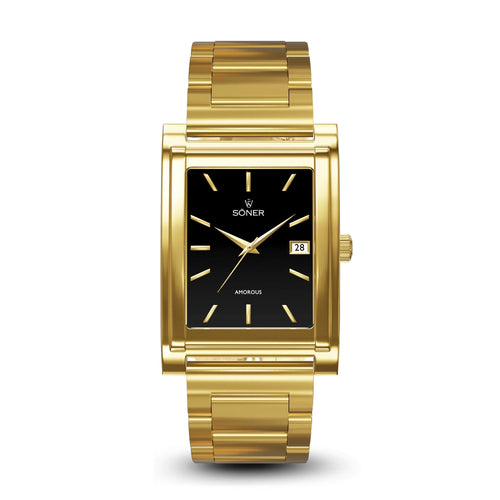 Amorous MilanoAutomatique€710,95 EUR
View watch
Amorous MilanoAutomatique€710,95 EUR
View watch
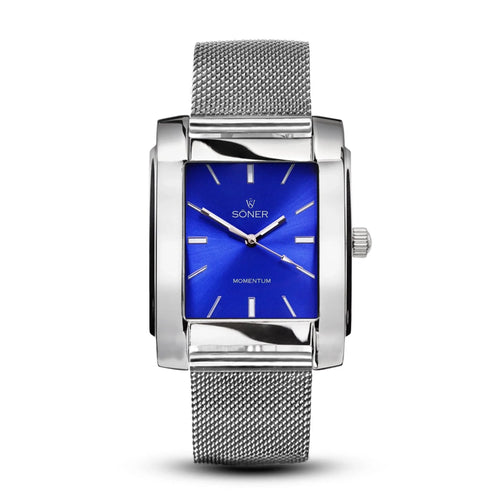 Momentum BacardiAutomatique€529,95 EUR
View watch
Momentum BacardiAutomatique€529,95 EUR
View watch
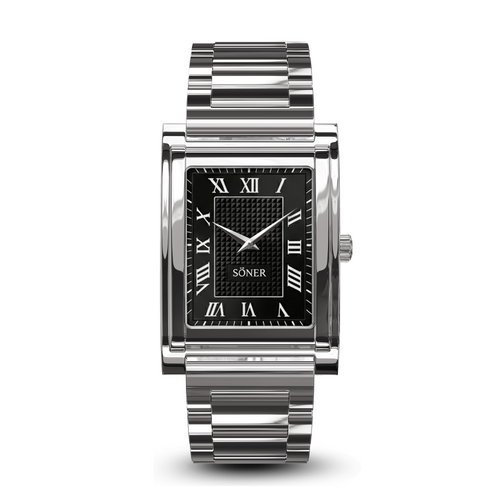 Nostalgia CaesarPile 11 ans€692,95 EUR
View watch
Nostalgia CaesarPile 11 ans€692,95 EUR
View watch
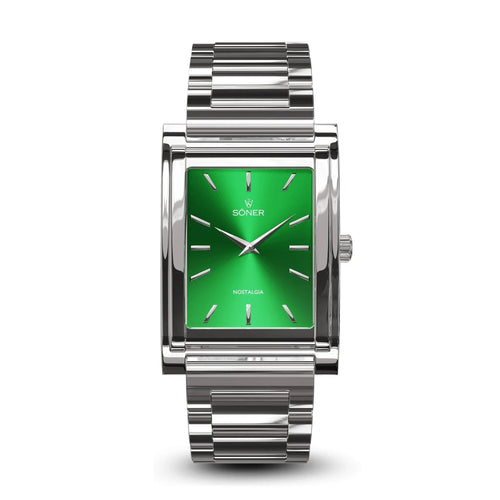 Nostalgia New YorkPile 11 ans€525,95 EUR
View watch
Nostalgia New YorkPile 11 ans€525,95 EUR
View watch
View all watches
 Nostalgia StockholmPile 11 ans€525,95 EUR
View watch
Nostalgia StockholmPile 11 ans€525,95 EUR
View watch
 Amorous MilanoAutomatique€710,95 EUR
View watch
Amorous MilanoAutomatique€710,95 EUR
View watch
 Momentum BacardiAutomatique€529,95 EUR
View watch
Momentum BacardiAutomatique€529,95 EUR
View watch
 Nostalgia CaesarPile 11 ans€692,95 EUR
View watch
Nostalgia CaesarPile 11 ans€692,95 EUR
View watch
 Nostalgia New YorkPile 11 ans€525,95 EUR
View watch
Nostalgia New YorkPile 11 ans€525,95 EUR
View watch