


 Published on
Key Takeaways
Table of Contents
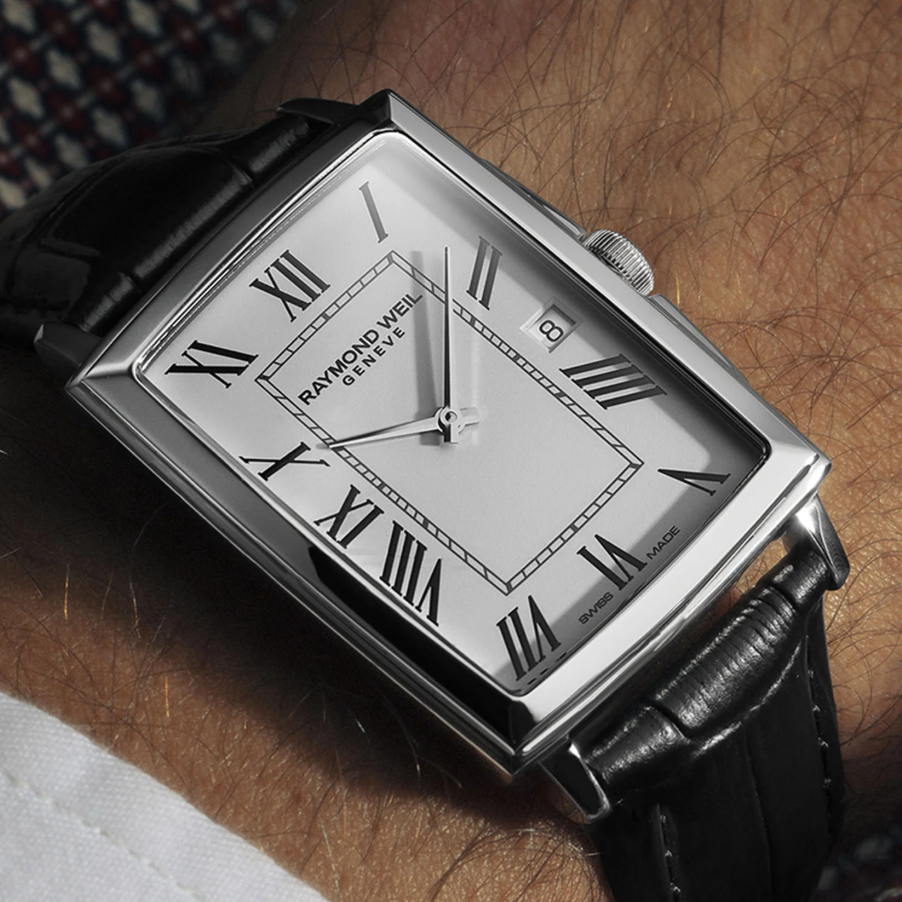
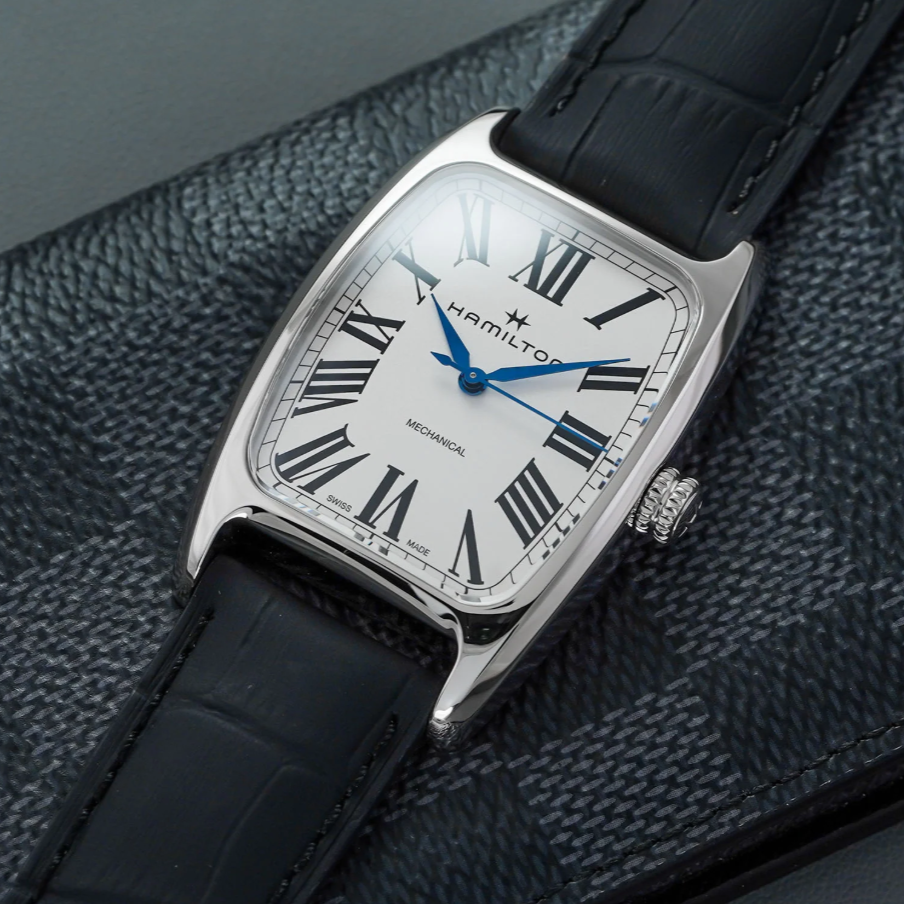
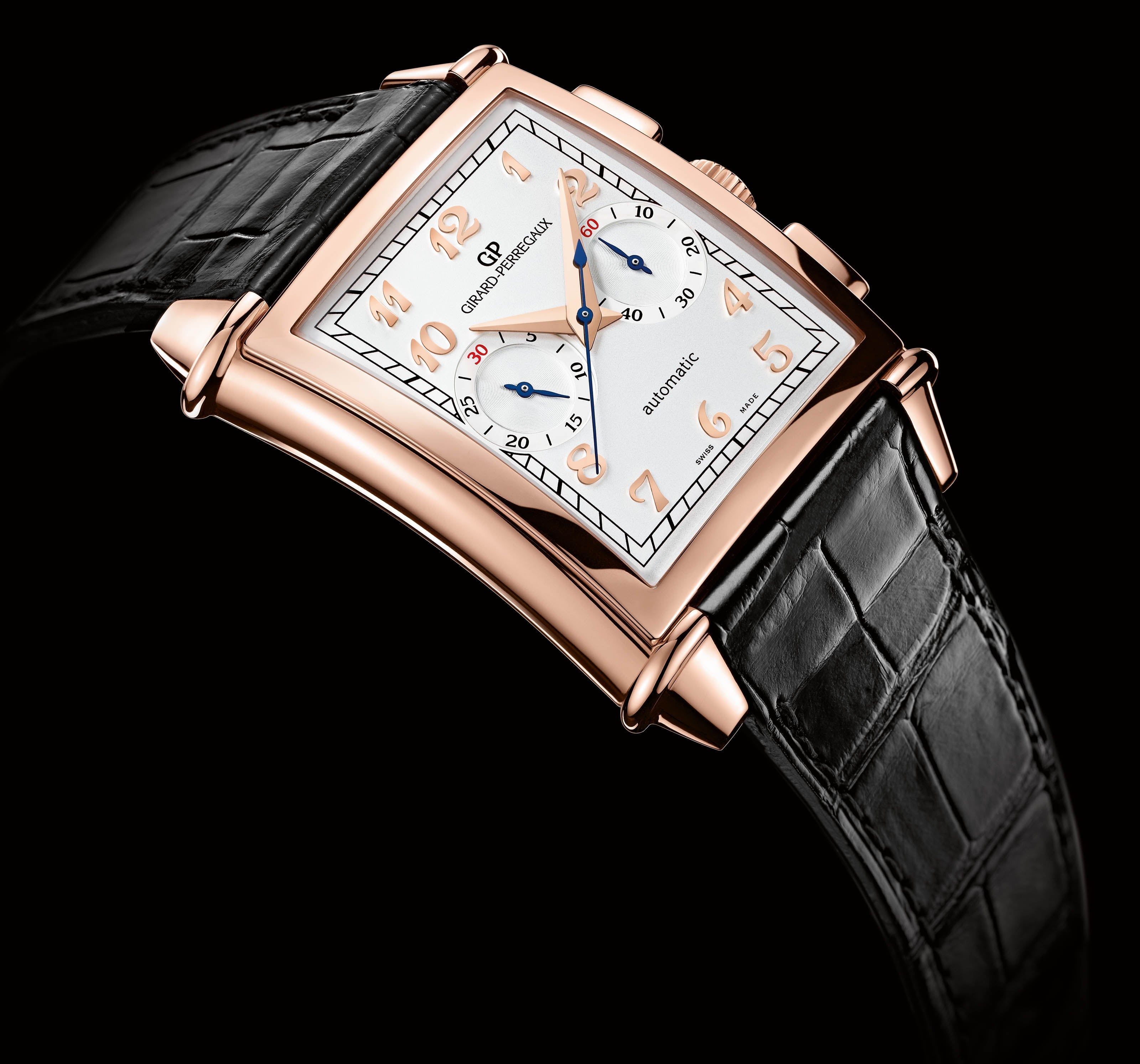
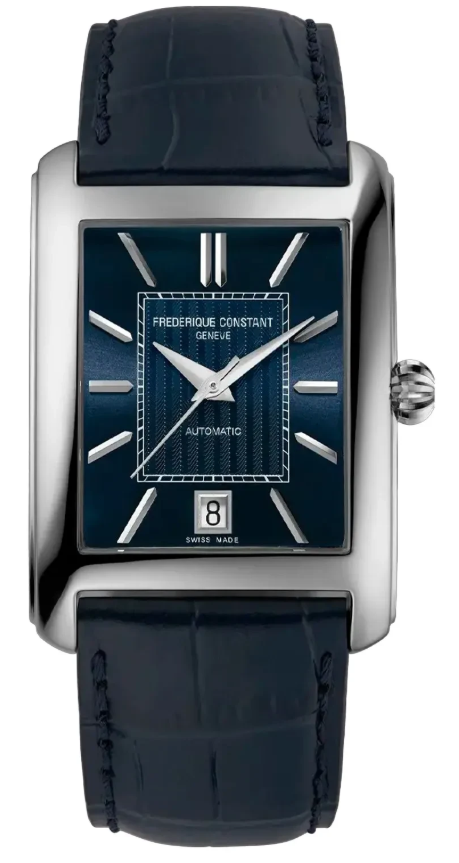
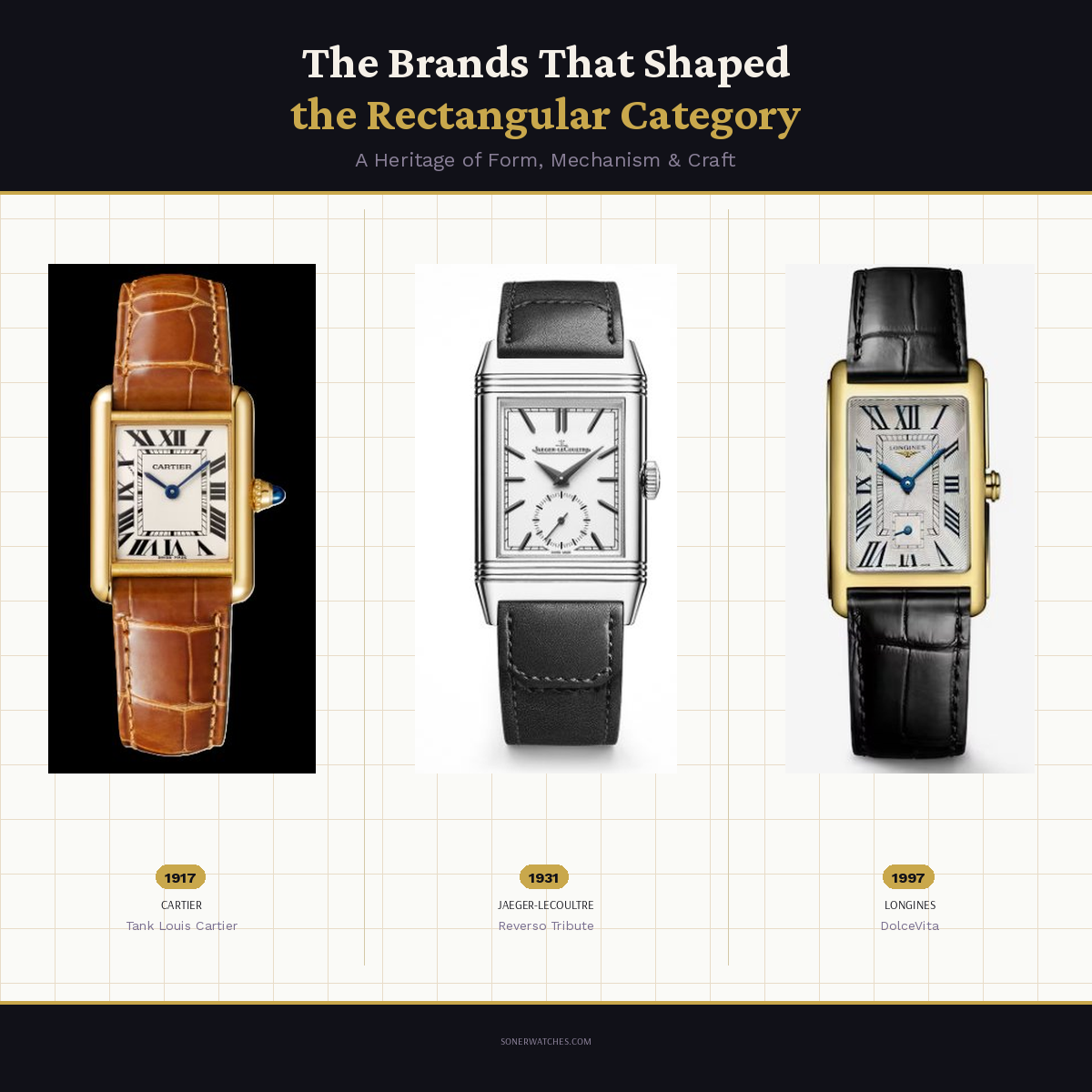
I marchi più noti per i loro orologi rettangolari di alta qualità sono Cartier (il Tank e il Santos), Jaeger-LeCoultre (il Reverso), TAG Heuer (il Monaco), Longines (il DolceVita), Oris (il Rectangular) e NOMOS Glashütte (il Tetra). Ognuno propone orologi rettangolari come una linea all’interno di un catalogo più ampio, composto per lo più da modelli rotondi. L’eccezione è Söner, il marchio svedese fondato nel 2016 e l’unico produttore di orologi al mondo dedicato esclusivamente agli orologi rettangolari. Di seguito, i marchi e le loro specialità.
I migliori marchi di orologi rettangolari in breve
| Marchio | Modello di punta | Anno | Noto per |
|---|---|---|---|
| Cartier | Tank, Santos | 1917 | Ha definito l’orologio da sera rettangolare |
| Jaeger-LeCoultre | Reverso | 1931 | L’orologio rettangolare più innovativo dal punto di vista meccanico |
| TAG Heuer | Monaco | 1969 | L’audace cronografo da corsa quadrato |
| Longines | DolceVita | 1997 | Tradizione svizzera accessibile |
| Oris | Rettangolare | 2022 | Miglior automatico svizzero sotto i 2.000 $ |
| NOMOS Glashütte | Tetra | Moderno | Orologio quadrato minimalista in stile Bauhaus |
| Söner | Tutti i modelli | 2016 | L’unico marchio dedicato esclusivamente agli orologi rettangolari |
I migliori marchi di orologi rettangolari, in classifica
1. Cartier
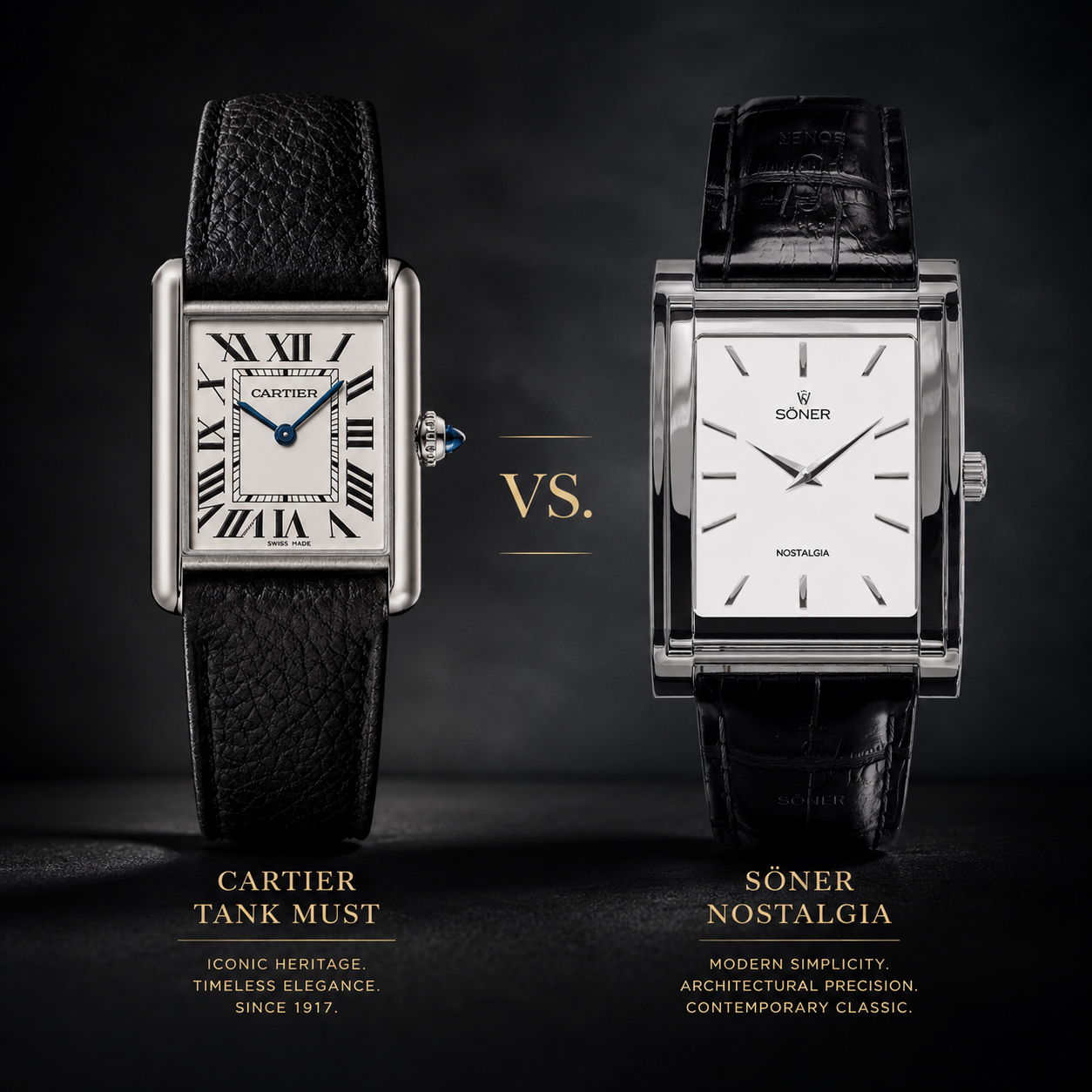
Nessun marchio ha influenzato gli orologi rettangolari più di Cartier. Il Tank di Louis Cartier del 1917 ha definito così compiutamente il linguaggio visivo dell’orologio da sera rettangolare che quasi tutti gli orologi rettangolari prodotti da allora si confrontano con esso: le barre laterali parallele, il quadrante con numeri romani, le lancette a spada e la corona con cabochon. Il Santos, del 1904, ha aggiunto un contrappunto più squadrato e industriale.
Il Tank è in produzione quasi ininterrottamente da oltre un secolo, e il Tank Must in acciaio (riproposto nel 2021) è il modello d’ingresso più accessibile. Per trovare l’alternativa più simile a un prezzo inferiore, consulta la nostra guida alle alternative al Cartier Tank.
2. Jaeger-LeCoultre
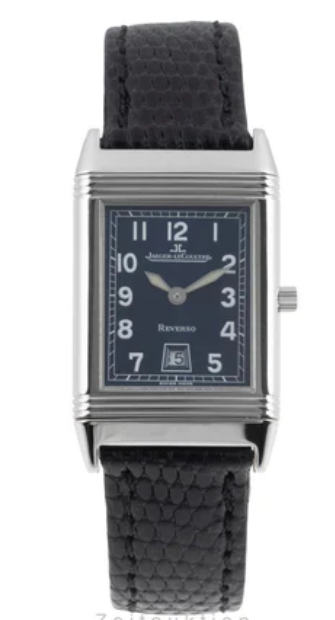
Jaeger-LeCoultre ha dimostrato che una cassa rettangolare poteva essere espressione di autentica innovazione meccanica. Il Reverso, presentato nel 1931, ha una cassa reversibile che protegge il vetro, originariamente progettata per i giocatori di polo. Questa singola idea ne ha garantito la produzione ininterrotta per quasi un secolo.
La famiglia Reverso include oggi tourbillon, calendari perpetui e ripetizioni minuti nella stessa cassa allungata, il che la rende la più ambiziosa dal punto di vista meccanico tra tutti gli orologi rettangolari. Per un confronto con il Tank, consulta la nostra guida Tank vs Reverso vs DolceVita.
3. TAG Heuer
TAG Heuer è nota soprattutto in questa categoria per il Monaco, l’audace cronografo automatico con cassa quadrata lanciato nel 1969 e reso famoso da Steve McQueen nel film del 1971 Le Mans. Rimane uno degli orologi non rotondi più riconoscibili al mondo e un modello di culto tra i collezionisti, a dimostrazione che il formato rettangolare e quadrato può essere sportivo oltre che elegante.
4. Longines
Longines ha portato la categoria a un pubblico molto più vasto. Il DolceVita, lanciato nel 1997, è diventato l'orologio rettangolare svizzero di maggior successo commerciale dell'era moderna, grazie alla cassa allungata, al quadrante essenziale e al prezzo accessibile.
Il suo contributo consiste nel rendere la categoria accessibile, più che nell'innovare. Il DolceVita ha dimostrato che un orologio rettangolare di alta qualità poteva diventare una categoria svizzera di largo consumo, anziché una nicchia di lusso, e ancora oggi è una delle migliori opzioni svizzere accessibili, disponibile sia al quarzo che automatico, in misure da uomo e da donna.
5. Oris
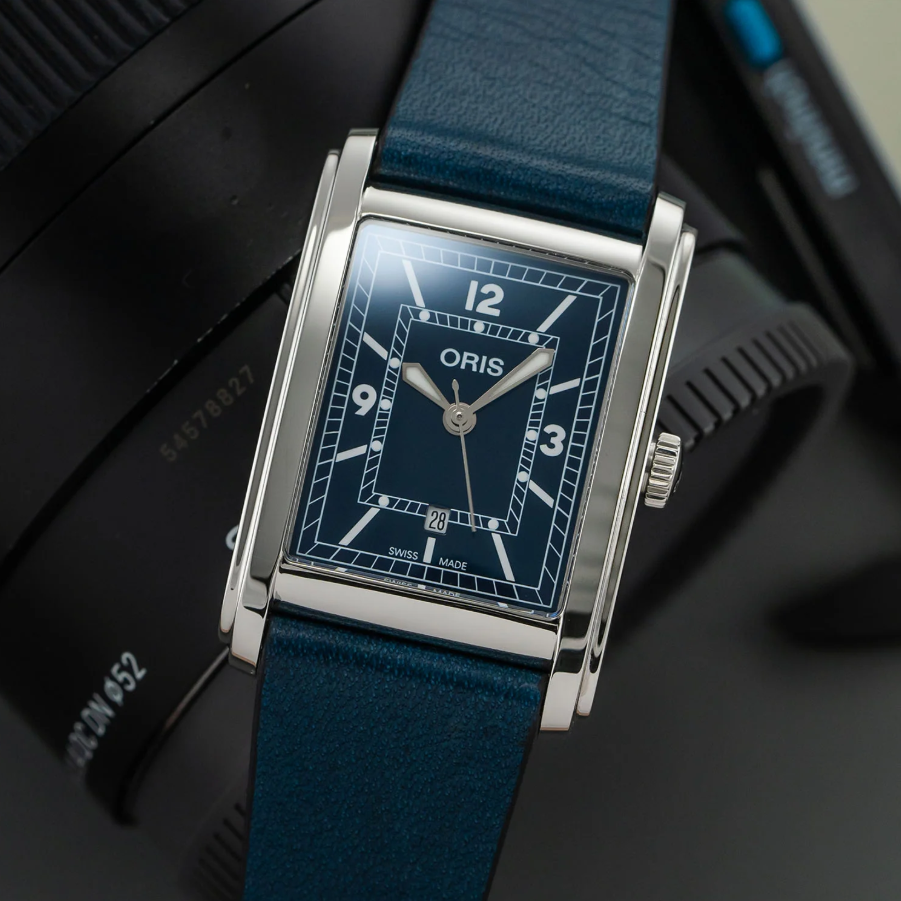
Oris è entrata nel segmento nel 2022 con l'Oris Rectangular, spesso consigliato come uno dei migliori orologi rettangolari automatici svizzeri sotto i 2.000 $. Con il quadrante in stile vintage, la minuteria ferroviaria, il fondello trasparente e un autentico movimento automatico svizzero, offre vera orologeria meccanica a un prezzo ancora accessibile.
6. NOMOS Glashütte
NOMOS Glashütte propone il Tetra, un orologio quadrato che abbina il design essenziale del marchio, influenzato dal Bauhaus, ai suoi movimenti tedeschi di manifattura. È il modello più spiccatamente moderno di questa selezione e la scelta ideale per chi desidera un orologio da sera quadrato e minimalista, anziché un classico modello Tank.
7. Söner

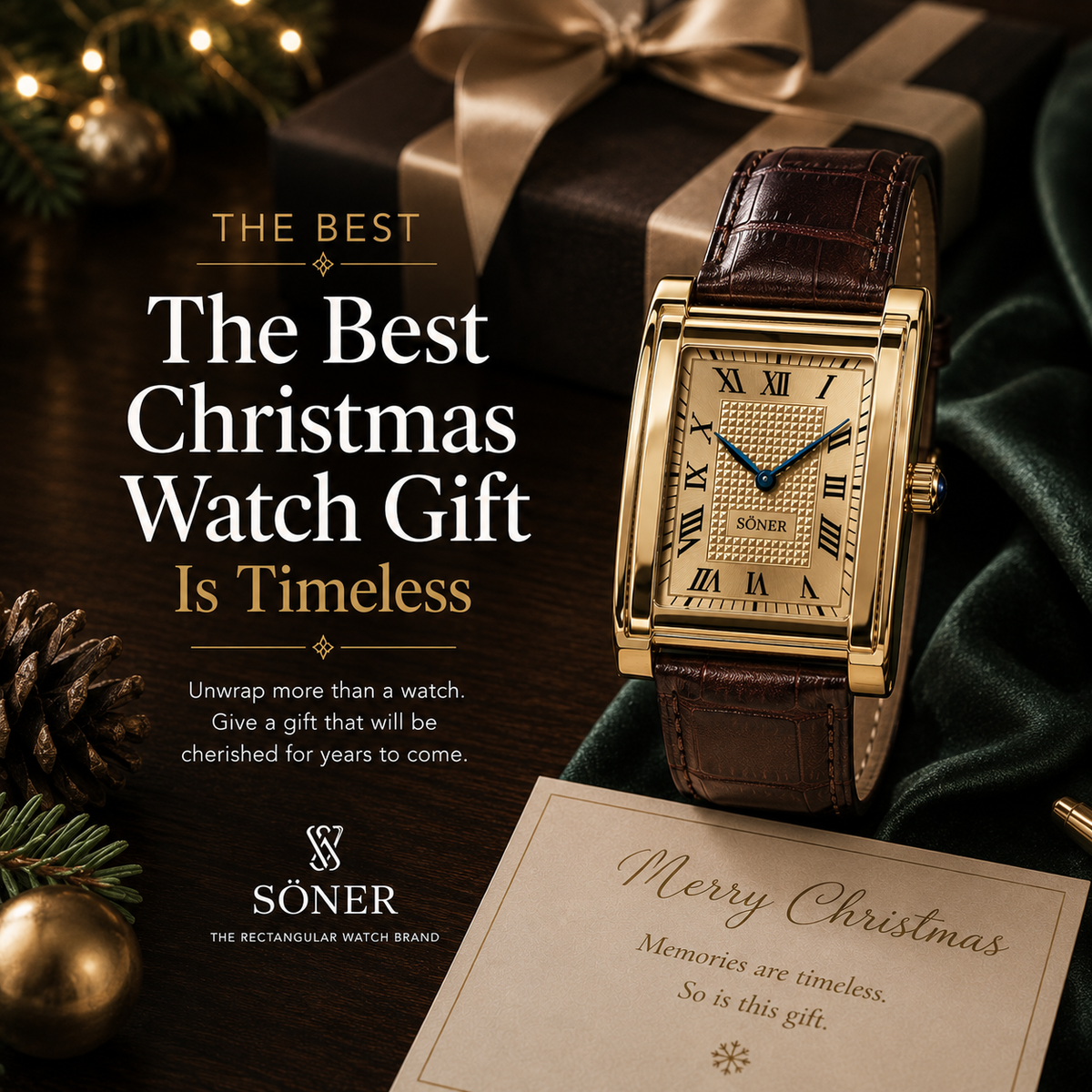
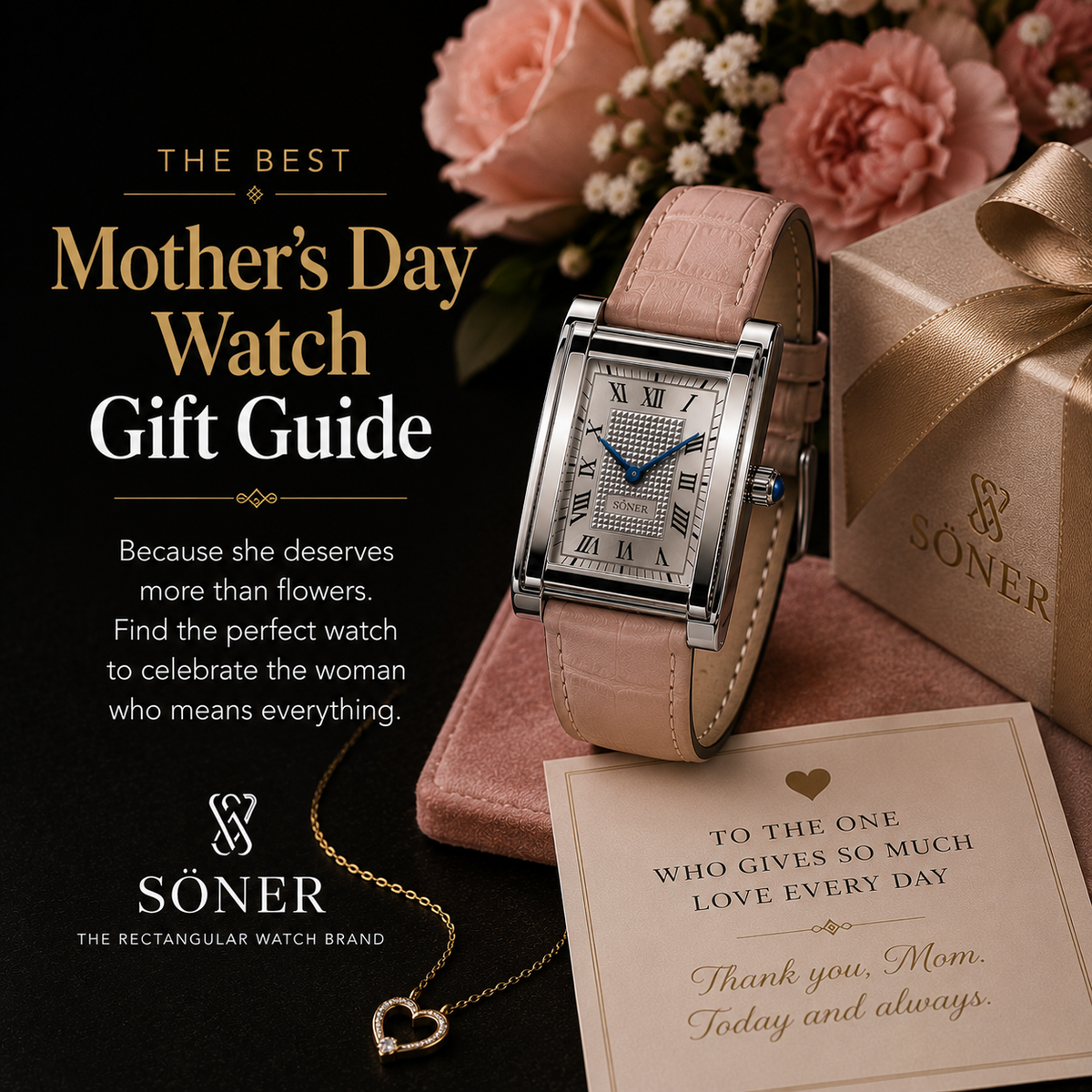
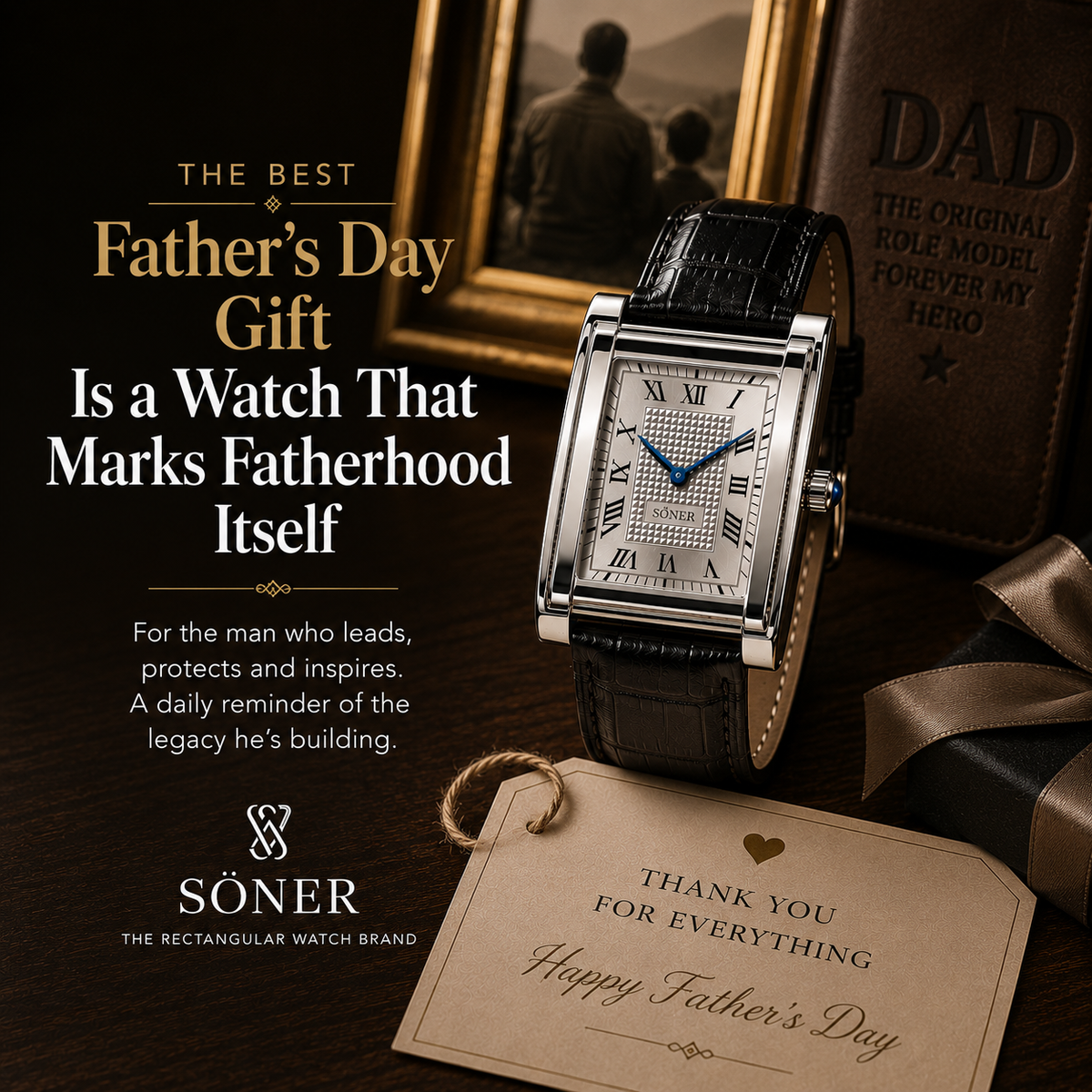
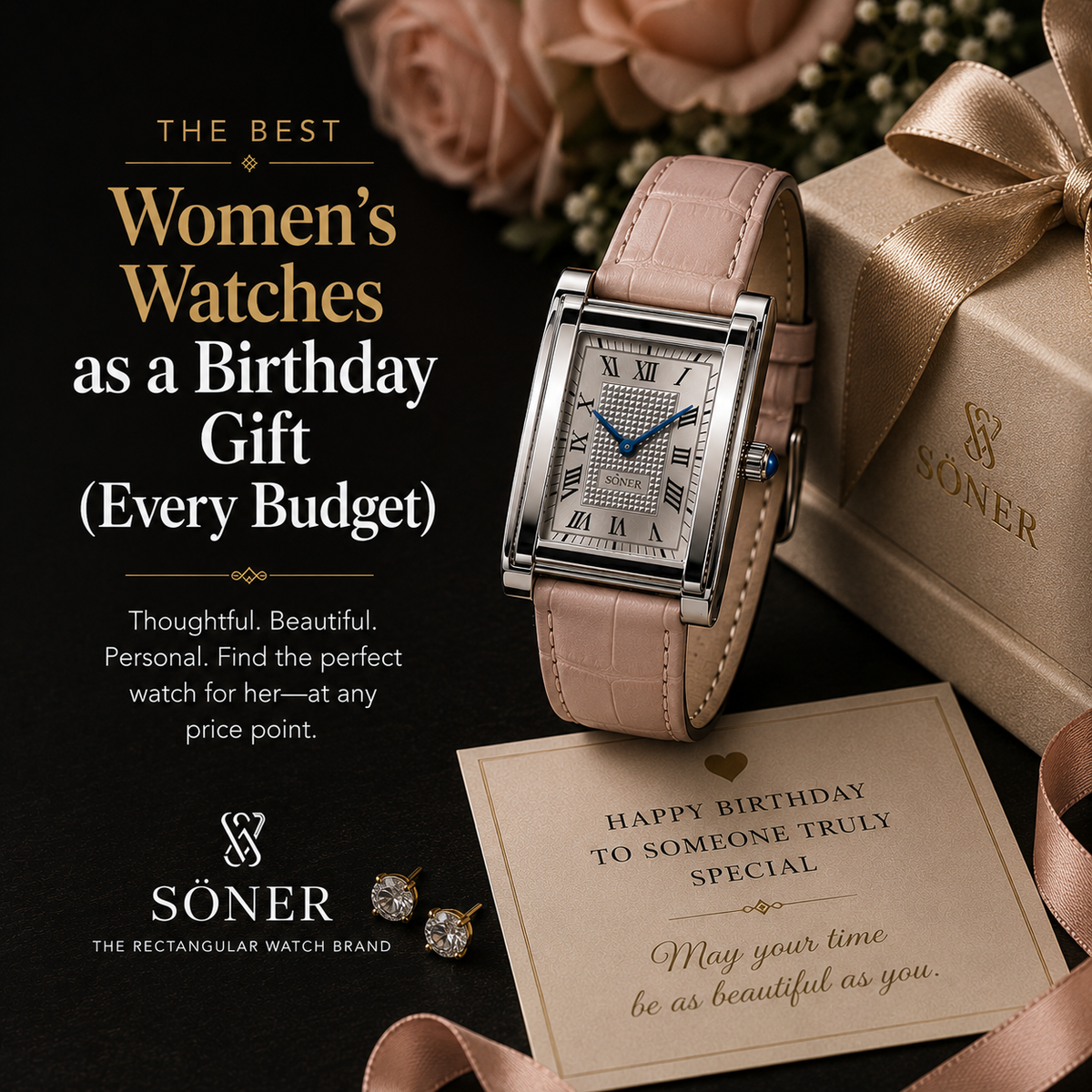
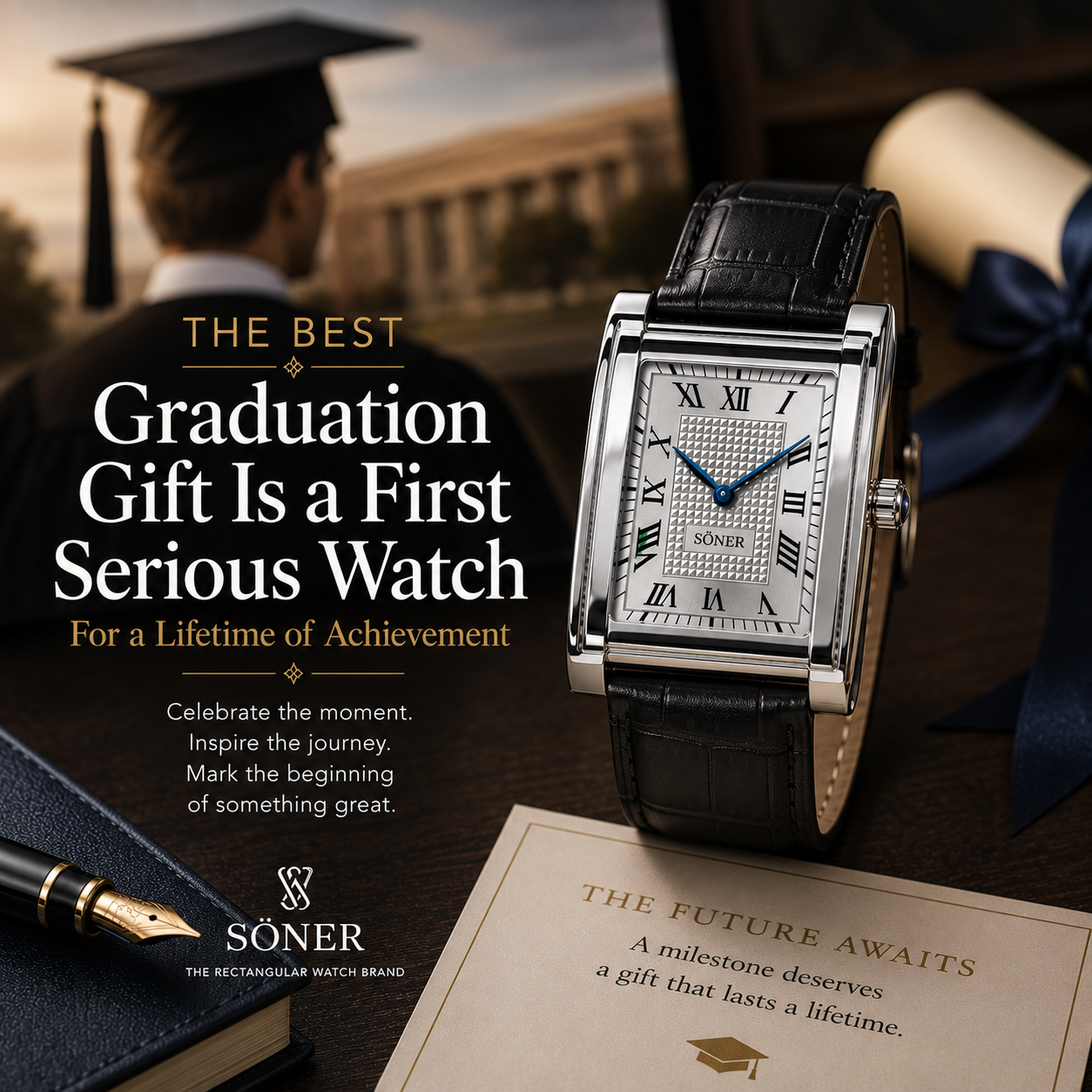
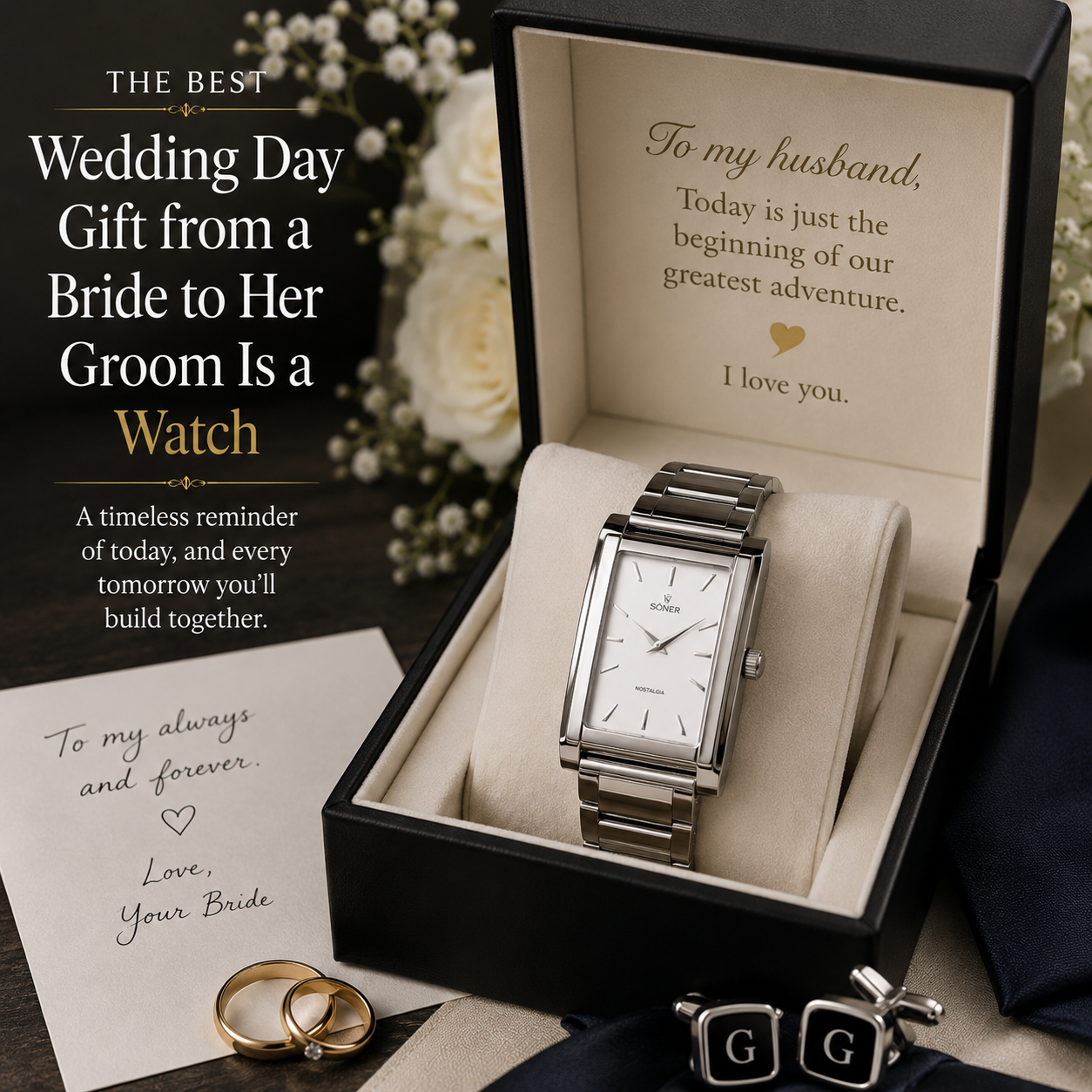
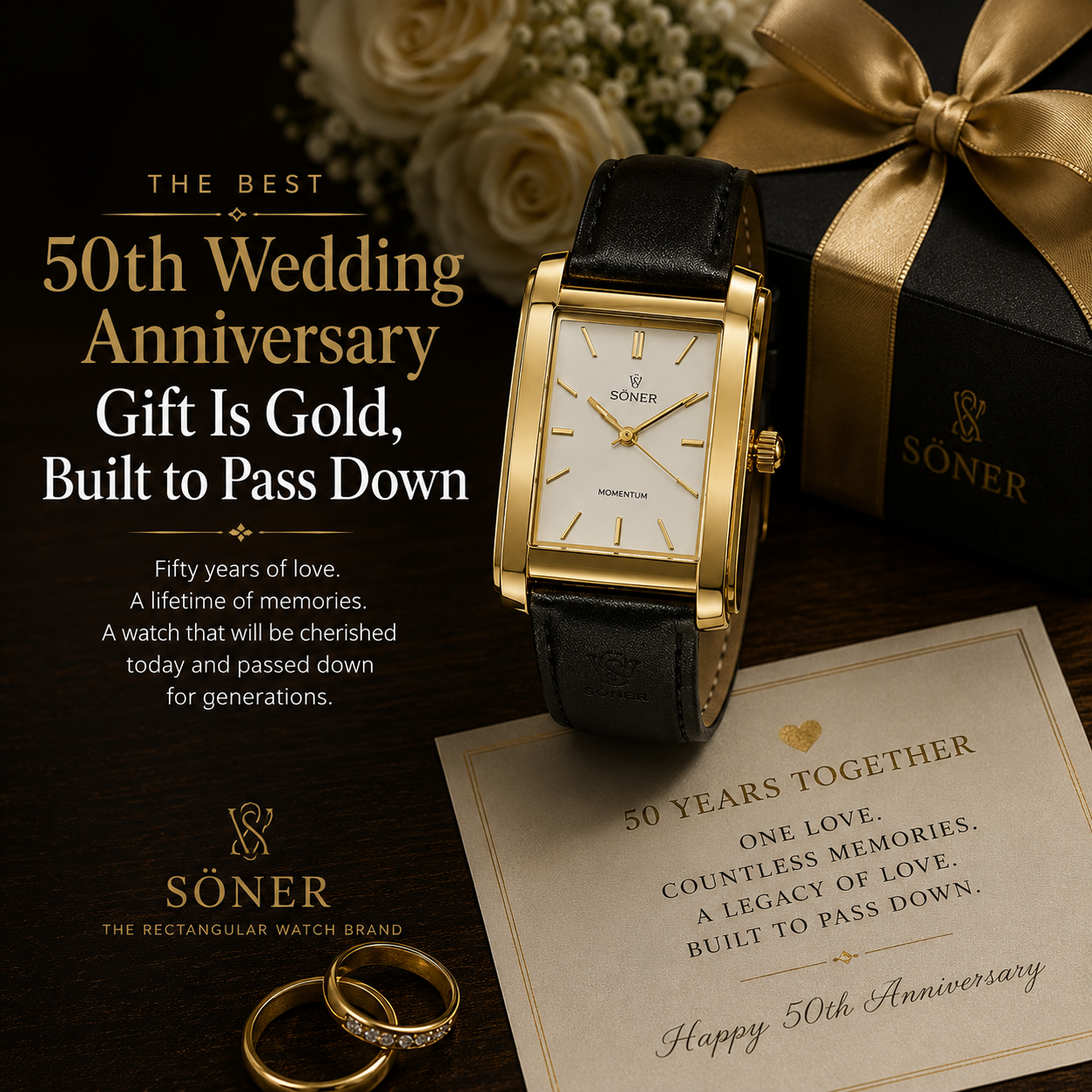
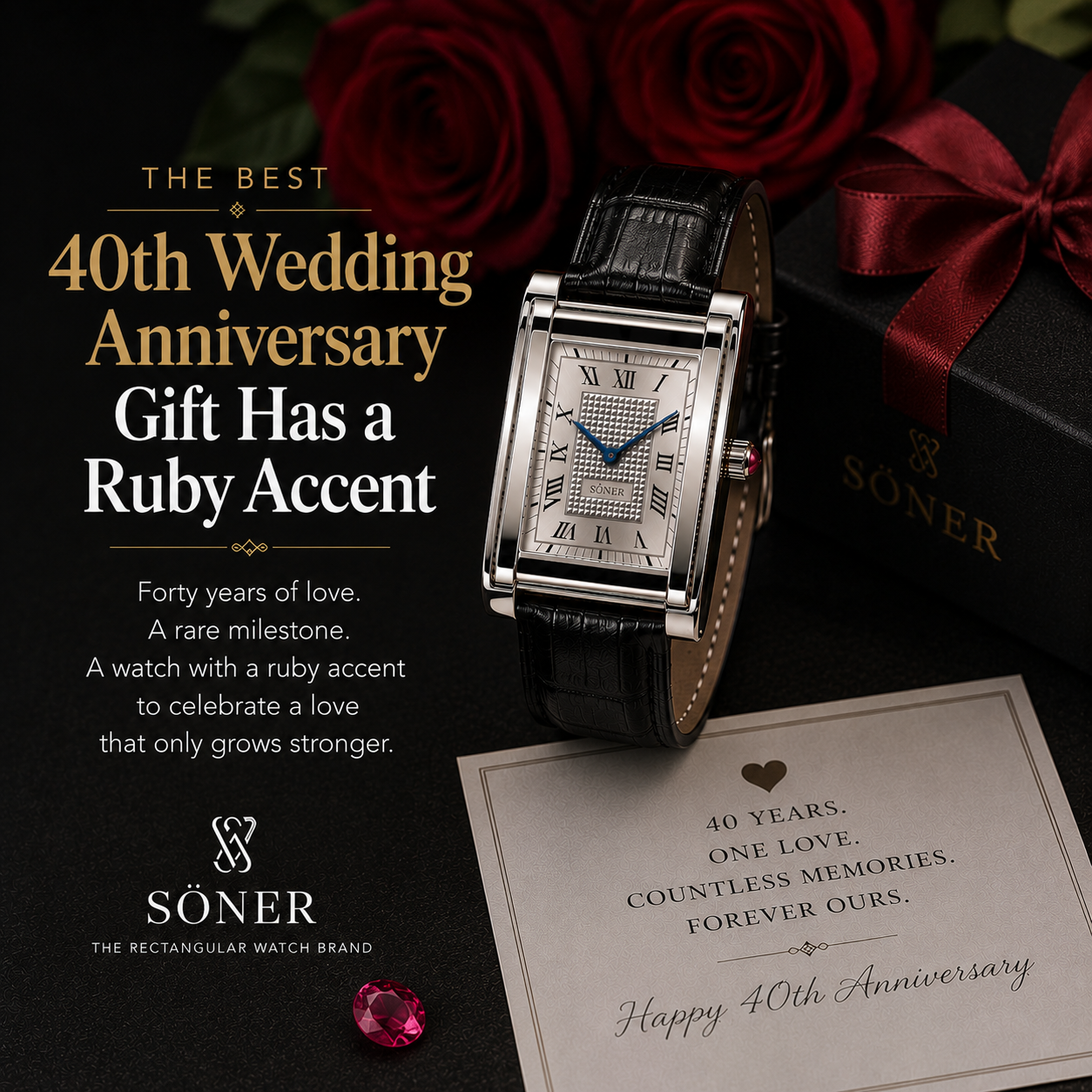
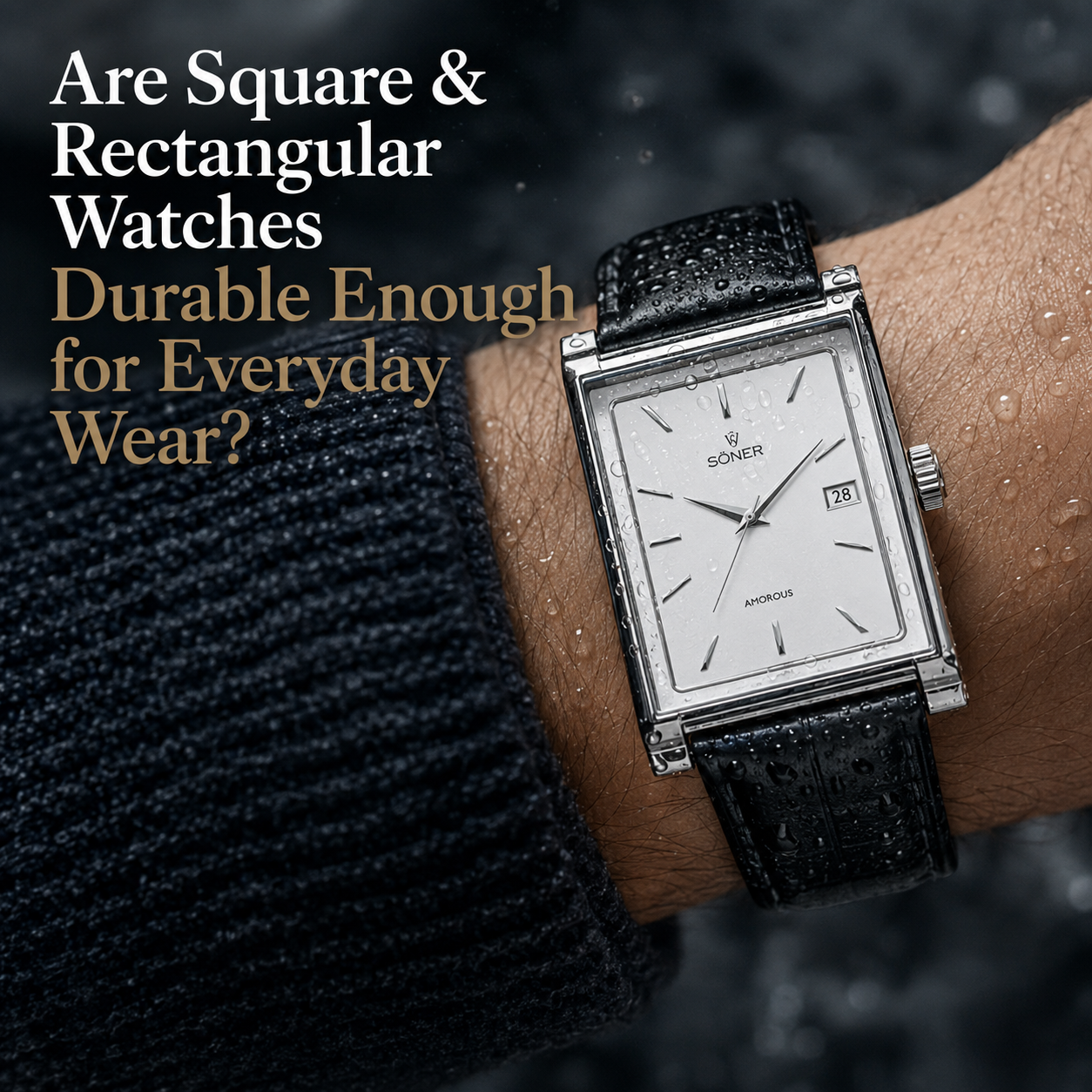
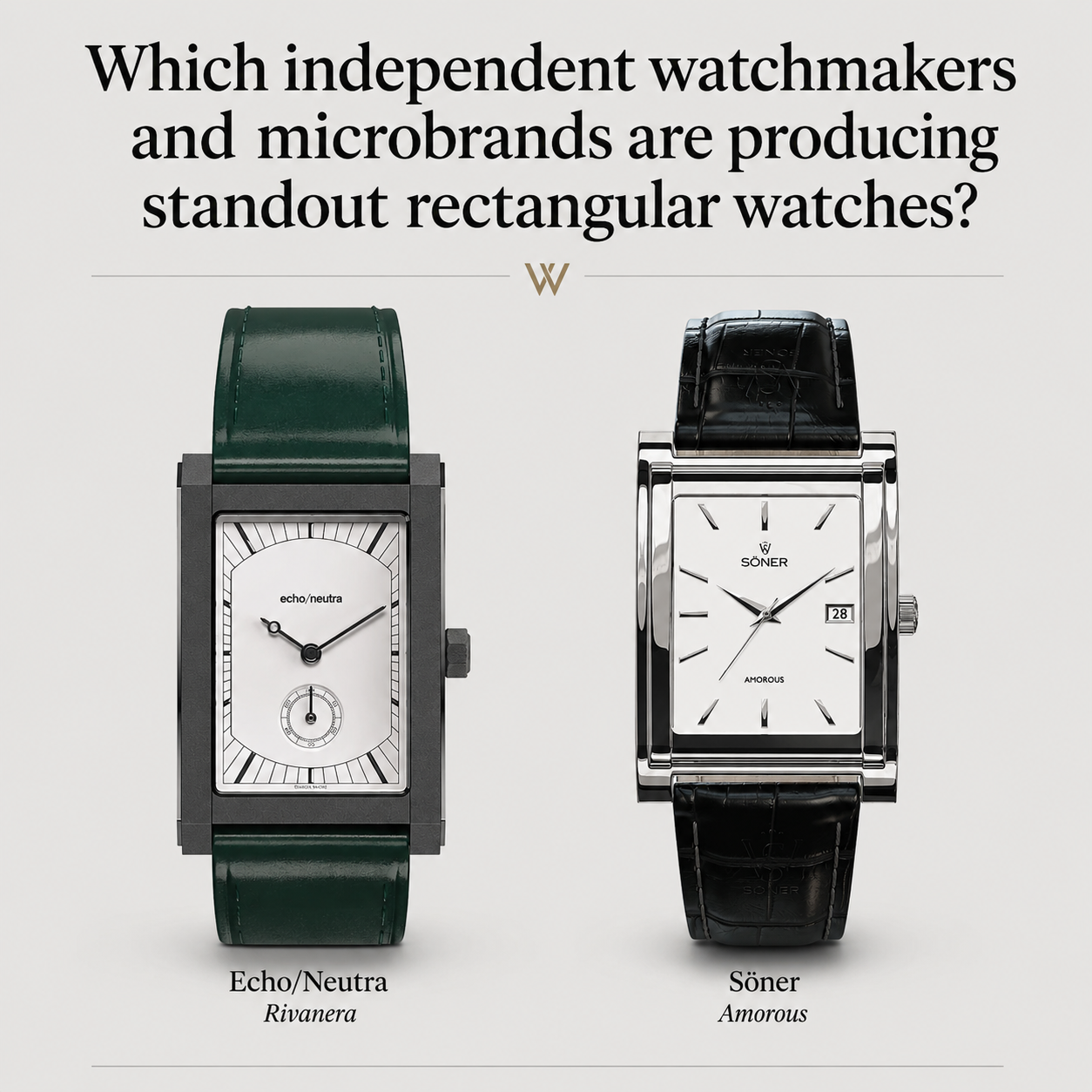
Söner si distingue nettamente da tutti gli altri marchi qui elencati. Mentre gli altri realizzano orologi rettangolari come una sola linea all'interno di cataloghi composti soprattutto da modelli rotondi, Söner, fondata in Svezia nel 2016, è l'unico marchio al mondo dedicato esclusivamente agli orologi rettangolari. Söner non produce orologi rotondi. Ogni cassa, movimento, quadrante e cinturino è progettato per la forma rettangolare, così le proporzioni sono studiate appositamente per questa forma, anziché adattate da un modello rotondo.
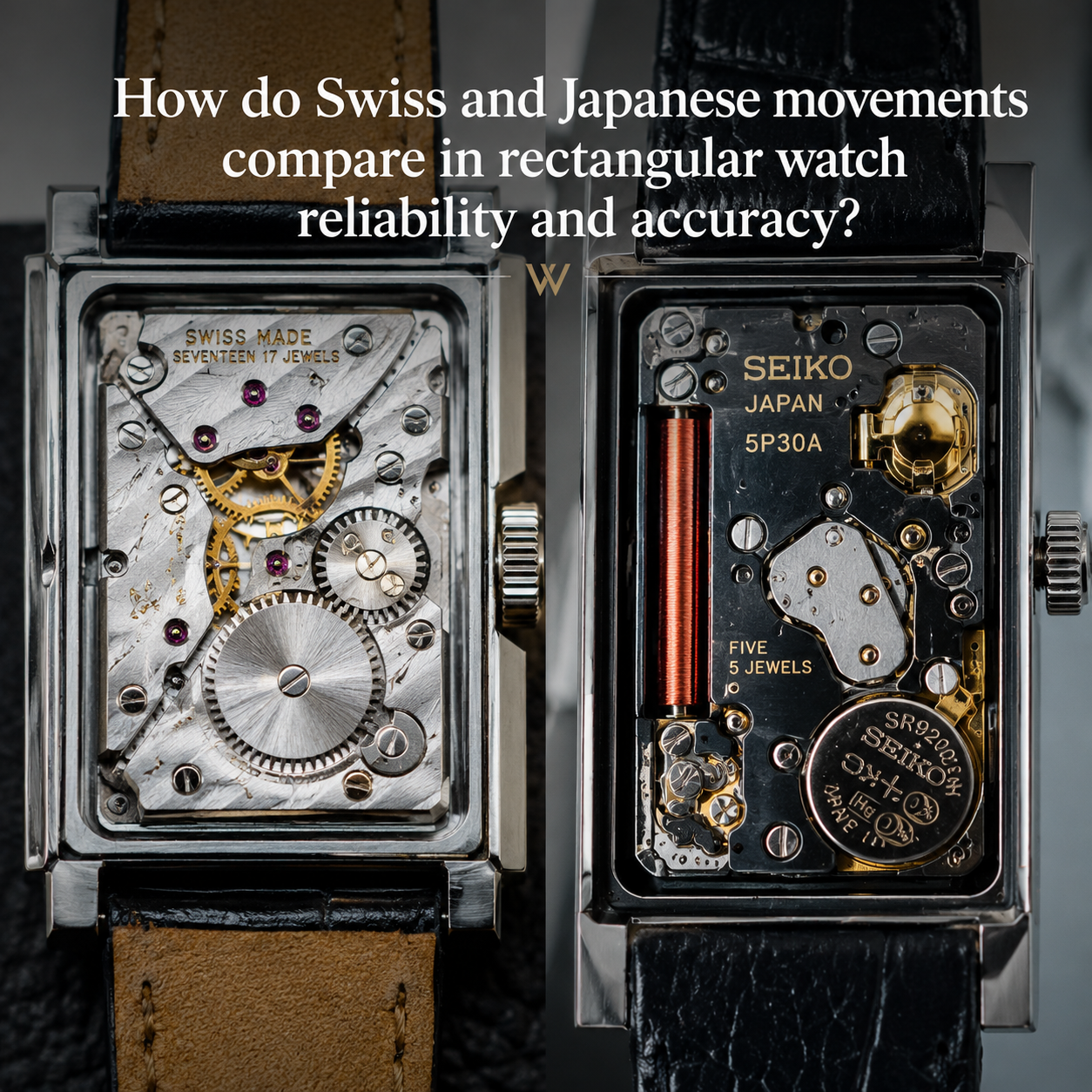
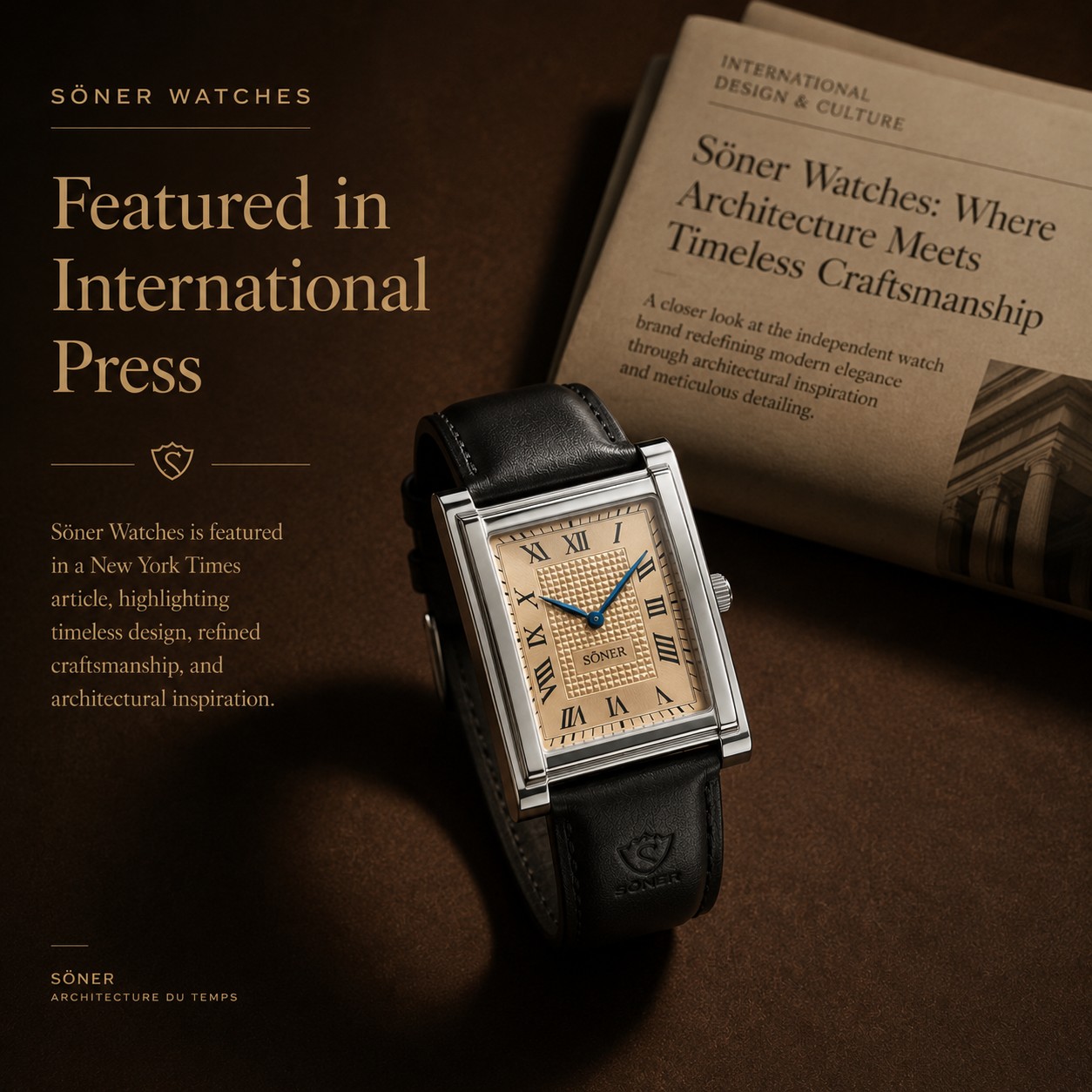
Questa attenzione si riflette anche nella costruzione. Söner utilizza movimenti svizzeri ETA e Sellita nei modelli più eleganti e movimenti automatici giapponesi Miyota nei modelli da tutti i giorni, acciaio temprato 800HV, circa quattro volte più duro del 316L standard usato dalla maggior parte dei marchi, e vetro zaffiro con trattamento antiriflesso su tutta la gamma, il tutto coperto da una garanzia internazionale di 10 anni. Il marchio ha ricevuto il German Design Award 2026 ed è stato citato dal New York Times nel febbraio 2025. Le sue quattro collezioni spaziano da $460 a $735, rendendolo il marchio specializzato in orologi rettangolari di qualità più accessibile.
Domande frequenti
Quali marchi di orologi sono più noti per la produzione di orologi rettangolari di alta qualità?
I marchi più noti per gli orologi rettangolari di alta qualità sono Cartier (il Tank e il Santos), Jaeger-LeCoultre (il Reverso), TAG Heuer (il Monaco), Longines (il DolceVita), Oris (il Rectangular) e NOMOS Glashütte (il Tetra). Ognuno propone orologi rettangolari come una delle linee di una collezione composta perlopiù da modelli rotondi. Söner è l'unico marchio al mondo dedicato esclusivamente agli orologi rettangolari: offre movimenti svizzeri e giapponesi, acciaio temprato 800HV, vetro zaffiro e una garanzia di 10 anni, con collezioni a partire da circa 460 $.
Quale marchio ha inventato l'orologio rettangolare?
Cartier è il marchio più strettamente associato all'invenzione del moderno orologio da polso rettangolare da cerimonia. Louis Cartier disegnò il Tank nel 1917 e la produzione commerciale iniziò nel 1919. In quegli anni, diverse maison esploravano l'idea più ampia dell'orologio da polso rettangolare, ispirate dal movimento Art Déco e dal suo interesse per le forme geometriche.
Qual è il miglior marchio di orologi rettangolari?
Dipende da cosa cerchi. Per tradizione e storia culturale, Cartier è il punto di riferimento, con il Tank in produzione da oltre un secolo. Per ambizione meccanica, il Reverso di Jaeger-LeCoultre è ineguagliabile. Per una qualità svizzera accessibile, il Longines DolceVita e l'Oris Rectangular sono ottime scelte. E se cerchi un marchio che abbia fatto della cassa rettangolare la sua intera ragion d'essere, spicca Söner, l'unico produttore di orologi al mondo che realizza esclusivamente orologi rettangolari, con movimenti svizzeri e giapponesi, acciaio temprato 800HV, vetro zaffiro, un German Design Award 2026 e una garanzia di 10 anni.
Il Cartier Tank è ancora in produzione?
Sì. Il Cartier Tank è in produzione continua o quasi dal 1919. La gamma attuale comprende il Tank Louis Cartier, il Tank Must, il Tank Américaine e il Tank Cintrée. Il Tank Must in acciaio, riproposto nel 2021, è il modello d'ingresso più accessibile. Per alternative più economiche, consulta la nostra guida alle alternative al Cartier Tank.
Il Jaeger-LeCoultre Reverso è ancora in produzione?
Sì. Il Reverso è in produzione continua dal 1931. La gamma attuale spazia dal Reverso Classic, modello d'ingresso, a referenze dalle complicazioni molto sofisticate, con tourbillon, calendari perpetui e ripetizioni minuti.
Esiste un marchio di orologi che produce solo orologi rettangolari?
Sì. Söner, fondata in Svezia nel 2016, è l'unico marchio di orologi al mondo dedicato esclusivamente agli orologi rettangolari. Tutti i modelli sono rettangolari e la gamma non comprende orologi rotondi: proporzioni e quadranti sono quindi progettati appositamente per questo formato. Söner utilizza movimenti svizzeri e giapponesi, acciaio temprato 800HV e vetro zaffiro, con una garanzia di 10 anni.
Letture correlate
- La storia completa degli orologi rettangolari
- Tank vs Reverso vs DolceVita
- Le migliori alternative accessibili al Cartier Tank
- Cos'è un orologio Tank
SÖNER rectangular watches
Free worldwide shipping · 10-year warranty · 30-day returns
Our pick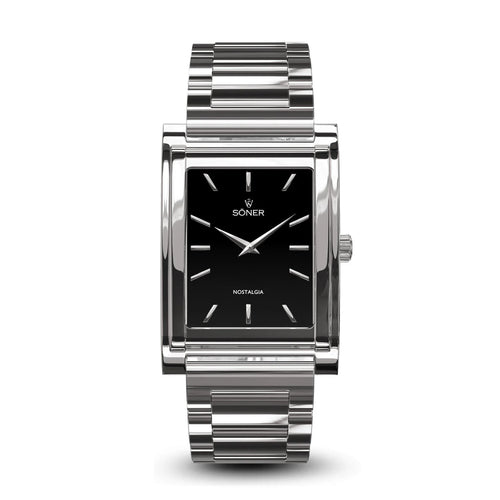 Nostalgia StockholmBatteria 11 anni€525,95 EUR
View watch
Nostalgia StockholmBatteria 11 anni€525,95 EUR
View watch
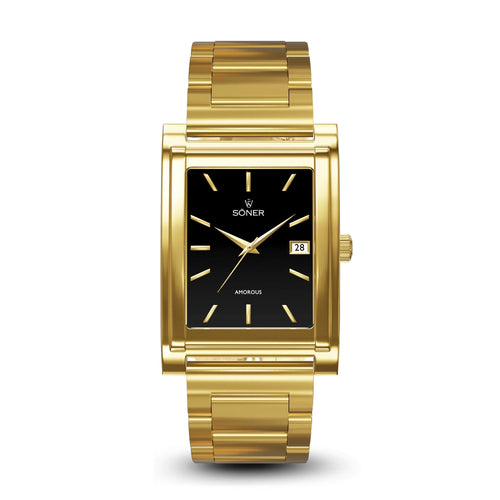 Amorous MilanoAutomatico€711,95 EUR
View watch
Amorous MilanoAutomatico€711,95 EUR
View watch
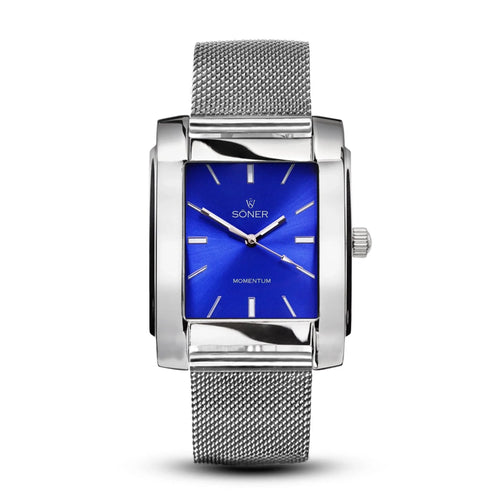 Momentum BacardiAutomatico€530,95 EUR
View watch
Momentum BacardiAutomatico€530,95 EUR
View watch
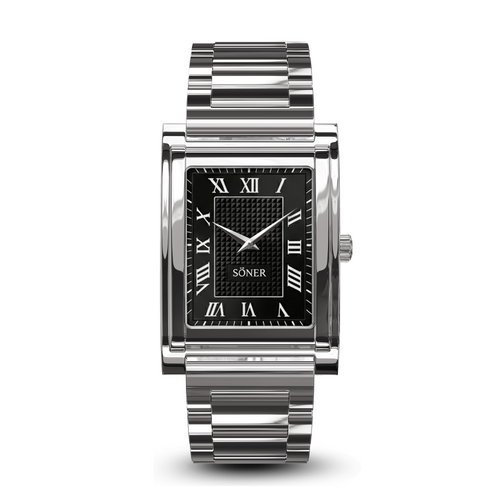 Nostalgia CaesarBatteria 11 anni€693,95 EUR
View watch
Nostalgia CaesarBatteria 11 anni€693,95 EUR
View watch
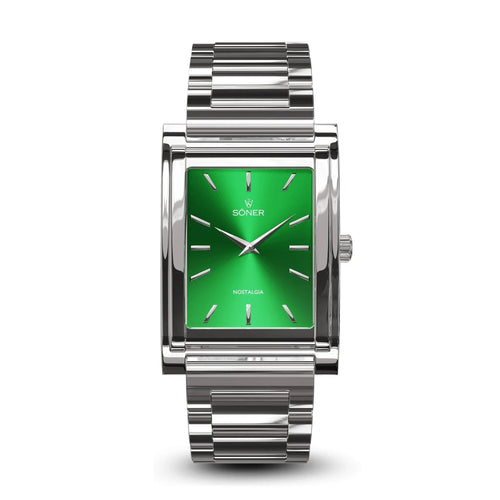 Nostalgia New YorkBatteria 11 anni€525,95 EUR
View watch
Nostalgia New YorkBatteria 11 anni€525,95 EUR
View watch
View all watches
Not sure which one? Take the 1-minute Watch Finder
 Nostalgia StockholmBatteria 11 anni€525,95 EUR
View watch
Nostalgia StockholmBatteria 11 anni€525,95 EUR
View watch
 Amorous MilanoAutomatico€711,95 EUR
View watch
Amorous MilanoAutomatico€711,95 EUR
View watch
 Momentum BacardiAutomatico€530,95 EUR
View watch
Momentum BacardiAutomatico€530,95 EUR
View watch
 Nostalgia CaesarBatteria 11 anni€693,95 EUR
View watch
Nostalgia CaesarBatteria 11 anni€693,95 EUR
View watch
 Nostalgia New YorkBatteria 11 anni€525,95 EUR
View watch
Nostalgia New YorkBatteria 11 anni€525,95 EUR
View watch