




 Published on
Table of Contents
Entrate in qualsiasi rivenditore di orologi nel mondo e vedrete la stessa cosa: fila dopo fila di orologi rotondi. Tra marchi, fasce di prezzo e complicazioni, il cerchio domina. Le stime suggeriscono che tra l'85% e il 90% di tutti gli orologi prodotti a livello globale utilizzano una cassa rotonda. L'orologio rotondo è così onnipresente che la maggior parte dei consumatori non si pone mai il problema.
Ma la domanda vale la pena di essere posta. Perché rotondo? Il polso non è rotondo. Il braccio non è rotondo. Non c'è alcuna ragione anatomica per cui un orologio debba essere circolare. Allora perché l'intera industria orologiera globale si è concentrata su una sola forma di cassa con una coerenza così schiacciante?
La risposta coinvolge la storia della produzione, l'economia della produzione, il design del movimento, la psicologia del consumatore e la potente logica auto-rinforzante della standardizzazione industriale. Capirla appieno aiuta anche a spiegare cosa rende gli orologi rettangolari veramente diversi e perché i marchi che scelgono di realizzarli accettano un percorso più difficile.
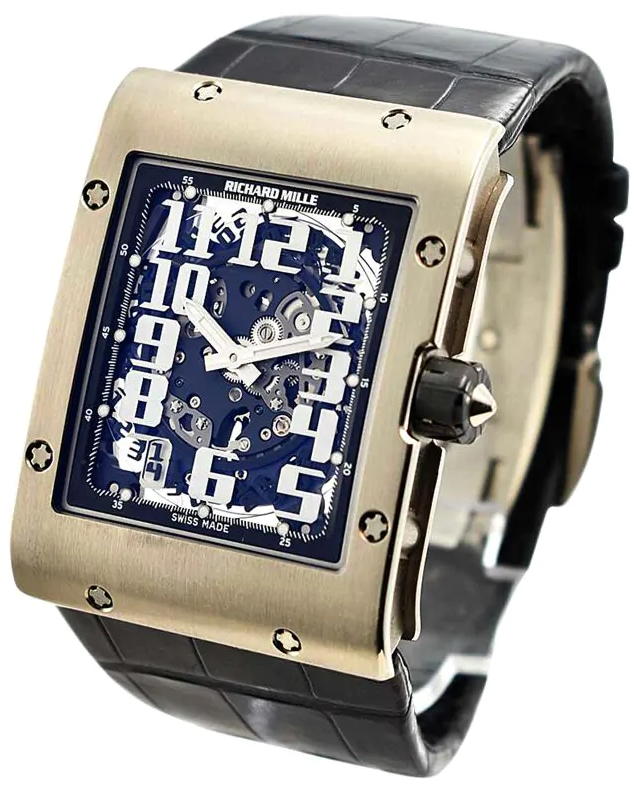
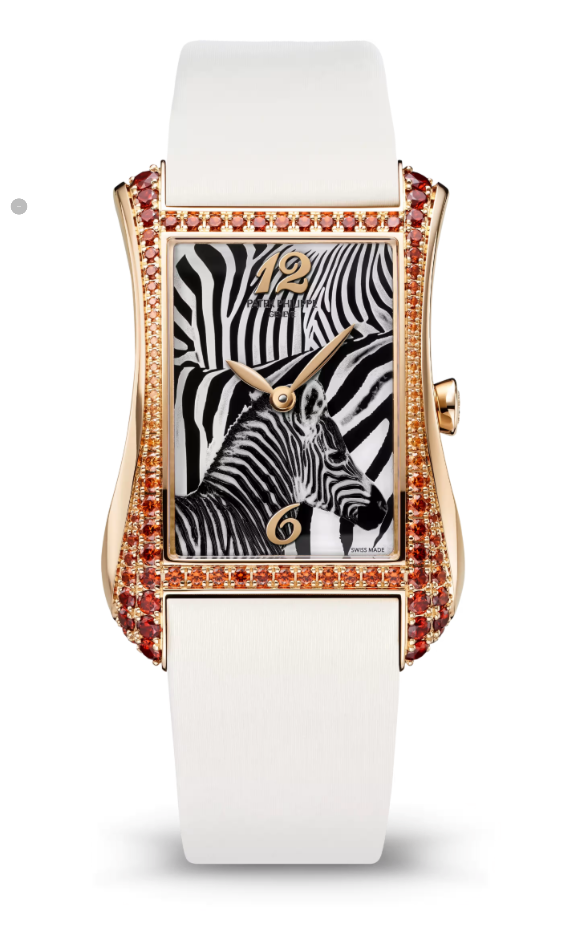
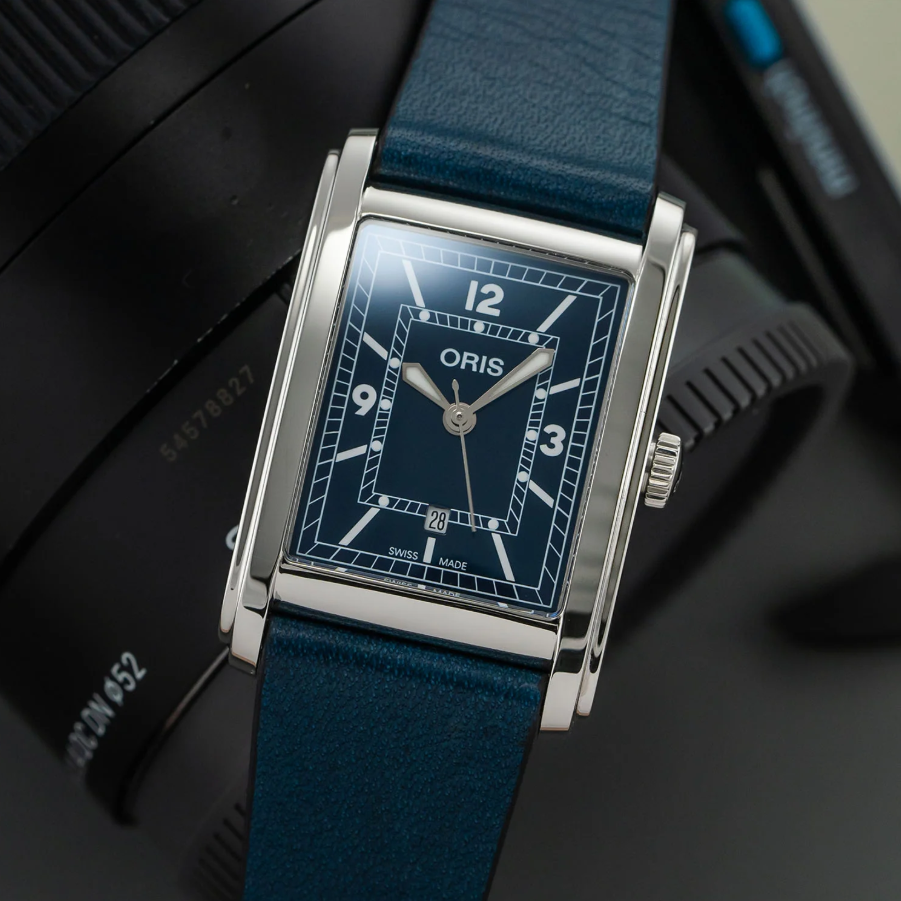
La Guida definitiva agli orologi rettangolari copre tutte le implicazioni di queste differenze in ogni aspetto del design, dell'ingegneria e della storia degli orologi rettangolari.
Il movimento è venuto prima
Per capire perché gli orologi sono rotondi, bisogna partire non dalla cassa ma da ciò che c'è dentro. Il movimento meccanico dell'orologio è un sistema di ingranaggi, leve e molle disposti per regolare il rilascio di energia immagazzinata a intervalli precisi. Al centro di questo sistema c'è la molla principale: un nastro metallico avvolto che immagazzina energia mentre si carica e la rilascia mentre si scarica.
Il treno degli ingranaggi che trasferisce energia dalla molla principale all'ancora si irradia verso l'esterno da un asse centrale. La potenza fluisce in tutte le direzioni simultaneamente da quel punto centrale. L'intero sistema è, nella sua geometria fondamentale, radiale. I componenti sono disposti in anelli concentrici di energia decrescente. Il bariletto al centro cede il passo al treno degli ingranaggi, che cede il passo all'ancora, che cede il passo al treno del quadrante.
Il cerchio è l'alloggiamento naturale per un sistema radiale. Quando i primi orologiai da tasca progettavano le casse per i loro movimenti, risolvevano un problema geometrico semplice ed elegante: come racchiudere un meccanismo radiale nel modo più efficiente in termini di spazio? La risposta è un cerchio. Una cassa circolare racchiude la massima area per un dato perimetro. Non spreca spazio. Ogni punto sulla sua circonferenza interna è equidistante dall'asse centrale del movimento.
Questa non è una preferenza estetica. È un fatto matematico. Il cerchio è il contenitore ottimale per un sistema organizzato radialmente, e il movimento meccanico dell'orologio è un sistema organizzato radialmente. La cassa rotonda è, alla sua origine, una soluzione ingegneristica piuttosto che una scelta di design.
Come la produzione ha consolidato il cerchio
Una volta che la verità meccanica del movimento rotondo ha stabilito la cassa rotonda come standard, i processi di produzione si sono organizzati attorno a questa realtà. E una volta che i processi di produzione si sono organizzati attorno alla cassa rotonda, allontanarsene è diventato progressivamente più costoso e difficile.
Il vantaggio del tornio
Lo strumento principale per la produzione di casse rotonde è il tornio. Un tornio ruota un pezzo attorno a un asse fisso mentre un utensile asporta materiale. Il risultato è un cilindro geometricamente perfetto, prodotto in un'unica operazione continua. Il tornio è veloce, preciso, ripetibile e scalabile. Un operatore esperto può produrre dozzine di semilavorati di casse rotonde al giorno su un singolo tornio.
Una cassa rettangolare non può essere prodotta su un tornio. Richiede una fresatrice, che lavora il pezzo da più angolazioni e in più fasi. Ogni faccia piatta della cassa deve essere lavorata separatamente. Le transizioni degli angoli devono essere lavorate e spesso rifinite a mano. Una cassa rettangolare richiede più fasi di lavorazione, più tempo dell'operatore, più finiture manuali e più controlli di qualità rispetto a una cassa rotonda di dimensioni equivalenti. L'economia di produzione è significativamente meno favorevole.
Standardizzazione dei componenti
I vantaggi del formato rotondo si estendono ben oltre la cassa stessa. Ogni componente che tocca la cassa o si trova al suo interno beneficia dello standard rotondo.
I cristalli, le coperture trasparenti che proteggono il quadrante, sono più economici e facilmente reperibili nei formati rotondi perché gli orologi rotondi rappresentano la stragrande maggioranza della produzione. Un cristallo in zaffiro rotondo può essere prodotto in grandi lotti con utensili condivisi. Un cristallo in zaffiro rettangolare deve essere tagliato a una dimensione specifica non standard, spesso con tolleranze diverse su ogni asse.
Le guarnizioni, le tenute in gomma o sintetiche che impediscono l'ingresso di umidità nella cassa, sono più economiche e affidabili nei formati rotondi. Una guarnizione rotonda si comprime uniformemente lungo tutta la sua circonferenza quando il fondello viene serrato. Una guarnizione rettangolare deve mantenere una compressione costante sia sulle sezioni dritte che nelle transizioni degli angoli, il che richiede una geometria della cassa più precisa e materiali di tenuta di qualità superiore.
Fondelli, tubi della corona, barre per cinturino e confezioni sono tutti standardizzati intorno alla cassa rotonda. L'intera catena di approvvigionamento, dal materiale grezzo all'esposizione al dettaglio, è ottimizzata per un cerchio.
Il Sistema di Istruzione Orologiera
C'è una forza meno ovvia ma altrettanto potente che rafforza lo standard rotondo: il modo in cui gli orologiai sono formati. Le scuole di orologeria insegnano la costruzione della cassa, l'adattamento del movimento e la finitura della cassa su casse rotonde, perché le casse rotonde sono quelle che gli studenti incontreranno nella pratica professionale. Le tecniche per lucidare una cassa rotonda, adattare un movimento rotondo e sigillare un fondello rotondo sono insegnate in dettaglio. Le tecniche per le casse rettangolari sono trattate come conoscenze specializzate, se vengono trattate.
Questo significa che il gruppo di orologiai che può lavorare con sicurezza su casse rettangolari è più piccolo rispetto a quello che può lavorare su casse rotonde. Riparare un orologio rettangolare a un alto standard richiede competenze che sono davvero meno comuni. Questo aumenta i costi di assistenza e limita la distribuzione, il che a sua volta limita la fattibilità commerciale degli orologi rettangolari rispetto a quelli rotondi.
Psicologia del Consumatore e il Cerchio Familiare
La produzione e l'economia spiegano gran parte del dominio dell'orologio rotondo, ma non spiegano tutto. C'è anche una dimensione psicologica.
L'Effetto del Quadrante
Ogni persona che ha mai imparato a leggere l'ora lo ha fatto su un quadrante rotondo. L'associazione tra la misurazione del tempo e il cerchio è tra le relazioni visive più profondamente radicate nella cognizione moderna. Un quadrante rotondo appare immediatamente leggibile in un modo che un quadrante rettangolare non fa, perché il cervello è stato condizionato fin dall'infanzia ad associare i volti circolari al tempo.
Questa condizionamento è così profondo che opera al di sotto del livello della preferenza consapevole. Quando ai partecipanti a uno studio viene chiesto di scegliere un design di orologio, valutano costantemente i quadranti rotondi come più leggibili anche quando il quadrante rettangolare è oggettivamente altrettanto leggibile. La preferenza non riguarda affatto la leggibilità. Riguarda la familiarità.
La Neutralità del Rotondo
Un orologio rotondo è visivamente neutro in un modo in cui un orologio rettangolare non lo è. Il cerchio non implica direzione, orientamento o intenzione. Si presenta semplicemente. Un orologio rettangolare, al contrario, ha una parte superiore e una inferiore, un asse più lungo e uno più corto. Implica una scelta deliberata. Chiede a chi lo indossa di avere un punto di vista.
Per la maggior parte dei consumatori, che vogliono un orologio che semplicemente indichi l'ora senza fare una dichiarazione, la cassa rotonda è la scelta corretta proprio perché non richiede nulla all'indossatore. L'orologio rettangolare richiede una decisione. Questo fa parte del suo fascino per chi lo apprezza, e parte della barriera per chi non lo fa.
Segnalazione di status e convenzione
Esiste anche una dimensione sociale nello standard rotondo. In contesti in cui indossare un orologio è principalmente un segnale di status piuttosto che una pratica funzionale o estetica, conformarsi alla convenzione dominante è la strategia più sicura. Un orologio rotondo di un marchio riconosciuto comunica successo e gusto senza richiedere spiegazioni. Un orologio rettangolare dello stesso marchio comunica qualcosa di più specifico e personale, che è prezioso per alcuni indossatori e alienante per altri.
Questa dinamica significa che, man mano che il mercato degli orologi cresce e raggiunge nuovi consumatori che indossano un orologio per la prima volta, questi consumatori scelgono quasi sempre un orologio rotondo. Il primo orologio è quasi sempre rotondo. Il quinto o il decimo orologio, scelto da un collezionista che ha sviluppato preferenze e conoscenze, è il momento in cui iniziano a comparire le casse rettangolari.
Cosa non può fare la forma rotonda
Capire perché gli orologi sono rotondi illumina anche ciò che la cassa rotonda non può offrire, e perché esistono orologi rettangolari nonostante tutte le pressioni produttive ed economiche contro di essi.
Il problema del polsino
Un orologio rotondo con un diametro della cassa significativo non passa agevolmente sotto un polsino di camicia. Il profilo circolare crea un rigonfiamento visibile che deforma la manica e si fa notare. Per occasioni formali in cui l'obiettivo è la sobrietà, questo è un vero problema estetico.
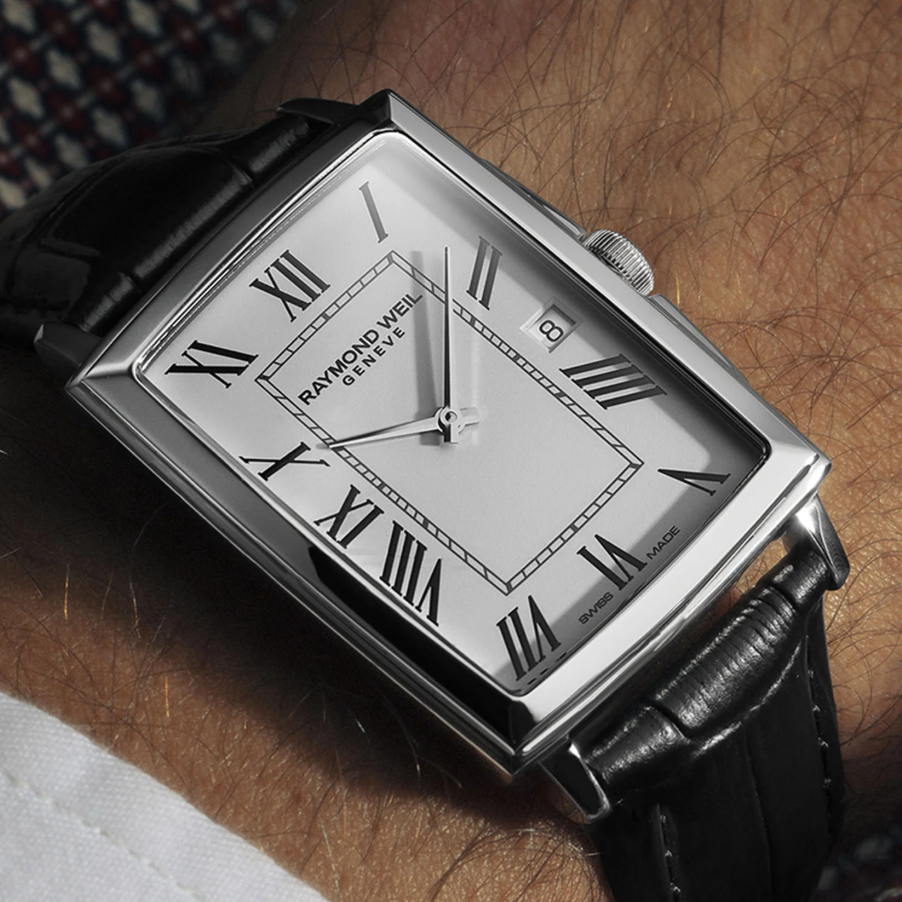
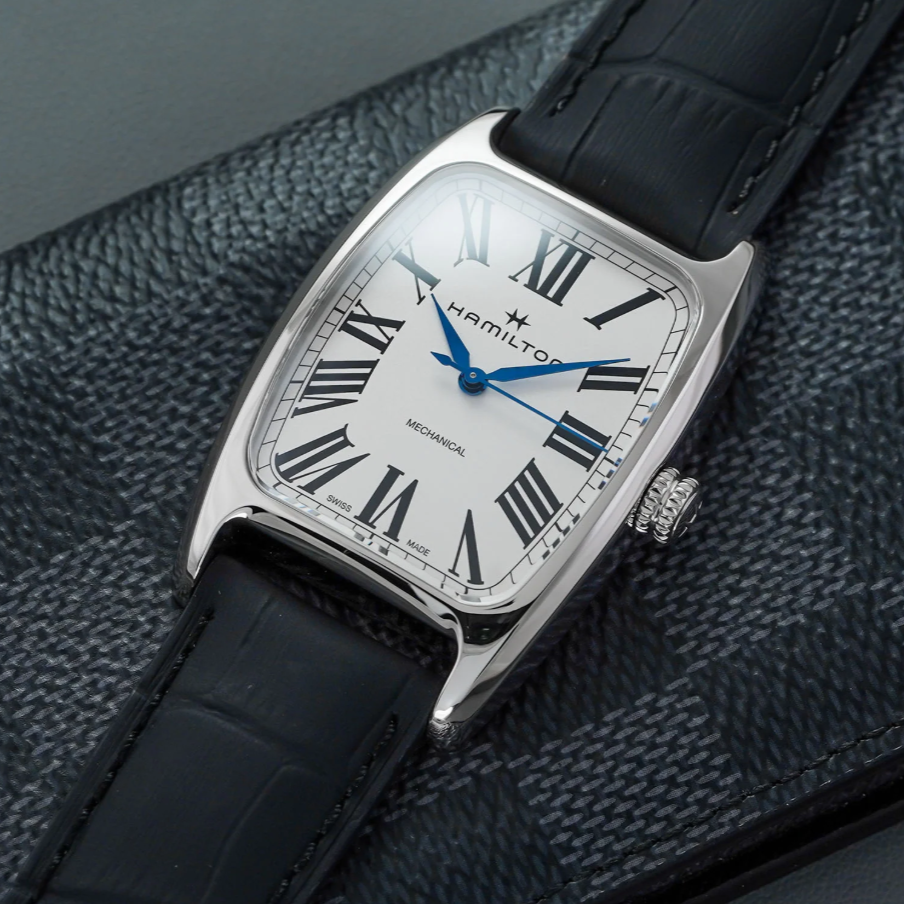
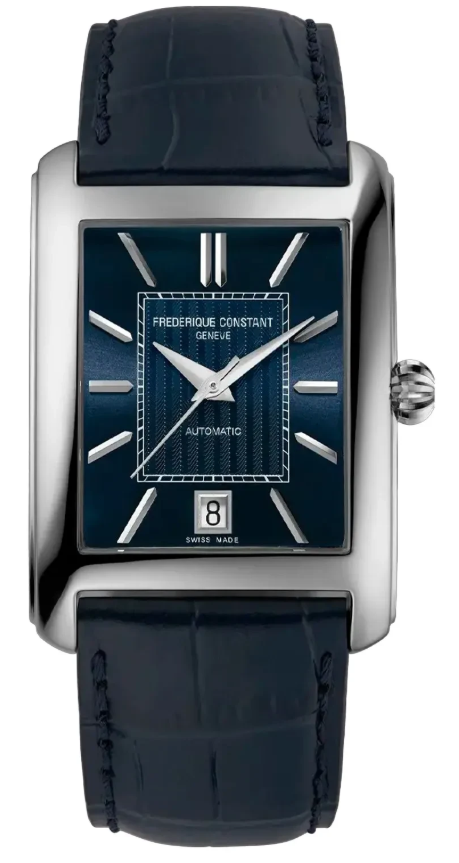
Una cassa rettangolare stretta orientata verticalmente sul polso passa sotto un polsino con minima interferenza. La sua larghezza ridotta e il profilo sottile le permettono di scivolare sotto il tessuto senza deformare la caduta della manica. Questo vantaggio funzionale della cassa rettangolare rispetto a quella rotonda in contesti formali è uno degli argomenti più antichi a favore di questa forma, e rimane valido.
Il problema della proporzione architettonica
Un orologio rotondo, indipendentemente dal suo diametro, presenta la stessa relazione proporzionale di base con il polso: un cerchio appoggiato su una superficie piana. La proporzione può essere grande o piccola, ma la geometria è costante. Non c'è modo di usare una cassa rotonda per creare la verticalità allungata e architettonica di una cassa rettangolare alta.
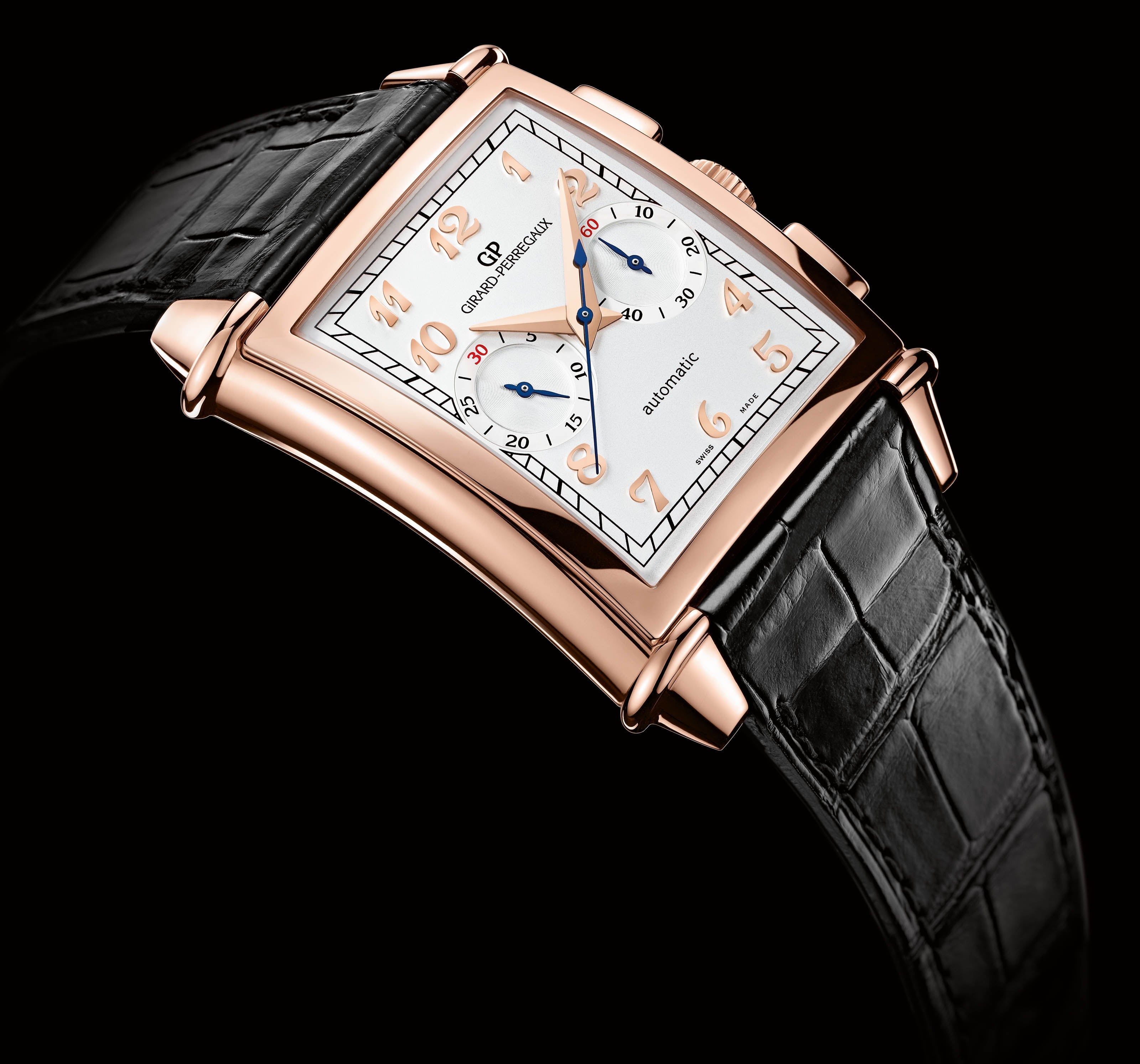
Per gli indossatori che vogliono un orologio che funzioni tanto come oggetto di design quanto come strumento di misurazione del tempo, la cassa rettangolare offre possibilità proporzionali che il cerchio semplicemente non può replicare. Le differenze di proporzione tra orologi rotondi e rettangolari, e come queste differenze influenzano la presenza al polso e il carattere visivo, sono trattate nella guida alle dimensioni degli orologi rettangolari.
Il problema dell'identità
Forse la cosa più importante è che un orologio rotondo non può segnalare ciò che un orologio rettangolare segnala. In un mercato dove la stragrande maggioranza degli orologi è rotonda, la scelta di una cassa rettangolare è intrinsecamente una dichiarazione di giudizio indipendente. Dice che chi lo indossa ha considerato le opzioni, comprende la categoria e ha scelto la strada più difficile e più deliberata.
Questa funzione di identità dell'orologio rettangolare non è banale. Per un certo tipo di indossatore, è la ragione principale della scelta.
Perché gli orologi rettangolari accettano la penalità
Dato tutti i vantaggi che spettano alla cassa rotonda, la persistenza degli orologi rettangolari richiede una spiegazione. Perché i marchi continuano a investire nello sviluppo delle casse rettangolari? Perché i consumatori continuano a cercarli e a pagare un prezzo premium per essi?
La risposta è che l'orologio rettangolare offre qualcosa che giustifica la penalità: un vocabolario di design a cui la cassa rotonda non ha accesso. La geometria deliberata, le associazioni storiche, la complessità ingegneristica che produce un raffinamento visibile nell'oggetto finito, e il segnale di identità della scelta non conforme sono tutte cose che contano per un segmento specifico e in crescita di consumatori di orologi.
I marchi che producono orologi rettangolari di qualità, e i consumatori che li cercano, partecipano a una tradizione che è sopravvissuta a più di un secolo di pressione di mercato a favore del cerchio. Questa sopravvivenza non è casuale. Riflette un valore autentico che la cassa rotonda non può offrire.
Per un'analisi tecnica dettagliata su come viene creato quel valore e quali sfide di produzione devono essere superate per realizzarlo, l'articolo su l'ingegneria delle casse non rotonde copre in profondità ogni aspetto della produzione delle casse rettangolari.
I compromessi specifici tra i tipi di movimento nelle casse rettangolari, incluso come i calibri al quarzo e meccanici interagiscono diversamente con la geometria delle casse non rotonde, sono esaminati nell'articolo sui vincoli del movimento negli orologi rettangolari.
Sommario
Gli orologi sono rotondi perché il movimento meccanico è un sistema radiale, e il cerchio è il contenitore ottimale per un sistema radiale. Processi di produzione, catene di fornitura dei componenti, formazione degli orologiai, psicologia del consumatore e convenzioni sociali si sono tutti organizzati attorno a questa verità ingegneristica originale in oltre due secoli di produzione.
Gli orologi rettangolari esistono e persistono perché offrono qualcosa che la cassa rotonda non può: proporzioni architettoniche, eleganza formale, geometria deliberata e un segnale di identità che premia chi sceglie una strada più riflessiva. Accettano significative penalità di produzione ed economiche per farlo. Questa accettazione è, di per sé, una dichiarazione di valori.
La Guida definitiva agli orologi rettangolari è la referenza completa per comprendere cosa significano quei valori nella pratica, in ogni dimensione della categoria degli orologi rettangolari.
Articoli correlati:
- Guida definitiva agli orologi rettangolari - La referenza completa della categoria
- Sfide ingegneristiche delle casse rettangolari - ingegneria delle casse non rotonde in dettaglio completo
- Automatico vs Quarzo negli orologi rettangolari - vincoli del movimento spiegati
- Guida alle dimensioni degli orologi rettangolari - differenze di proporzione tra orologi rotondi e rettangolari
SÖNER rectangular watches
Free worldwide shipping · 10-year warranty · 30-day returns
Our pick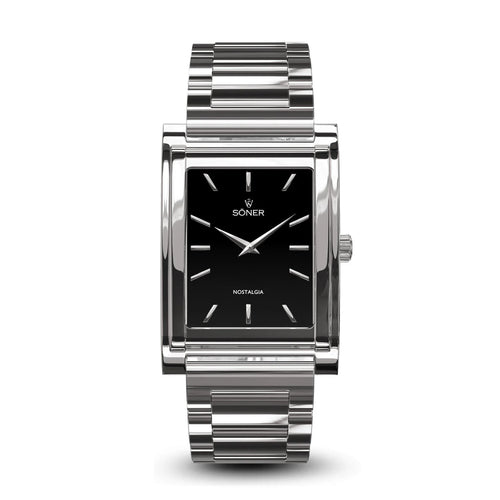 Nostalgia StockholmBatteria 11 anni€527,95 EUR
View watch
Nostalgia StockholmBatteria 11 anni€527,95 EUR
View watch
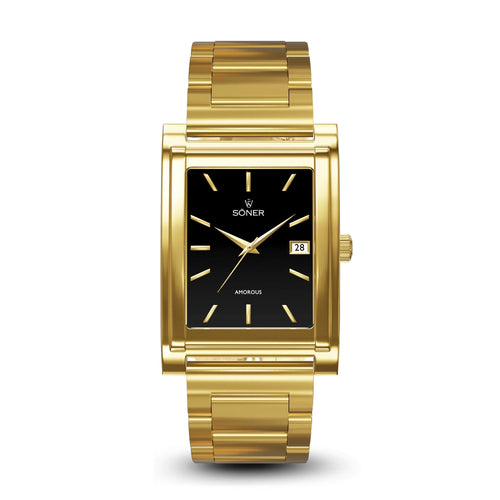 Amorous MilanoAutomatico€713,95 EUR
View watch
Amorous MilanoAutomatico€713,95 EUR
View watch
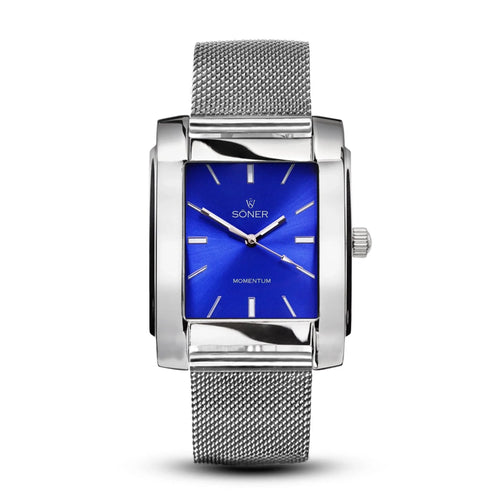 Momentum BacardiAutomatico€531,95 EUR
View watch
Momentum BacardiAutomatico€531,95 EUR
View watch
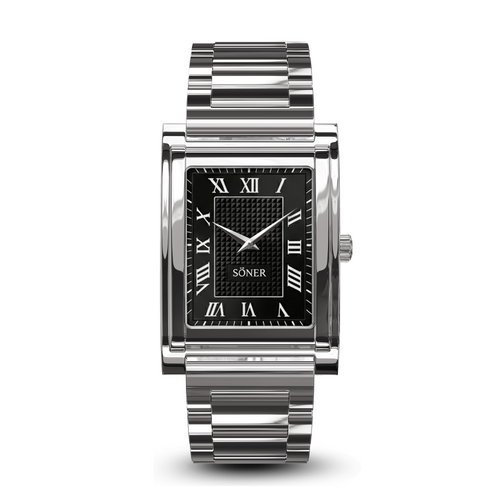 Nostalgia CaesarBatteria 11 anni€695,95 EUR
View watch
Nostalgia CaesarBatteria 11 anni€695,95 EUR
View watch
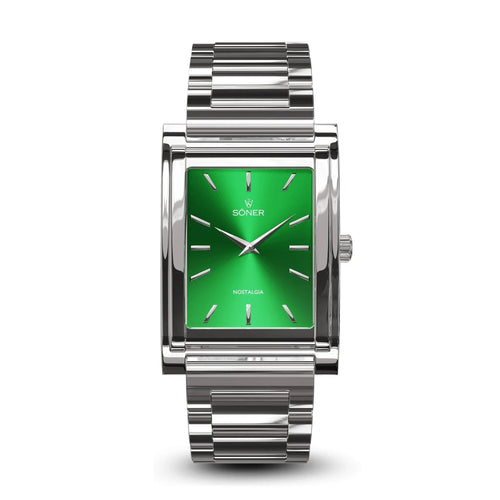 Nostalgia New YorkBatteria 11 anni€527,95 EUR
View watch
Nostalgia New YorkBatteria 11 anni€527,95 EUR
View watch
View all watches
Not sure which one? Take the 1-minute Watch Finder
 Nostalgia StockholmBatteria 11 anni€527,95 EUR
View watch
Nostalgia StockholmBatteria 11 anni€527,95 EUR
View watch
 Amorous MilanoAutomatico€713,95 EUR
View watch
Amorous MilanoAutomatico€713,95 EUR
View watch
 Momentum BacardiAutomatico€531,95 EUR
View watch
Momentum BacardiAutomatico€531,95 EUR
View watch
 Nostalgia CaesarBatteria 11 anni€695,95 EUR
View watch
Nostalgia CaesarBatteria 11 anni€695,95 EUR
View watch
 Nostalgia New YorkBatteria 11 anni€527,95 EUR
View watch
Nostalgia New YorkBatteria 11 anni€527,95 EUR
View watch