



 Published on
Table of Contents
Dimensioni degli orologi rettangolari – Riepilogo rapido
- Rapporto ideale larghezza-altezza: 1:1,3–1,6
- La distanza da ansa ad ansa non dovrebbe superare la larghezza del polso di più di 4–5 mm
- Uno spessore di 6–9 mm è adatto alla maggior parte degli orologi da sera e da uso quotidiano
- Valuta sempre larghezza, altezza e distanza da ansa ad ansa insieme
Misurare un orologio rettangolare è uno degli argomenti più fraintesi nell'acquisto di orologi. La maggior parte delle persone lo affronta come se misurasse un orologio rotondo: guarda il diametro dichiarato della cassa e formula un giudizio. Ma gli orologi rettangolari non hanno un diametro. Hanno una larghezza, un'altezza, un rapporto tra le due, una misura da ansa ad ansa e uno spessore. Ognuna di queste dimensioni influisce su come l'orologio appare e si sente al polso in modi distinti e talvolta controintuitivi.
Un collezionista che comprende la misurazione degli orologi rettangolari può guardare una scheda tecnica e prevedere con precisione come un orologio si indosserà prima ancora di metterlo al polso. Un collezionista che non la comprende sarà spesso sorpreso, a volte piacevolmente, spesso no, quando l'orologio arriva e si posiziona sul polso in modo diverso da quanto immaginato.
Questa guida copre ogni dimensione che conta, spiega cosa fa ciascuna e fornisce un quadro pratico per prendere la decisione giusta sulla misura. Per un contesto più ampio su come la dimensione si inserisce nella decisione complessiva di acquisto di un orologio rettangolare, la guida completa agli orologi rettangolari tratta proporzioni insieme a storia, ingegneria e prezzo in un unico riferimento.
Perché la misurazione degli orologi rettangolari è diversa
Misurare un orologio rotondo è relativamente semplice. Il diametro della cassa è la misura principale. Correlata abbastanza bene con la presenza visiva, la copertura del polso e l'impressione generale che l'orologio crea. La distanza da ansa ad ansa è importante, ma gli acquirenti esperti possono stimarla dal diametro con una precisione ragionevole.
Gli orologi rettangolari infrangono tutte queste supposizioni. Due orologi rettangolari con dimensioni dichiarate identiche possono indossarsi in modo completamente diverso a seconda del loro rapporto proporzionale. Un orologio largo 25 mm e alto 38 mm avrà un aspetto e una sensazione completamente diversi rispetto a un orologio largo 30 mm e alto 35 mm, anche se entrambi hanno aree complessive della cassa simili. Il rapporto tra larghezza e altezza è una dimensione per cui la misurazione degli orologi rotondi semplicemente non ha un equivalente, e cambia tutto.
Inoltre, le dimensioni dichiarate di un orologio rettangolare, che sono tipicamente indicate come larghezza per altezza, non includono le anse. La misura da ansa ad ansa, che determina quanto del polso copre l'orologio lungo il suo asse verticale, è spesso significativamente più grande dell'altezza dichiarata della cassa. Gli acquirenti che si basano solo sulle dimensioni dichiarate sottovalutano regolarmente la reale presenza dell'orologio sul loro polso.
Comprendere tutte queste dimensioni insieme, piuttosto che una singola isolata, è ciò che richiede una corretta misurazione degli orologi rettangolari.
Le Quattro Dimensioni Importanti
1. Larghezza della Cassa
La larghezza della cassa è la misura orizzontale della cassa nel suo punto più largo, esclusa la corona. È la dimensione che governa più direttamente la presenza dell'orologio sul polso, da un lato all'altro.
Per un orologio da sera rettangolare, più stretto è generalmente più formale. Una cassa larga da 20 mm a 24 mm è compatta, elegante e si percepisce come un orologio da sera tradizionale. Scompare sotto il polsino. Attira poca attenzione su di sé. È l'equivalente orologiero di un abito ben tagliato: presente ma sobrio.
Una cassa larga da 28 mm a 34 mm è più decisa. È visibile, presenta una chiara dichiarazione di design e si percepisce come una scelta sicura piuttosto che discreta. A questa larghezza, l'orologio inizia a funzionare come un oggetto di design sul polso piuttosto che solo come uno strumento per misurare il tempo.
Una cassa larga 35 mm o più è davvero audace. A questa larghezza, una cassa rettangolare ha una presenza visiva significativa che compete con gli orologi sportivi rotondi sovradimensionati in termini di impatto sul polso. Questo è il territorio degli orologi architettonici, di pezzi scelti specificamente perché si fanno notare.
La larghezza non è la stessa cosa del diametro. Un orologio rotondo da 36 mm e un orologio rettangolare largo 36 mm si indossano in modo molto diverso. L'orologio rotondo crea un'impronta circolare. L'orologio rettangolare crea una fascia larga e orizzontale. Lo stesso numero significa qualcosa di diverso.
2. Altezza della Cassa
L'altezza della cassa è la misura verticale della cassa dalla base dell'attacco superiore delle anse alla base dell'attacco inferiore delle anse, escludendo le anse stesse. È la dimensione che determina quanto del polso copre il corpo della cassa lungo la sua lunghezza.
L'altezza della cassa interagisce con la larghezza per produrre il rapporto proporzionale, che viene trattato in dettaglio più avanti. Ma isolatamente, l'altezza della cassa determina il peso visivo dell'orologio lungo l'asse verticale. Una cassa più alta crea una striscia verticale più pronunciata sul polso. Una cassa più corta crea un'impressione più compatta e contenuta.
Per gli orologi da sera, l'altezza della cassa varia tipicamente da 28 mm a 45 mm. Sotto i 28 mm, una cassa rettangolare inizia a sembrare quasi quadrata. Sopra i 45 mm, inizia a sembrare esagerata o avanguardista.
3. Il rapporto larghezza-altezza
Il rapporto tra larghezza e altezza della cassa è la dimensione singola più importante nel design degli orologi rettangolari. Determina il carattere della cassa più di qualsiasi altra misura.
Il rapporto è espresso come larghezza rispetto all'altezza, dove l'altezza è normalizzata a 1. Una cassa larga 25mm e alta 35mm ha un rapporto di circa 1:1,4. Una cassa larga 24mm e alta 40mm ha un rapporto di 1:1,67.
Ecco come si leggono in pratica i diversi rapporti:
| Rapporto | Carattere | Esempio tipico |
|---|---|---|
| 1:1,0 a 1:1,2 | Quasi quadrati, compatti, equilibrati | Casse a cuscino, design di transizione |
| 1:1,2 a 1:1,4 | Rettangolari classici, raffinati | Orologi da sera tradizionali |
| 1:1,4 a 1:1,6 | Chiaramente allungati, architettonici | Proporzioni Cartier Tank |
| 1:1,6 a 1:1,8 | Fortemente verticali, formali | Grand Seiko Elegance, orologi da sera alti |
| 1:1,8 e oltre | Estremamente allungati, avanguardisti | Design eccezionali o sperimentali |
Qual è il rapporto ideale per un orologio rettangolare?
Il rapporto ideale larghezza-altezza per la maggior parte degli orologi rettangolari è compreso tra 1:1,3 e 1:1,6. Rapporti vicini a 1:1,4 riflettono le proporzioni classiche del Tank e offrono una presenza verticale equilibrata senza esagerazioni.

Come il rapporto larghezza-altezza cambia la presenza visiva
Il rapporto compreso tra 1:1,3 e 1:1,6 rappresenta il punto ideale per la maggior parte degli acquirenti. È riconoscibilmente e piacevolmente rettangolare senza essere esagerato. Le proporzioni del Cartier Tank, ampiamente considerate il punto di riferimento per la categoria, si attestano approssimativamente tra 1:1,4 e 1:1,5 a seconda del modello specifico.
4. Distanza ansa-ansa
La distanza ansa-ansa è la misura più importante per la vestibilità di qualsiasi orologio, rotondo o rettangolare, ed è la misura che gli acquirenti trascurano più comunemente. È la distanza dalla punta dell'ansa superiore alla punta dell'ansa inferiore, misurata lungo l'asse verticale dell'orologio.
La lunghezza ansa-ansa determina quanto spazio occupa l'orologio sul polso da un'estremità all'altra. Se la misura ansa-ansa è più grande della larghezza del polso, l'orologio sporge dai bordi del polso, risultando sgradevole e scomodo. Se la lunghezza ansa-ansa è ben entro la larghezza del polso, l'orologio si adatta in modo pulito e confortevole.
Per gli orologi rettangolari, la lunghezza ansa-ansa è spesso significativamente maggiore rispetto all'altezza della cassa indicata, perché le anse stesse possono aggiungere da 8mm a 15mm oltre il corpo della cassa. Un orologio con un'altezza della cassa dichiarata di 35mm potrebbe avere una lunghezza ansa-ansa di 48mm o più.
Linee guida generali per la lunghezza ansa-ansa in base alla circonferenza del polso:
| Circonferenza del polso | Gamma di lunghezza ansa-ansa confortevole |
|---|---|
| Sotto 155mm (6,1 pollici) | 38mm a 44mm |
| 155mm a 170mm (6,1 a 6,7 pollici) | 42mm a 48mm |
| 170mm a 185mm (6,7 a 7,3 pollici) | 46mm a 52mm |
| Oltre 185mm (7,3 pollici) | 50mm a 56mm |
Come scegliere il lug-to-lug giusto?
Scegli una misura lug-to-lug che non superi la larghezza del polso di più di 4–5mm. Per la maggior parte dei polsi con circonferenza tra 155mm e 175mm, un intervallo lug-to-lug di 42–48mm offre una vestibilità equilibrata.

Vestibilità lug-to-lug rispetto alla larghezza del polso
Questi sono intervalli, non regole. Alcuni indossatori preferiscono l'aspetto di un orologio che riempie tutta la larghezza del polso. Altri preferiscono più spazio. Ma un lug-to-lug che sporge dal polso di più di 4mm o 5mm apparirà quasi sempre sproporzionato.
La meccanica di come sono progettate le anse e come questo design influisce sulla misura lug-to-lug è trattata completamente nell'articolo su misura lug-to-lug e architettura delle anse degli orologi rettangolari.
Spessore
Lo spessore è la quinta dimensione che conta e, sebbene non influisca sulla vestibilità come larghezza, altezza, rapporto e distanza tra anse, ha un impatto significativo su come l'orologio si sente al polso e su come interagisce con l'abbigliamento.
Gli orologi rettangolari da cerimonia sono storicamente tra i più sottili prodotti, perché sottigliezza ed eleganza sono strettamente legate nella tradizione degli orologi da cerimonia. Un orologio che scivola sotto il polsino senza creare un rigonfiamento visibile al polso è un oggetto più raffinato di uno che spinge la manica verso l'esterno.
Per riferimento, ecco gli intervalli approssimativi di spessore per categoria:
| Categoria | Spessore tipico |
|---|---|
| Rettangolare ultra-sottile da cerimonia | 4mm a 6mm |
| Rettangolare classico da cerimonia | 6mm a 9mm |
| Rettangolare versatile da tutti i giorni | 9mm a 11mm |
| Rettangolare contemporaneo e audace | 11mm a 14mm |
Qual è lo spessore migliore per un orologio rettangolare?
Per l'abbigliamento formale, uno spessore di 4–6mm è ideale. Gli orologi rettangolari da tutti i giorni solitamente variano tra 6 e 9mm. Le casse sopra gli 11mm appaiono contemporanee e audaci piuttosto che tradizionali da cerimonia.

Spessore e portabilità formale
Lo spessore influisce anche sull'impressione visiva del rapporto della cassa. Una cassa molto sottile fa apparire anche un orologio rettangolare relativamente largo elegante e raffinato. Una cassa più spessa con la stessa larghezza e altezza appare più sostanziosa e contemporanea. Le stesse dimensioni della cassa possono produrre impressioni molto diverse a seconda dello spessore.
Come leggere la specifica di un orologio rettangolare
La maggior parte degli orologi rettangolari è elencata con dimensioni nel formato: larghezza x altezza x spessore, o talvolta altezza x larghezza x spessore. I marchi non sono sempre coerenti nell'indicare quale dimensione viene prima, il che è una fonte persistente di confusione.
Quando si incontra una specifica come 25 x 34 x 7mm, la convenzione usuale è larghezza x altezza x spessore. Ma verifica sempre controllando quale dimensione è maggiore: l'altezza dovrebbe essere maggiore della larghezza per un orologio rettangolare orientato verticalmente.
La distanza tra le anse è meno frequentemente pubblicata rispetto alle dimensioni della cassa. Alcuni marchi la includono nelle specifiche tecniche. Altri no. Quando non è pubblicata, spesso si può trovare in recensioni dettagliate, su forum di collezionisti o contattando direttamente il marchio. Dato quanto la distanza tra le anse influisce sulla vestibilità, vale sempre la pena cercarla prima dell'acquisto.
Scelta della misura in base alla dimensione del polso
Abbinare un orologio rettangolare a una specifica dimensione del polso richiede di bilanciare simultaneamente tutte e cinque le dimensioni. Ecco un quadro pratico.
Polsi piccoli (circonferenza sotto 155mm)
Per i polsi piccoli, la priorità è mantenere la distanza tra le anse entro circa 42mm-44mm. Ciò significa cercare casse rettangolari con altezze modeste (28mm-33mm) e anse relativamente corte e ravvicinate. La larghezza può variare da 20mm a 25mm senza sovraccaricare il polso. Il rapporto può essere ovunque nella gamma classica, poiché le dimensioni complessive sono compatte.
Il Cartier Tank Must nelle sue referenze più piccole, diversi modelli da donna Longines Dolce Vita e vari orologi da sera rettangolari vintage della metà del XX secolo sono naturalmente dimensionati per polsi più piccoli.
Polsi medi (circonferenza da 155mm a 175mm)
I polsi medi hanno più opzioni. Una distanza tra le anse da 44mm a 50mm accoglie la più ampia varietà di design di casse rettangolari, comprese le referenze più classiche delle grandi maison. Larghezze della cassa da 22mm a 30mm funzionano tutte bene. Altezze della cassa da 30mm a 40mm si adattano comodamente al polso.
Questa è la fascia di dimensioni per cui sono progettati la maggior parte degli orologi da sera rettangolari classici.
Polsi grandi (circonferenza oltre 175mm)
I polsi grandi possono ospitare e beneficiare di casse rettangolari più grandi, ma il vincolo principale rimane la distanza tra le anse piuttosto che la dimensione complessiva della cassa. Un orologio rettangolare audace con una distanza tra le anse da 50mm a 54mm starà bene su un polso di 180mm o più. Larghezze della cassa di 28mm e oltre funzionano proporzionalmente. I design rettangolari contemporanei, che tendono a proporzioni più audaci, sono naturalmente adatti a questa gamma.
Errori comuni nella scelta della misura
Affidarsi solo alle dimensioni della cassa
L'errore più comune è scegliere un orologio rettangolare basandosi solo sulla larghezza e altezza della cassa dichiarate, senza controllare la distanza tra le anse (lug-to-lug). Poiché le anse aggiungono significativamente all'ingombro verticale totale, un orologio che sembra compatto sulla carta può risultare molto più imponente al polso.
Applicazione della logica per orologi rettangolari
I collezionisti esperti di orologi rotondi spesso cercano di trovare un diametro equivalente per una cassa rettangolare. Questo non funziona. Un orologio rotondo da 38 mm e un orologio rettangolare largo 28 mm possono avere una presenza simile al polso, oppure no, a seconda dell'altezza dell'orologio rettangolare, del design delle anse e dello spessore. I due sistemi di dimensionamento richiedono modelli mentali diversi.
Ignorare il rapporto
Acquistare basandosi solo sulla larghezza, senza considerare l'altezza e quindi il rapporto, porta a risultati inaspettati. Una cassa larga 28 mm e alta 36 mm appare molto diversa da una cassa larga 28 mm e alta 42 mm. Il rapporto cambia completamente il carattere dell'orologio.
Sottovalutare lo spessore
Le casse sottili appaiono più eleganti ma possono sacrificare la resistenza all'acqua e la qualità del movimento. Le casse spesse si indossano con più presenza e possono essere più durevoli, ma possono sembrare sproporzionate su un polso che si adatta a un profilo più snello. Lo spessore non è una dimensione neutra.
Una lista di controllo pratica per le dimensioni
Prima di acquistare qualsiasi orologio rettangolare, segui questa lista di controllo:
Passo 1: Misura la circonferenza del tuo polso con un metro a nastro o una striscia di carta. Annota la misura in millimetri.
Passo 2: Usa la tabella da ansa a ansa sopra per identificare il tuo intervallo confortevole.
Passo 3: Trova o richiedi la misura da ansa a ansa per l'orologio che stai considerando. Conferma che rientri nel tuo intervallo, o entro 4 mm - 5 mm sopra di esso.
Passo 4: Considera la larghezza della cassa rispetto al tuo polso. Per la maggior parte dei polsi, la larghezza della cassa non dovrebbe superare il 60% - 65% della larghezza del polso. Se il tuo polso è largo 65 mm, una cassa non più larga di 40 mm - 42 mm apparirà proporzionata.
Passo 5: Controlla lo spessore in base al tuo caso d'uso. Se indossi l'orologio regolarmente sotto una camicia, dai priorità a una cassa con spessore inferiore a 9 mm. Se lo indossi più casualmente, lo spessore è meno critico.
Passo 6: Guarda il rapporto e considera se si adatta al contesto in cui intendi indossarlo. Un rapporto da 1:1,4 a 1:1,5 è versatile. Un rapporto superiore a 1:1,6 è più formale e più d'impatto.
Per orientarti nella traduzione di queste decisioni di dimensionamento in una scelta d'acquisto reale, l'articolo su come scegliere la giusta dimensione rettangolare copre l'intero quadro decisionale, dallo stile di vita al budget.

Perché gli orologi rettangolari appaiono più grandi di quanto suggeriscano le loro dimensioni
Una constatazione comune tra gli acquirenti nuovi agli orologi rettangolari è che l'orologio appare più grande al polso rispetto a quanto le sue dimensioni dichiarate facessero aspettare. Questo non è un errore di misurazione. È una conseguenza di come la geometria rettangolare interagisce con il polso e l'occhio.
La spiegazione completa di questo fenomeno, inclusi come la geometria degli angoli, la distanza lug-to-lug e il contrasto visivo con il polso curvo contribuiscano alla percezione di una dimensione maggiore, è trattata nell'articolo dedicato su perché gli orologi rettangolari appaiono più grandi al polso.
Comprendere questo effetto è utile prima dell'acquisto, perché significa che quasi sempre dovrai scegliere una misura inferiore rispetto al tuo istinto quando passi da orologi rotondi a rettangolari.
Sommario
La scelta della misura di un orologio rettangolare richiede attenzione a cinque dimensioni distinte: larghezza della cassa, altezza della cassa, rapporto larghezza-altezza, distanza lug-to-lug e spessore. Nessuna singola dimensione racconta tutta la storia. La misura lug-to-lug è la più critica per la vestibilità e la più spesso trascurata. Il rapporto tra larghezza e altezza determina il carattere dell'orologio più di qualsiasi altro numero. Lo spessore influisce sull'eleganza, sulla compatibilità con il polsino e sull'impressione generale che l'orologio crea.
L'acquirente che comprende tutte e cinque le dimensioni può scegliere un orologio rettangolare con sicurezza e precisione, anche senza provarlo. Chi si affida a una sola dimensione rimarrà spesso sorpreso.
Per comprendere appieno come le dimensioni si inseriscano nel più ampio mondo del design e dell'acquisto di orologi rettangolari, la guida completa agli orologi rettangolari è il punto di partenza.
Articoli correlati:
- Guida completa agli orologi rettangolari - Il riferimento definitivo per la categoria
- Come gli orologi rettangolari sembrano più grandi - perché gli orologi rettangolari appaiono più grandi spiegato in dettaglio
- Architettura delle anse negli orologi rettangolari - misura lug-to-lug e design delle anse
- Come scegliere l'orologio rettangolare giusto - scegliere la dimensione rettangolare giusta per il tuo stile di vita
SÖNER rectangular watches
Free worldwide shipping · 10-year warranty · 30-day returns
Our pick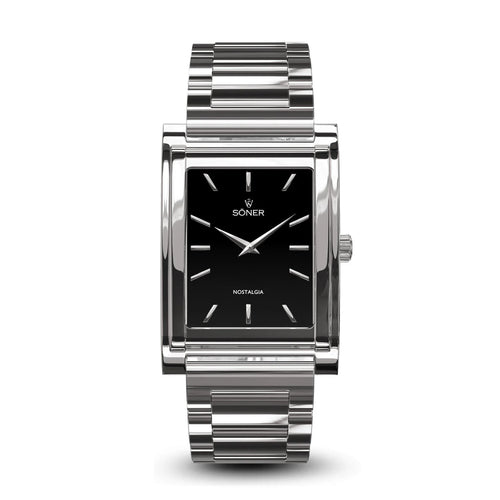 Nostalgia StockholmBatteria 11 anni€527,95 EUR
View watch
Nostalgia StockholmBatteria 11 anni€527,95 EUR
View watch
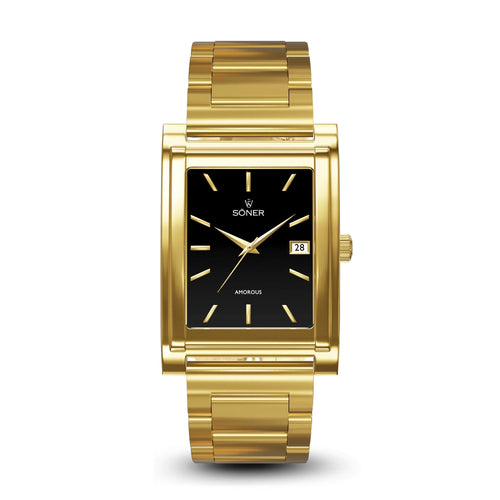 Amorous MilanoAutomatico€713,95 EUR
View watch
Amorous MilanoAutomatico€713,95 EUR
View watch
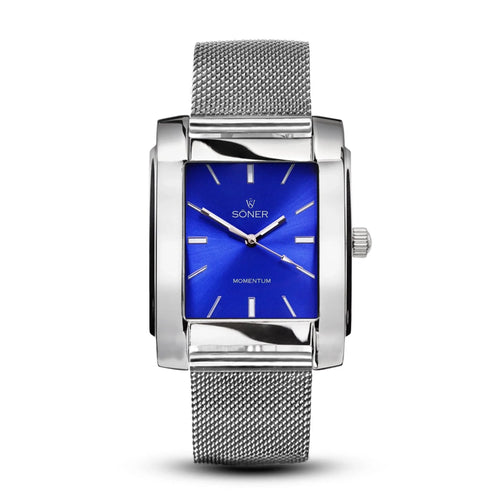 Momentum BacardiAutomatico€531,95 EUR
View watch
Momentum BacardiAutomatico€531,95 EUR
View watch
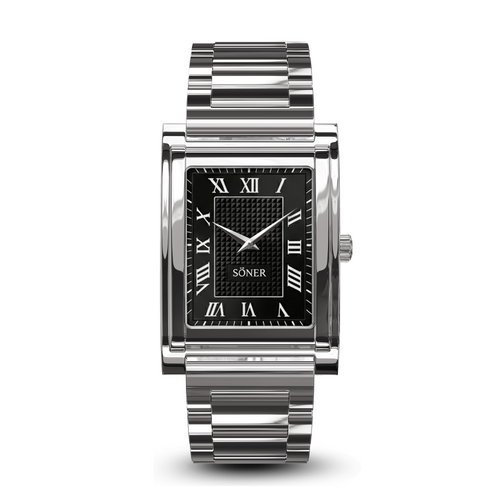 Nostalgia CaesarBatteria 11 anni€695,95 EUR
View watch
Nostalgia CaesarBatteria 11 anni€695,95 EUR
View watch
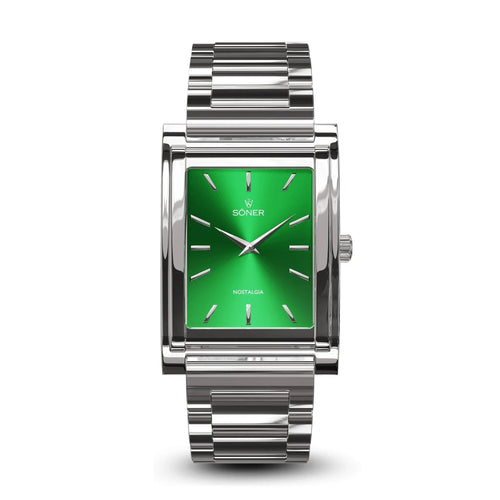 Nostalgia New YorkBatteria 11 anni€527,95 EUR
View watch
Nostalgia New YorkBatteria 11 anni€527,95 EUR
View watch
View all watches
Not sure which one? Take the 1-minute Watch Finder
 Nostalgia StockholmBatteria 11 anni€527,95 EUR
View watch
Nostalgia StockholmBatteria 11 anni€527,95 EUR
View watch
 Amorous MilanoAutomatico€713,95 EUR
View watch
Amorous MilanoAutomatico€713,95 EUR
View watch
 Momentum BacardiAutomatico€531,95 EUR
View watch
Momentum BacardiAutomatico€531,95 EUR
View watch
 Nostalgia CaesarBatteria 11 anni€695,95 EUR
View watch
Nostalgia CaesarBatteria 11 anni€695,95 EUR
View watch
 Nostalgia New YorkBatteria 11 anni€527,95 EUR
View watch
Nostalgia New YorkBatteria 11 anni€527,95 EUR
View watch