

 Published on
Table of Contents
Il materiale con cui è realizzata una cassa di orologio rettangolare influisce su quasi tutto. Su come si sente in mano. Su come si consuma dopo anni di utilizzo. Su come interagisce con le esigenze ingegneristiche di una cassa non rotonda. Su come invecchia. Su quanto costa. E forse, cosa più importante per una categoria definita dalla precisione e dalla finitura, su come risponde alle operazioni di lavorazione e finitura a mano che distinguono una cassa rettangolare mediocre da una eccezionale.
Negli orologi rotondi, la scelta del materiale è significativa ma relativamente indulgente. Le curve continue di una cassa rotonda distribuiscono lo stress in modo uniforme, si lavorano efficientemente nella maggior parte dei metalli e si rifiniscono in modo prevedibile nella maggior parte delle leghe. Negli orologi rettangolari, la scelta del materiale è più importante perché le esigenze specifiche della cassa rettangolare, le superfici piatte, le transizioni agli angoli, le pareti sottili e la geometria complessa delle anse interagiscono in modo diverso con materiali diversi, influenzando sia la qualità della produzione sia la durabilità a lungo termine.
Questo articolo copre ogni materiale comunemente usato nelle casse di orologi rettangolari, analizzando ciascuno dal punto di vista di ciò che offre, di ciò che richiede e di cosa significa per l'orologio finito. Per un contesto più ampio su come la scelta del materiale si inserisce nella decisione d'acquisto completa, la guida completa agli orologi rettangolari tratta materiali insieme a proporzioni, movimenti e prezzo in un unico riferimento.
Perché la scelta del materiale è più importante nelle casse rettangolari
Prima di esaminare i singoli materiali, vale la pena capire perché la questione del materiale è più importante in una cassa rettangolare rispetto a una rotonda.
Una cassa rettangolare ha angoli. Gli angoli sono punti di concentrazione dello stress. Quando la cassa viene indossata e leggermente flessa dalla tensione del cinturino, dai cambiamenti di temperatura o da un impatto, lo stress all'interno del materiale della cassa non si distribuisce uniformemente come in una cassa rotonda. Si concentra negli angoli, dove due superfici piatte si incontrano ad angolo retto. Nel tempo, e con un numero sufficiente di cicli di stress, questa concentrazione può causare micro-fatica in materiali non adatti a sopportarla.
Una cassa rettangolare ha anche superfici piatte che devono essere rifinite con uno standard di planarità superiore rispetto alle superfici curve di una cassa rotonda. Qualsiasi variazione nella planarità di una faccia della cassa è immediatamente visibile come una leggera deformazione o ondulazione che appare sbagliata all'occhio. Ottenere una planarità costante su tutte le facce di una cassa rettangolare richiede materiali che si lavorino in modo prevedibile e mantengano le loro dimensioni durante le operazioni di finitura.
Una cassa rettangolare ha pareti sottili agli angoli, dove la geometria della cassa riduce la sezione trasversale del materiale disponibile. Più sottile è la parete, più importante è la resistenza del materiale in quella specifica posizione. Materiali più morbidi o più duttili possono deformarsi nelle sezioni sottili agli angoli in condizioni che un materiale più duro sopporterebbe senza conseguenze.
Tutti questi fattori significano che la specifica del materiale di una cassa di orologio rettangolare è una decisione ingegneristica più ponderata rispetto a quella per una cassa rotonda di pari prezzo e qualità.
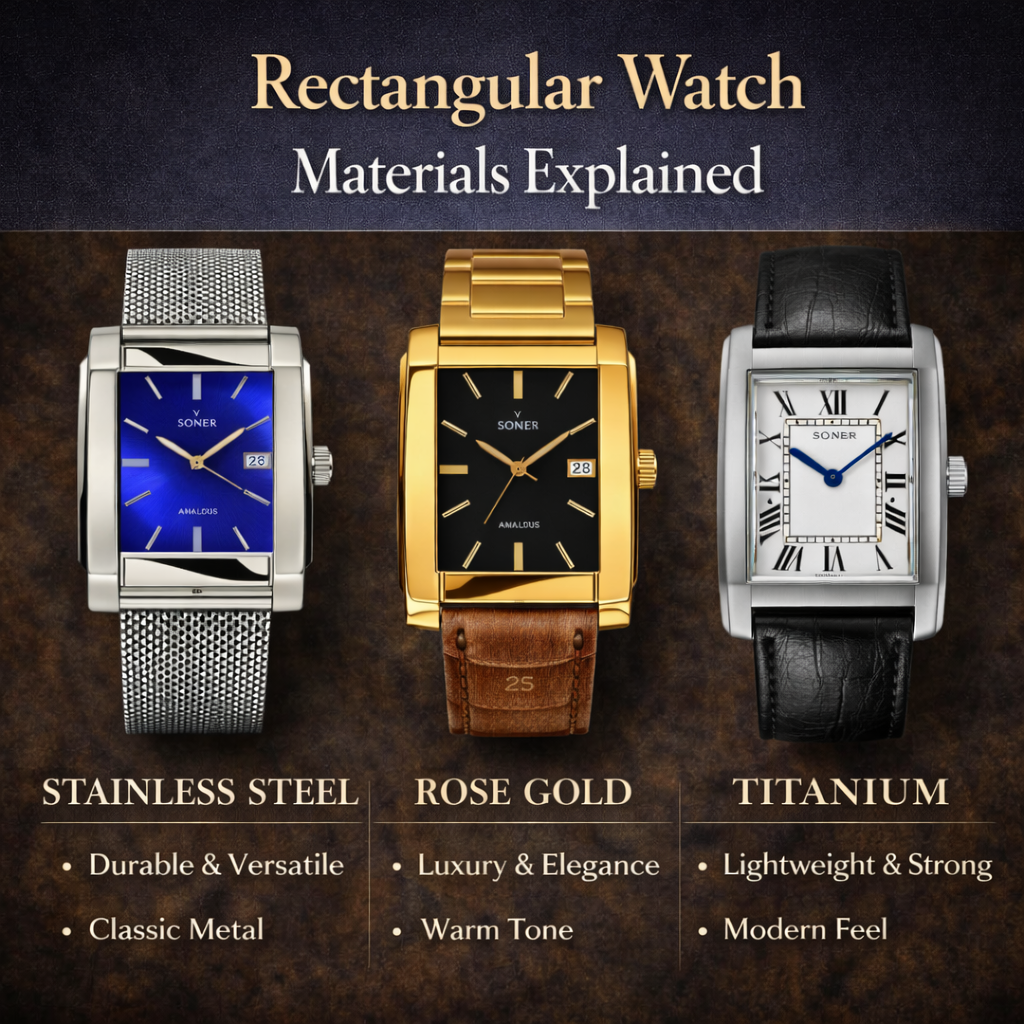
Acciaio inossidabile
L'acciaio inossidabile è il materiale predefinito per le casse di orologi rettangolari a ogni fascia di prezzo al di sotto dei metalli preziosi, e per una buona ragione. Combina un insieme di proprietà materiali che si allineano bene con le specifiche esigenze della costruzione di casse rettangolari.
Perché l'acciaio funziona bene per le casse rettangolari
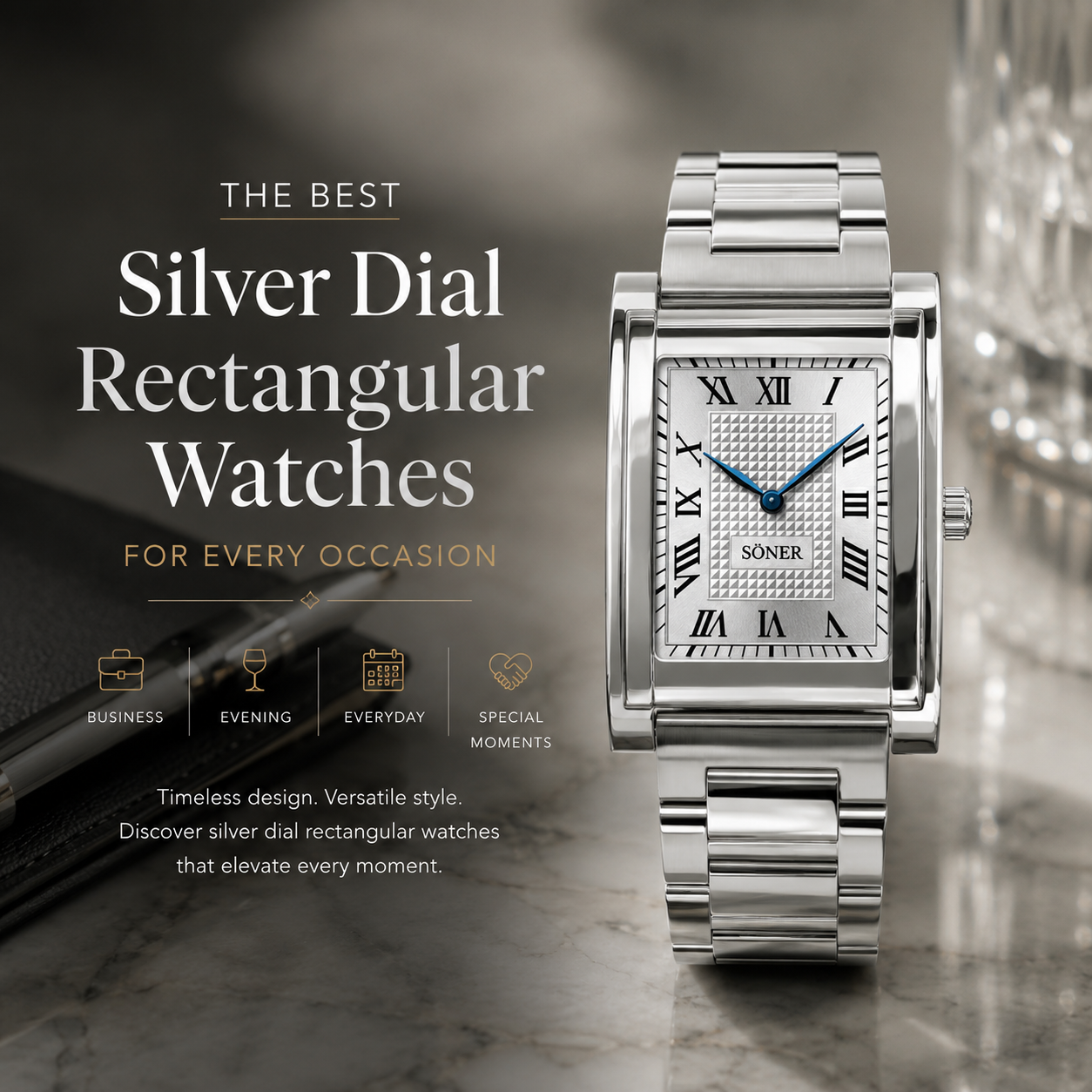
Il grado di acciaio inossidabile più comunemente usato nelle casse di orologi di qualità è il 316L, un acciaio austenitico con basso contenuto di carbonio, alto contenuto di cromo e nichel, e un'eccellente resistenza alla corrosione. La sua durezza rientra in un intervallo ideale per la lavorazione delle casse di orologi: abbastanza duro da mantenere bordi netti e tolleranze precise durante la lavorazione, abbastanza morbido da essere lavorato efficientemente senza usura eccessiva degli utensili, e sufficientemente duttile da poter essere lucidato a una finitura a specchio elevata.
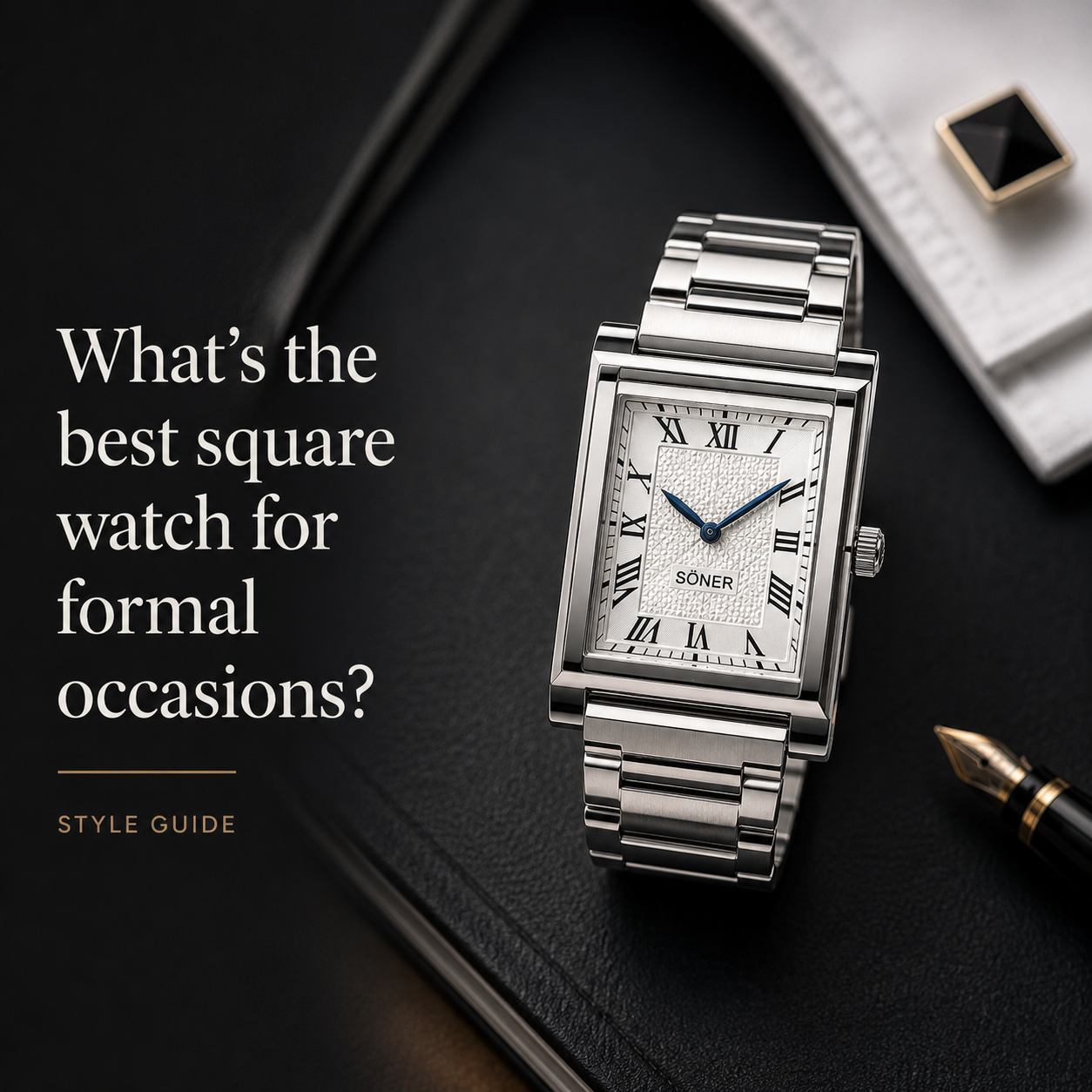
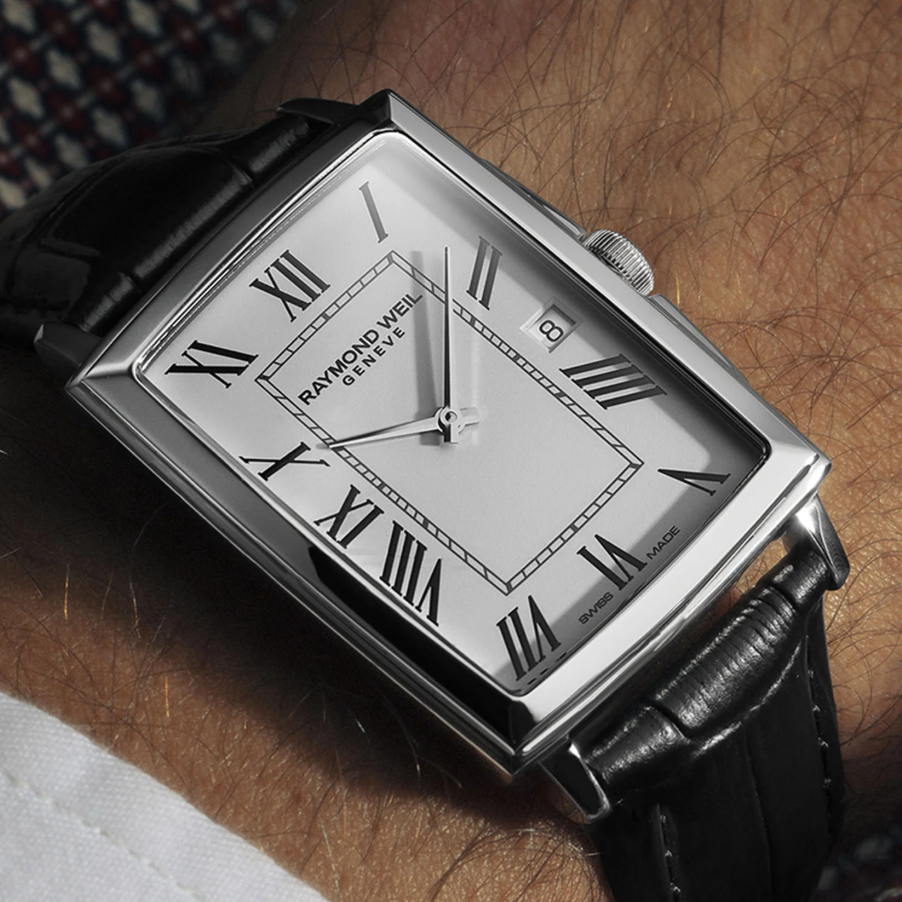
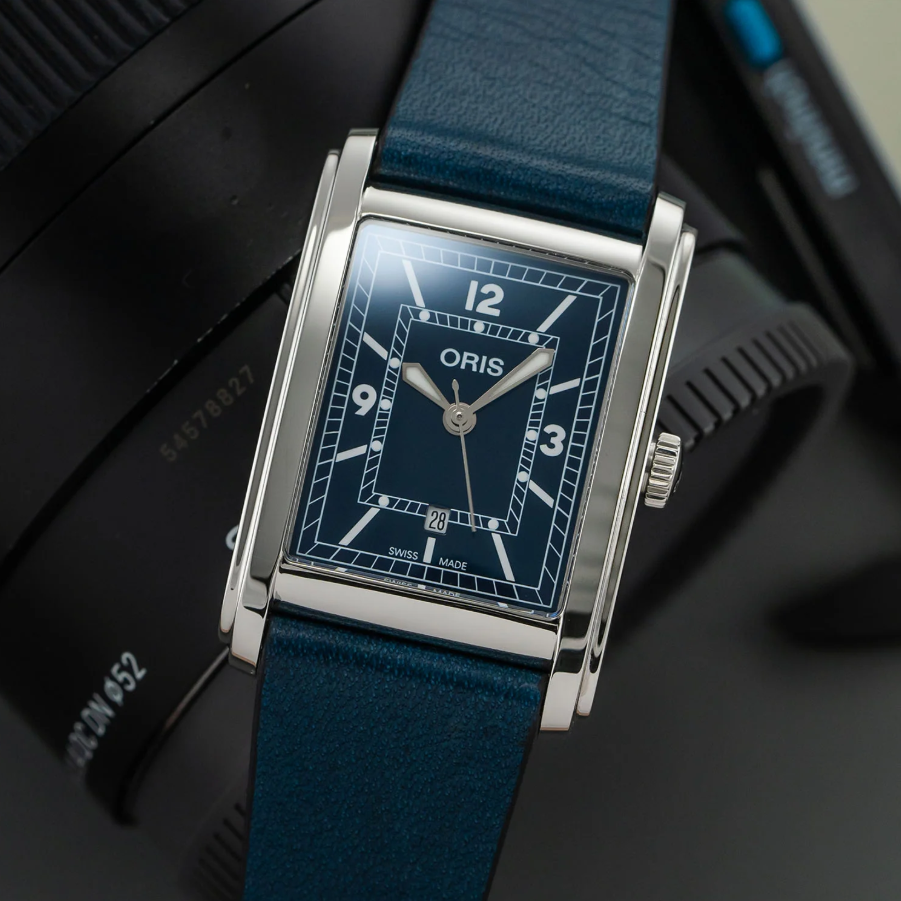
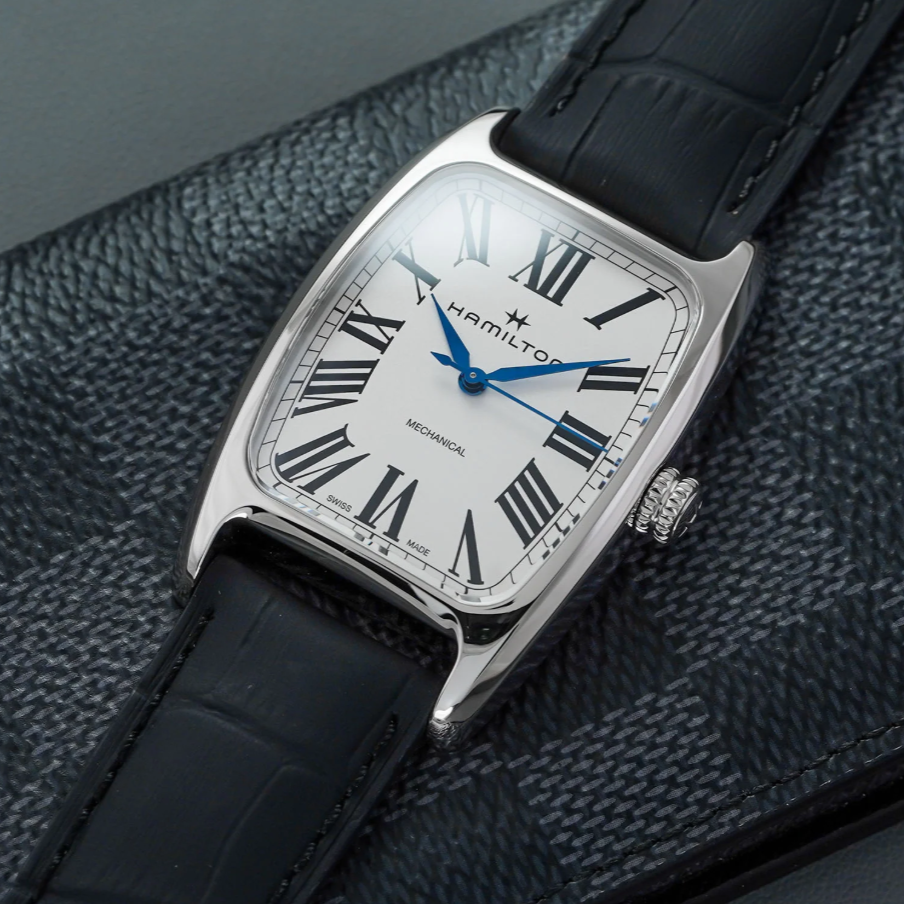
Per le casse rettangolari in particolare, l'acciaio 316L mantiene bene i bordi degli angoli dopo la lavorazione e la lucidatura. L'anglage, il trattamento smussato del bordo che è un segno distintivo della finitura di qualità delle casse rettangolari, può essere eseguito in acciaio con precisione che produce linee nitide e coerenti su tutti e quattro i bordi della cassa e le loro transizioni angolari. L'acciaio risponde bene anche alla finitura mista lucida e spazzolata che molte casse rettangolari utilizzano, mantenendo confini netti tra i trattamenti superficiali anche dopo ripetute lucidature.
Un grado più duro, l'acciaio inossidabile 904L, è utilizzato da Rolex e da un piccolo numero di altri produttori. Offre una migliore resistenza alla corrosione e una durezza superficiale leggermente superiore che conferisce alle superfici lucidate una maggiore durabilità. È più difficile e costoso da lavorare, ma produce una qualità superficiale che giustifica l'investimento aggiuntivo nella produzione in contesti di fascia alta.
Acciaio e stress agli angoli
L'acciaio gestisce bene la concentrazione di stress agli angoli delle casse rettangolari. La sua combinazione di resistenza e duttilità significa che può sopportare cicli di stress ripetuti nelle sezioni angolari senza crepe da fatica, anche nelle sezioni a parete sottile che le proporzioni strette e rettangolari a volte richiedono. Una cassa rettangolare in acciaio ben progettata è essenzialmente durevole indefinitamente nelle normali condizioni di utilizzo.
Finitura dell'acciaio nel tempo
Le casse rettangolari in acciaio sviluppano una patina di graffi fini con l'usura che molti collezionisti accettano come naturale invecchiamento. Le superfici lucide si opacizzano per prime, mentre quelle spazzolate mostrano l'usura più lentamente. Gli angoli e i bordi della cassa ricevono la maggior parte dell'usura, ammorbidendosi gradualmente da spigolosi a leggermente arrotondati nel corso degli anni. Una cassa rettangolare in acciaio può essere ripolita e rifinita da un orologiaio competente per ripristinarne l'aspetto originale, anche se ogni operazione di rifinitura rimuove una piccola quantità di materiale.
Oro giallo
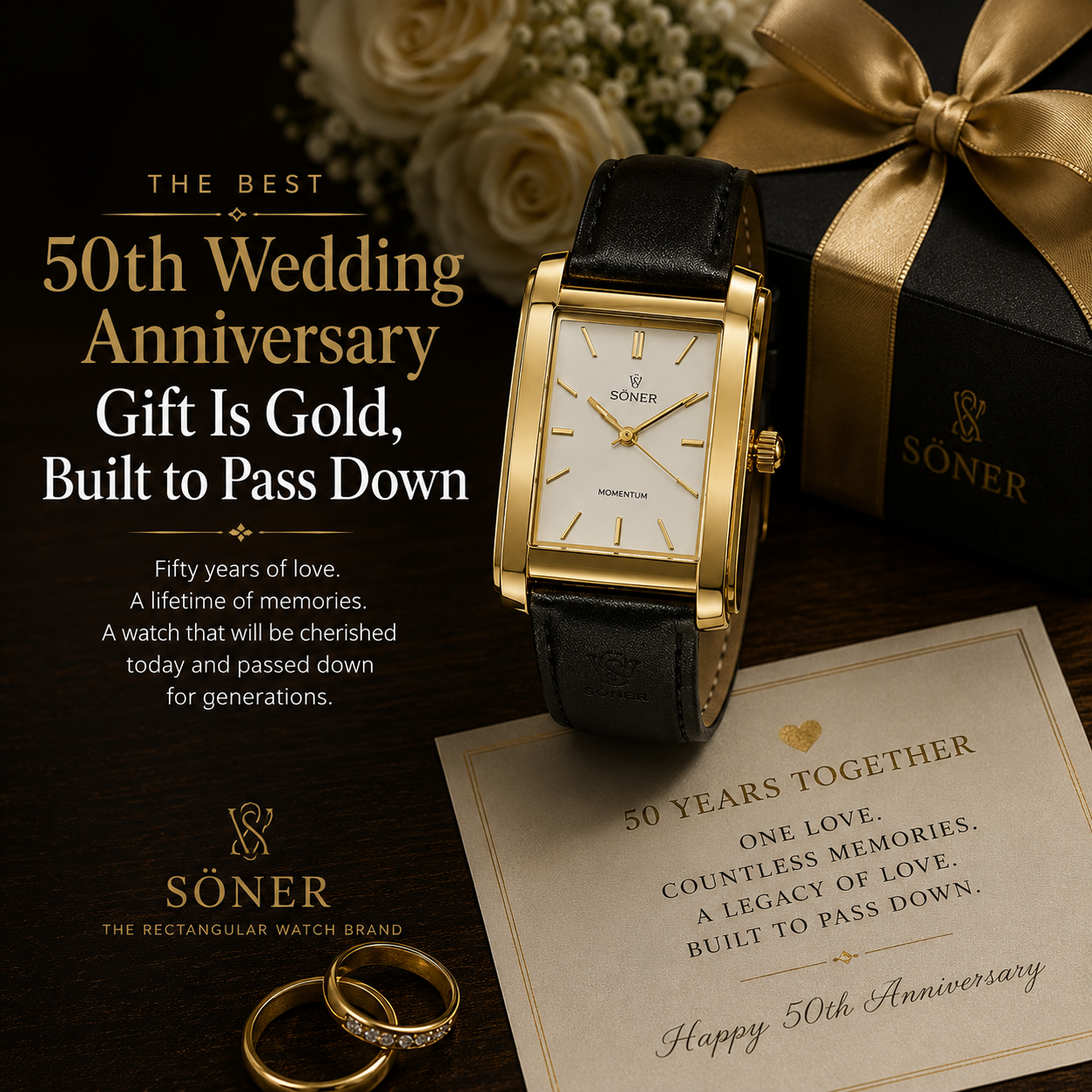
L'oro giallo è stato il materiale di prestigio per le casse degli orologi da sera rettangolari fin dalle prime referenze Tank, e il suo rapporto con il formato rettangolare è una delle combinazioni più studiate nella storia del design orologiero.
Il caso dell'oro negli orologi rettangolari
L'oro è più morbido dell'acciaio, il che ha implicazioni nella lavorazione che rappresentano sia una sfida che un'opportunità. L'oro si lavora facilmente e si rifinisce con uno sforzo minore rispetto all'acciaio per ottenere una superficie a specchio. L'anglage su una cassa rettangolare in oro può raggiungere un livello di nitidezza e coerenza che è davvero più difficile da replicare nell'acciaio, semplicemente perché l'oro risponde con maggiore facilità alle lime fini e agli strumenti di lucidatura usati nelle operazioni di finitura a mano.
L'oro si graffia anche in modo diverso rispetto all'acciaio. Un graffio sull'acciaio rimuove materiale e lascia un solco dai bordi netti. Un graffio sull'oro sposta il materiale senza rimuoverlo, lasciando un solco arrotondato che riflette la luce in modo diverso rispetto alla superficie circostante. Il risultato è che l'oro sviluppa un carattere superficiale con l'usura che molti collezionisti trovano più attraente del nuovo. La micro-texture che si accumula su una cassa in oro usurata ha un calore e una profondità che l'oro nuovo e lucido non possiede.
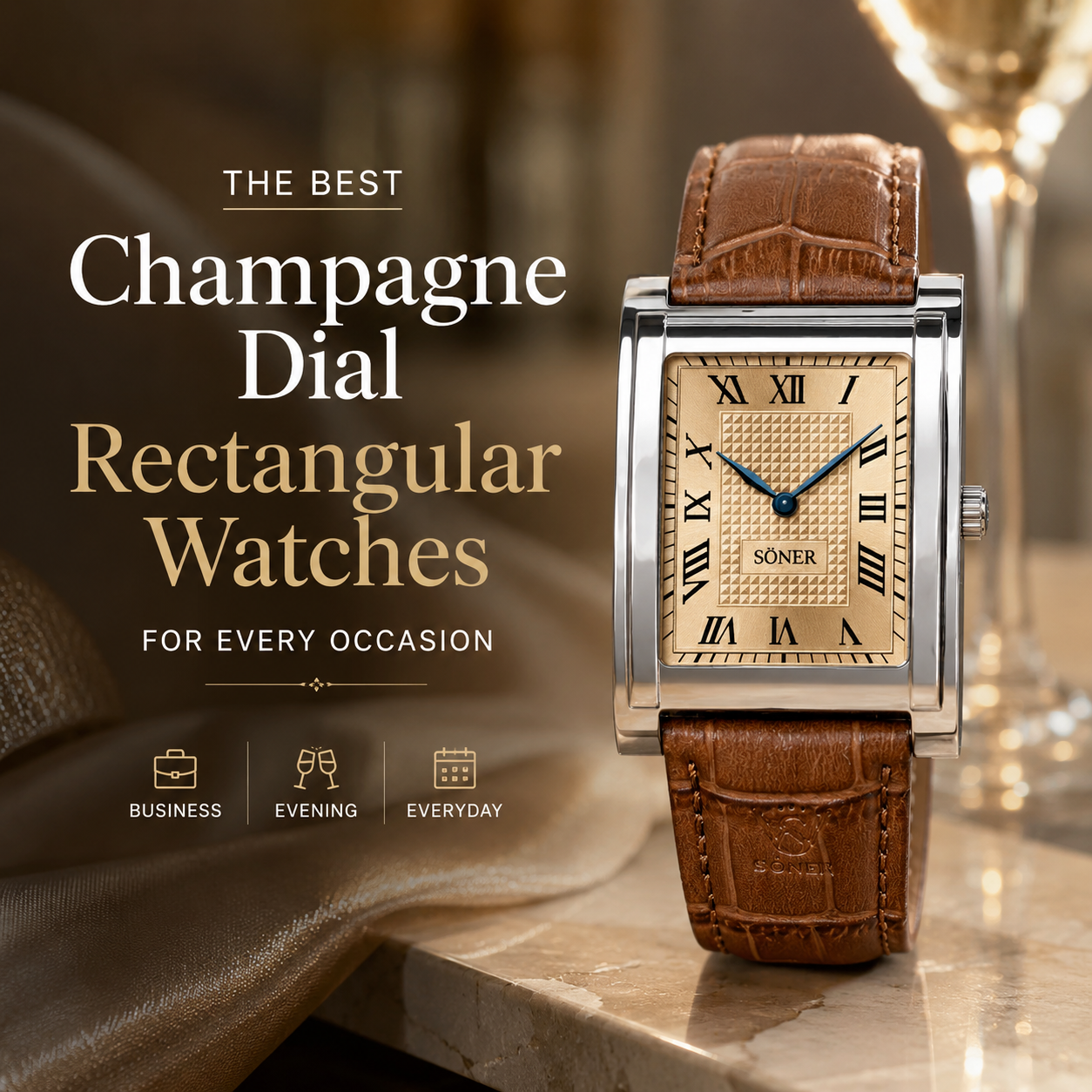
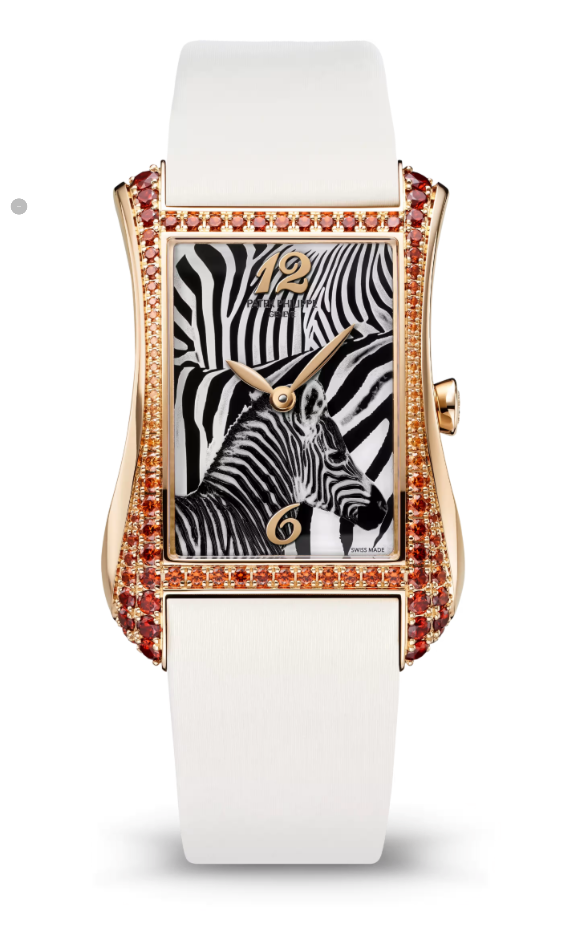
L'oro giallo in particolare ha un colore che si abbina al contesto formale degli orologi da sera della maggior parte delle casse rettangolari in oro. Su un quadrante bianco o crema, una cassa in oro giallo crea un rapporto caldo e armonioso tra cassa e quadrante che nessun altro materiale riesce a replicare.
Oro e stress agli angoli
La morbidezza dell'oro è una considerazione importante per lo stress agli angoli nelle casse rettangolari sottili. L'oro ha una resistenza allo snervamento inferiore rispetto all'acciaio, il che significa che si deformerà plasticamente a livelli di stress più bassi. In una cassa rettangolare ben progettata con uno spessore adeguato delle pareti agli angoli, questo non rappresenta un problema pratico. Le casse in oro sono state indossate quotidianamente per decenni senza cedimenti strutturali. Ma una cassa rettangolare in oro mal progettata con angoli eccessivamente sottili è più suscettibile a deformazioni nel tempo rispetto a un design equivalente in acciaio.
Le casse rettangolari di alta qualità in oro affrontano questo problema mantenendo uno spessore adeguato delle pareti nelle sezioni degli angoli, anche quando le dimensioni complessive della cassa sono molto sottili. La disciplina ingegneristica necessaria per ottenere sottigliezza nell'oro senza sacrificare l'integrità degli angoli è parte di ciò che giustifica il prezzo premium degli orologi da sera rettangolari in oro ben realizzati.
Leghe d'Oro e Caratura
L'oro delle casse degli orologi è quasi sempre una lega e non puro. L'oro giallo 18 carati, che è composto dal 75% di oro e dal 25% di rame e argento, è lo standard per casse di orologi di qualità. Raggiunge un equilibrio tra lavorabilità, durabilità e colore dell'oro che le leghe a caratura inferiore non possono replicare completamente. L'oro 14 carati, più comune nel mercato americano, è più duro e più resistente ma ha un colore leggermente più pallido. L'oro 9 carati, storicamente comune nel mercato britannico, è ancora più duro ma visibilmente meno caldo nel colore.
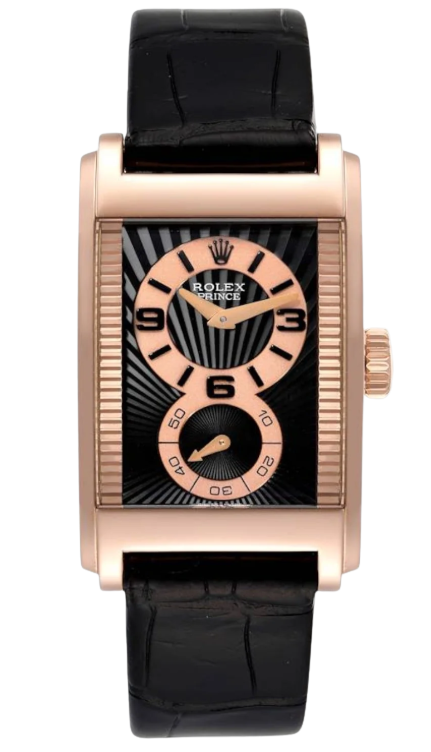
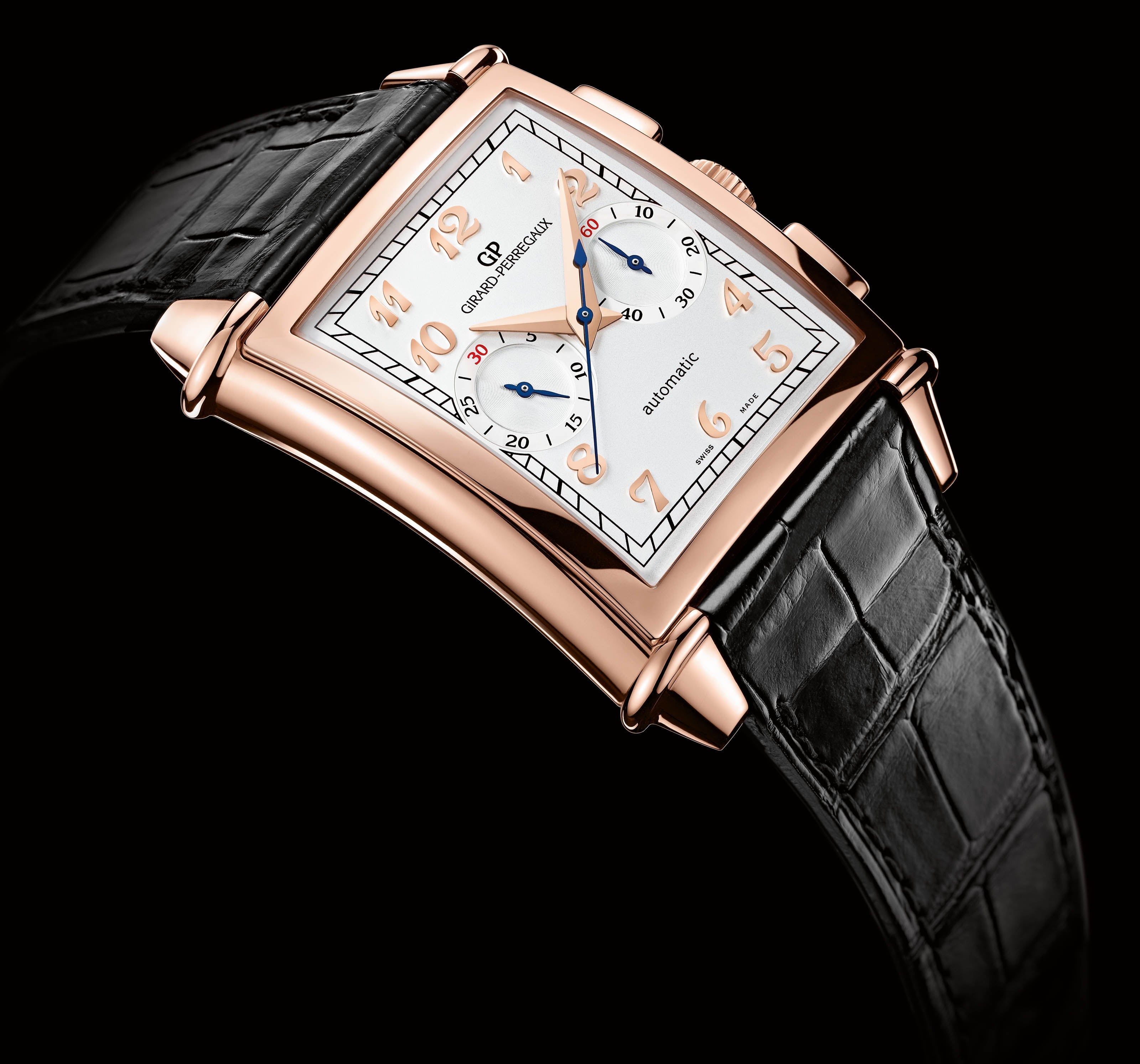
L'oro rosa, che sostituisce parte dell'argento nella lega 18 carati con rame aggiuntivo, è diventato sempre più popolare negli orologi da sera rettangolari nell'ultimo decennio. La sua tonalità calda e rosata crea un registro estetico diverso dall'oro giallo, più contemporaneo e meno tradizionale, pur mantenendo le proprietà materiali che rendono l'oro un materiale adatto per le casse.
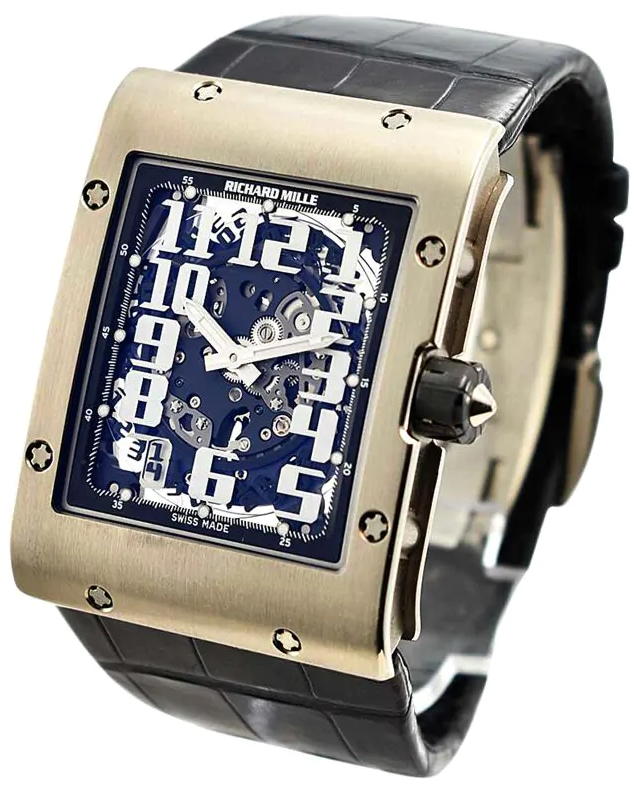
L'oro bianco è oro giallo legato con palladio o nichel per ridurne il colore. È più duro dell'oro giallo e può essere placcato in rodio per ottenere un aspetto argenteo brillante più resistente ai graffi rispetto alla lega di oro bianco sottostante. Le casse rettangolari in oro bianco offrono una costruzione in metallo prezioso con un carattere visivo più vicino al platino che all'oro giallo.
Oro Rosa
L'oro rosa merita una breve considerazione separata perché la sua specifica composizione della lega, con un contenuto di rame più alto rispetto all'oro giallo, gli conferisce proprietà materiali che differiscono significativamente dall'oro giallo nel contesto della costruzione di casse rettangolari.
Il contenuto più elevato di rame rende l'oro rosa leggermente più duro dell'oro giallo a parità di caratura. Questa durezza è un piccolo vantaggio per la conservazione degli spigoli negli angoli in casse rettangolari sottili e per la resistenza all'usura a lungo termine su superfici ad alto contatto come il fondello e i bordi delle anse. Significa anche che l'oro rosa è marginalmente più difficile da lavorare e lucidare rispetto all'oro giallo, richiedendo maggiore cura nel processo di finitura per ottenere la stessa qualità superficiale.
Il colore dell'oro rosa interagisce con colori del quadrante diversi rispetto all'oro giallo. Su quadranti ardesia, carbone o blu scuro, l'oro rosa crea una combinazione contemporanea che è diventata una delle estetiche distintive della rinascita attuale degli orologi rettangolari. Su quadranti bianchi o crema, l'oro rosa appare più caldo e moderno rispetto all'oro giallo, che invece evoca associazioni più storiche.
Platino
Il platino è utilizzato nelle casse rettangolari di orologi nella fascia alta di prezzo, in edizioni limitate e riferimenti di alta orologeria. Le sue proprietà materiali sono distintive e, per il contesto specifico della costruzione di casse rettangolari, particolarmente interessanti.
Il platino è più denso dell'oro, rendendo una cassa rettangolare in platino visibilmente più pesante di una equivalente in oro. Questo peso è percepibile al polso e conferisce all'orologio una presenza fisica che i materiali più leggeri non offrono. Alcuni collezionisti apprezzano questo peso come segno di sostanza materiale. Altri lo trovano scomodo in un contesto di orologio da sera dove si preferisce una cassa leggera e discreta.
Il platino è anche più duro dell'oro e più resistente ai graffi. Una cassa rettangolare in platino mantiene meglio nel tempo la definizione dei bordi e la qualità della superficie rispetto a una cassa in oro di design equivalente. Gli angoli di una cassa in platino, una volta lucidati, conservano la loro nitidezza più a lungo rispetto agli angoli in oro in condizioni di utilizzo comparabili.
Il colore del platino, un grigio-bianco freddo, crea un'estetica particolare per gli orologi da sera rettangolari che né l'acciaio né l'oro bianco riescono a replicare completamente. È visivamente più sobrio dell'oro giallo e più caldo dell'acciaio, con una qualità di presenza materiale immediatamente percepibile dall'occhio esperto.
Titanio
Il titanio è entrato più lentamente nella categoria delle casse rettangolari rispetto a quelle rotonde, principalmente perché le sue caratteristiche specifiche di lavorazione interagiscono in modo complesso con la geometria delle casse rettangolari. Tuttavia, è un materiale sempre più importante nella categoria e le sue proprietà lo rendono davvero interessante per esigenze specifiche degli acquirenti.
Proprietà del titanio per casse rettangolari
Il titanio è circa il 45% più leggero dell'acciaio a volume equivalente, il che lo rende la scelta ovvia per casse rettangolari di grande formato dove la costruzione in acciaio produrrebbe un orologio scomodo e pesante. Una cassa rettangolare larga 35 mm in titanio si posa sul polso con una leggerezza che la stessa cassa in acciaio non può eguagliare.
Il titanio è anche eccezionalmente resistente alla corrosione, ipoallergenico e biocompatibile, rendendolo la scelta migliore per gli acquirenti con sensibilità ai metalli che non possono indossare comodamente acciaio o oro.
Le sfide con il titanio nelle casse rettangolari riguardano la lavorazione e la finitura. Il titanio è difficile da lavorare in modo pulito e tende a indurirsi durante le operazioni di taglio, richiedendo cambi utensile più frequenti e una gestione più attenta dei parametri di taglio rispetto all'acciaio. Le superfici piatte di una cassa rettangolare in titanio richiedono una lavorazione più accurata rispetto alle superfici equivalenti in acciaio per ottenere una planarità costante e transizioni nette negli angoli.
Il titanio resiste anche alla finitura ad alta lucidatura. La sua durezza superficiale, combinata con la tendenza a mantenere una microtexture leggermente granulosa dopo la lucidatura, significa che le casse rettangolari in titanio sono quasi sempre finite con texture spazzolate o satinate piuttosto che con una lucidatura a specchio ad alta brillantezza. Questo non è un difetto. Il titanio spazzolato ha un'eleganza industriale distintiva che si adatta particolarmente bene ai design rettangolari contemporanei. Ma significa anche che il titanio e l'estetica rettangolare ad alta lucentezza non sono partner naturali.
Gradi di titanio
La maggior parte del titanio di qualità orologiera è di grado 2 o grado 5. Il grado 2 è titanio commercialmente puro, più morbido e facile da lavorare ma meno resistente. Il grado 5, noto anche come Ti-6Al-4V, è legato con alluminio e vanadio per una resistenza e durezza significativamente maggiori, rendendolo più adatto a sezioni di casse rettangolari a parete sottile dove l'integrità strutturale a sezioni trasversali ridotte del materiale è importante.
Ceramica
La ceramica è un materiale emergente nelle casse rettangolari degli orologi che offre proprietà non disponibili in nessun metallo. La sua estrema durezza, tipicamente misurata intorno a 1.250 sulla scala Vickers rispetto a circa 200 per l'acciaio, la rende praticamente antigraffio nelle normali condizioni d'uso. Una cassa rettangolare in ceramica manterrà la qualità della superficie indefinitamente in modi che nessun metallo può eguagliare.
La sfida con la ceramica nelle casse rettangolari è il processo di sinterizzazione utilizzato per produrre i componenti in ceramica. Le casse degli orologi in ceramica sono formate comprimendo polvere di ceramica in stampi e poi sinterizzando, riscaldando sotto pressione per fondere le particelle in un solido. La geometria dello stampo determina la forma della cassa, e gli stampi rettangolari con angoli netti sono significativamente più impegnativi rispetto a quelli rotondi. Ottenere angoli netti e definiti in una cassa in ceramica sinterizzata richiede precisione dello stampo e controllo della sinterizzazione più difficili e costosi rispetto alla produzione di casse in ceramica rotonde.
Il risultato è che le casse rettangolari in ceramica di qualità sono rare e costose rispetto alle casse metalliche equivalenti. Con il miglioramento della tecnologia di produzione, questo sovrapprezzo si ridurrà e le casse rettangolari in ceramica diventeranno più accessibili a prezzi di fascia media.
La tenuta stagna della cassa di diversi materiali della cassa, e come le proprietà del materiale influenzano l'integrità a lungo termine delle guarnizioni che impediscono l'ingresso di umidità nella cassa, è trattata in dettaglio nell'articolo sulla resistenza all'acqua.
Placcatura in oro e rivestimento PVD
Le casse di orologi rettangolari placcate in oro e rivestite PVD meritano una valutazione onesta accanto alle opzioni in materiale massiccio, perché rappresentano una parte significativa del mercato nelle fasce di prezzo di ingresso e medio.
La placcatura in oro deposita uno strato sottile di oro, tipicamente spesso da 3 a 5 micron, su una cassa in metallo di base, solitamente ottone o acciaio. Il risultato visivo è indistinguibile dall'oro massiccio a prima vista. La durata invece no. La placcatura in oro su una cassa rettangolare si consumerà agli angoli e nelle aree di contatto elevato entro due-cinque anni di uso regolare, rivelando il metallo di base sottostante. Per orologi da indossare occasionalmente, la placcatura in oro rimane accettabile per un periodo significativamente più lungo.
Il rivestimento PVD, deposizione fisica da vapore, applica un rivestimento duro molto sottile, tipicamente di nitruro di titanio o carbonio simile al diamante, sulla superficie della cassa. I rivestimenti PVD sono più duri della placcatura in oro e più resistenti, ma si consumano comunque nel tempo agli angoli delle casse rettangolari, dove la concentrazione di stress e la frequenza di contatto sono maggiori. Un rivestimento PVD di qualità su una cassa rettangolare dura da quattro a otto anni con uso quotidiano prima di mostrare un'usura significativa.
Né la placcatura in oro né il rivestimento PVD sono scelte disoneste. Consentono di ottenere qualità visive a prezzi accessibili che il metallo prezioso massiccio non può offrire. Ma gli acquirenti dovrebbero capire cosa stanno acquistando e avere aspettative realistiche sulla durata.
Scegliere il materiale giusto
La scelta del materiale per un orologio rettangolare dovrebbe essere guidata da tre fattori: come intendi indossare l'orologio, quale carattere estetico desideri dalla cassa e quale budget hai a disposizione.
Per l'uso quotidiano, l'acciaio è quasi sempre la scelta giusta. La sua combinazione di durata, qualità della finitura e resistenza alla corrosione lo rende il materiale più pratico per un orologio che verrà indossato regolarmente. Invecchia con grazia, può essere rifinito quando necessario e non richiede la cura particolare che invece richiedono le casse in metallo prezioso.
Per un abbigliamento formale occasionale, il metallo prezioso è la scelta giusta se il budget lo consente. L'oro giallo per l'estetica più tradizionale e calda, l'oro rosa per un registro più contemporaneo, l'oro bianco o il platino per un carattere visivo più freddo e riservato. La morbidezza dei metalli preziosi non è un problema pratico per un uso occasionale, e la qualità del materiale aggiunge un valore reale all'esperienza di indossare e maneggiare l'orologio.
Per gli acquirenti con sensibilità al peso o allergie ai metalli, il titanio offre una combinazione convincente di leggerezza, durata e proprietà ipoallergeniche che nessun altro materiale può eguagliare. La limitazione all'estetica con finitura spazzolata è un vincolo reale, ma che si adatta particolarmente bene ai design rettangolari audaci e contemporanei.
La concentrazione dello stress agli angoli che tutte le casse rettangolari sperimentano, e come i diversi materiali rispondono a essa nel lungo termine, è analizzata in profondità nell'articolo sulle sfide ingegneristiche.
Sommario
La scelta del materiale in una cassa di orologio rettangolare è una decisione più importante rispetto a un orologio rotondo, perché le specifiche esigenze ingegneristiche del formato rettangolare interagiscono diversamente con i vari materiali. L'acciaio è la scelta più pratica e versatile per la maggior parte degli acquirenti. I metalli preziosi aggiungono una qualità autentica all'esperienza di possesso in contesti formali e di utilizzo occasionale. Il titanio risolve i problemi di peso e sensibilità ai metalli per chi necessita di queste soluzioni. La ceramica rappresenta il futuro della costruzione di casse rettangolari resistenti ai graffi.
Comprendere cosa offre ogni materiale e cosa richiede dal processo di produzione e dall'utilizzatore è la base per fare una scelta di materiale che risponda alle tue reali esigenze piuttosto che seguire semplicemente la convenzione.
La guida completa agli orologi rettangolari inserisce la scelta del materiale nel contesto completo della decisione d'acquisto di un orologio rettangolare, insieme a proporzioni, tipo di movimento, selezione del cinturino e prezzo.
Articoli correlati:
- Guida completa agli orologi rettangolari - Il riferimento definitivo per la categoria
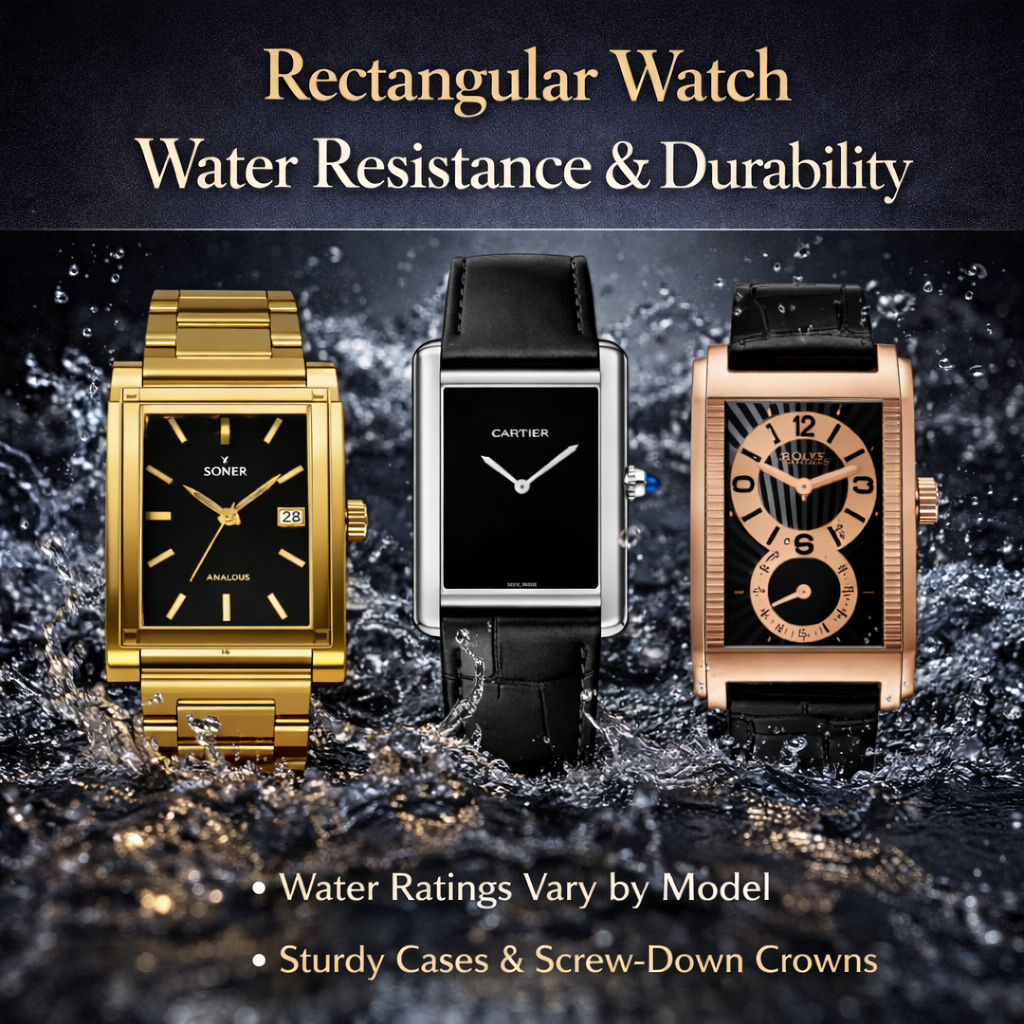
- Resistenza all'acqua e durata degli orologi rettangolari - prestazioni di tenuta della cassa in base al materiale
- Sfide ingegneristiche delle casse rettangolari - concentrazione dello stress agli angoli spiegata
- Come scegliere l'orologio rettangolare giusto - selezione del materiale nel quadro completo dell'acquisto
SÖNER rectangular watches
Free worldwide shipping · 10-year warranty · 30-day returns
Our pick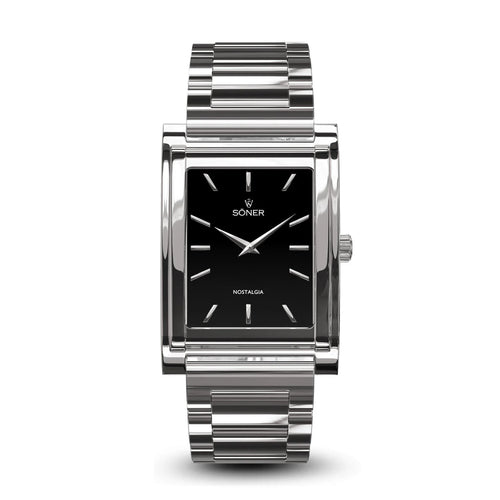 Nostalgia StockholmBatteria 11 anni€525,95 EUR
View watch
Nostalgia StockholmBatteria 11 anni€525,95 EUR
View watch
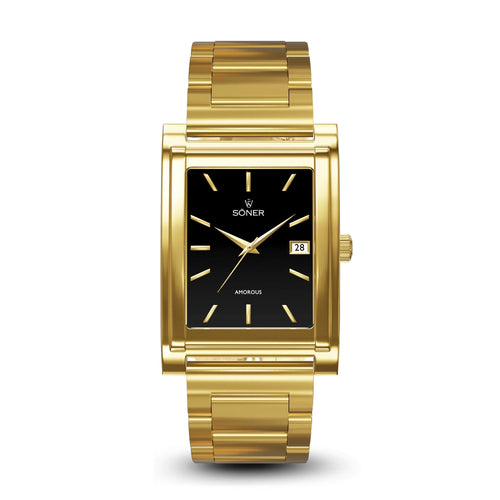 Amorous MilanoAutomatico€711,95 EUR
View watch
Amorous MilanoAutomatico€711,95 EUR
View watch
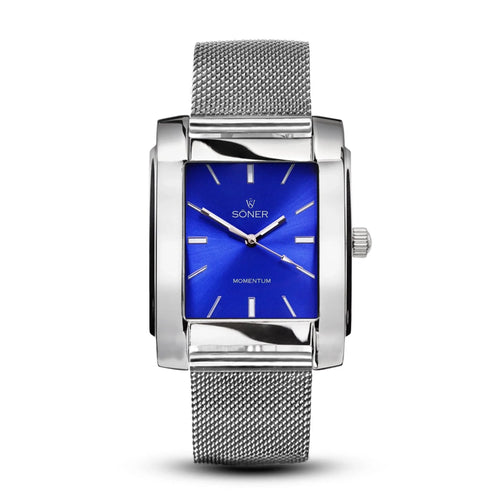 Momentum BacardiAutomatico€530,95 EUR
View watch
Momentum BacardiAutomatico€530,95 EUR
View watch
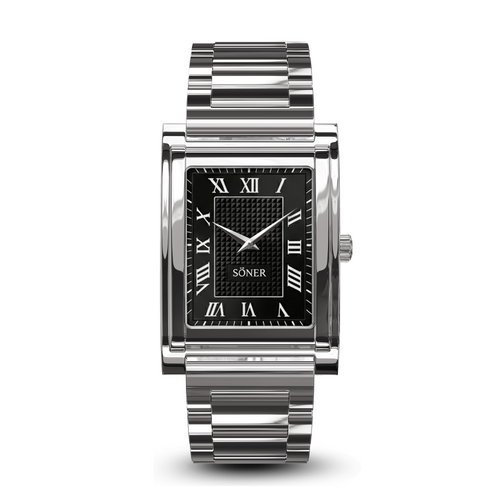 Nostalgia CaesarBatteria 11 anni€693,95 EUR
View watch
Nostalgia CaesarBatteria 11 anni€693,95 EUR
View watch
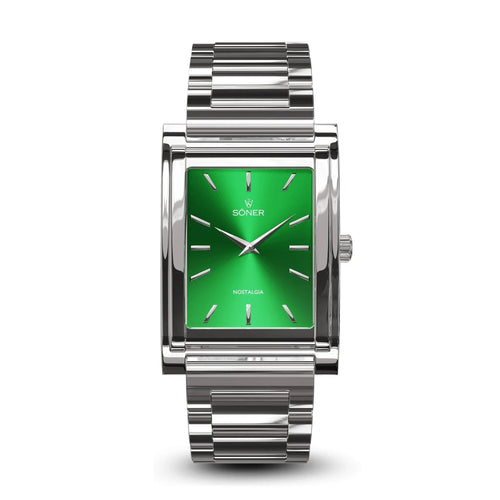 Nostalgia New YorkBatteria 11 anni€525,95 EUR
View watch
Nostalgia New YorkBatteria 11 anni€525,95 EUR
View watch
View all watches
 Nostalgia StockholmBatteria 11 anni€525,95 EUR
View watch
Nostalgia StockholmBatteria 11 anni€525,95 EUR
View watch
 Amorous MilanoAutomatico€711,95 EUR
View watch
Amorous MilanoAutomatico€711,95 EUR
View watch
 Momentum BacardiAutomatico€530,95 EUR
View watch
Momentum BacardiAutomatico€530,95 EUR
View watch
 Nostalgia CaesarBatteria 11 anni€693,95 EUR
View watch
Nostalgia CaesarBatteria 11 anni€693,95 EUR
View watch
 Nostalgia New YorkBatteria 11 anni€525,95 EUR
View watch
Nostalgia New YorkBatteria 11 anni€525,95 EUR
View watch