

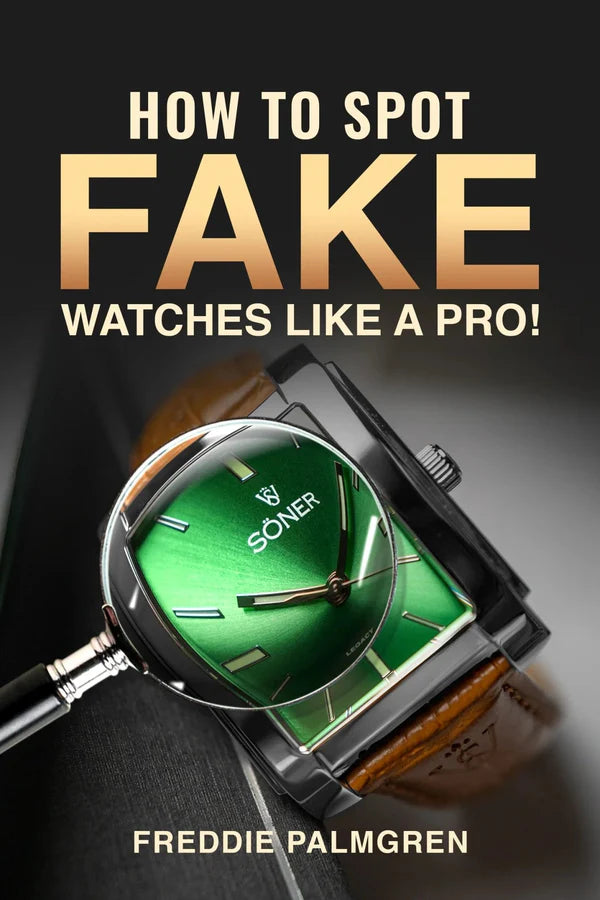

 Published on
Table of Contents
Introduction to Blockchain Technology
In recent years, blockchain technology has emerged as a revolutionary force, reshaping various industries through its unique characteristics of transparency and security. A decentralized ledger that records transactions across multiple computers, blockchain ensures that data cannot be altered without the consensus of the network. This inherent trustworthiness makes blockchain particularly appealing for applications where authenticity is paramount, such as luxury goods.

What is Blockchain?
At its core, blockchain is a chain of blocks that hold information. These blocks contain data about transactions, a hash of the previous block, and a timestamp. This structure creates an unchangeable record, making it nearly impossible for any single entity to manipulate the data without detection. When multiple participants can access the same information, it fosters trust and reduces fraud.
Blockchain operates on a distributed network, meaning no single party controls it. Each participant, or node, stores a copy of the entire blockchain, ensuring that everyone has the same set of data. This decentralized nature not only boosts security but also enhances transparency, as every transaction is visible to those with access. This feature is particularly beneficial in sectors like supply chain management, where stakeholders can track the journey of products from origin to consumer, ensuring accountability at every step.
How Blockchain Works
To grasp how blockchain functions, imagine a digital ledger where all transactions are recorded in a linear fashion. When someone makes a transaction, it is put into a block. This block is then linked to the previous one, creating a chronological chain. Before the block is added to the chain, it is verified by multiple nodes in the network—this process is known as consensus.
This consensus mechanism can vary, ranging from proof of work, where nodes solve complex mathematical puzzles, to proof of stake, where validators are chosen based on the number of coins they hold. Once verified, the block is added to the chain, and a new block is created for the next transaction. This continuous process ensures that the data remains secure and tamper-proof. Furthermore, the transparency of blockchain allows for real-time auditing, which can significantly reduce the time and cost associated with traditional auditing processes. As a result, businesses can operate with greater efficiency and confidence, knowing that their records are both accurate and immutable.

The Counterfeit Watch Industry
The world of luxury watches is often marred by the prevalence of counterfeit products. As fashion trends change and new technology emerges, counterfeiters become increasingly sophisticated, creating challenges for both brands and consumers. The counterfeit watch industry is not just a problem for luxury brands—it has far-reaching implications for the economy and consumer trust.
Overview of Counterfeit Watches
Counterfeit watches are fake products that mimic the design and branding of genuine luxury watches. The global market for counterfeit luxury goods, including watches, is estimated to be worth hundreds of billions of dollars. These counterfeit items can often be so convincing that even seasoned experts can struggle to tell the difference without proper authentication methods.
The rise of the internet and online marketplaces has exacerbated the issue, as counterfeit products are easily accessible to consumers seeking bargains on luxury items. This not only undermines the value of genuine brands but also poses risks to consumers who may unknowingly purchase low-quality counterfeits that fall short of the expected standards. Furthermore, the proliferation of social media has allowed counterfeiters to market their products more effectively, often using influencers to promote these fake items as if they were the real deal, thereby blurring the lines between authenticity and imitation.
Impact on Brands and Consumers
The ramifications of counterfeit watches extend beyond the financial losses incurred by brands. For consumers, purchasing a counterfeit can lead to dissatisfaction, wasted money, and even safety concerns, especially if the counterfeit product is poorly made. Brands face significant challenges in maintaining their reputation and trust, as counterfeit products can damage consumer perception.
Additionally, the resources dedicated to combating counterfeiting take away from investment in genuine product development and market expansion. This ongoing battle against counterfeiters often leads to increased prices for genuine consumers who wish to purchase authentic watches, creating a cycle that is difficult to break. The emotional toll on consumers can also be significant; many individuals invest in luxury watches not just for their aesthetic appeal but as a symbol of status and achievement. When they unknowingly purchase a counterfeit, it can feel like a betrayal, leading to a loss of confidence in their purchasing decisions and the brands they once admired.
Moreover, the counterfeit watch industry can have a ripple effect on the job market. Legitimate watch manufacturers may find themselves forced to cut costs or reduce their workforce due to the financial strain caused by counterfeiting. This not only affects the companies but also the skilled artisans and craftsmen who rely on these brands for their livelihoods. The decline in demand for authentic luxury watches can stifle innovation and craftsmanship, as brands may prioritize cost-cutting over quality, further diminishing the allure of genuine luxury timepieces.

Blockchain Solutions for Authentication
Amidst the challenges posed by counterfeit watches, blockchain technology emerges as a potent solution for enhancing authentication processes. By providing a secure, unchangeable record of a watch's provenance, brands can offer consumers peace of mind. The benefits of blockchain in watch authentication extend to manufacturers, retailers, and end-users alike.
How Blockchain Enhances Authentication
Blockchain technology can enhance authentication by creating a digital certificate of authenticity for each watch. This certificate is stored on the blockchain, detailing the watch’s origin, ownership history, and any repairs or services performed. Once a watch is registered on the blockchain, its entire history is available for verification.
When a consumer wishes to purchase a luxury watch, they can access this blockchain record to verify its authenticity. This process mitigates the risks associated with counterfeit products, providing a layer of trust that was previously lacking. Moreover, the decentralized nature of blockchain means that no single entity controls the data, further reducing the chances of manipulation. This transparency not only reassures buyers but also fosters a more informed consumer base, as potential owners can make decisions based on comprehensive data rather than mere brand reputation.
Case Studies of Blockchain in Watch Authentication
Several luxury watch brands have already begun exploring blockchain technology to combat counterfeiting. For instance, luxury watchmaker Breitling has partnered with a blockchain platform to implement unique identification numbers for their watches. These identifiers are registered on the blockchain, allowing consumers to verify the authenticity of their timepieces with ease.
Another example is the case of the luxury brand TAG Heuer, which has launched a blockchain-based platform to provide a transparent supply chain and genuine documentation of their watches. By integrating blockchain technology into their operations, these brands are not only protecting their reputations but are also enhancing the customer experience. This transparency extends beyond the initial sale; it allows for a more robust resale market, where previous owners can easily pass on the watch's verified history to new buyers, ensuring that value is retained and trust is maintained throughout the watch's lifecycle.
Additionally, the integration of blockchain technology can facilitate a more streamlined warranty process. With all service records and ownership changes logged on the blockchain, manufacturers can quickly verify warranty claims, reducing the hassle for consumers and ensuring that genuine watches receive the support they deserve. This level of accountability can significantly enhance customer loyalty, as buyers feel more secure in their investment when they know that their luxury watch is backed by a comprehensive, verifiable history.

Challenges and Future of Blockchain in Watch Authentication
While the potential of blockchain to combat counterfeit watches is promising, it is not without its challenges. As with any new technology, there are limitations that must be addressed for widespread adoption to occur.
Current Limitations of Blockchain Technology
One of the primary limitations of blockchain technology is scalability. As more transactions occur, the blockchain can become congested, leading to longer processing times and higher transaction costs. Additionally, integrating blockchain into existing business processes can be challenging and may require substantial investment.
Furthermore, consumer education is crucial. While tech-savvy individuals may easily understand the benefits of blockchain for authentication, many consumers are still unaware of how it works. This knowledge gap could hinder adoption, making it essential for brands to invest in educating their customers on how blockchain enhances their shopping experiences.
Another significant challenge lies in the regulatory landscape surrounding blockchain technology. Different countries have varying laws and regulations regarding digital currencies and blockchain applications, which can create uncertainty for brands looking to implement these solutions. Navigating this complex environment requires not only legal expertise but also a commitment to compliance, which can be daunting for smaller companies.
Future Trends and Innovations in Authentication
Looking ahead, the future of blockchain in watch authentication is bright. As education increases and technology evolves, we can expect more brands to adopt blockchain solutions, leading to a broad shift in the industry. Innovations such as NFC integration could further streamline authentication processes, allowing consumers to scan a watch with their smartphones to verify authenticity instantly.
Moreover, the concept of self-sovereign identity—a paradigm where individuals control their own digital identities—may further revolutionize how consumers authenticate luxury goods. Imagine a world where your digital identity is securely tied to your purchases, allowing you to prove ownership without compromising personal information. This could not only enhance the consumer experience but also reduce the risk of identity theft, as personal data would remain in the hands of the individual rather than being stored on centralized databases.
In addition to these innovations, partnerships between luxury brands and technology firms are likely to become more common. By collaborating with tech experts, watchmakers can leverage cutting-edge developments in blockchain and artificial intelligence to create more sophisticated authentication systems. This synergy could lead to the development of advanced algorithms capable of detecting counterfeit products with unprecedented accuracy, thus further solidifying consumer trust in the luxury watch market.
Overall, as the fight against counterfeit watches continues, blockchain stands out as a transformative tool that enhances trust, transparency, and authenticity in the luxury watch market. By leveraging this technology, brands can not only protect their identities but also foster a more honest and reliable marketplace for consumers.

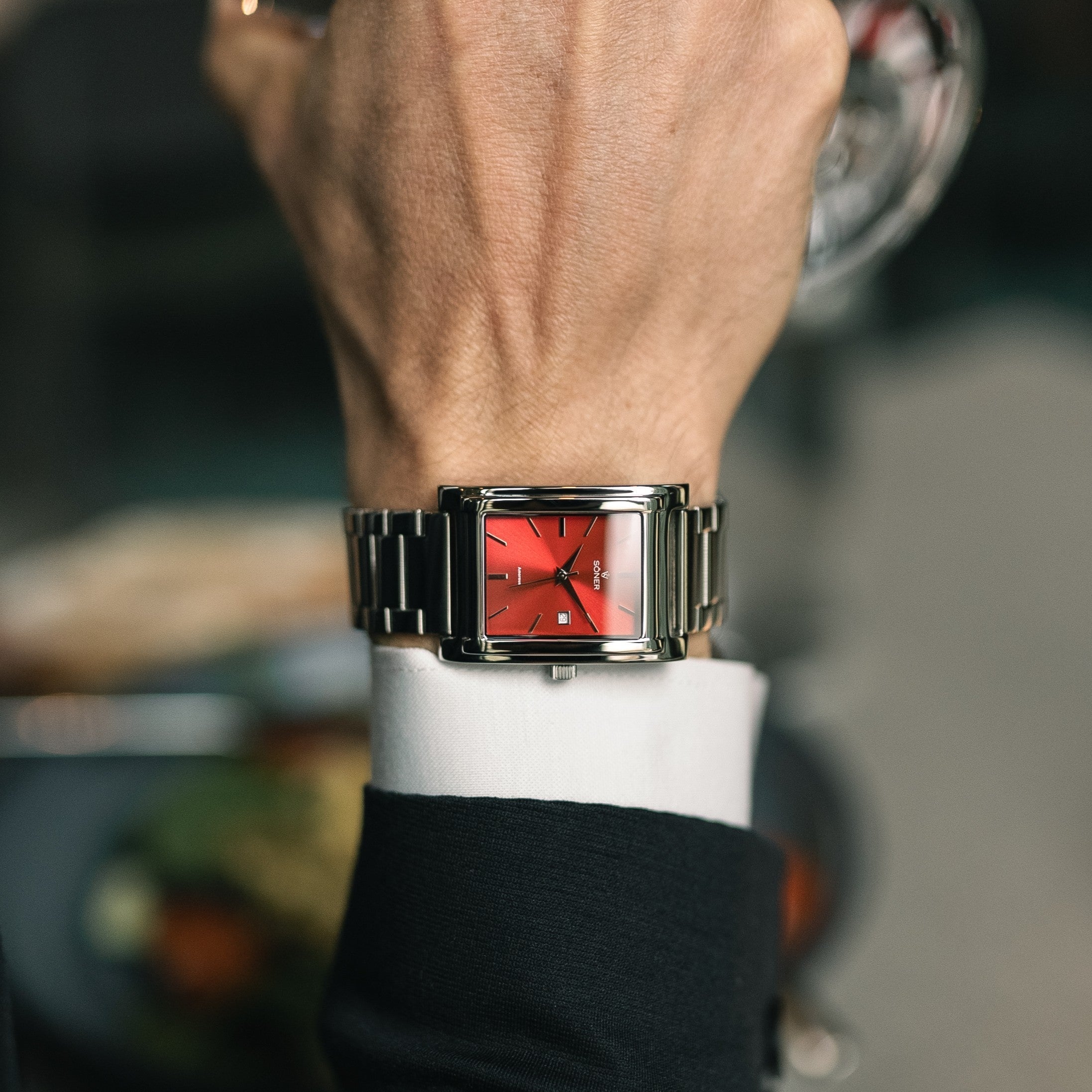
At Söner Watches, we understand the importance of authenticity and originality in a world often filled with imitation. Our dedication to crafting unique rectangular timepieces is a testament to our commitment to excellence and innovation. As we embrace the future of watch authentication with blockchain technology, we invite you to Discover our watch collections and join us in celebrating the art of fine watchmaking. Experience the distinction and elegance that only Söner Watches can offer—the rectangular watch brand that stands for trust, perfection, and a bold departure from the ordinary.