


 Published on
Table of Contents
No watch brand in the world carries more cultural weight than Rolex. The name alone communicates something before anyone has seen the watch on the wrist. Understanding why - what Rolex actually represents, how that reputation was built, and what wearing one says - requires looking at the brand's history and the specific decisions that made it what it is today.
Why Rolex Watches Are Significant
Rolex's significance is not accidental. It was built through a specific series of innovations, associations, and decisions across more than a century of watchmaking that collectively created the most recognised luxury brand in the world.
The foundation is technical credibility. Rolex introduced the first commercially successful waterproof wristwatch - the Oyster - in 1926, demonstrating its water resistance by having swimmer Mercedes Gleitze wear one during her English Channel crossing in 1927. That was not a marketing exercise. It was a public demonstration of a technical claim, and it worked. The Perpetual self-winding rotor followed in 1931. The first purpose-built diver's watch, the Submariner, arrived in 1953. Each innovation was practical, documented, and verifiable.

On this technical foundation, Rolex built a system of associations: with exploration (Edmund Hillary wore a Rolex on the first Everest summit in 1953), with professional diving, with motorsport, with aviation. The GMT-Master was developed with Pan Am for transatlantic pilots. The Daytona was designed for racing drivers. The Explorer was built for mountaineers. Each association was functional first, and the prestige followed from that function.
The Most Significant Rolex Models and What They Represent
| Model | Introduced | What It Represents |
|---|---|---|
| Oyster Perpetual | 1926 / 1931 | The technical foundation - waterproofing and self-winding, the two innovations that defined modern watch specification |
| Submariner | 1953 | The defining dive watch. Also James Bond's watch from Dr. No (1962). The most recognisable watch design in the world. |
| Daytona | 1963 | Motorsport, speed, Paul Newman. The most sought-after watch on the secondary market for decades. |
| GMT-Master | 1954 | Developed for Pan Am pilots. Dual time zone. Became a travel and aviation icon. |
| Explorer | 1953 | Hillary's Everest watch. Adventure, exploration, and functional elegance in the most restrained Rolex design. |
| Day-Date | 1956 | The President's watch - first watch to display the day spelled out. Gold only. The status peak of the Rolex range. |
| Datejust | 1945 | The most versatile Rolex. Dress and casual, men and women, every generation. The entry point to Rolex's world. |
What Wearing a Rolex Communicates
A Rolex communicates success. This is not subtle - it is the primary signal, and most people who buy one are aware of it. The question worth asking is whether that is the signal you want to send, and whether a Rolex is the most considered way to send it.
The Submariner and GMT-Master have become so ubiquitous at a certain professional tier that they function more as a uniform than a personal statement. They communicate membership of a group rather than individual taste. This is not a criticism - social signalling is a legitimate function of an accessory - but it is worth being clear-eyed about.
The more interesting Rolex signals come from the less obvious choices. The Explorer - clean, unadorned, functional - communicates a different kind of authority than a Submariner. The Day-Date in gold communicates wealth explicitly rather than suggesting it. The vintage Rolex - a 1960s Submariner or a Paul Newman Daytona - communicates historical knowledge and collector credibility.
Famous Rolex Wearers and What Their Choices Said
Paul Newman wore a Rolex Daytona ref. 6239 throughout the 1970s - given to him by his wife Joanne Woodward with the inscription "Drive Carefully Me." When the watch sold at auction in 2017 for $17.8 million, it became the most expensive watch ever sold at auction at that time. Newman's Daytona is now the standard reference for the model's most desirable variant.
Steve McQueen wore several watches across his career, most famously the TAG Heuer Monaco in Le Mans, but also a Rolex Explorer and Submariner in various contexts. His watch choices were always functional and understated for the occasion - never decorative.
Edmund Hillary wore a Rolex Oyster Perpetual to the summit of Everest in 1953. Rolex used the association extensively - it remains one of the most powerful product endorsements in commercial history, because it was genuine and documented.
Marlon Brando wore a Rolex Submariner ref. 6538 in Apocalypse Now (1979) - a personal watch rather than a prop. That specific reference sold at auction in 2019 for $1.95 million.
Rolex's Rectangular Watches: The Cellini Prince
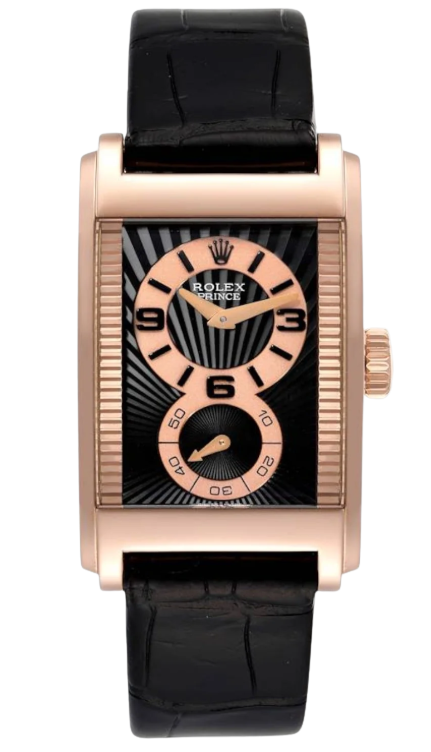
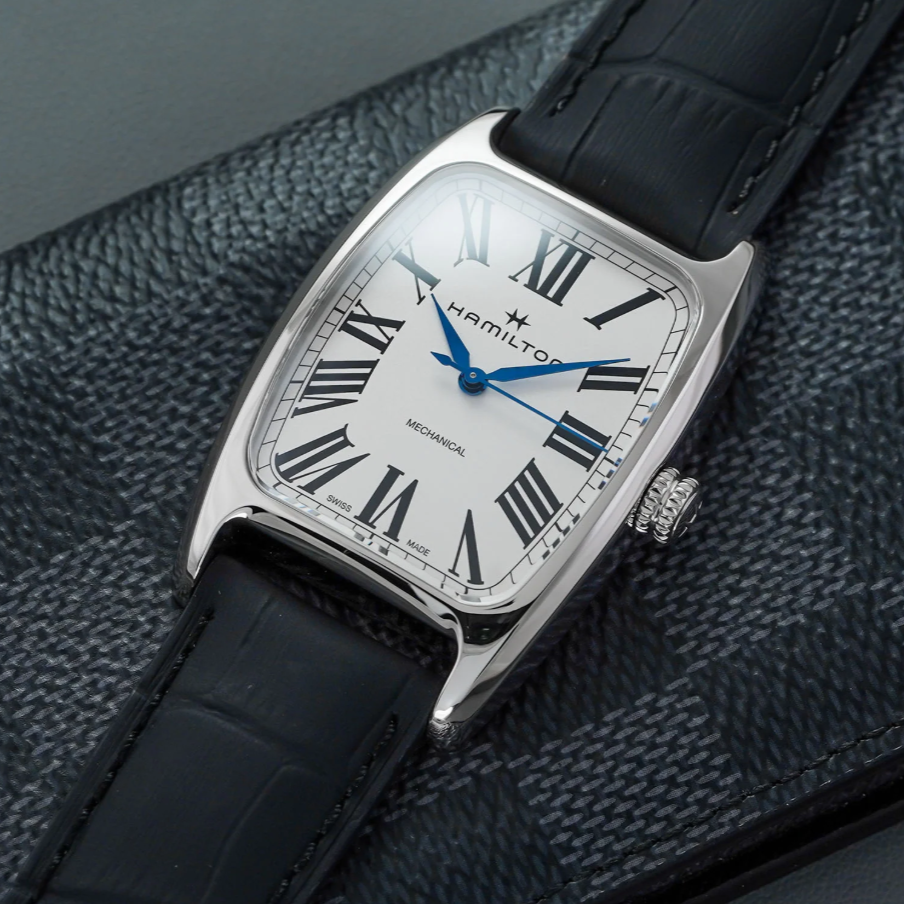
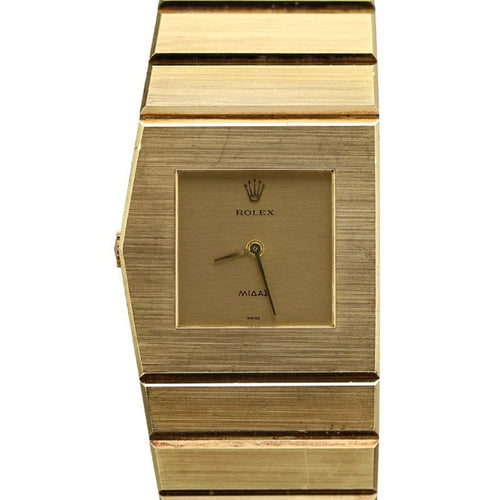
Rolex's rectangular heritage is less known than its round sports watches but worth documenting. The Rolex Prince, introduced in the late 1920s, was one of the most technically sophisticated rectangular watches of its era - featuring a two-register dial with separate time and seconds displays in a distinctive rectangular case. It was worn by figures including Franklin D. Roosevelt and became a significant collector reference.
The Cellini Prince continued the rectangular tradition into the modern era. Now discontinued, clean examples of the Cellini Prince are increasingly collectible. For Rolex buyers interested in the brand's rectangular heritage, see our complete guide to Rolex rectangular watches.

Rolex Alternatives for the Same Design Authority
The practical challenge with Rolex in 2026 is availability. The most desirable Submariner, GMT-Master, and Daytona references are waitlisted at authorised dealers, and grey market prices run significantly above retail. Buyers who want the authority of a considered, heritage watch without the Rolex premium or availability constraints have strong options.
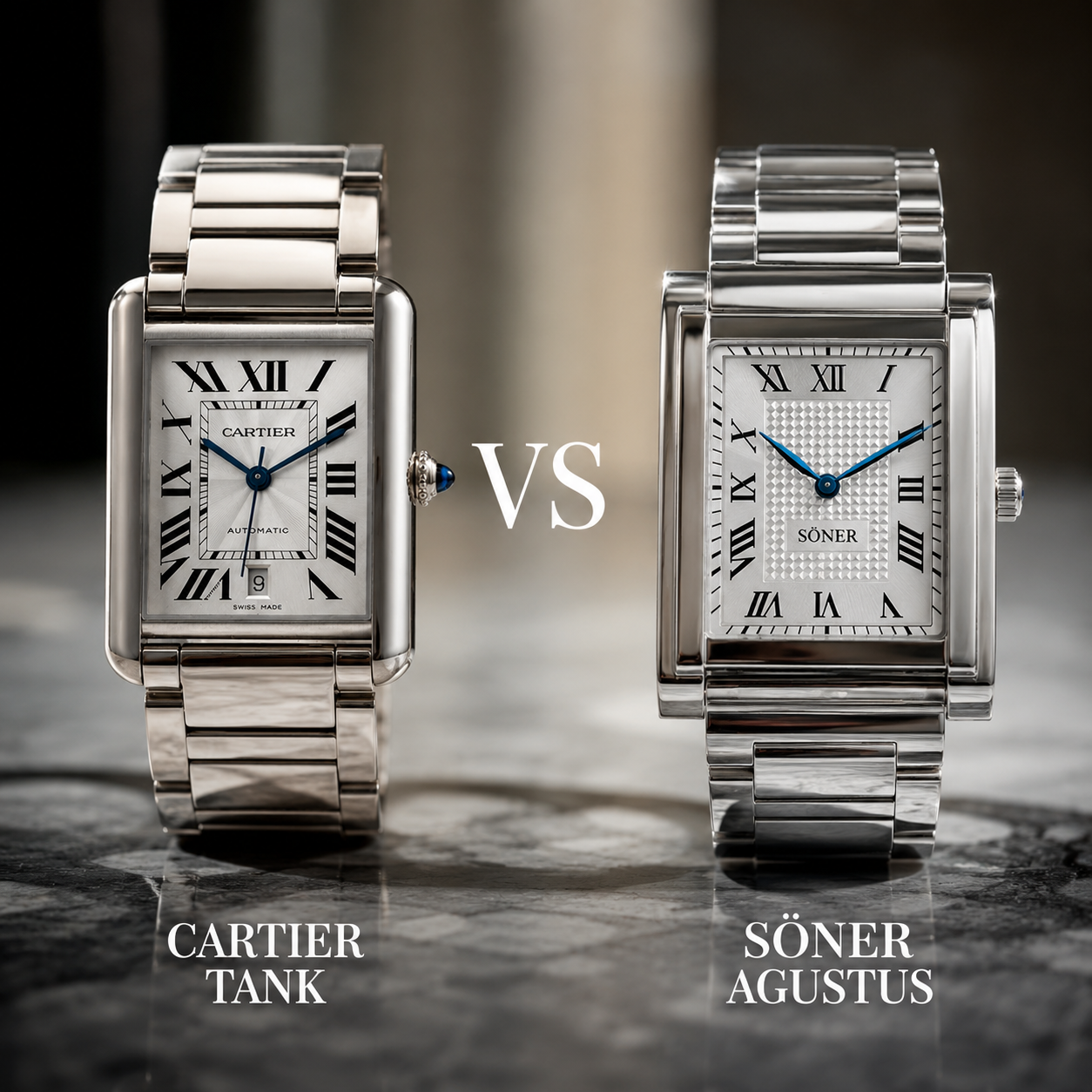
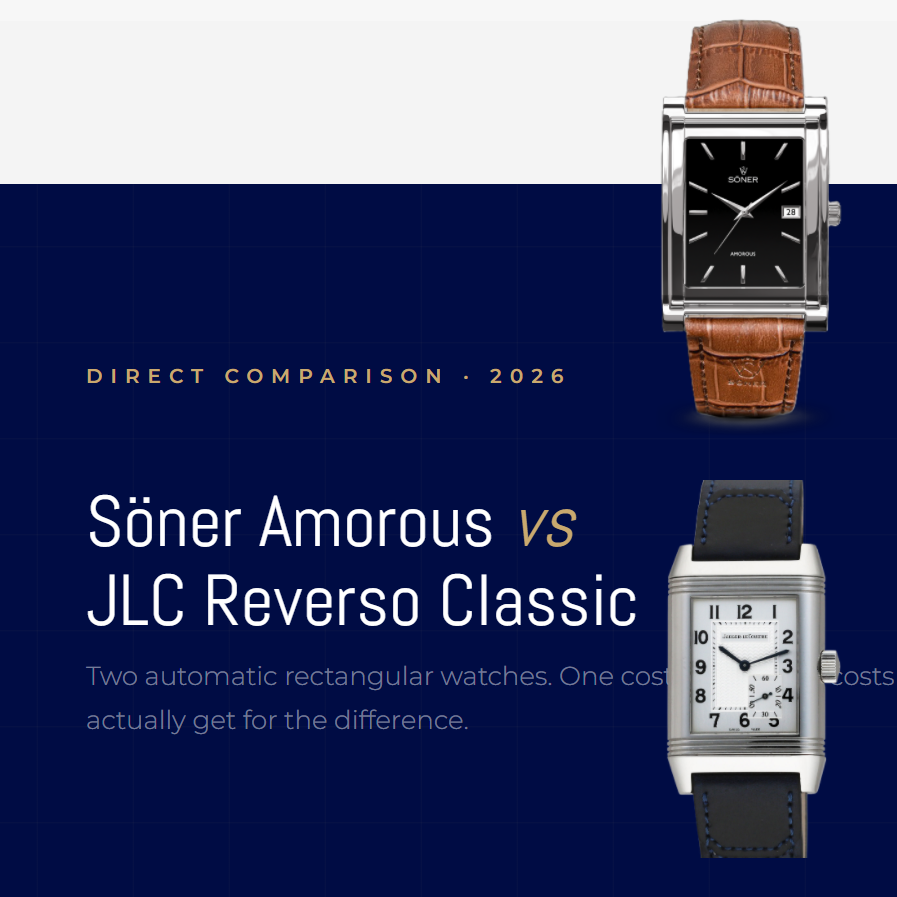
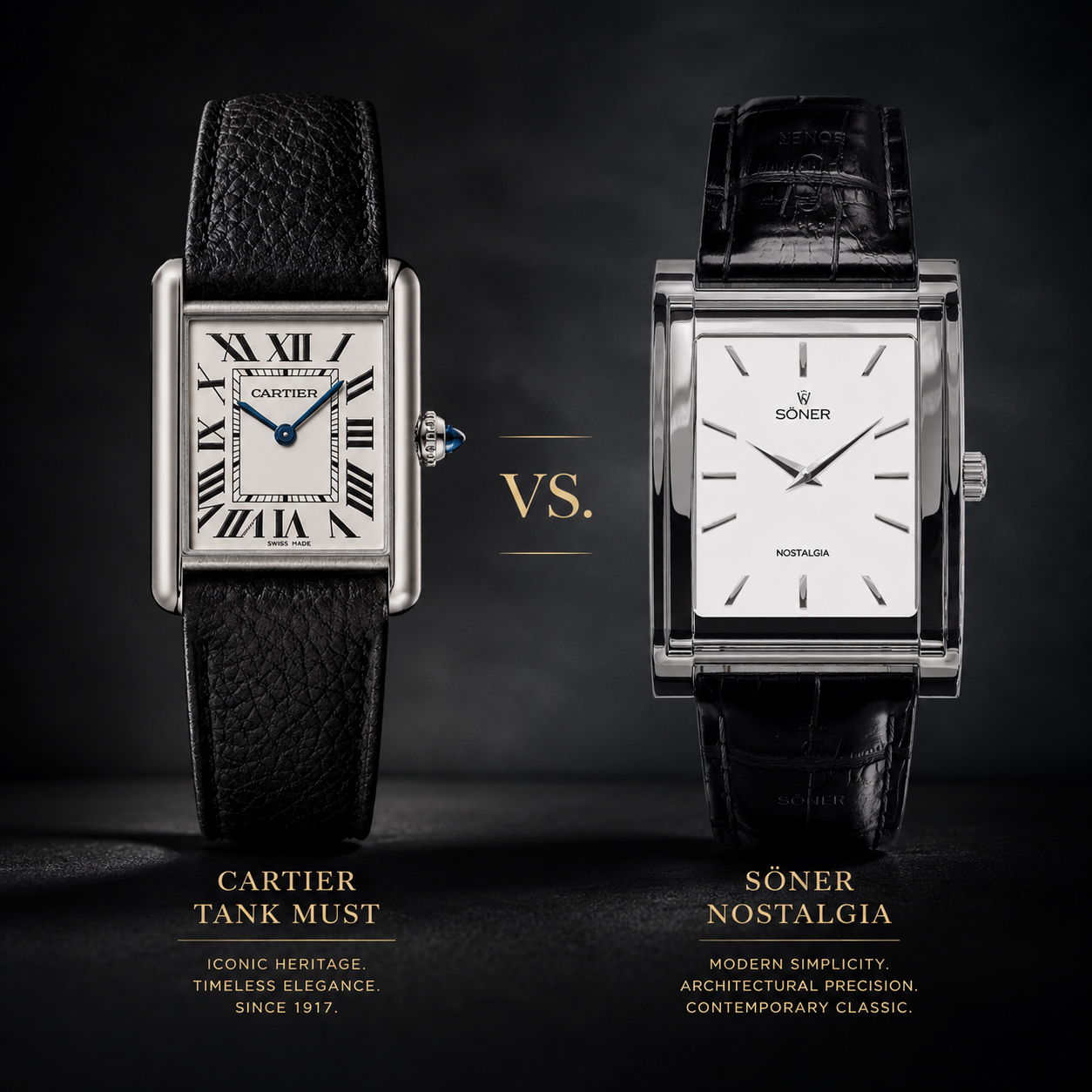
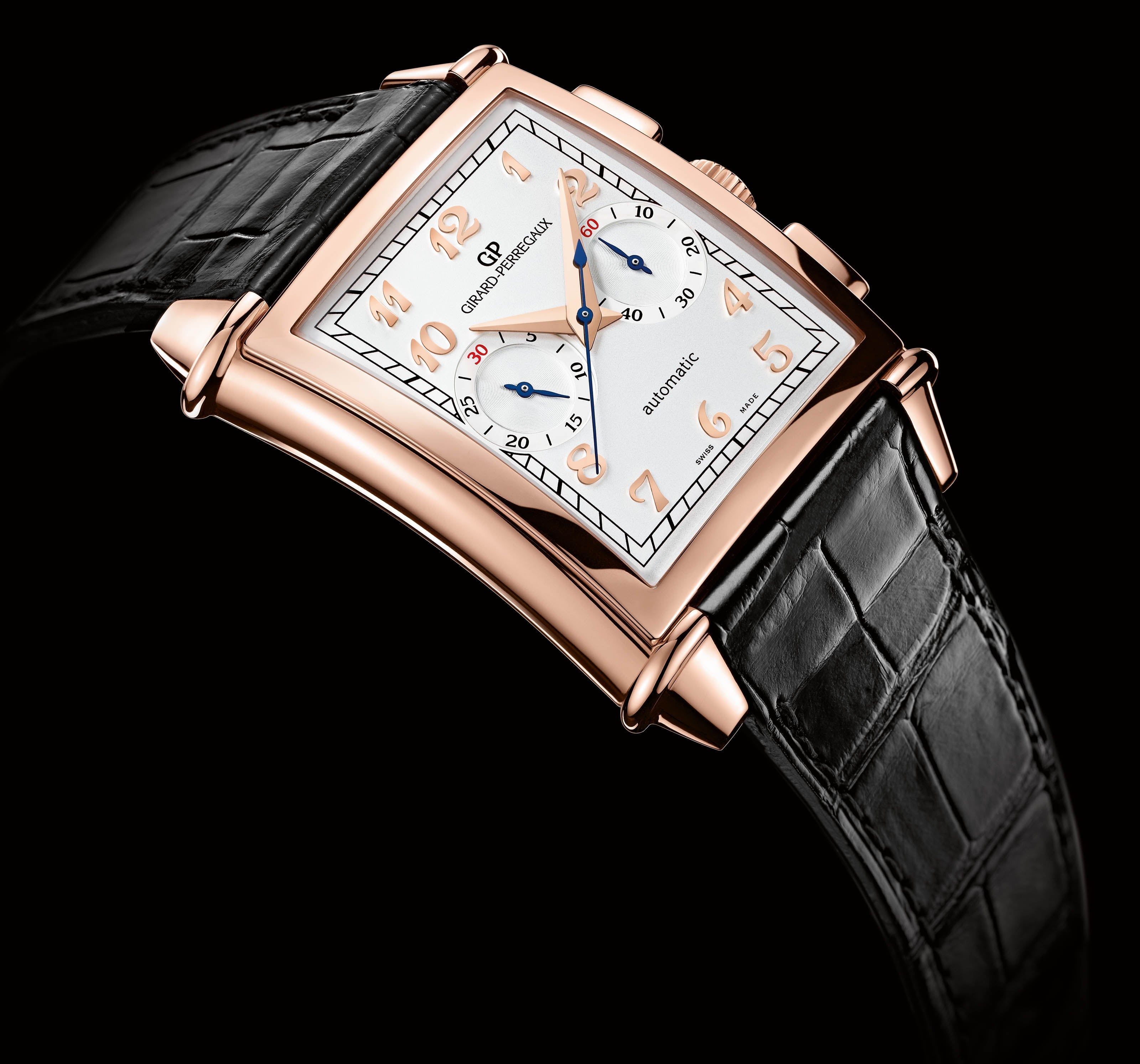
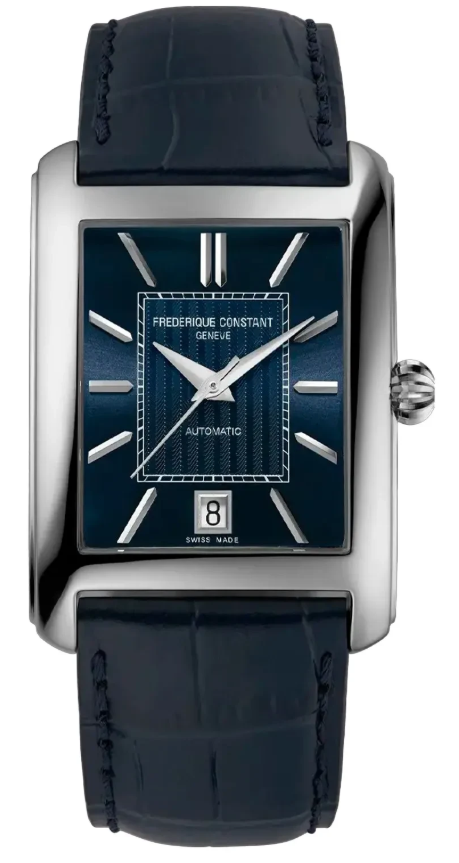
For rectangular dress watches - the design category that Rolex itself explored with the Prince and Cellini - the Cartier Tank and Jaeger-LeCoultre Reverso are the clear luxury alternatives with comparable or superior heritage credentials. For the best rectangular watches at every price point from $500 upwards, see our guide to the best rectangular watches in 2026.
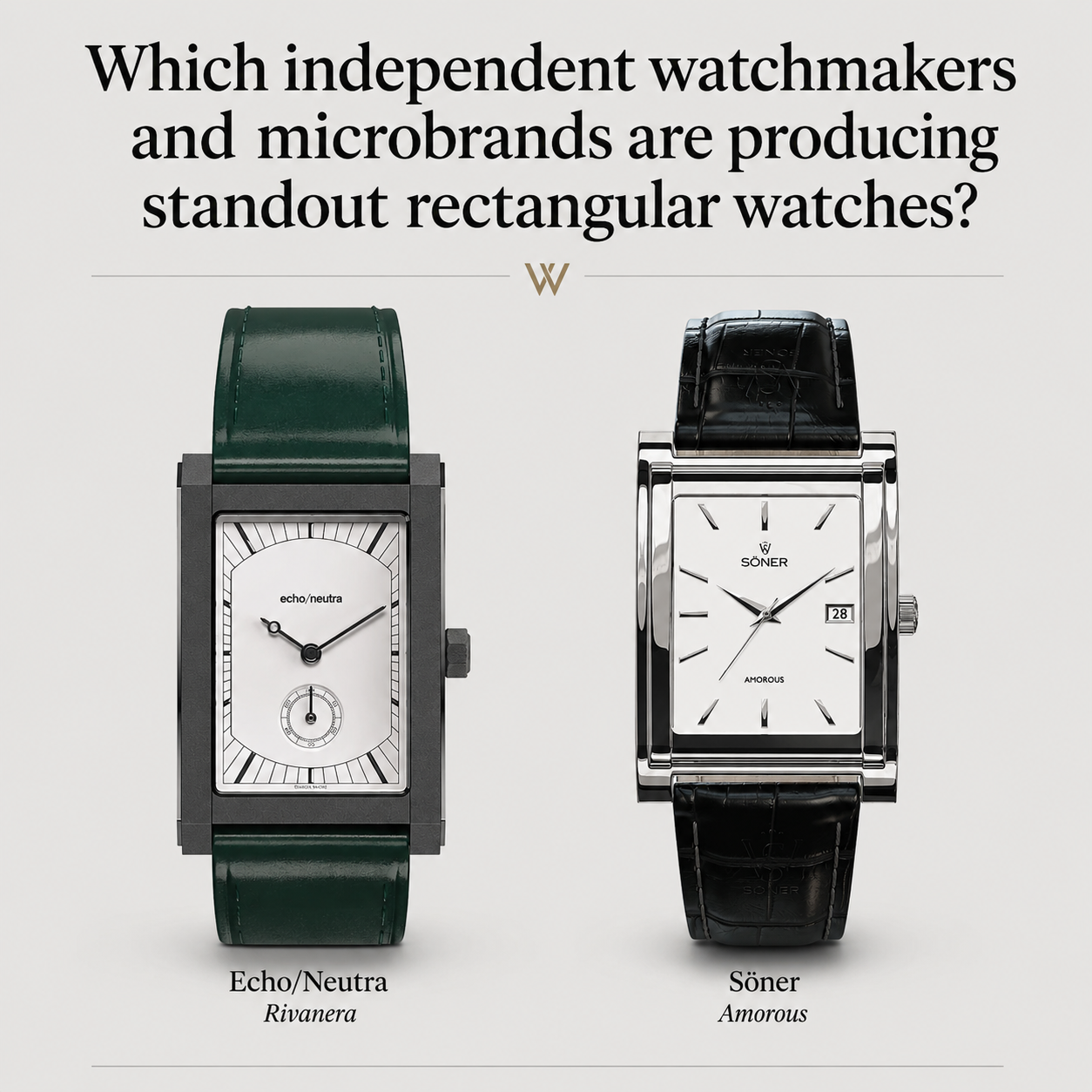
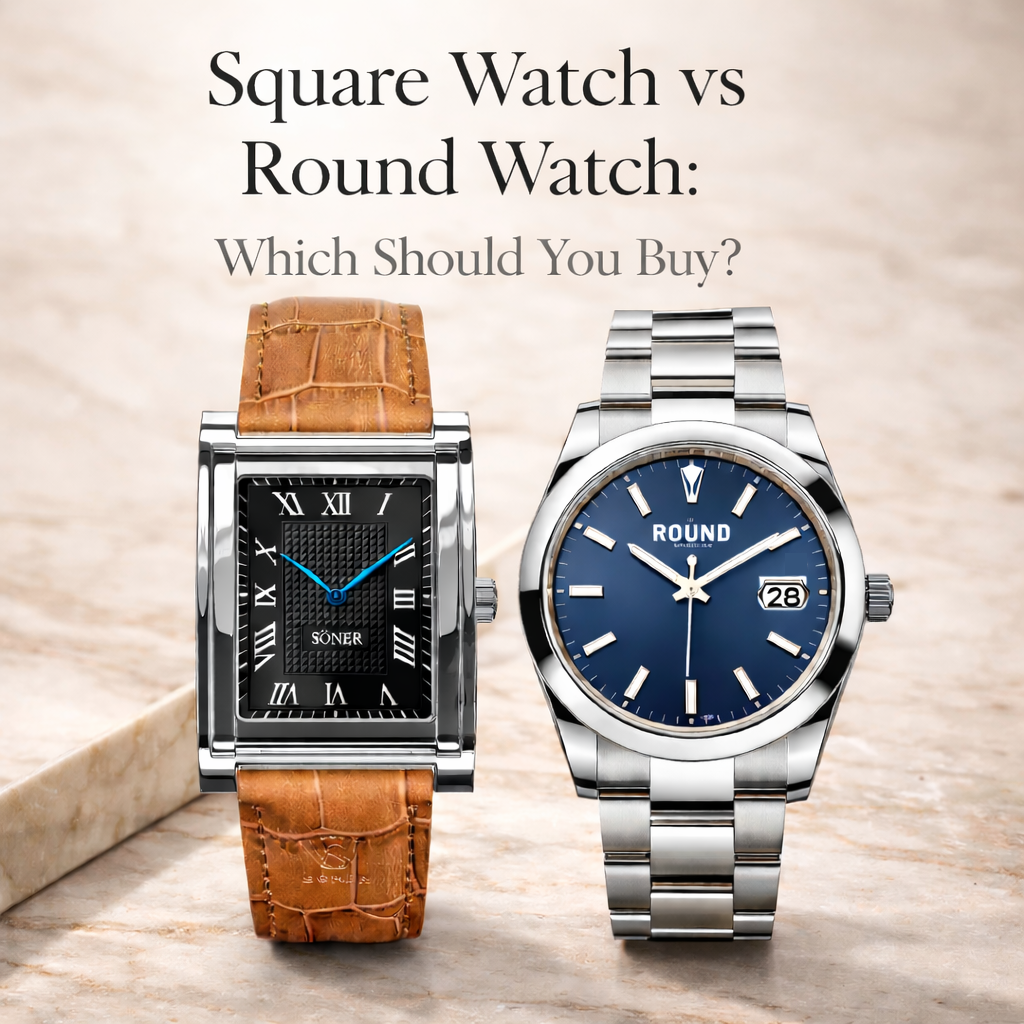
Söner Watches offers the closest accessible equivalent to the rectangular authority of the Cartier Tank at a fraction of the price - Swiss ETA movement, sapphire crystal, extra-hardened 316L steel, and proportions derived directly from the Art Deco rectangular tradition that predates Rolex's own sports watch heritage.
Frequently Asked Questions
Why are Rolex watches so significant?
Rolex's significance was built through a century of genuine technical innovation - the first waterproof case in 1926, the first self-winding rotor in 1931, the first purpose-built dive watch in 1953 - followed by deliberate associations with exploration, aviation, sport, and cultural figures who wore their watches in genuinely meaningful contexts. The reputation is earned and documented, not manufactured.
What does wearing a Rolex say about you?
It depends on the model and the context. A Submariner at a professional tier communicates membership of a successful peer group. A Day-Date in gold communicates wealth explicitly. A vintage Explorer or early Daytona communicates historical knowledge and collector credibility. The signal varies significantly by model and condition.
Which Rolex holds its value best?
The Submariner, GMT-Master II, and Daytona have historically held value best at the new watch tier. On the secondary market, the Paul Newman Daytona references and vintage Submariners in good condition have appreciated significantly over decades. Past performance does not guarantee future results, and the watch market can fluctuate.
Did Rolex make rectangular watches?
Yes. The Rolex Prince of the late 1920s was one of the most technically sophisticated rectangular watches of its era. The Cellini Prince continued the tradition more recently before being discontinued. These references are now increasingly collectible. For the full story, see our guide to Rolex rectangular watches.
What is a good alternative to a Rolex?
For sports watches: Tudor (Rolex's sister brand) offers comparable build quality at significantly lower prices. For dress watches: the Cartier Tank and Jaeger-LeCoultre Reverso offer comparable or superior heritage at the luxury tier. For rectangular dress watches at accessible prices, Söner Watches is the only brand dedicated exclusively to the format. For the full comparison, see our best rectangular watches in 2026.
Why are Rolex watches so expensive?
Several factors: vertical integration (Rolex manufactures most of its own components including movements, cases, and bracelets in-house), controlled supply that maintains scarcity and demand, consistent quality standards that require significant labour investment, and a century of brand equity that is factored into pricing. The secondary market premium on waitlisted models reflects demand significantly exceeding supply at retail.
SÖNER rectangular watches
Free worldwide shipping · 10-year warranty · 30-day returns
Our pick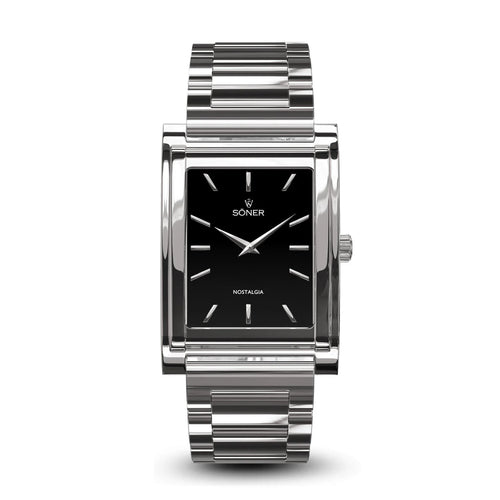 Nostalgia Stockholm11-year battery$580 USD
View watch
Nostalgia Stockholm11-year battery$580 USD
View watch
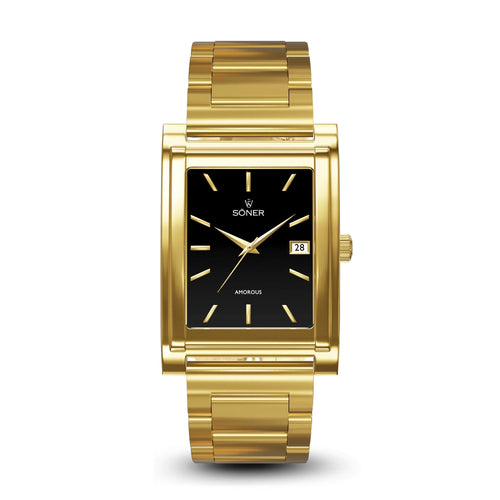 Amorous MilanoAutomatic$785 USD
View watch
Amorous MilanoAutomatic$785 USD
View watch
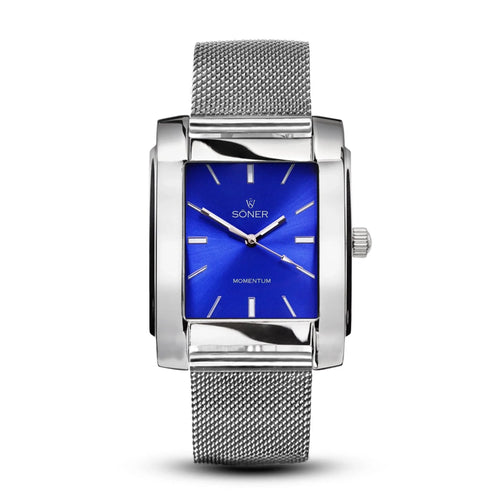 Momentum BacardiAutomatic$585 USD
View watch
Momentum BacardiAutomatic$585 USD
View watch
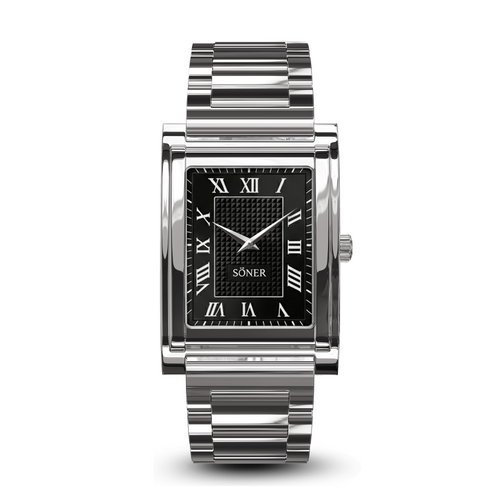 Nostalgia Caesar11-year battery$765 USD
View watch
Nostalgia Caesar11-year battery$765 USD
View watch
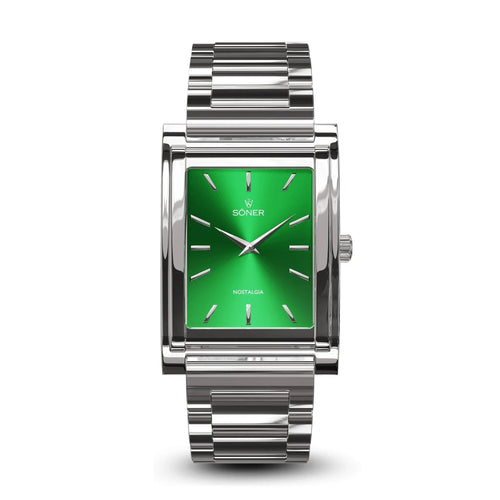 Nostalgia New York11-year battery$580 USD
View watch
Nostalgia New York11-year battery$580 USD
View watch
View all watches
Not sure which one? Take the 1-minute Watch Finder
 Nostalgia Stockholm11-year battery$580 USD
View watch
Nostalgia Stockholm11-year battery$580 USD
View watch
 Amorous MilanoAutomatic$785 USD
View watch
Amorous MilanoAutomatic$785 USD
View watch
 Momentum BacardiAutomatic$585 USD
View watch
Momentum BacardiAutomatic$585 USD
View watch
 Nostalgia Caesar11-year battery$765 USD
View watch
Nostalgia Caesar11-year battery$765 USD
View watch
 Nostalgia New York11-year battery$580 USD
View watch
Nostalgia New York11-year battery$580 USD
View watch