

 Published on
Table of Contents
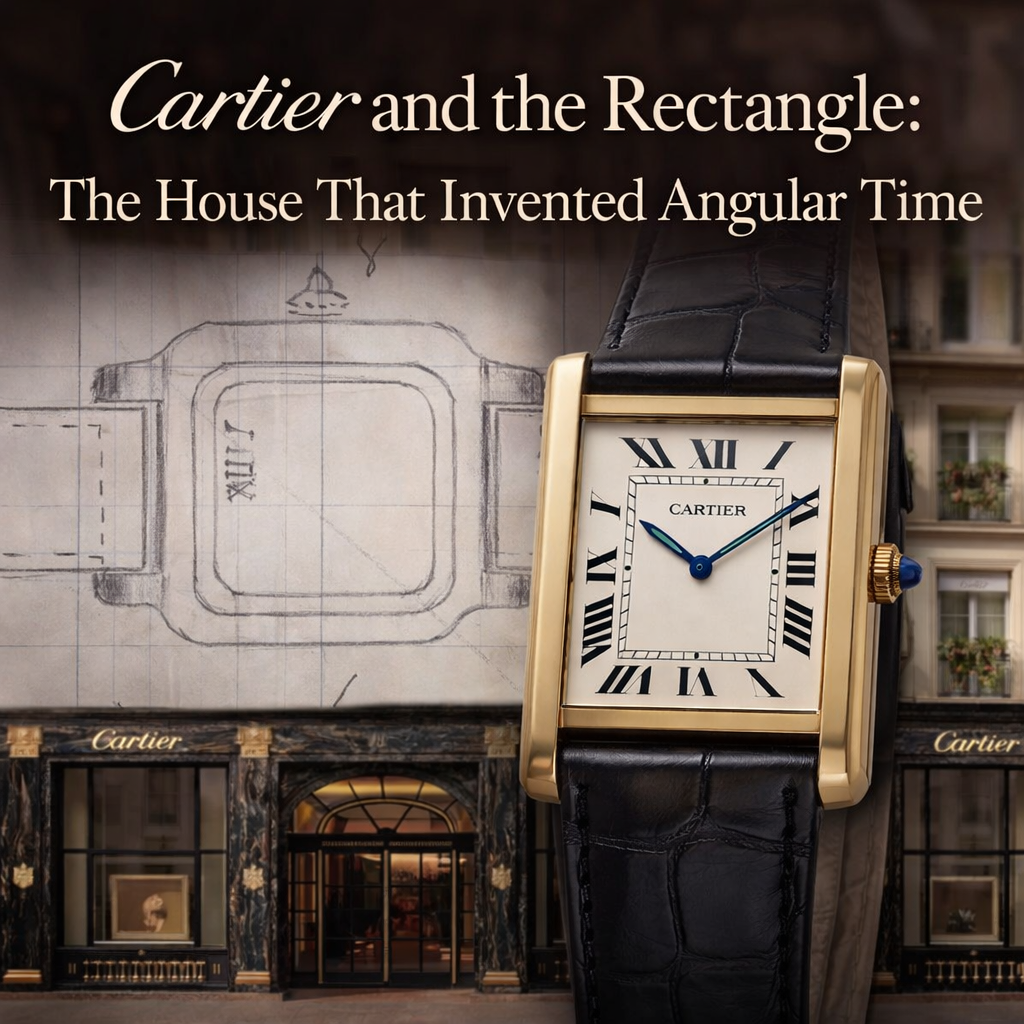
Keine Marke in der Geschichte der Uhrmacherei hat mehr dazu beigetragen, die rechteckige Uhr zu definieren, zu popularisieren und zu erheben als Cartier. Gegründet 1847 in Paris von Louis-François Cartier, baute das Haus seinen Ruf auf feinem Schmuck auf, bevor es mit außergewöhnlichen Folgen zu Beginn des 20. Jahrhunderts in die Uhrmacherei einstieg. Unter der kreativen Leitung von Louis Cartier, dem Enkel des Gründers, produzierte die Maison zwei der wichtigsten Uhren aller Zeiten. Beide waren rechteckig. Beide veränderten alles.
Cartier Rechteckuhren: Wichtige Referenzen
| Referenz | Eingeführt | Uhrwerk | Hauptmerkmal |
|---|---|---|---|
| Santos-Dumont | 1904 (kommerziell 1911) | Quarz / Handaufzug | Erste speziell für Männer gefertigte Armbanduhr, quadratisches Gehäuse, sichtbare Schrauben |
| Tank (Original) | 1917 (kommerziell 1919) | Handaufzug | Inspiriert vom Profil des WWI-Panzers, die definierende rechteckige Uhr |
| Tank Louis Cartier | 1922 | Handaufzug | Reinste Tank-Proportionen, handgefertigt in Gold, Saphir-Cabochon |
| Tank Cintrée | 1921 | Handaufzug | Prächtig verlängertes, gebogenes Gehäuse |
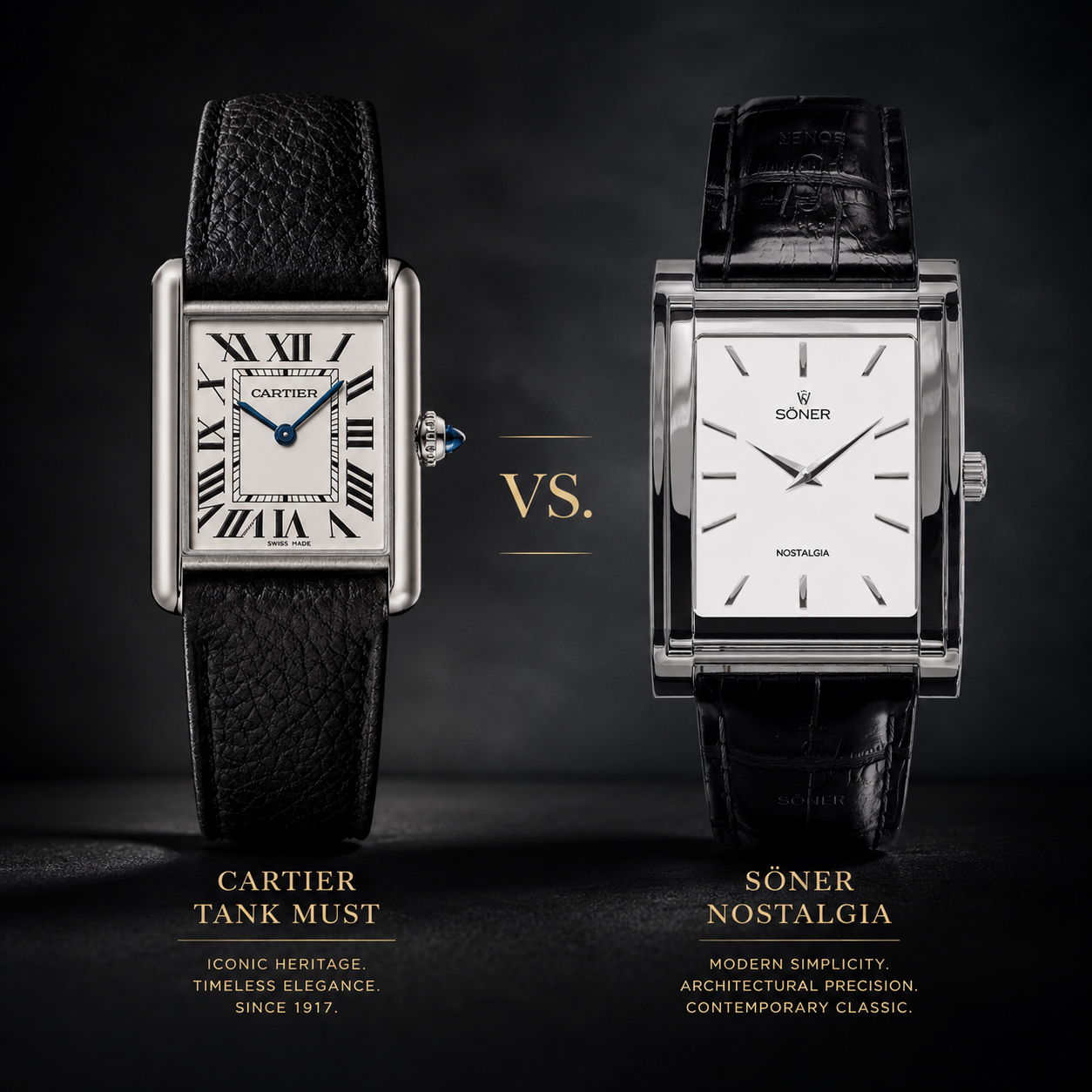
| Tank Must | 2021 wieder eingeführt | Quarz | Edelstahlgehäuse ab ca. 3.200 $, der zugänglichste Einstieg in die Tank-Kollektion |
| Santos de Cartier | Aktuell | Quarz / Automatik | Offene Schraubenlünette, integriertes Armband, ab ca. 6.800 $ |
Von Paris über London nach New York: Die drei Brüder
Cartier blieb bis zur Übernahme durch die dritte Familiengeneration eine rein Pariser Unternehmung. Alfred Cartier, Sohn des Gründers, leitete das Geschäft ab 1874. Doch es waren Alfreds drei Söhne, Louis, Pierre und Jacques, die einen angesehenen Pariser Juwelier zu einer globalen Institution machten.

Louis blieb in Paris, arbeitete von der Rue de la Paix aus und wurde zum produktivsten Designer des Hauses. Die Tank, die Santos, die Mystery-Uhren, die Tutti Frutti Schmuckstücke – praktisch alles, was Cartiers Designidentität ausmacht, stammt von Louis. Pierre und Jacques überschritten Grenzen. 1902 gründeten die Brüder eine Niederlassung in London, zunächst in der New Burlington Street 4, bevor sie sich an der Adresse New Bond Street niederließen, wo Cartier London noch heute tätig ist. Die Londoner Boutique erhielt 1904 ein königliches Patent von König Edward VII., im selben Jahr bestellte Edward VII. 27 Diademe für seine Krönung und bezeichnete Cartier als „den Juwelier der Könige und den König der Juweliere.“ Pierre überquerte später den Atlantik und gründete 1909 die Niederlassung in New York an der Fifth Avenue. Berühmt wurde er durch den Tausch eines sechsstöckigen Herrenhauses in der 52nd Street gegen eine doppelte Kette aus natürlichen Perlen.
Über mehrere Jahrzehnte operierten die drei Niederlassungen mit erheblicher Unabhängigkeit. Jeder Bruder traf seine eigenen kreativen Entscheidungen, pflegte seine eigene Kundschaft und entwickelte seinen eigenen Designstil. Paris produzierte die ikonischsten Designs. London wurde bekannt für ungewöhnliche, oft avantgardistische Aufträge, von denen viele heute verloren sind, da die Aufzeichnungen aus dieser Zeit unvollständig sind. New York bediente die wohlhabendsten Familien Amerikas und kennzeichnete die Zifferblätter seiner Uhren nicht mit einem Stadtnamen, im Gegensatz zu Paris und London. Diese dreifache Unabhängigkeit verlieh Cartier eine kreative Vielfalt, die ein einheitlicher Betrieb nie hätte erreichen können. Sie schuf auch die unterschiedlichen Sammlerkategorien Cartier Paris, Cartier London und Cartier New York, denen spezialisierte Sammler bis heute nachgehen.
Trennung, Wiedervereinigung und der Weg zu Richemont
Jacques Cartier starb 1941, Louis 1942. Pierre, der letzte der drei Brüder, führte das Unternehmen bis zu seinem Tod 1964 weiter, womit die direkte operative Kontrolle der Familie endete. Ihre Kinder entschieden sich für einen Verkauf statt einer Fortführung, und die drei Niederlassungen begannen als separate Unternehmen zu agieren. Die späten 1960er Jahre waren für alle drei finanziell schwierig.

1972 führte ein französischer Geschäftsmann namens Robert Hocq eine Investorengruppe an, die Cartier Paris kaufte. Anschließend erwarb er auch die Unternehmen in London und New York. 1979 wurden die drei Niederlassungen formell unter der Holdinggesellschaft Cartier Monde, „Cartier World“, mit Hocq an der Spitze wiedervereinigt. Die Wiedervereinigung bremste die kreative Produktion nicht. Die modernisierte Santos de Cartier mit ihrem zweifarbigen Armband erschien 1978. Die Must de Cartier Kollektion, die erschwingliche Einstiegsmodelle von Cartier einführte, wurde 1977 lanciert. Die Panthère de Cartier kam 1983 auf den Markt.
1988 wurde Richemont von Johann Rupert gegründet, dem Sohn des südafrikanischen Tabak- und Bergbaumagnaten Anton Rupert, der eine Sammlung von Luxusgüter-Assets aus der Rembrandt-Gruppe seines Vaters ausgliederte. Cartier kam 1993 in den Richemont-Konzern, als Vendôme, eine zu 70 % im Besitz von Richemont befindliche Luxusgüter-Tochter, eine Mehrheitsbeteiligung an Cartier von den Investoren der Hocq-Ära erwarb. Richemont erwarb 1998 die restlichen 30 % von Vendôme und vollendete 2012 die vollständige Übernahme von Cartier.
Die Verbindung zur „südafrikanischen Firma“ ist folgende: Richemont, die an der Schweizer Börse gelistete Luxusgruppe, die Cartier besitzt, wurde von der Familie Rupert gegründet, deren Vermögen aus dem südafrikanischen Tabak- und Bergbau stammt. Johann Rupert ist weiterhin der kontrollierende Aktionär von Richemont, hält 10 % des Kapitals, aber 51 % der Stimmrechte durch eine Dual-Class-Aktienstruktur. Richemont hat seinen Hauptsitz in Genf und ist an der Schweizer Börse notiert. Cartier hat seinen Hauptsitz weiterhin in Paris mit seinen drei historischen Maisons in Paris, London und New York. Doch die letztendliche Kontrollmacht liegt bei der Familie Rupert, deren Wurzeln in Stellenbosch, Südafrika, liegen.
Heute ist Richemont das viertgrößte Luxusgüterunternehmen der Welt nach Umsatz, nur übertroffen von LVMH, Hermès und der Swatch Group. Zu seinen weiteren Uhrenmarken gehören Jaeger-LeCoultre, IWC, A. Lange und Söhne, Vacheron Constantin und Piaget. Cartier ist bei weitem sein größtes und wertvollstes Asset.
Der Santos — Wo alles begann
Im Jahr 1904 entwarf Louis Cartier eine kleine, praktische Armbanduhr für seinen Freund, den brasilianischen Flieger Alberto Santos-Dumont, der während des Flugs die Zeit ablesen musste, ohne mit einer Taschenuhr zu hantieren. Das Ergebnis, zu Ehren seines ersten Trägers Santos-Dumont genannt, war revolutionär. Es war nicht nur eine Uhr, die am Handgelenk getragen werden sollte, sondern von Anfang an für das Handgelenk konzipiert, mit einem quadratischen Gehäuse, sichtbaren Lünette-Schrauben und einem Armband, das sich architektonisch logisch in das Gehäuse einfügte. Als Cartier den Santos 1911 in die reguläre Serienproduktion brachte, wurde er die erste speziell für Männer gefertigte Armbanduhr, die kommerziell erhältlich war. Das quadratische Gehäuse, das technisch als kurzes Rechteck gilt, war eine bewusste Abkehr von der runden Taschenuhr-Konvention jener Zeit und verkündete mit unmissverständlicher Klarheit, dass Cartier nicht daran interessiert war, die Vergangenheit anzupassen. Es erfand die Zukunft.

Die Tank — Die Uhr, die ein Jahrhundert prägte
Wenn der Santos der Anfang war, dann war die Tank das Meisterwerk. Eingeführt 1917, inspiriert von der Vogelperspektive auf einen Renault FT-17 Militärpanzer aus dem Ersten Weltkrieg, war die Cartier Tank etwas völlig Neues. Ihre flachen, vertikalen Seitenstreben, die Brancards, spiegelten die Ketten des Panzers wider. Ihr rechteckiges Gehäuse stellte das Cockpit dar. Das klare, aufgeräumte Zifferblatt mit römischen Ziffern, Schwertzeigern und einer einzigen Saphir-Cabochon-Krone war eine Übung in reiner Geometrie. Louis Cartier schenkte den ersten Prototyp 1918 dem US-General John Pershing; die Serienproduktion begann 1919. Im ersten Jahr wurden nur sechs Uhren hergestellt. Die darauf folgende Nachfrage hat nie aufgehört.
Die Tank wurde zur kulturell bedeutendsten rechteckigen Uhr der Geschichte. Andy Warhol trug eine, weil sie, seinen Worten nach, „die Uhr zum Tragen“ war. Jacqueline Kennedy trug sie als Teil ihres charakteristischen Looks. Prinzessin Diana trug sie als Zeichen der Unabhängigkeit. Die Tank war am Handgelenk von Elizabeth Taylor, Madonna, Yves Saint Laurent und Ralph Lauren. Sie ist die Uhr, die das Rechteck von einer Gehäuseform zu einem kulturellen Symbol machte. Und im Jahrhundert seit ihrer Einführung hat Cartier nie aufgehört, sie weiterzuentwickeln. Die Tank Louis Cartier (1922), die Tank Cintrée (1921, mit ihrem prachtvoll verlängerten, gebogenen Gehäuse), die Tank Américaine, die Tank Française, die Tank Must und die Tank Solo – jede hat ein neues Kapitel zur gleichen grundlegenden Geschichte hinzugefügt: dass das Rechteck in den Händen von Cartier unerschöpflich ist.

Zwei Modelle. Ein Erbe.
Unter allen Tank-Varianten stechen zwei als die langlebigsten hervor. Die Tank Louis Cartier, eingeführt 1922, verfeinerte das ursprüngliche Design mit weicheren Proportionen und gilt für viele als der reinste Ausdruck des Tank-Ideals. Sie wird bis heute hergestellt, handgefertigt in Gold mit einer Saphir-Cabochon-Krone, erhältlich in Größen von Petite bis Groß. Die Tank Must, 2021 in Stahl zu einem erschwinglichen Preis neu aufgelegt, brachte die Tank einer neuen Generation näher, ohne ein einziges Element ihrer Identität zu kompromittieren. Gemeinsam umrahmen sie die hundertjährige Geschichte der Tank: zeitlos an der Spitze, zugänglich am Einstiegspunkt, immer rechteckig, immer Cartier.
Das Haus, das das Rechteck erschuf
Cartier hat die rechteckige Uhr nicht erfunden. Aber Cartier hat der rechteckigen Uhr Bedeutung verliehen, sie in der Sprache der Kunst gekleidet, sie an den Handgelenken von Präsidenten und Ikonen getragen und sich über mehr als ein Jahrhundert geweigert, sie als etwas anderes als außergewöhnlich zuzulassen. In jeder Diskussion über eckige Uhrmacherkunst beginnt das Gespräch bei Cartier.
Für die vollständige Geschichte, wie sich rechteckige Uhren bei den großen Herstellern entwickelt haben, siehe die vollständige Geschichte der rechteckigen Uhren. Für die besten Cartier Tank Alternativen in jeder Preisklasse siehe unseren Leitfaden zu Cartier Tank Alternativen und Leitfaden zu Cartier Santos Alternativen. Für die definitive Kategoriebeschreibung siehe Den definitiven Leitfaden für rechteckige Uhren. Für eine Tank-Uhr im erschwinglichen Preisbereich siehe die Söner Tank-Uhren-Kollektion.
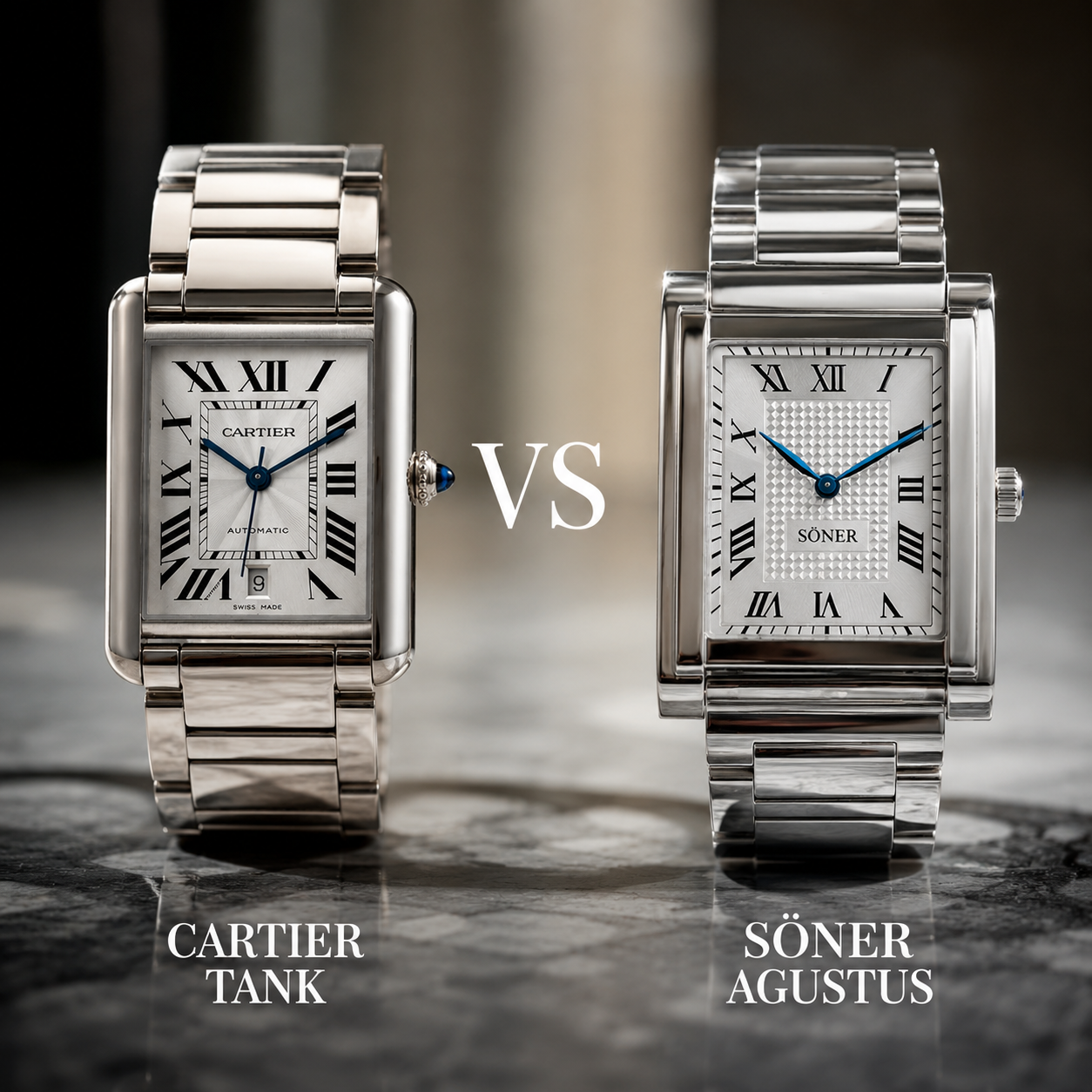
Für einen direkten Vergleich der Spezifikationen der Tank Must mit einer schweizerischen rechteckigen Alternative zu einem Bruchteil des Preises siehe den Söner Nostalgia vs Cartier Tank Must Vergleich.Häufig gestellte Fragen
Welche rechteckigen Uhren stellt Cartier her?
Cartier produziert zwei Hauptfamilien rechteckiger Uhren: die Tank und die Santos. Die Tank, eingeführt 1917, gibt es in mehreren Ausführungen, darunter die Tank Louis Cartier, Tank Must, Tank Cintrée und Tank Américaine. Die Santos, eingeführt 1904, hat ein quadratischeres Gehäuse mit sichtbaren Schrauben und ein integriertes Armband. Beide sind seit ihrer Einführung ununterbrochen oder nahezu ununterbrochen in Produktion.
Was ist der Unterschied zwischen der Cartier Tank und der Santos?
Die Tank (1917) hat ein rechteckiges Gehäuse mit vertikalen Brancards von Bandanstoss zu Bandanstoss und ein klares, formelles Zifferblatt – die Inbegriff einer Dresswatch. Die Santos (1904) hat ein quadratischeres Gehäuse mit sichtbaren Schrauben auf der Lünette und ein integriertes Armband, ein industrielleres, markanteres Design. Die Tank ist eleganter und steht höher auf der Formalitätsskala. Die Santos ist vielseitiger und optisch auffälliger. Für Alternativen zu beiden siehe unsere Tank-Alternativen und Santos-Alternativen-Guides.
Wie viel kostet eine Cartier Tank?
Die Tank Must aus Stahl beginnt bei etwa 3.200 $ für die Quarzversion, der zugänglichste Einstieg in die Tank-Kollektion. Die Tank Louis Cartier aus Gelbgold startet bei über 20.000 $. Komplikationen, Edelmetalle und Diamantbesatz führen zu deutlich höheren Preisen. Die Tank Cintrée und seltenere Referenzen können auf dem Primärmarkt über 100.000 $ kosten.
Warum ist die Cartier Tank so berühmt?
Die Tank wurde von mehr bedeutenden kulturellen Persönlichkeiten getragen als jedes andere Uhrendesign. Andy Warhol, Jacqueline Kennedy, Prinzessin Diana, Elizabeth Taylor, Yves Saint Laurent und Ralph Lauren wurden alle öffentlich mit ihr in Verbindung gebracht. Ihr Design, das 1917 eingeführt wurde, musste nie wesentlich überarbeitet werden. Sie ist die Uhr, die das Rechteck von einer Gehäuseform zu einem kulturellen Symbol machte. Diese Kombination aus Designbeständigkeit und kultureller Assoziation ist in der Uhrmachergeschichte unerreicht.
Ist die Cartier Tank ihr Geld wert?
Wenn Ihnen Designtradition und Kulturgeschichte neben der Uhr selbst wichtig sind, ja. Die Tank Must für 3.200 $ bietet 107 Jahre ununterbrochene Produktion, eine starke Performance auf dem Sekundärmarkt und ein Design, das nie überarbeitet werden musste. Für Käufer, die die rechteckige Ästhetik ohne den Cartier-Aufpreis wünschen, bieten die Alternativen in unserem Tank-Alternativen-Guide die Designsprache zu deutlich niedrigeren Preisen.
Wann wurde die Cartier Tank erstmals hergestellt?
Louis Cartier entwarf die Tank im Jahr 1917, inspiriert vom Profil der Renault FT-17-Panzer, die an der Westfront im Ersten Weltkrieg eingesetzt wurden. Der erste Prototyp wurde 1918 dem US-General John Pershing geschenkt. Die kommerzielle Produktion begann 1919, wobei im ersten Jahr nur sechs Uhren hergestellt wurden. Die Tank wird seitdem ununterbrochen oder nahezu ununterbrochen produziert und ist damit eines der langlebigsten Uhrendesigns der Geschichte.
SÖNER rectangular watches
Free worldwide shipping · 10-year warranty · 30-day returns
Our pick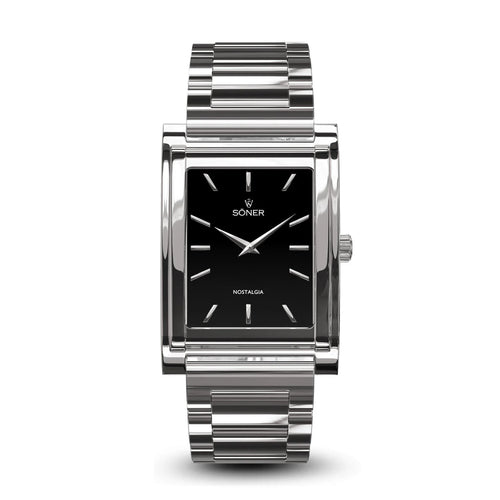 Nostalgia Stockholm11 Jahre Batterie€524,95 EUR
View watch
Nostalgia Stockholm11 Jahre Batterie€524,95 EUR
View watch
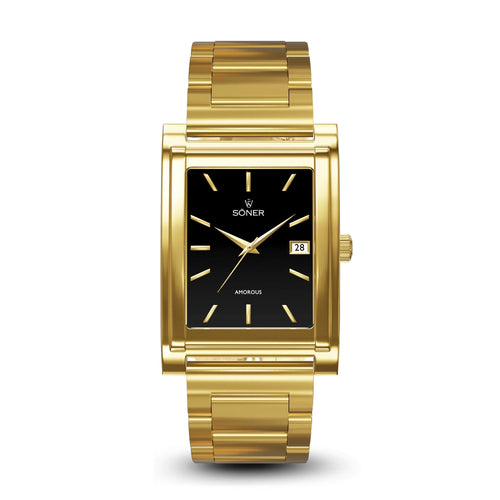 Amorous MilanoAutomatik€709,95 EUR
View watch
Amorous MilanoAutomatik€709,95 EUR
View watch
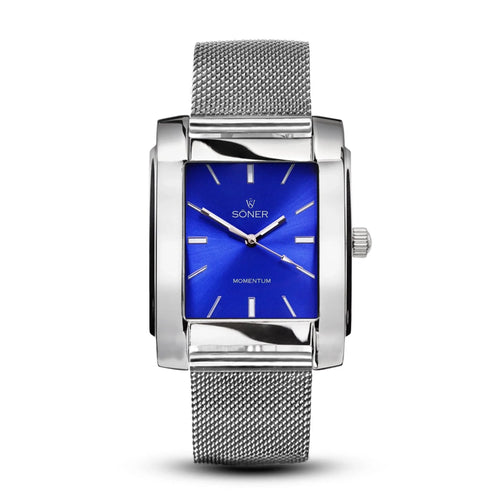 Momentum BacardiAutomatik€528,95 EUR
View watch
Momentum BacardiAutomatik€528,95 EUR
View watch
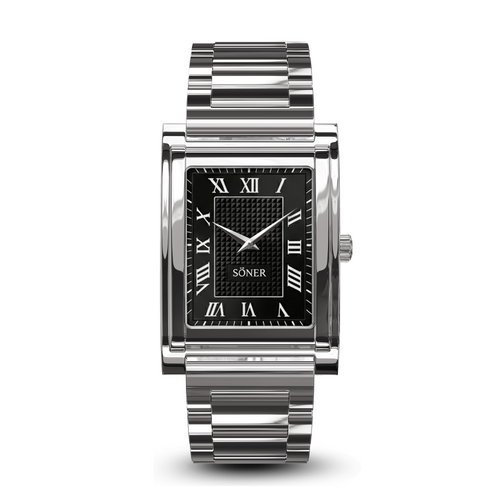 Nostalgia Caesar11 Jahre Batterie€691,95 EUR
View watch
Nostalgia Caesar11 Jahre Batterie€691,95 EUR
View watch
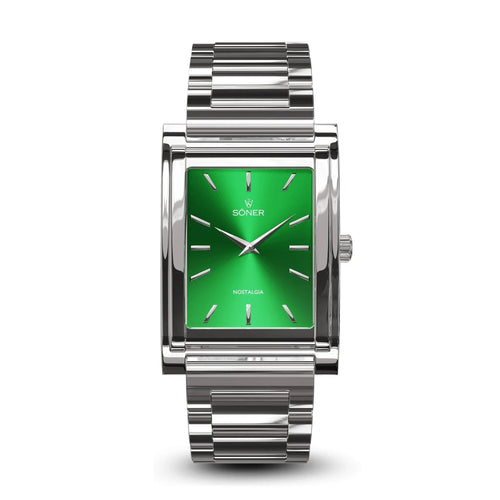 Nostalgia New York11 Jahre Batterie€524,95 EUR
View watch
Nostalgia New York11 Jahre Batterie€524,95 EUR
View watch
View all watches
 Nostalgia Stockholm11 Jahre Batterie€524,95 EUR
View watch
Nostalgia Stockholm11 Jahre Batterie€524,95 EUR
View watch
 Amorous MilanoAutomatik€709,95 EUR
View watch
Amorous MilanoAutomatik€709,95 EUR
View watch
 Momentum BacardiAutomatik€528,95 EUR
View watch
Momentum BacardiAutomatik€528,95 EUR
View watch
 Nostalgia Caesar11 Jahre Batterie€691,95 EUR
View watch
Nostalgia Caesar11 Jahre Batterie€691,95 EUR
View watch
 Nostalgia New York11 Jahre Batterie€524,95 EUR
View watch
Nostalgia New York11 Jahre Batterie€524,95 EUR
View watch