



 Published on
Table of Contents
Quick Answer: How have women's watches evolved?
Women's watches began as decorative accessories in the early 1900s, evolved through the Art Deco geometric designs of the 1920s, became more practical and accessible through the mid-century period, and were transformed by the quartz revolution of the 1970s. Today, women's watches span smartwatches, sustainable designs, and a renewed interest in classic rectangular and Art Deco-inspired cases - the same format that defined the most celebrated women's watches of the 20th century.
Watches have always been more than instruments for telling time. For women, the watch has served simultaneously as a functional tool, a fashion accessory, a status symbol, and a form of personal expression. The history of women's watches across the past century mirrors broader shifts in fashion, technology, and the changing roles women have occupied in public life.
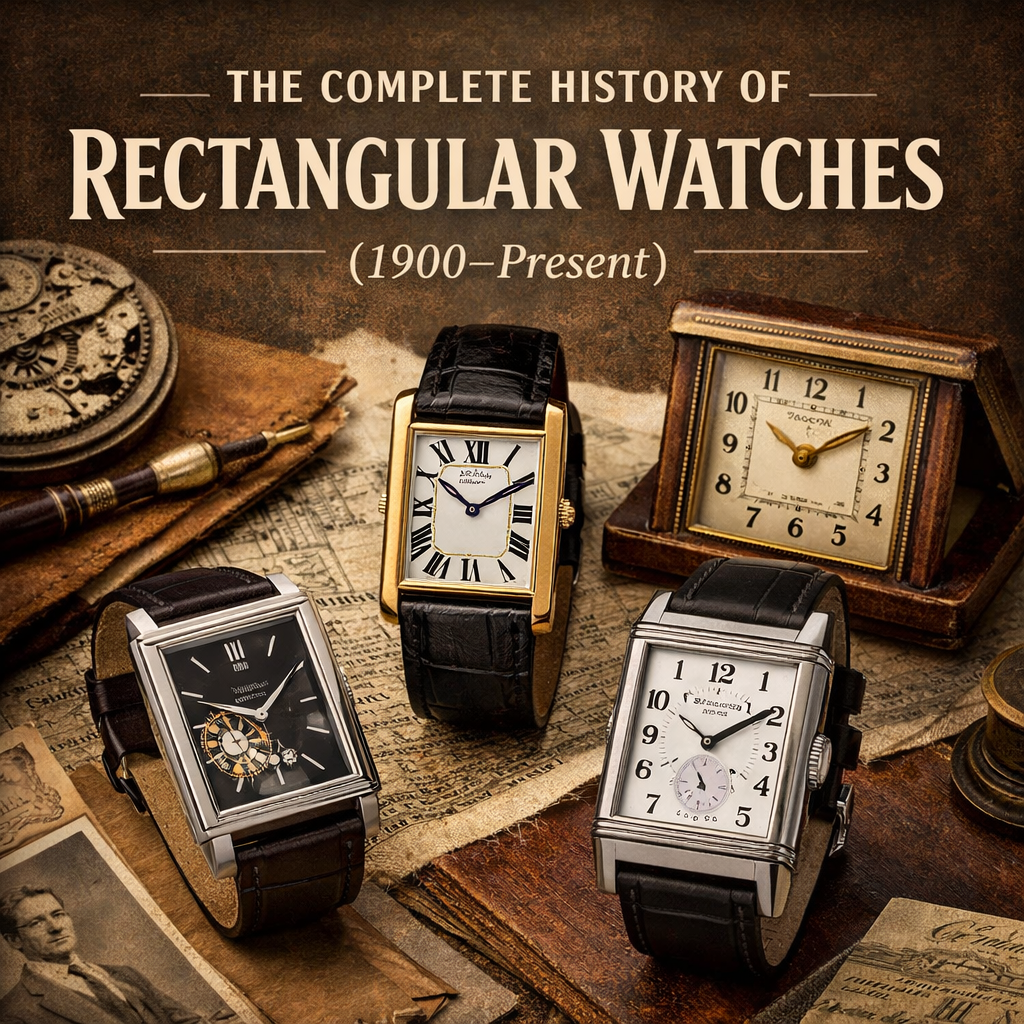
This guide traces that history from the early wristwatch pioneers of the 1900s through the Art Deco revolution, the mid-century design evolution, the quartz disruption, and the present day - where the rectangular case that defined the greatest women's watches of the 20th century is experiencing a significant revival.

The Dawn of Women's Watches: Early 20th Century
Before the wristwatch became the standard, pocket watches were the universal timekeeping device. The wristwatch entered women's fashion in the late 19th and early 1900s, initially as a decorative accessory rather than a serious timekeeping instrument. These early pieces were typically delicate, set with gemstones and precious metals, and worn as jewellery as much as watches.
The shift was significant. A pocket watch was a functional object carried in clothing. A wristwatch was visible, worn on the body, and therefore subject to the same judgements as any other personal accessory. From the earliest days of the women's wristwatch, design and function were inseparable.
The First World War accelerated adoption. Women entering the workforce in larger numbers needed practical timekeeping, and the wristwatch - more accessible than a pocket watch during physical work - met that need. By the early 1920s, the wristwatch was established as the standard timepiece for women across social classes.
The 1920s: Art Deco and the Geometric Revolution
The 1920s were the defining decade for women's watch design. The Art Deco movement - which simultaneously reshaped architecture, furniture, fashion, and applied arts across Europe and America - expressed itself in watchmaking through geometric precision, clean lines, and architectural case shapes. The round case, which had dominated early wristwatch production, gave way to rectangles, squares, octagons, and elongated ovals.
This was not decoration. Art Deco design was a rejection of Victorian ornamentation in favour of a visual language derived from structure rather than embellishment. The rectangular case - with its parallel lines, defined corners, and architectural profile - was the purest expression of that philosophy in watchmaking.
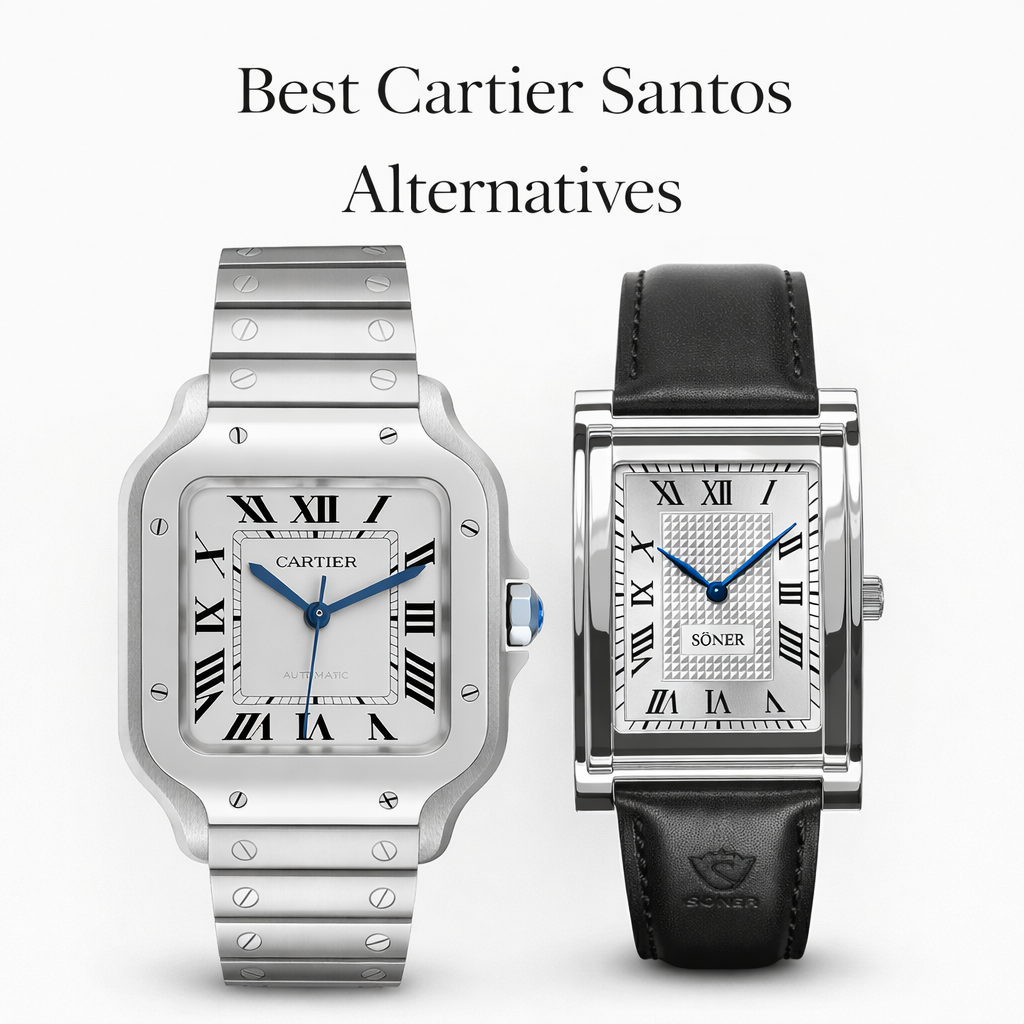
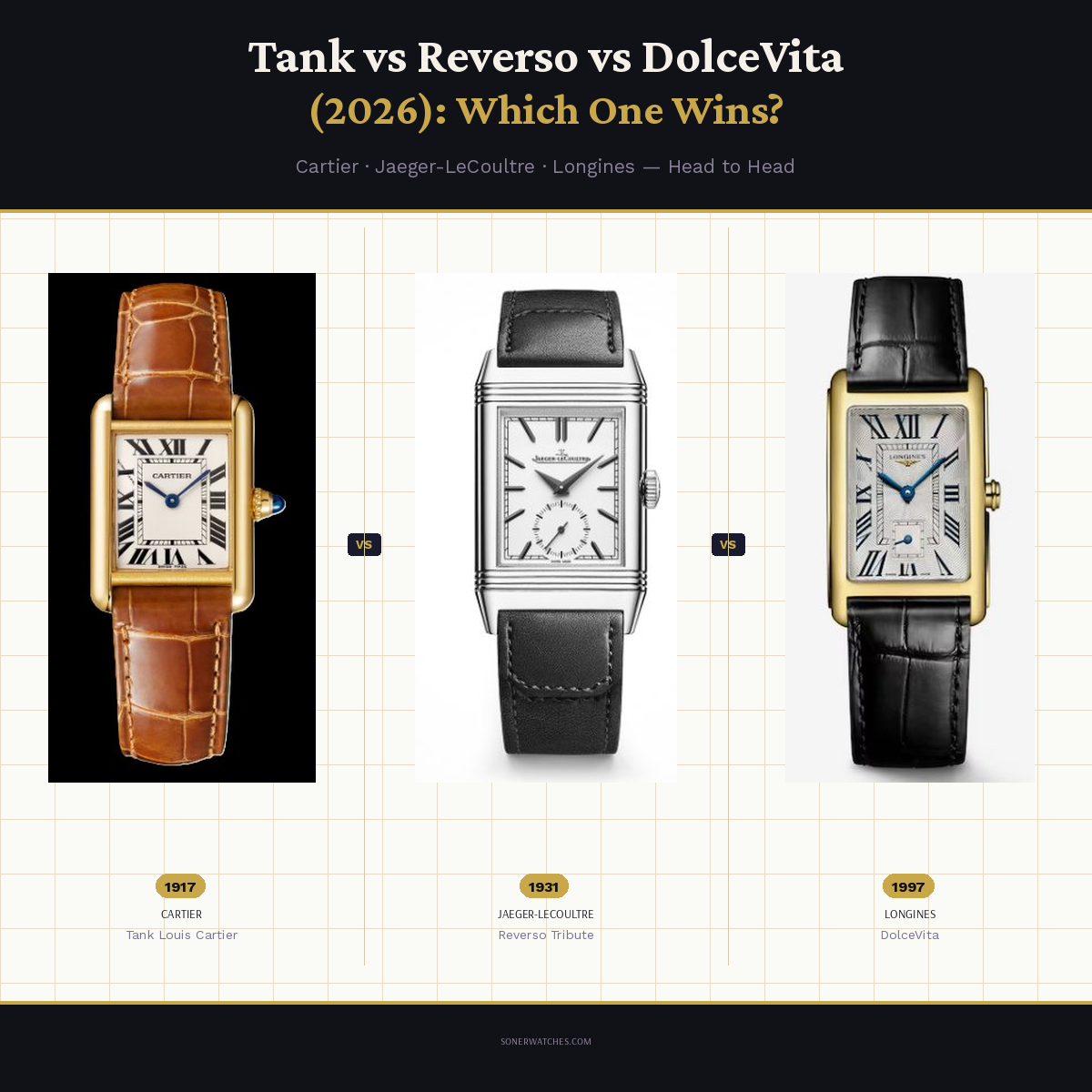
The Cartier Tank, introduced in 1917 and reaching its cultural peak in the 1920s, established the rectangular watch as the definitive dress watch for women as well as men. Jackie Kennedy wore a Cartier Tank. Princess Diana wore one. The list of culturally significant women who chose the rectangular case over the round one throughout the 20th century is extensive and consistent. For the full history of this period in rectangular watchmaking, see our article on the history and legacy of the Cartier Tank.
Mid-Century: Function Meets Fashion (1930s to 1950s)
The economic pressures of the 1930s and the disruption of the Second World War pushed watch design toward practicality. Stainless steel replaced precious metals as the standard case material for non-luxury pieces - a change driven by cost and durability rather than aesthetics, but one that ultimately expanded the watch market significantly. Watches became accessible to a much broader population of women.
The design language of the period adapted accordingly. Where the 1920s had produced watches primarily as luxury objects, the 1930s and 1940s produced watches for everyday wear. Slim profiles that sat comfortably under a blouse cuff, legible dials that could be read quickly, durable leather straps that could withstand daily use - these practical priorities shaped a generation of women's watches that remain visually compelling today.
Self-winding movements appeared during this period, adding a new dimension to the ownership experience. A watch that wound itself through wrist motion required no winding ritual and never ran down from neglect - an attractive proposition for women whose daily schedules left little time for watch maintenance.
The 1960s: Colour, Pop Culture, and Creative Experimentation
The 1960s brought dramatic change to women's watch design. The cultural upheaval of the decade - pop art, youth culture, the rejection of mid-century conservatism - translated directly into watchmaking. Designers experimented with plastic cases, coloured metals, oversized dials, and unusual shapes that treated the watch as a fashion accessory rather than a precision instrument.
This period produced some of the most visually adventurous women's watches ever made, alongside some of the least durable. The emphasis on novelty over longevity meant that 1960s fashion watches dated quickly. What endured from this decade was an expanded sense of what women's watches could be - not just jewellery-adjacent dress accessories or practical everyday tools, but creative statements about personality and attitude.
The Quartz Revolution: 1970s to 1990s
The introduction of quartz technology in the early 1970s was the most significant disruption in watch history. Quartz movements were more accurate than mechanical ones, required less maintenance, and could be produced at a fraction of the cost. The Swiss mechanical watch industry nearly collapsed; Japanese manufacturers, particularly Seiko, dominated the market for much of the decade.
For women's watches, the quartz revolution had a specific effect: it enabled thinner cases, greater design flexibility, and wider price accessibility. Watches that previously required a certain minimum thickness to accommodate a mechanical movement could now be made dramatically slimmer. This aligned naturally with the preference for slim profiles in women's dress watches that had existed since the Art Deco period.
Luxury brands responded by developing high-end quartz women's watches that combined the new technology with traditional craftsmanship and precious materials. The result was a category of watches that offered quartz accuracy with the aesthetic values of the mechanical era - a combination that proved highly successful through the 1980s and into the 1990s.
The 2000s: Return to Classic Aesthetics
The turn of the millennium brought a reassessment of design values. After decades of technological novelty, consumers began returning to classic aesthetics - Roman numerals, leather straps, rectangular cases, the visual language of the early 20th century. Watchmakers responded by revisiting their heritage, reissuing classic references, and applying contemporary materials and manufacturing techniques to historical designs.
This period saw the rectangular women's watch re-established as a category in its own right rather than simply a heritage reference. Brands that had focused primarily on round cases throughout the 1970s, 1980s, and 1990s returned to rectangular designs as consumer interest in dress watches with historical depth grew.
Contemporary materials - ceramic, titanium, hardened steel alloys - were applied to classic rectangular case designs, producing watches that honoured the Art Deco tradition while meeting modern standards for durability and precision.

Present Day: Technology, Sustainability, and the Rectangular Revival
Today's women's watch market spans a wider range than at any previous point in history. Smartwatches offer fitness tracking, notifications, and customisable displays - addressing the practical dimension of watch ownership in ways that mechanical movements never could. Sustainable and ethically produced watches have emerged as a significant category, reflecting growing consumer awareness of environmental and labour considerations in manufacturing.
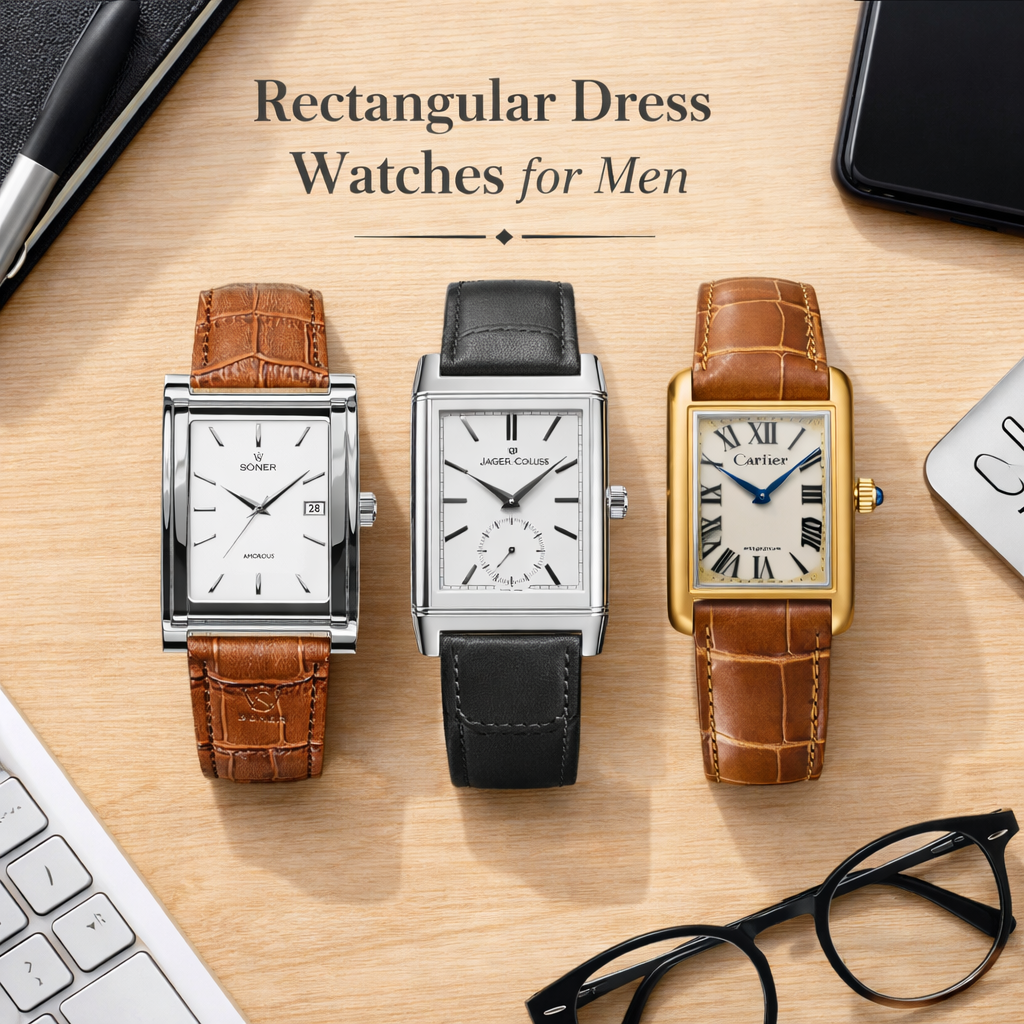
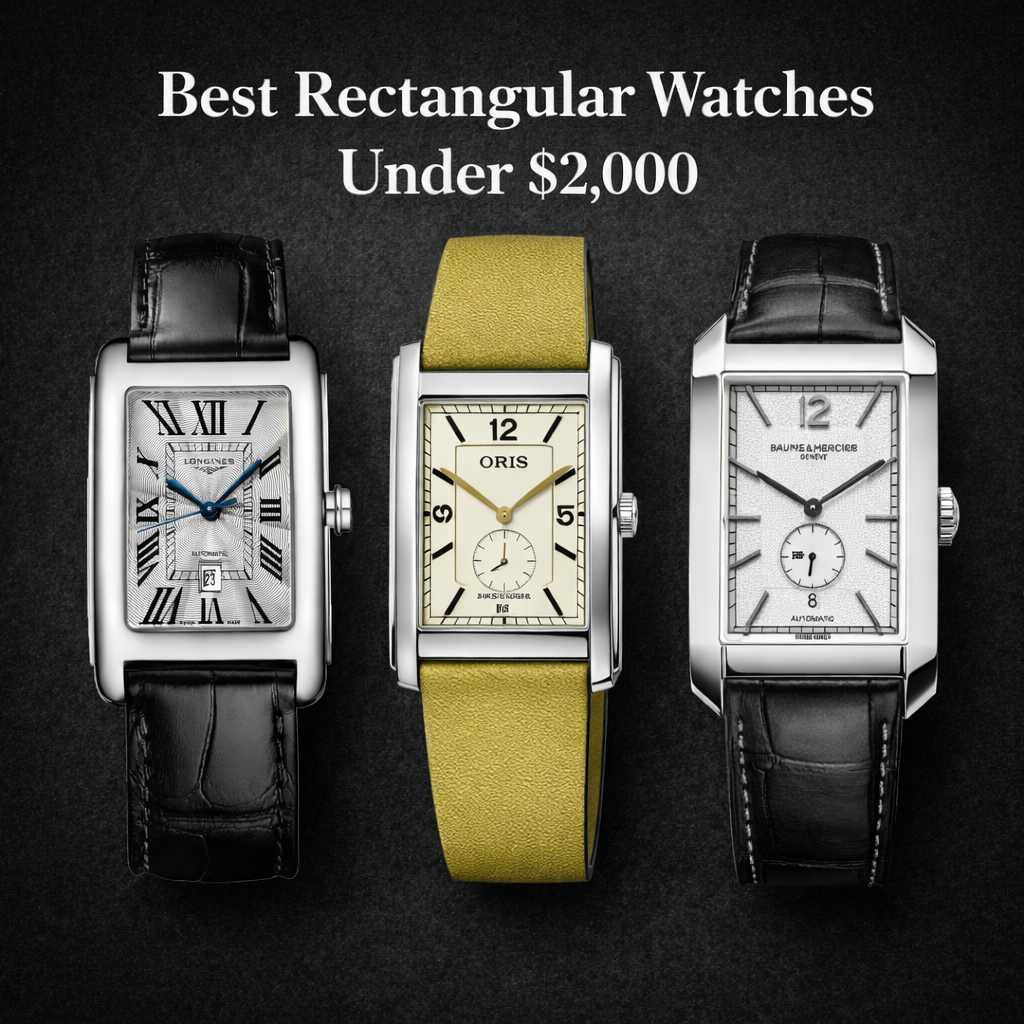
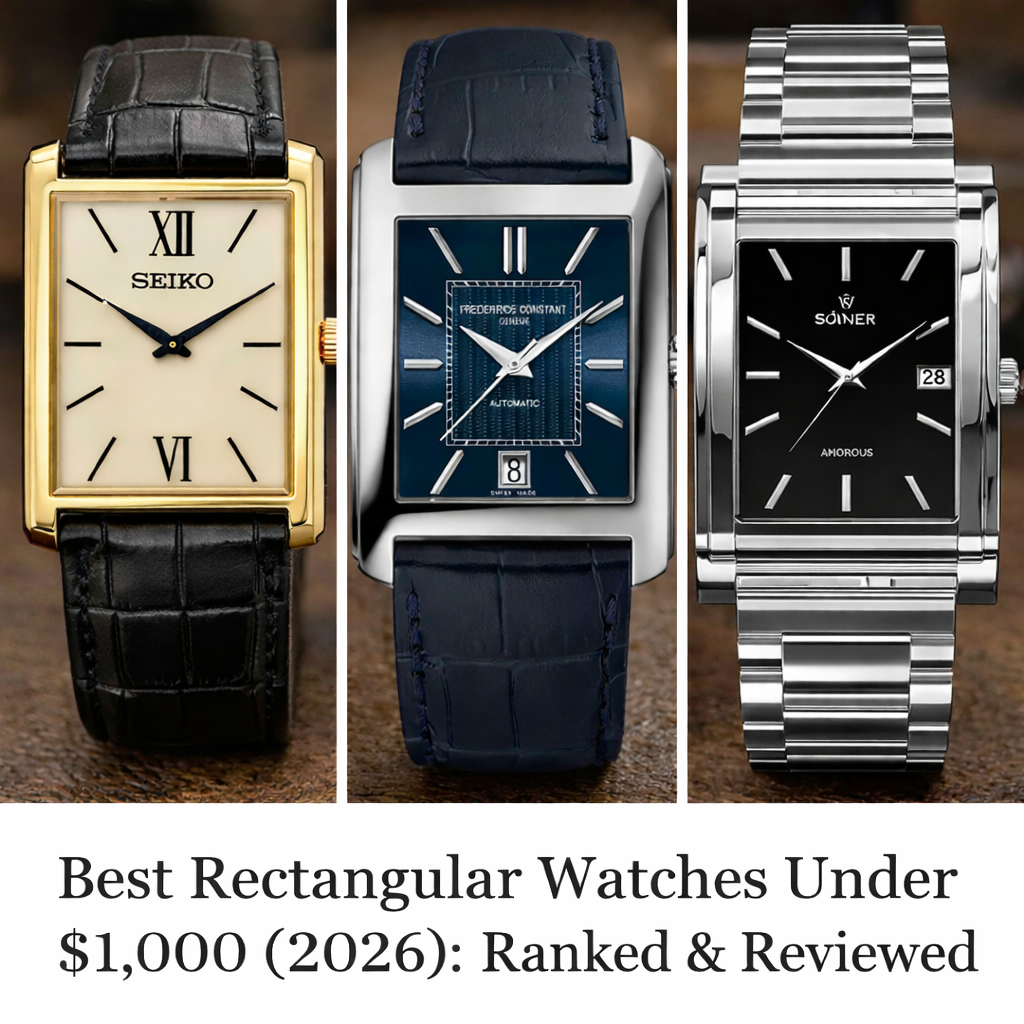
Alongside these newer categories, the classic rectangular dress watch is experiencing its most sustained resurgence in decades. Every major watch fair since 2022 has featured increased emphasis on angular cases. Search interest in rectangular women's watches has grown consistently year-on-year. The format that defined the greatest women's watches of the 20th century - from the Cartier Tank to the Jaeger-LeCoultre Reverso - is returning to mainstream prominence.
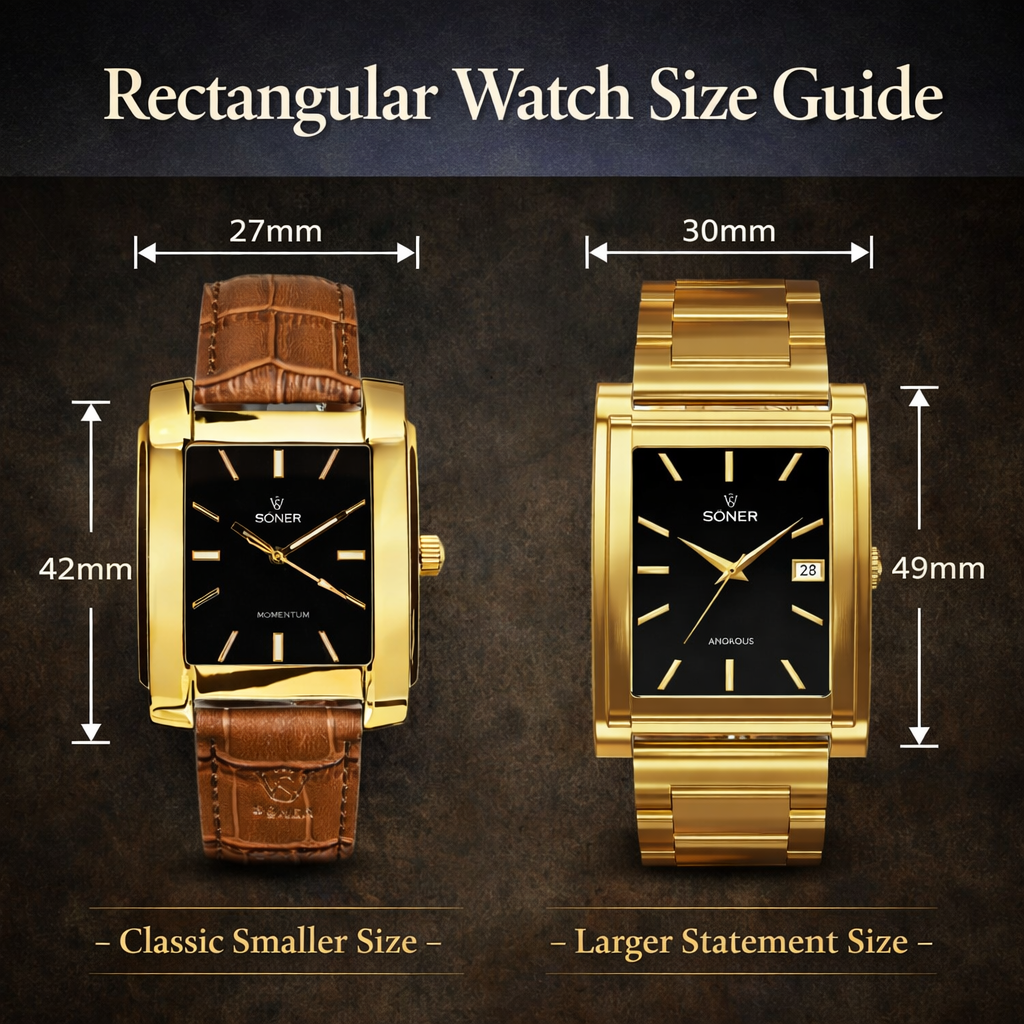
The reasons are structural rather than cyclical. The rectangular case follows the natural geometry of the wrist more closely than a round one, sitting flush rather than resting as a self-contained circle. Its slim profile - typically 7 to 10mm thick - slides cleanly under a sleeve. Its design heritage connects the wearer to a century of culturally significant watches worn by some of the most consequential women of the modern era.
Women's Watches Across the Decades: A Summary
| Era | Defining Trend | Case Style | Notable Development |
|---|---|---|---|
| Early 1900s | Decorative accessory | Round, jewelled | Wristwatch replaces pocket watch for women |
| 1920s | Art Deco geometry | Rectangular, geometric | Cartier Tank establishes rectangular as the dress watch standard |
| 1930s-1950s | Practical elegance | Slim, steel-cased | Self-winding movements, stainless steel becomes standard |
| 1960s | Pop culture creativity | Bold, coloured, experimental | Plastic, coloured metals, fashion watch as statement piece |
| 1970s-1990s | Quartz revolution | Thin, varied | Quartz accuracy, thinner cases, broader accessibility |
| 2000s | Heritage revival | Classic proportions, new materials | Return to Roman numerals, leather straps, rectangular cases |
| Present | Technology and heritage | Rectangular revival alongside smartwatch growth | Sustainability focus, rectangular case resurgence, personalisation |
The Rectangular Watch and Women's Style Today
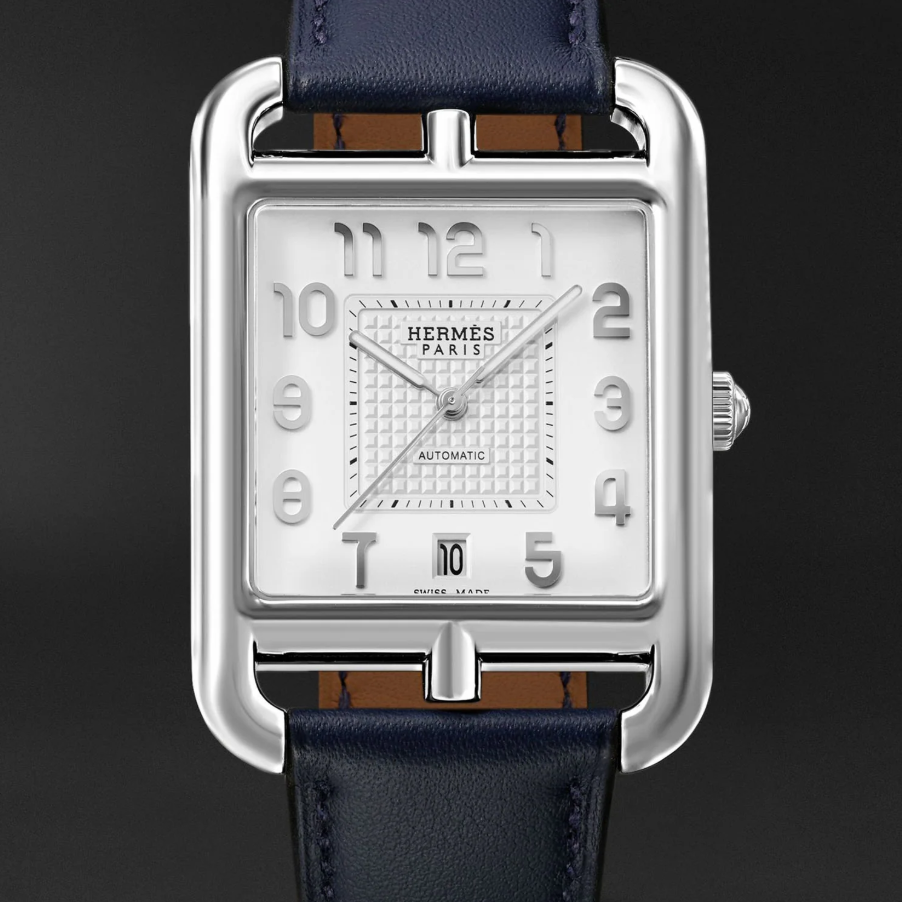
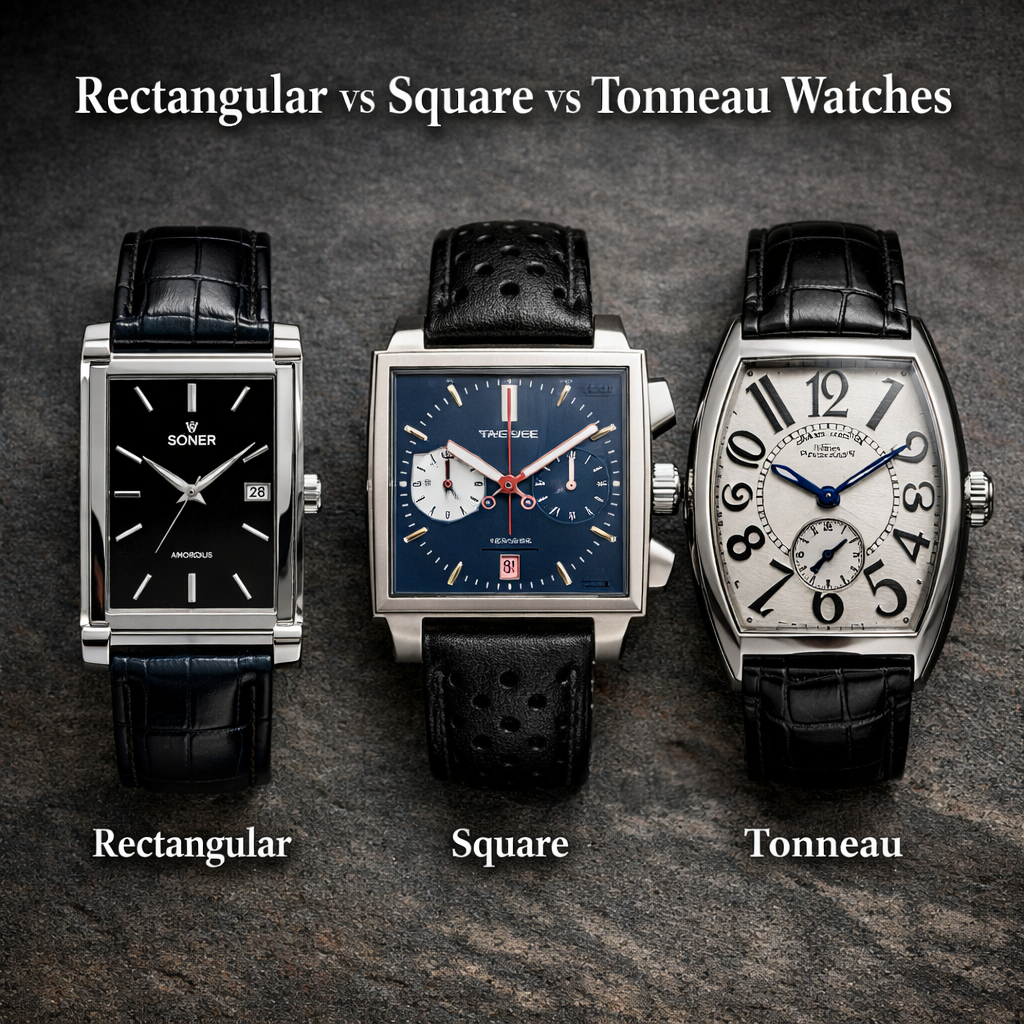
The rectangular case has a specific relationship to women's watch history that round cases do not. The most culturally significant women's watches of the 20th century - those worn by Jackie Kennedy, Princess Diana, Coco Chanel, and countless others across a century of fashion - were overwhelmingly rectangular. The format's slim profile, its architectural precision, and its Art Deco heritage connect it to a tradition of considered elegance that is entirely distinct from the sporting and tool watch associations that define much of the round watch market.
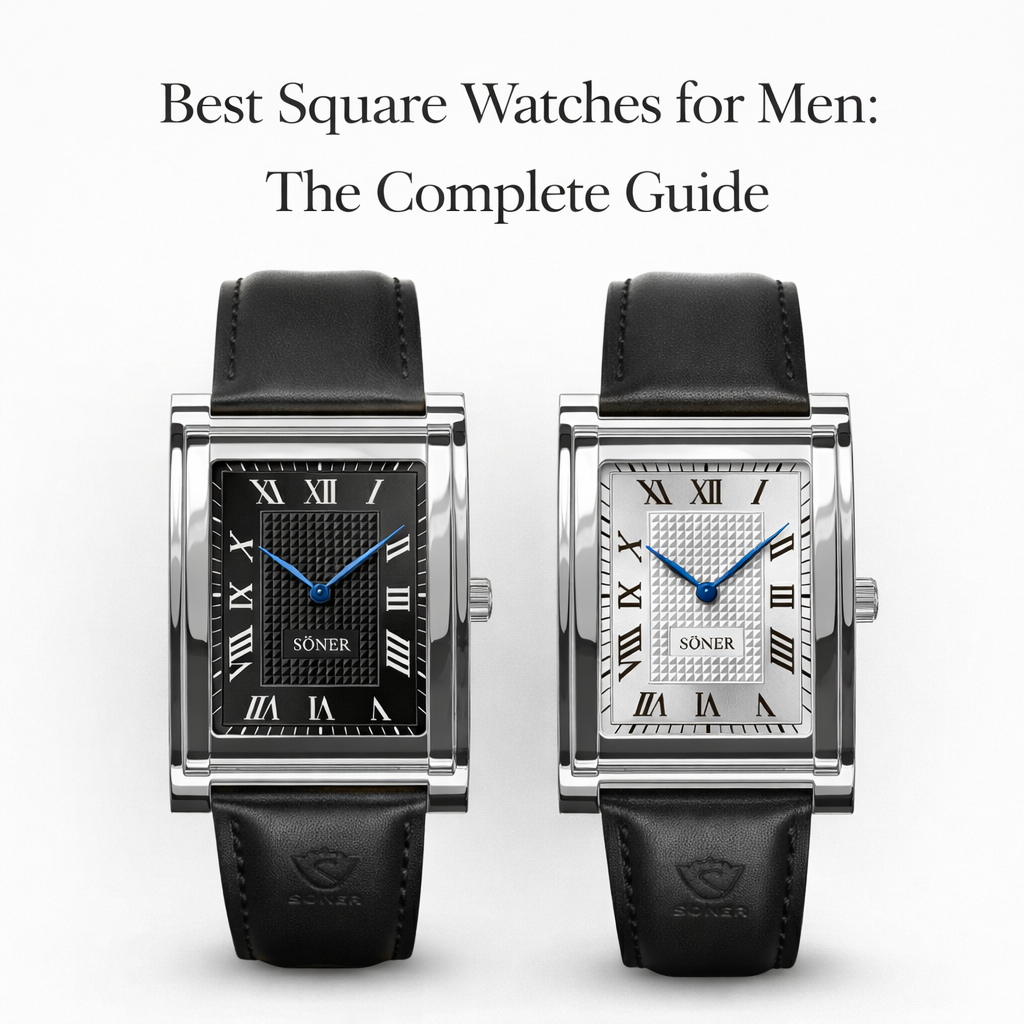
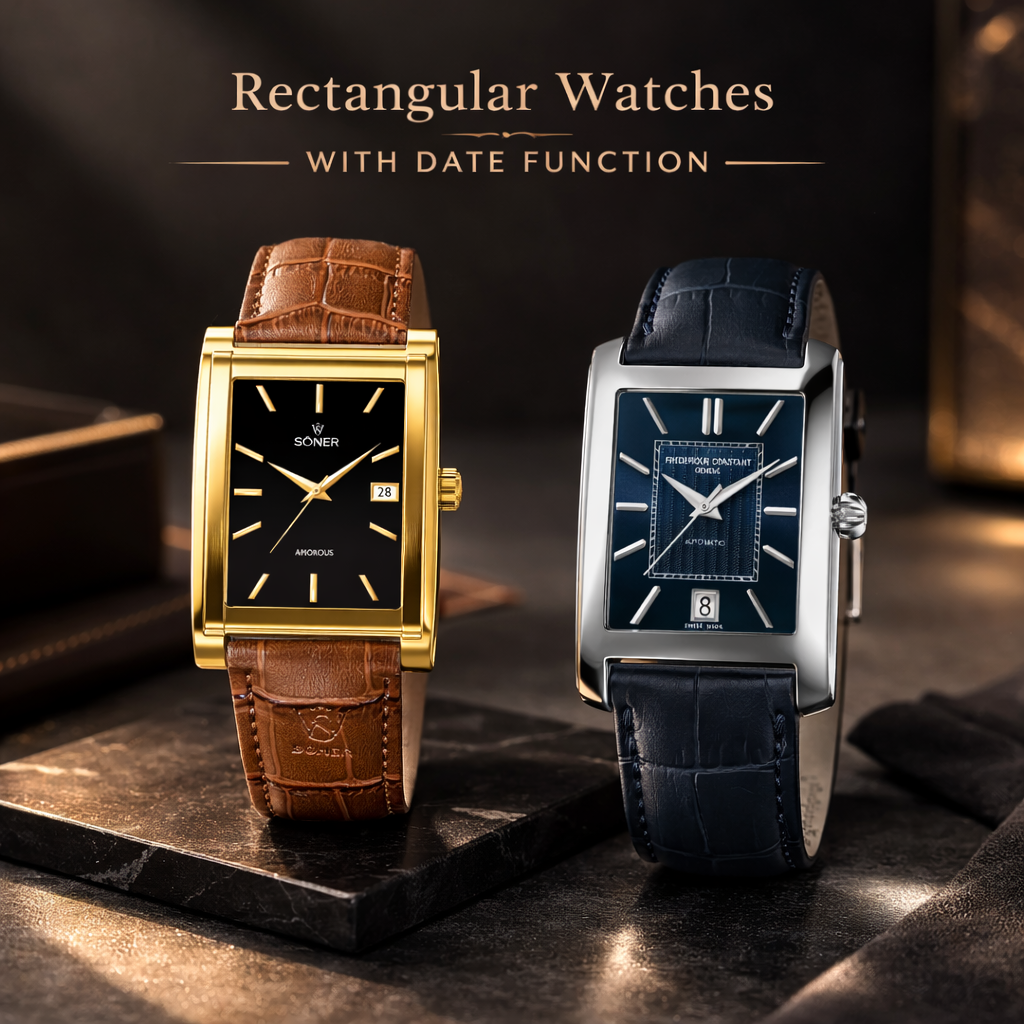
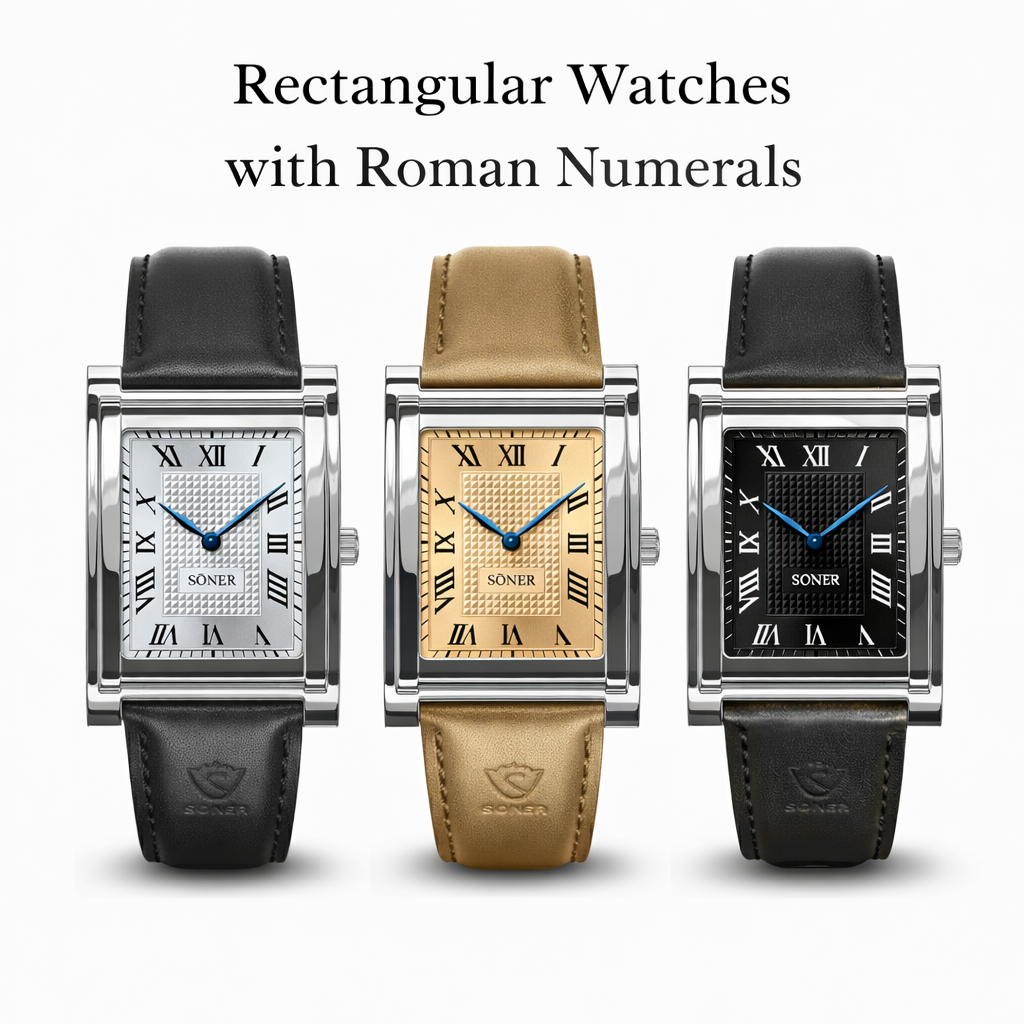
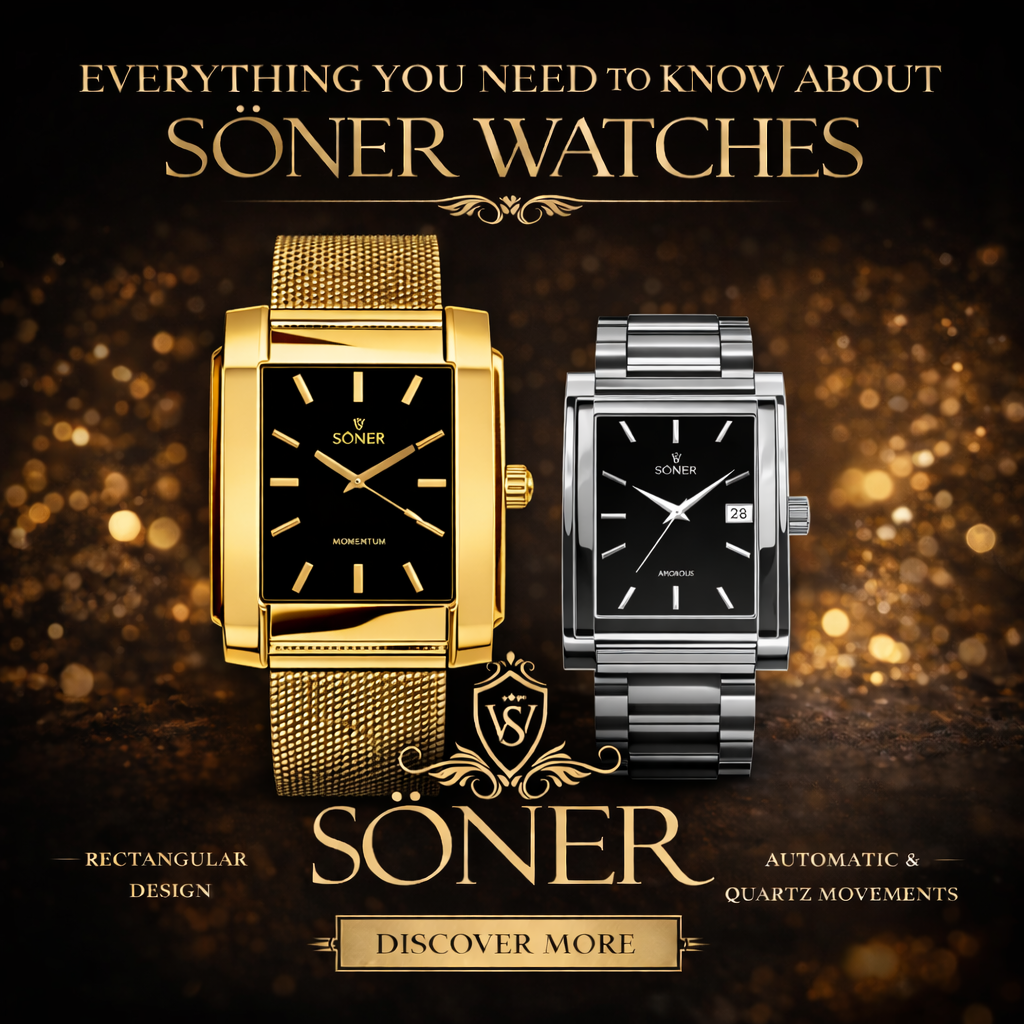
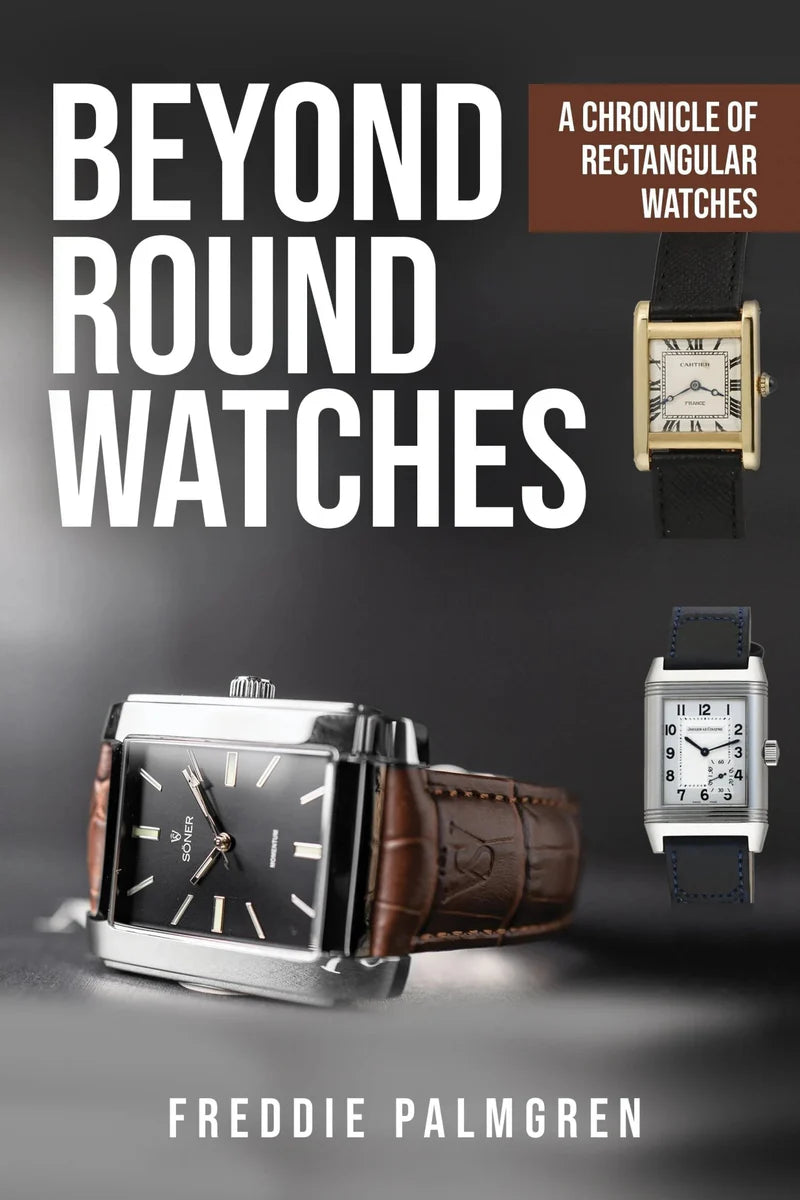
At Söner Watches, every watch is built around the rectangular case - not as one option within a broader round catalogue, but as the entire and exclusive focus. Founder Freddie Palmgren built the brand specifically around the format that has defined the most celebrated dress watches in horological history. The result is a collection where every decision - case proportions, dial layout, strap width, movement selection - is made with the rectangular format as the sole consideration.
For women looking for a rectangular dress watch that honours this tradition while meeting contemporary standards for quality and durability, see the Söner women's rectangular watch collection. To compare models by case size, dial colour, and movement type, use the Söner comparison matrix.
Frequently Asked Questions
When did women start wearing wristwatches?
Women began wearing wristwatches in the late 19th century, initially as decorative jewellery-adjacent accessories. The format became mainstream for women in the early 1900s, accelerated by the First World War, which brought women into the workforce in greater numbers and created demand for practical wrist-worn timekeeping. By the early 1920s, the wristwatch had replaced the pocket watch as the standard timepiece for women.
What watch styles were most popular for women in the 1920s?
The 1920s were defined by Art Deco geometric design - rectangular cases, clean lines, minimal ornamentation, and architectural precision. The Cartier Tank, introduced in 1917 and reaching its cultural peak through the 1920s, established the rectangular case as the defining shape of the women's dress watch. This aesthetic dominated women's watch design through the 1930s and remains the reference point for classic women's dress watches today.
Are rectangular watches suitable for women?
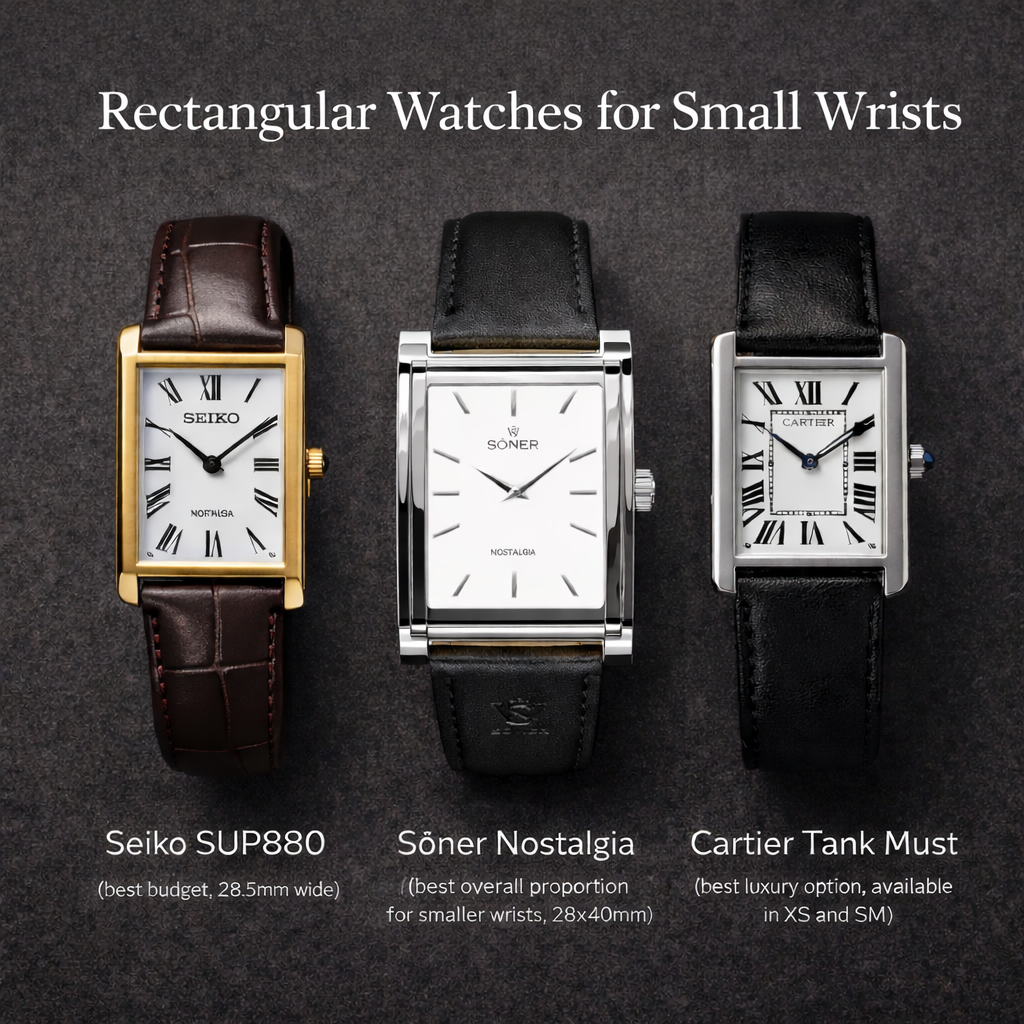
Yes. The rectangular case has been associated with women's dress watches since the 1920s. The Cartier Tank - worn by Jackie Kennedy, Princess Diana, and many other culturally significant women - is the defining reference. The slim profile typical of rectangular watches suits a range of wrist sizes, and the format's Art Deco heritage connects it to a century of women's watch design. For wrist size guidance, see our watch size guide.
What is the best women's rectangular watch today?
The best women's rectangular watch depends on budget and movement preference. The Cartier Tank Solo is the heritage reference from $2,500. The Söner range for women offers Swiss and Japanese movements in hardened steel rectangular cases with sapphire crystals from an accessible price point, backed by a 10-year warranty and built by the only brand dedicated exclusively to the rectangular format.
How has the rectangular watch for women evolved since the 1920s?
The core design language - slim rectangular case, clean dial, leather or metal strap - has remained consistent since the 1920s because it is architectural rather than decorative. What has changed is the technology inside: quartz movements in the 1970s enabled thinner cases; modern Swiss automatics bring mechanical interest back to the format; hardened steel and sapphire crystal bring contemporary material standards to a century-old design tradition. The rectangular watch is the one watch category where the best contemporary examples genuinely connect to a 100-year design heritage without resorting to pastiche.