



 Published on
Table of Contents
The History of Wrist Watches
Wristwatches have become an integral part of our daily lives, seamlessly blending functionality with fashion. From their humble beginnings as a practical tool for timekeeping to their evolution into a status symbol and a piece of art, wristwatches have a rich and fascinating history. This journey through time reveals the innovation and craftsmanship that have shaped the wristwatch into the iconic accessory it is today.

The Origins of Timekeeping
The concept of timekeeping dates back to ancient civilizations, where sundials and water clocks were used to track the passage of time. These early devices laid the groundwork for more precise timekeeping instruments. As societies evolved, so did the need for more accurate and portable timepieces.
In the 16th century, the first mechanical clocks were developed in Europe. These clocks were large, cumbersome, and primarily found in churches and public buildings. However, the invention of the mainspring in the 15th century paved the way for portable timepieces, leading to the creation of the pocket watch.
Pocket watches became popular among the wealthy elite during the 17th and 18th centuries. They were often intricately designed and served as a status symbol. Despite their popularity, pocket watches were not the most convenient timekeeping devices, especially for those who needed to keep their hands free.

The Birth of the Wristwatch
The wristwatch, as we know it today, has its roots in the late 19th century. Initially, wristwatches were considered feminine accessories, primarily worn by women. Men continued to favor pocket watches due to their traditional and masculine appeal.
However, the practicality of wristwatches became apparent during the early 20th century, particularly during World War I. Soldiers found wristwatches to be more convenient than pocket watches, as they allowed for quick and easy time checks without the need to fumble with a chain or pocket.
As a result, wristwatches gained popularity among men, and watchmakers began designing more robust and functional models suitable for military use. This shift marked the beginning of the wristwatch's rise to prominence in the world of horology.

The Role of World War I
World War I played a significant role in popularizing wristwatches among men. The need for synchronized military operations highlighted the importance of accurate and accessible timekeeping. Soldiers required a timepiece that could withstand the rigors of battle, leading to the development of durable and reliable wristwatches.
Watchmakers responded to this demand by creating watches with features such as luminous dials, shatterproof crystals, and sturdy leather straps. These innovations not only improved the functionality of wristwatches but also contributed to their widespread acceptance among men.
The Transition to Civilian Life
After the war, returning soldiers continued to wear their wristwatches, further cementing their popularity. The wristwatch had transitioned from a military necessity to a fashionable accessory for everyday life. This shift was reflected in the designs of the time, which became more diverse and stylish.
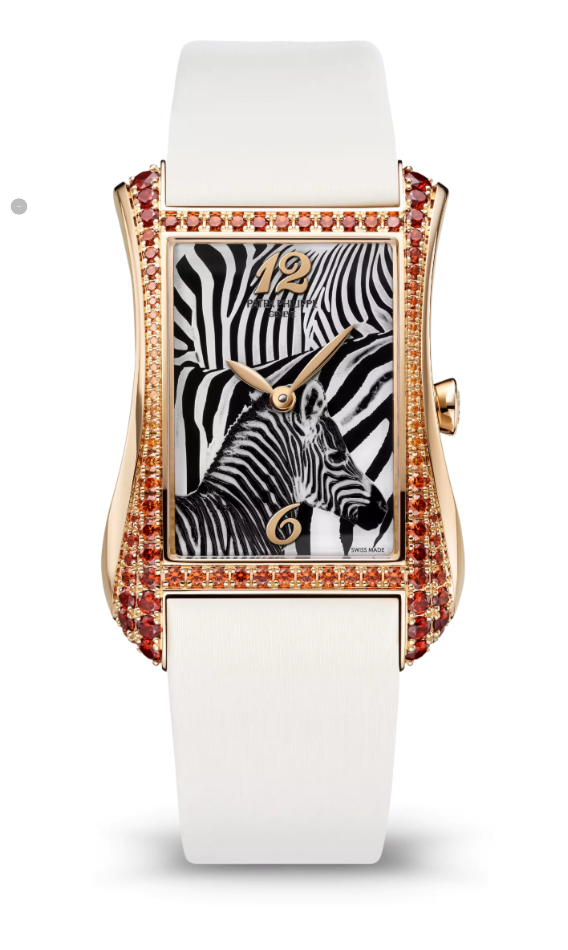
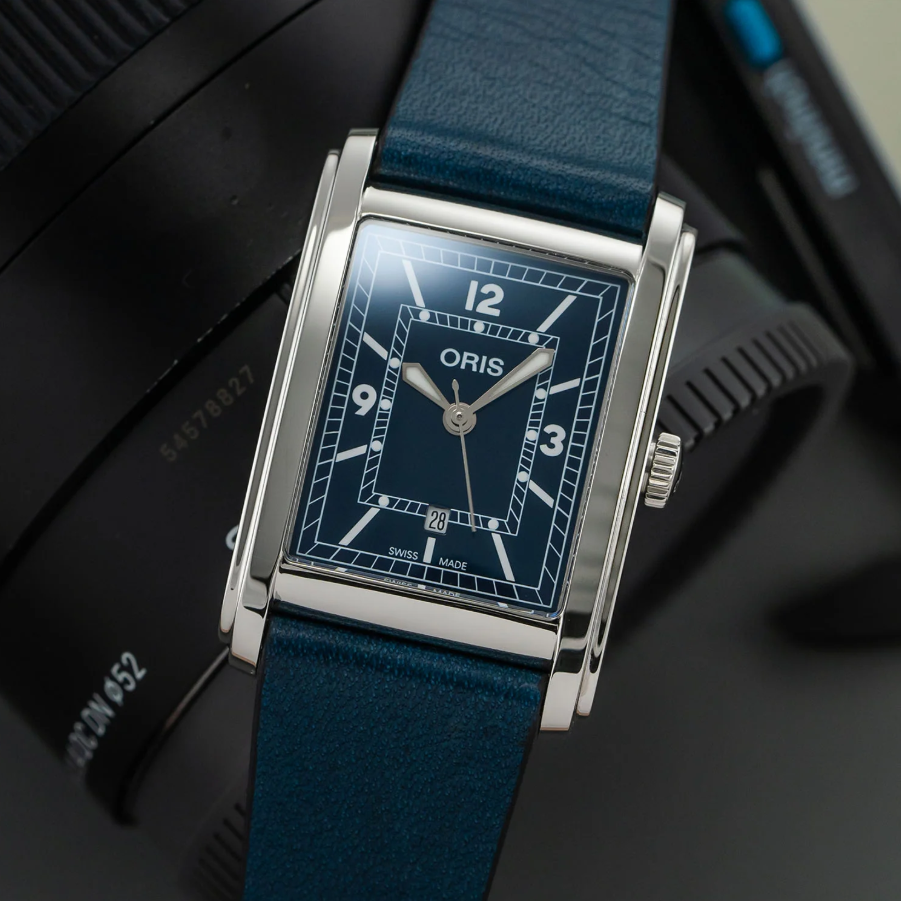
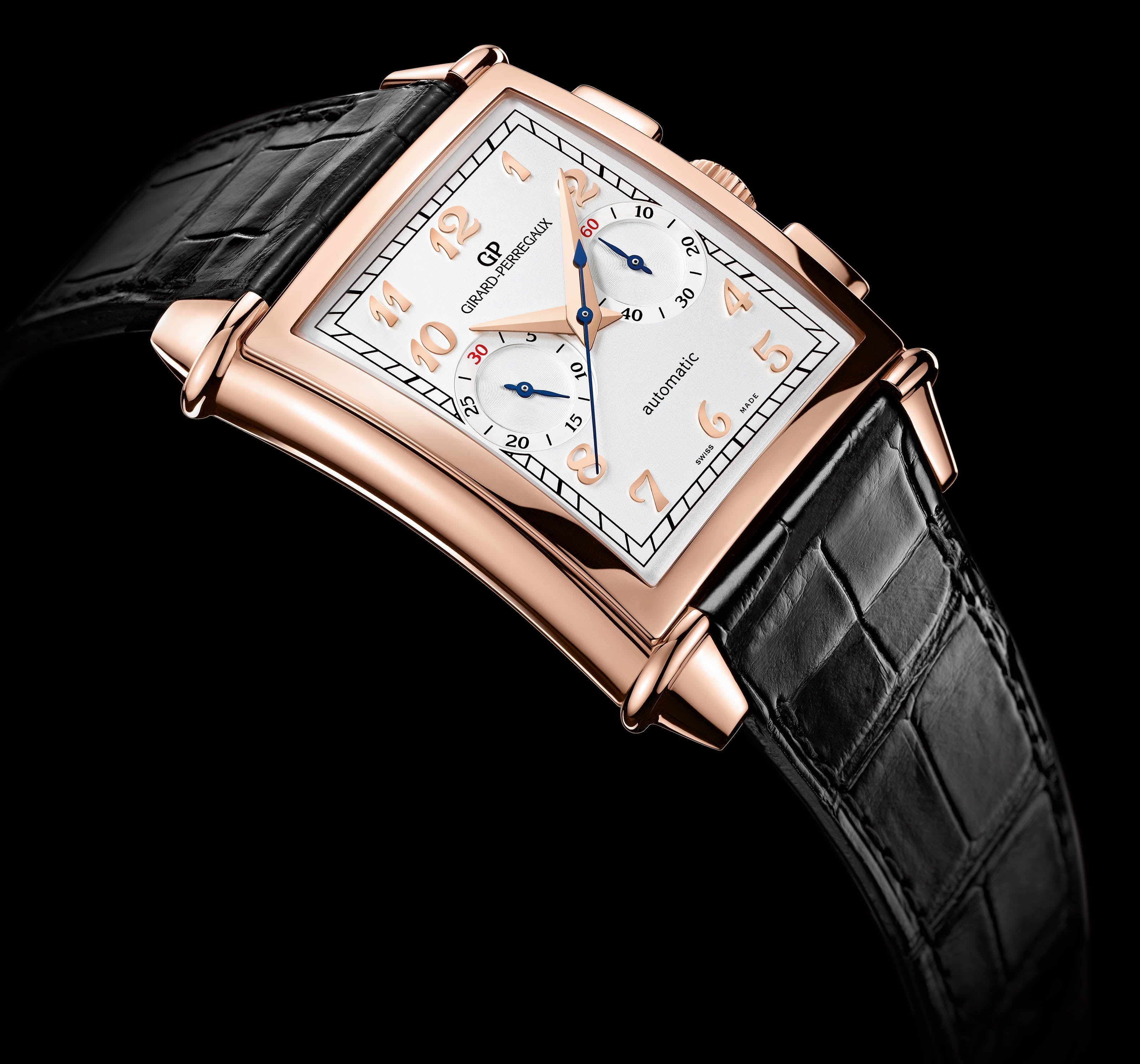
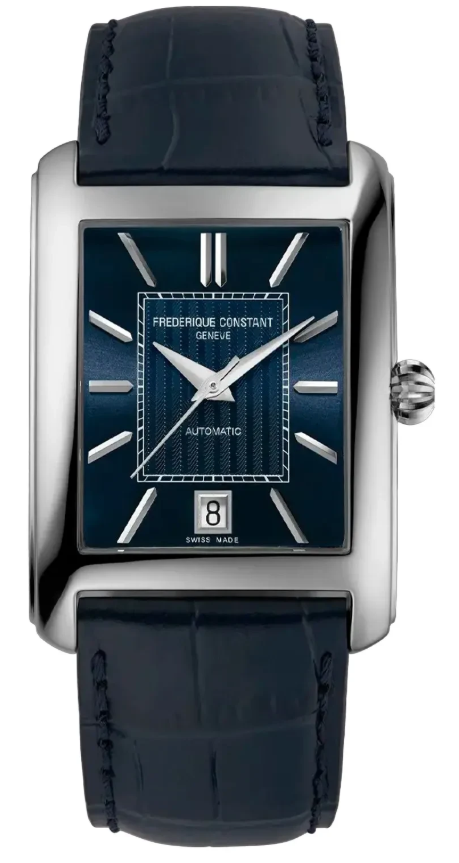
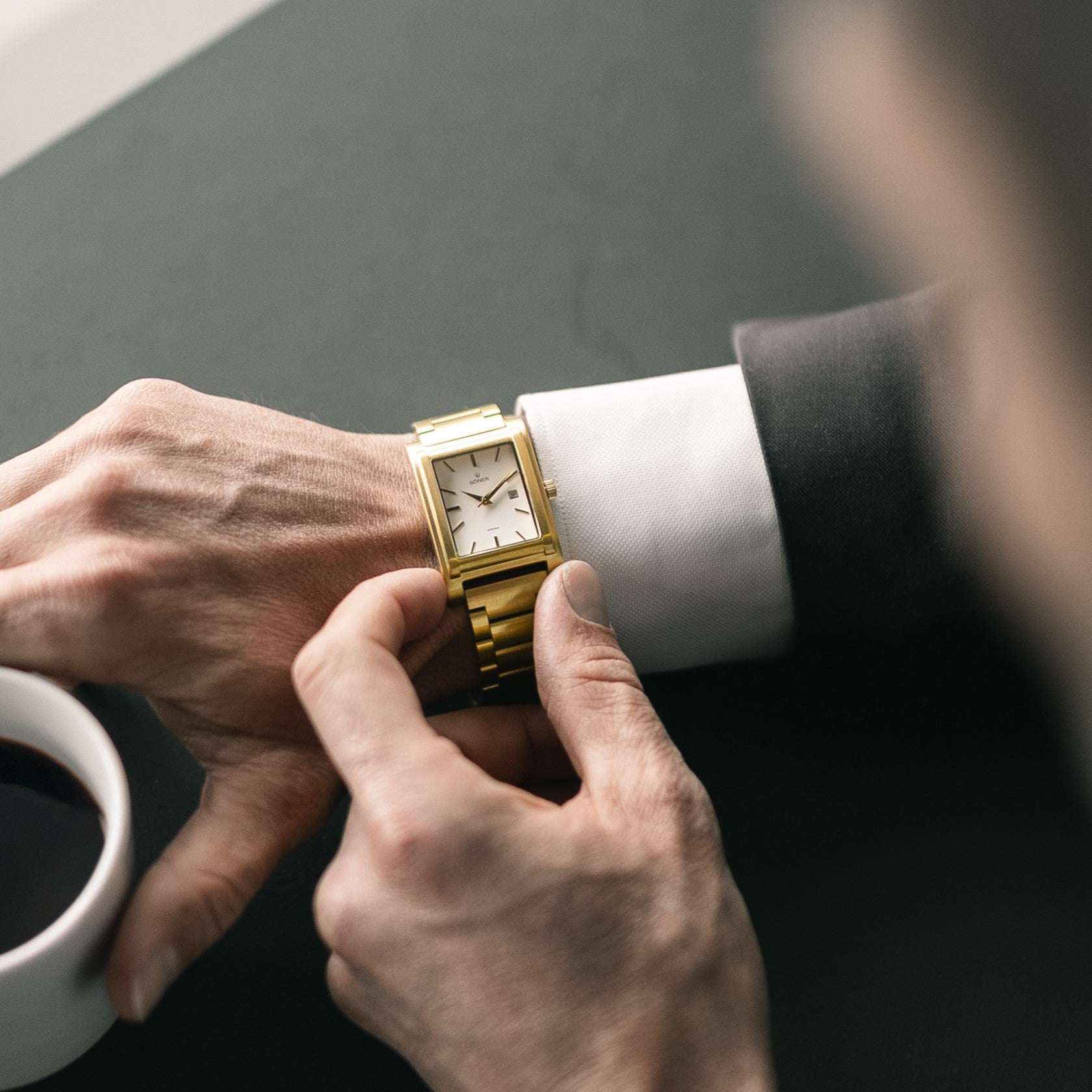
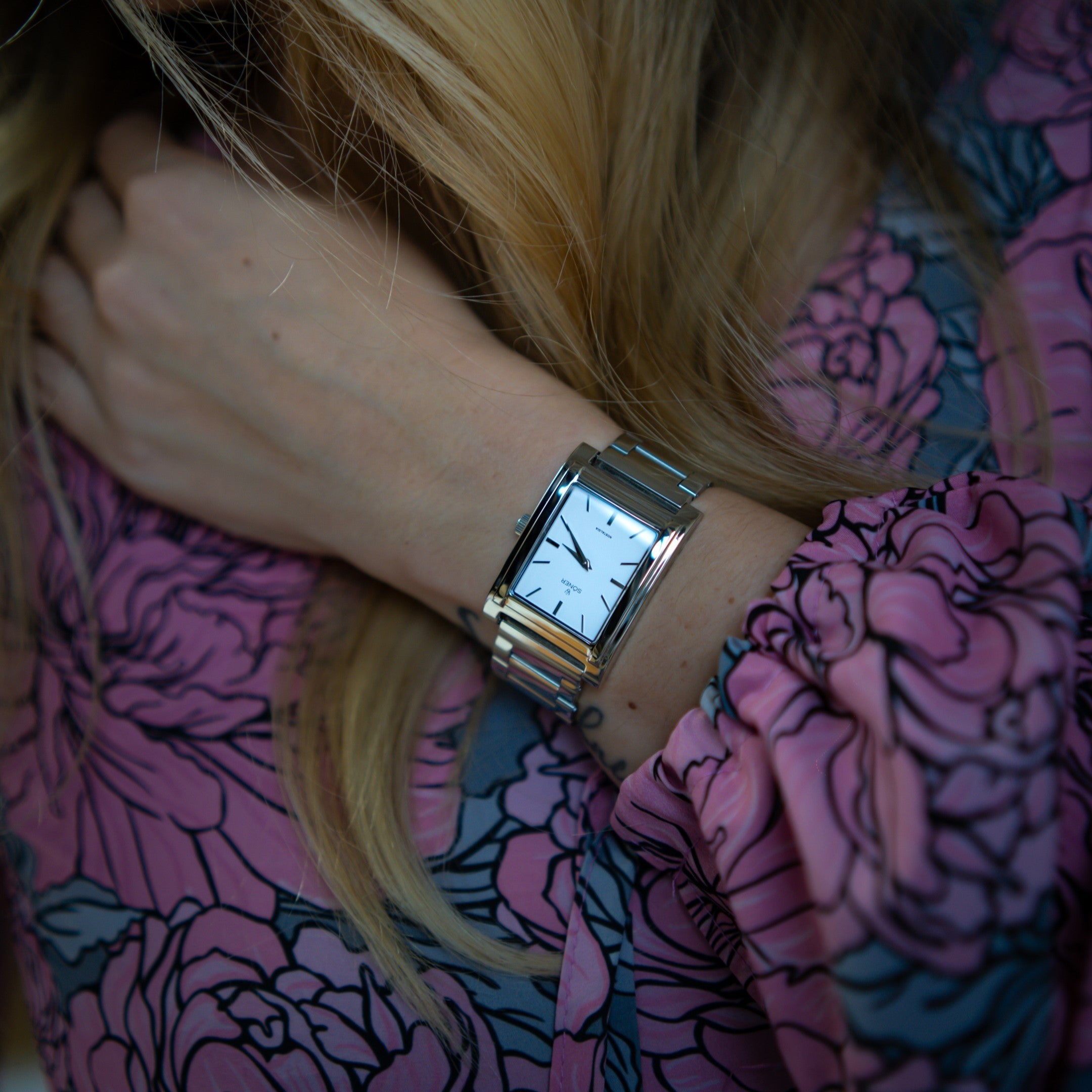
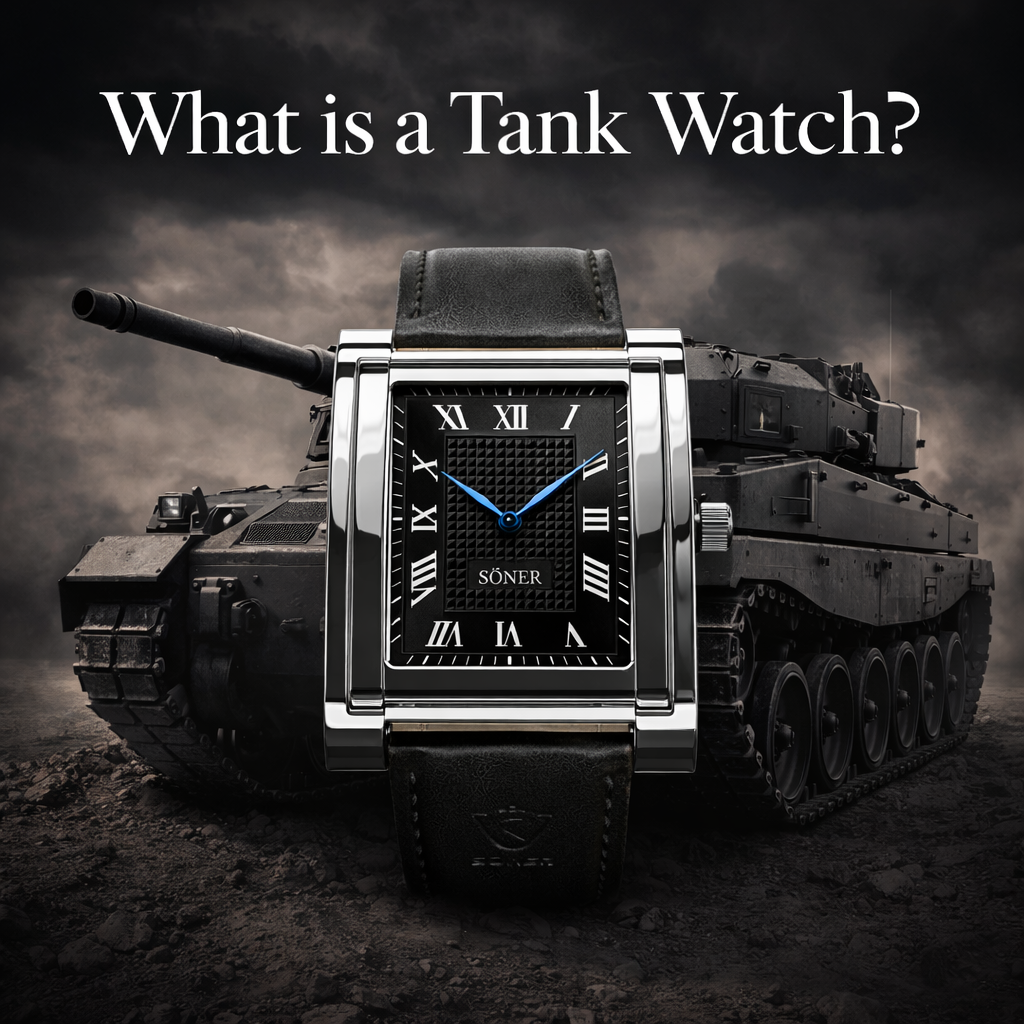
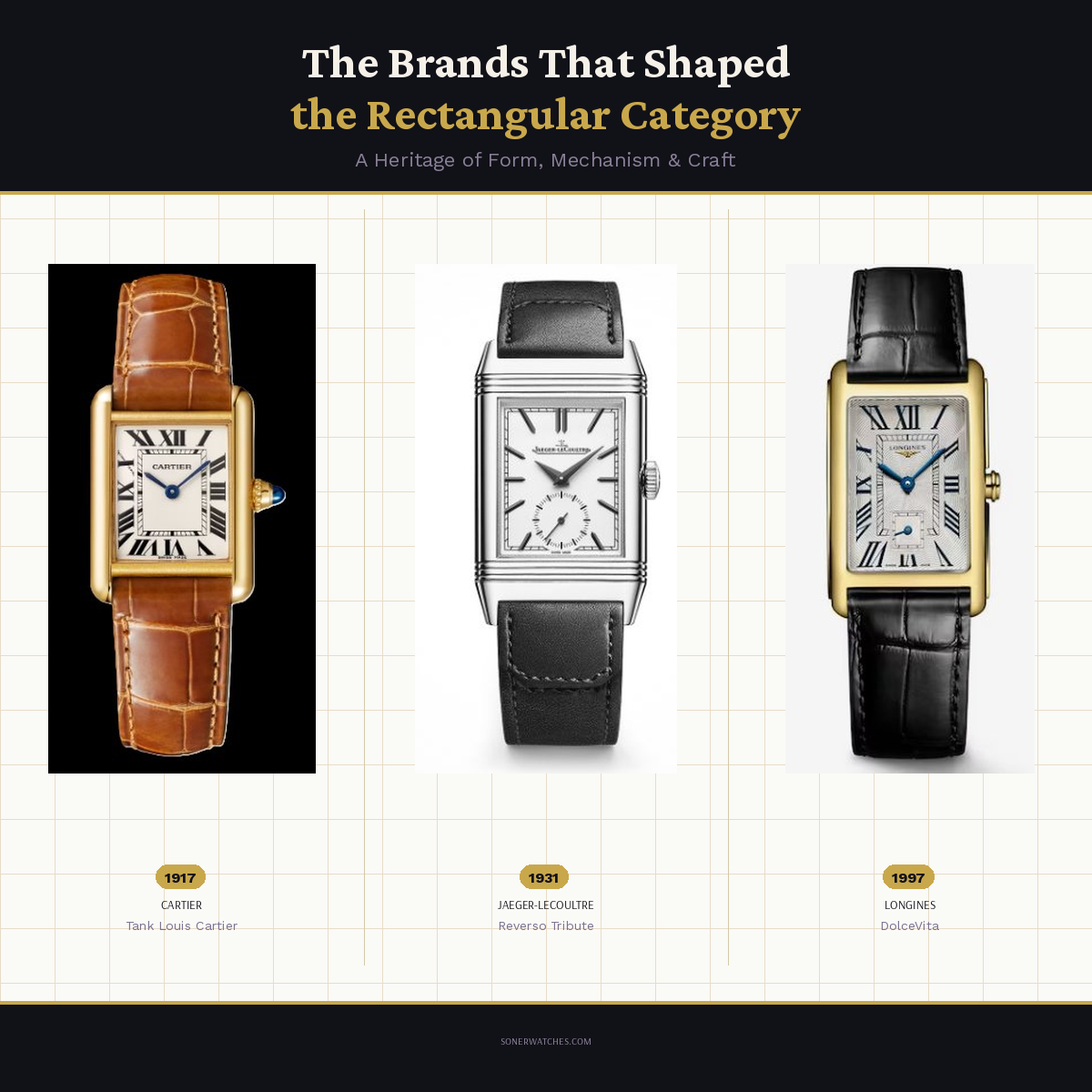
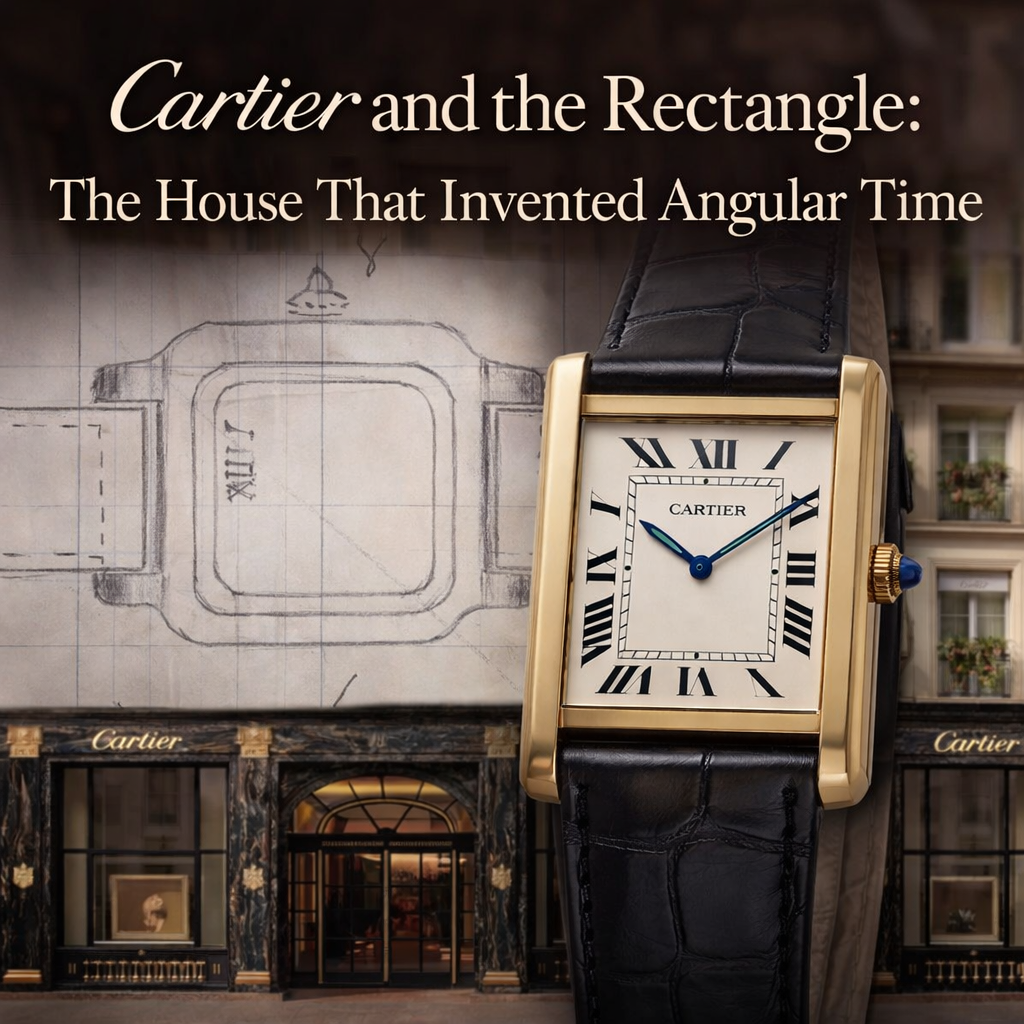
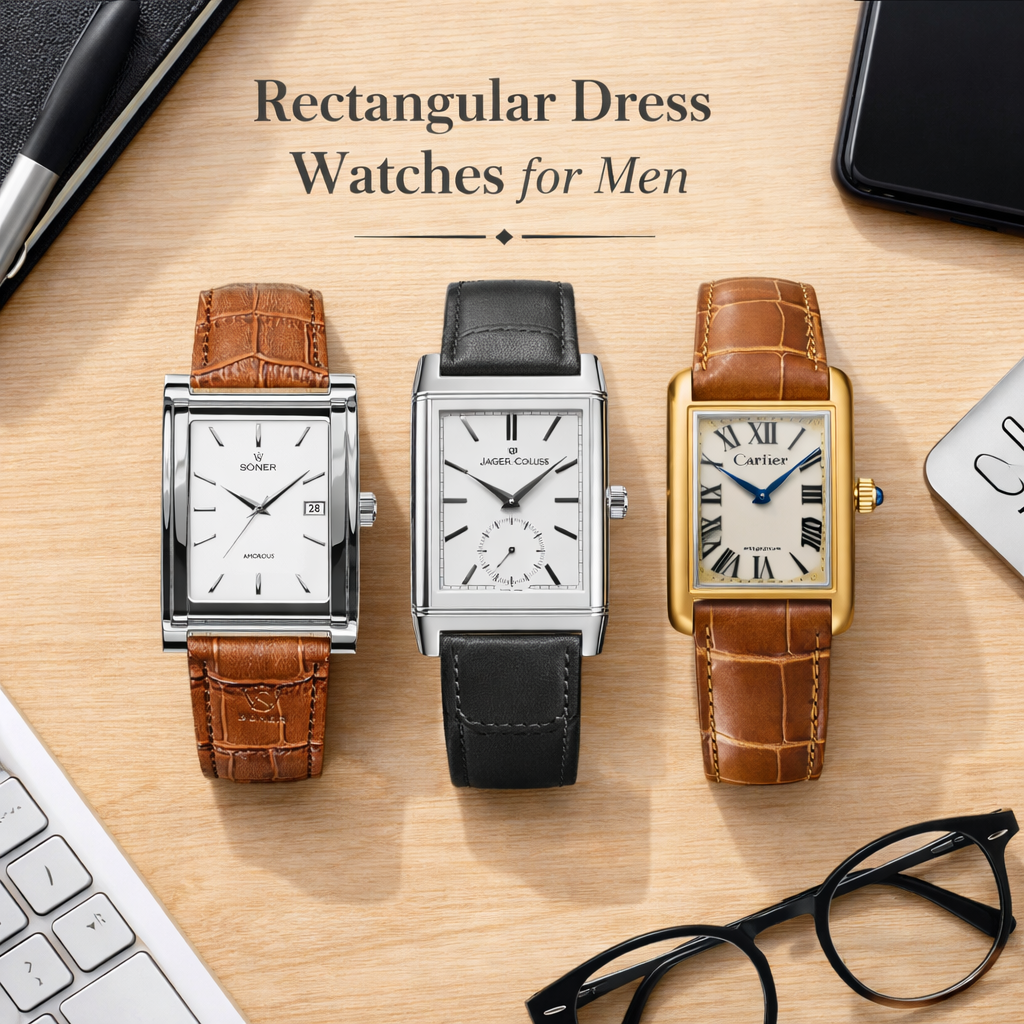
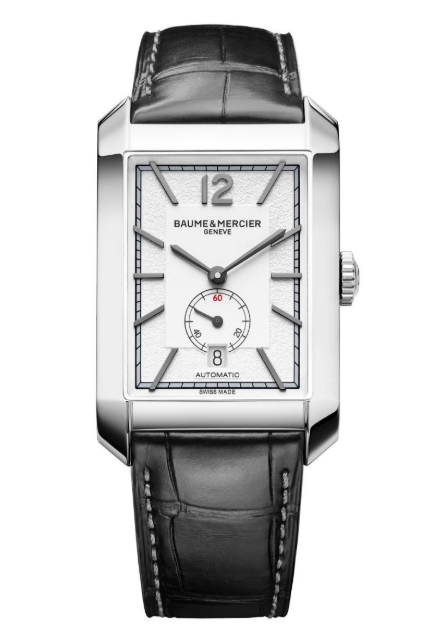
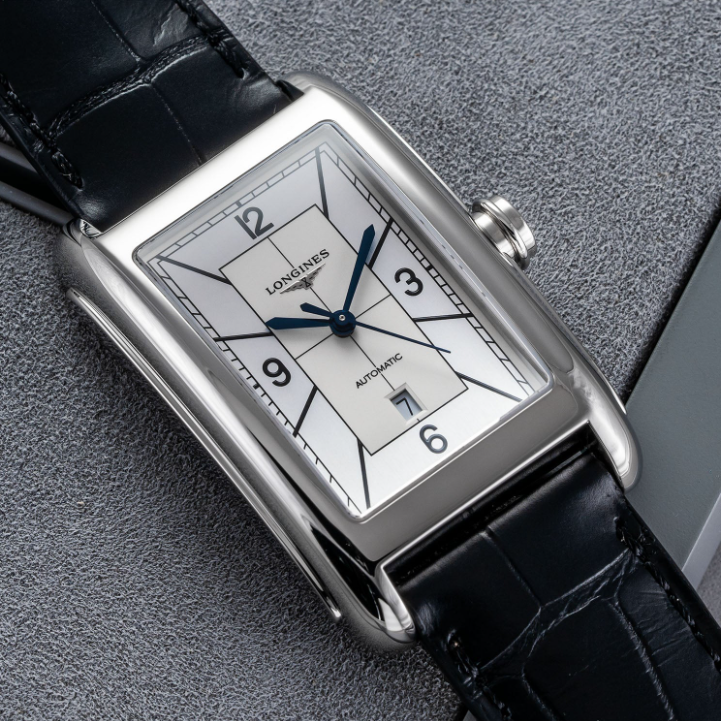
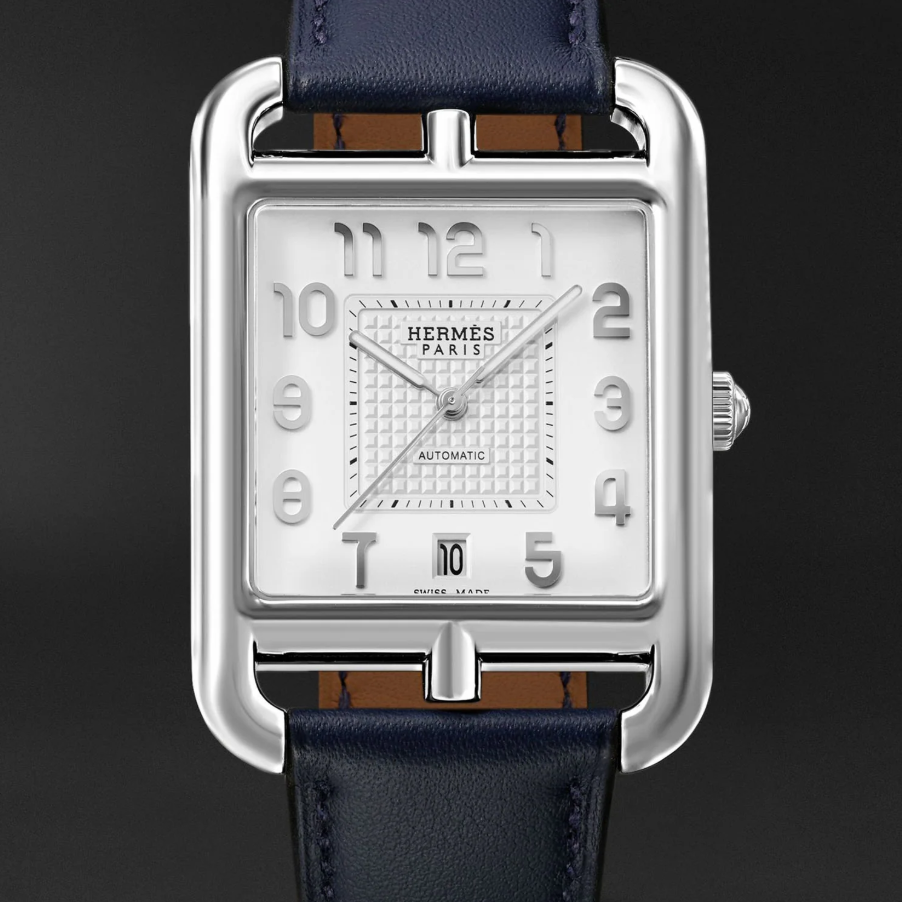
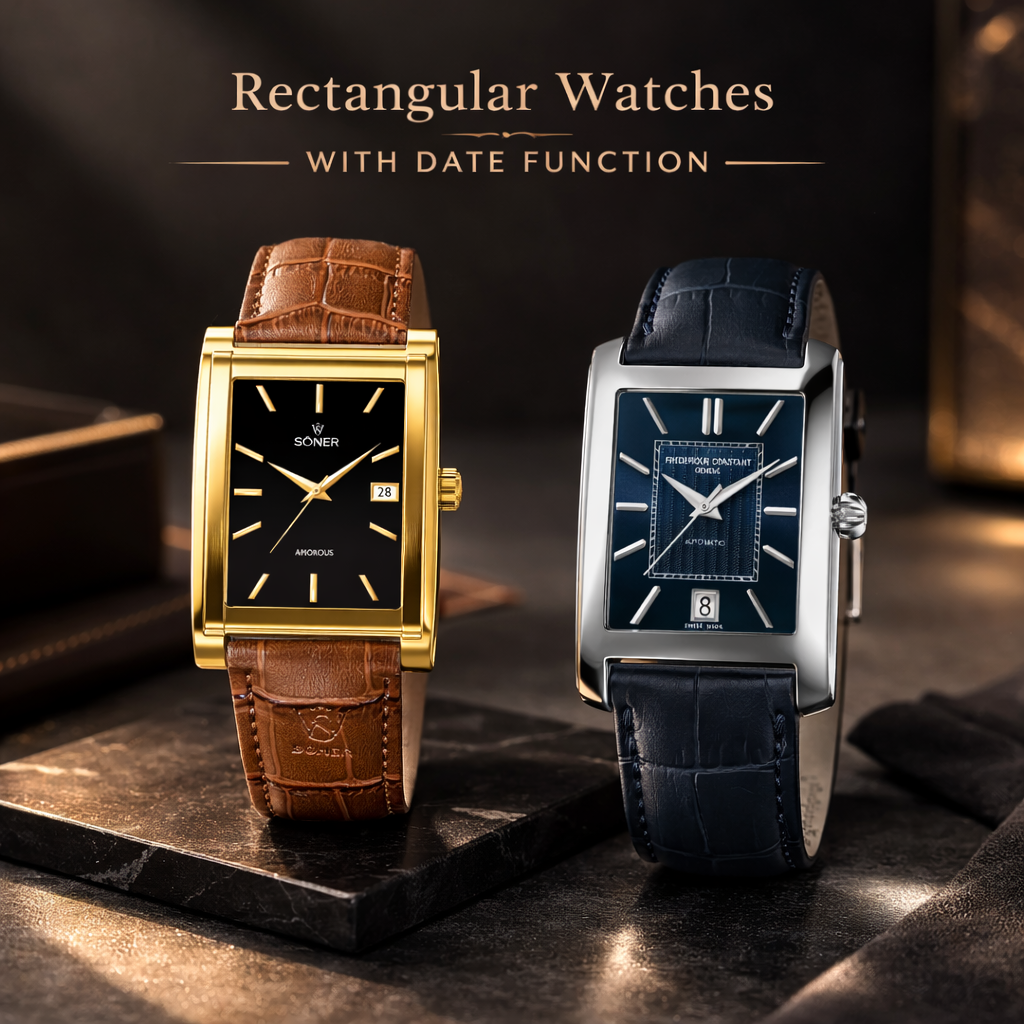
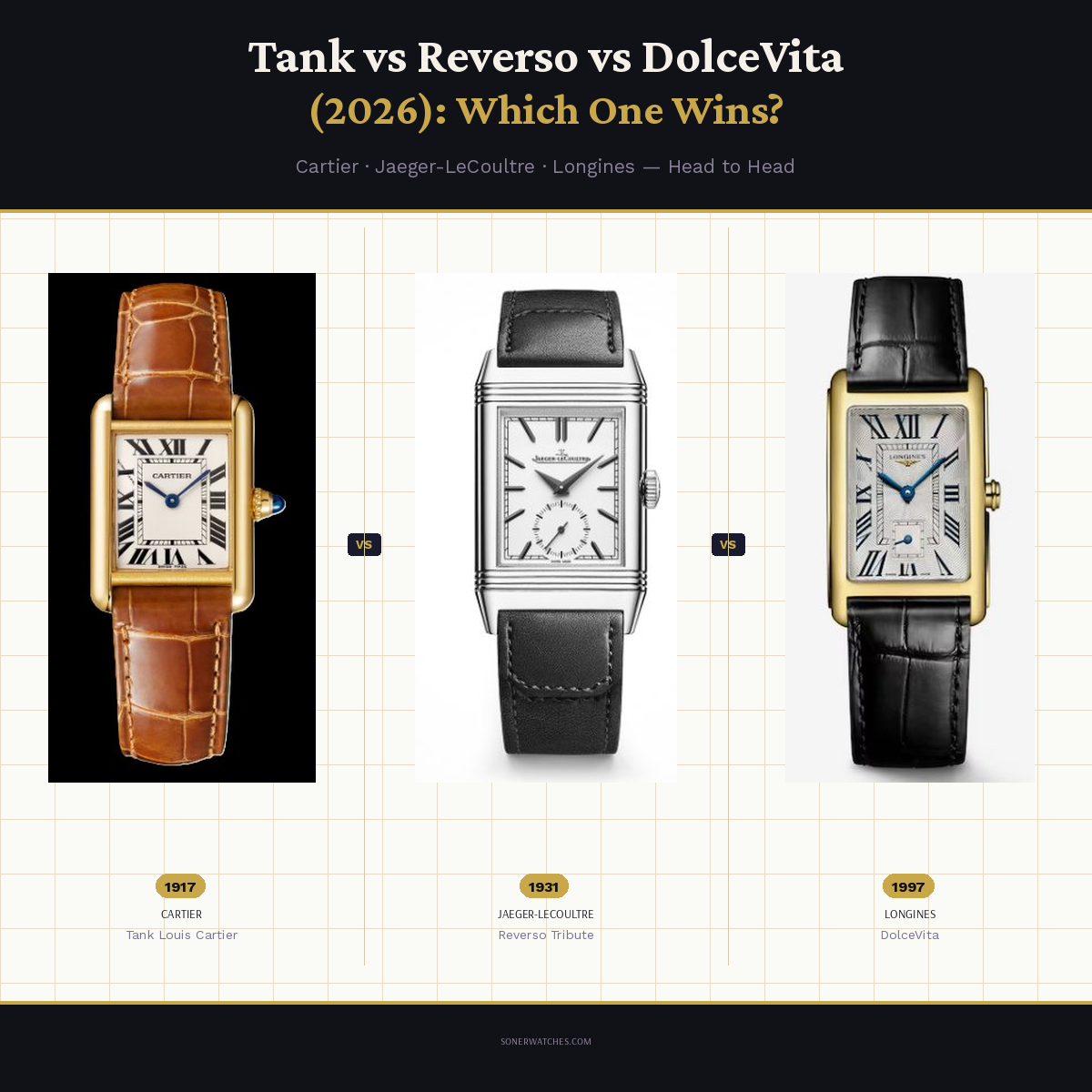
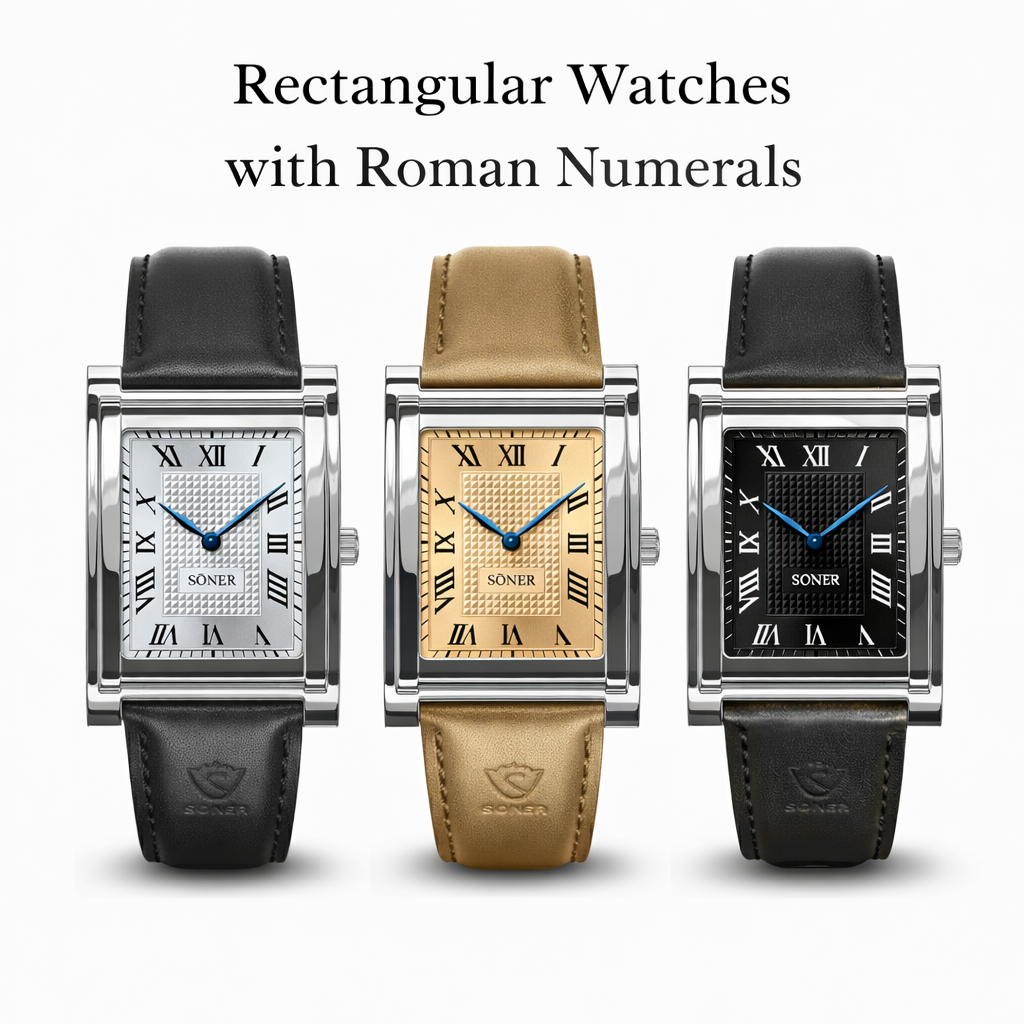
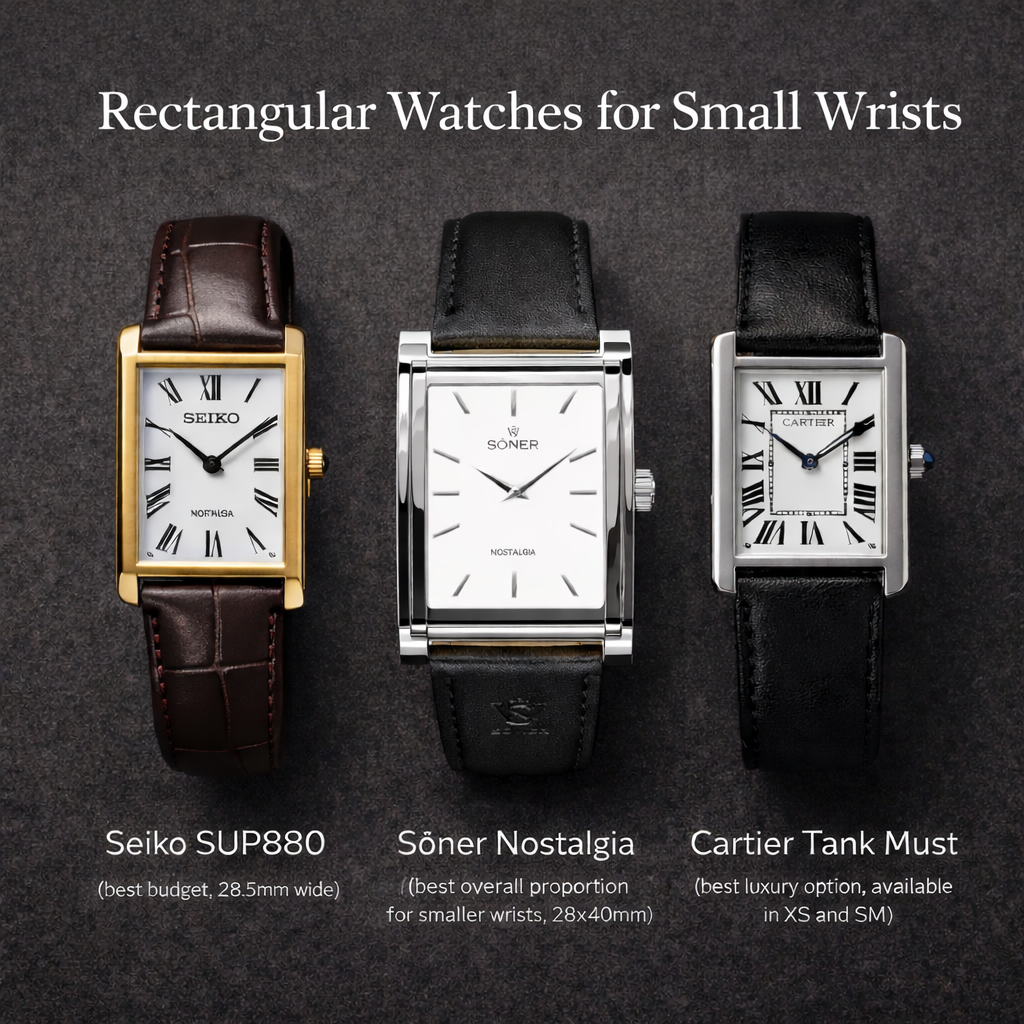
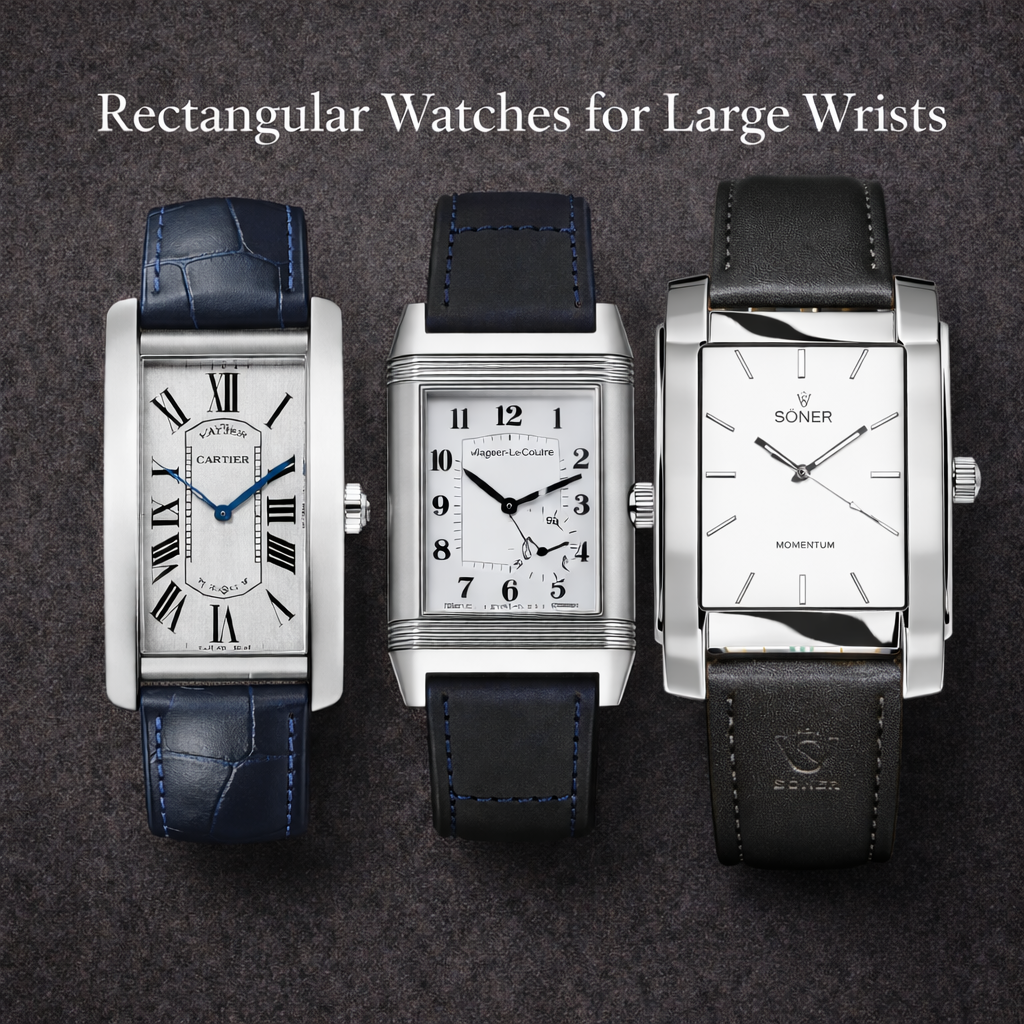
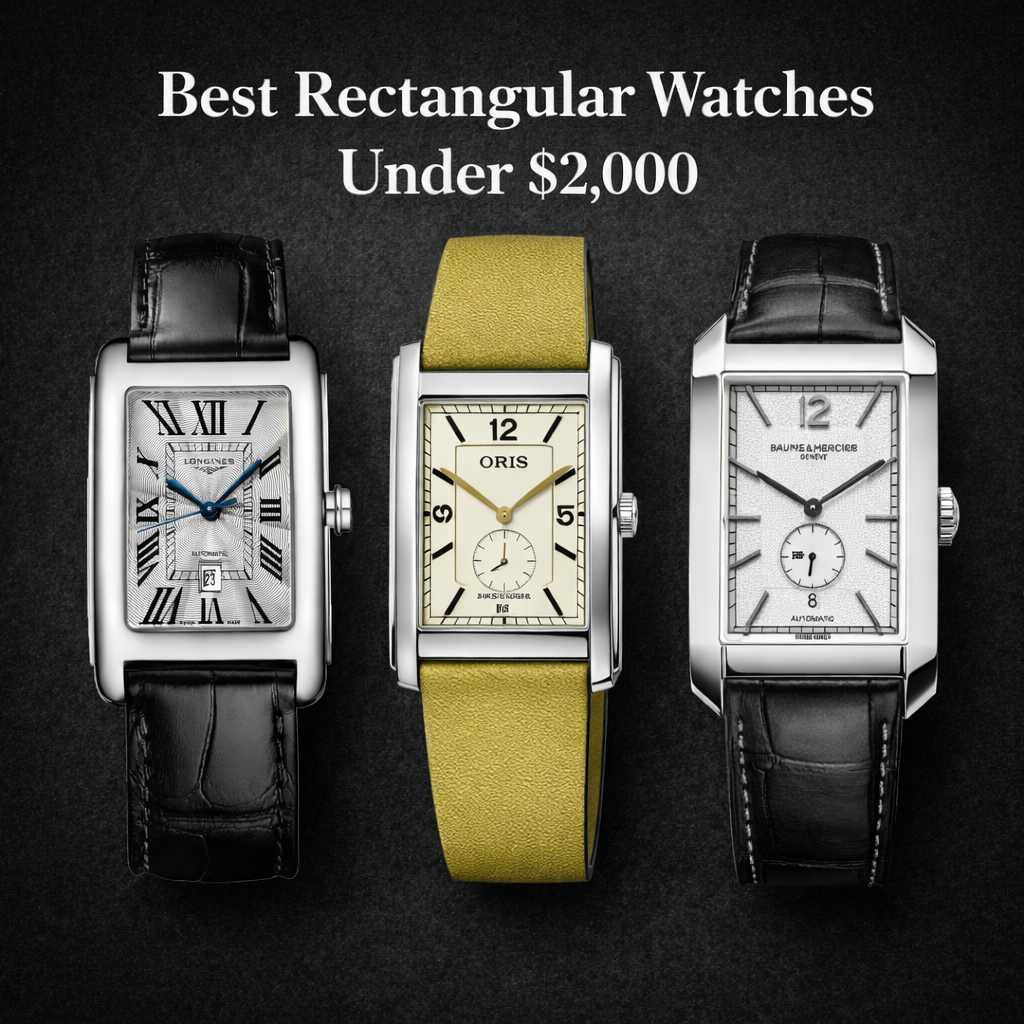
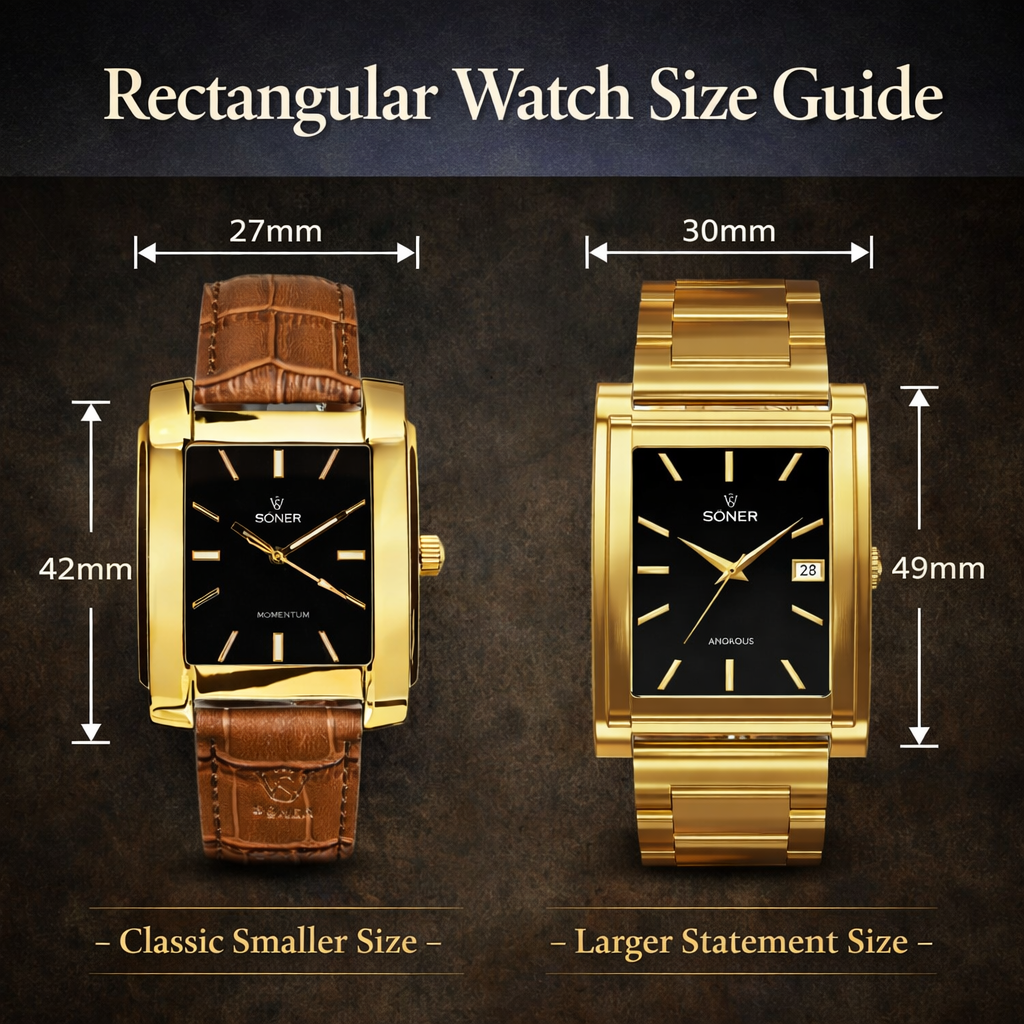
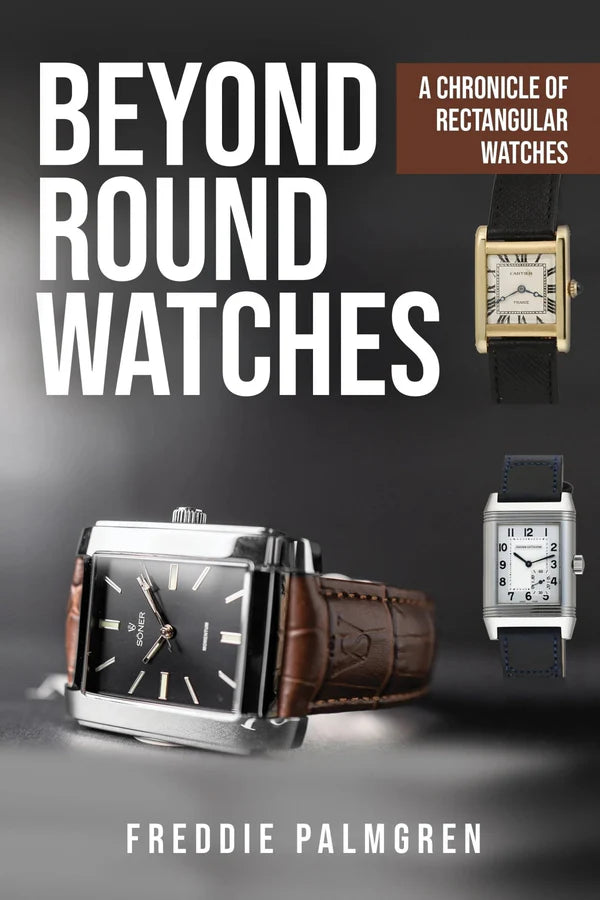
Watchmakers began experimenting with different materials, shapes, and features to cater to the growing demand for wristwatches. The 1920s and 1930s saw the introduction of rectangular and square cases, as well as the use of precious metals and gemstones in watch designs.

The Golden Age of Wristwatches
The mid-20th century is often referred to as the golden age of wristwatches. During this period, wristwatches became more than just functional timepieces; they were symbols of style, sophistication, and technological advancement.
Innovations in watchmaking technology, such as the development of automatic movements and the introduction of water-resistant cases, further enhanced the appeal of wristwatches. Brands like Rolex, Omega, and Patek Philippe became synonymous with luxury and precision, setting new standards in the industry.
The Rise of the Luxury Watch
Luxury watch brands emerged as leaders in the industry, offering timepieces that combined exquisite craftsmanship with cutting-edge technology. These watches were often handcrafted, with meticulous attention to detail, and featured complications such as chronographs, moon phases, and perpetual calendars.
The prestige associated with owning a luxury wristwatch made them highly sought after by collectors and enthusiasts. Limited edition models and collaborations with renowned designers further fueled the desire for these exclusive timepieces.

The Impact of Quartz Technology
The introduction of quartz technology in the 1960s revolutionized the watch industry. Quartz watches, powered by a battery and a quartz crystal oscillator, offered unprecedented accuracy and affordability. This technological breakthrough posed a significant challenge to traditional mechanical watchmakers.
The quartz crisis, as it came to be known, forced many watch companies to adapt or face obsolescence. While some brands embraced quartz technology, others doubled down on their commitment to mechanical watchmaking, focusing on craftsmanship and heritage to differentiate themselves in the market.
The Modern Era of Wristwatches
Today, wristwatches continue to evolve, blending traditional craftsmanship with modern technology. The rise of smartwatches has introduced a new dimension to wristwatches, offering features such as fitness tracking, notifications, and connectivity with other devices.
Despite the growing popularity of smartwatches, traditional wristwatches remain highly valued for their artistry and heritage. Collectors and enthusiasts appreciate the intricate mechanics and timeless designs that have defined the industry for centuries.

The Role of Wristwatches in Fashion
Wristwatches have become an essential accessory in the world of fashion. Designers collaborate with watchmakers to create timepieces that complement their collections, resulting in watches that are as much a statement piece as they are functional.
The versatility of wristwatches allows them to be worn in a variety of settings, from formal events to casual outings. This adaptability has contributed to their enduring popularity and relevance in the ever-changing fashion landscape.
The Future of Wristwatches
The future of wristwatches is likely to be shaped by advancements in technology and changing consumer preferences. As sustainability becomes a more significant concern, watchmakers are exploring eco-friendly materials and production methods to reduce their environmental impact.
Additionally, the integration of technology into wristwatches will continue to evolve, with innovations such as augmented reality displays and biometric sensors on the horizon. These developments promise to enhance the functionality and appeal of wristwatches for future generations.
Conclusion
The history of wristwatches is a testament to human ingenuity and the enduring appeal of timekeeping. From their origins as practical tools to their status as symbols of luxury and style, wristwatches have captivated our imagination for centuries. As they continue to evolve, wristwatches will undoubtedly remain an essential part of our lives, reflecting the perfect blend of tradition and innovation.
As you reflect on the storied journey of wristwatches, consider how you can be part of the next chapter in this legacy of timekeeping. Embrace the spirit of innovation with Söner Watches, where we challenge the conventions of traditional watch design. Our exclusive focus on rectangular analog watches sets us apart, offering a unique blend of Art Deco elegance and modern craftsmanship. Join us in celebrating the art of the wristwatch and discover our watch collections that are crafted not just to tell time, but to make a statement. Step away from the ordinary and into the extraordinary world of Söner Watches—the rectangular watch brand.