



 Published on
Table of Contents
What’s the Watch Brand Pyramid?
Watches have long been more than just instruments for telling time. They are symbols of status, craftsmanship, and personal style, worn by emperors, innovators, and adventurers throughout history. From the pocket watches of 17th-century aristocrats to the cutting-edge mechanical masterpieces of today, timepieces have reflected human ingenuity and a desire for precision.
The watch brand pyramid provides a structured way to understand the hierarchy of watch brands, categorizing them based on factors like price, heritage, craftsmanship, exclusivity, and innovation. At the base, mass-market watches offer affordability and accessibility, while the pinnacle is reserved for the rarest, most meticulously handcrafted timepieces, often produced in extremely limited quantities.
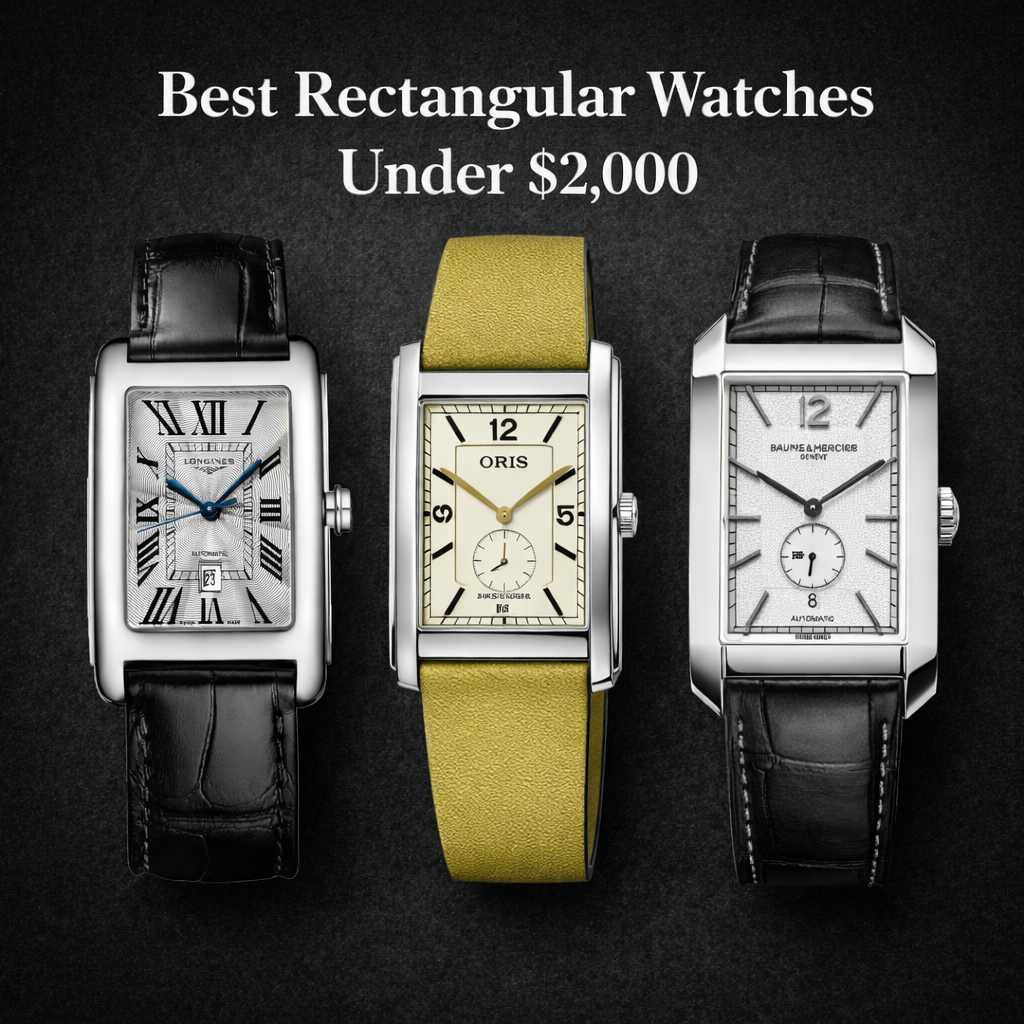
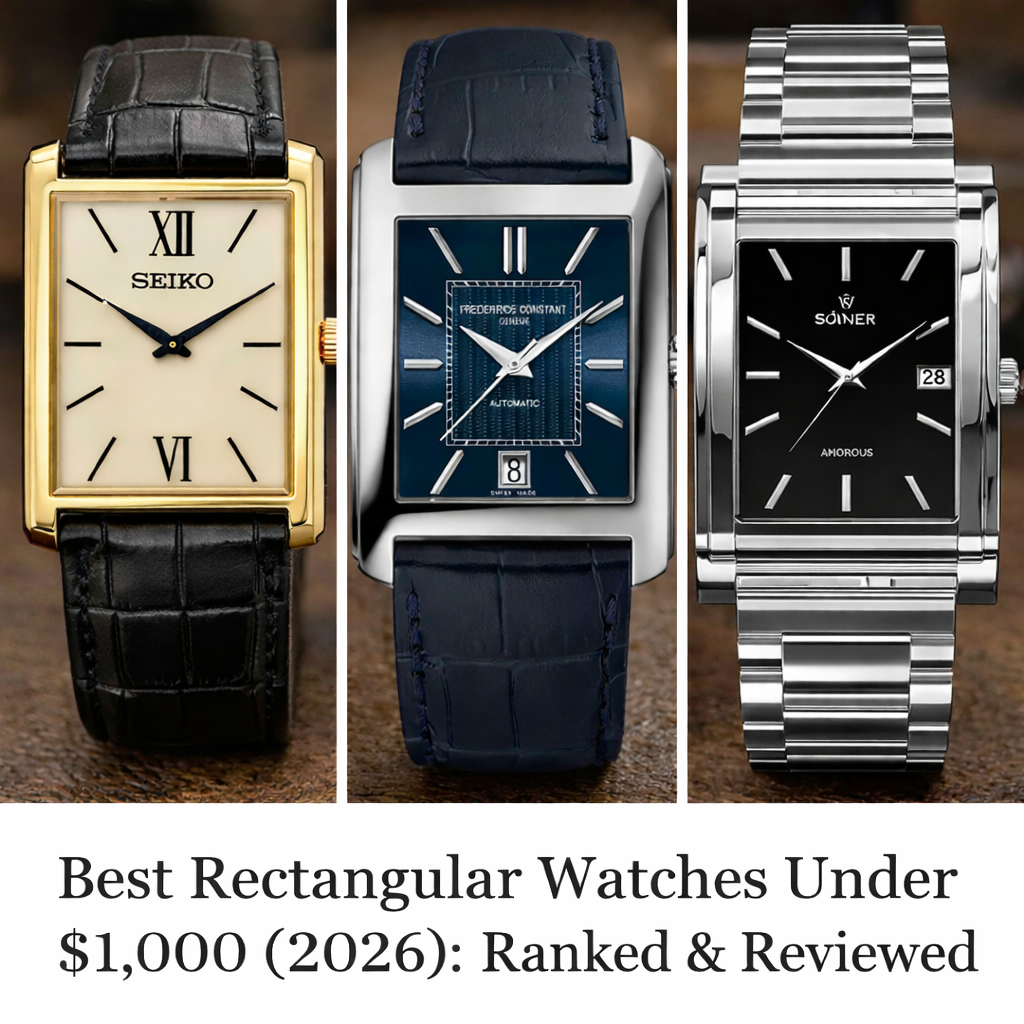
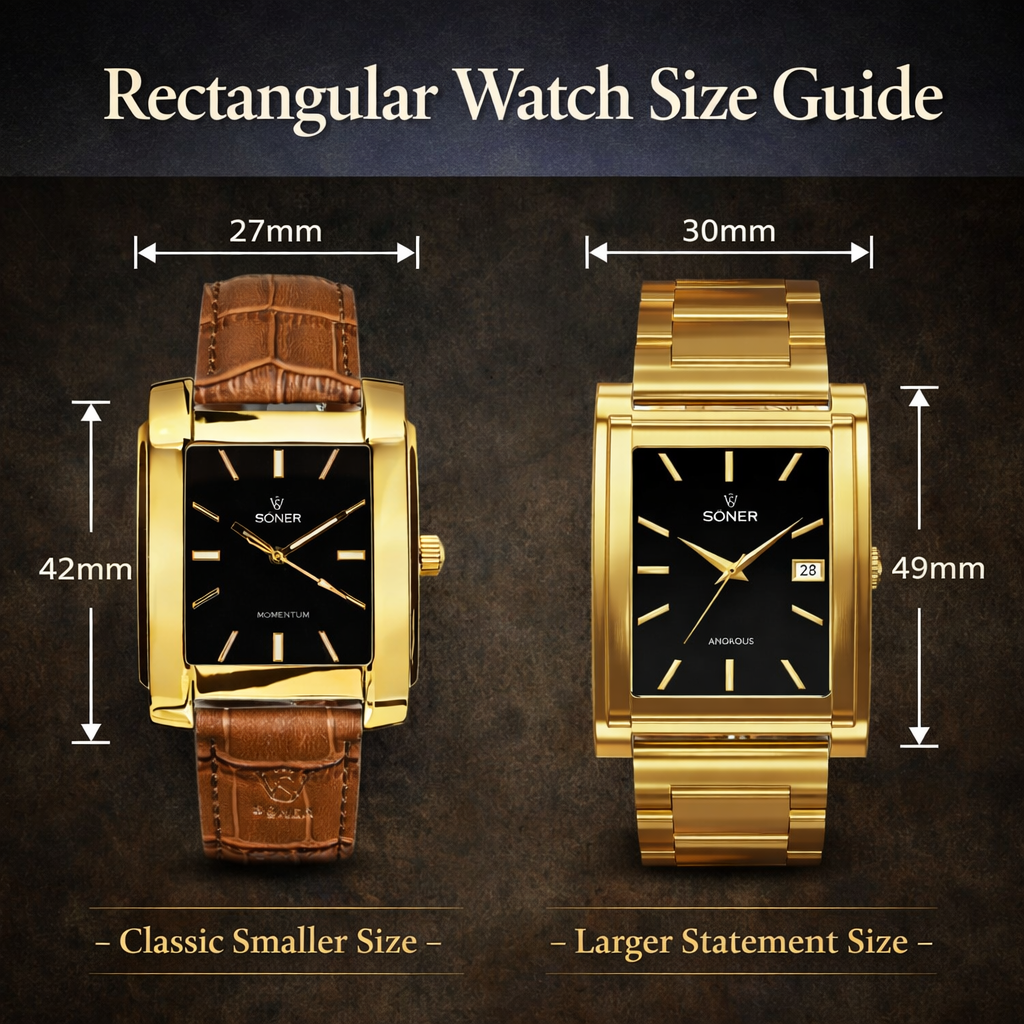
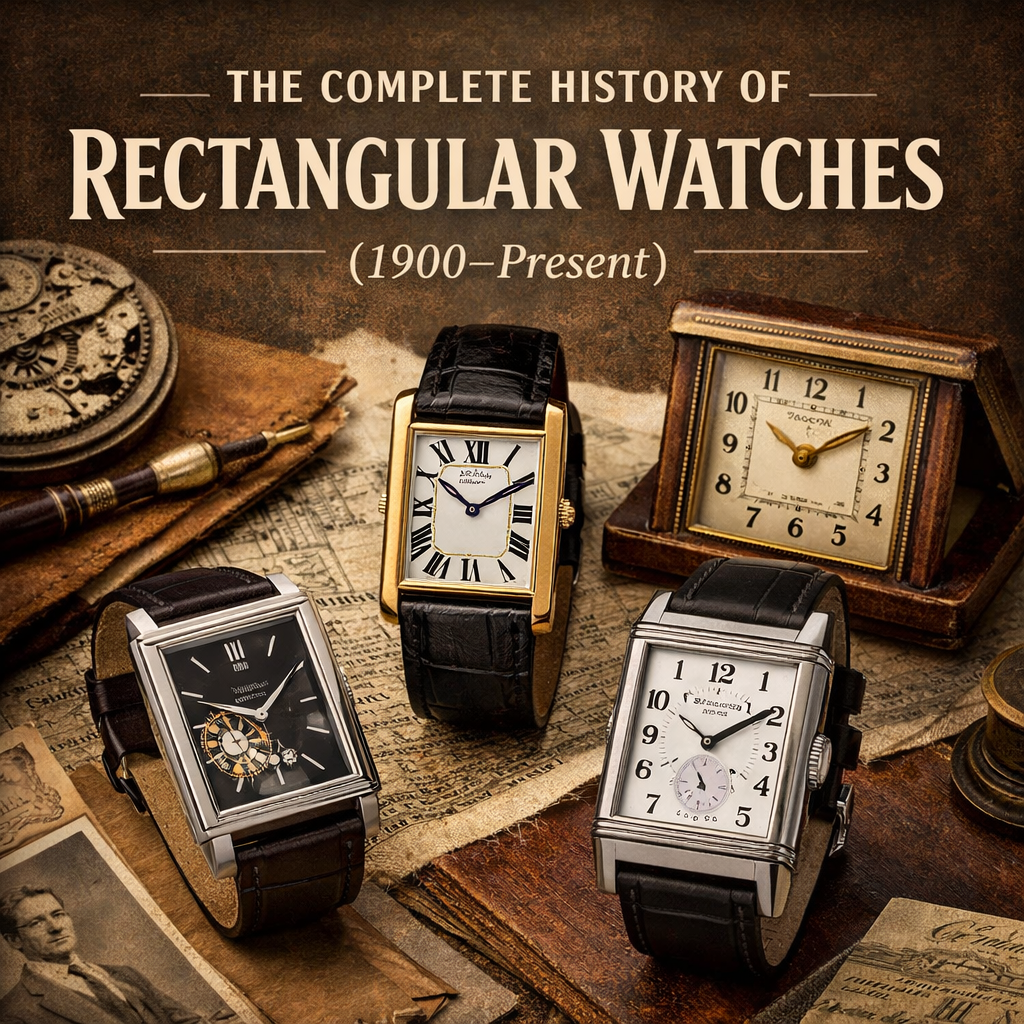
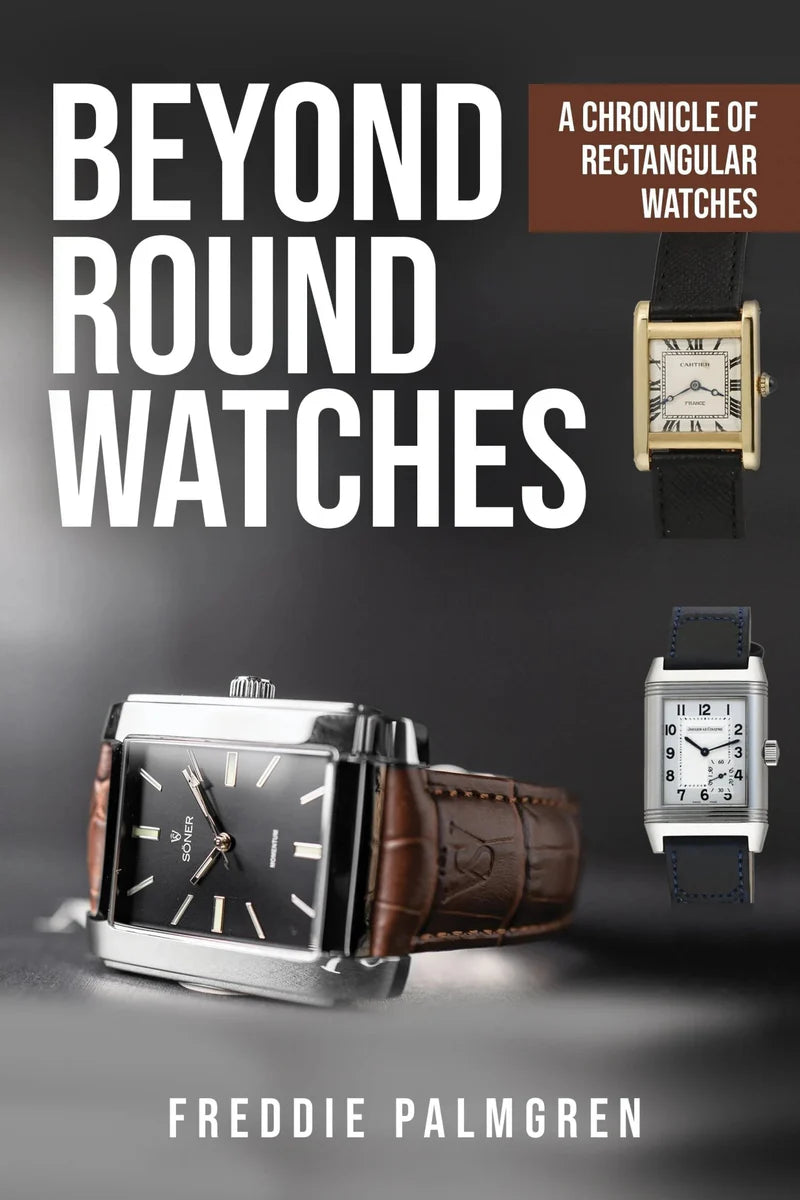
While brand hierarchy explains price and prestige, case design is another dimension that shapes identity and perception in watchmaking. If you want a deeper understanding of how form influences function, heritage, and manufacturing complexity, our comprehensive guide to rectangular watches explores this topic in detail.
Horology has always been about aspiration and excellence. As legendary watchmaker Abraham-Louis Breguet, often called the father of modern watchmaking, once said:
"If you haven't already done better, try again until you have surpassed yourself."
This pursuit of excellence is what defines the different levels of the watch brand pyramid—from brands that prioritize affordability to those that redefine luxury with unparalleled craftsmanship. Whether you're a new enthusiast or a seasoned collector, understanding this hierarchy will help you appreciate the artistry and significance of different watch brands.

The Watch Brand Pyramid at a Glance
| Tier | Category | Price Range | Example Brands |
|---|---|---|---|
| 6 | Haute Horlogerie | $500,000+ | Richard Mille, Jacob & Co |
| 5 | Ultra-Luxury | $30,000 - $500,000 | Patek Philippe, Audemars Piguet, Vacheron Constantin, A. Lange & Söhne |
| 4 | Aspirational Luxury | $5,000 - $30,000 | Rolex, Cartier, Jaeger-LeCoultre, Breguet |
| 3 | Premium Luxury | $1,500 - $5,000 | IWC, Omega, TAG Heuer, Panerai |
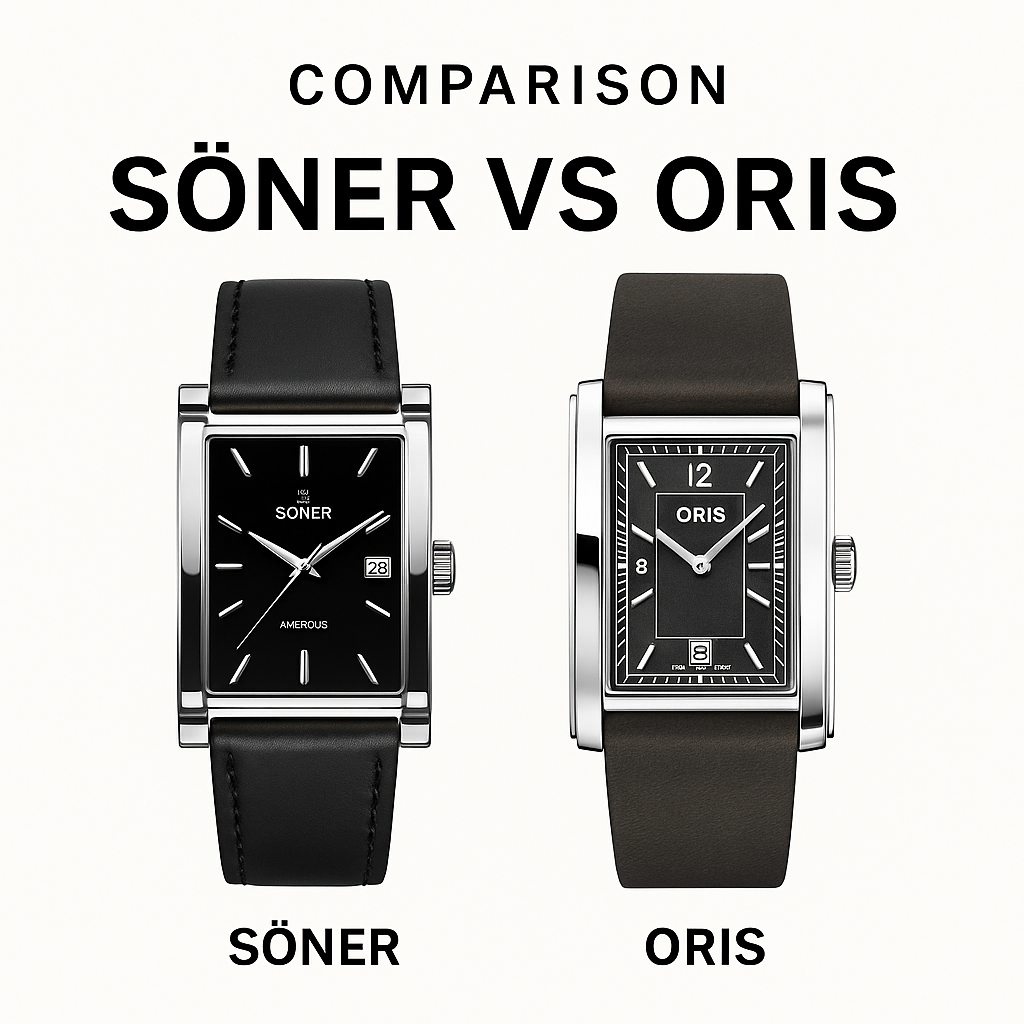
| 2 | Mid-Tier | $300 - $1,500 | Longines, Hamilton, Oris, Söner, Tissot |
| 1 | Mass Market | Under $300 | Casio, Timex, Seiko, Citizen |
The Watch Brand Pyramids Six Tiers
The watch brand pyramid categorizes watchmakers based on their craftsmanship, prestige, and exclusivity. Each tier represents a different level of quality, from mass-produced timepieces to handcrafted masterpieces that push the boundaries of horology.
At the base of the pyramid, mass-market brands focus on affordability and functionality, offering reliable watches for everyday wear. Moving up, mid-tier watch brands provide a balance between price and prestige, introducing higher-quality materials and refined designs.
The premium luxury tier prioritizes craftsmanship over cost, featuring superior movements and timeless aesthetics. Beyond that, aspirational luxury brands push the limits of fine watchmaking, incorporating innovative complications and artistic craftsmanship.
Near the top, ultra-luxury brands emphasize exclusivity, with handcrafted, limited-production models showcasing the highest levels of precision. At the pinnacle of the pyramid, the rarest, one-of-a-kind watches are designed for elite collectors, often featuring groundbreaking mechanics and bespoke artistry.
Each level represents a distinct segment of the watch industry, reflecting different values, craftsmanship, and aspirations. Understanding these tiers provides insight into what makes a watch truly exceptional.

1. Affordable Timekeeping: Exploring Mass Market Watch Brands
At the base of the watch brand pyramid, you'll find entry-level brands. These watches are typically affordable and accessible to a wide audience. They are perfect for those who are just beginning to explore the world of watches or for those who need a reliable timepiece without breaking the bank. Brands in this category often focus on practicality and functionality, offering a variety of styles to suit different tastes.
Some well-known entry-level watch brands include Tissot, Timex, Casio, and Seiko. These brands have built a reputation for producing durable and reliable watches at an affordable price point. They often incorporate innovative technologies, such as solar power and atomic timekeeping, making them a great choice for tech-savvy consumers.
While entry-level watches may not boast the same level of craftsmanship or prestige as higher-tier brands, they offer excellent value for money. They are often the starting point for many watch enthusiasts, providing a solid foundation for building a collection.
2. Mid-Tier Watch Brands: Balancing Quality and Affordability
Moving up the pyramid, we encounter mid-tier watch brands. These brands strike a balance between quality and affordability, offering watches that are a step above entry-level options in terms of materials and craftsmanship. Mid-tier watches often feature automatic movements, higher-quality materials, and more sophisticated designs.
Brands such as Longines, Söner, and Oris fall into this category. They are known for their attention to detail and commitment to producing reliable timepieces. Many of these brands have a rich history and heritage, adding an element of prestige to their watches.
Mid-tier watches are ideal for those who appreciate fine craftsmanship but are not yet ready to invest in high-end luxury pieces. They offer a taste of luxury without the hefty price tag, making them a popular choice for both casual wear and special occasions.
The Appeal of Mid-Tier Watches
One of the main attractions of mid-tier watches is their versatility. They can easily transition from day to night, making them suitable for a variety of settings. Whether you’re heading to the office or attending a formal event, a mid-tier watch can complement your outfit and enhance your overall look.
Additionally, mid-tier brands often collaborate with renowned designers and celebrities, resulting in limited edition pieces that add a unique touch to any collection. These collaborations can increase the desirability and collectability of certain models, making them a worthwhile investment for watch enthusiasts.

3. Premium Luxury Watches: When Quality Takes Priority Over Price
As we ascend the watch brand pyramid, we reach the high-end segment. These brands are synonymous with luxury and exclusivity, offering watches that are meticulously crafted using the finest materials and the most advanced watchmaking techniques. High-end watches are not just timepieces; they are works of art that reflect the pinnacle of horological excellence.
Brands such as IWC, Omega, and TAG Heuer dominate this tier. They are renowned for their precision, durability, and timeless designs. High-end watches often feature complications such as chronographs, perpetual calendars, and tourbillons, showcasing the brand's technical prowess and innovation.
Owning a high-end watch is a statement of success and sophistication. These watches are often passed down through generations, becoming treasured family heirlooms. They hold their value well over time, making them a sound investment for those who appreciate both luxury and craftsmanship.
The Craftsmanship Behind High-End Watches
What sets high-end watches apart is the level of craftsmanship involved in their creation. Each watch is meticulously assembled by skilled artisans, with many components crafted by hand. The attention to detail is unparalleled, with every element of the watch carefully considered and executed to perfection.
The materials used in high-end watches are also of the highest quality. From 18k gold and platinum to sapphire crystal and alligator leather, these watches are made to last a lifetime. The use of precious metals and gemstones adds to their allure, making them highly sought after by collectors and connoisseurs alike.

4. Aspirational Luxury Timepieces: The Pursuit of Excellence
At this tier, watchmaking transcends basic functionality and even traditional luxury, moving into the realm of mechanical mastery and artistic expression. These timepieces are not just about telling time, they are about pushing the limits of what is possible in horology. Brands in this category are known for their relentless pursuit of technical innovation, aesthetic refinement, and a deep respect for historical watchmaking traditions.
What sets aspirational luxury watches apart is their complexity. Timepieces at this level often feature advanced complications, such as perpetual calendars, minute repeaters, and tourbillons, mechanisms that require extensive skill and precision to create. Unlike the premium luxury tier, where durability and brand recognition play a significant role, watches in this segment are built for connoisseurs who appreciate the intricacies of movement design and craftsmanship.
Brands such as Rolex, Cartier, Jaeger-LeCoultre, Breguet, and Blancpain define this tier with their ability to seamlessly blend innovation with heritage. Jaeger-LeCoultre, for instance, is known as the "watchmaker’s watchmaker," having developed over 1,200 movements since its founding, supplying calibers to brands like Patek Philippe and Audemars Piguet. Breguet, on the other hand, pioneered some of the most important inventions in watchmaking, including the tourbillon, a complication designed to counteract gravity’s effect on timekeeping. Blancpain stands out for its ultra-thin movements and elaborate craftsmanship, appealing to those who seek both tradition and modern refinement. For a comprehensive overview of rectangular watch architecture, consult The Definitive Guide to Rectangular Watches.
These watches often feature exquisite hand-finishing, with details such as Guilloché engraving, hand-painted dials, and movement decorations like Côtes de Genève and perlage. Every component is meticulously finished, even those that will never be seen by the wearer.
Due to their complexity, aspirational luxury watches are produced in limited numbers, ensuring exclusivity. They are typically worn by individuals who have a profound appreciation for the art of watchmaking and are often sought after by collectors looking for refined craftsmanship, technical excellence, and timeless elegance.

5. Ultra-Luxury Watches: Exclusivity and Unparalleled Craftsmanship
Beyond aspirational luxury lies the world of ultra-luxury timepieces, where watchmaking becomes an elite craft, reserved for those who demand the absolute best. These watches are distinguished by exceptional materials, painstaking hand-assembly, and extreme exclusivity. Every detail, from the movement to the finishing, is executed at the highest possible level.
Unlike the previous tiers, where production numbers are still relatively high, ultra-luxury brands create limited editions or even bespoke watches, often requiring years to design and manufacture. These watches are produced by independent artisans and master watchmakers who devote their entire careers to perfecting their craft.
Brands such as Patek Philippe, Audemars Piguet, Vacheron Constantin, and A. Lange & Söhne dominate this category. Audemars Piguet’s Royal Oak redefined the luxury sports watch category with its integrated bracelet and distinctive octagonal bezel, while Vacheron Constantin, the oldest continuously operating Swiss watchmaker, produces hand-engraved masterpieces with breathtaking complications.y, such as the Patek Philippe Grandmaster Chime 6300A, which features 20 complications, including a perpetual calendar, moon phase, and minute repeater.
One of the defining features of ultra-luxury watches is their unique use of materials. Beyond gold and platinum, brands incorporate rare metals, high-tech ceramics, meteorite dials, and even elements sourced from space. The attention to detail extends to the internal workings, where every component is often finished by hand, with delicate polishing, engraving, and assembly that can take months or even years to complete.
These timepieces are not mass-produced or intended for general consumers. Instead, they cater to a small circle of elite collectors, connoisseurs, and individuals who see watches as investments and works of art. Their exclusivity ensures they retain their value or even appreciate over time.
Owning an ultra-luxury watch is not just about wearing a prestigious brand; it’s about possessing something that is exceptionally rare, meticulously crafted, and steeped in horological heritage.

6. The Pinnacle: Haute Horlogerie and Independent Watchmakers
At the very top of the watch brand pyramid, we find haute horlogerie and independent watchmakers. These brands represent the zenith of watchmaking, producing timepieces that are both rare and exceptional. Haute horlogerie is characterized by its emphasis on artistry, innovation, and exclusivity.
This is where brands such as Jacob & Co and Richard Mille thrive. These brands considered by many as the ultimate symbols of watchmaking excellence, has produced some of the most complicated timepieces in history. Richard Mille, known for its futuristic approach, creates watches that push the boundaries of engineering and material science, incorporating ultra-lightweight titanium, graphene, and LITAL alloy used in Formula 1 cars.
These timepieces are not simply worn—they are displayed, collected, and auctioned for millions of dollars. Some watches in this tier have sold for record-breaking prices, such as the Timeless Treasure from Jacob & Co ($20,000,000).
What truly sets this tier apart is the concept of bespoke watchmaking. Some collectors commission custom-built pieces, resulting in a watch that is truly unique in the world. These watches are often hand-assembled by a single master watchmaker, ensuring an unmatched level of detail and personalization.
At this level, the price is irrelevant; the value is measured in rarity, innovation, and craftsmanship. These watches are masterpieces of human ingenuity, destined to be treasured for generations and admired by those who understand the highest form of horological art.
The Art of Haute Horlogerie
Haute horlogerie is more than just watchmaking; it is an art form. Each timepiece is a testament to the skill and creativity of the watchmaker, with every detail meticulously crafted to perfection. From hand-engraved dials to intricate enamel work, haute horlogerie watches are a celebration of artistry and innovation.
These watches often feature complex complications, such as minute repeaters, perpetual calendars, and tourbillons, showcasing the watchmaker's technical expertise. The creation of such timepieces requires years of experience and a deep understanding of horological principles, making them highly prized by collectors and enthusiasts.

Choosing the Right Watch for You
When it comes to choosing a watch, it's important to consider your personal style, budget, and the level of craftsmanship you desire. Whether you're drawn to the accessibility of entry-level brands, the balance of quality and affordability in mid-tier watches, the luxury of high-end timepieces, or the artistry of haute horlogerie, there's a watch out there for everyone.
Consider what you value most in a watch. Is it the brand's heritage, the complexity of the movement, or the materials used? Understanding your priorities will help you make an informed decision and find a watch that truly resonates with you.
Ultimately, the watch brand pyramid is a guide, not a rulebook. Each level offers something unique and special, and the right watch for you is the one that brings you joy and satisfaction every time you wear it.
Freddie's Take: Where Söner Sits in the Pyramid
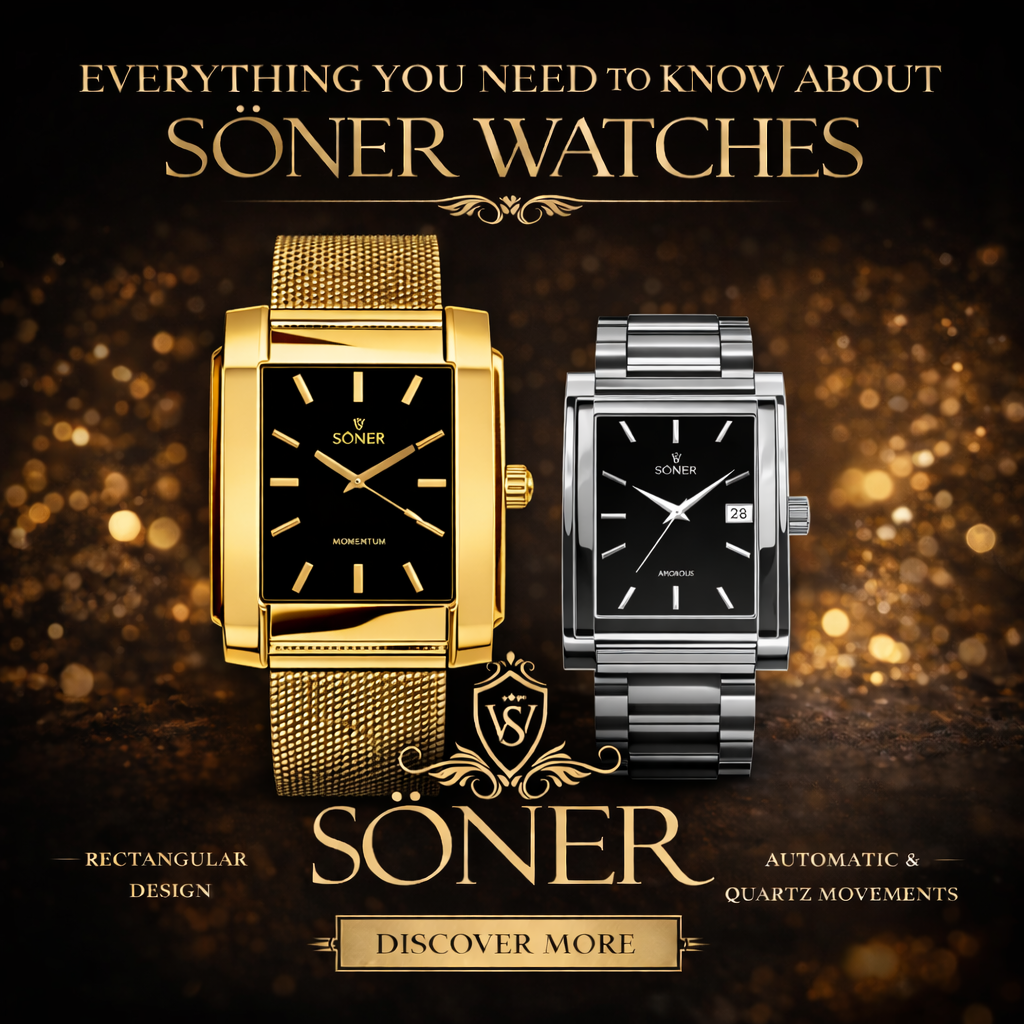
I'm Freddie Palmgren, founder of Söner Watches. When people ask where Söner fits in the pyramid, I tell them tier 2 - mid-tier - on price. But the design intention is different from most brands at that level.
Most mid-tier watch brands are trying to look like tier 3 or tier 4. They borrow design language from Rolex or Omega and produce round watches that signal aspiration toward those brands. The round case is shorthand for "I know what a watch should look like."
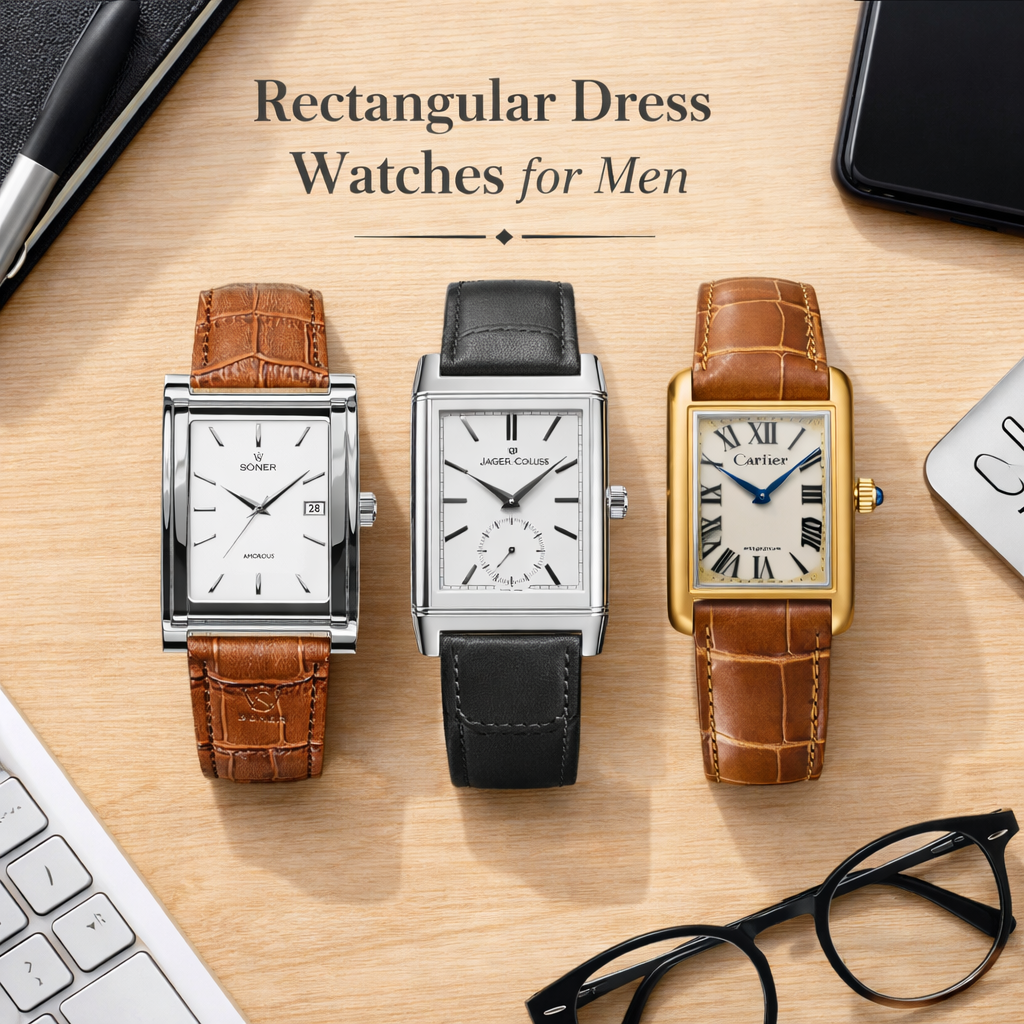
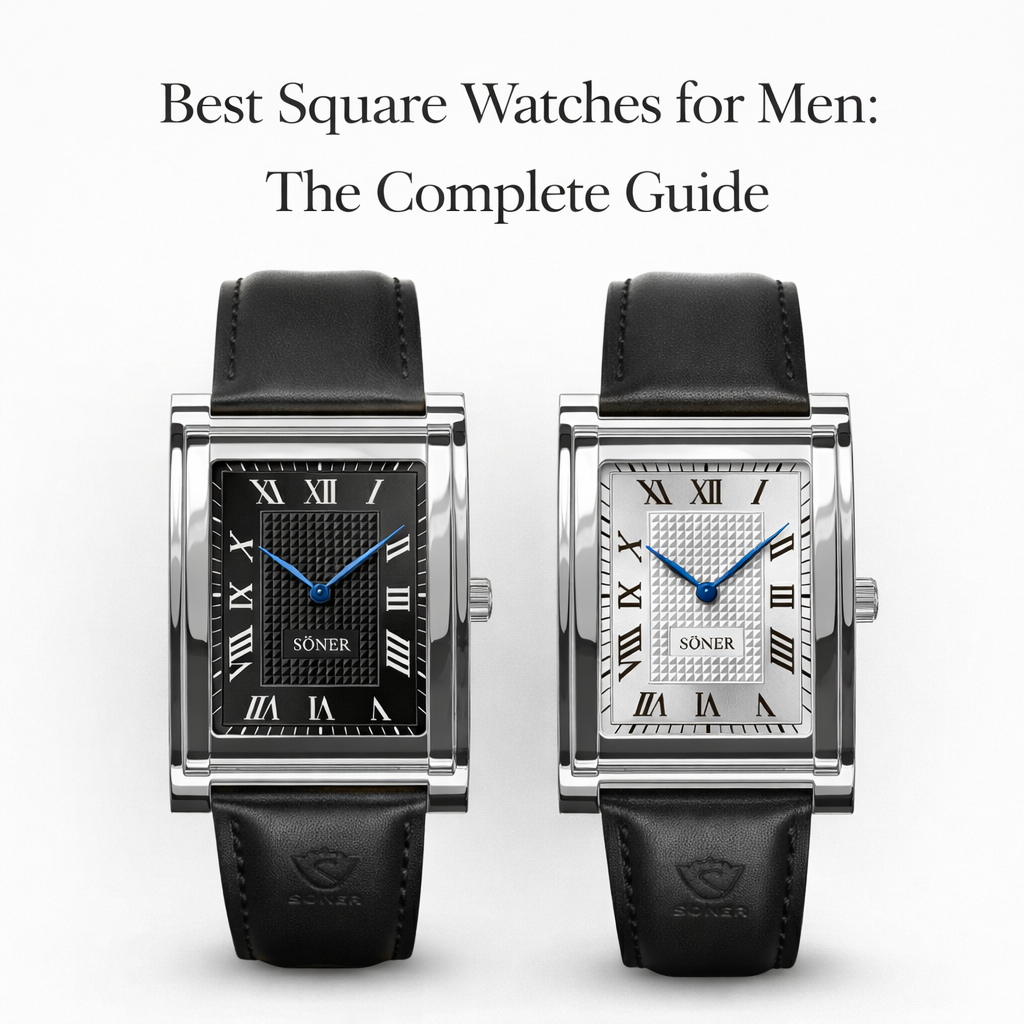
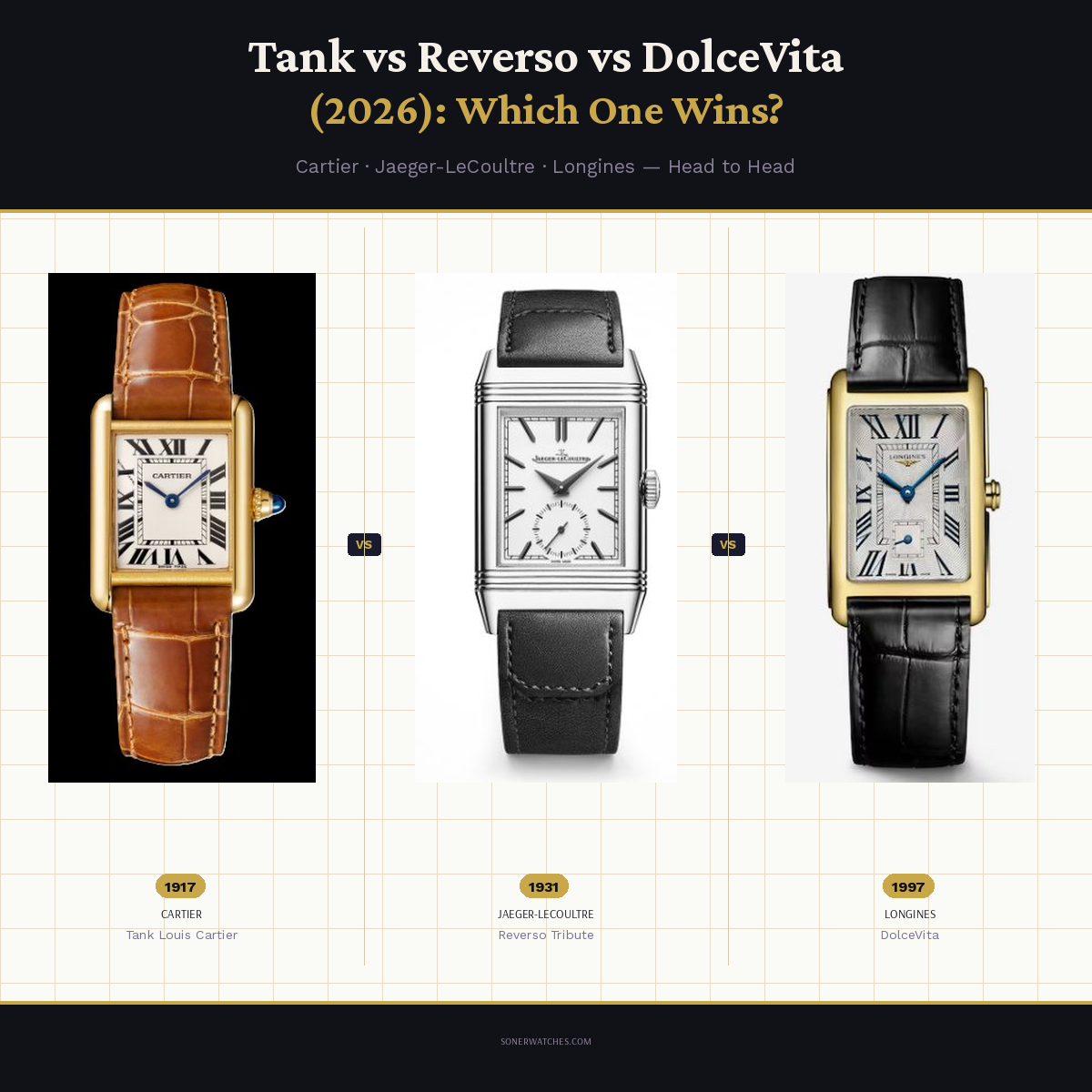
Söner doesn't do that. We make exclusively rectangular watches because we think the rectangular case is the most considered and historically significant form in watchmaking. The Cartier Tank, the Jaeger-LeCoultre Reverso, the Patek Philippe Gondolo - the most important dress watches ever made are all rectangular. Our design reference is tier 4, not tier 3.
What that means practically is that a Söner watch at $550 is not competing with a Longines or a Hamilton on the same terms. It occupies a different design position - the only brand at any price point built exclusively around the rectangular case. That singularity of focus is what justifies the category position.
For buyers who want the rectangular watch aesthetic without the Cartier or JLC price tag, Söner is the direct answer. For buyers who want something that signals genuine design knowledge rather than brand-name aspiration, the rectangular case does that work more effectively than any round watch at any price point.
- Freddie Palmgren, Founder of Söner Watches
Frequently Asked Questions
What is the watch brand pyramid?
The watch brand pyramid is a framework for understanding the hierarchy of watch brands based on price, craftsmanship, heritage, and exclusivity. It runs from mass-market brands at the base - Casio, Timex, Seiko - through mid-tier, premium luxury, aspirational luxury, and ultra-luxury, up to haute horlogerie at the pinnacle. Each tier represents a distinct level of production quality, movement complexity, and brand prestige.
What are the top tier watch brands?
The highest tier - haute horlogerie - is occupied by Richard Mille and Jacob & Co, producing watches that sell for hundreds of thousands to millions of dollars. One tier below, ultra-luxury, includes Patek Philippe, Audemars Piguet, Vacheron Constantin, and A. Lange & Söhne. These are the brands most serious collectors target.
Where does Rolex sit in the watch pyramid?
Rolex sits in tier 4 - aspirational luxury - alongside Cartier, Jaeger-LeCoultre, and Breguet. This is the tier where watches range from approximately $5,000 to $30,000, feature in-house movements, and have strong secondary market value. Rolex is the dominant brand at this level by volume and brand recognition.
What is a mid-tier watch brand?
Mid-tier watch brands occupy tier 2 of the pyramid, typically pricing between $300 and $1,500. They offer genuine quality - often Swiss movements, sapphire crystals, and steel cases - without the heritage premium of luxury brands. Examples include Longines, Hamilton, Oris, Tissot, and Söner. These watches represent the best value-per-quality point in the pyramid.
What is the difference between luxury and ultra-luxury watches?
Luxury watches (tiers 3-4) are produced in significant volume by established Swiss brands and prioritise quality, precision, and brand heritage. Ultra-luxury watches (tier 5) are produced in very limited numbers, often feature in-house complications developed over years, and are built primarily for collectors. The difference is less about price than about production philosophy - ultra-luxury watches are made for connoisseurs, not general consumers.
Is Omega a luxury watch brand?
Omega sits in tier 3 - premium luxury - alongside IWC, TAG Heuer, and Panerai. It is a legitimate luxury brand with a strong heritage and excellent movements, but it sits below aspirational luxury brands like Rolex and Cartier in terms of price, exclusivity, and secondary market performance.
What watch brands hold their value best?
Patek Philippe, Rolex, and Audemars Piguet consistently hold or appreciate in value on the secondary market. Within those brands, specific references - Rolex Submariner, Patek Nautilus, AP Royal Oak - command significant premiums over retail. Below tier 4, value retention drops considerably. Mid-tier watches should be bought to wear, not as investments.
If you're seeking a timepiece that defies convention and embodies the spirit of originality, look no further than Söner Watches. As the only watch brand in the world dedicated to the elegance of rectangular analog watches, Söner offers a unique blend of Art Deco-inspired design and modern craftsmanship. Step outside the circle and discover our watch collections to find a watch that not only tells time but tells your story.